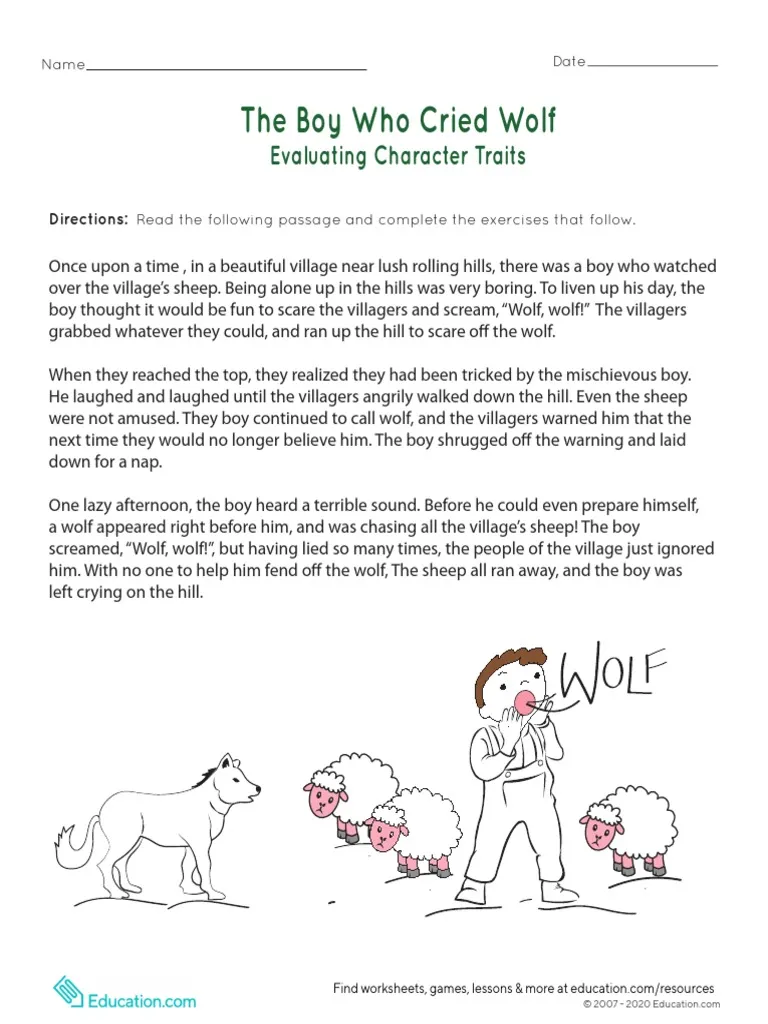
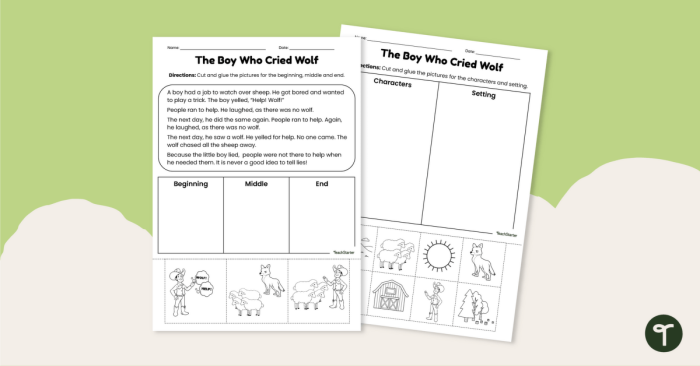
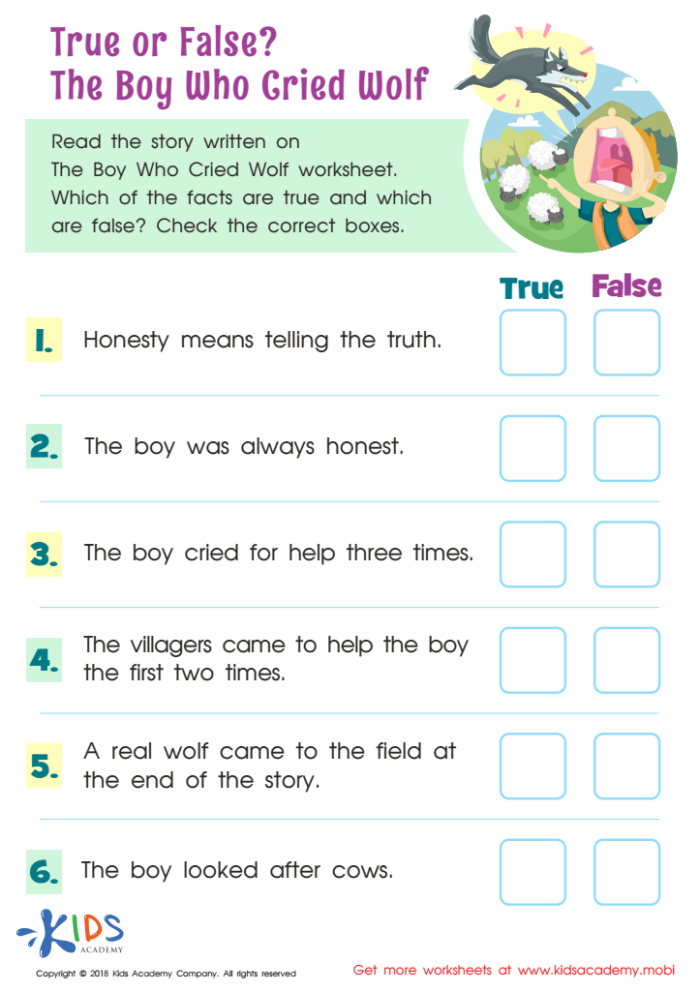
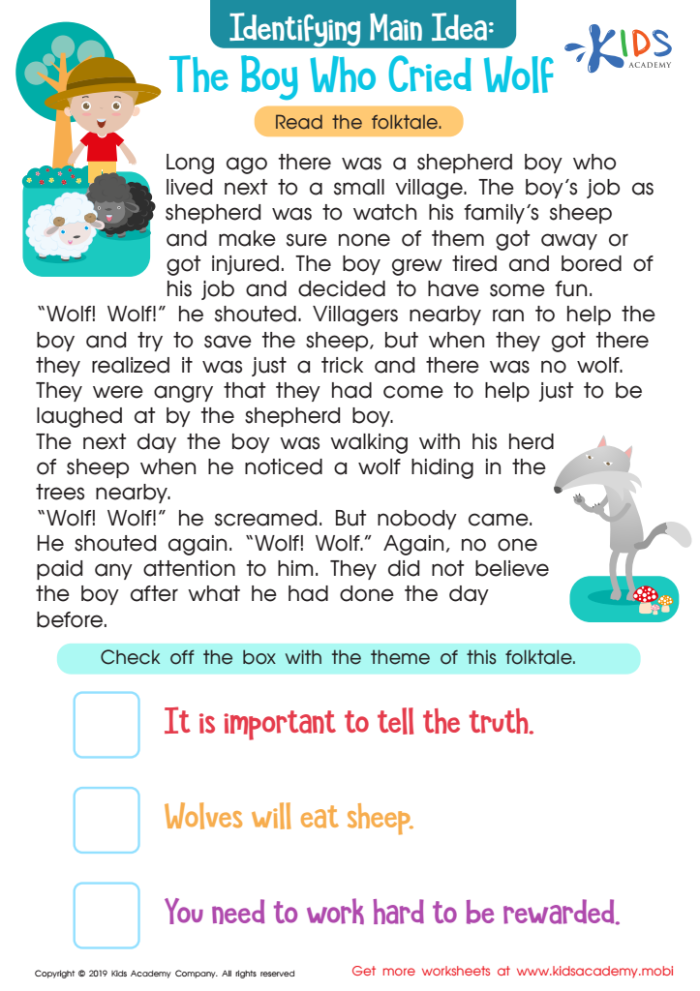
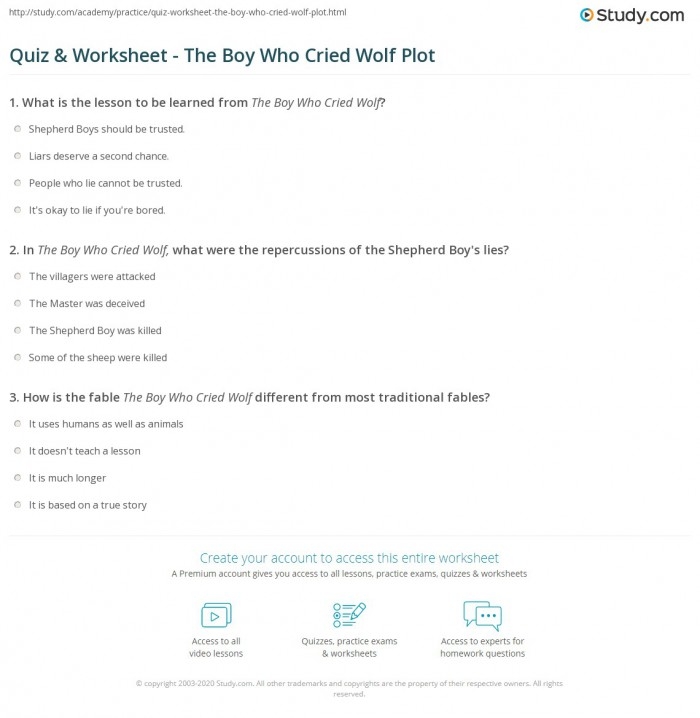
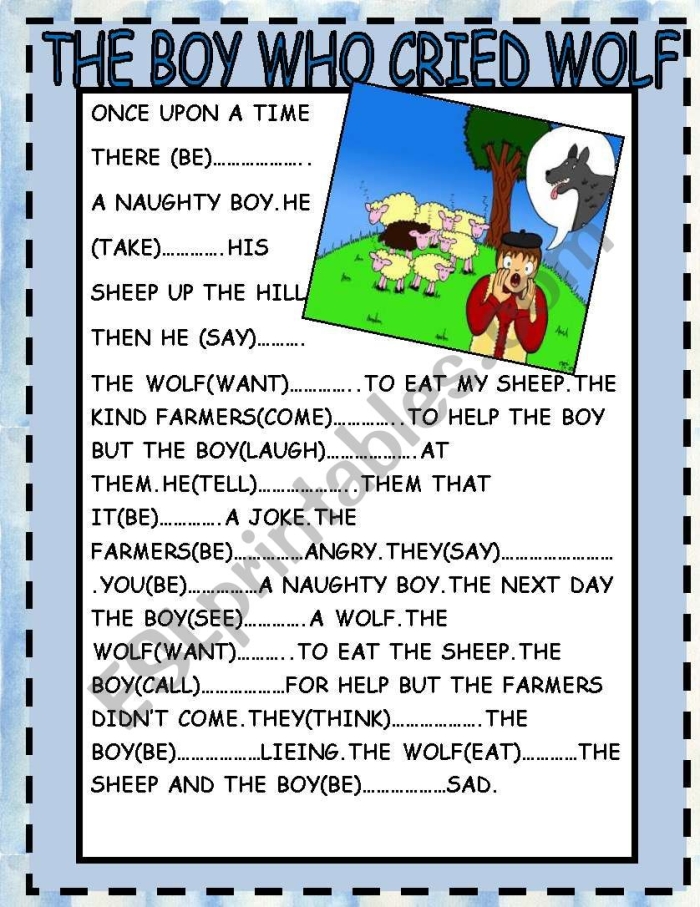
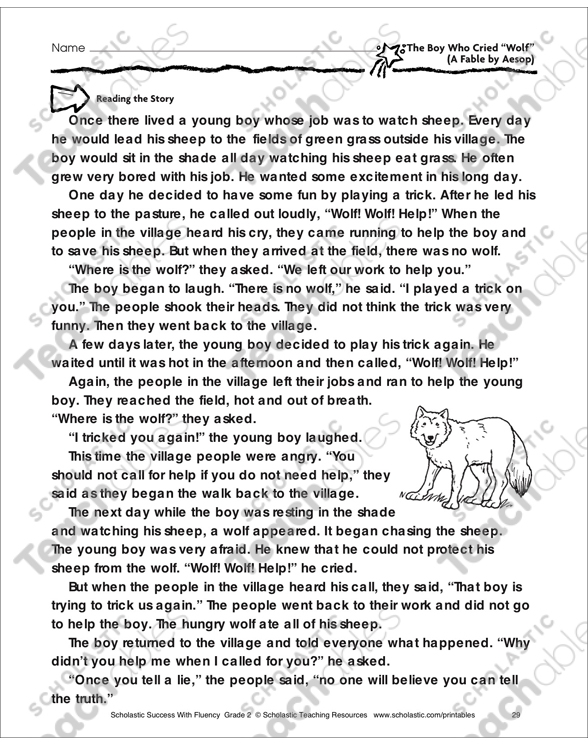
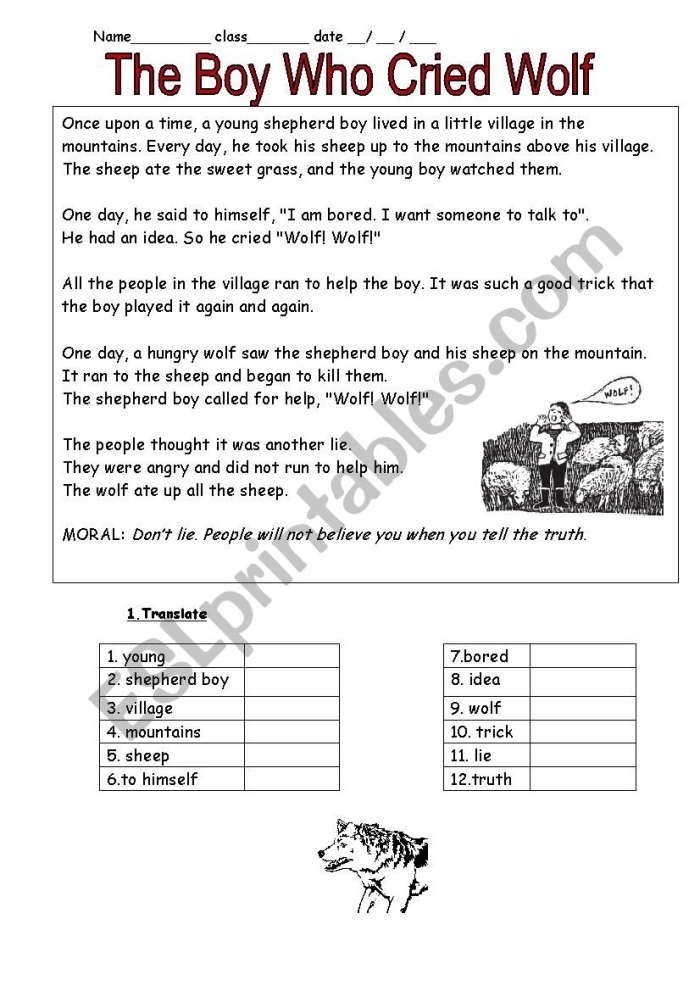
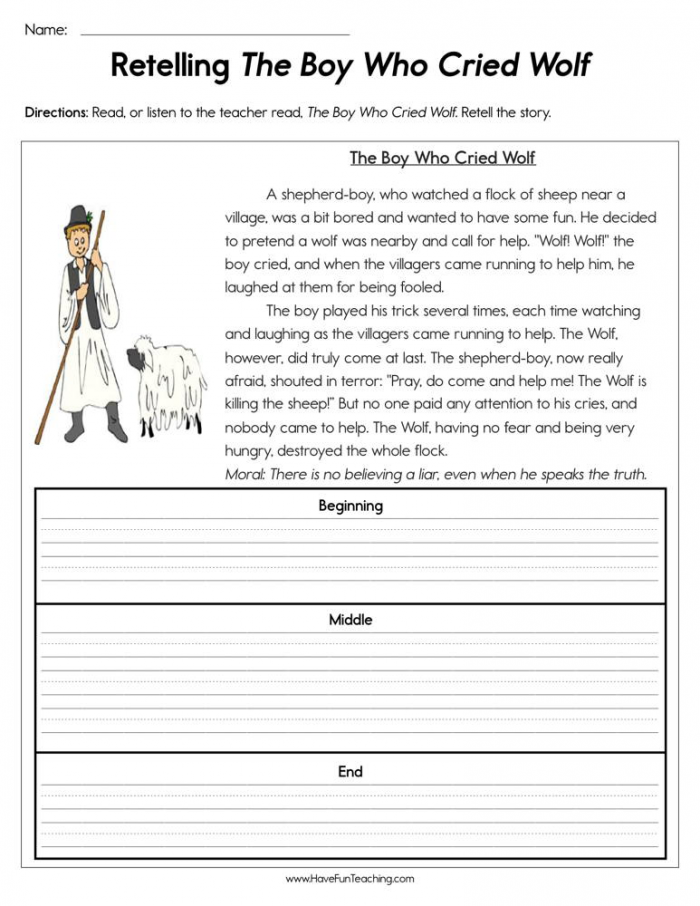
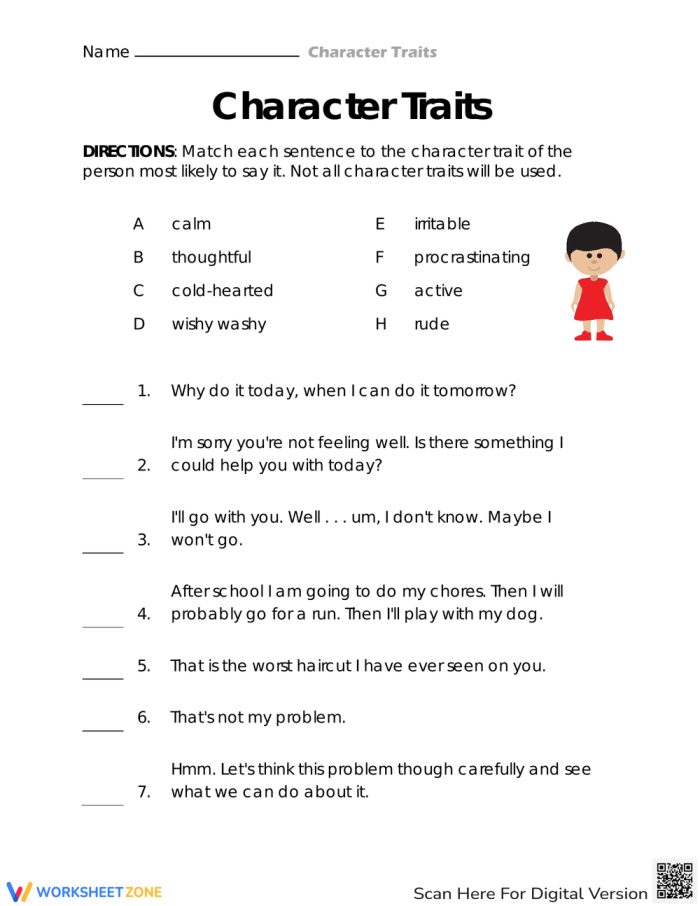
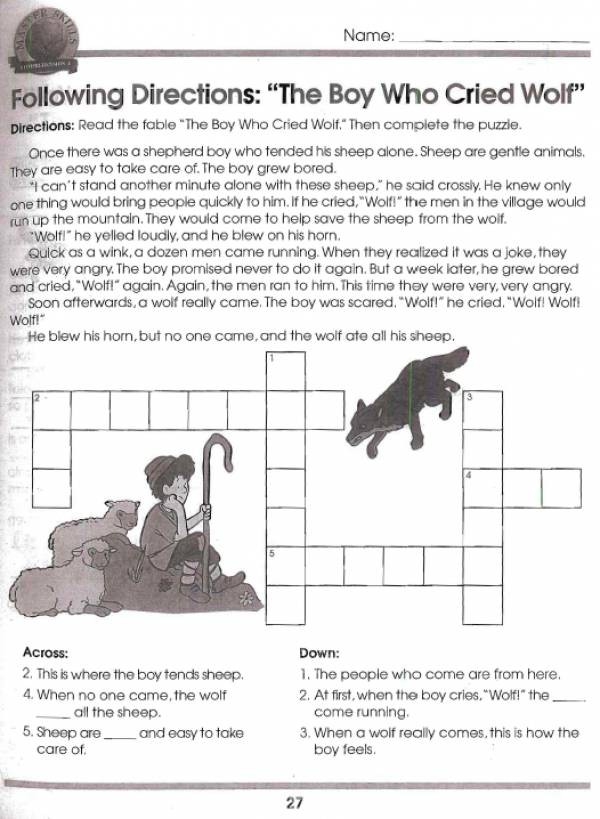
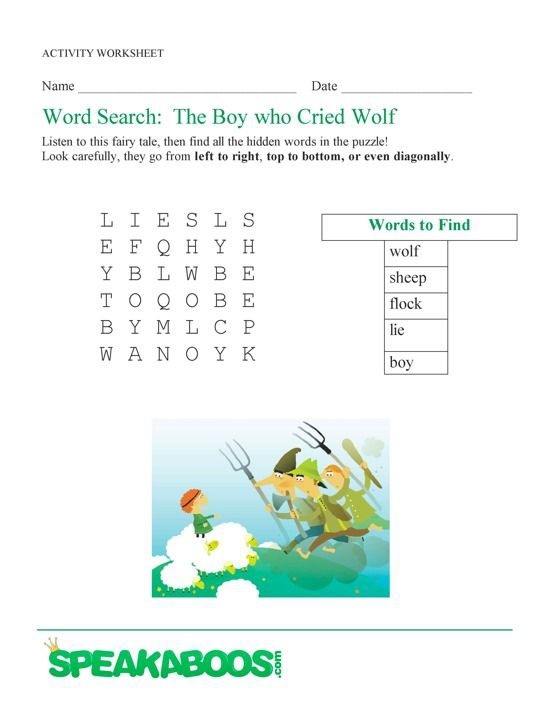
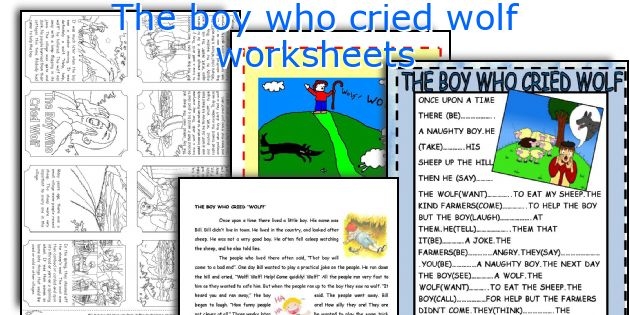
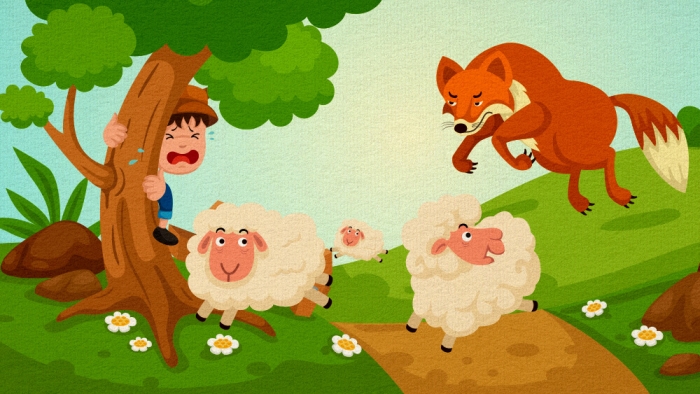
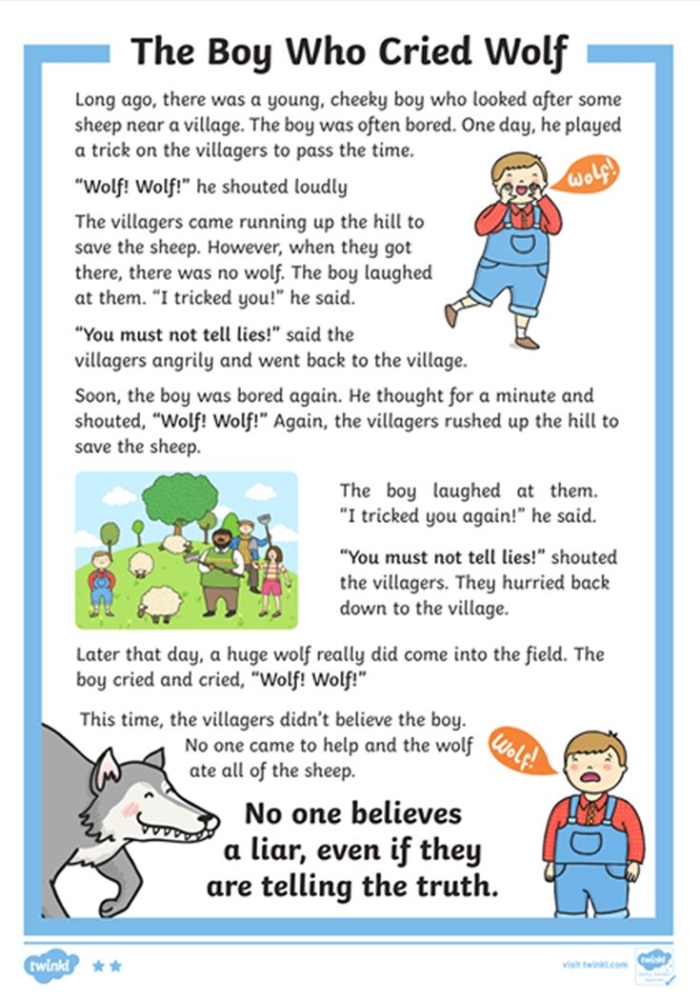
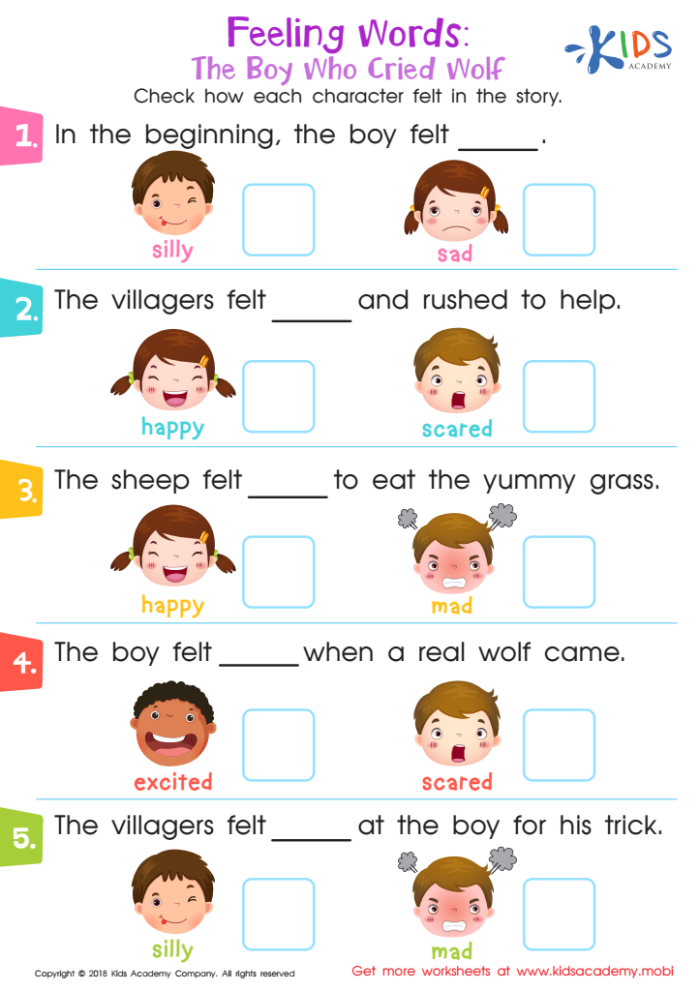
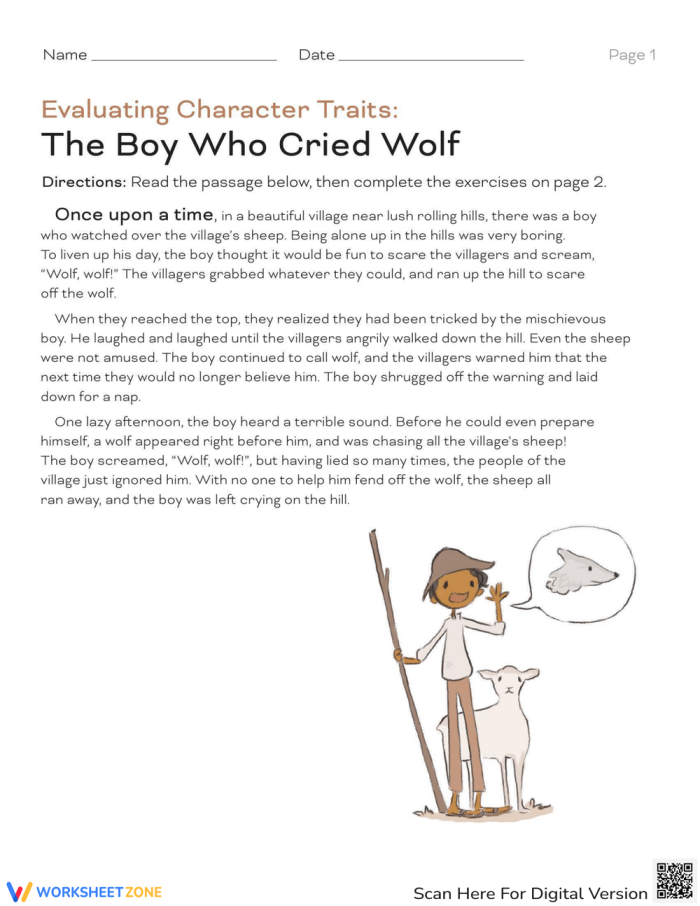
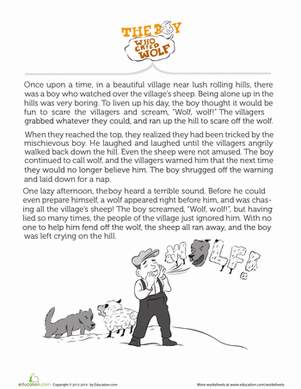
When fourth grade students encounter “The Boy Who Cried Wolf,” they’re not just reading a story about a shepherd and some sheep. They’re learning to notice why characters make the choices they do, what those choices reveal about them, and how actions have consequences. A well-designed character analysis worksheet guides students through this thinking process, turning a simple fable into a lesson about human nature.
The classic tale works perfectly for this kind of analysis because the boy’s behavior is straightforward enough for young readers to follow, yet rich enough to spark real discussion. Students can identify his dishonesty, his desire for attention, and his eventual loss of credibility. They learn to distinguish between what a character says and what their actions actually show. This skill transfers directly to other texts they’ll encounter throughout their education.
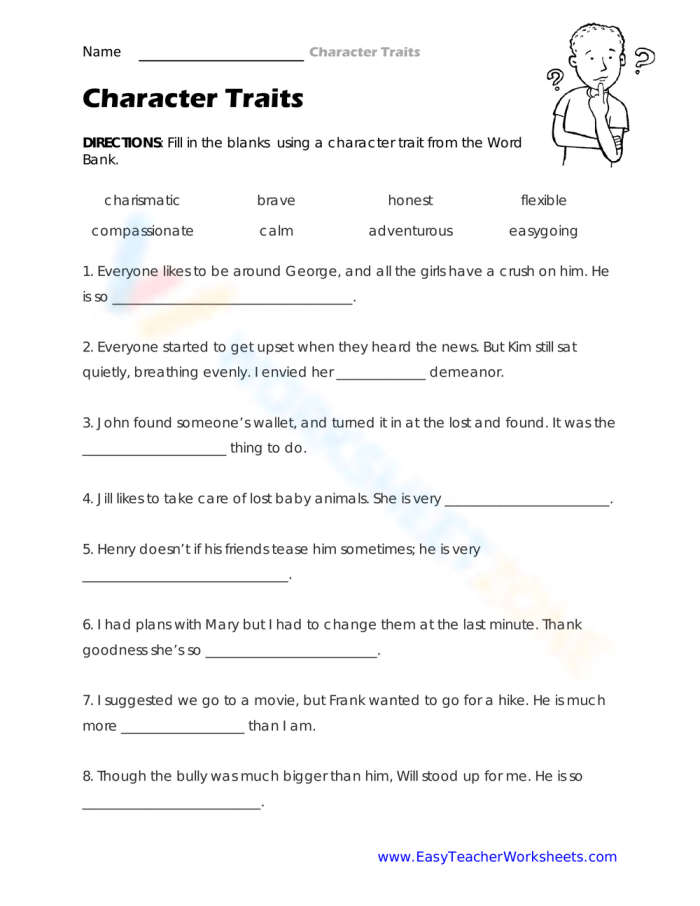
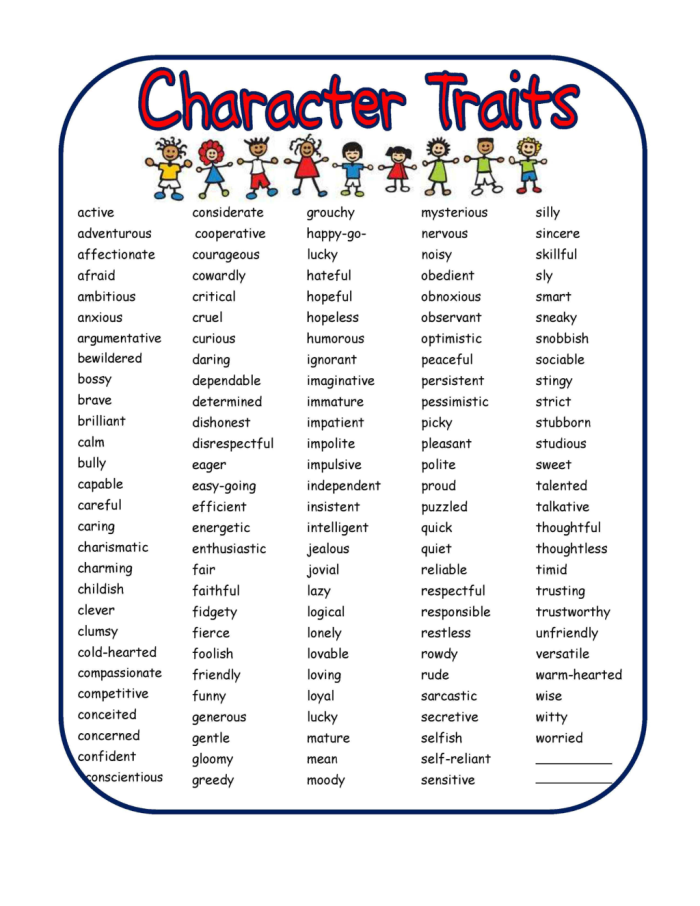
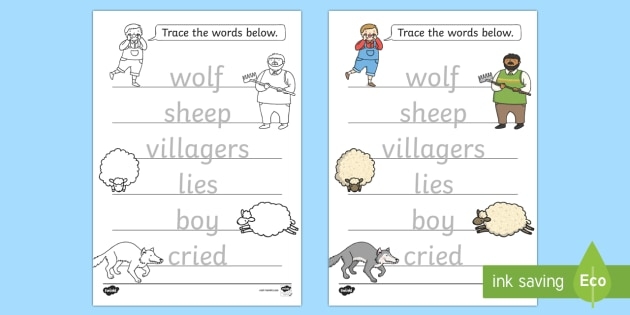
A solid character analysis worksheet typically asks students to track the boy’s behavior across different scenes, note how other characters respond to him, and predict what might happen next based on his personality traits. Some worksheets include vocabulary work alongside the reading, helping students build their descriptive language. Fourth grade is an ideal time for this type of structured analysis because students have developed enough reading fluency to focus on deeper comprehension rather than just decoding words.
The beauty of using fables for character study is their brevity. Unlike longer chapter books, a fable can be read and analyzed in a single lesson, making it efficient for classroom time. Teachers often pair character analysis work with other fourth grade subjects. For instance, students might work on distributive property multiplication problems in math class, then shift to analyzing the boy’s repeated lies in their reading time. This compartmentalization helps students focus on one skill at a time while maintaining engagement across subjects.
Character worksheets also prepare students for the more complex character development they’ll encounter in novels and longer stories. Starting with clear, archetypal characters like the dishonest boy builds a foundation for recognizing subtler character traits later on.
Start Practicing with These Worksheets