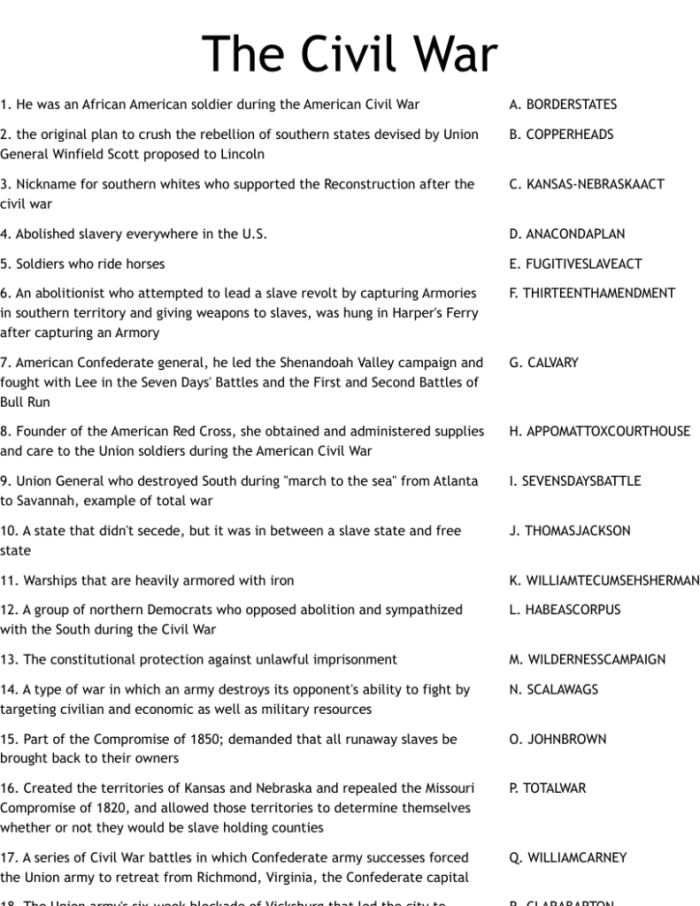
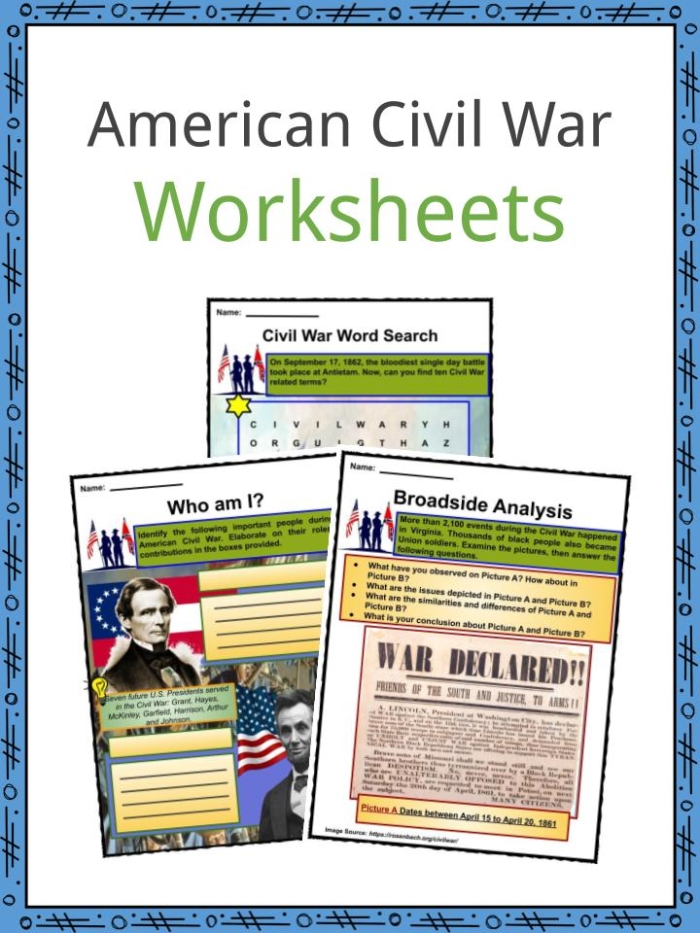
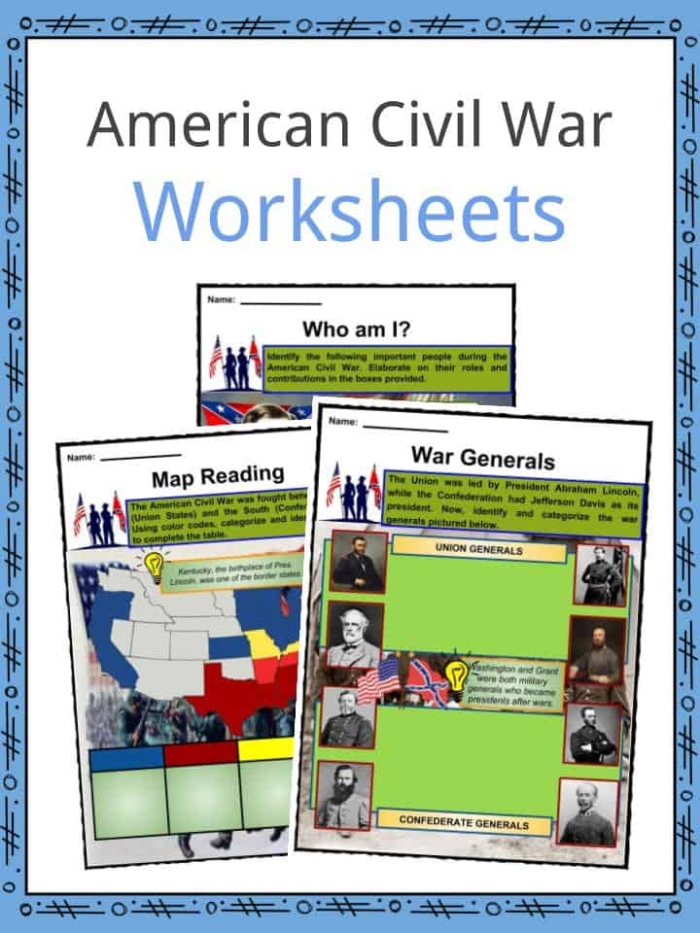
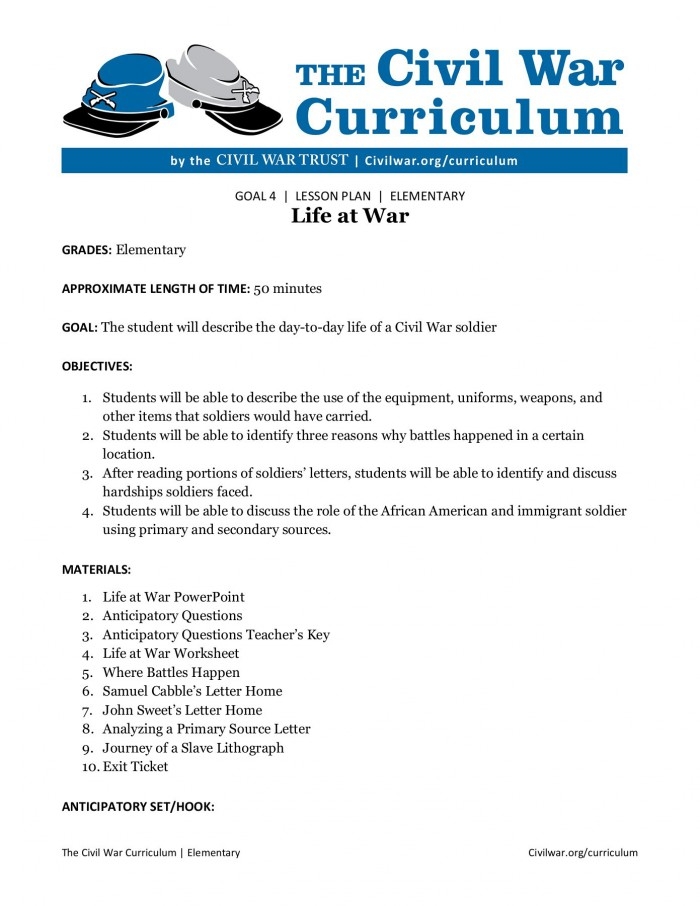
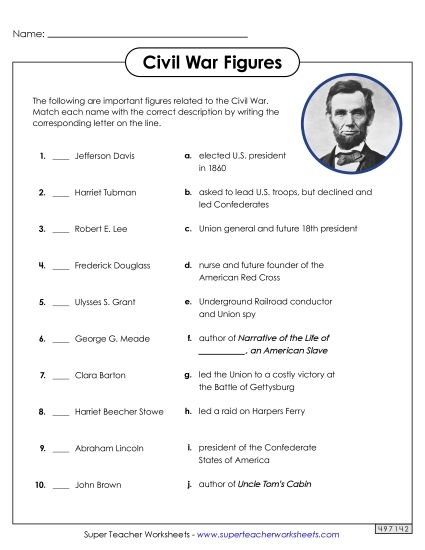
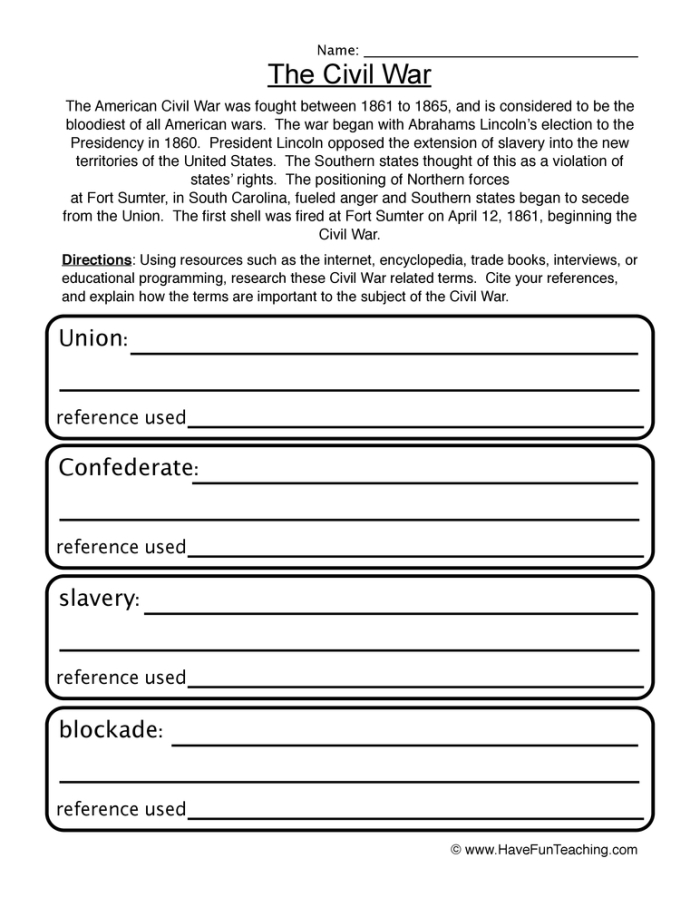
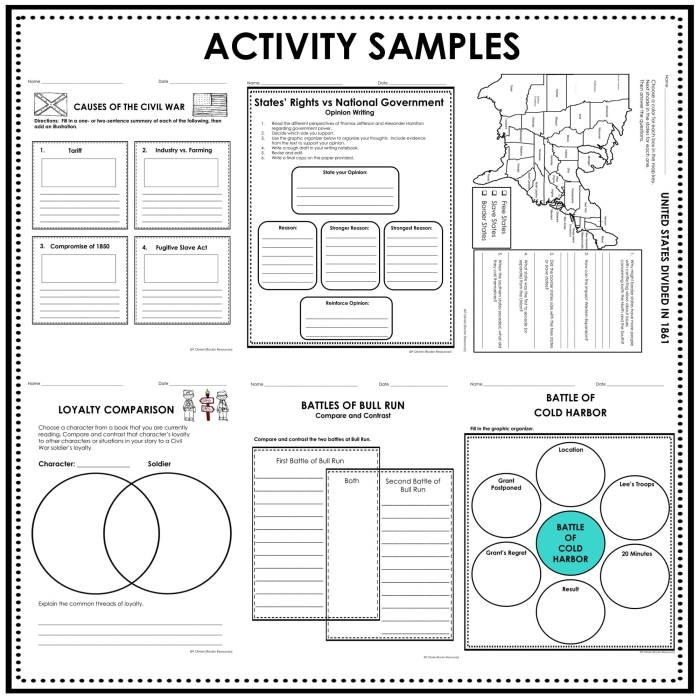
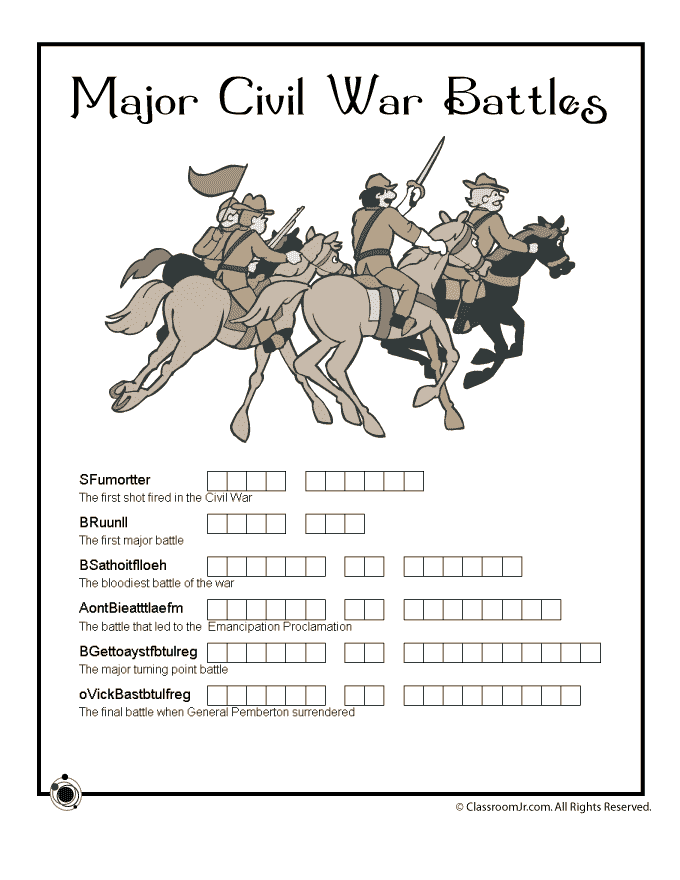
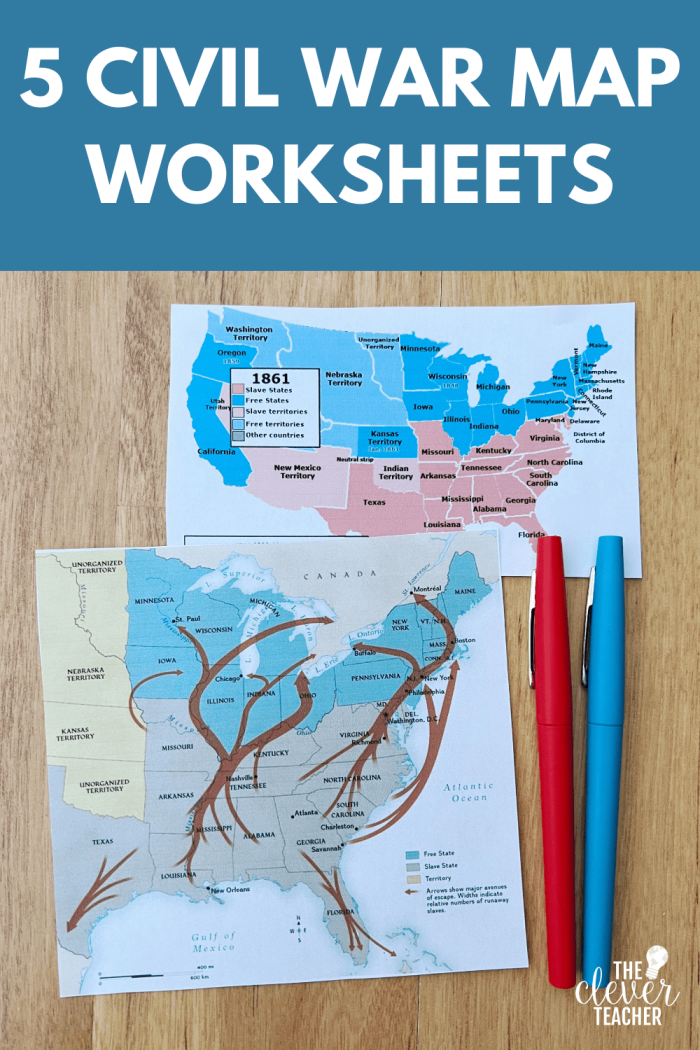
When fourth grade students open this reading sheet about life during the Civil War, they encounter stories that go far beyond battlefields and generals. The everyday experiences of ordinary people during this period reveal how deeply the conflict shaped American life in ways that textbooks sometimes overlook.
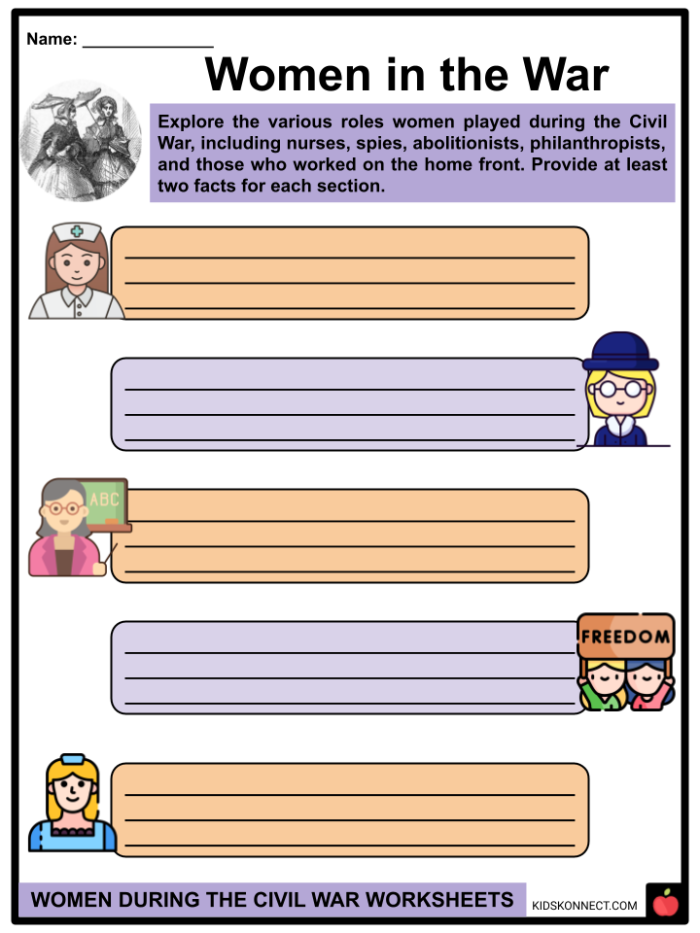
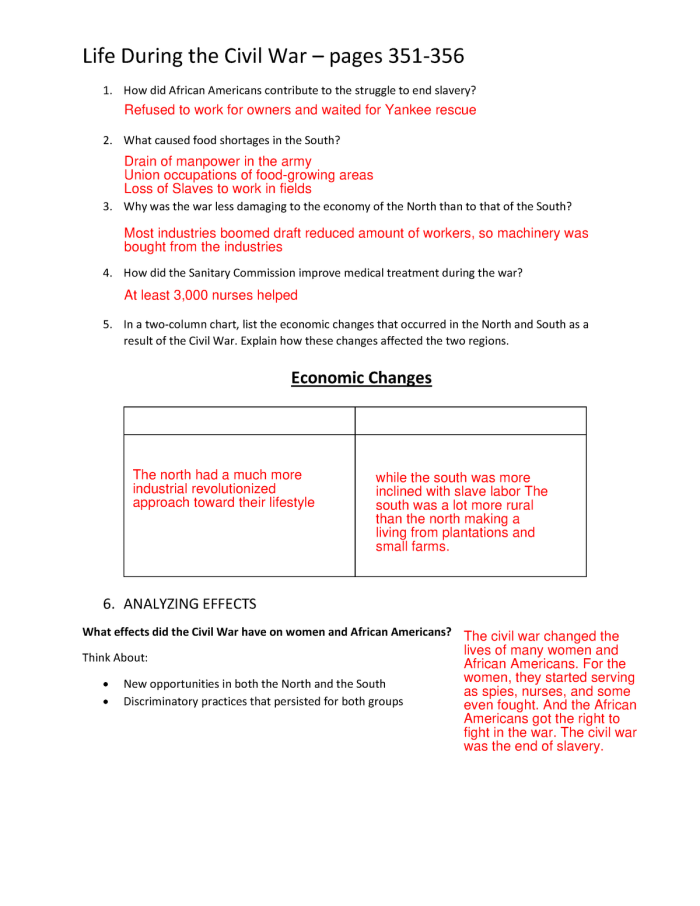
Families faced constant uncertainty during the 1860s. Soldiers left farms and shops to fight, leaving wives and children to manage households alone. Women took on roles they had never held before, running businesses, managing finances, and making decisions that previously fell to men. Children worked longer hours to help sustain their families, and many attended school only during winter months when farm work slowed. Food became scarce in some regions, particularly in the South, where blockades prevented supplies from reaching towns and cities.
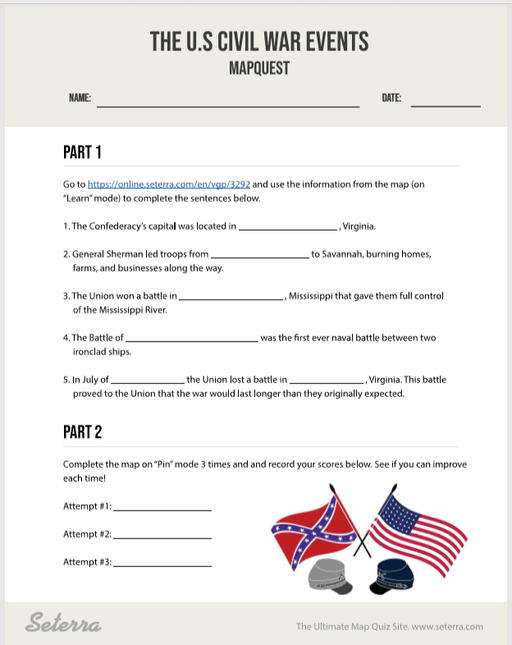
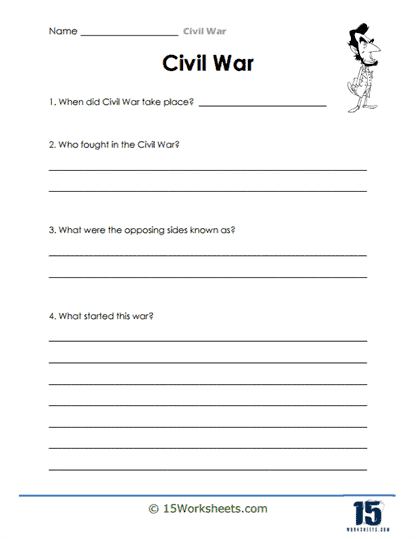
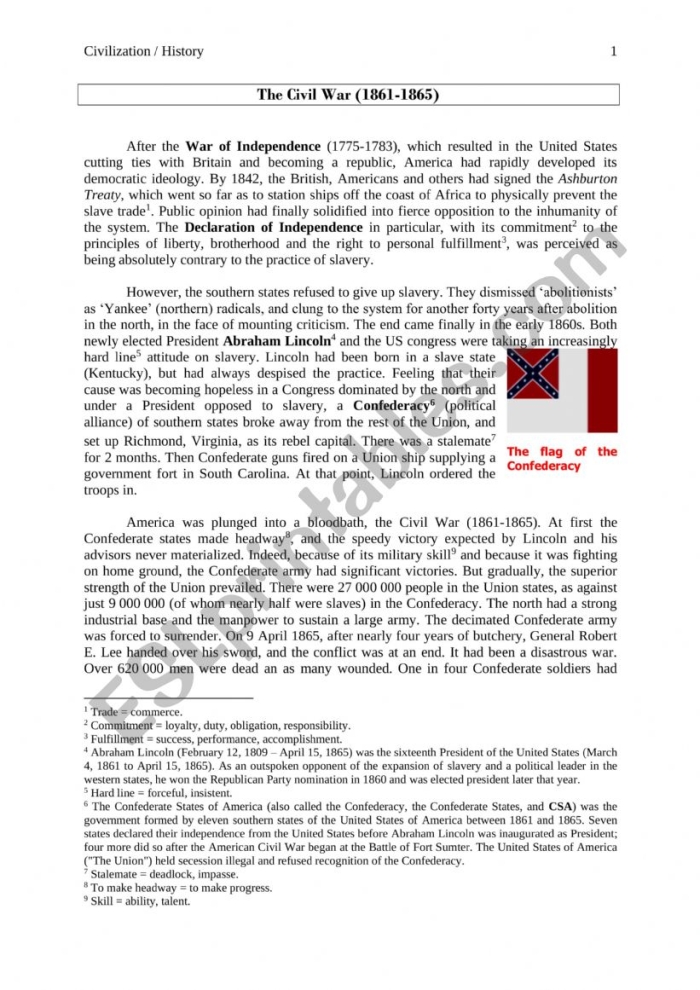
The worksheet guides students through primary source accounts and historical descriptions that show how people coped with separation, loss, and changing routines. Students learn that soldiers wrote letters home describing camp life, homesickness, and the bonds they formed with fellow soldiers. Enslaved people experienced the war differently still, with some escaping to Union lines while others remained trapped in occupied territories.
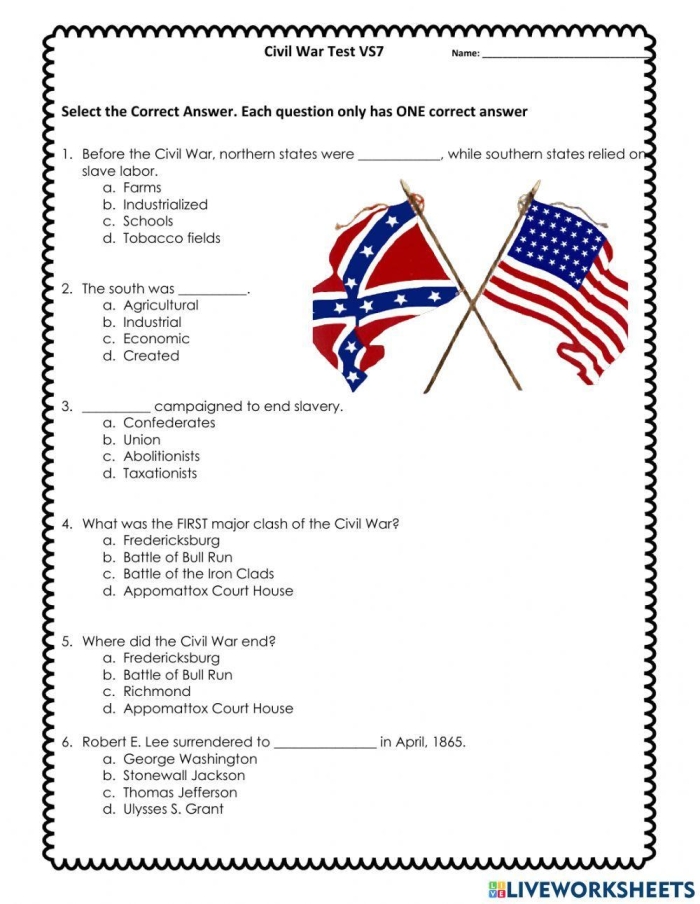
As fourth graders work through these materials, they develop a clearer picture of how historical events affect real people. This approach helps young readers connect past events to concepts they understand, like family, work, and community. Pairing this reading sheet with activities such as punctuation practice or article comprehension exercises strengthens both historical understanding and literacy skills simultaneously.
Through these materials, students discover that the Civil War was not something that happened only to soldiers. It happened to families, to children their own age, and to entire communities trying to survive an unprecedented crisis.
Printable Worksheets for Practice