Comparing Two Nonfiction Texts Worksheets

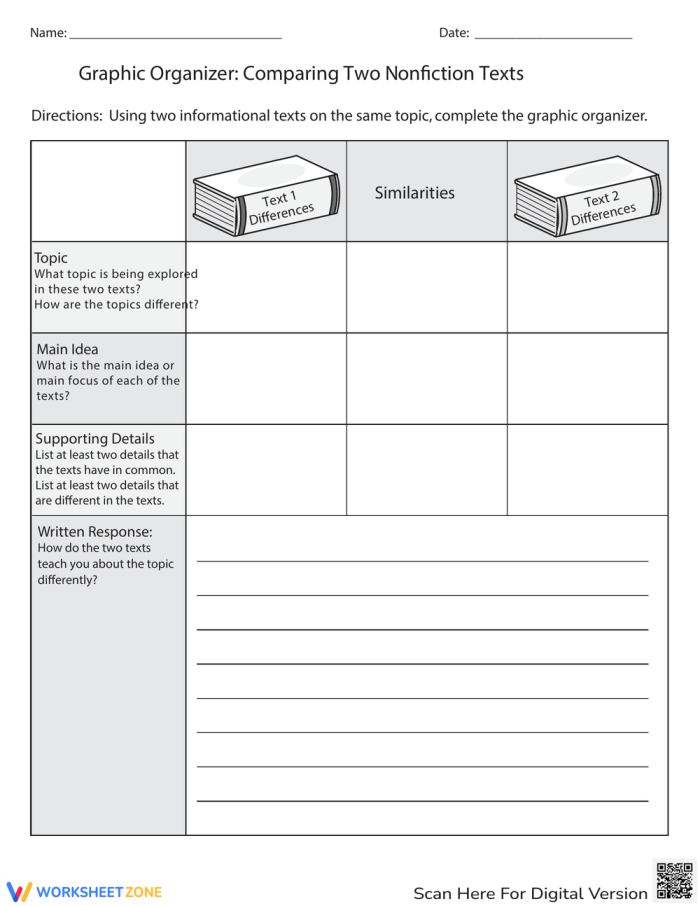
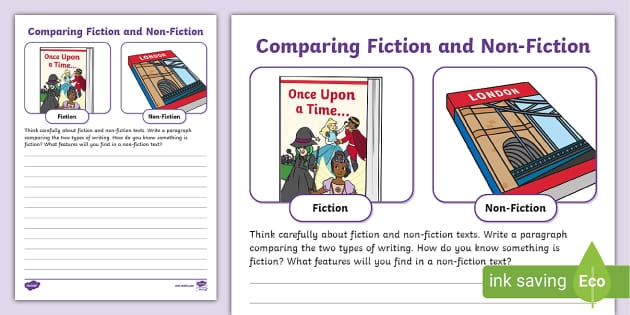
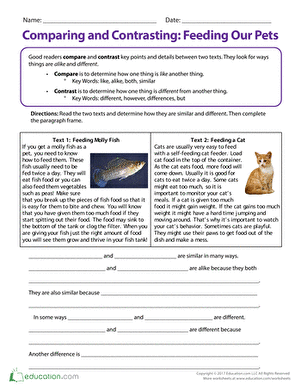
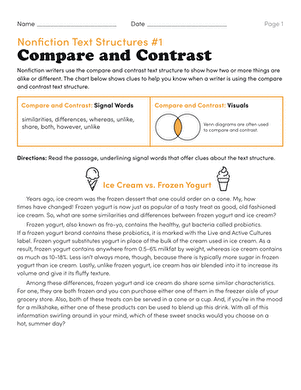
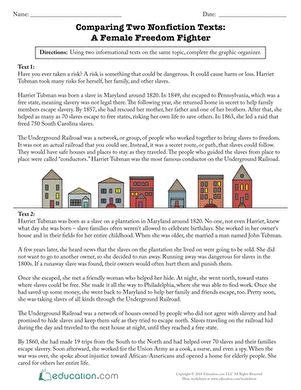
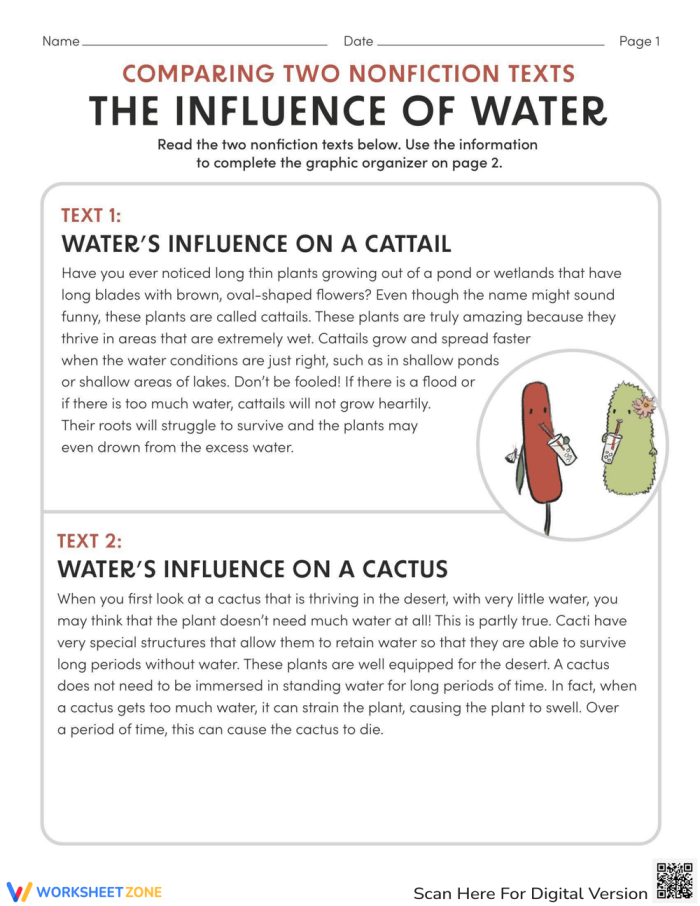
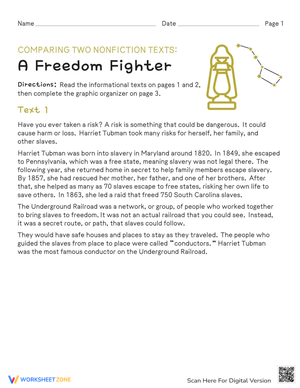
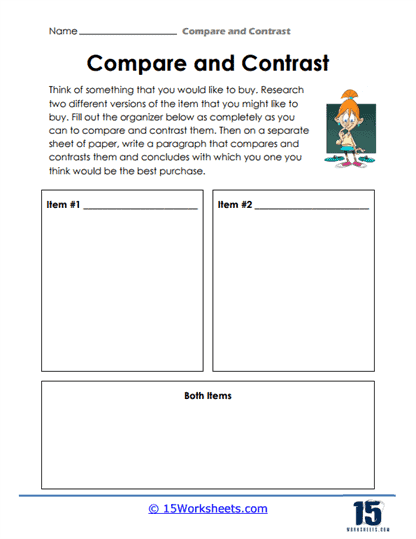
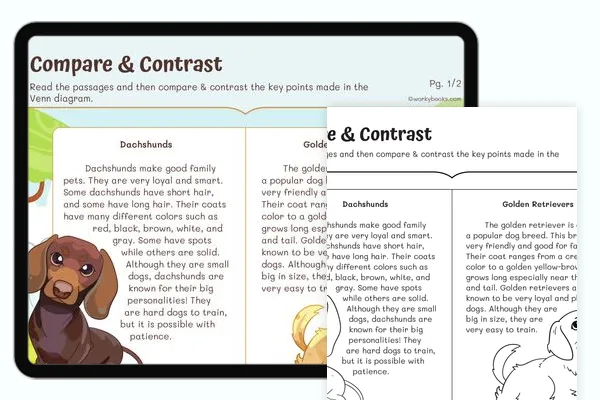
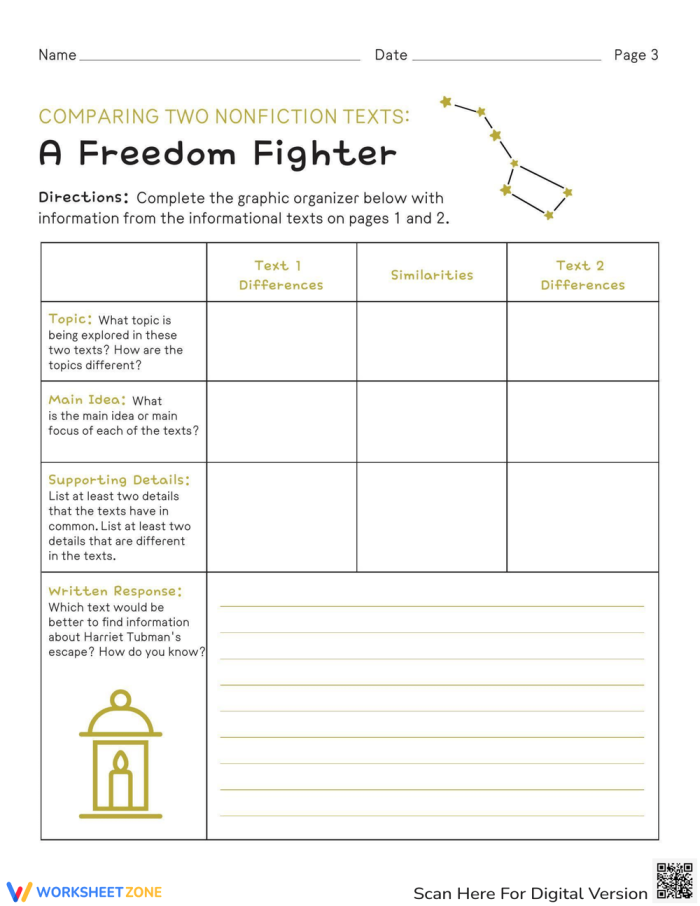
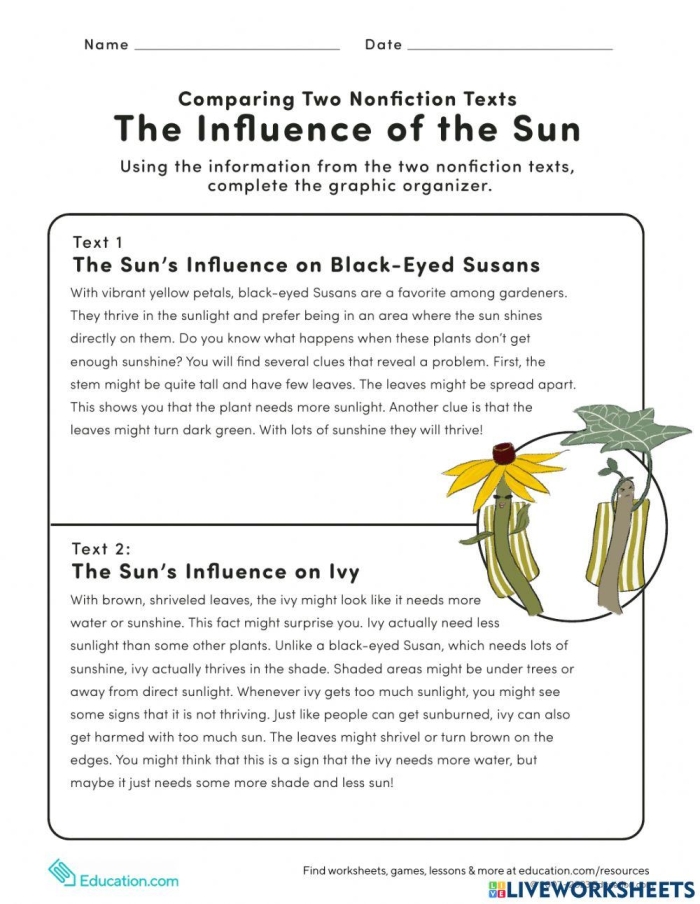
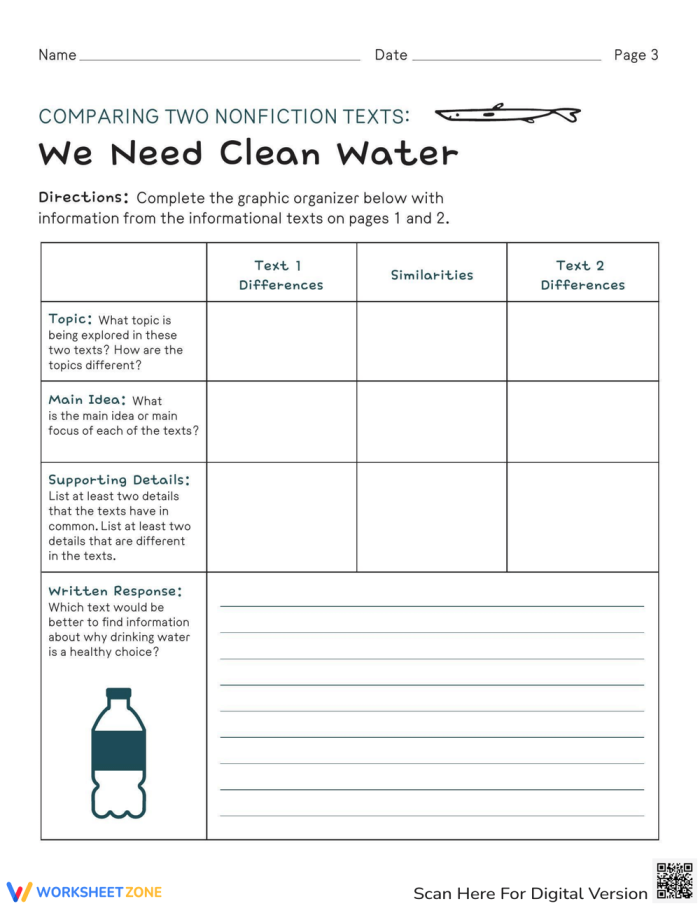
Third grade students comparing two nonfiction passages on a printed worksheet
Comparing Two Nonfiction Texts Worksheet for Grade 3 Reading Practice
Category: Mixed Operations | Grade: Third Grade

Comparing two nonfiction texts on the same topic teaches students to think critically about how different authors present information. Rather than accepting one source as truth, third grade readers learn to evaluate perspective, detail selection, and writing choices across multiple accounts of the same subject.

When students encounter two texts about identical topics, they naturally begin asking questions: Why did this author include that detail? What information does the other text leave out? Which text is easier to understand, and why? These questions build reading comprehension skills that go far beyond simple recall. Third graders develop the ability to recognize that nonfiction writing involves choices, and those choices shape what readers learn and believe.

This approach works well alongside other literacy skills. For example, students working on homophones and word choice can notice how precise vocabulary differs between texts. Similarly, activities involving coordinating conjunctions help students understand how sentence structure affects the flow of information in different nonfiction pieces.

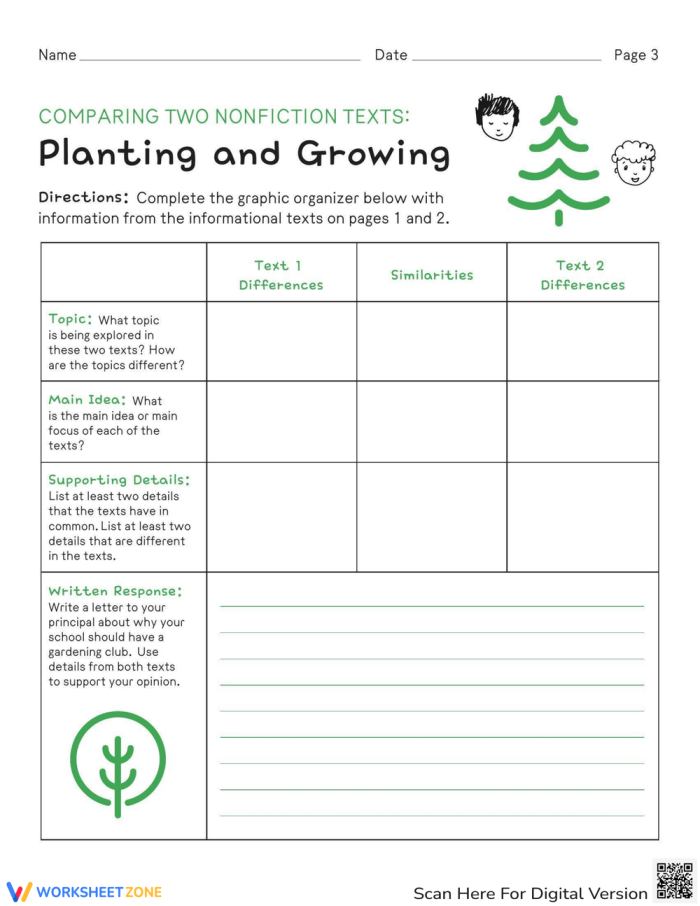
Practical implementation looks straightforward. Select two texts about something your third graders care about: animals, weather, community helpers, or historical figures. Texts might come from different grade levels, different publishers, or different time periods. Have students read both, then create a simple comparison chart noting what each text covers, what makes each unique, and which details surprised them.

The skill transfers to other subjects too. When third graders encounter mixed operations problems or data visualization activities like reading pictographs, they’re already practiced at comparing information presented in different formats. This foundation prepares them for more sophisticated analysis work in later grades, where comparing sources becomes essential across every subject area.


Practice with These Worksheets
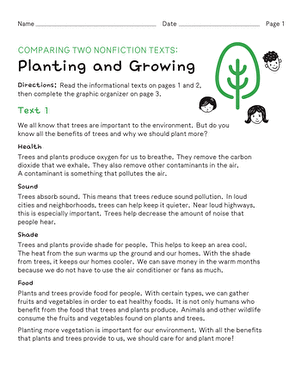
Third grade students comparing two nonfiction passages on a printed worksheet
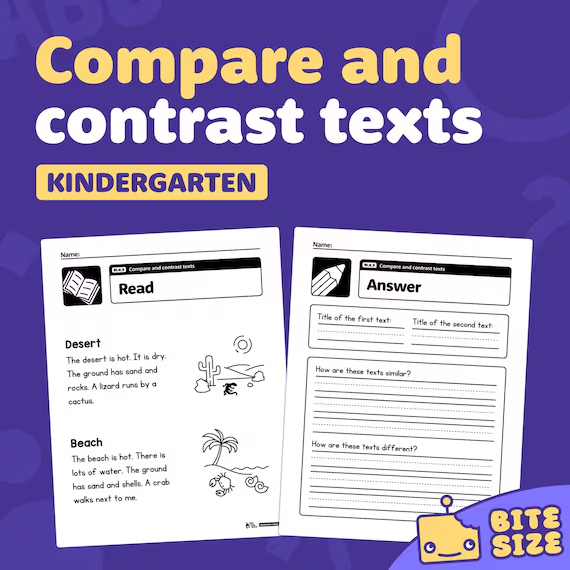
Students analyzing two nonfiction texts for comparison on a worksheet
Worksheet for comparing two nonfiction texts aimed at third-grade students
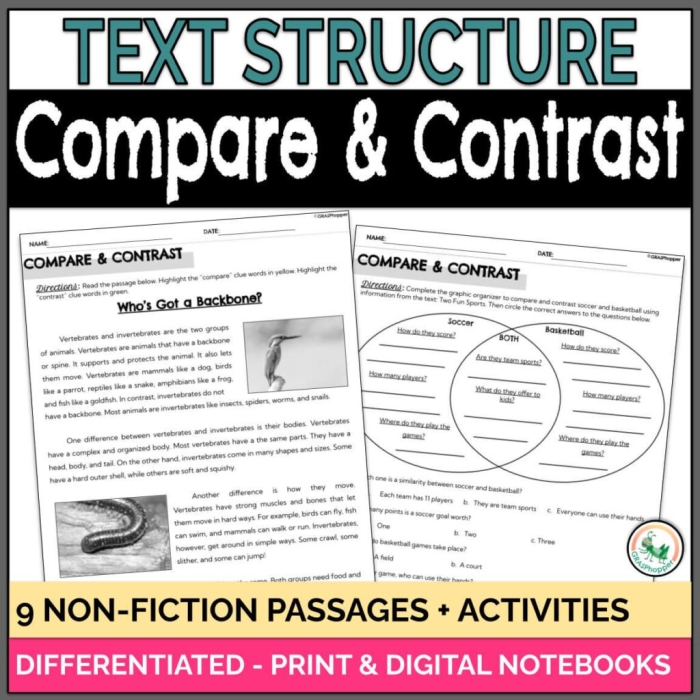
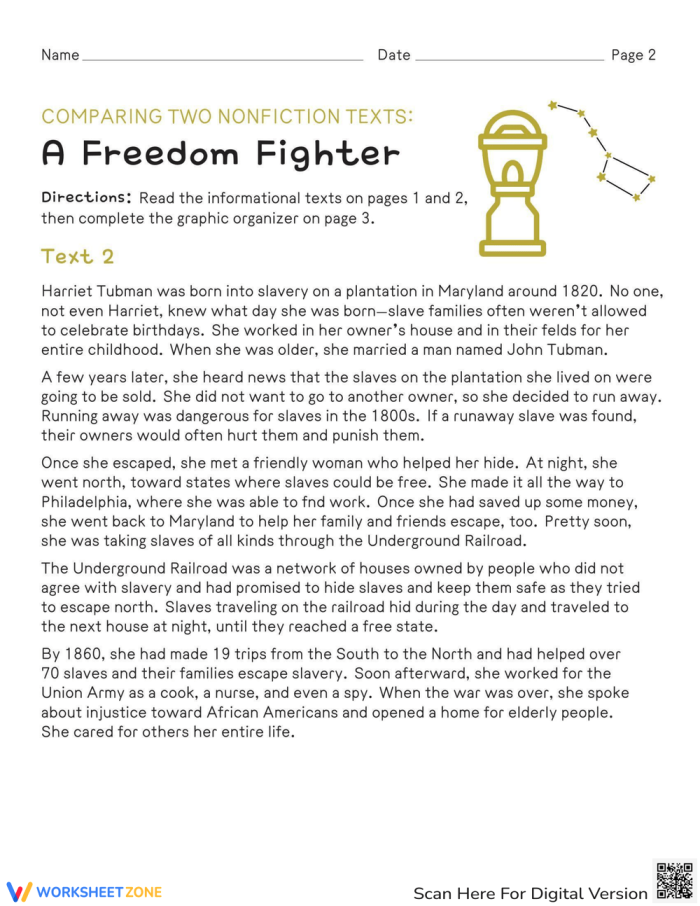
Worksheet featuring activities for comparing two nonfiction texts aimed at third graders
Worksheet featuring a comparison of two nonfiction texts for third graders
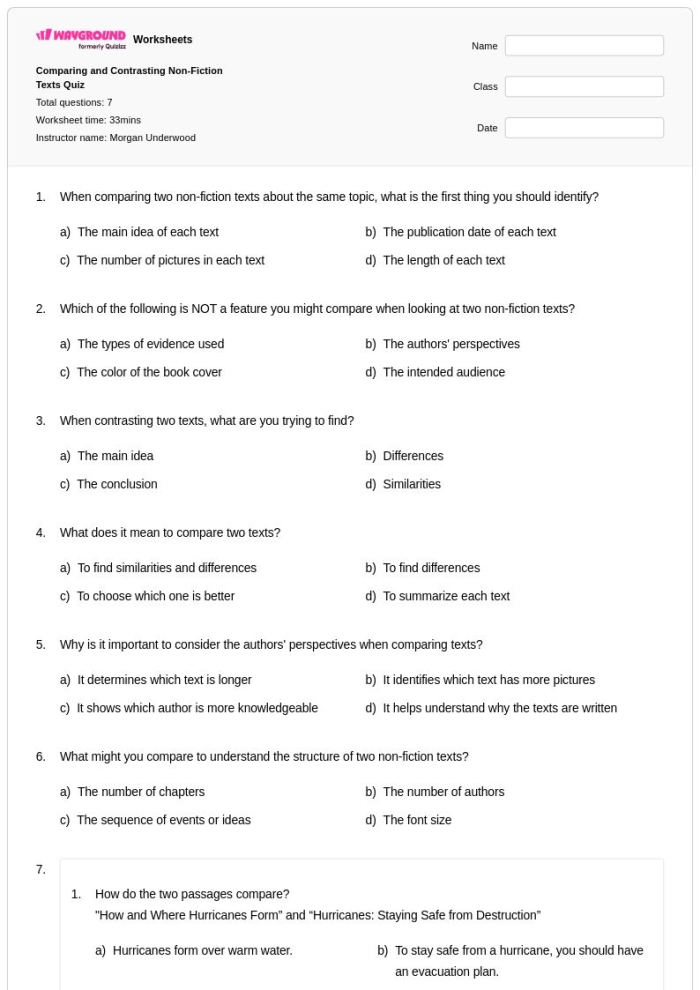
Third grade students comparing two nonfiction passages about a shared topic worksheet
Third grade worksheet for comparing two nonfiction texts on the same topic
Third grade student comparing facts between two different nonfiction reading passages
Worksheet for comparing two nonfiction texts for third graders
Worksheet showcasing students comparing two nonfiction texts on a shared topic
Worksheet featuring a comparison of two nonfiction texts for third graders
Worksheet for comparing two nonfiction texts aimed at third-grade students
Worksheet featuring a comparison of two nonfiction texts for third graders
Worksheet for comparing two nonfiction texts for third graders
Worksheet featuring students comparing two nonfiction texts in third grade
Worksheet featuring a comparison activity for two nonfiction texts aimed at third graders
Worksheet for comparing two nonfiction texts aimed at third graders
Third grade students completing a Comparing Two Nonfiction Texts worksheet on mixed operations
Third grade students comparing two nonfiction texts about a single topic on a worksheet
Third grade students reading and comparing two nonfiction passages on a shared topic for worksheet number 21
Worksheet featuring a comparison of two nonfiction texts for third graders

Leave a Reply

Your email address will not be published. Required fields are marked *