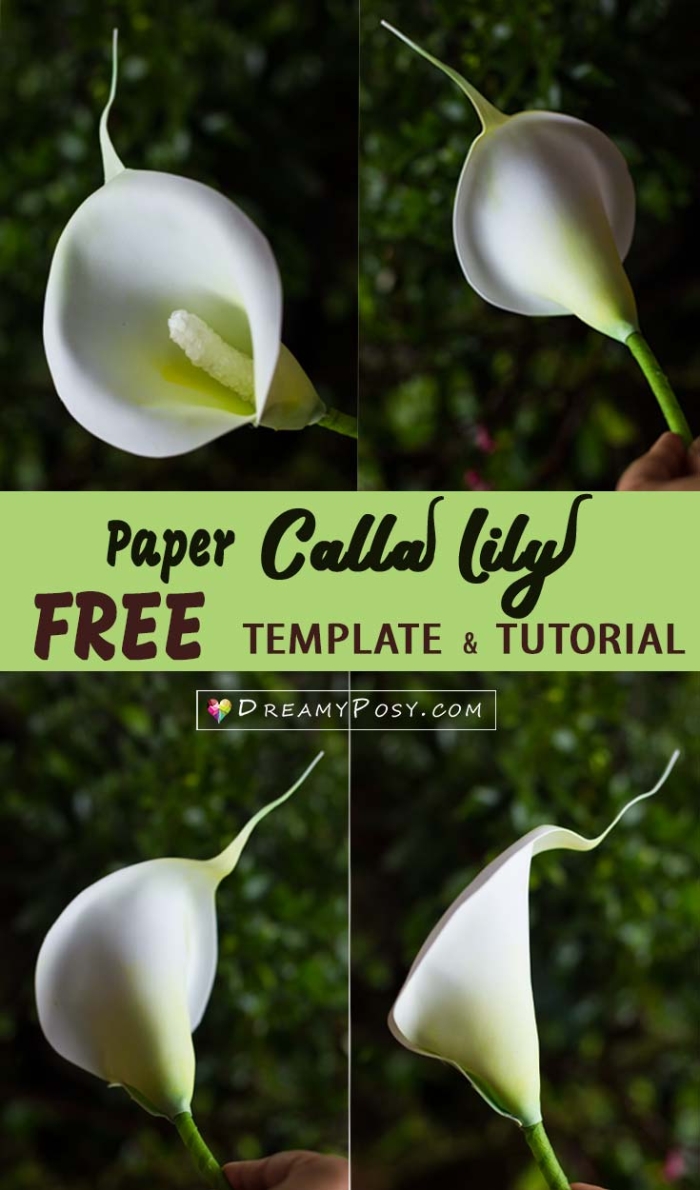
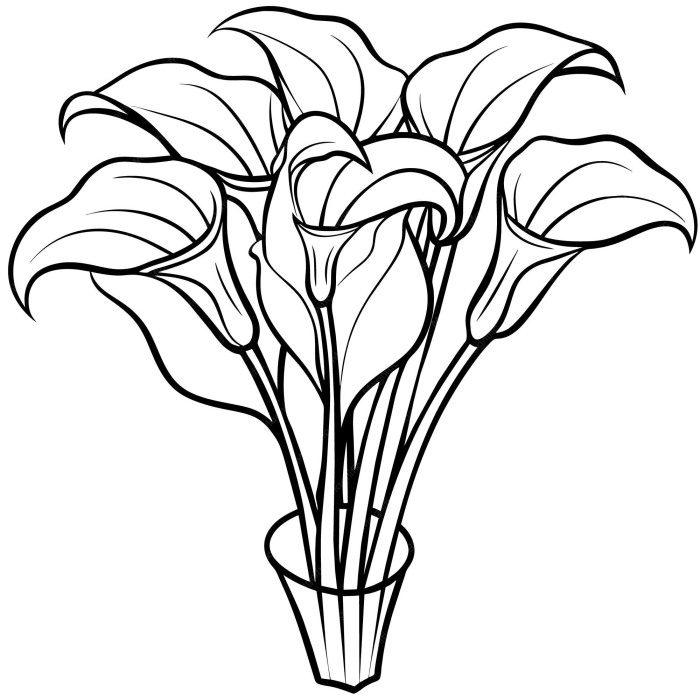
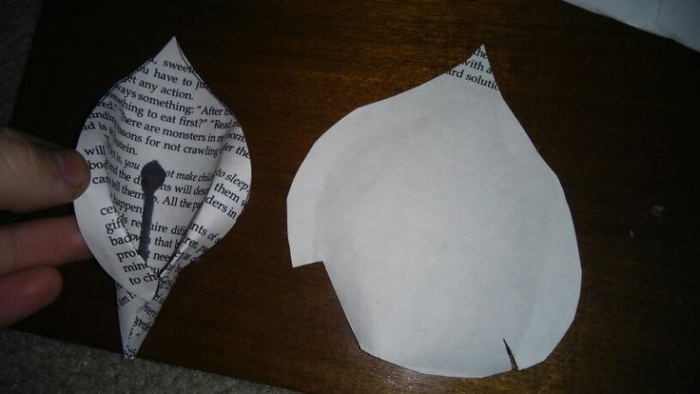
Calla lilies are among the first flowers to signal that winter’s grip is loosening and warmer days are ahead. These elegant blooms, with their smooth, trumpet-shaped petals, have a way of catching your eye whether they’re growing in a garden or sitting in a vase on a windowsill. The distinctive curved form that gives them their name makes calla lilies instantly recognizable, even to young learners encountering them for the first time.
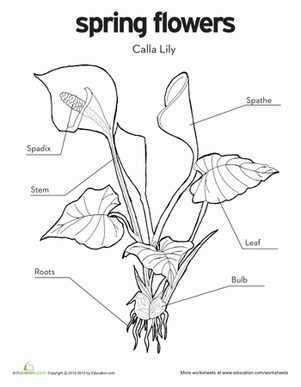
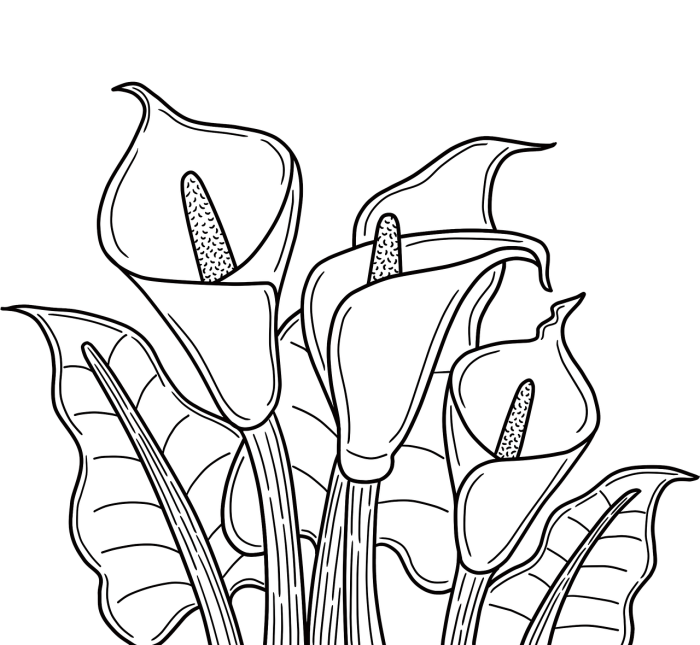
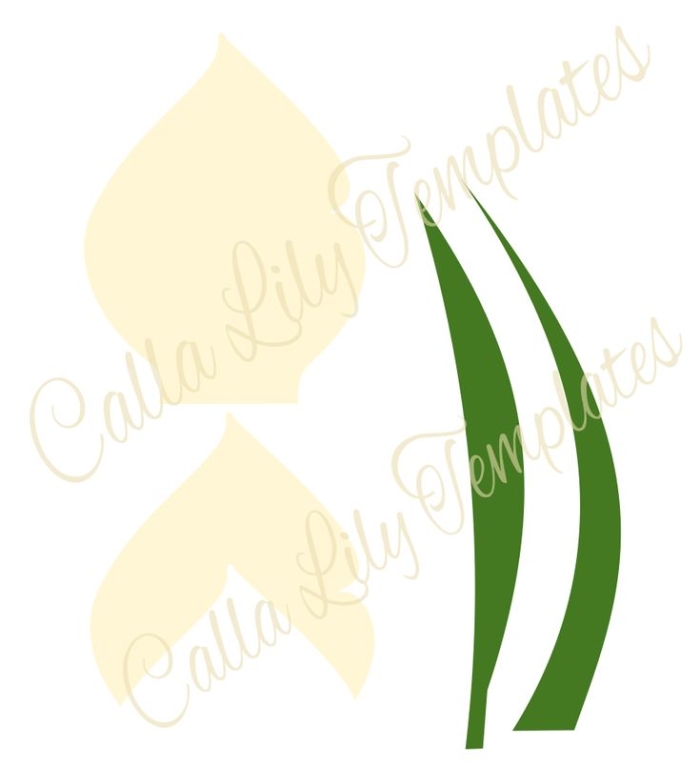
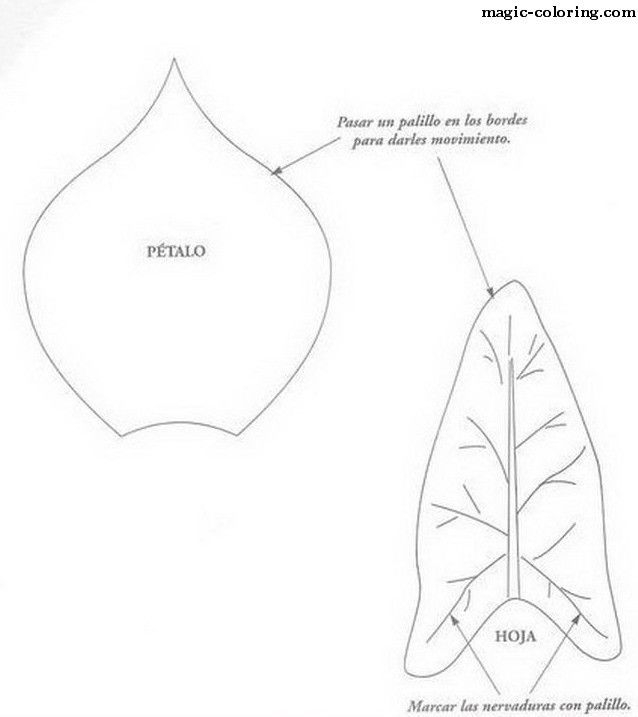
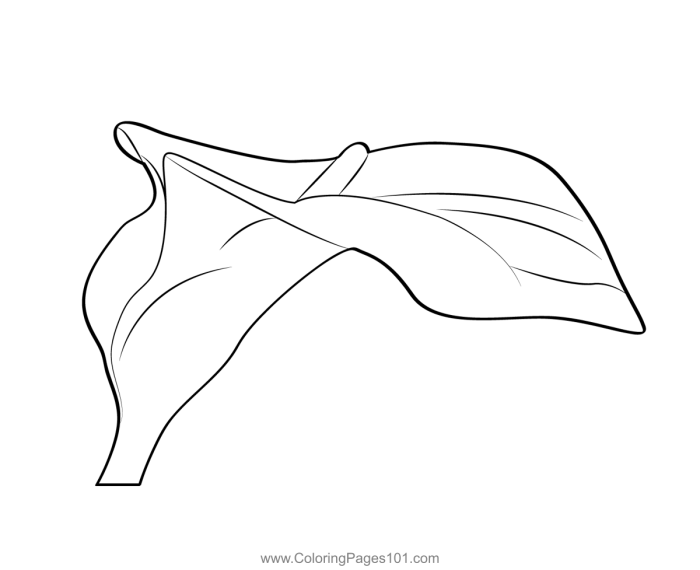
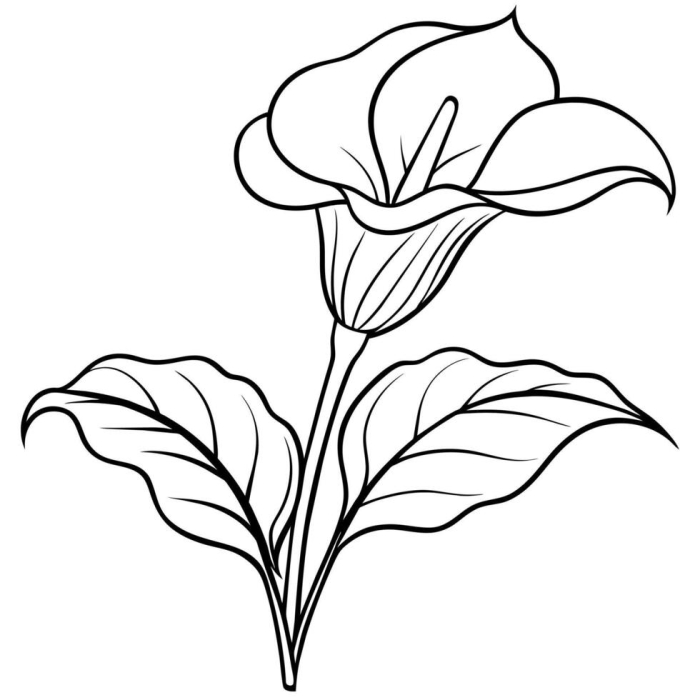
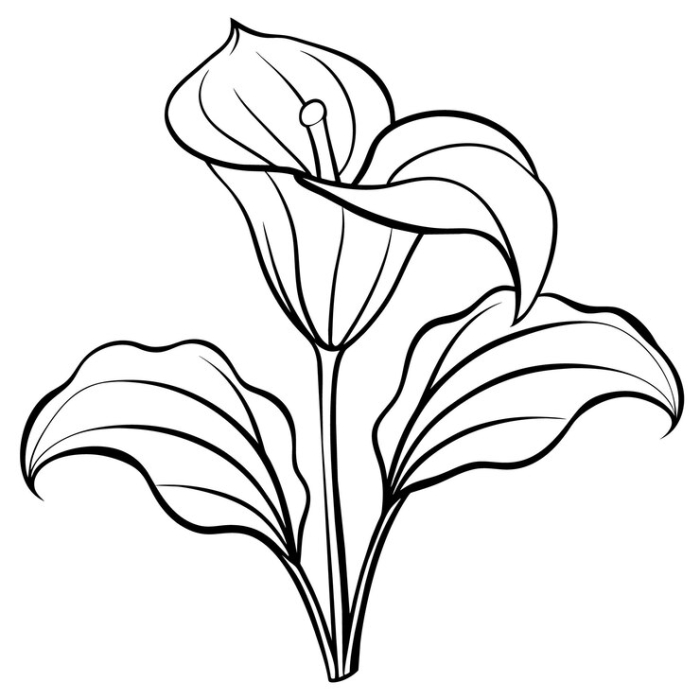
For first grade students, exploring the structure of a calla lily through a diagram offers a hands-on way to understand how flowers grow and develop. When you look at a diagram of this flower, you can see the main parts that make it special: the spadix (the yellow or orange spike in the center), the spathe (the large petal-like covering), and the stem. Each part has its own job in helping the flower survive and attract pollinators.
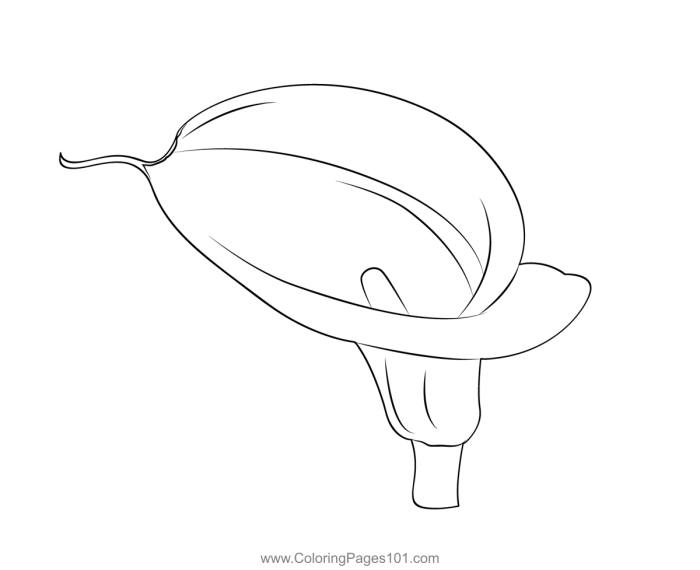
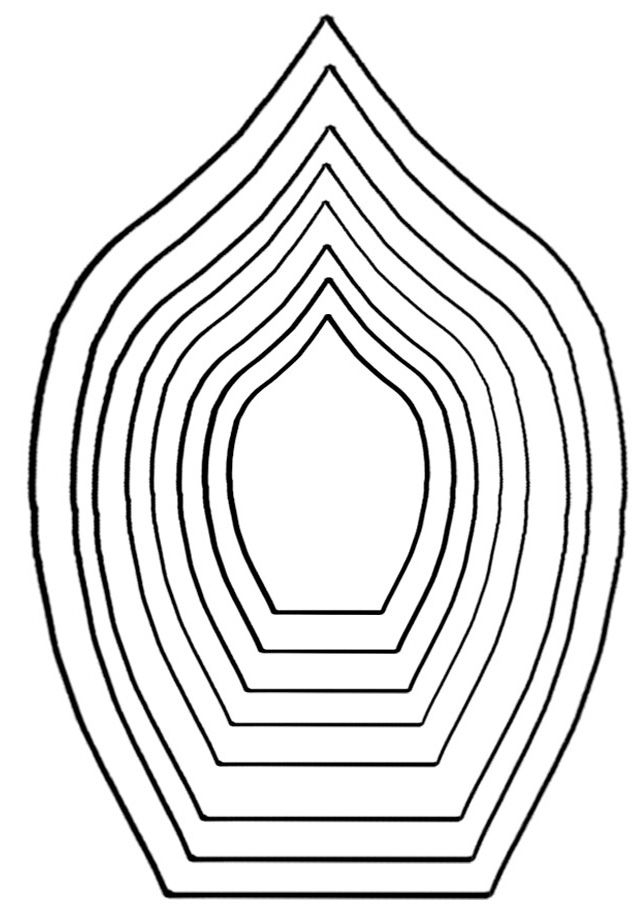
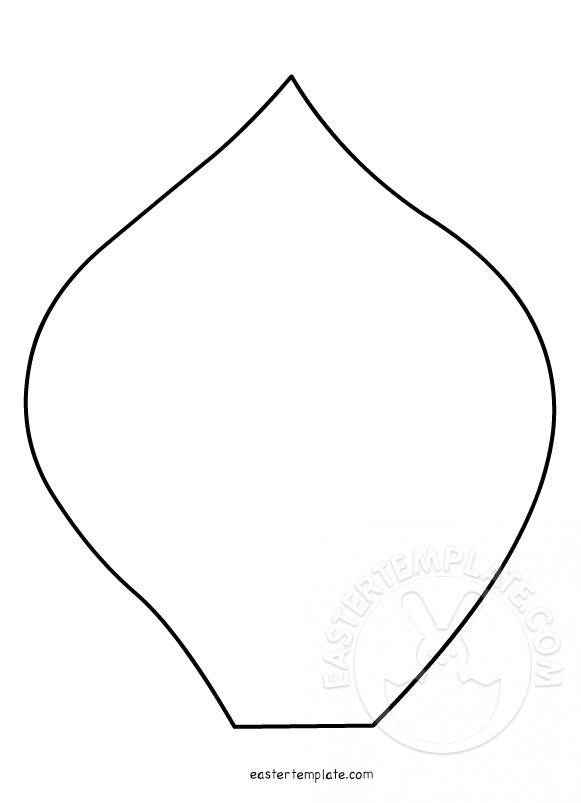
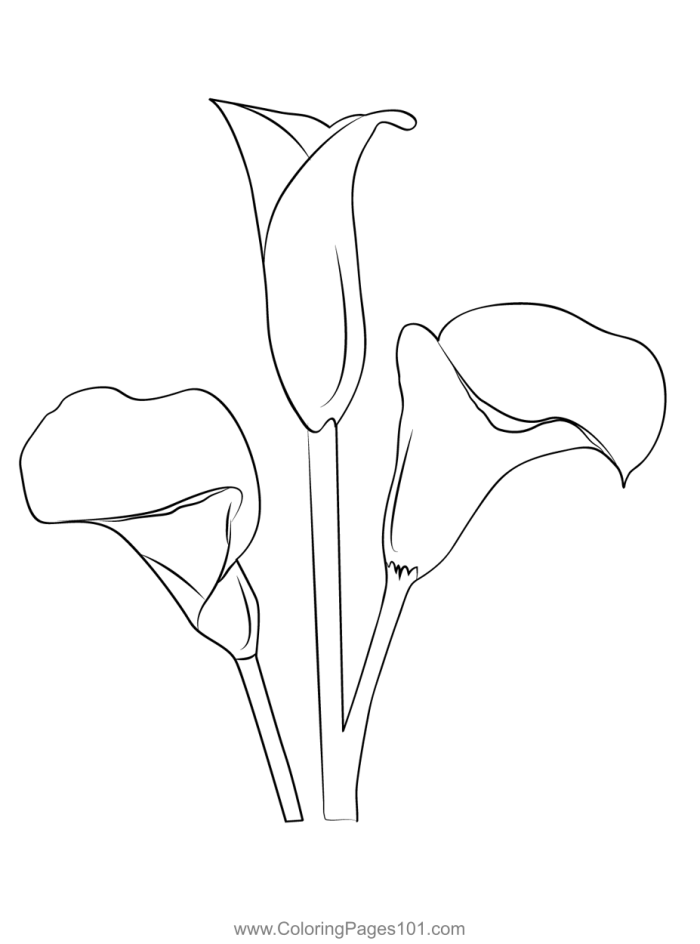
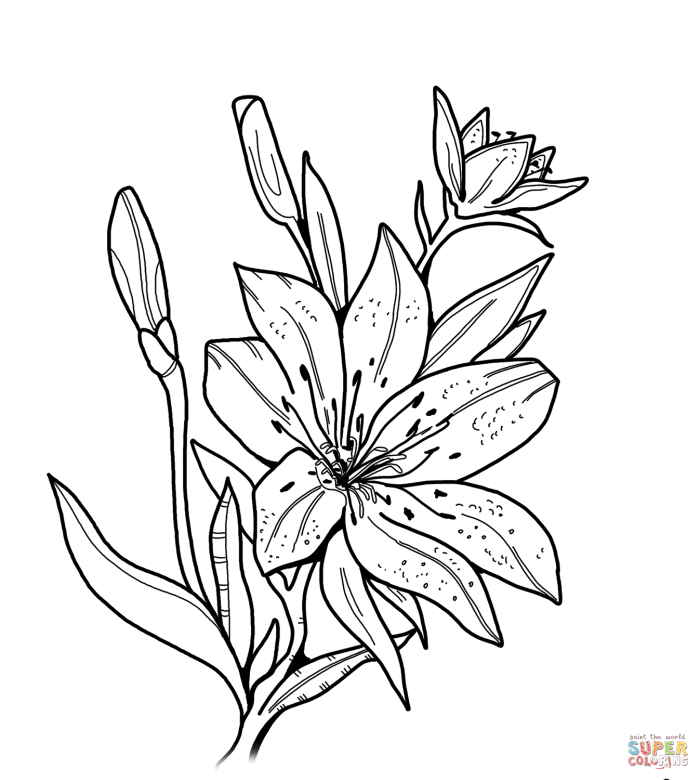
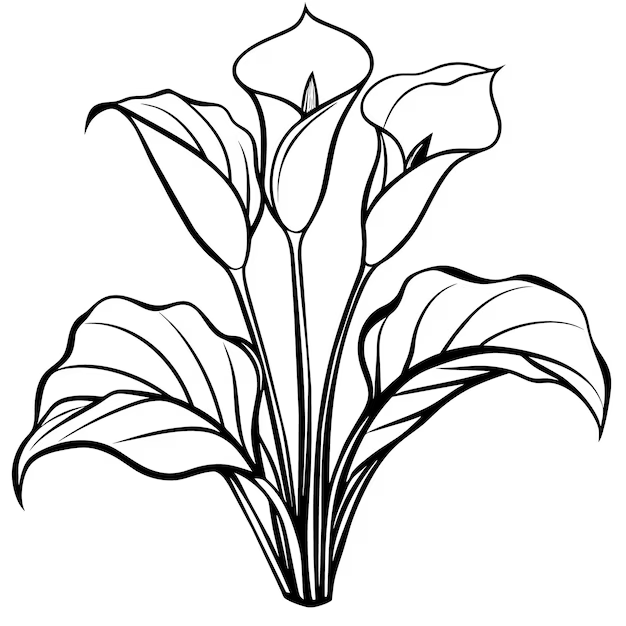
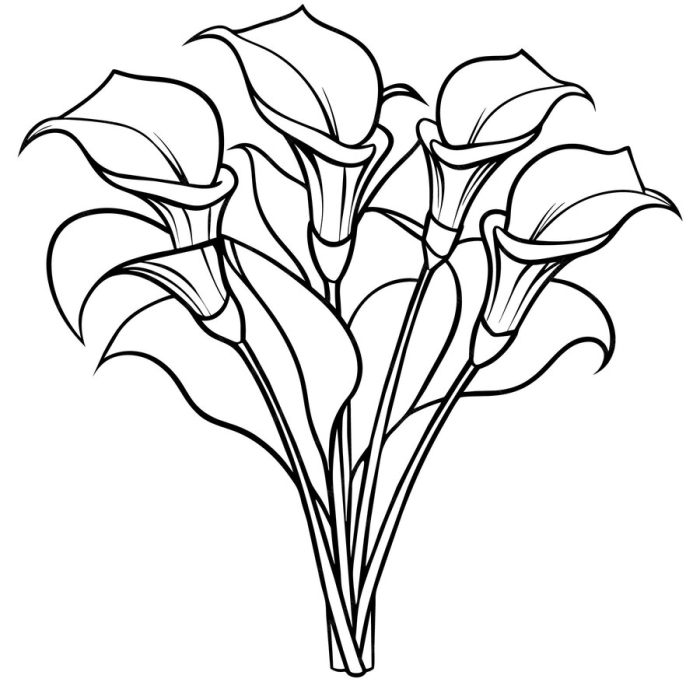
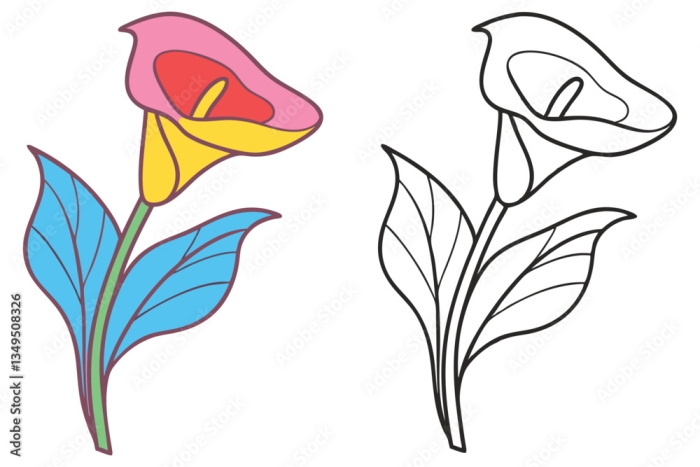
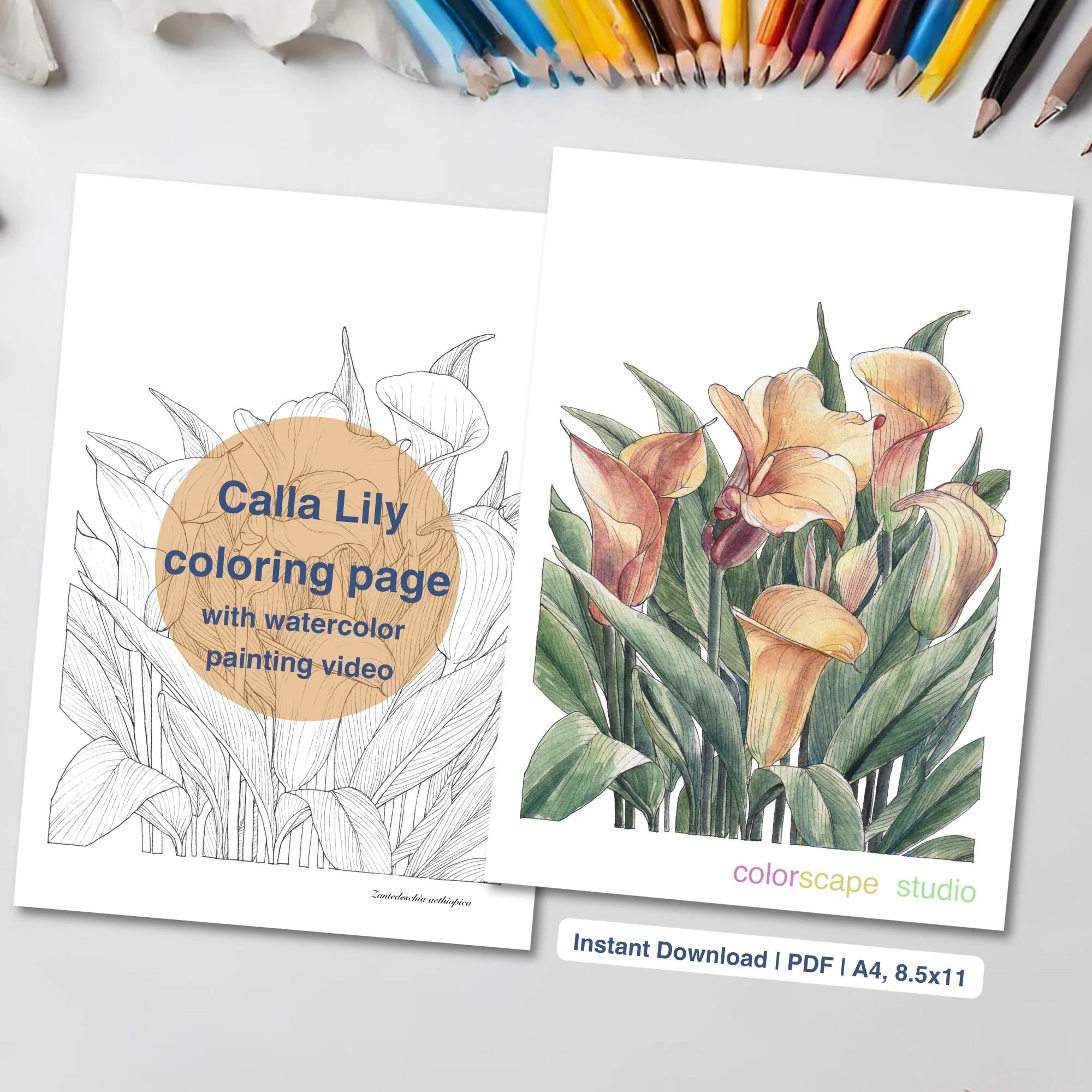
Coloring in a calla lily diagram turns learning into something tactile and creative. As children color the petals, they’re reinforcing their knowledge of the flower’s shape and structure while developing fine motor skills. This activity connects reading comprehension with visual observation, making it valuable for first grade reading activities that blend multiple learning styles. You might pair this with worksheets that help students describe what they see, turning observation into language practice.
The beauty of using flower diagrams in the classroom is that they ground abstract botanical concepts in something real and visible. A calla lily isn’t just a pretty flower; it’s a living example of how nature organizes itself. When spring arrives and these flowers begin to bloom, students who’ve colored and studied them will recognize them in gardens and understand the biology behind their distinctive appearance.
Consider combining this activity with other spring-themed learning opportunities. Resources like printable Easter activities or explorations of how plants grow and adapt can extend the learning beyond just one flower, helping students see calla lilies as part of a larger natural world.
Worksheet Practice Section