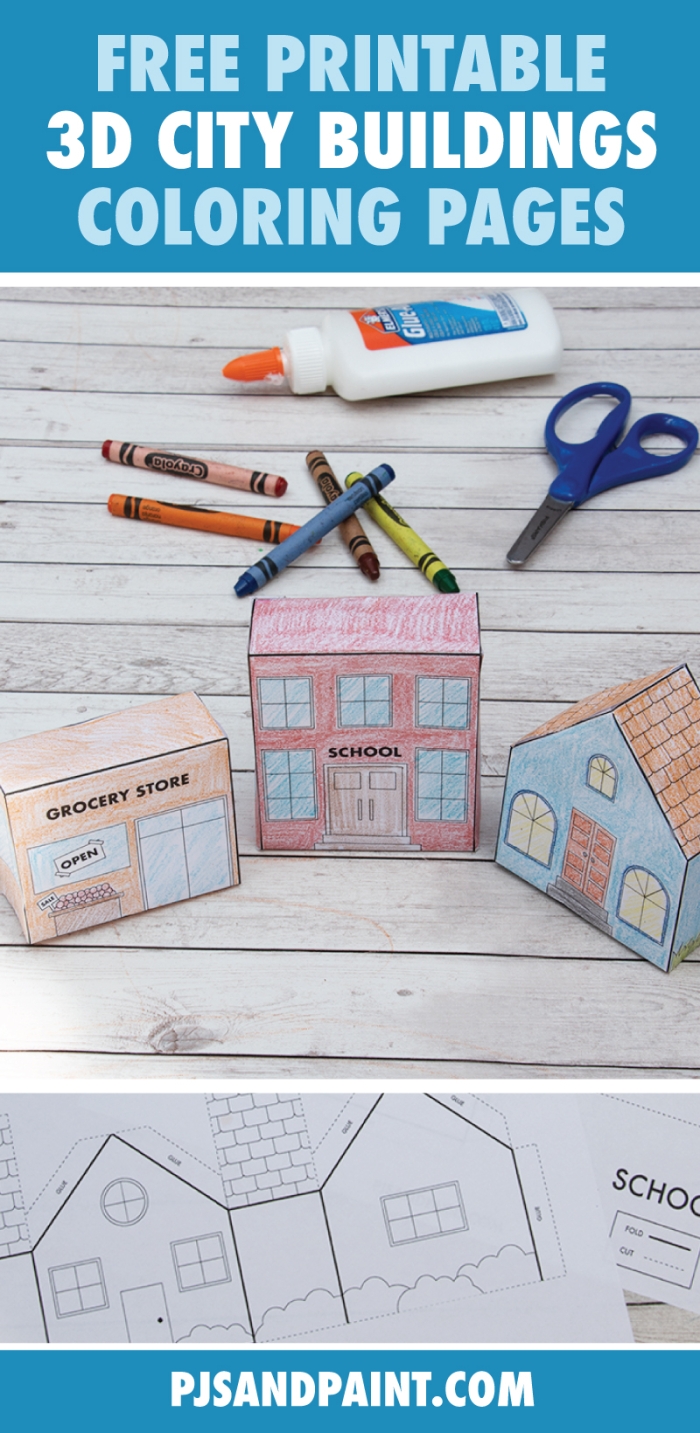
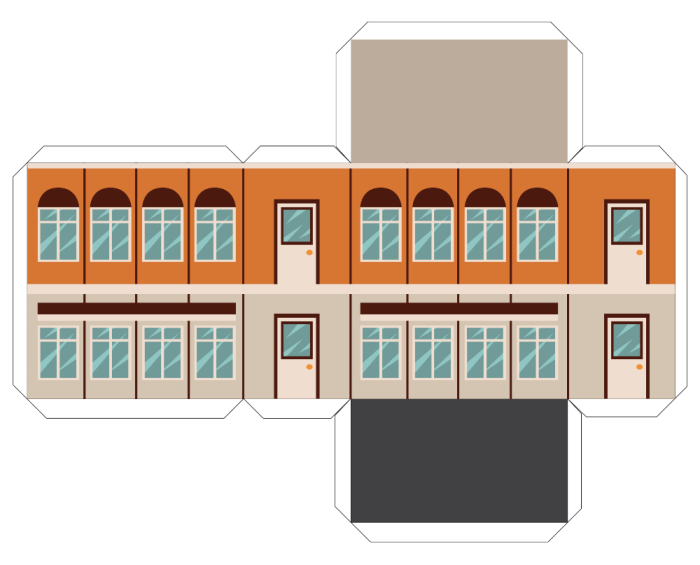
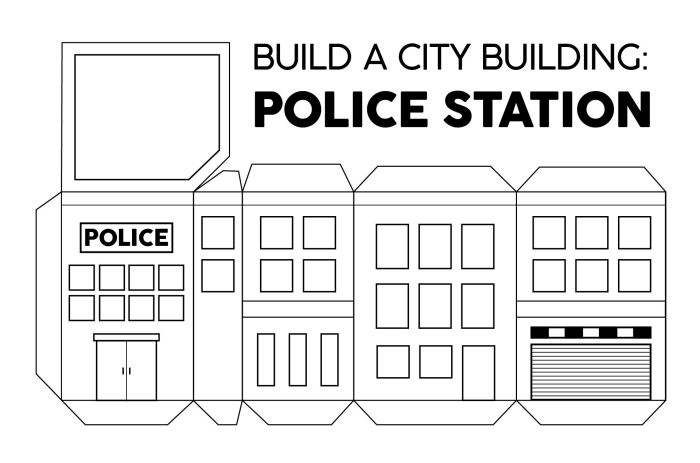
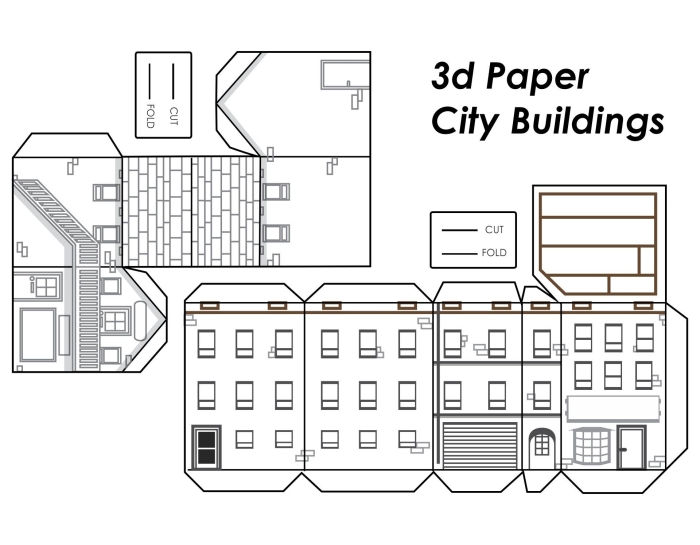
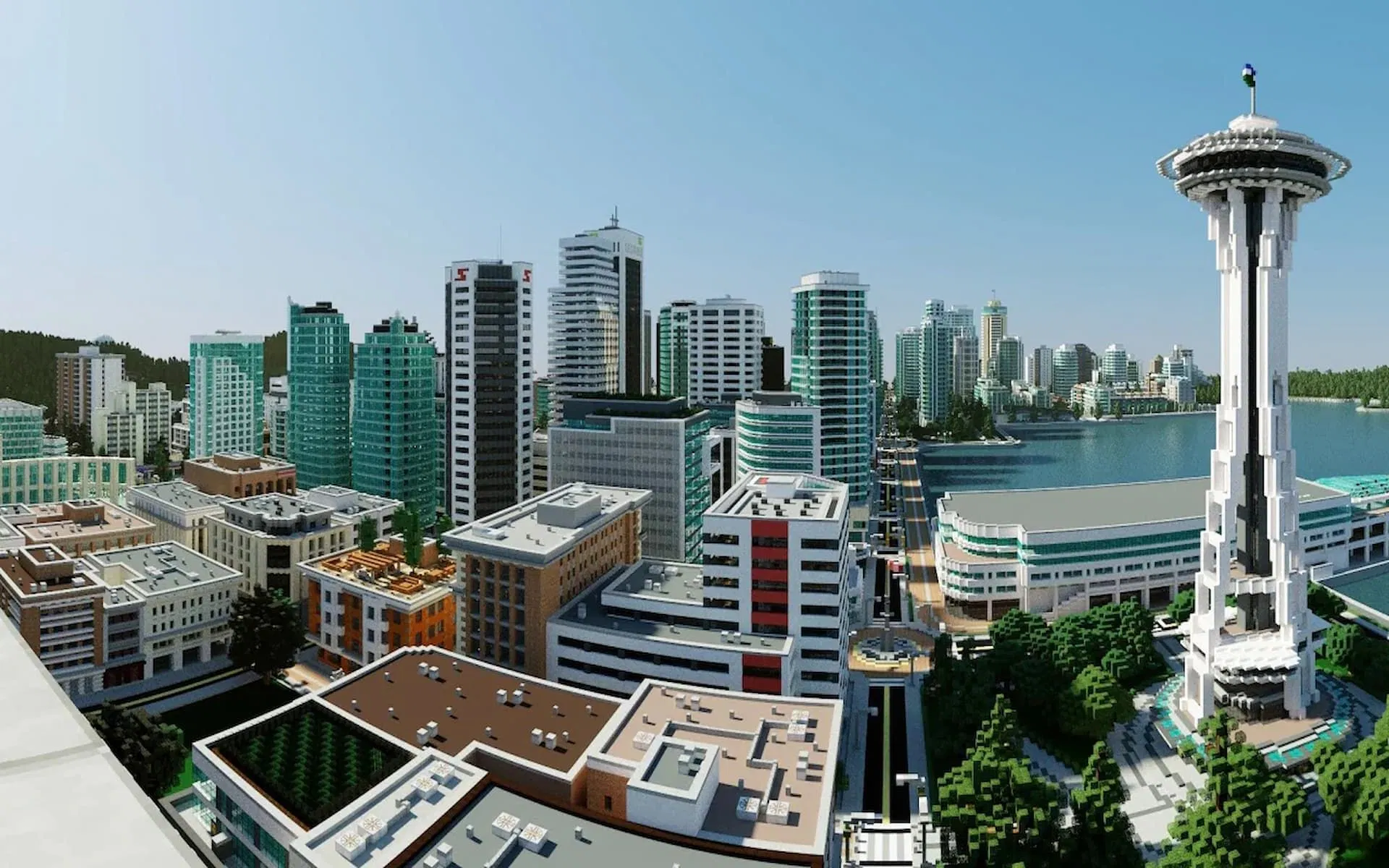
Would you believe this cut-out will actually fold into a city building? It’s a surprising and delightful way to get children involved in hands-on learning, especially in second grade where physical science concepts start to become more tangible. Creating paper buildings through a printable build a city project combines creativity with basic engineering principles, offering a practical introduction to shapes, structures, and spatial reasoning.
When you help your child fold and assemble these paper buildings, they’re not just having fun—they’re learning about how flat shapes can transform into three-dimensional forms. This hands-on activity connects well with lessons about geometry and measurement, which are important parts of the second grade physical science curriculum. For example, understanding how to fold along specific lines and how parts fit together helps kids grasp concepts like edges, faces, and vertices without needing complicated tools.
One of the best things about these printable worksheets is that they’re designed to be both educational and accessible. You can find various templates that encourage children to explore different types of buildings, from simple houses to more complex skyscrapers. Besides the folding, you can also incorporate lessons on size, scale, and proportion by comparing the models or measuring the paper before and after assembly. This ties nicely into other learning activities, like those focused on measurement skills that help second graders understand how to quantify objects in their environment.
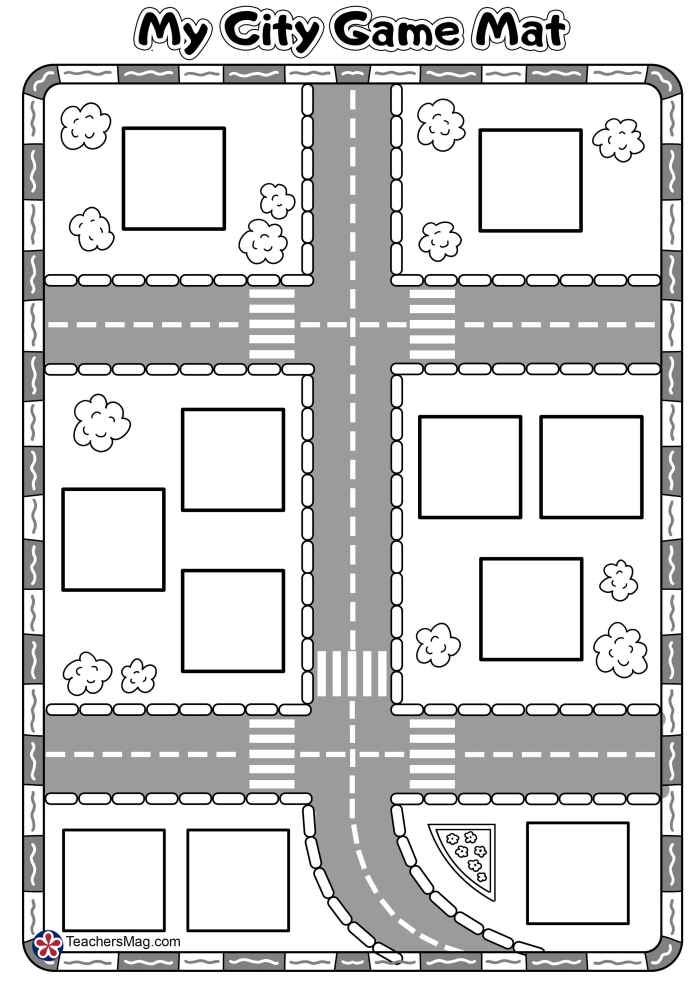
Making a paper city also sparks imagination and storytelling. Kids can decide what their city will look like, what buildings it will have, and even create a little urban layout. This kind of project encourages them to think critically about how buildings fit together in a real city, which subtly introduces urban planning concepts. Plus, it’s a great way to practice fine motor skills, patience, and following instructions.
If you’re looking for activities that blend creativity with learning, try pairing these build a city activities with other printable resources. For instance, exploring cause and effect worksheets or language-focused pages can round out a fun, diverse day of learning. Folding paper to build a city is more than just craft time—it’s a simple way to bring physical science concepts alive for young learners.
Hands-On Worksheet Activities