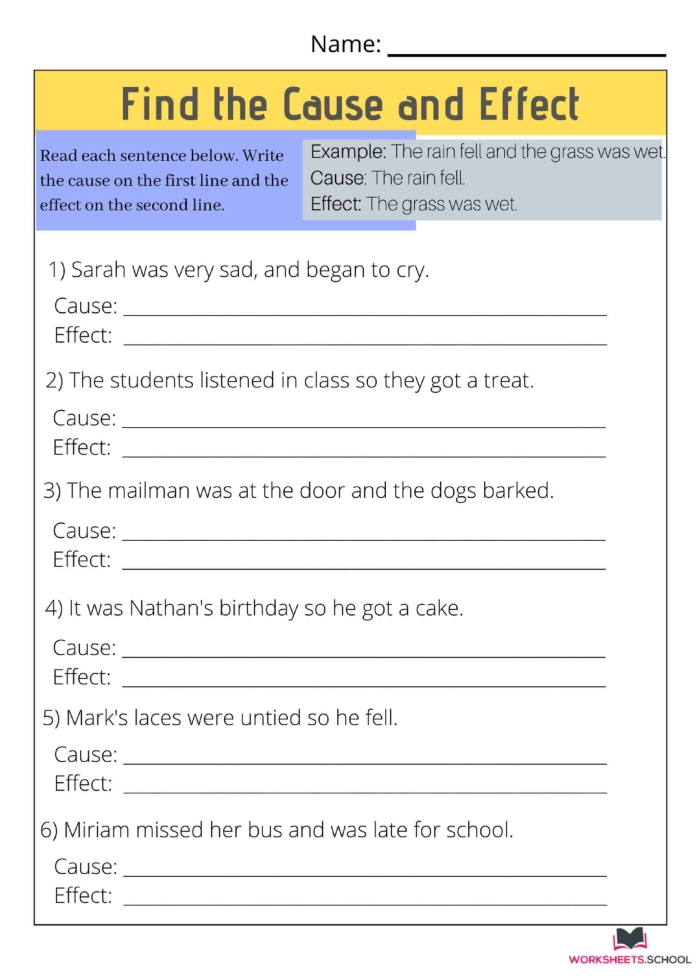
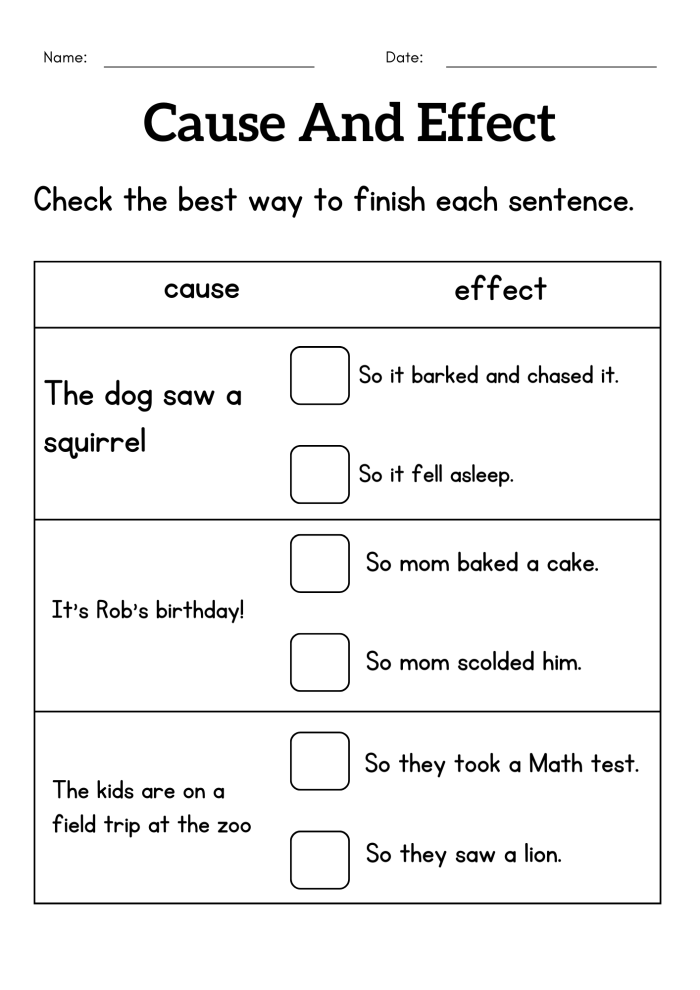
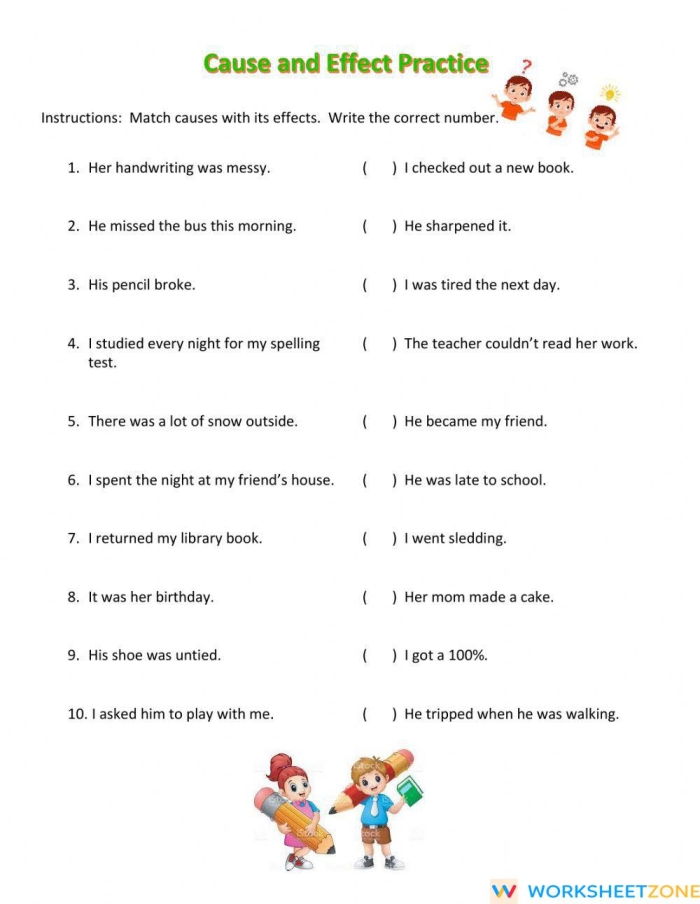
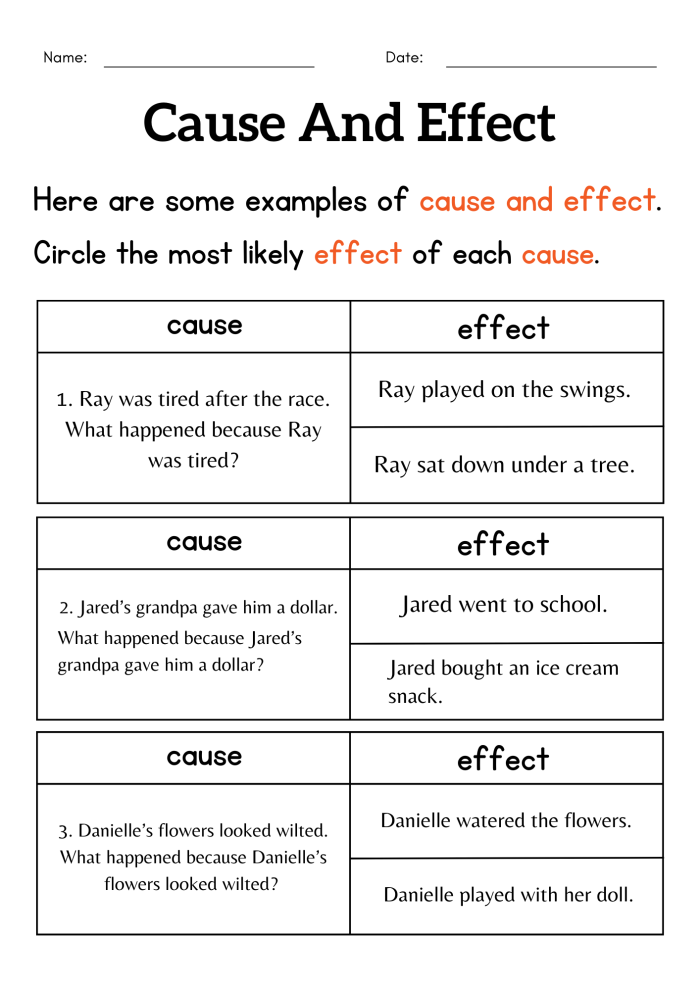
When second grade students struggle to understand why things happen in a story, they’re missing a crucial skill that extends far beyond reading comprehension. Teaching cause and effect relationships helps young learners recognize that actions have consequences and that events don’t occur in isolation. This foundation becomes essential as they progress through more complex texts and develop critical thinking skills.
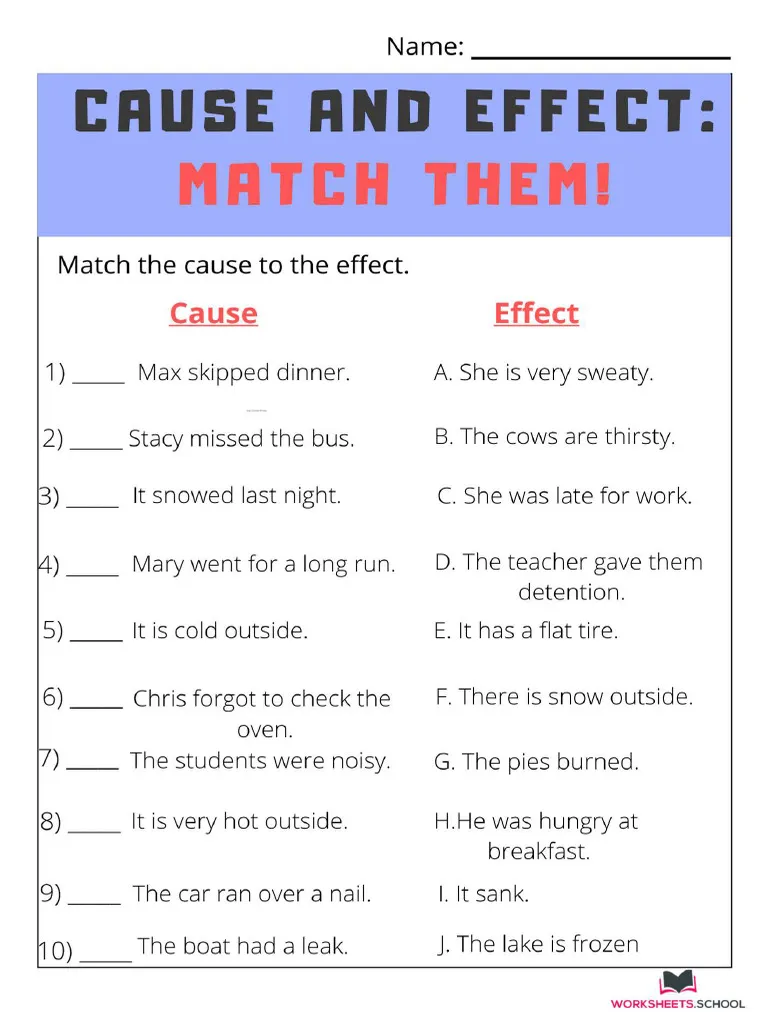
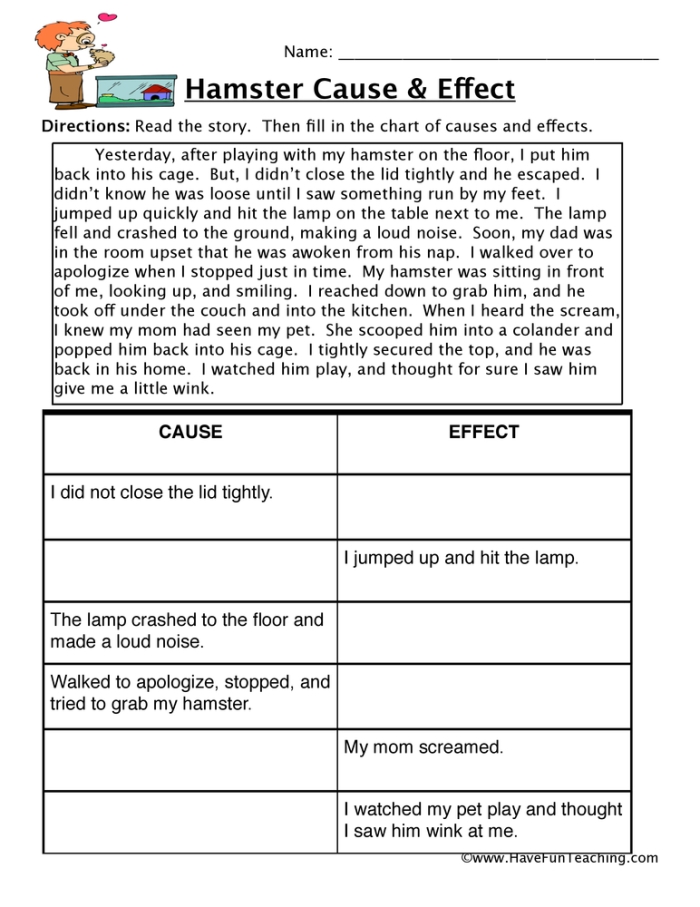
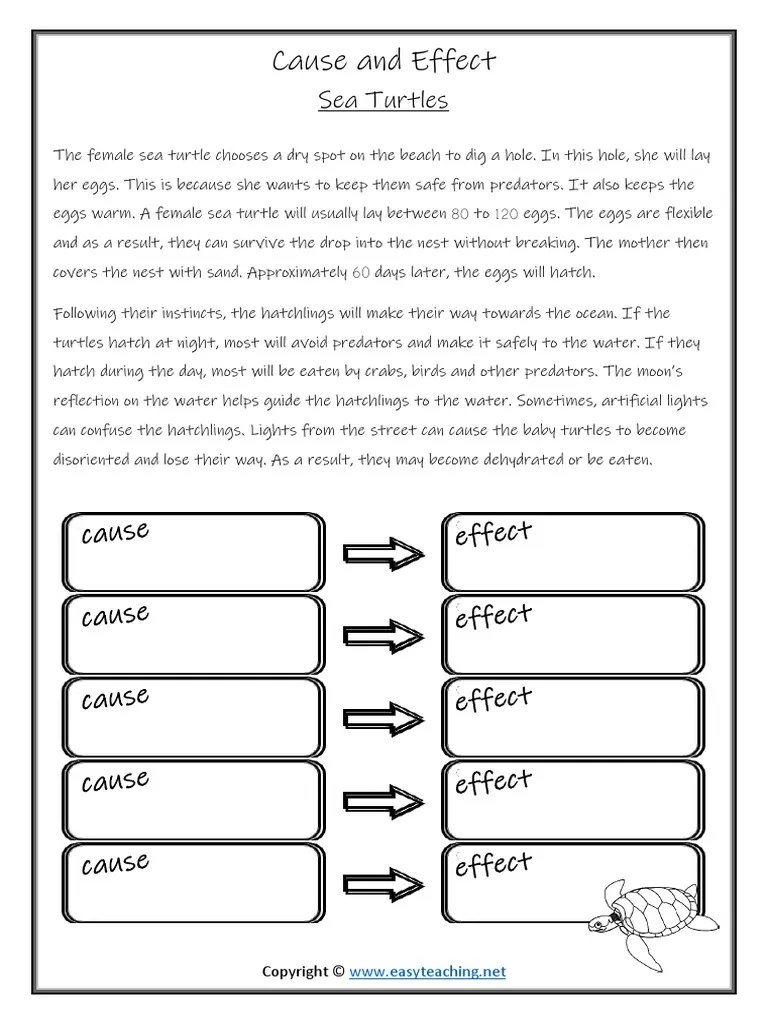
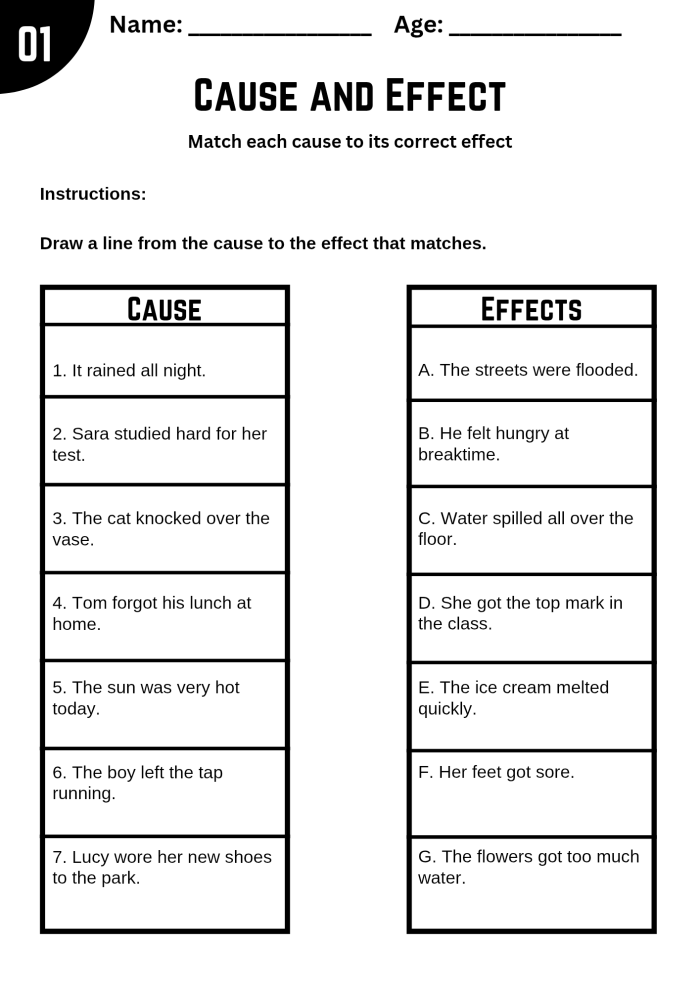
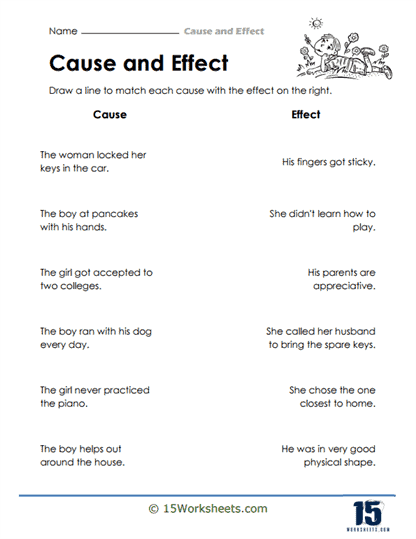
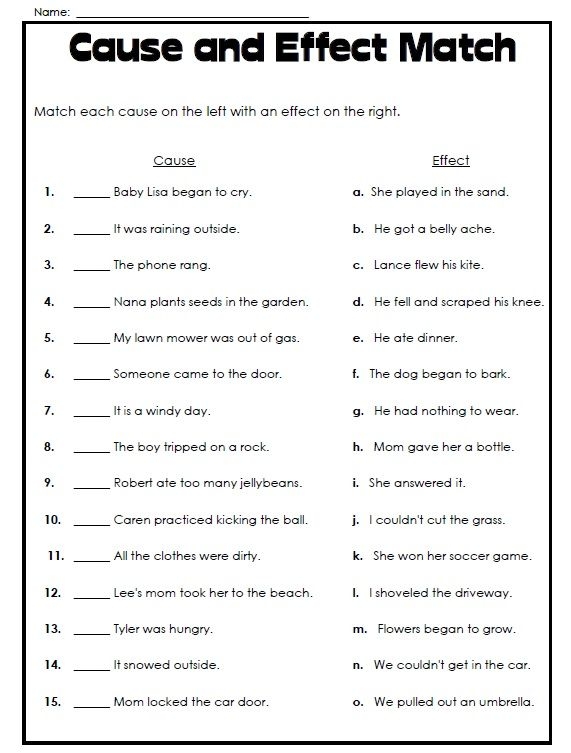
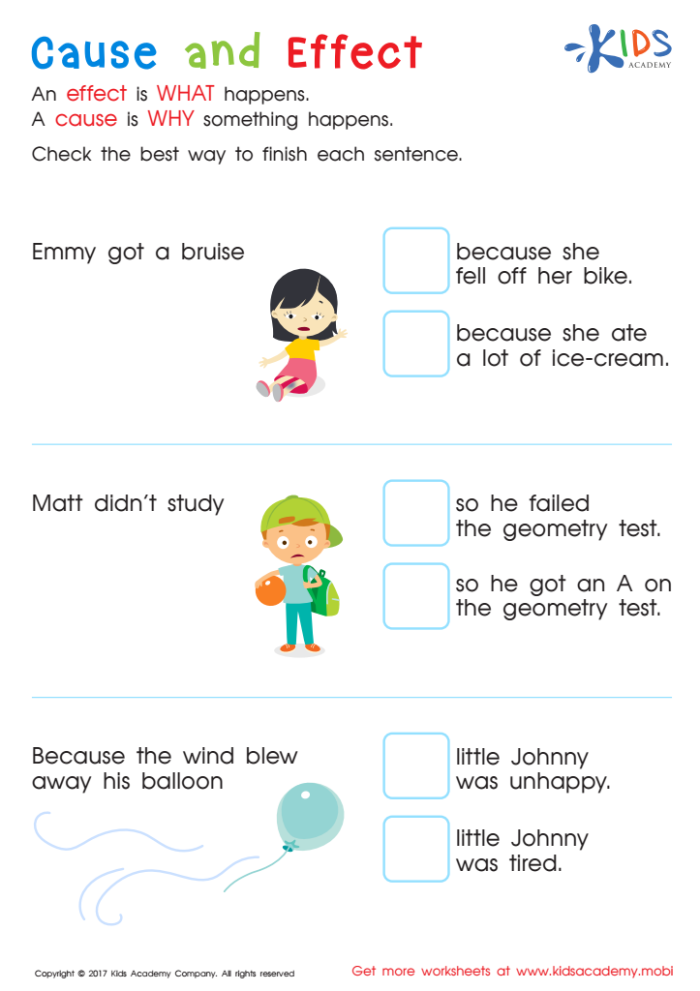
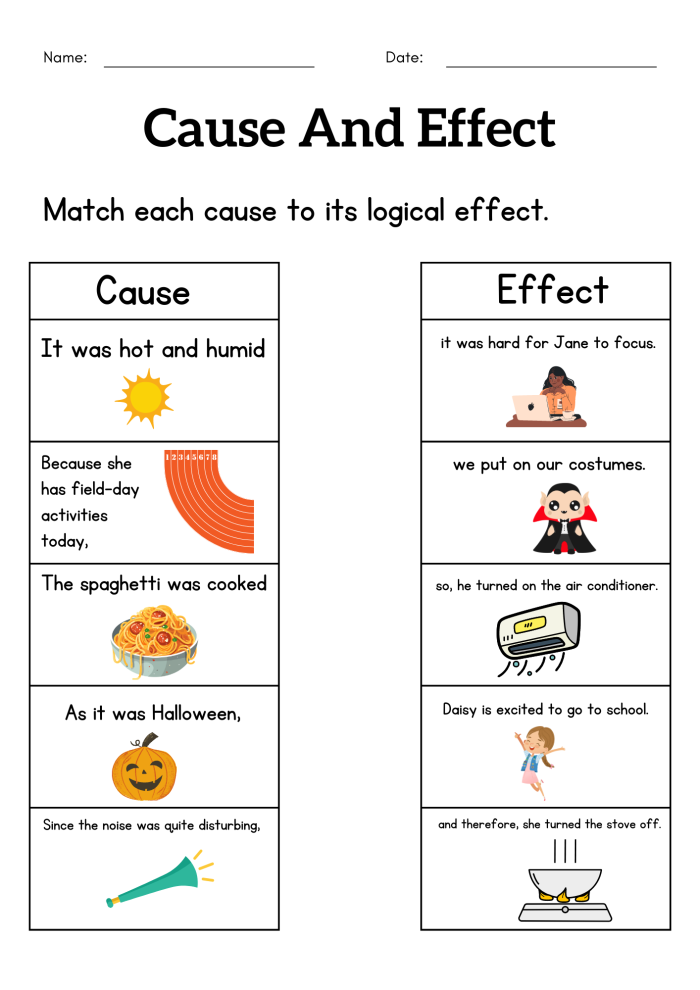
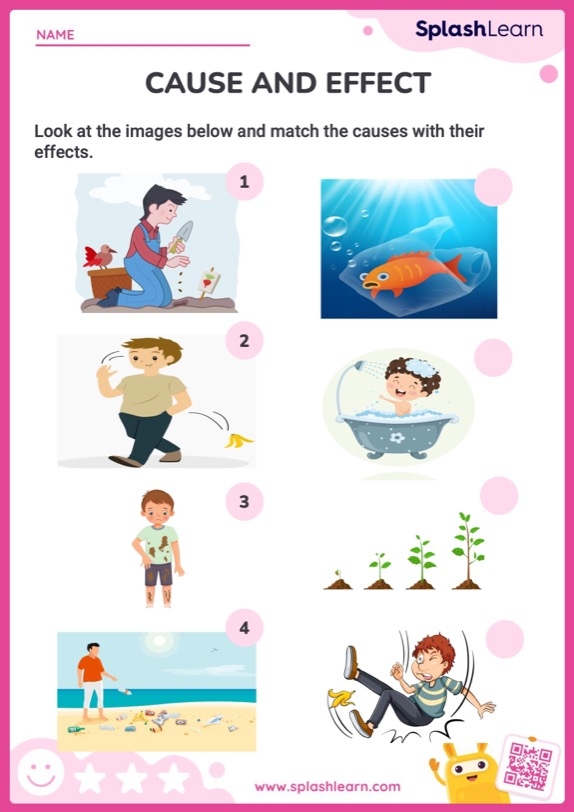
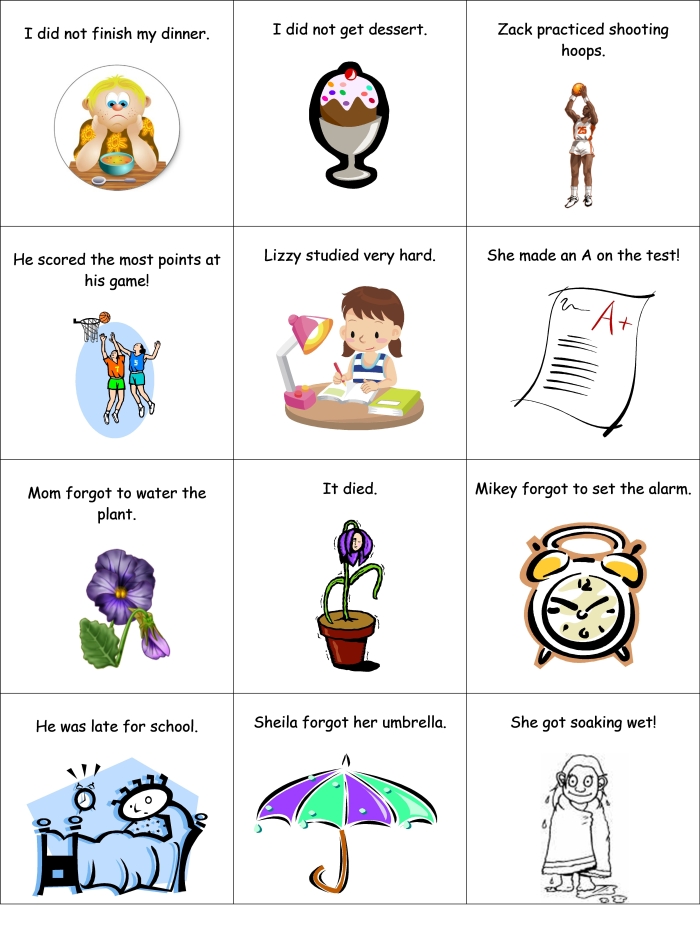
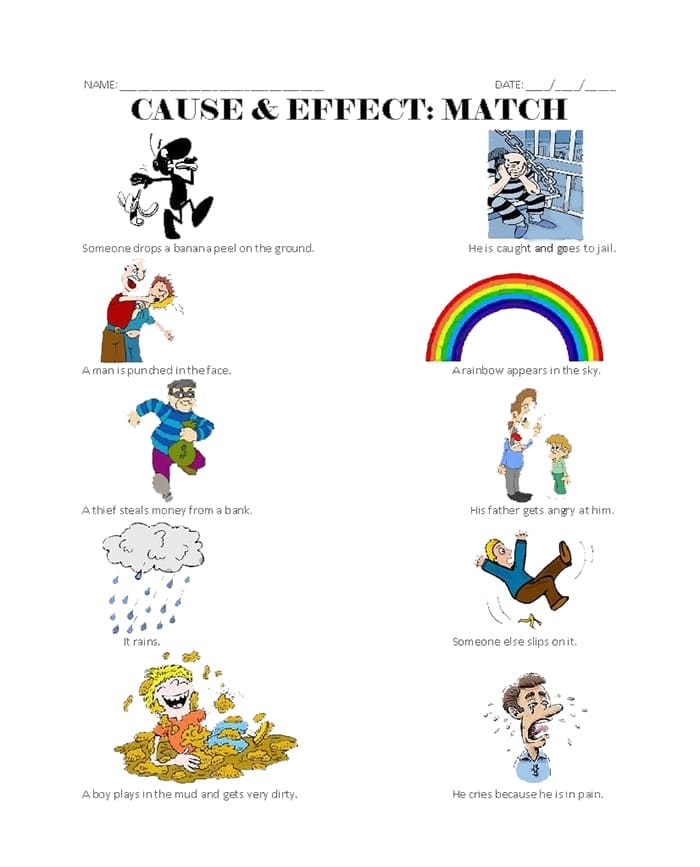
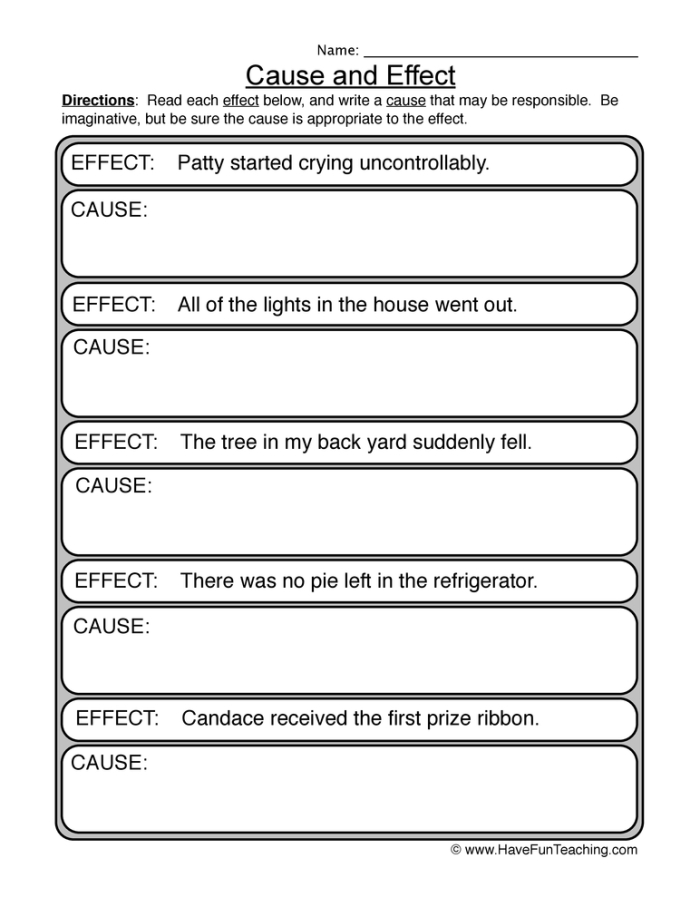
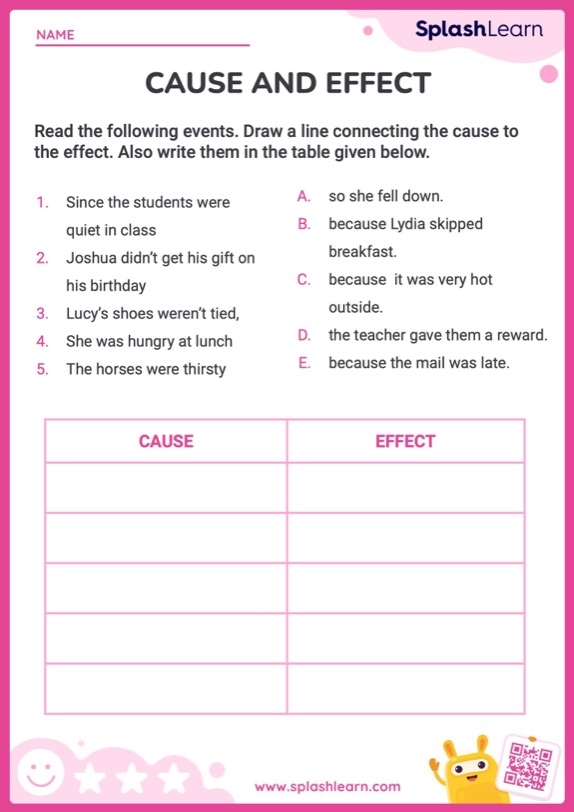
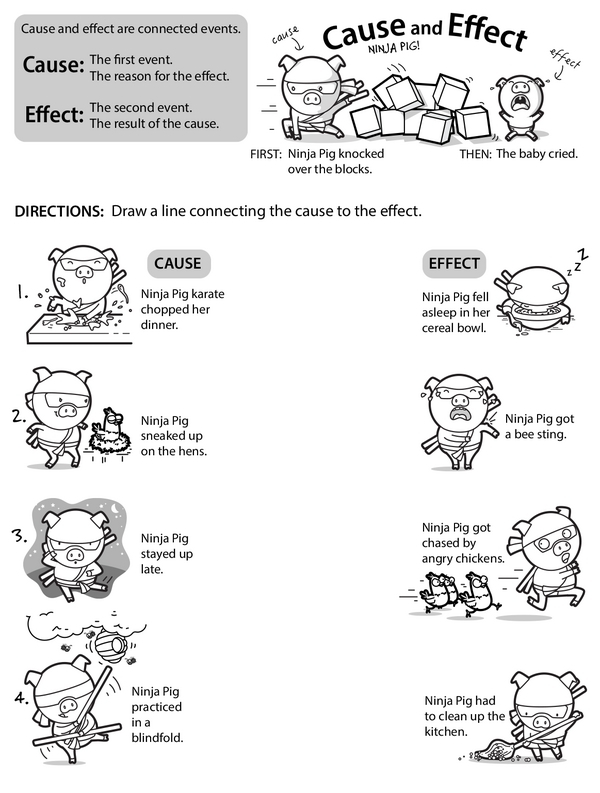
The most effective way to build this skill is through direct practice with paired sentences. Start by presenting two simple sentences where one clearly causes the other. For example: “Sarah knocked over the milk. The milk spilled on the floor.” Students identify which sentence describes what happened (the effect) and which explains why it happened (the cause). This concrete approach works better than abstract explanations because second graders learn through concrete examples they can visualize.
When designing practice activities, keep sentences short and use familiar scenarios from your students’ daily lives. A child who has spilled juice at lunch will immediately understand cause and effect in that context. You can gradually introduce more complex relationships as students gain confidence, but resist the urge to rush this progression.
Pairing cause and effect practice with other grammar skills strengthens overall literacy development. Students benefit from understanding how verb tenses shift when describing causes and effects, since causes typically precede effects in time. Similarly, recognizing the sequence of events naturally reinforces cause and effect thinking.
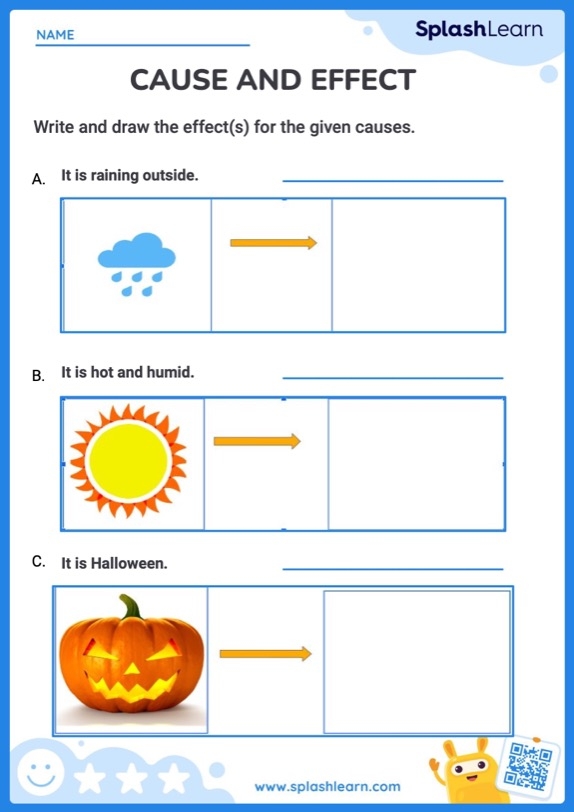
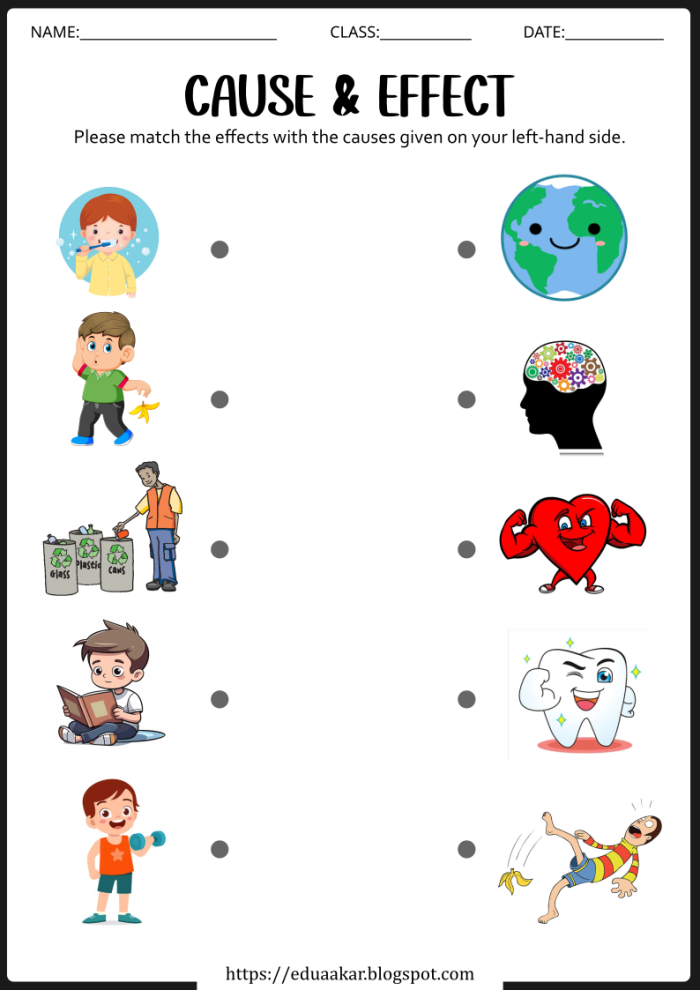
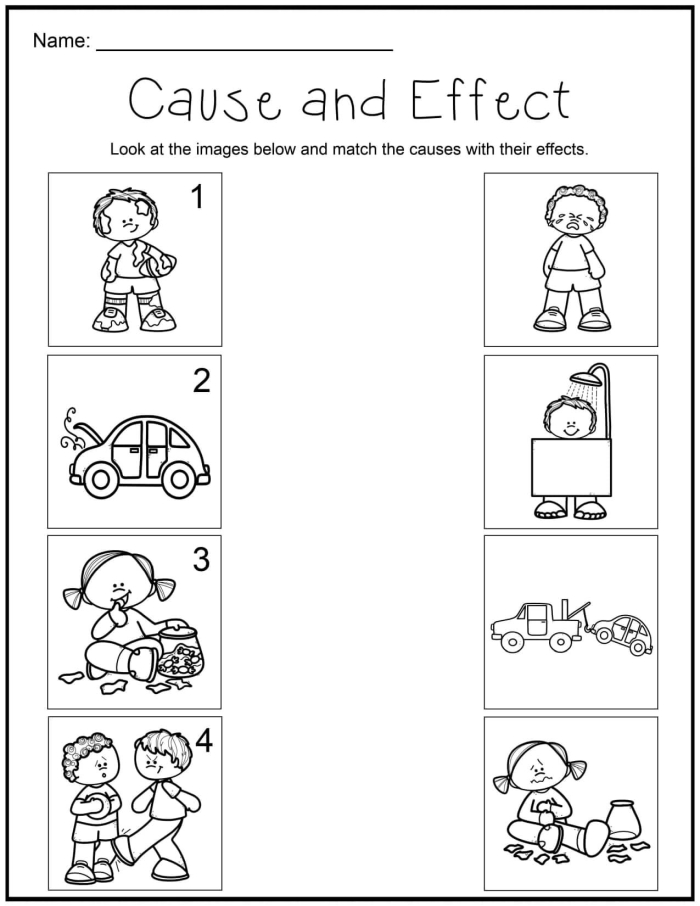
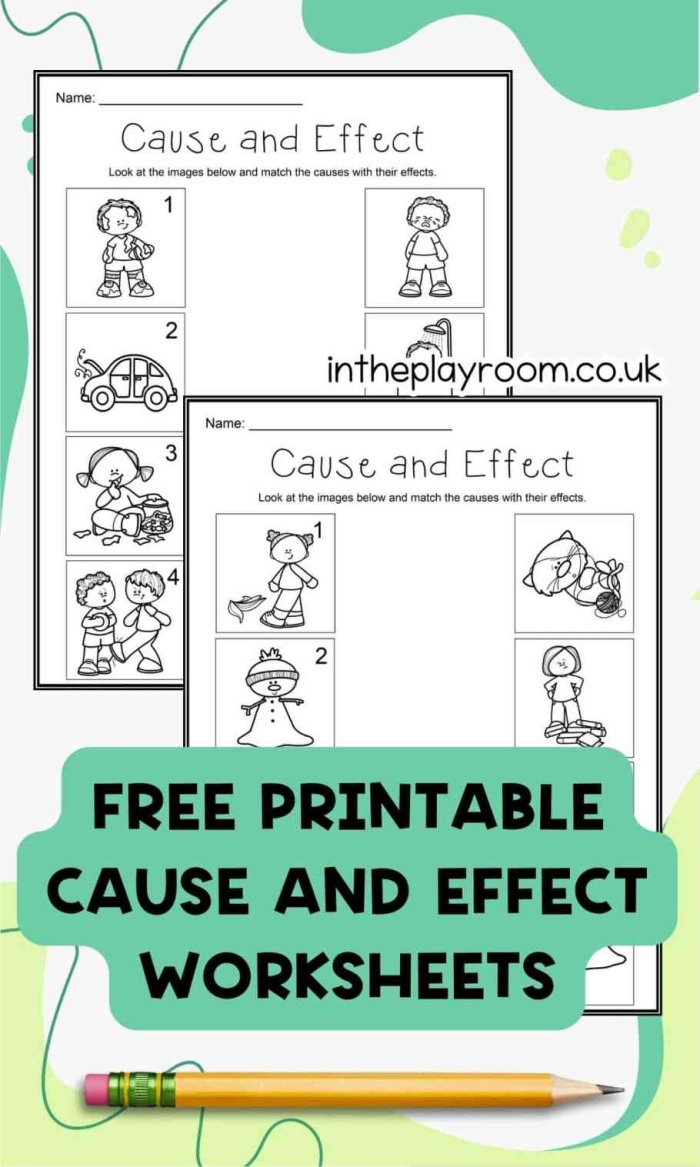
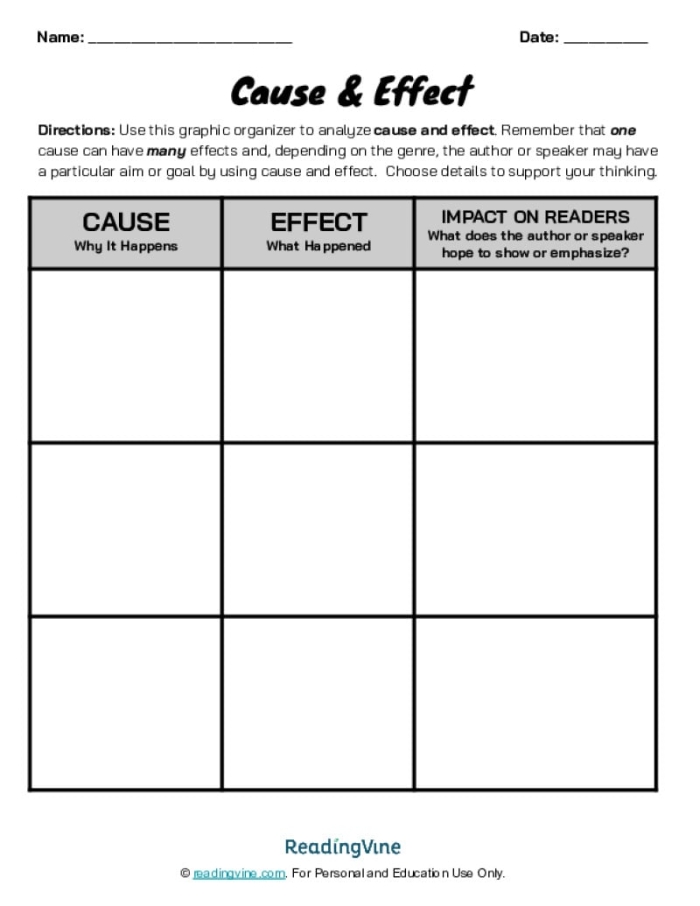
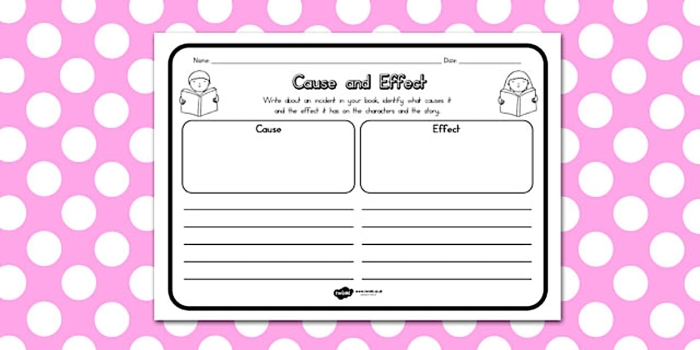
Regular practice with printable worksheets allows students to work independently while you observe their understanding. Watch for students who confuse sequence with causation, as this is a common second grade misconception. With consistent, patient instruction, your students will develop a reading strategy that serves them throughout their academic careers.
Grab These Worksheets Now