Millions of years ago, Earth was home to creatures that no longer walk, swim, or fly anywhere on our planet. Dinosaurs, saber-toothed cats, giant ground sloths, and woolly mammoths all vanished long before humans built cities or invented writing. For fifth grade students studying history, learning about these extinct animals opens a window into deep time and shows how life on Earth has constantly changed.
The word “extinct” means a species has completely died out with no living members remaining. Scientists know these animals existed because they left behind fossils, the preserved remains found in rock layers. When paleontologists study fossils, they can tell us the size, diet, and habitat of creatures that disappeared thousands or millions of years ago. Some extinctions happened suddenly from asteroid impacts or volcanic eruptions, while others occurred gradually as climates shifted and food sources disappeared.
Studying extinct animals teaches us valuable lessons about survival and change. The Tyrannosaurus rex, which hunted 66 million years ago, was one of the largest meat-eating dinosaurs ever discovered. The woolly mammoth roamed ice age grasslands until about 4,000 years ago. The dodo bird, a flightless creature from Mauritius, vanished in the 1600s after humans arrived on its island home. Each animal has its own story of how and why it disappeared from Earth.
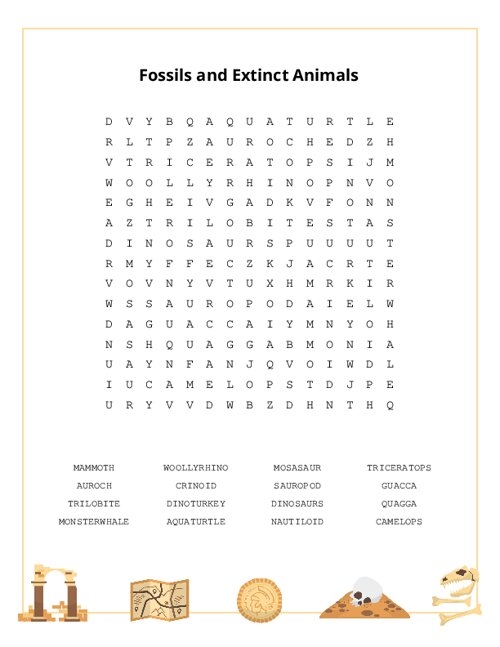
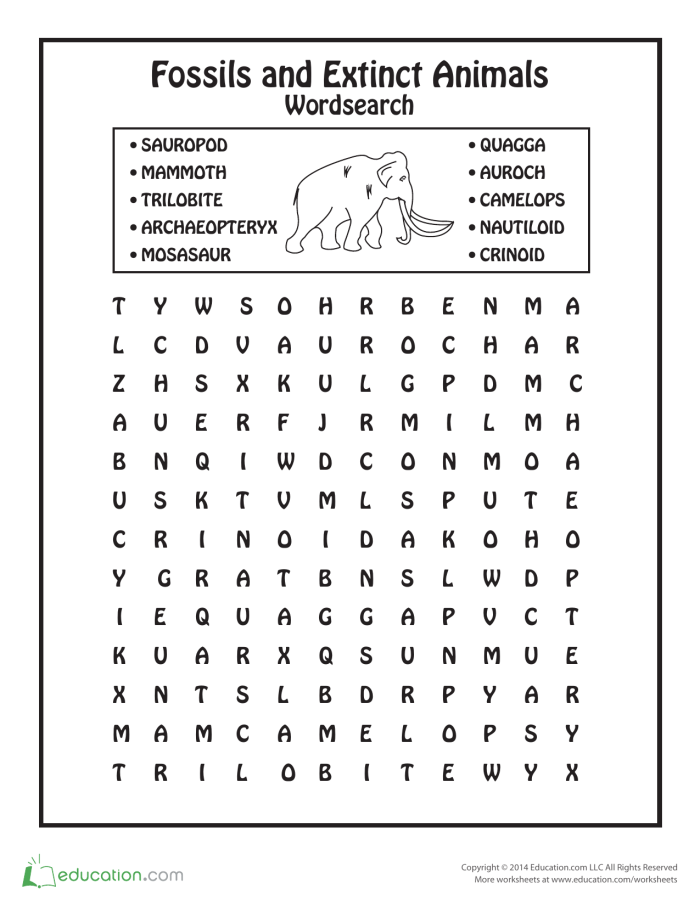
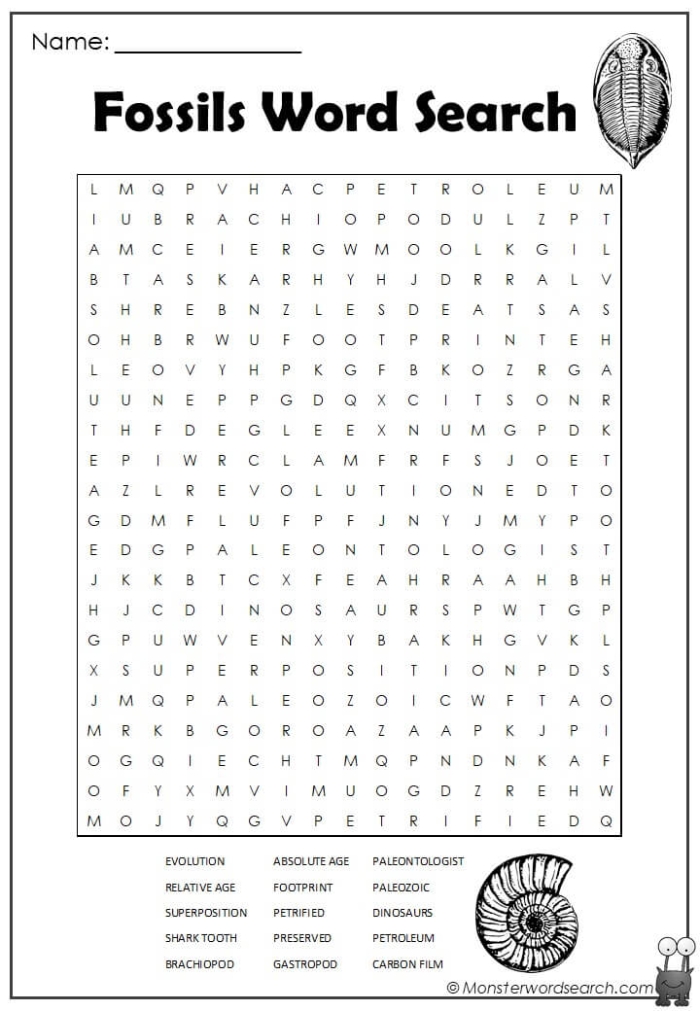
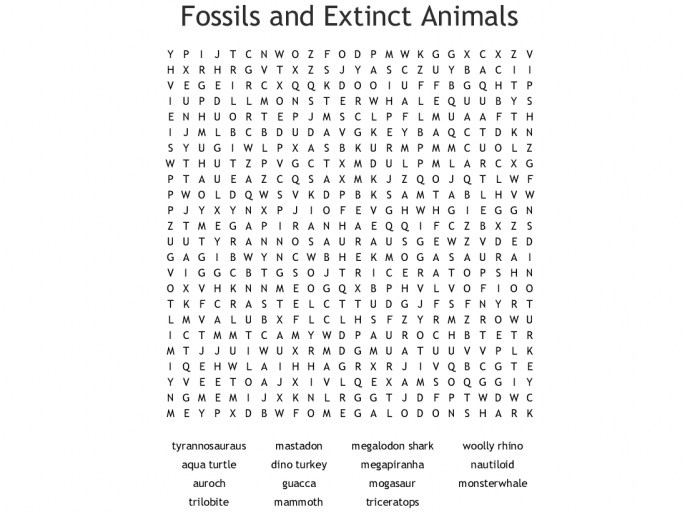
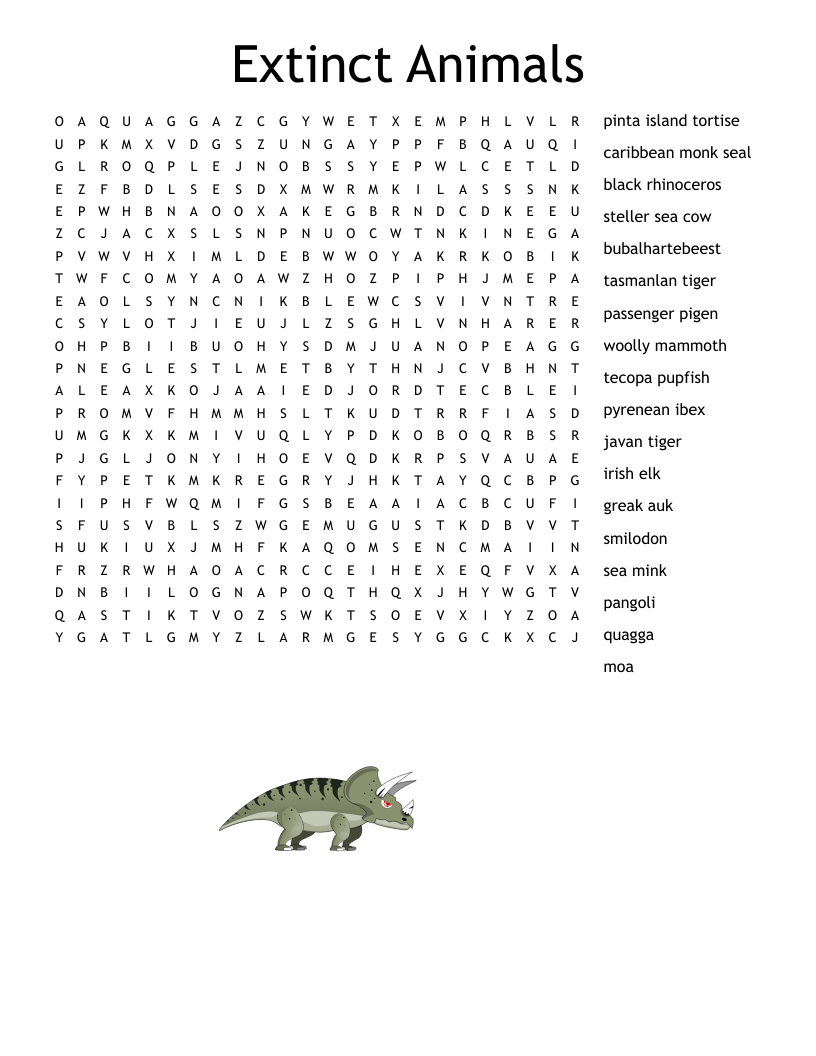
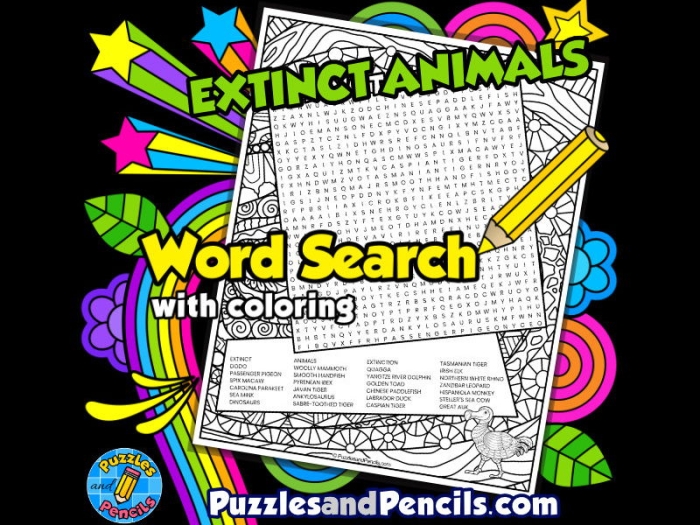
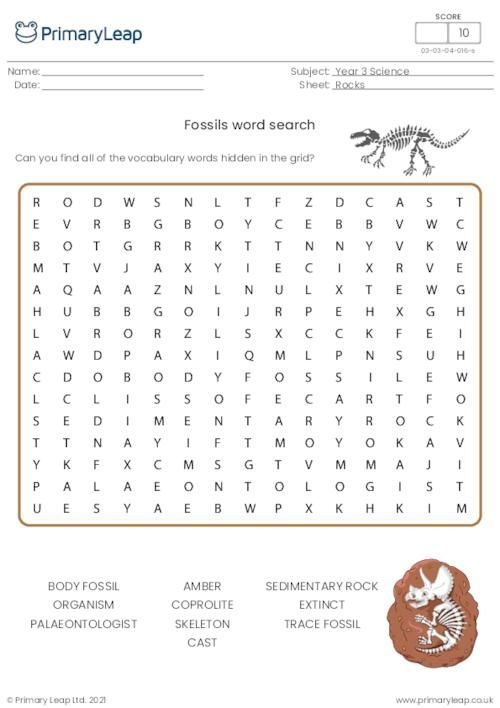
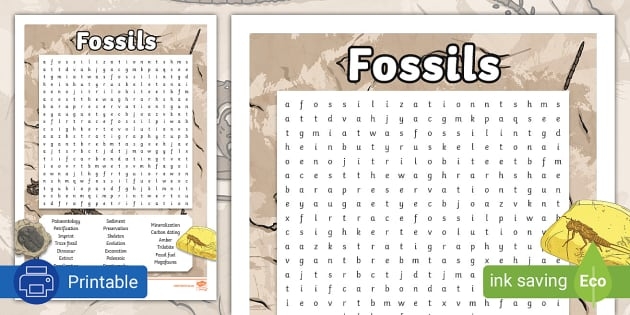
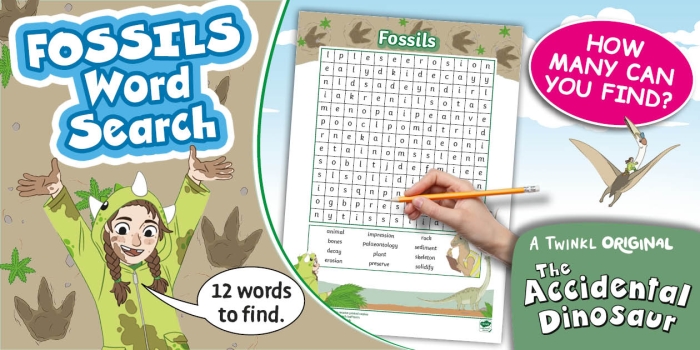
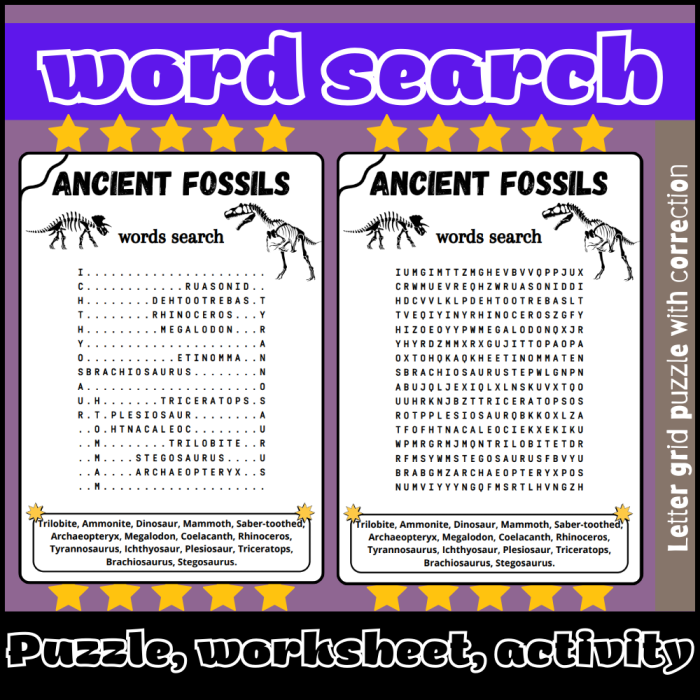
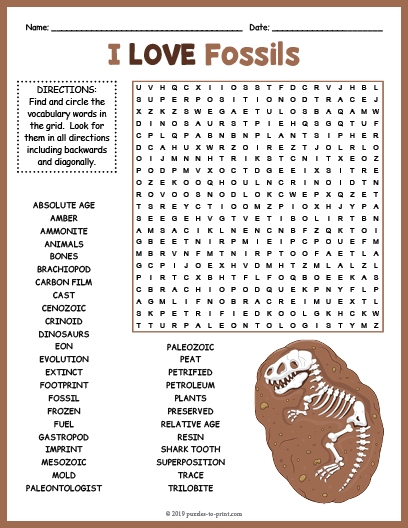
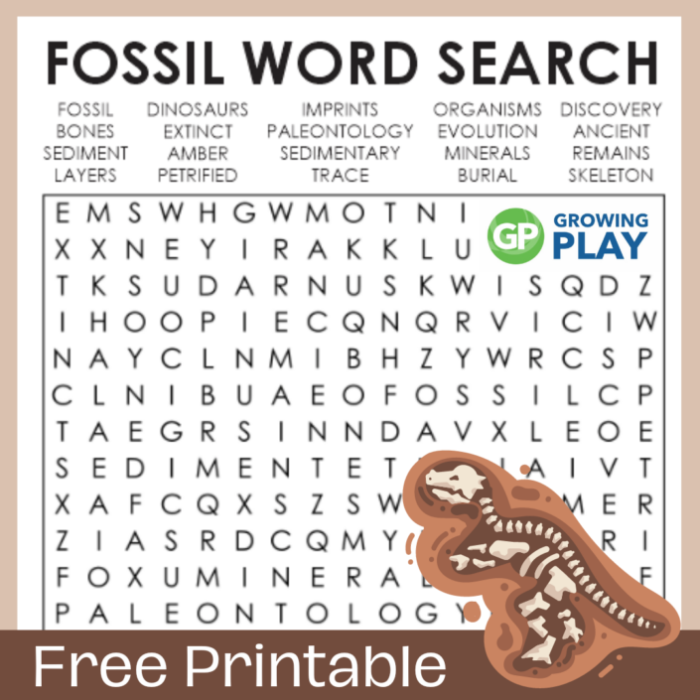
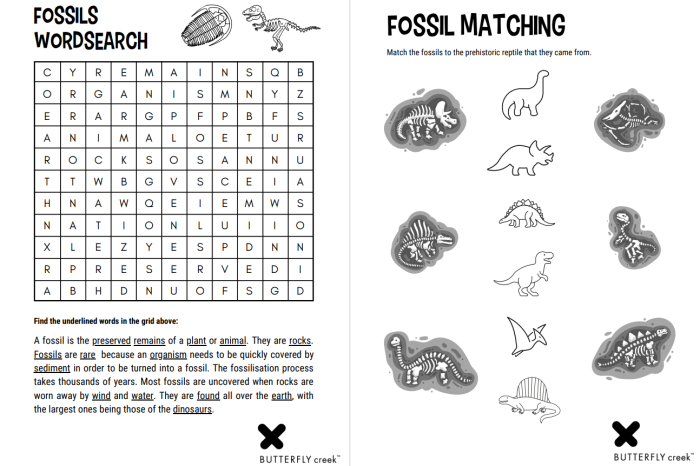
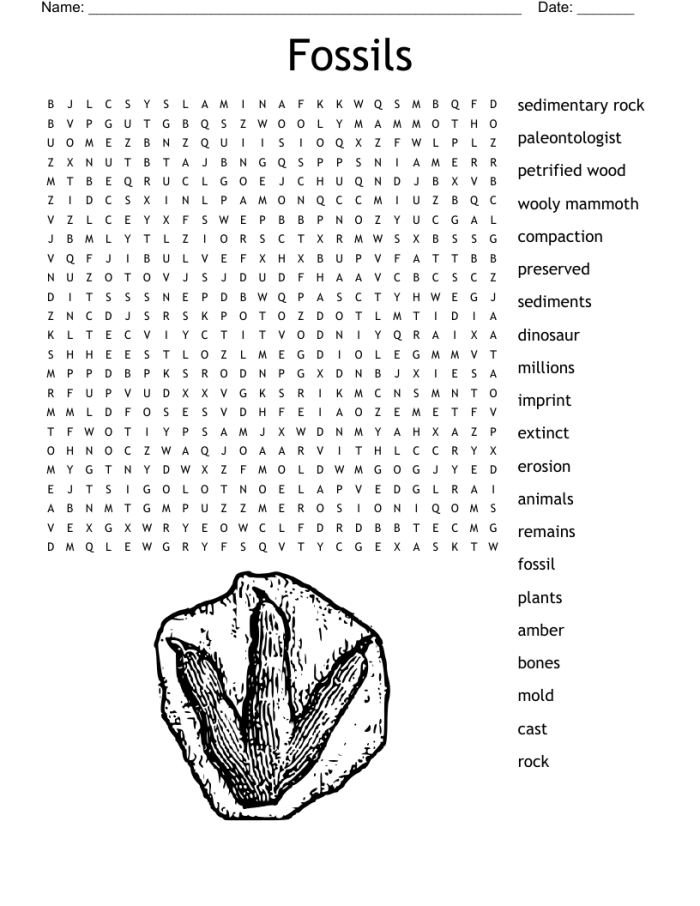
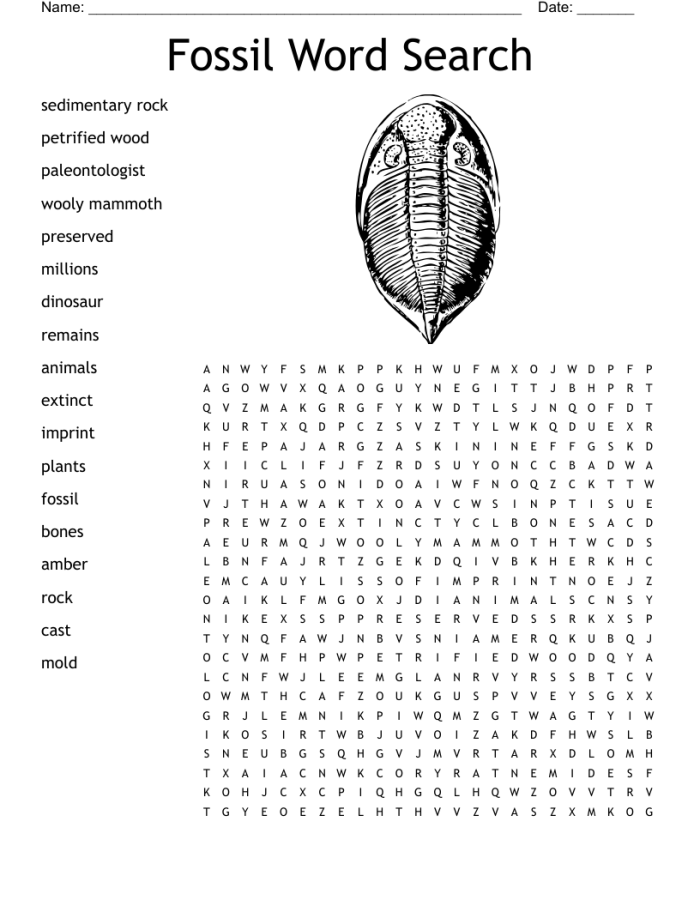
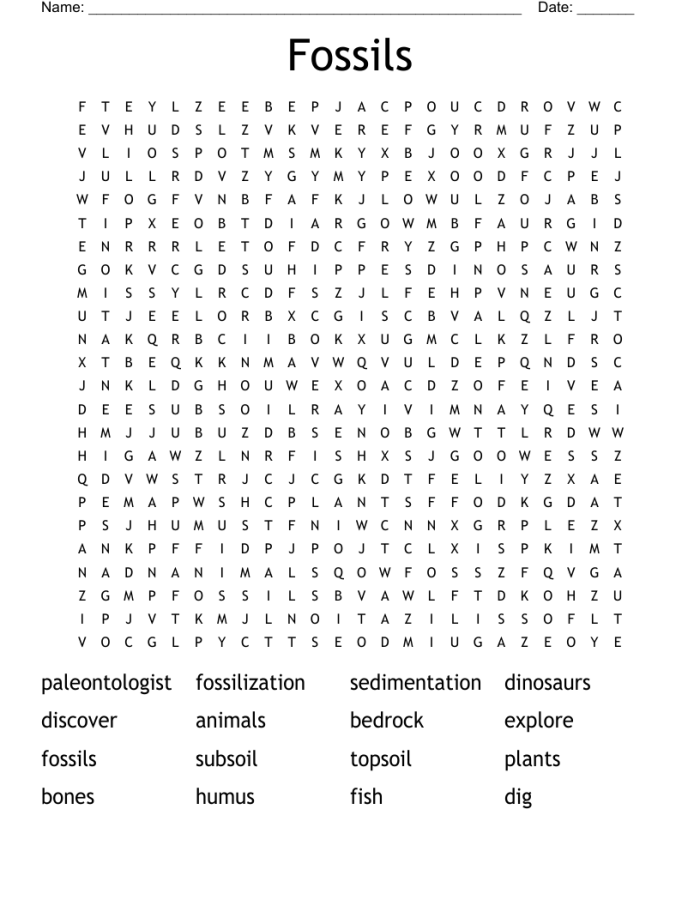
One engaging way to learn these names is through a word search puzzle. Finding hidden words like “trilobite,” “pteranodon,” and “megalodon” helps cement these names in your memory while having fun. You can strengthen your vocabulary skills with similar activities like building vocabulary with synonyms and antonyms. Combining puzzle activities with history lessons makes learning stick better than reading alone. Try the printable fossils and extinct animals word search worksheet to discover which prehistoric creatures you can find.
Worksheet Practice Section