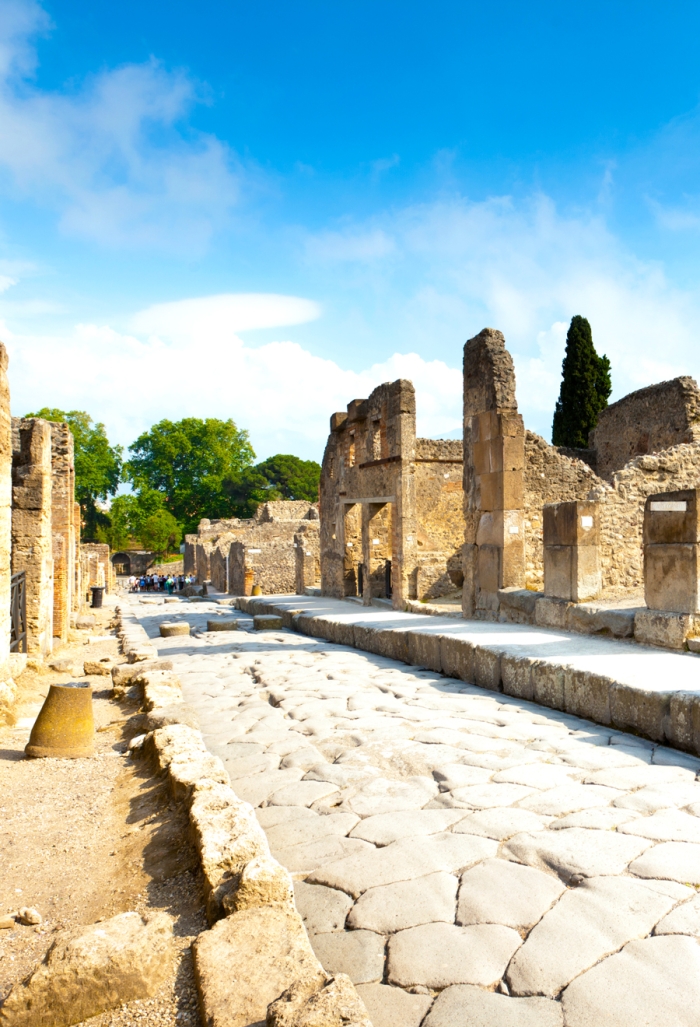
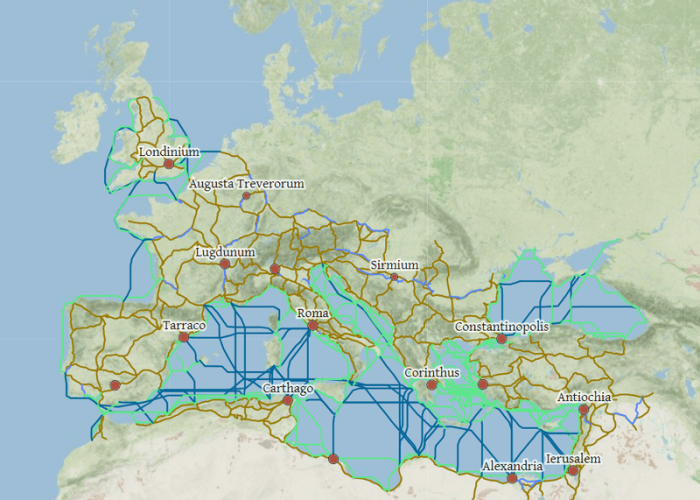
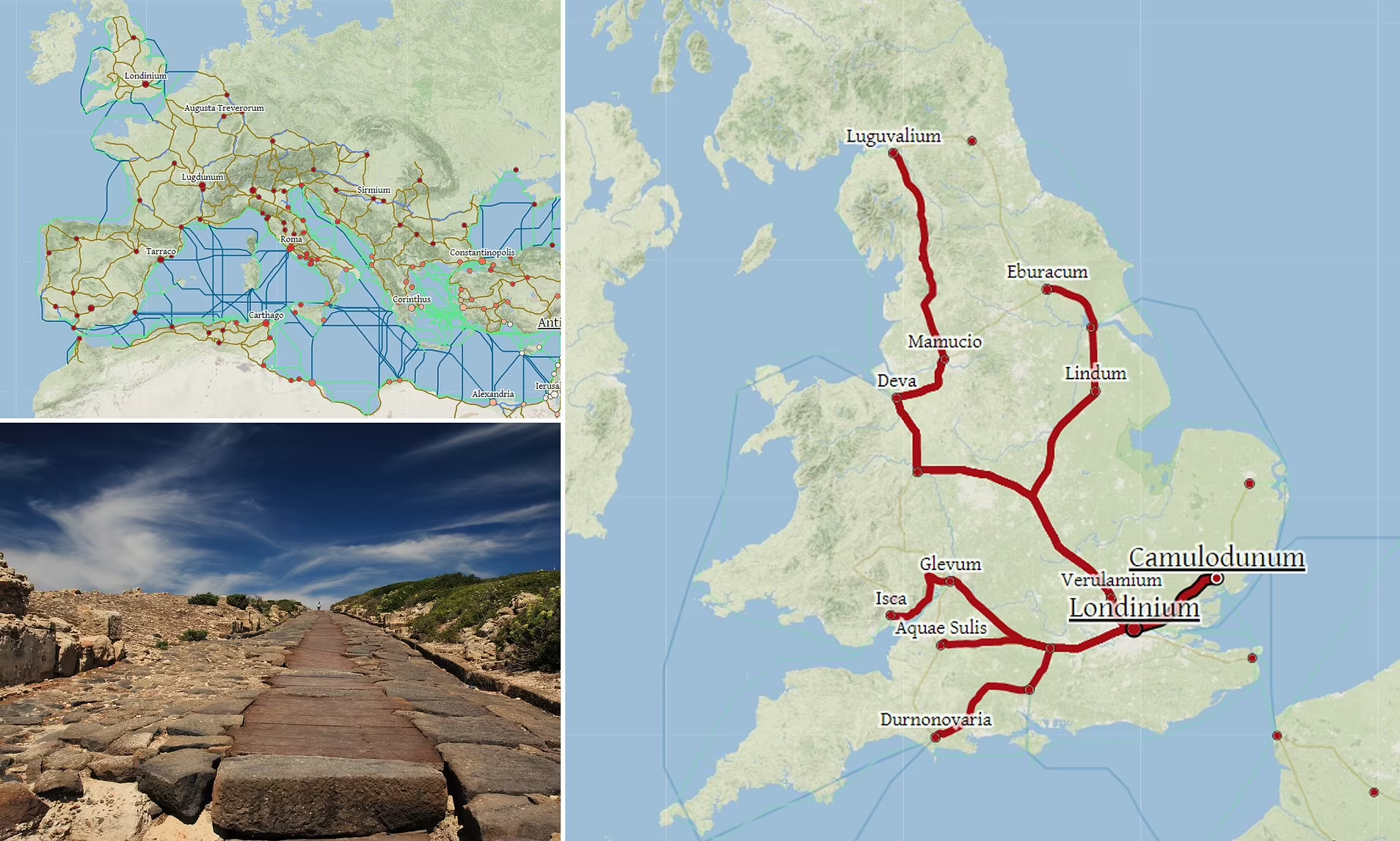
Roman roads stand out as one of ancient Rome’s most impressive feats of engineering. These roads weren’t just pathways; they were carefully designed routes that connected cities, military outposts, and trade centers across the vast Roman Empire. What makes Roman roads particularly interesting is how their construction techniques allowed them to endure for centuries, some even still visible today.
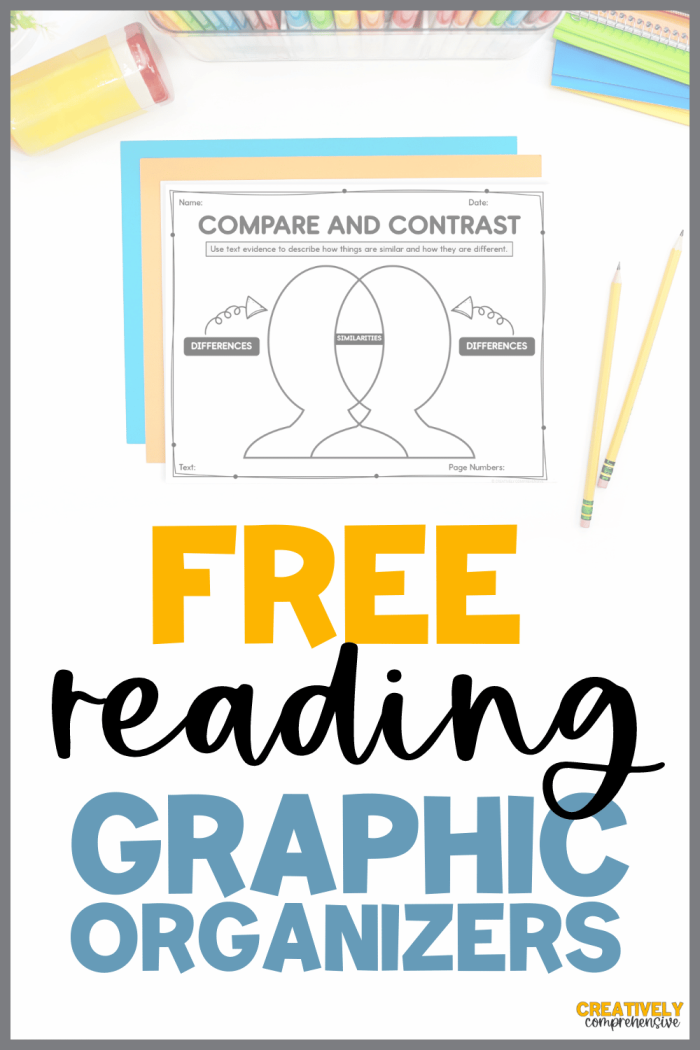
Using a graphic organizer focused on Roman roads helps sixth grade students explore this topic through a data and graphing lens. For example, students can examine the materials used in road construction, such as layers of sand, gravel, and large flat stones, each serving a specific purpose for durability and drainage. These layers are often illustrated in the organizer, allowing learners to visualize the engineering behind the roads’ strength.
One detail that often surprises students is the precision with which Roman engineers planned these roads. They used tools like the groma for surveying straight lines and carefully calculated the best routes to avoid steep slopes or flood-prone areas. The roads were also crowned in the middle, slanting slightly to let rainwater run off efficiently, a feature that prevented water damage over time.
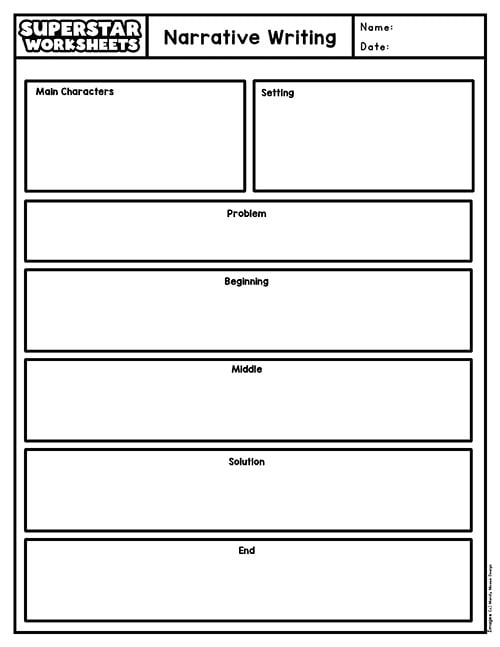
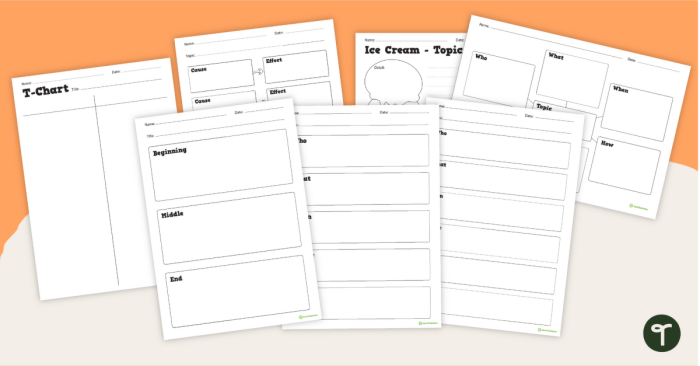
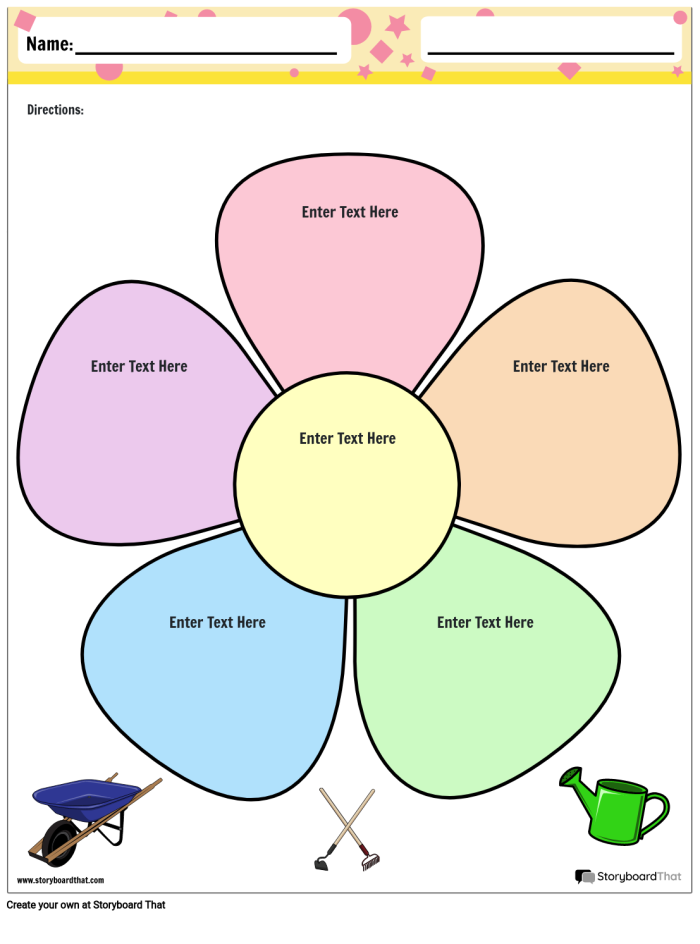
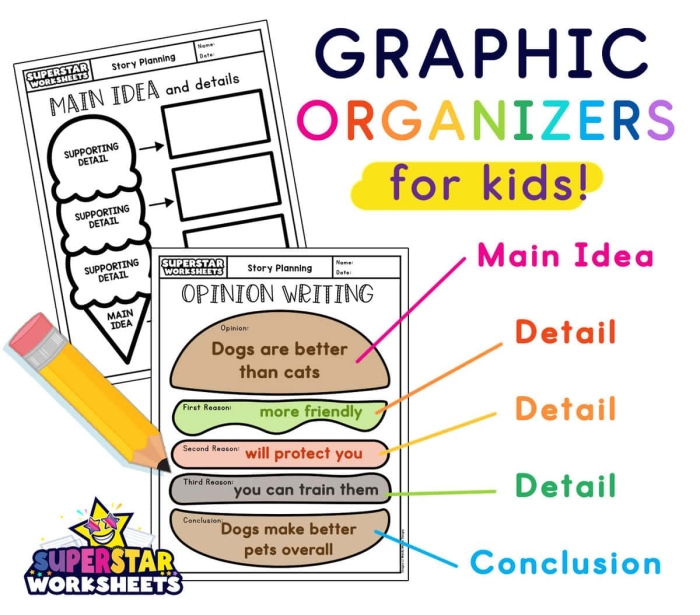
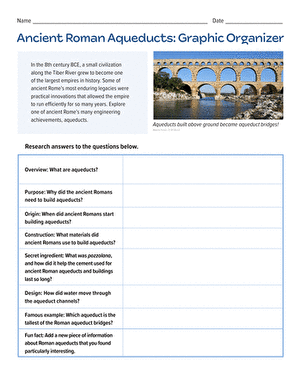
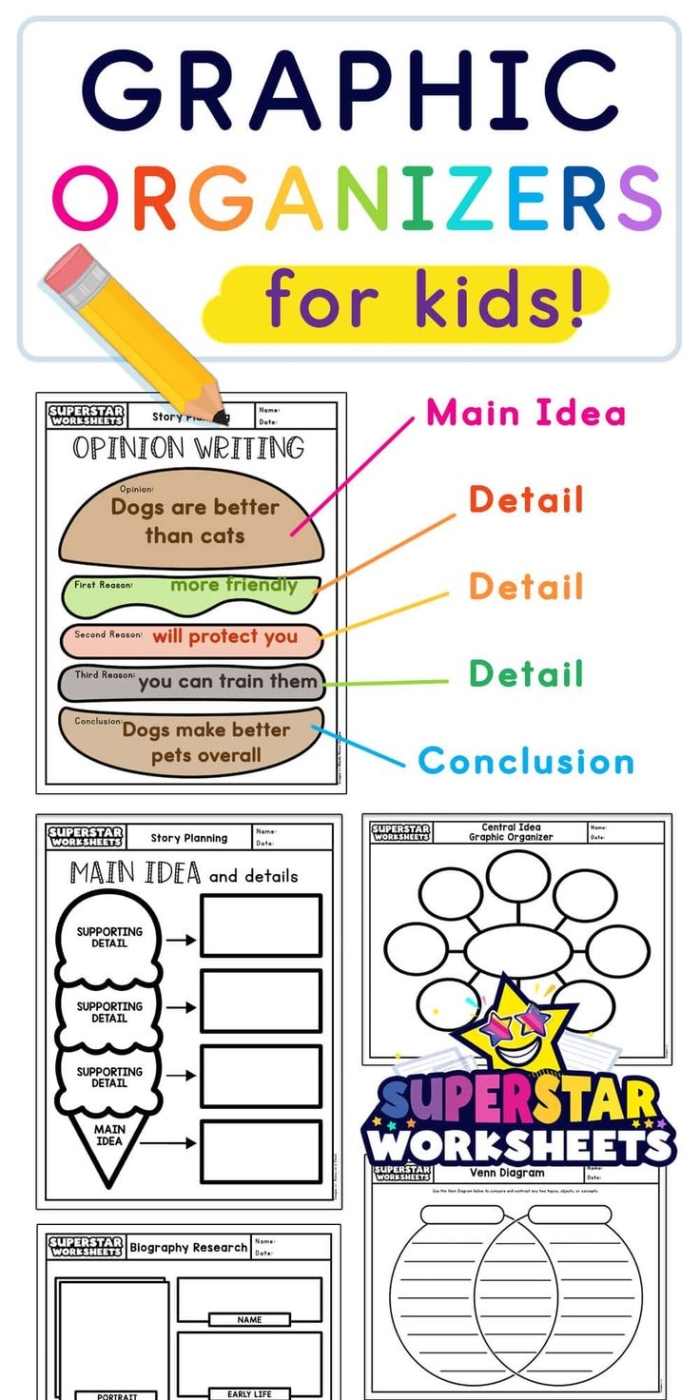
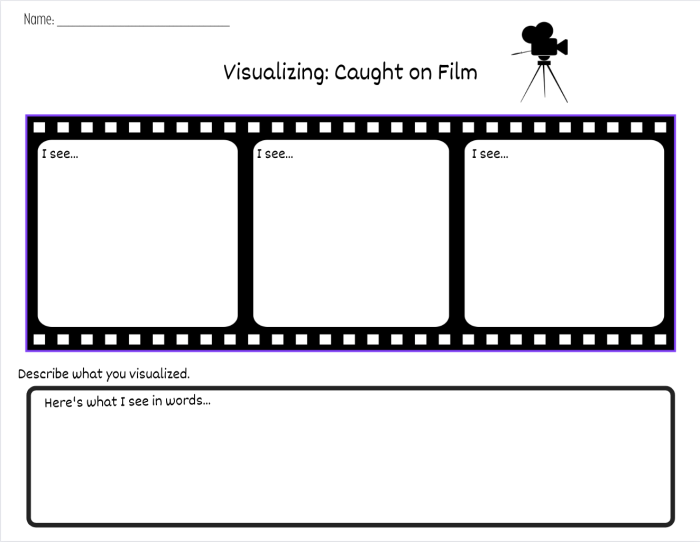
Applying this knowledge through printable Ancient Roman Roads: graphic organizer worksheets encourages students to gather and analyze information systematically. They can chart distances between cities, compare road lengths, or graph the thickness of different road layers. This approach not only builds understanding of Roman engineering but also strengthens data interpretation skills vital for sixth grade learners.
For those interested in integrating more data and graphing activities into history lessons, resources like the poetry analysis worksheets or figurative language mazes provide creative ways to combine literacy with data skills. Exploring Roman roads with such graphic organizers turns a complex historical subject into a hands-on learning experience that engages both critical thinking and practical math applications.
Practice with These Worksheets