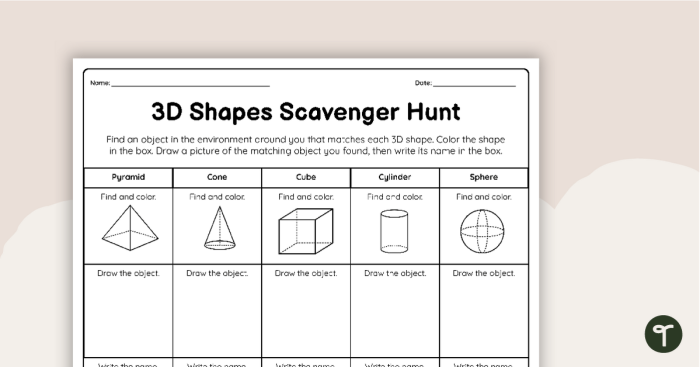
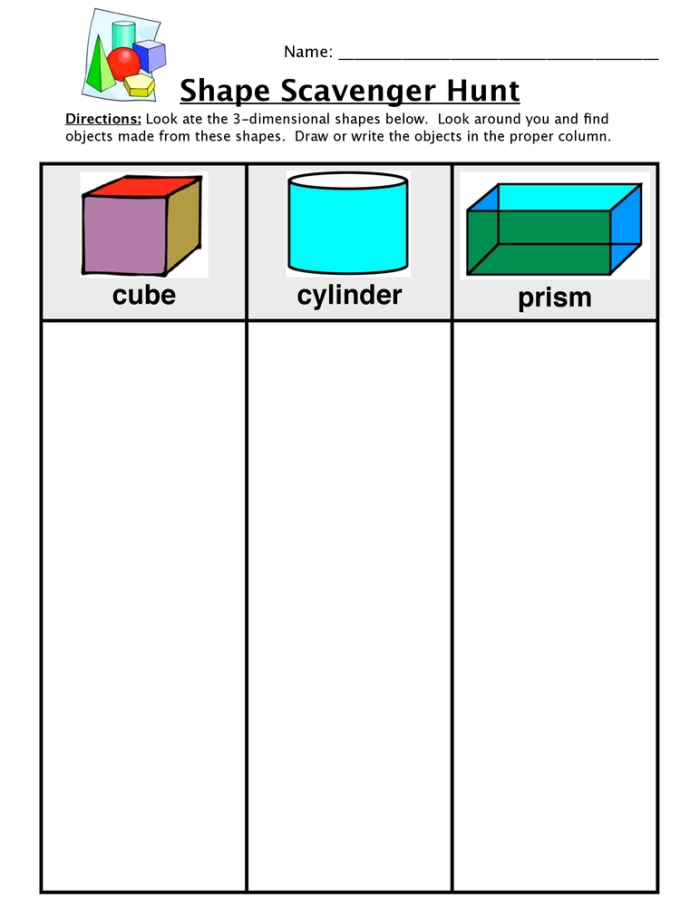
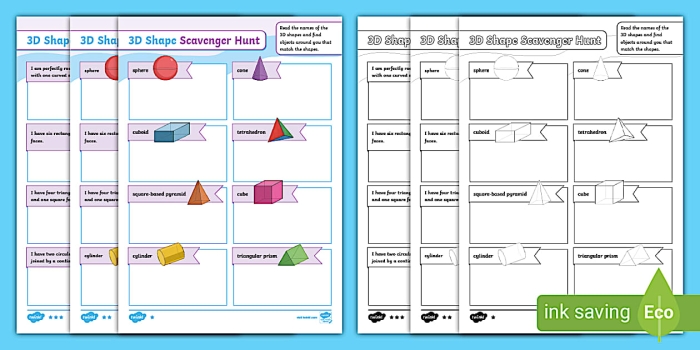
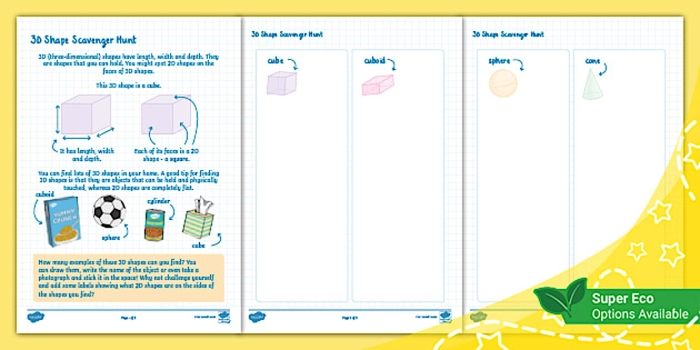
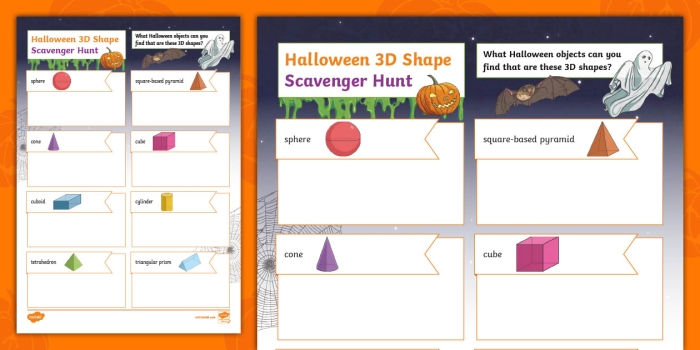
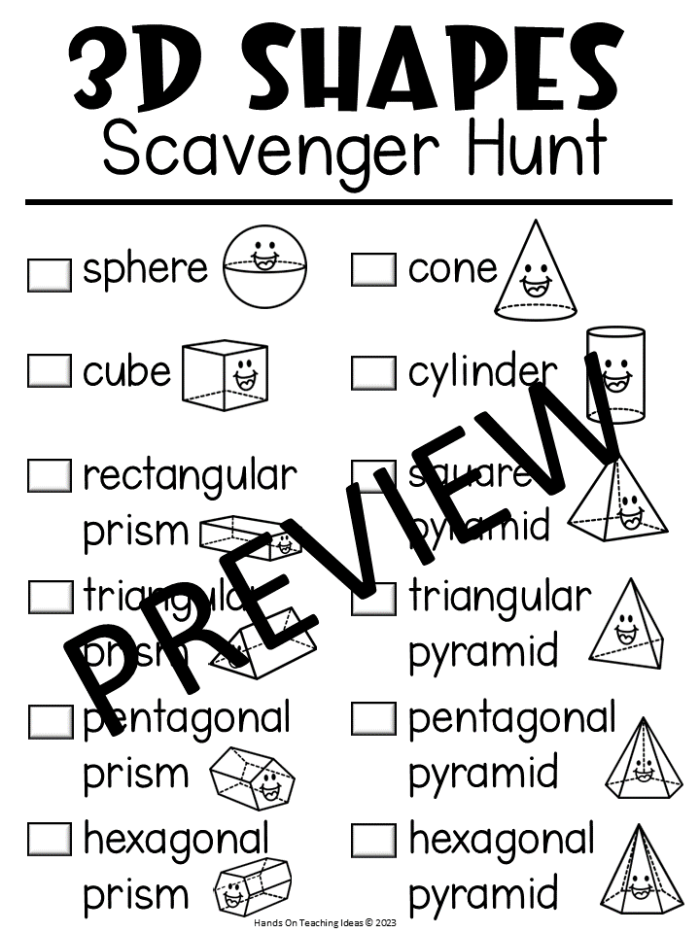
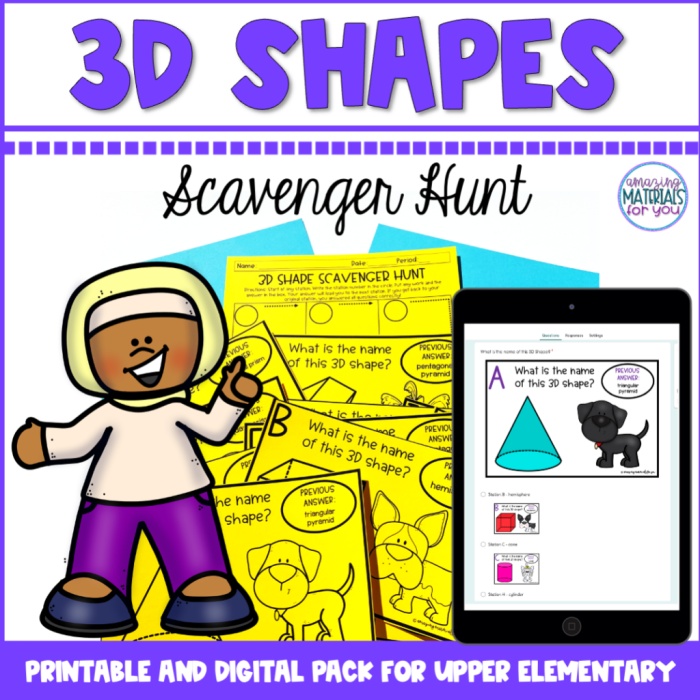
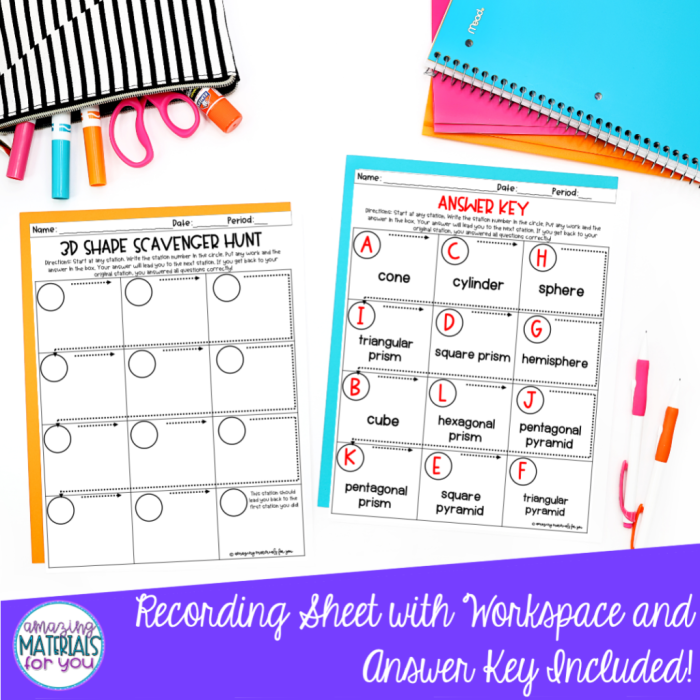
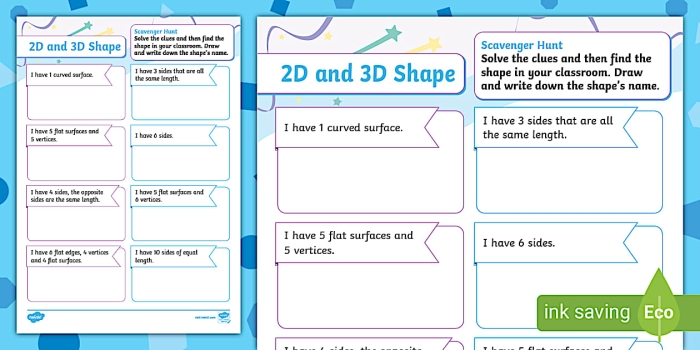
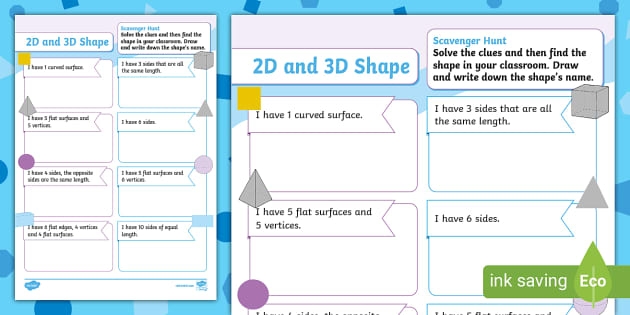
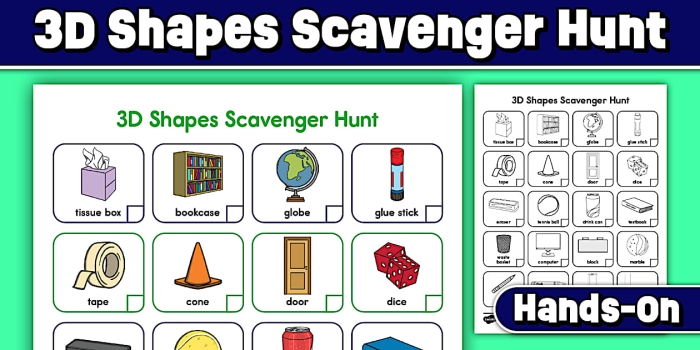
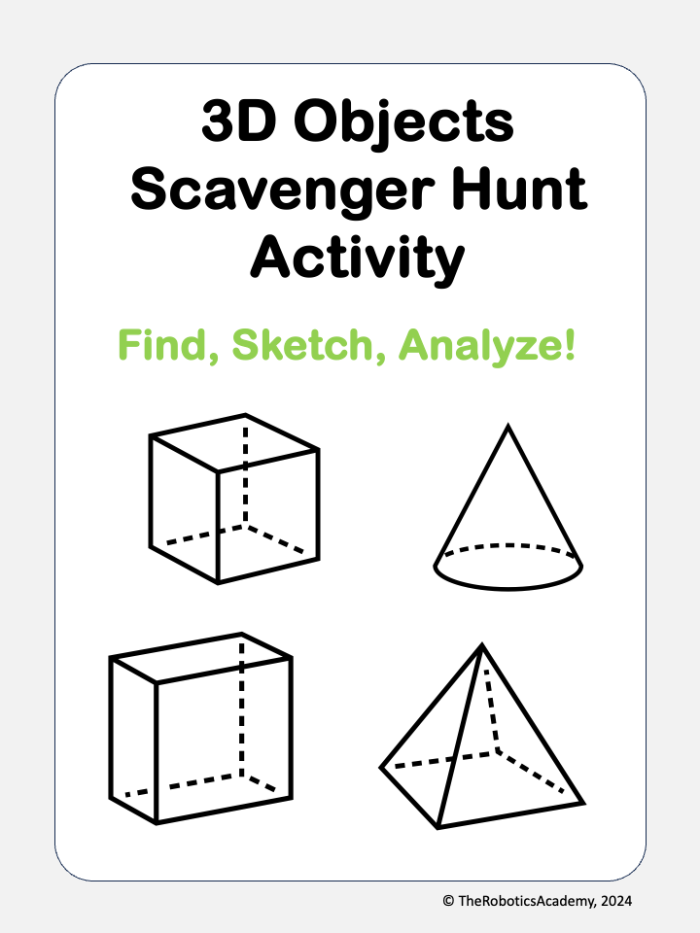
Kids learn best when they can see how abstract ideas fit into the world around them. That’s exactly why a 3D shape scavenger hunt activity works so well for second grade students exploring geometry and fractions. Instead of just memorizing names and properties of shapes, children get to find cubes, cones, cylinders, and spheres in their everyday environment. This hands-on approach makes the concepts more tangible and easier to understand.
For example, when a child spots a cereal box, they can connect it to the shape of a rectangular prism. Noticing a ball helps them identify a sphere. These real-life examples reinforce the vocabulary and characteristics of three-dimensional shapes beyond the classroom. This kind of exploration also naturally introduces fractions when kids compare parts of objects, like halves of a sphere or quarters of a cube, making the link between geometry and fractions clearer.
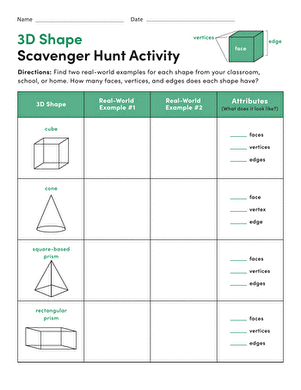
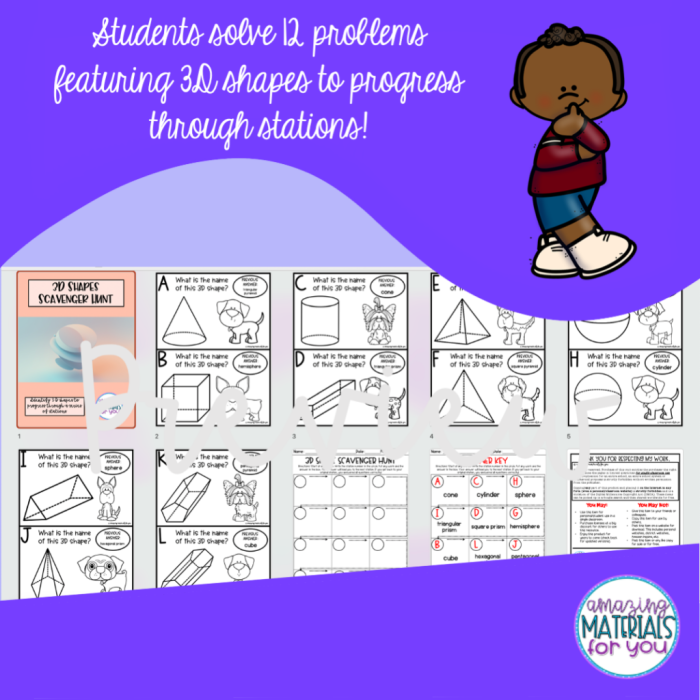
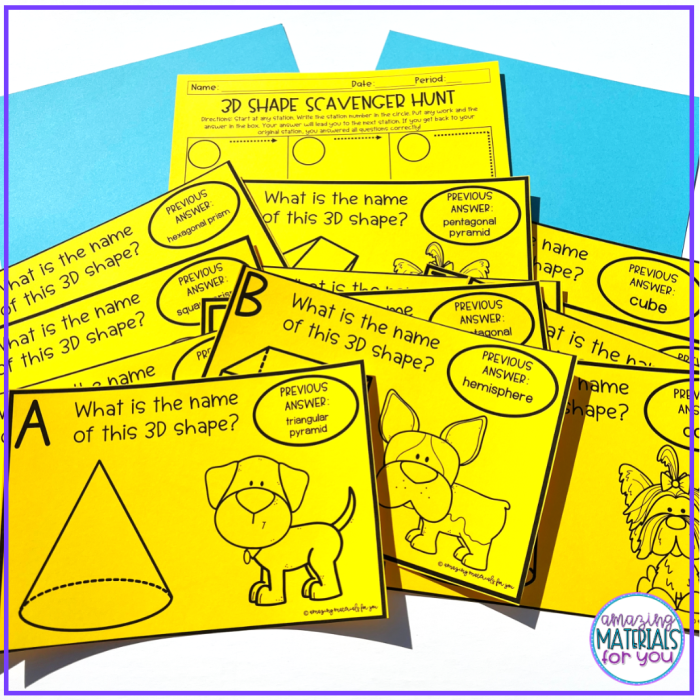
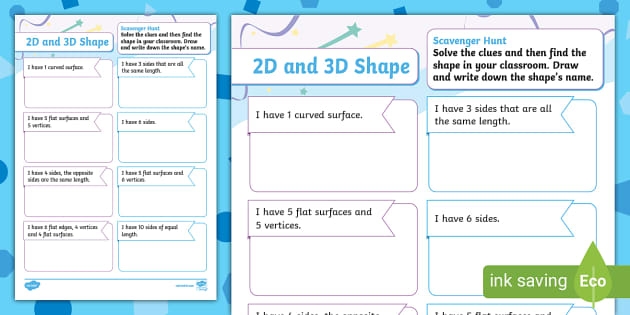
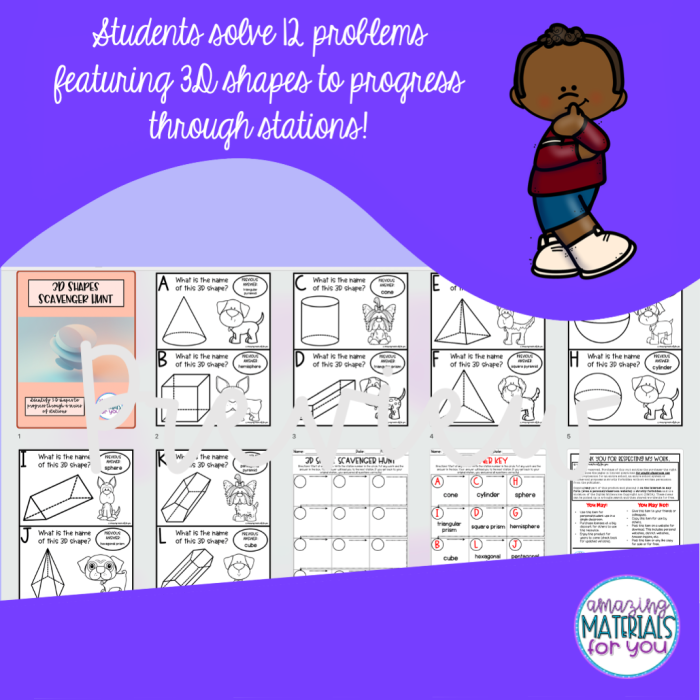
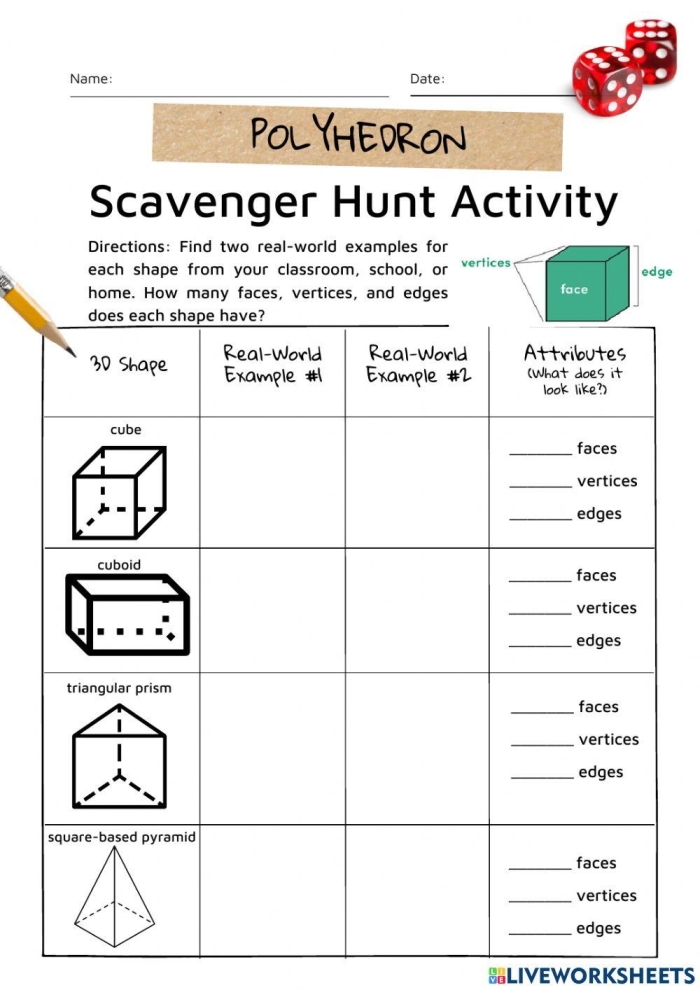
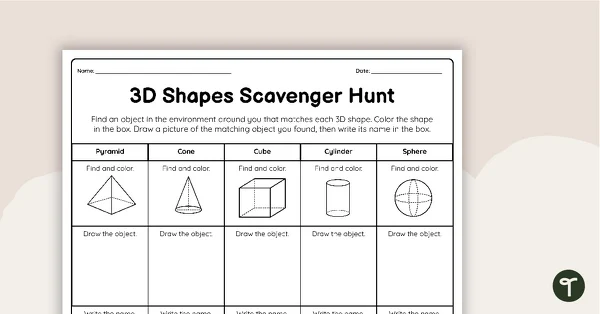
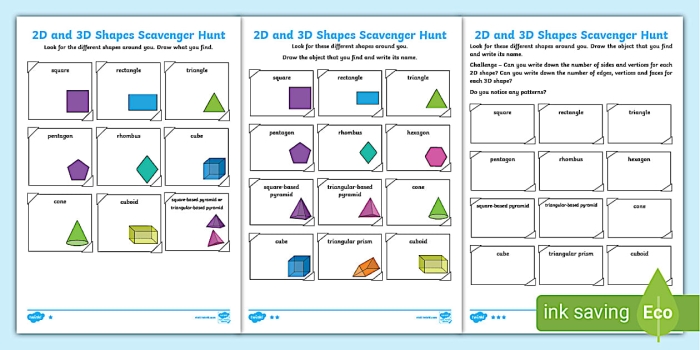
Printable 3D shape scavenger hunt activity worksheets are helpful tools to guide this process. They provide structured prompts that encourage children to observe closely and record their findings. These worksheets often include simple challenges, such as counting faces, edges, and vertices, or identifying which shapes can roll or stack. Incorporating such details supports critical thinking and spatial reasoning skills essential for second graders.
Teachers and parents looking to extend this learning can combine the scavenger hunt with related activities that build on number sense and pattern recognition. For instance, pairing this with number sense and pattern exercises helps children see connections between shapes, numbers, and fractions. Similarly, integrating fraction-focused tasks like those found in weather subtraction word problems can deepen their understanding of how fractions apply in various contexts.
Overall, this 3D shape scavenger hunt activity transforms geometry from a list of facts into a lively discovery process. By linking shapes to physical objects and fractions, children build a stronger foundation in math that feels relevant and engaging. This method supports a more interactive way of learning that stays with students beyond their early lessons.
Worksheet Practice Section