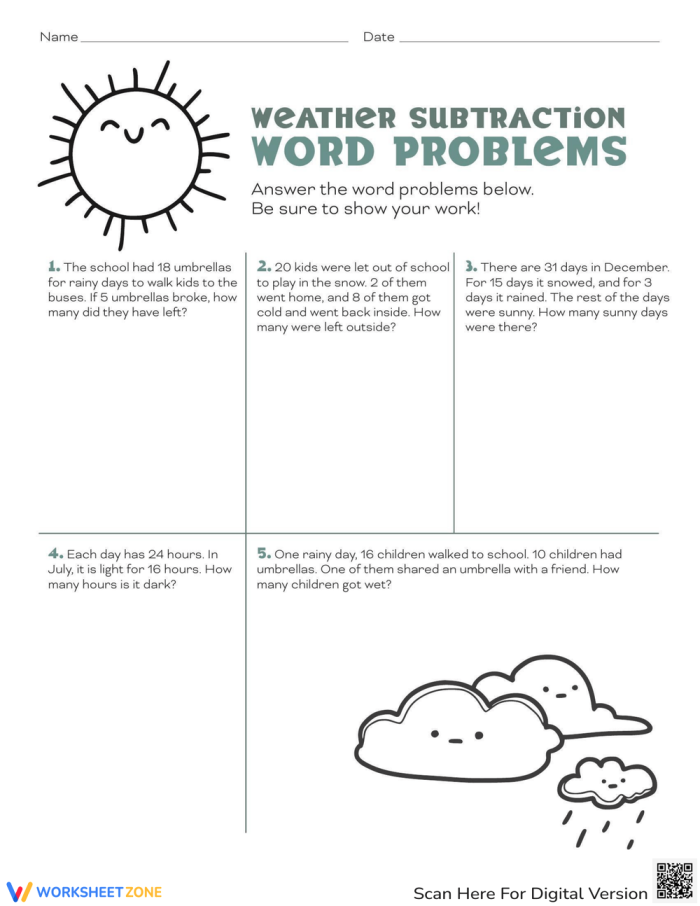
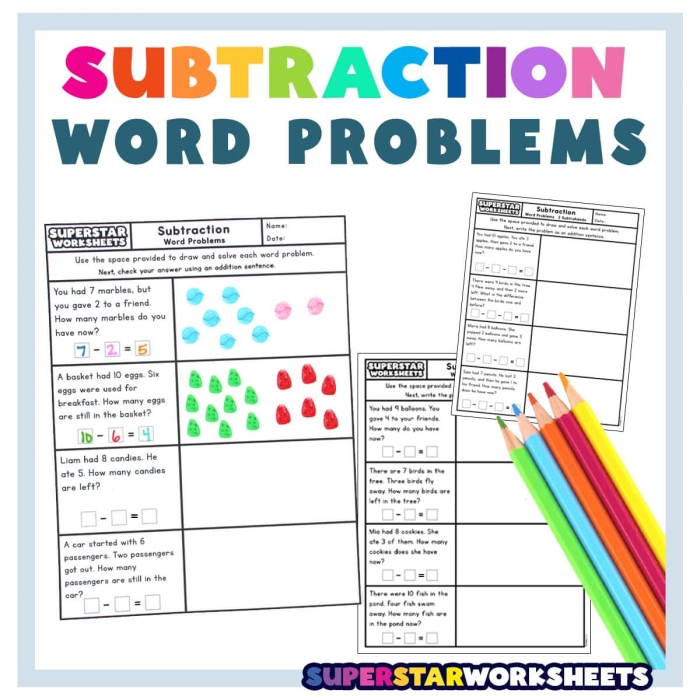
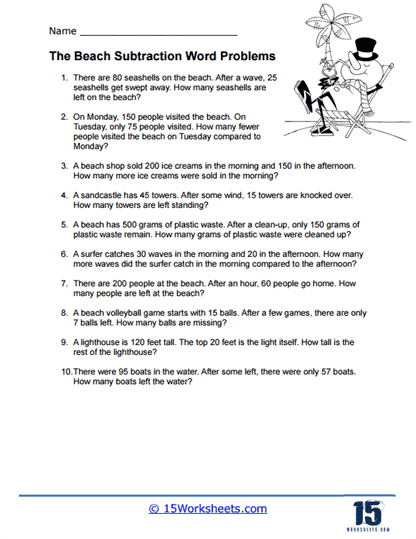
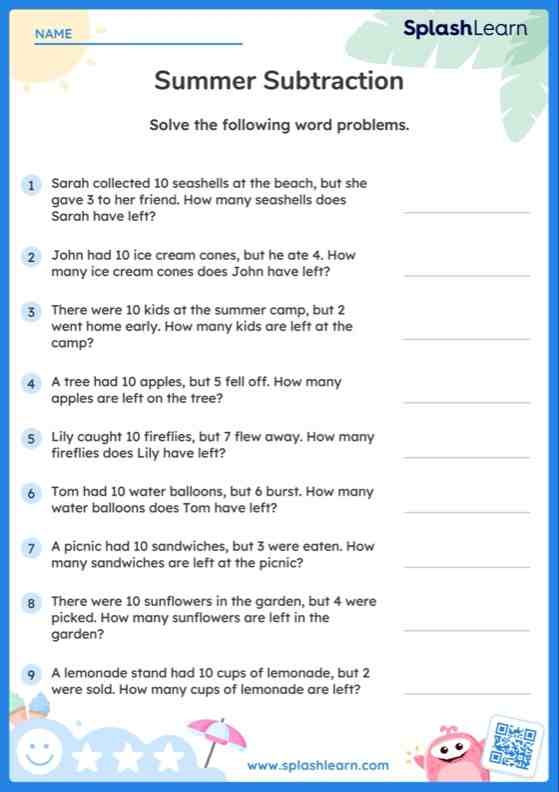
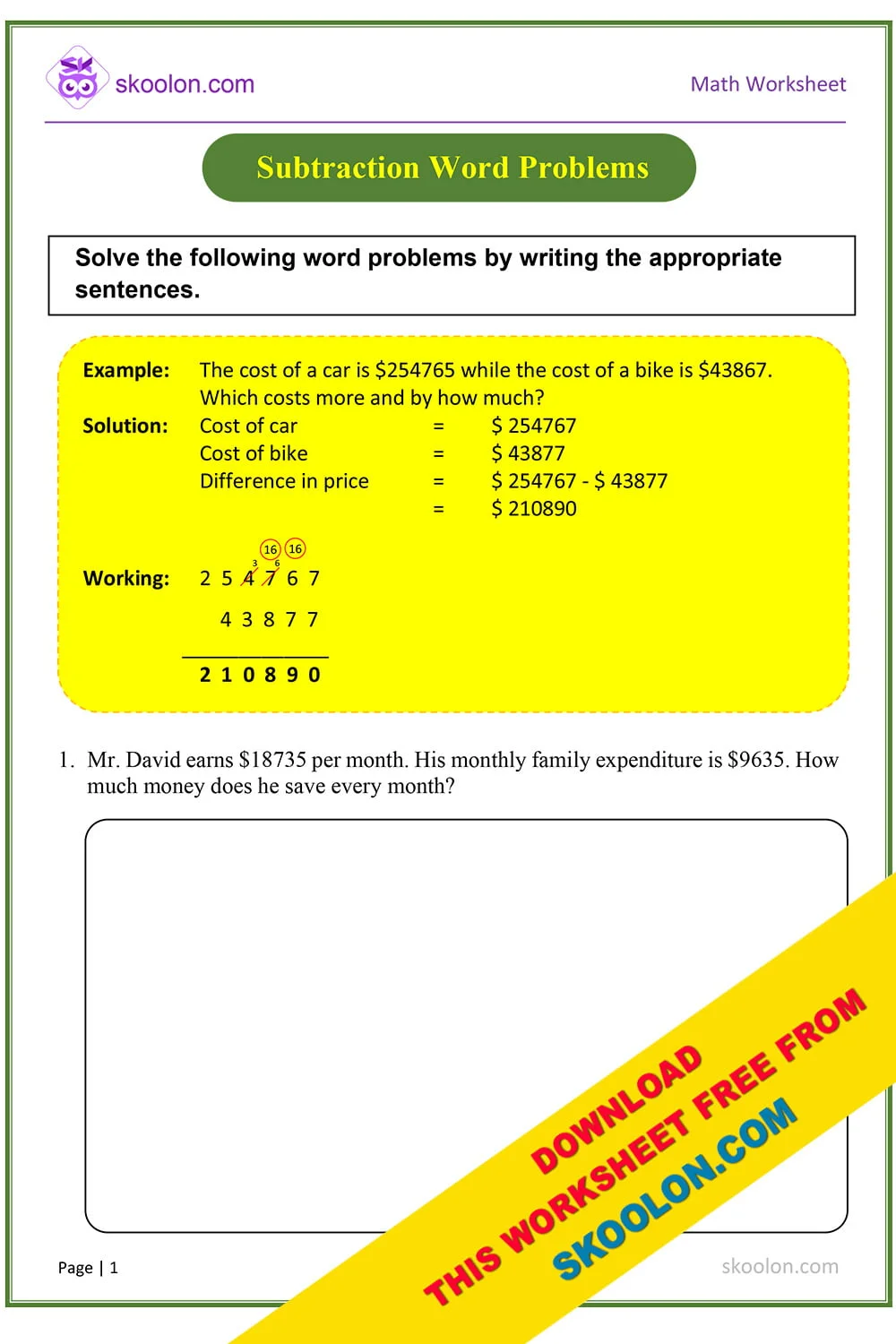
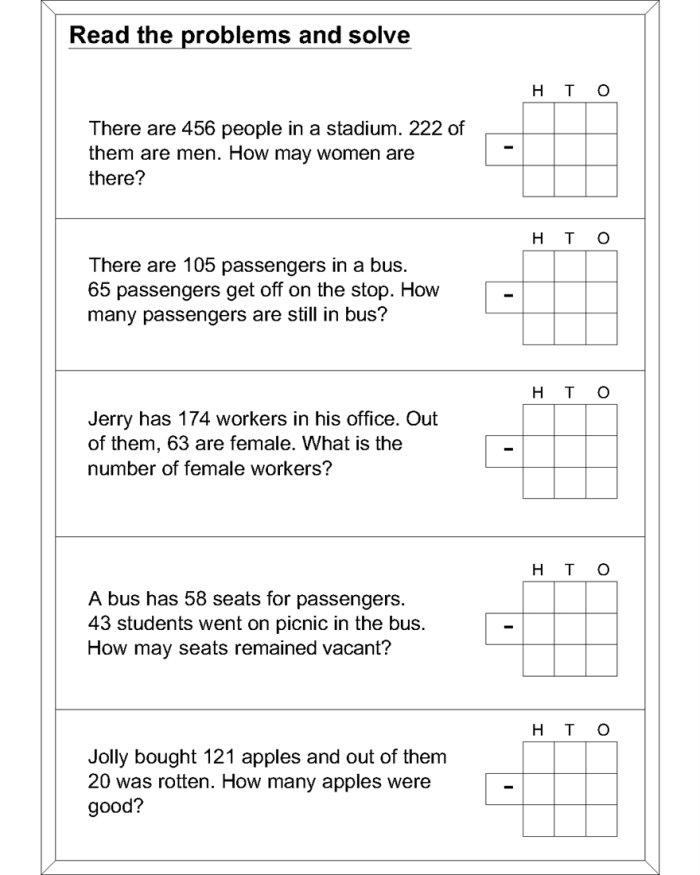
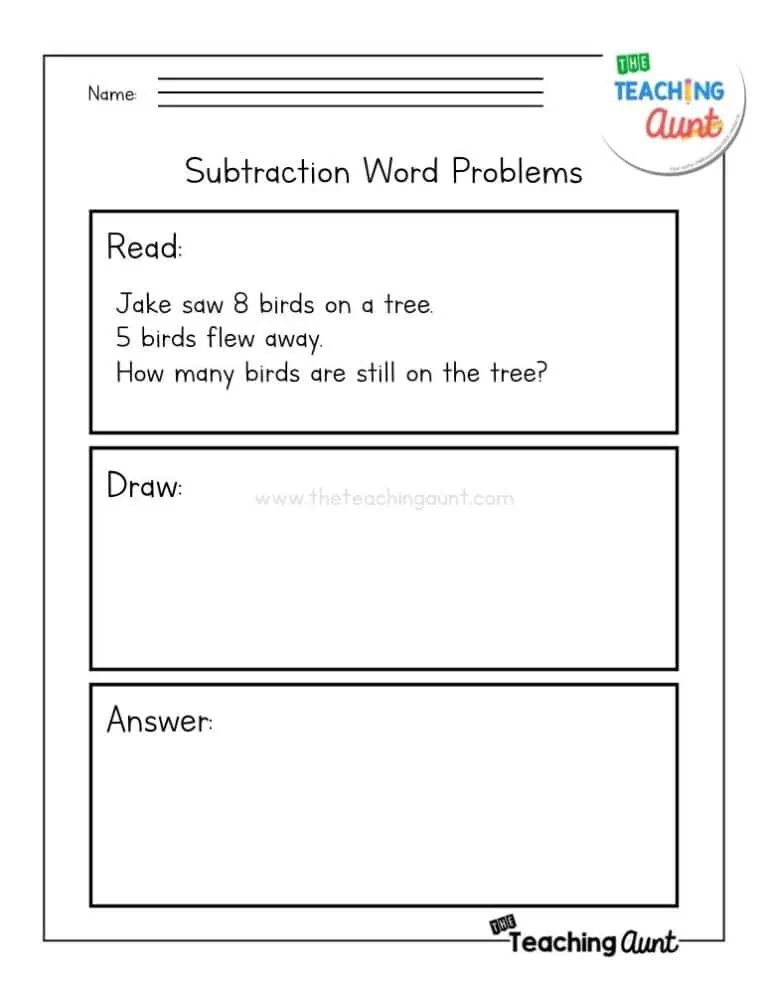
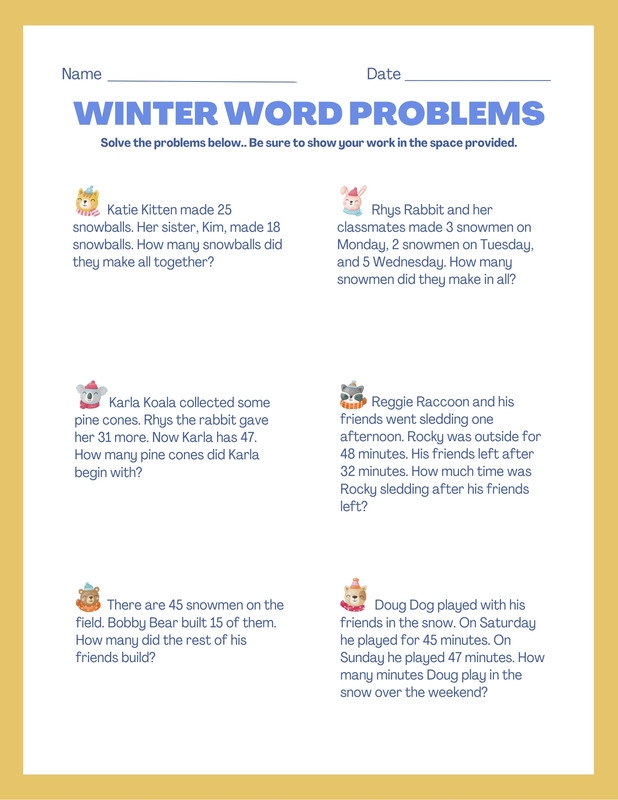
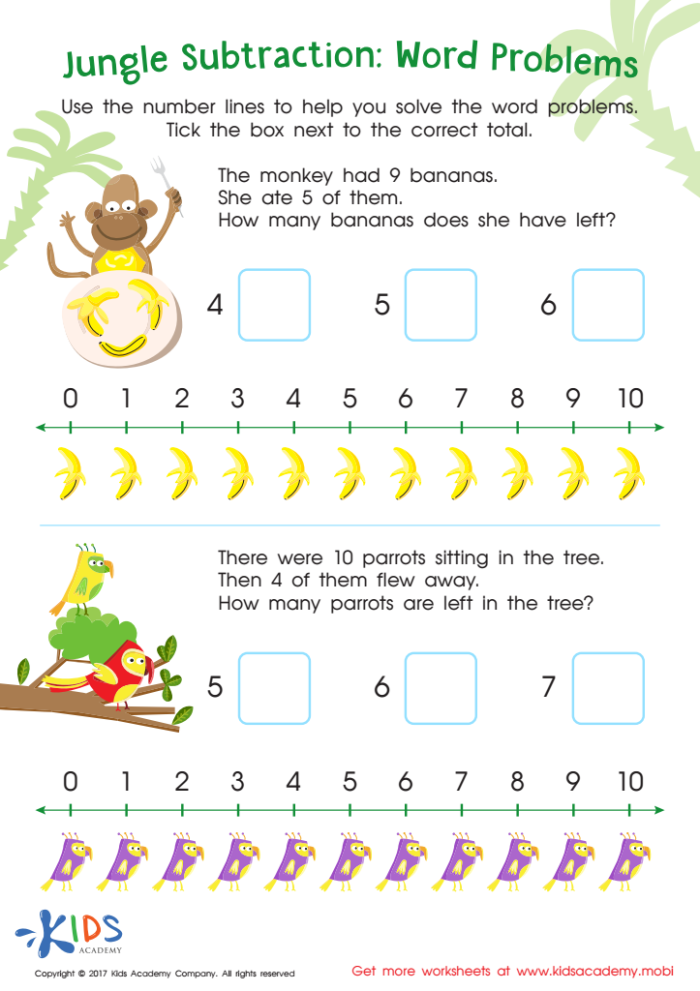
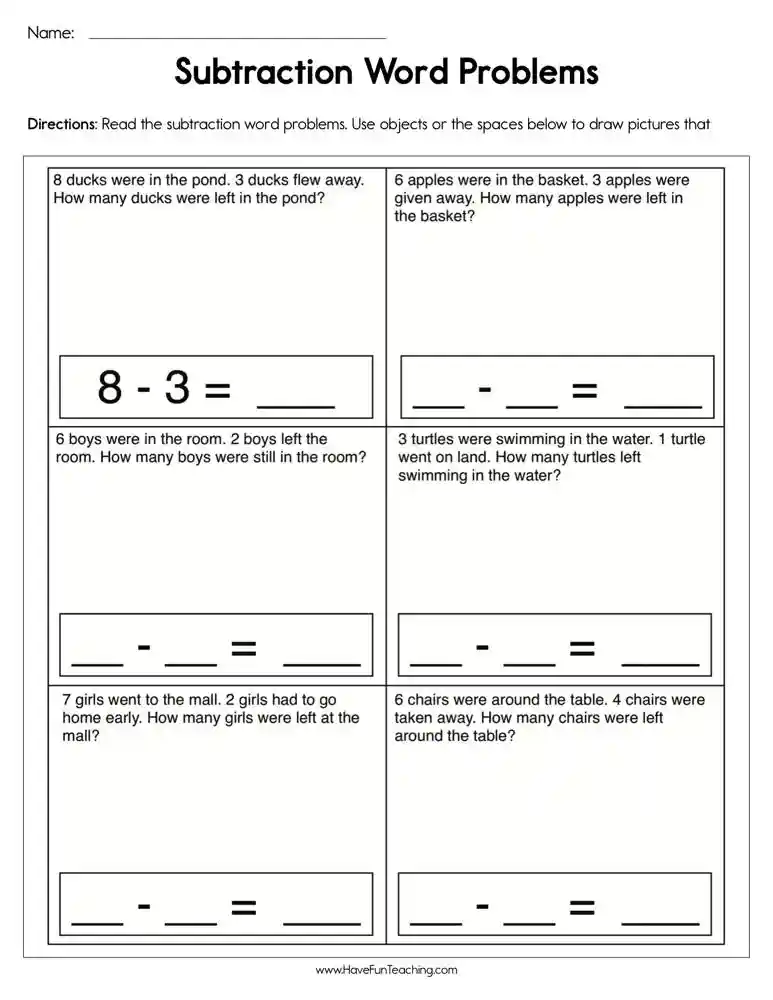
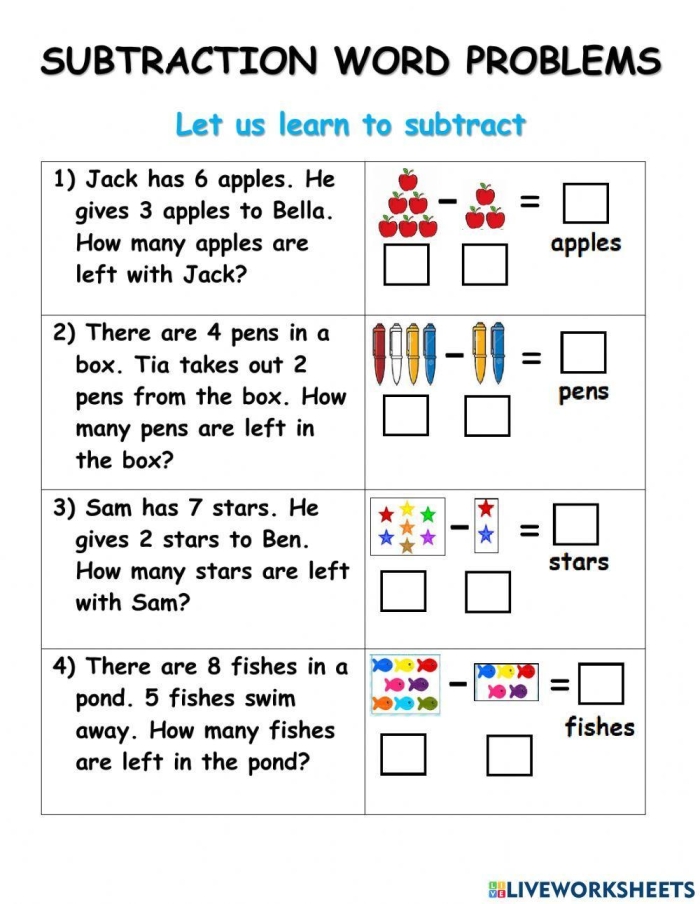
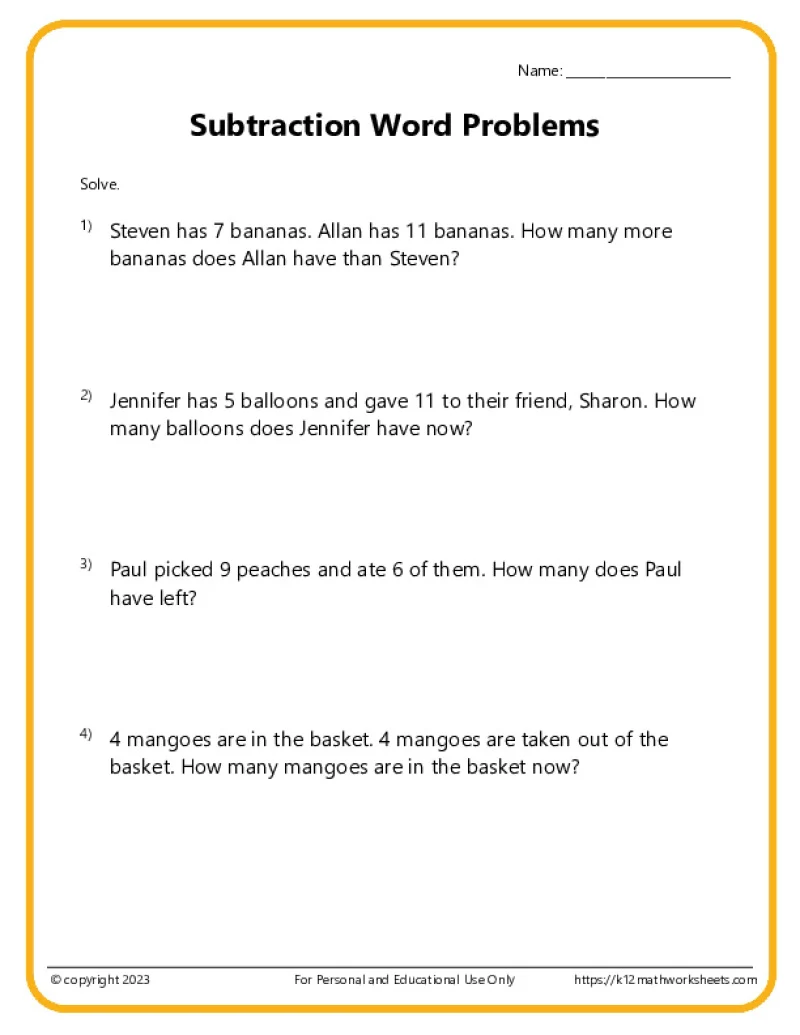
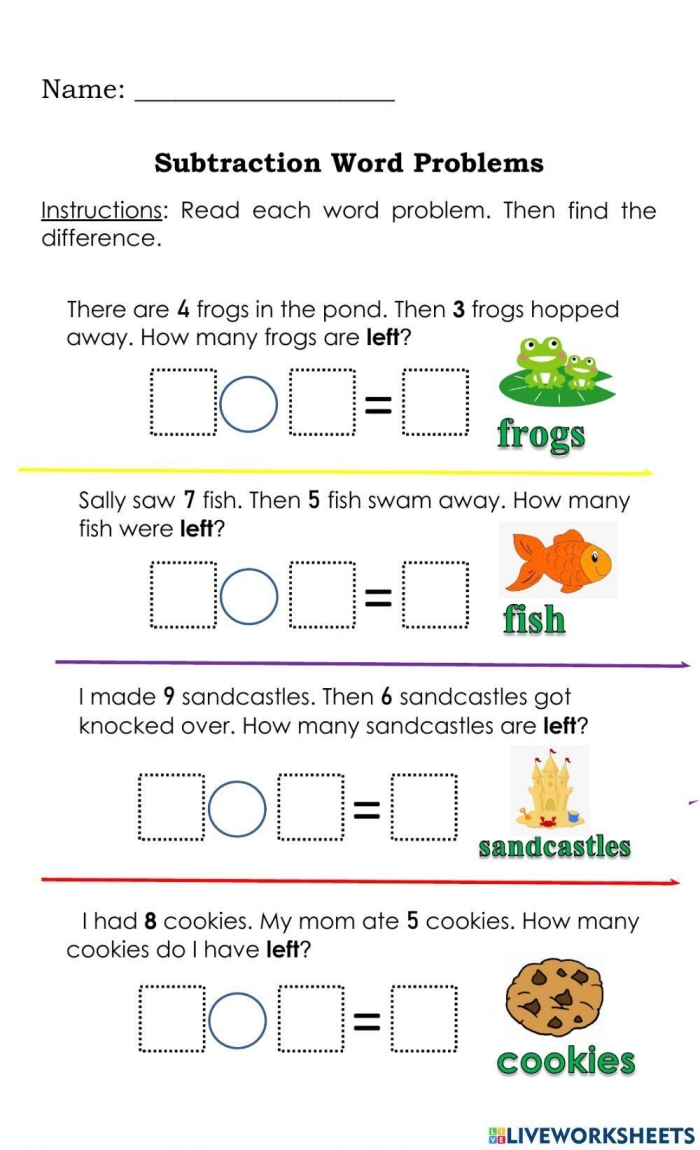
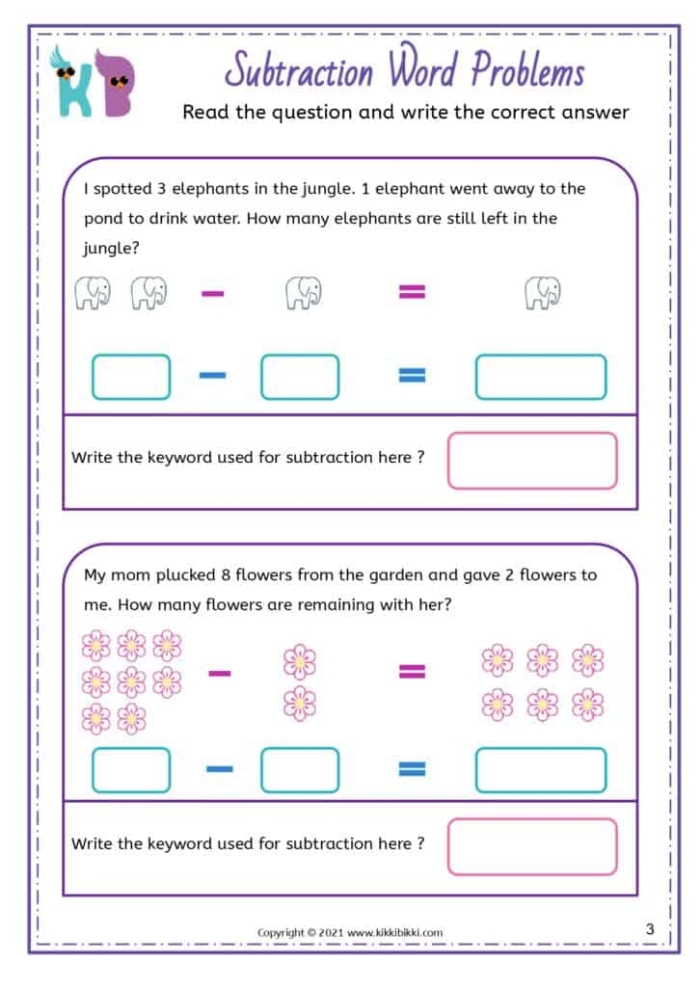
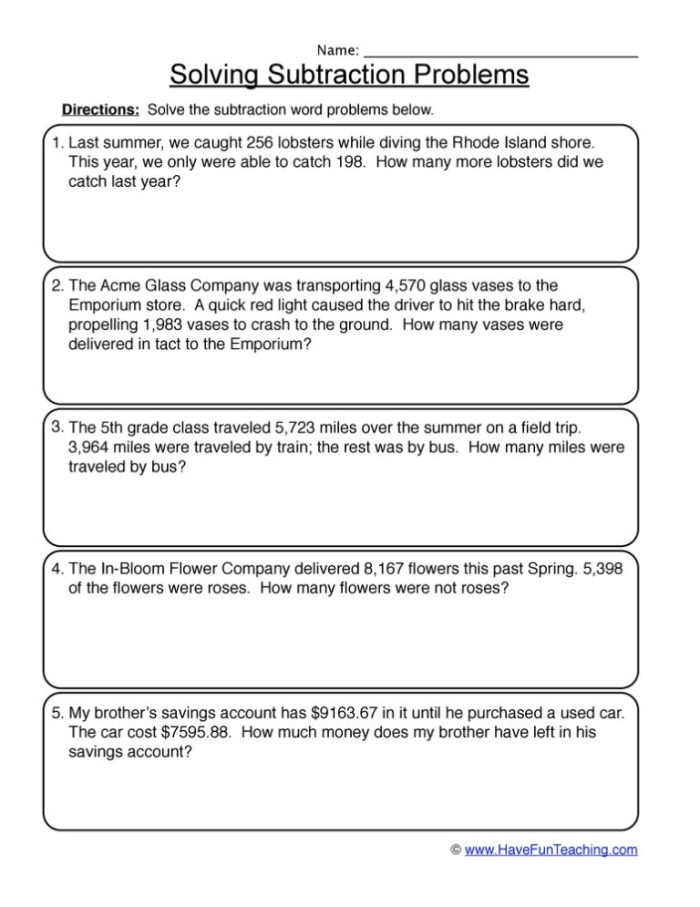
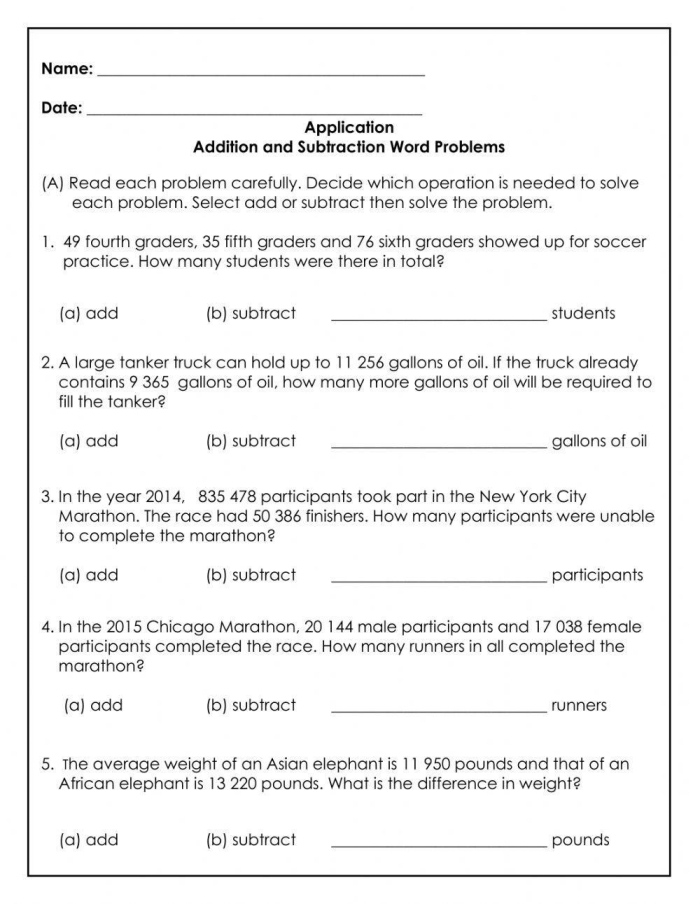
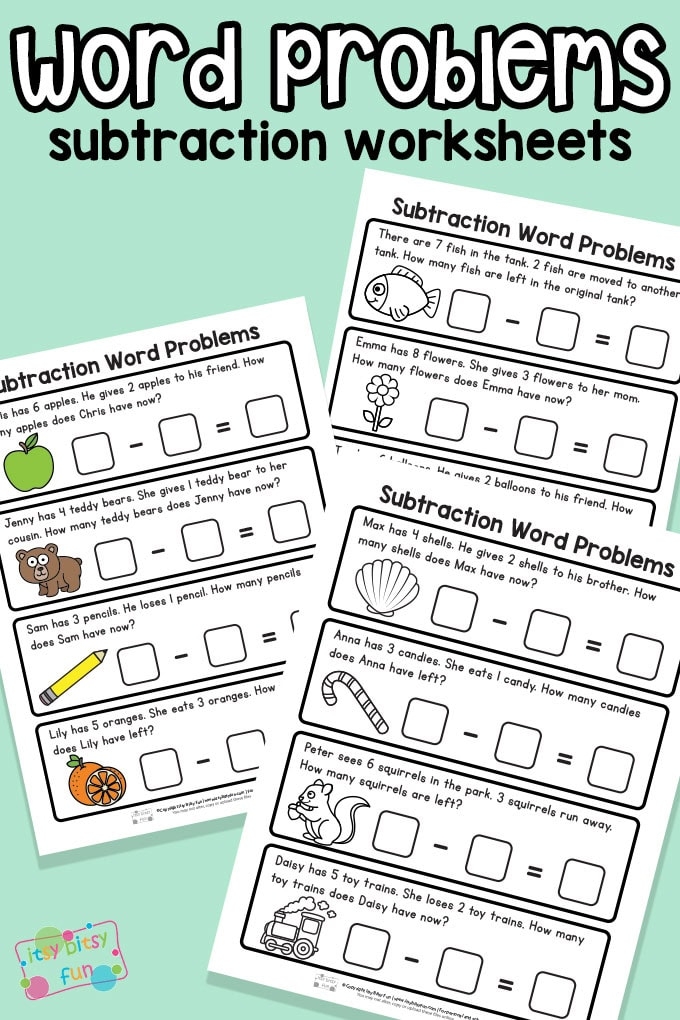
When second grade students open a weather-themed math worksheet, they’re not just practicing arithmetic, they’re building real-world problem-solving skills. A worksheet that combines addition and subtraction with weather scenarios creates a natural learning environment where numbers suddenly have meaning.
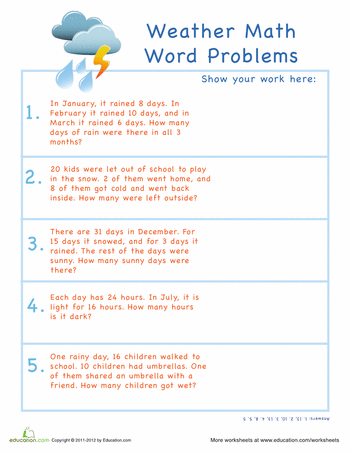
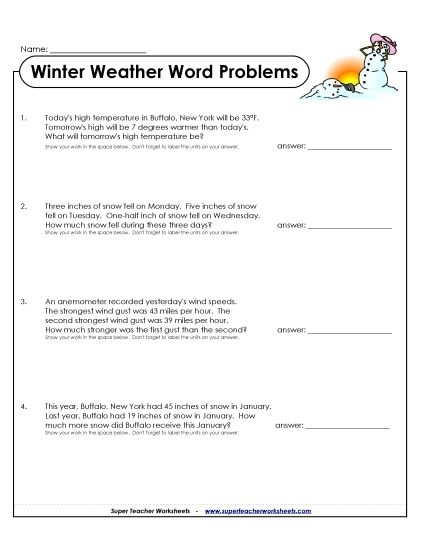
Weather word problems work particularly well for this age group because children already observe temperature changes, rainfall, and sunny days. When a problem asks “If it was 65 degrees in the morning and dropped 8 degrees by evening, what’s the temperature now?” students connect math to their daily experience. This connection makes the abstract concept of subtraction feel concrete and purposeful.
The beauty of weather-based problems lies in their flexibility. A single worksheet can weave together multiple math skills. Students might count raindrops in one problem, then subtract cloud formations in another. This variety keeps engagement high without feeling repetitive. When paired with strategy cards for three-digit addition, students can tackle more complex weather scenarios involving larger numbers.
For second grade learners working with fractions, weather contexts introduce the concept naturally too. “Half the day was sunny, and half was cloudy” becomes an accessible entry point. These worksheets can also complement broader curriculum units, whether you’re exploring cardinal directions and place value or other foundational skills.
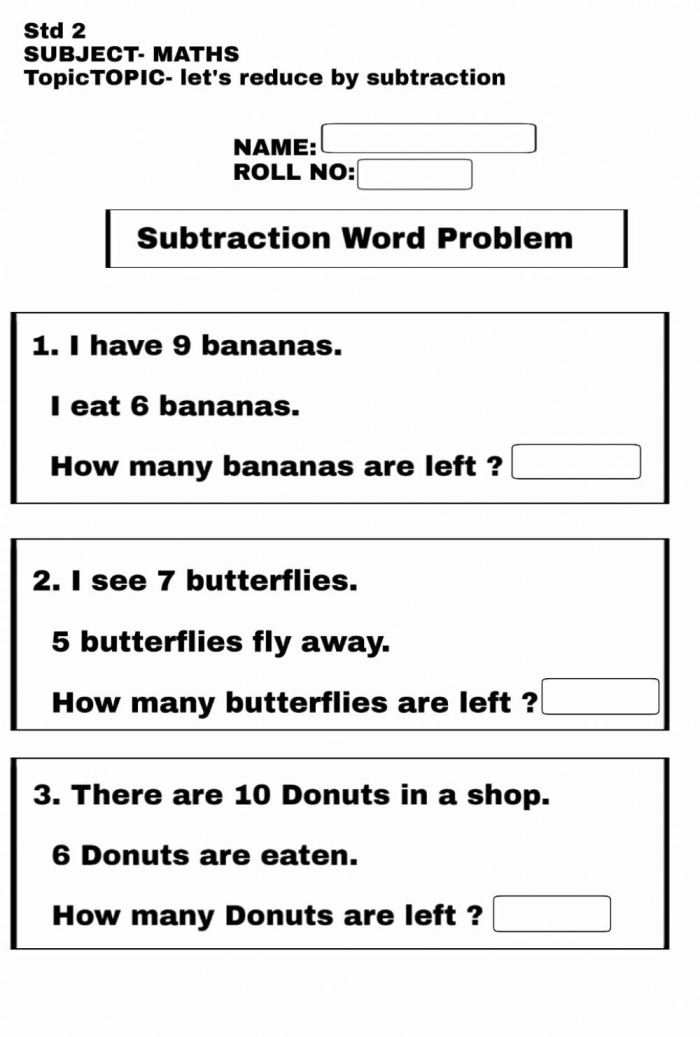
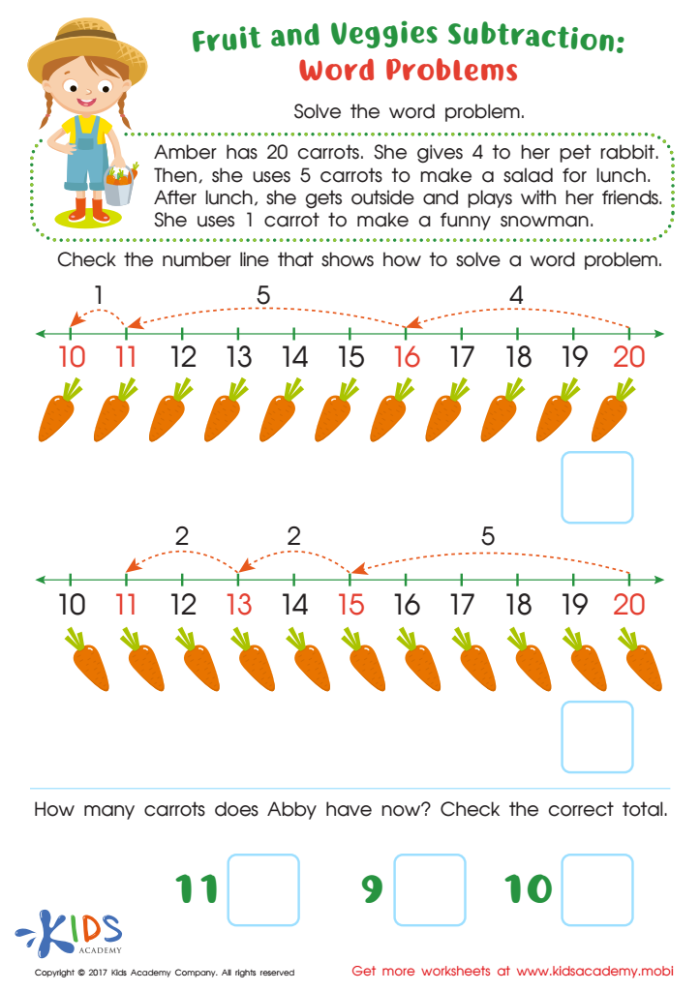
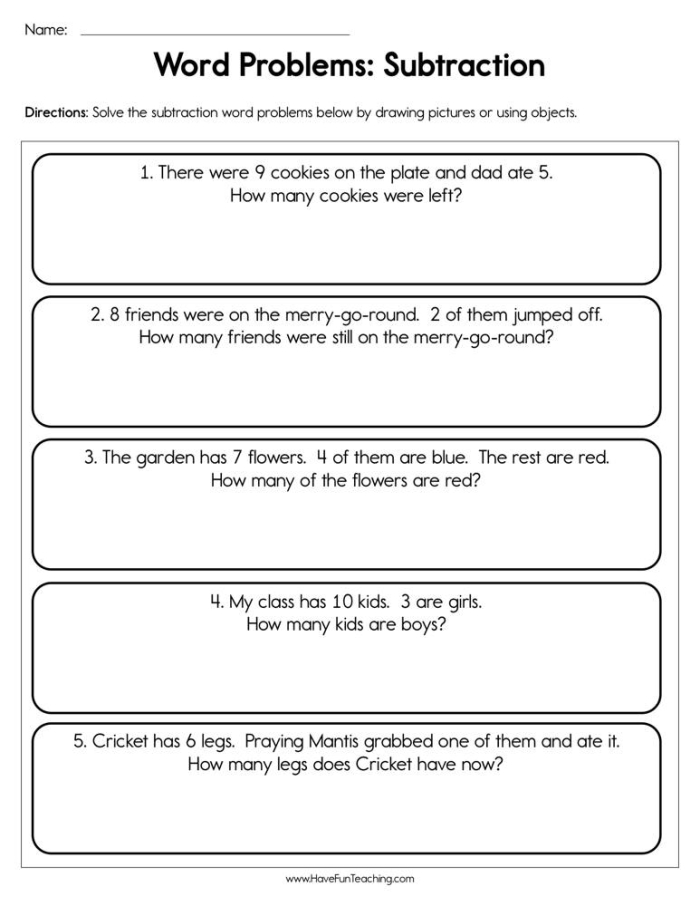
The key advantage of weather-themed addition and subtraction practice is that it doesn’t feel like drill work. Students solve problems while imagining real storms, temperature shifts, and seasonal changes. Teachers and parents report that children tackle these worksheets with noticeably more enthusiasm than generic number problems, making math practice something students actually want to complete.
Grab These Worksheets Now