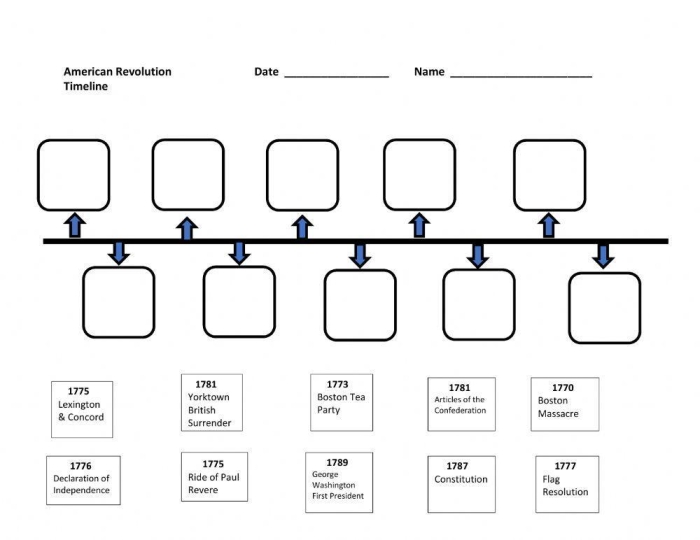
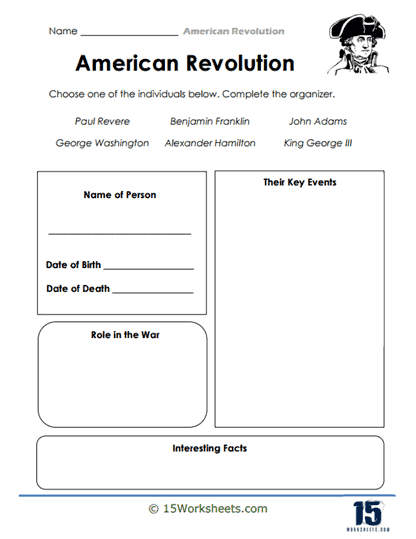
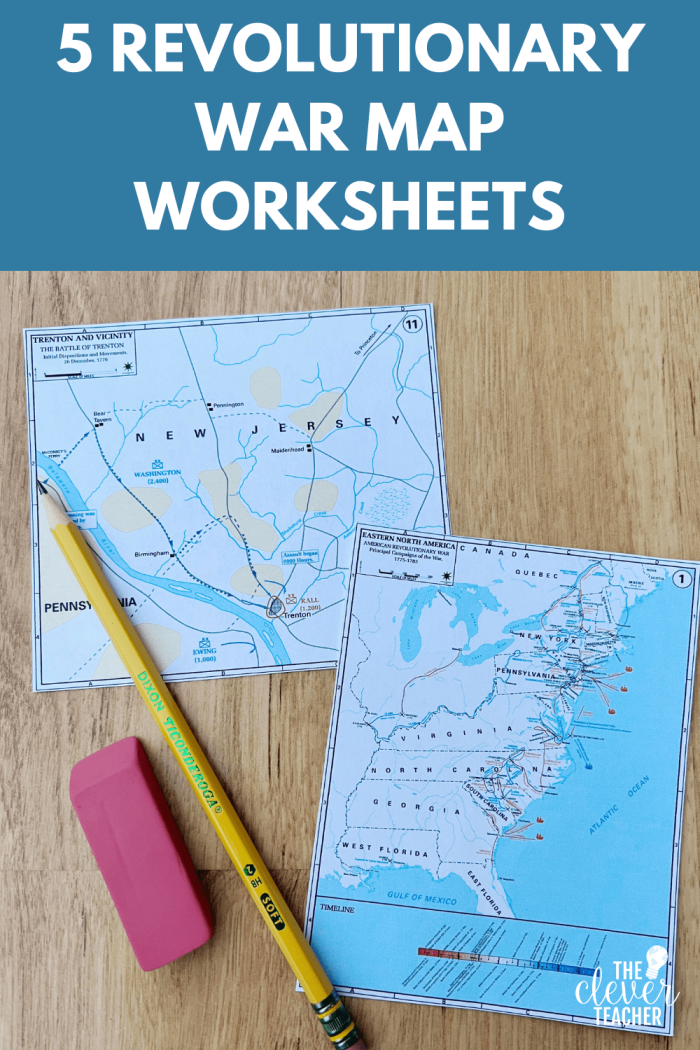
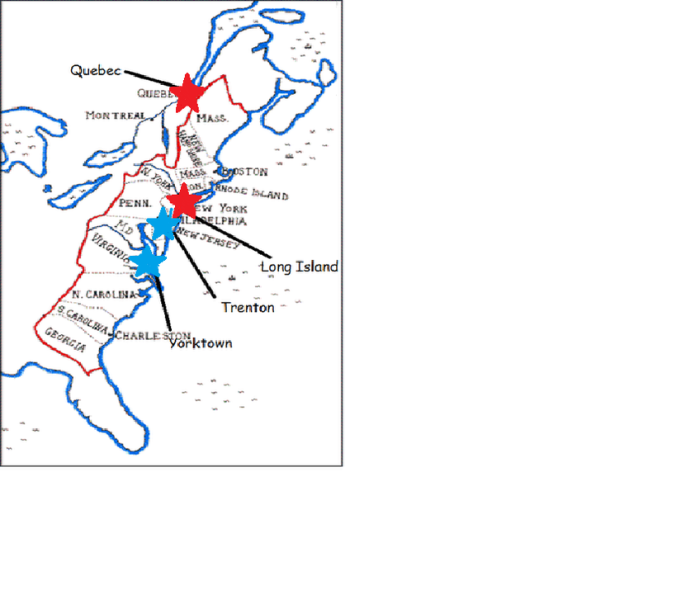
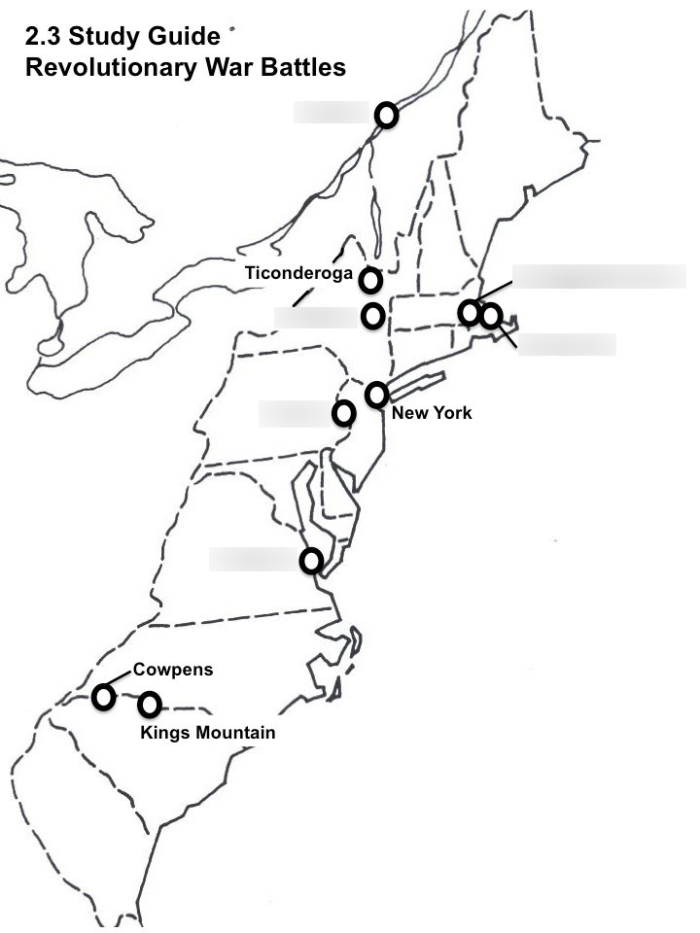
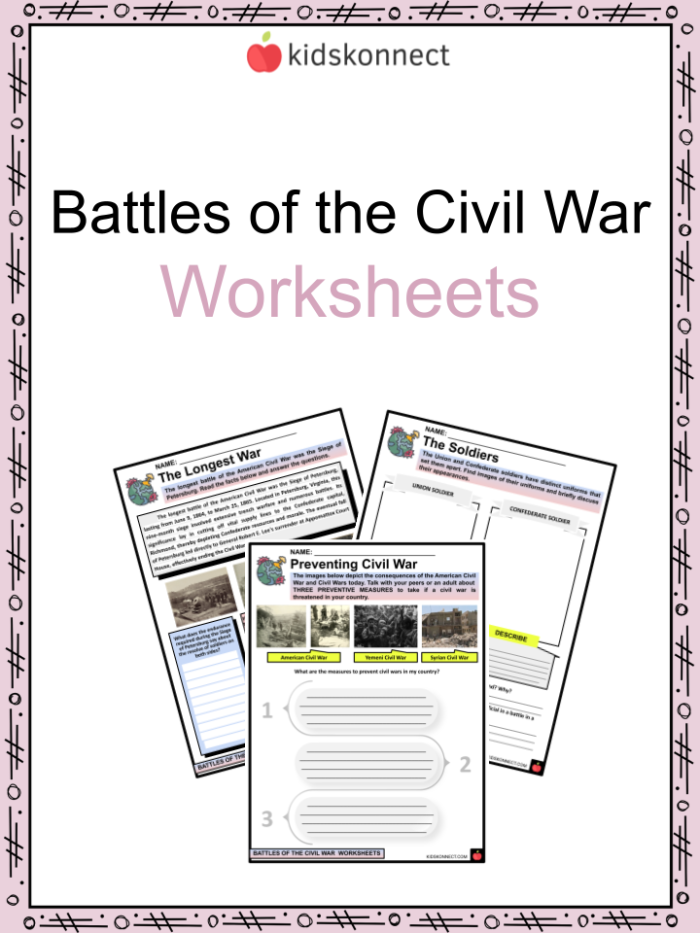
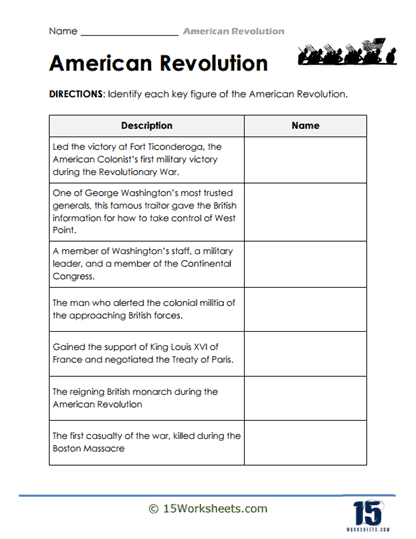
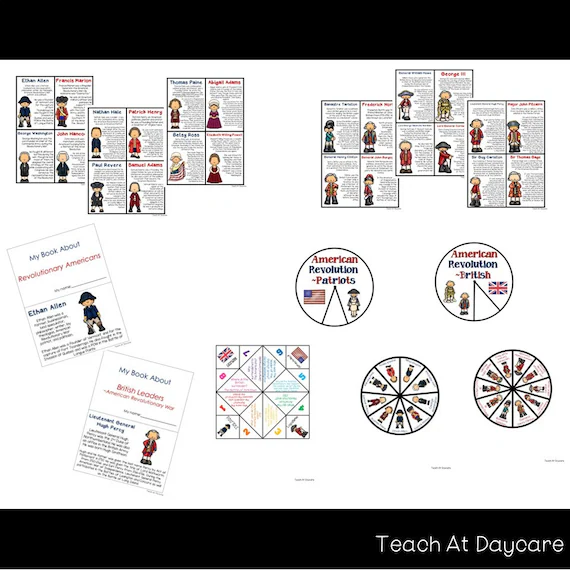
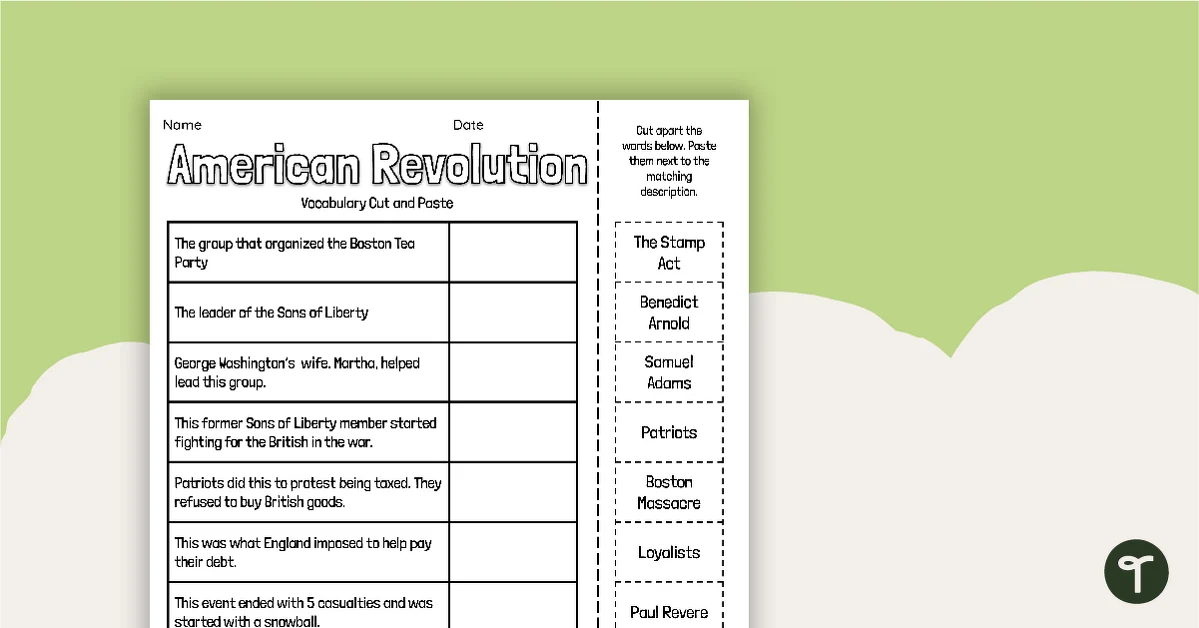
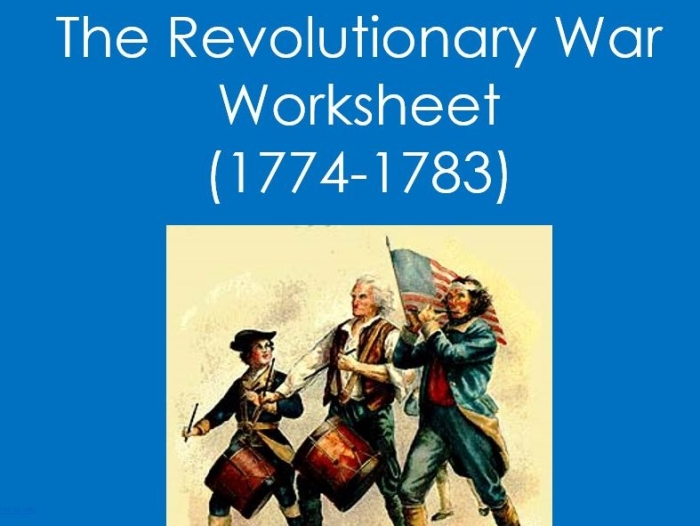
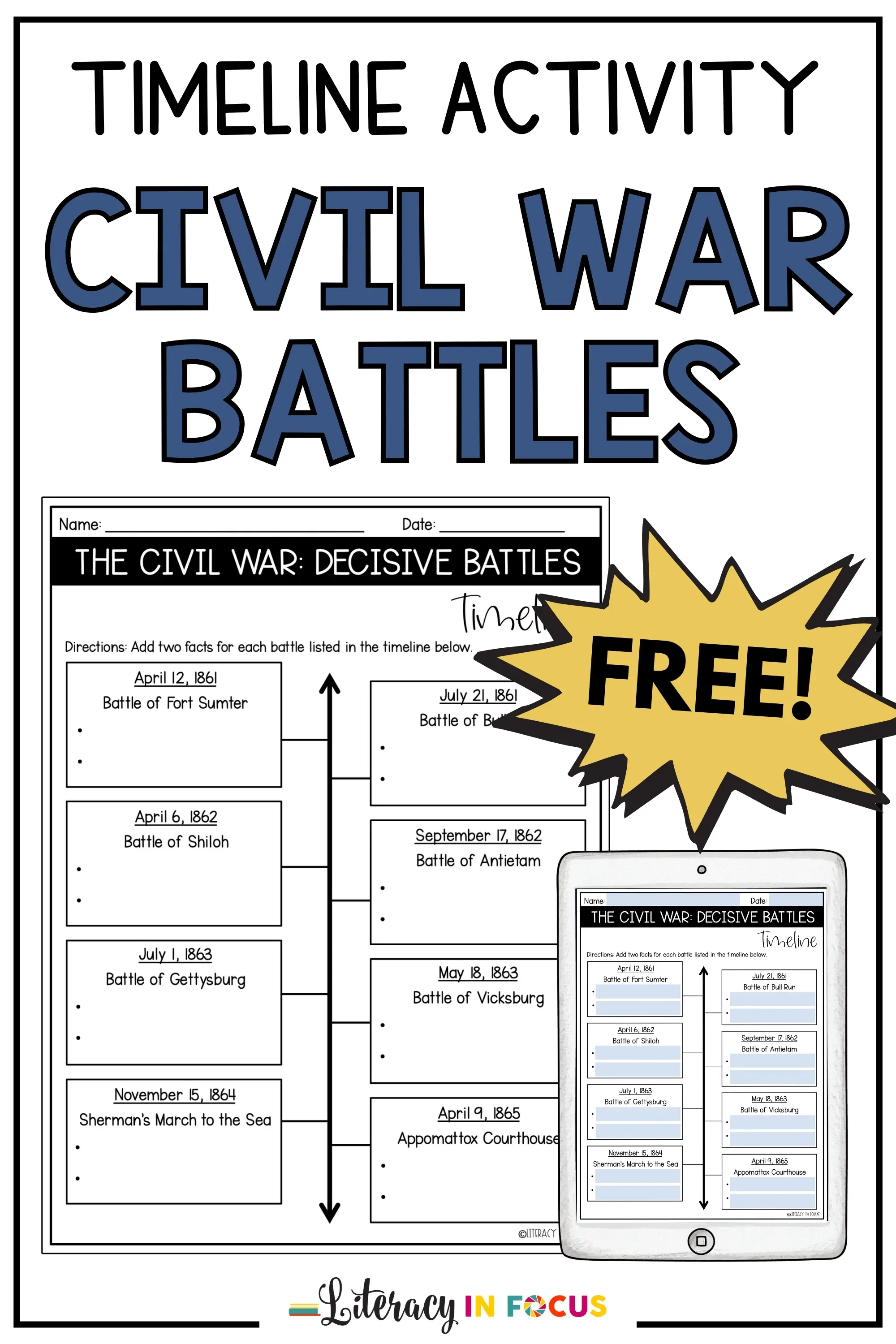
When sixth graders tackle historical events like the American Revolutionary War, they often struggle to organize the flood of information into something meaningful. A graphic organizer worksheet bridges that gap by giving students a structured way to research, sort, and make sense of complex battles and their significance.
The challenge with teaching history at this level lies in moving beyond simple memorization. Students need to understand how individual battles connected to larger causes and outcomes. A well-designed organizer forces them to identify key details: who fought, where the battle occurred, what tactics were used, and why the outcome mattered. This process naturally builds analytical thinking alongside research skills.
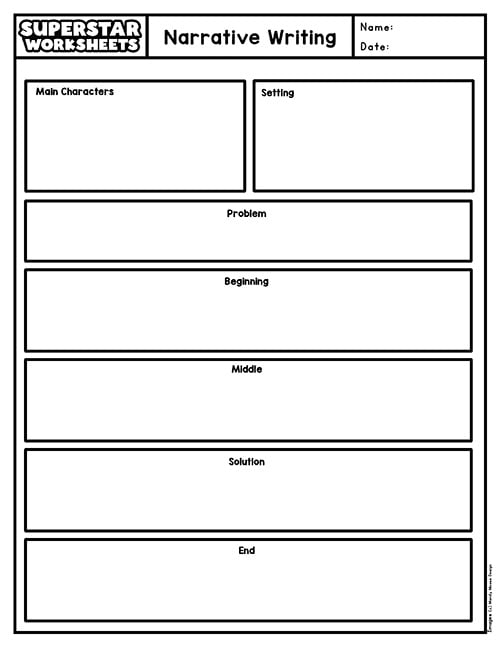
Graphic organizers work because they match how young minds actually process information. Rather than writing lengthy paragraphs, students fill in sections for dates, locations, commanders, and consequences. This format reduces the cognitive load while still requiring them to engage with primary and secondary sources. They’re reading, selecting relevant facts, and arranging those facts in a logical sequence.
For grammar and mechanics practice, these worksheets offer real opportunities too. Students write labels, short summaries, and explanations that must be clear and precise. They learn that historical writing demands accuracy in both content and presentation.
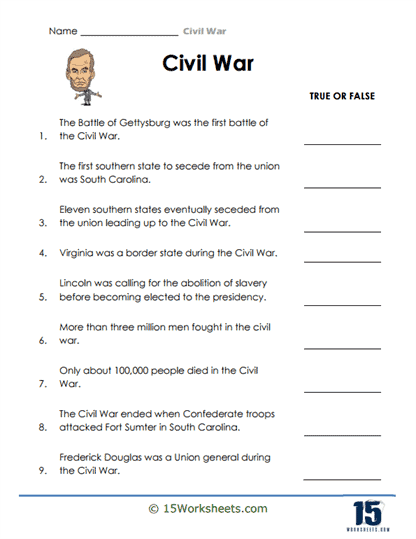
Teachers find these organizers particularly useful when comparing multiple battles. Students can see patterns across different engagements, understanding how early losses at certain battles influenced strategy later. This comparative thinking extends naturally to other historical topics, whether examining causes of the Civil War, exploring democracy in ancient Athens and the United States, or investigating the Inca Empire’s road systems.
The beauty of this approach is that it teaches transferable skills. Once students master organizing historical information through a graphic organizer, they can apply the same strategy to analyzing cultural movements or any content-heavy topic they encounter later.
Boost Skills with These Worksheets