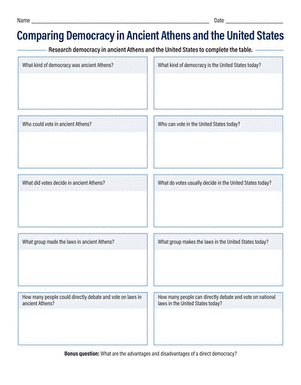
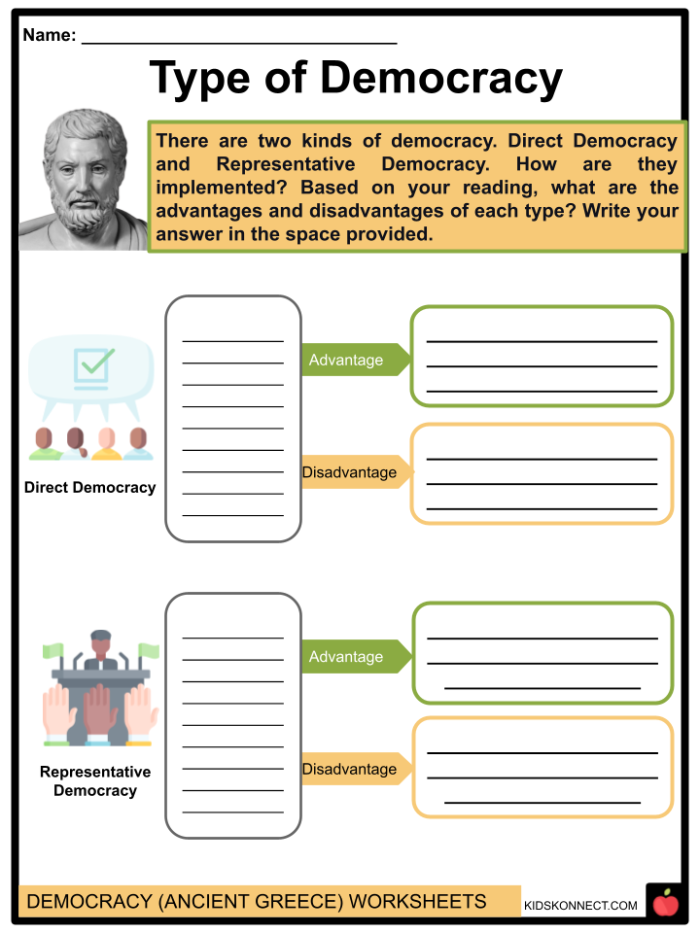
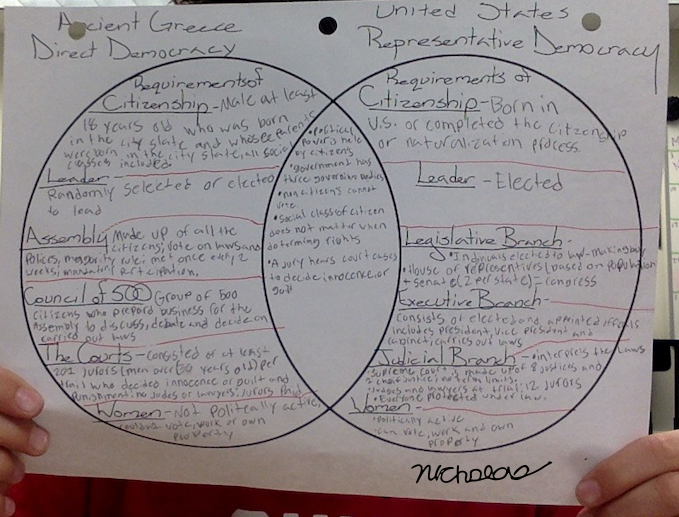
Ancient Athenian democracy and modern democracy in the United States represent two distinct approaches to governance, shaped by their historical contexts. Athenian democracy, flourishing in the 5th century BCE, was direct and participatory, allowing citizens to engage in decision-making personally. In contrast, the United States employs a representative democracy, where elected officials make decisions on behalf of the populace.
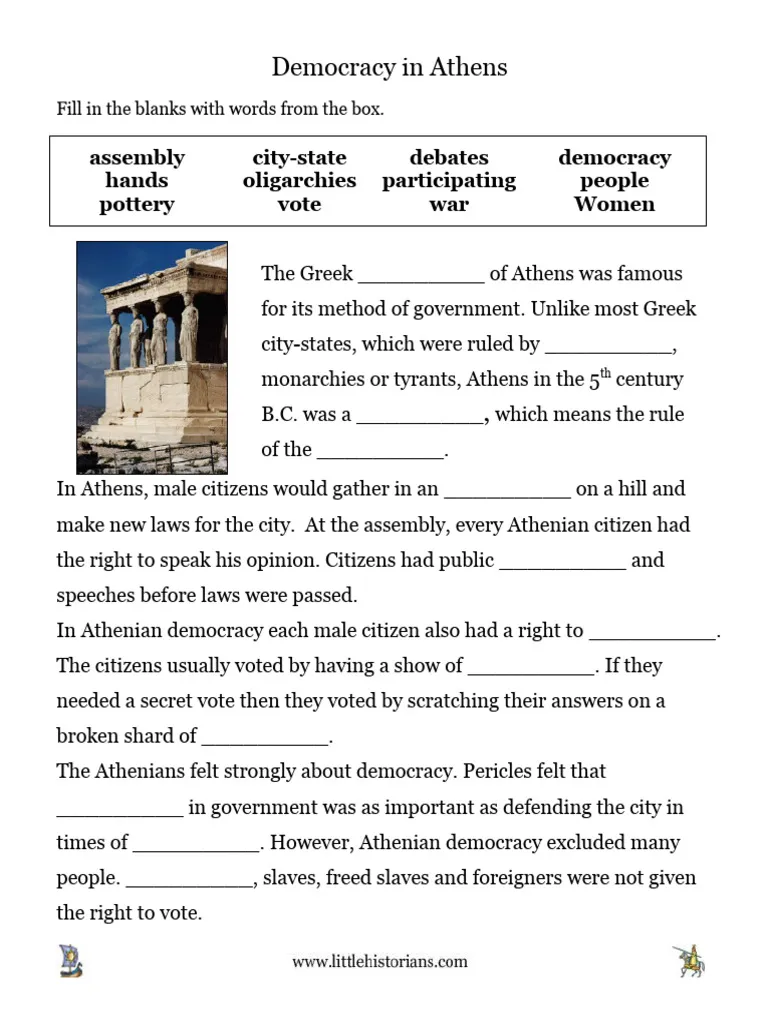
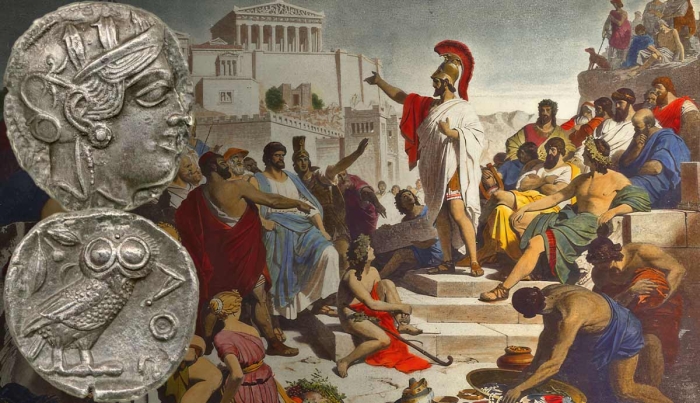
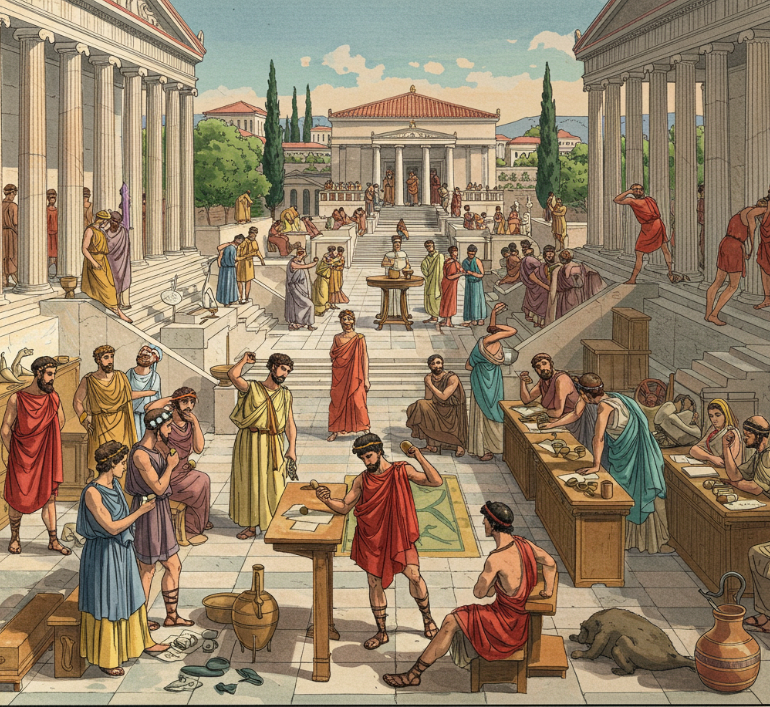
Athens distinguished itself with its practice of direct democracy. Citizens—free men born in Athens—could attend assemblies to vote on laws and policies. This system encouraged active participation, as every citizen had a voice in shaping their community. However, it’s essential to note that this democracy excluded women, slaves, and non-citizens, limiting participation to a small segment of the population.
The U.S. system, established in the late 18th century, reflects a different philosophy. The Constitution created a framework where representatives are elected to make decisions for their constituents. This system aims to balance efficient governance with broad representation. The right to vote has expanded significantly over time, now including women and people of all races, though challenges persist in ensuring equitable access to the ballot.
Another significant difference lies in the use of technology and communication. In ancient Athens, information spread slowly, relying on public gatherings and word of mouth. Today, American citizens can engage in political discourse through social media, online petitions, and instant news updates, vastly increasing awareness and participation in governance.
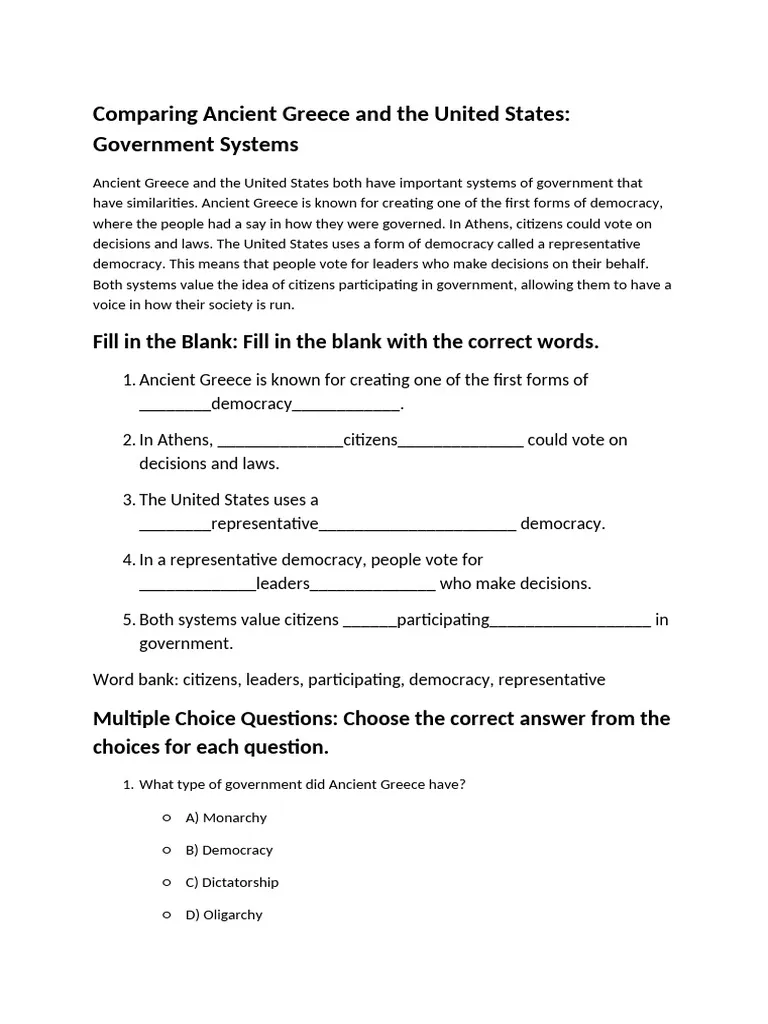
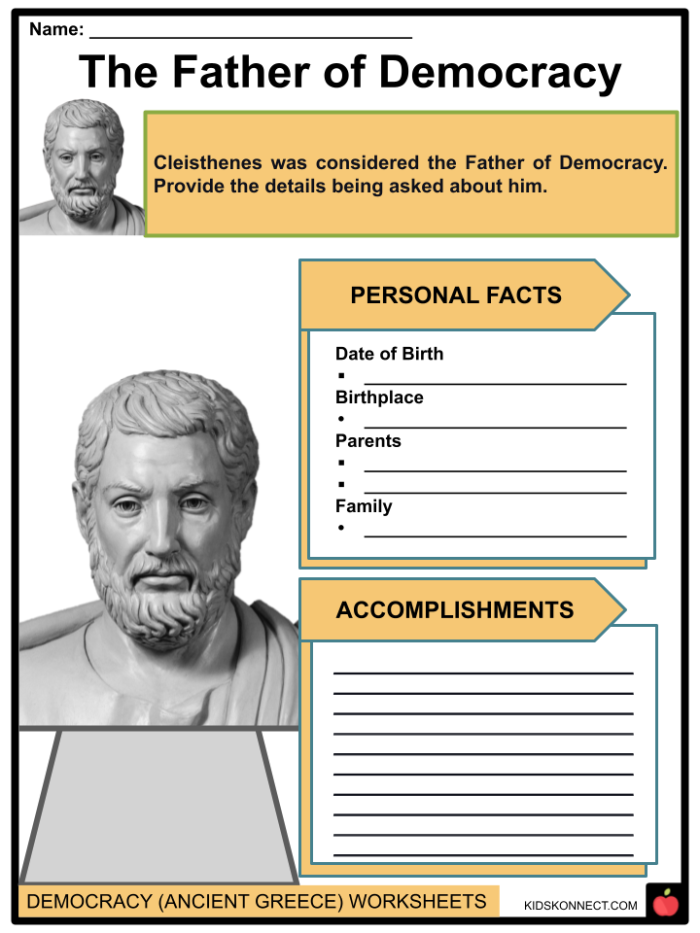
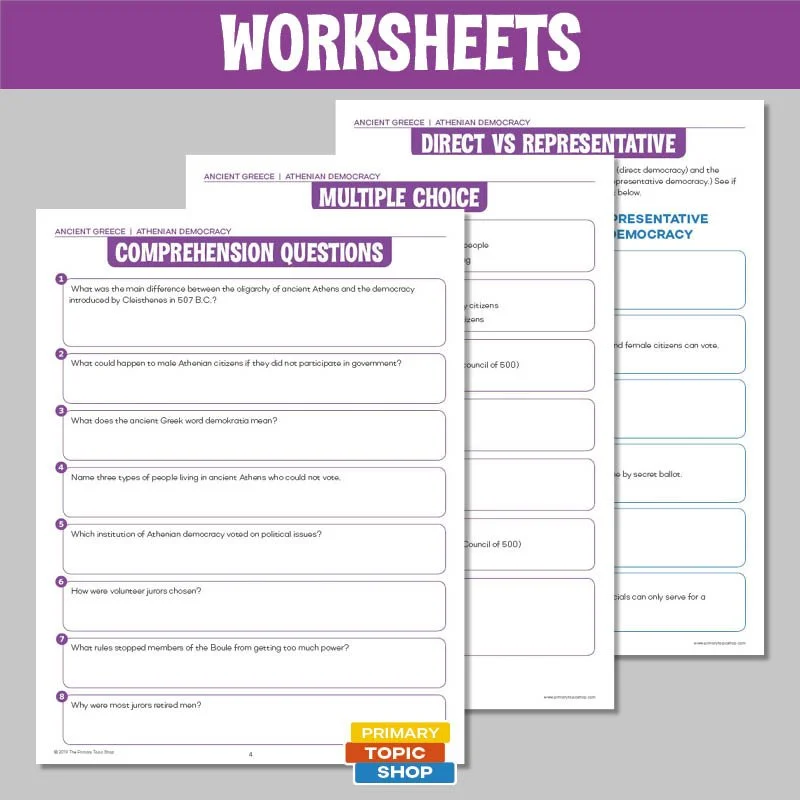
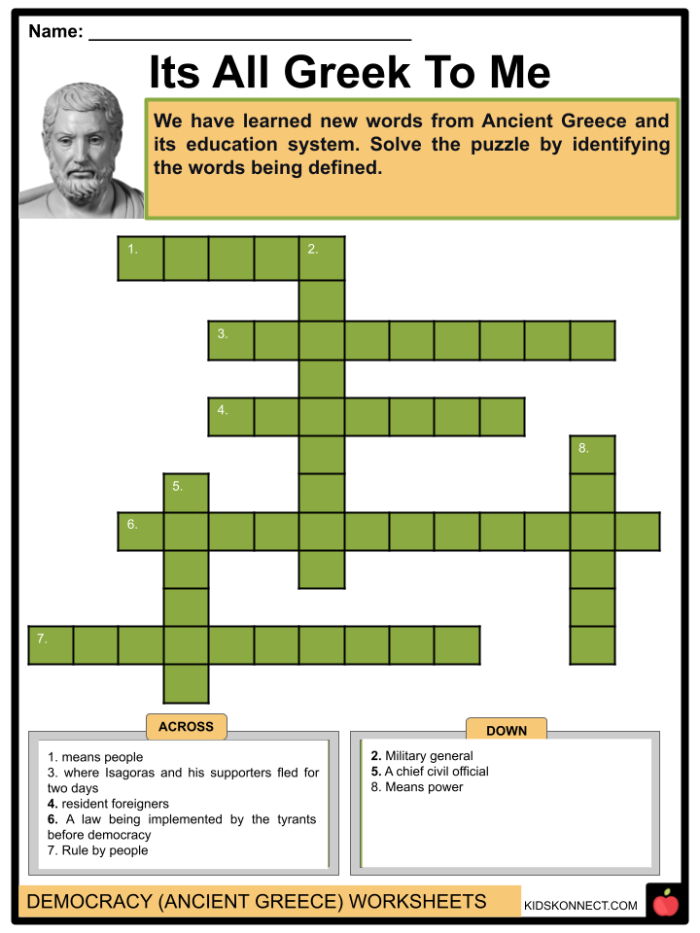
Examining these differences illuminates how democracy has evolved. Understanding the nuances can enhance lessons in sixth grade classrooms, especially when discussing topics like the American Revolution or the development of civic rights. For those interested in exploring this topic further, resources like printable worksheets on comparing democracy in Ancient Athens and the United States are available, offering engaging activities that align with grammar and mechanics skills.
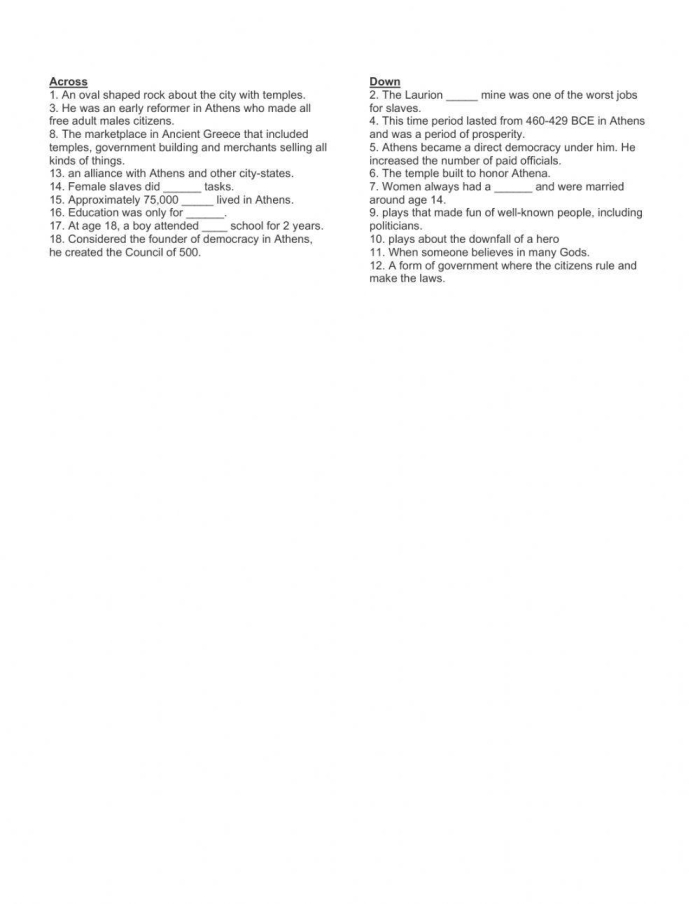
Worksheet Practice Section