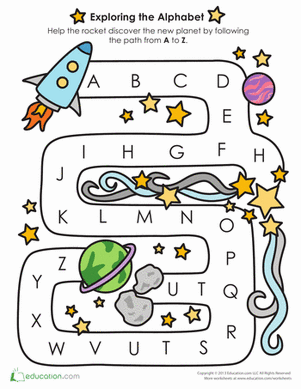
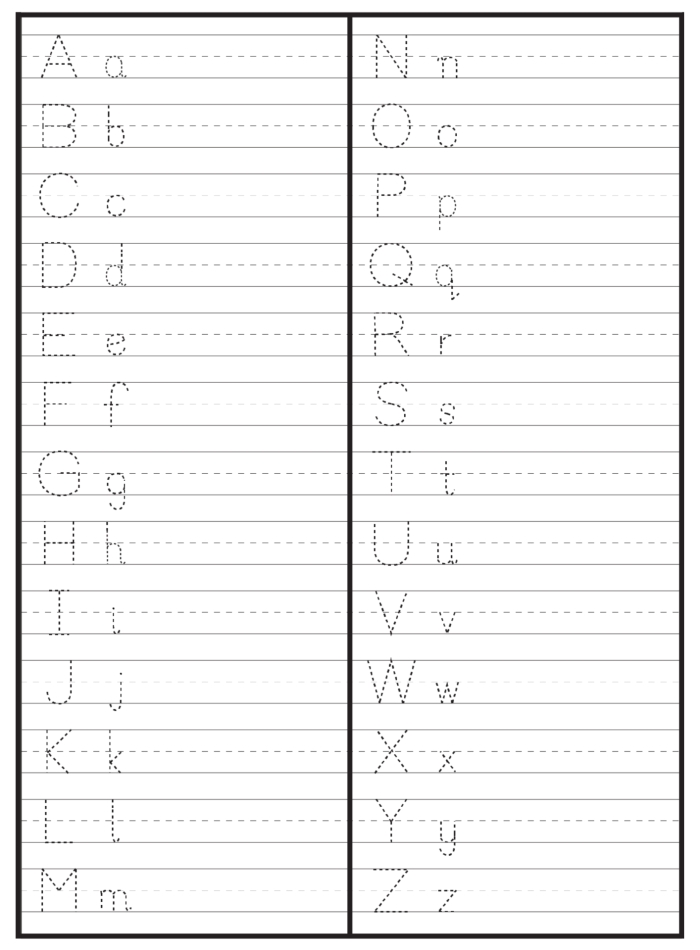
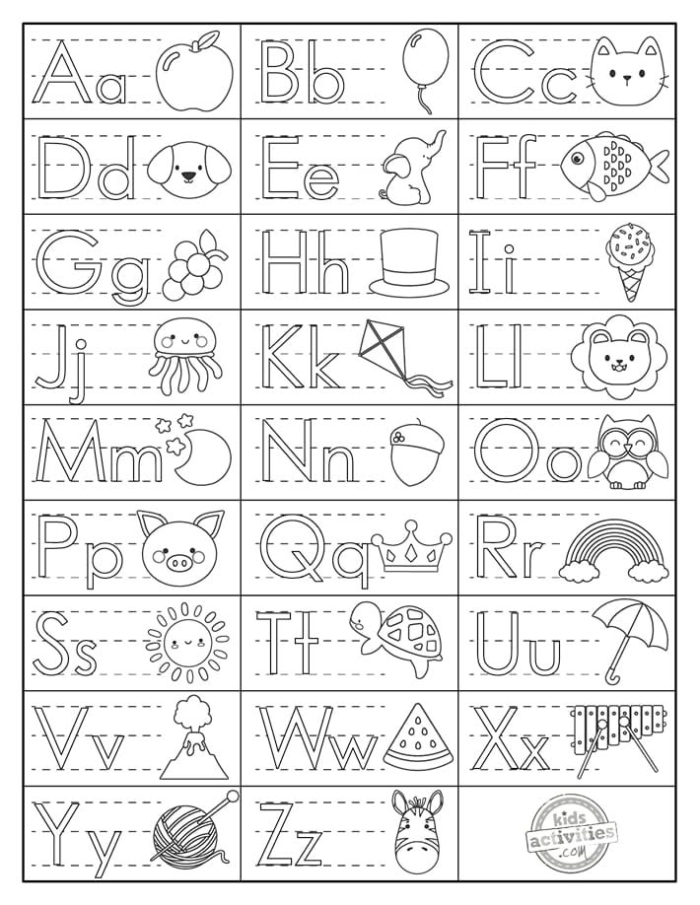
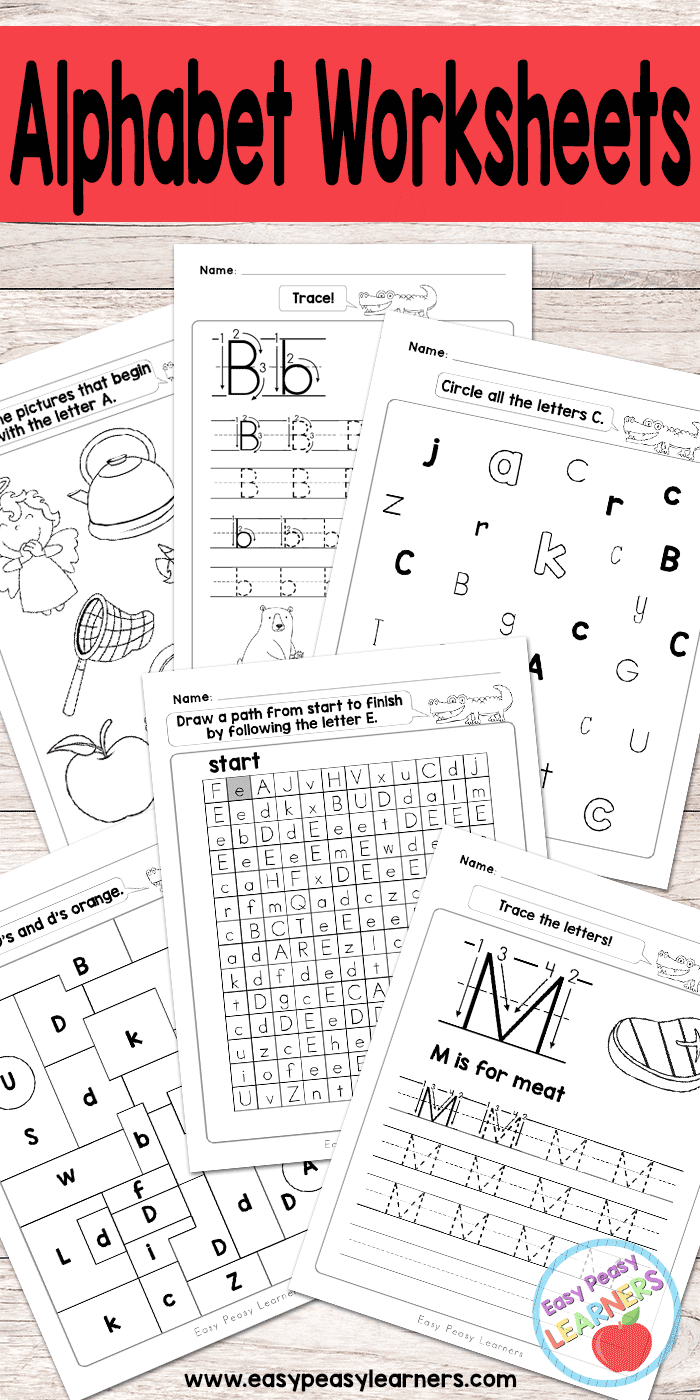
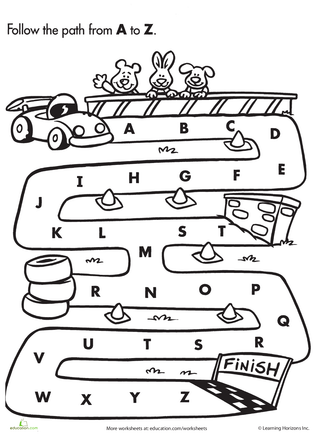
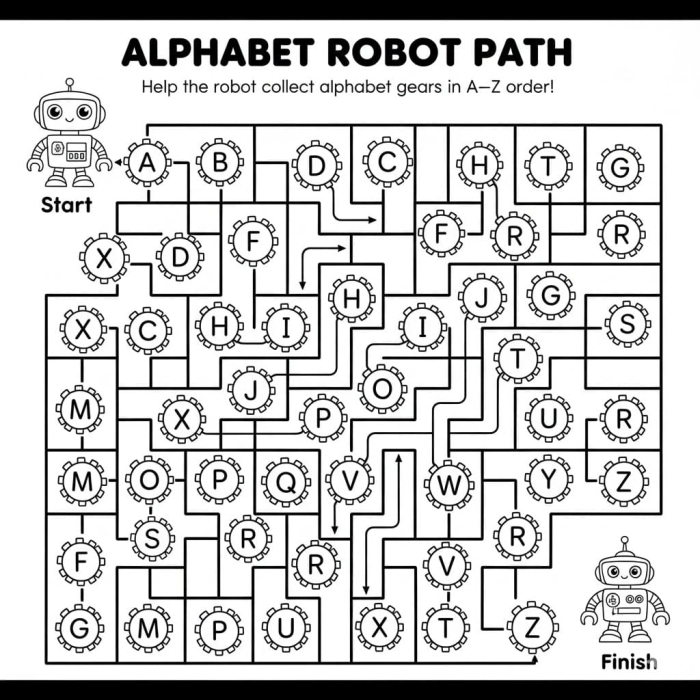
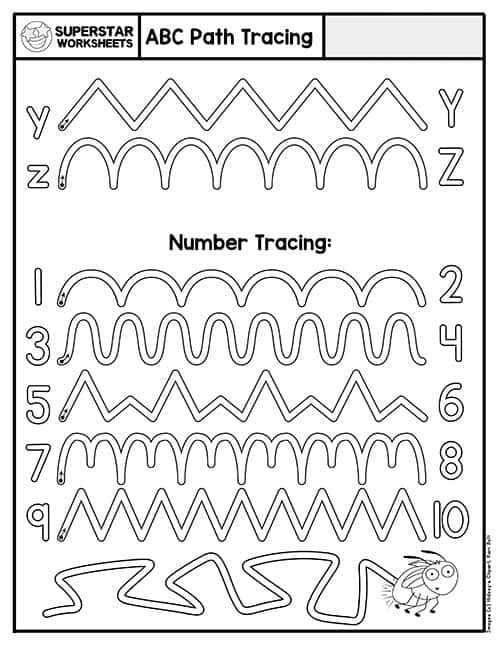
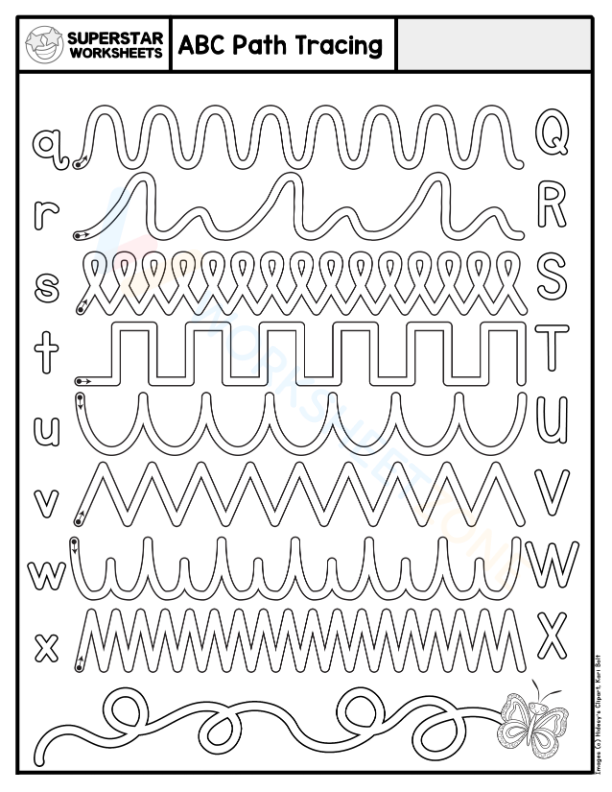
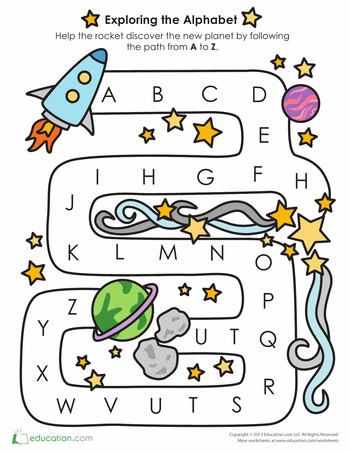
Your preschooler’s eyes light up when they see a maze, but what if that same activity could teach them the alphabet at the same time? An alphabet maze that asks children to race from letter A to Z works exactly this way. Instead of random paths, each turn connects to the next letter in sequence, creating both a puzzle and a learning tool rolled into one.
The appeal of this approach lies in its simplicity. Pre-K students learn best through play and repetition, and a maze provides both. As your child traces their finger or pencil from A to B to C, they’re reinforcing letter recognition without it feeling like a formal lesson. The visual progression of the alphabet becomes concrete and memorable when paired with the physical act of moving through the maze.
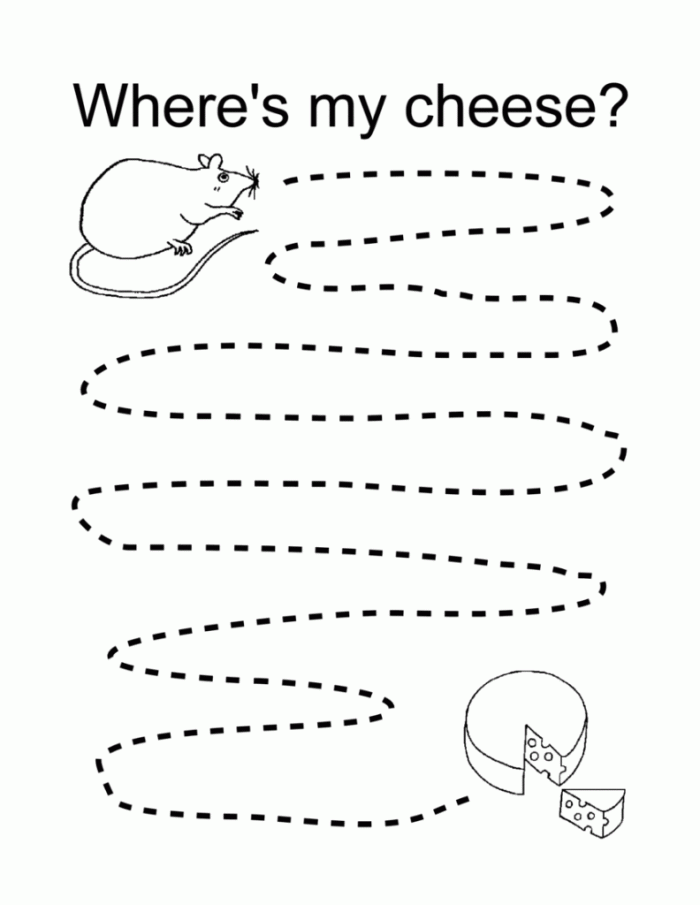
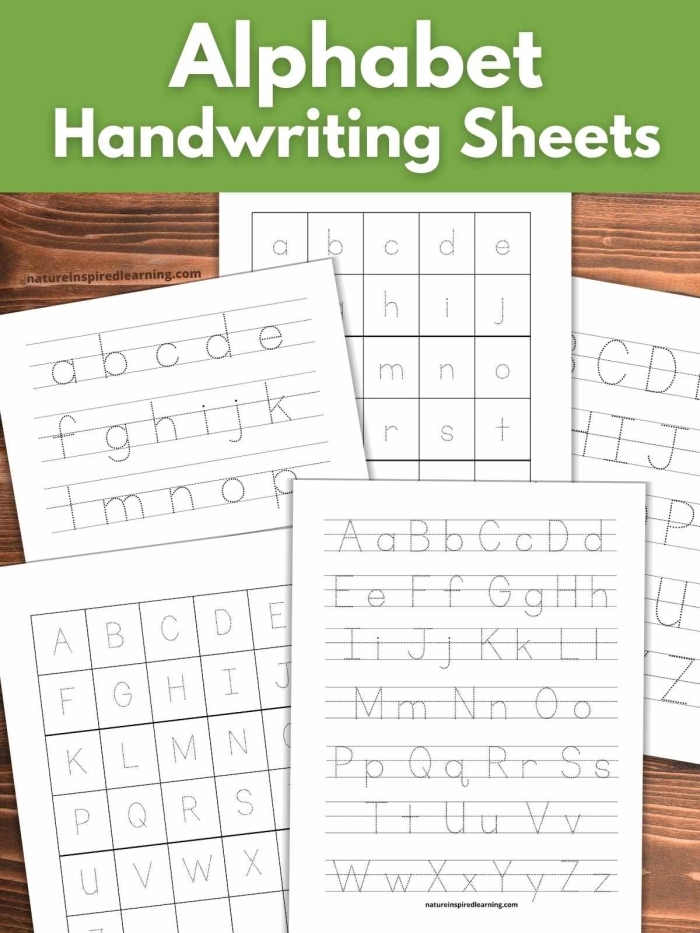
What makes these activities particularly effective is how they combine motor skill development with letter knowledge. The fine motor control needed to navigate the path strengthens the same hand muscles your child will eventually use for writing. This early practice with pencil control matters more than many parents realize, especially when children are building foundational skills in Pre-K.
You can extend the learning beyond the maze itself. After completing it, ask your child to name each letter they passed through, or have them draw pictures of objects that start with specific letters they encountered. Some children benefit from saying the letters aloud as they trace, adding an auditory element to their learning.
If your child enjoys this type of activity, they might also find success with other structured worksheets. Concepts like telling time and early history skills use similar maze and path-following formats for older grades. For now, keep the focus on the alphabet race itself and watch your preschooler’s confidence grow with each completed path.
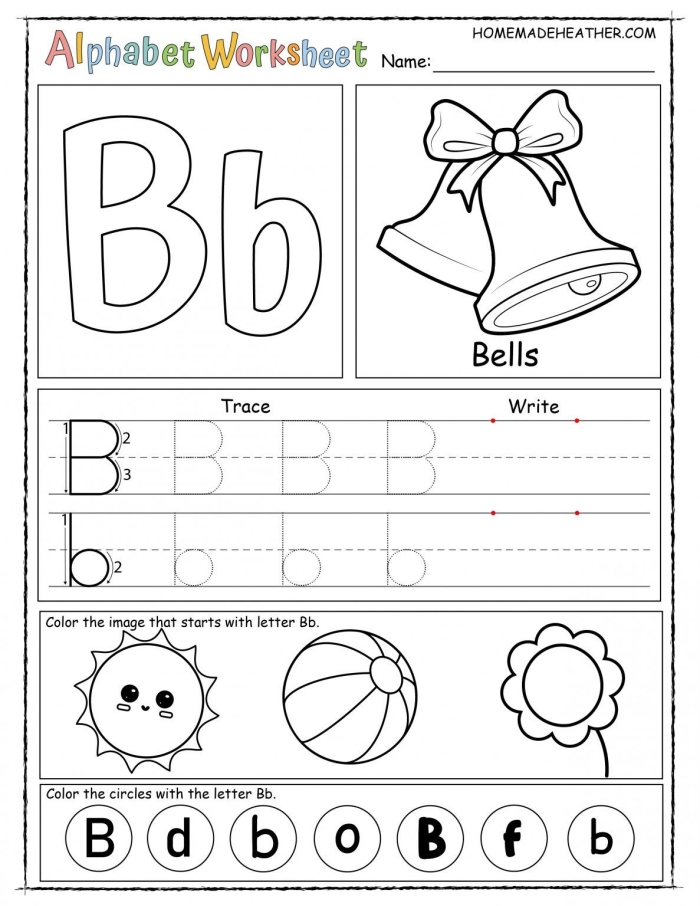
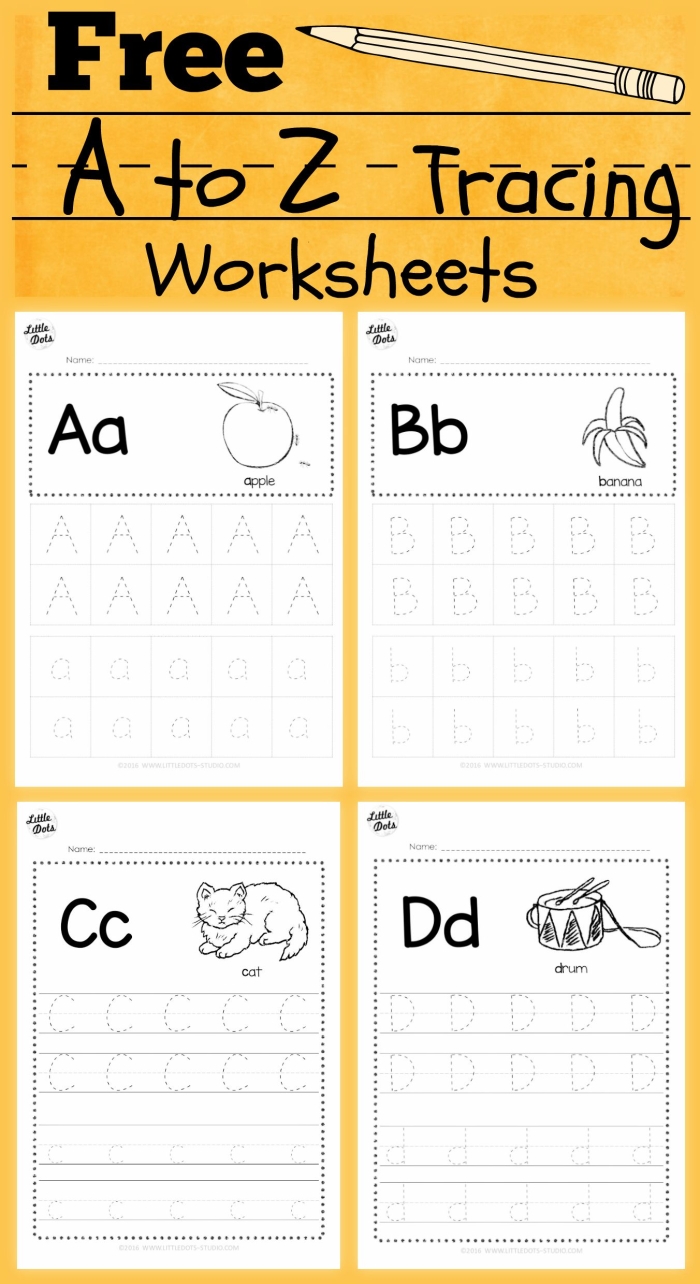
Download These Worksheets for Practice