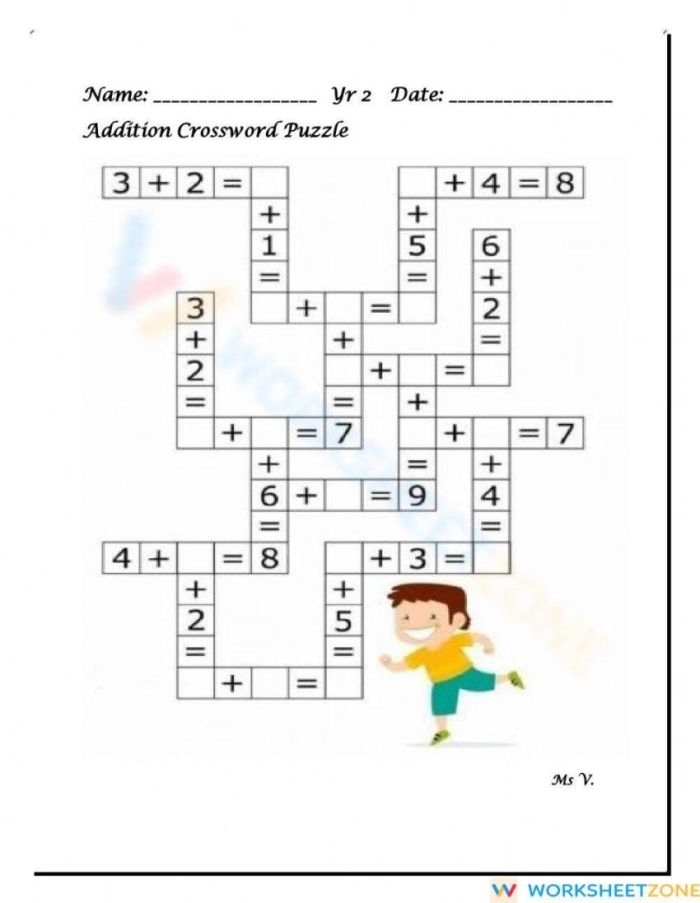
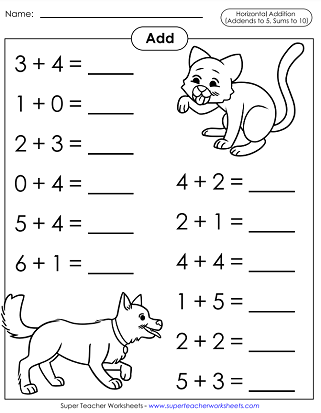
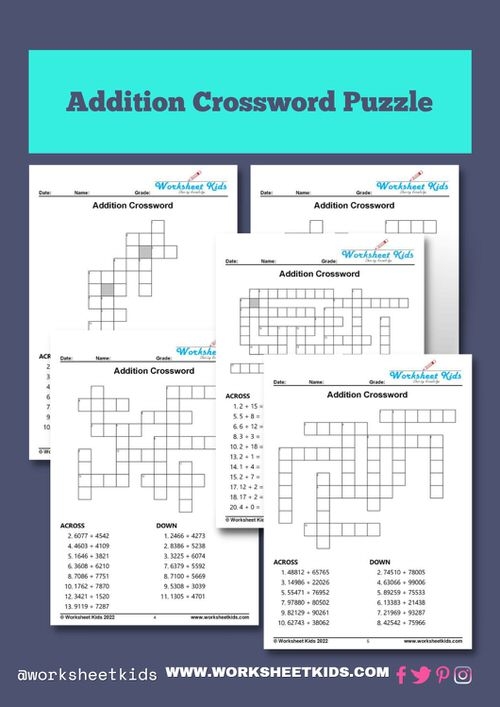
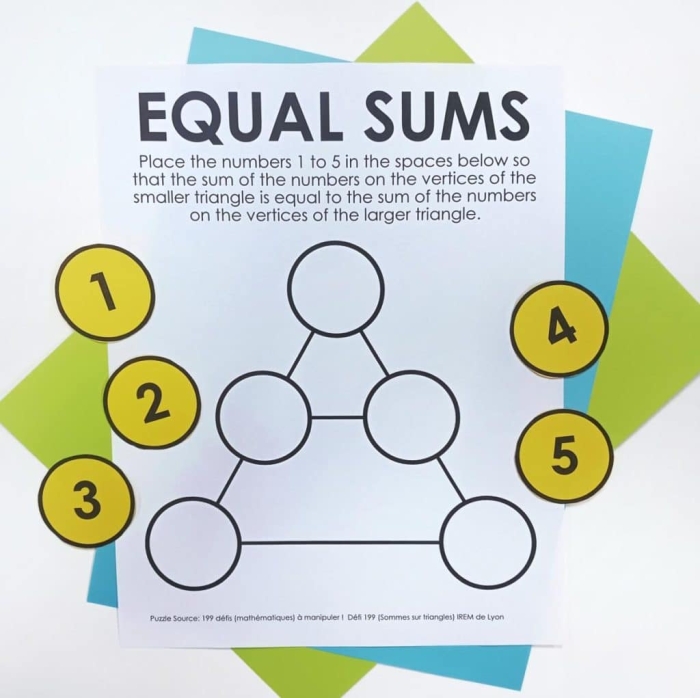
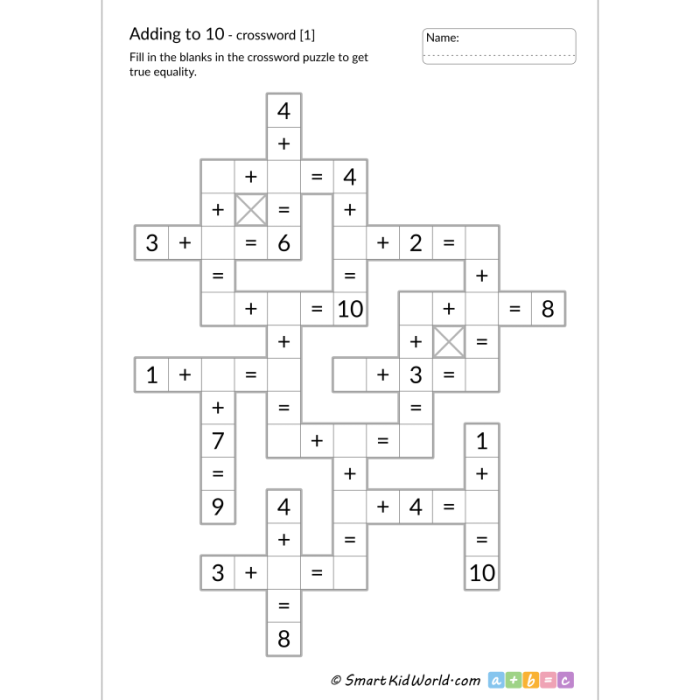
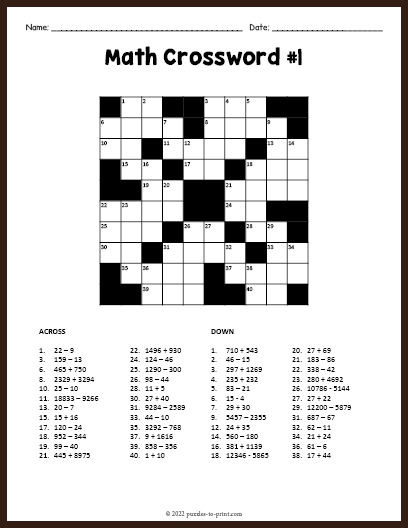
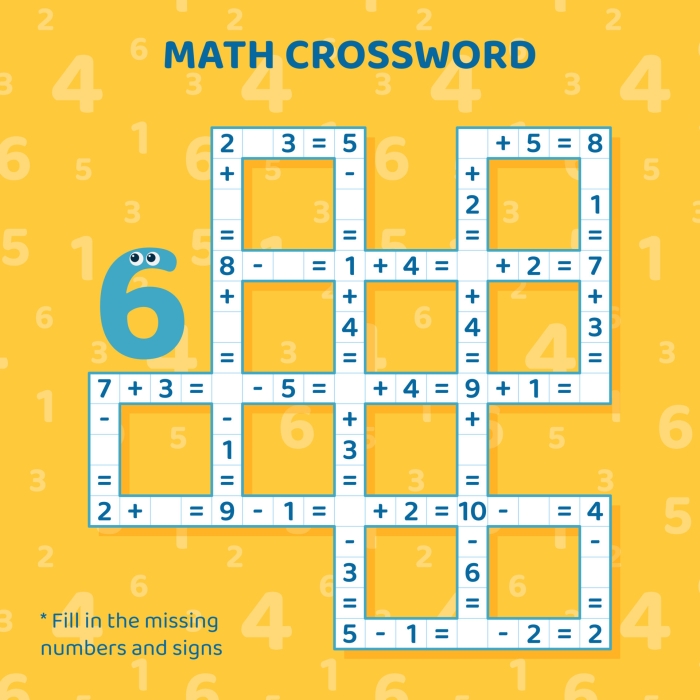
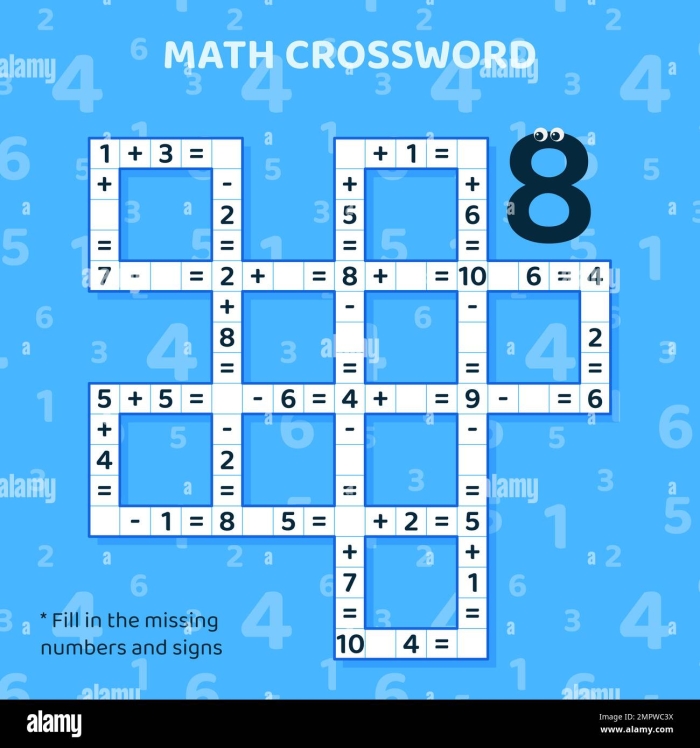
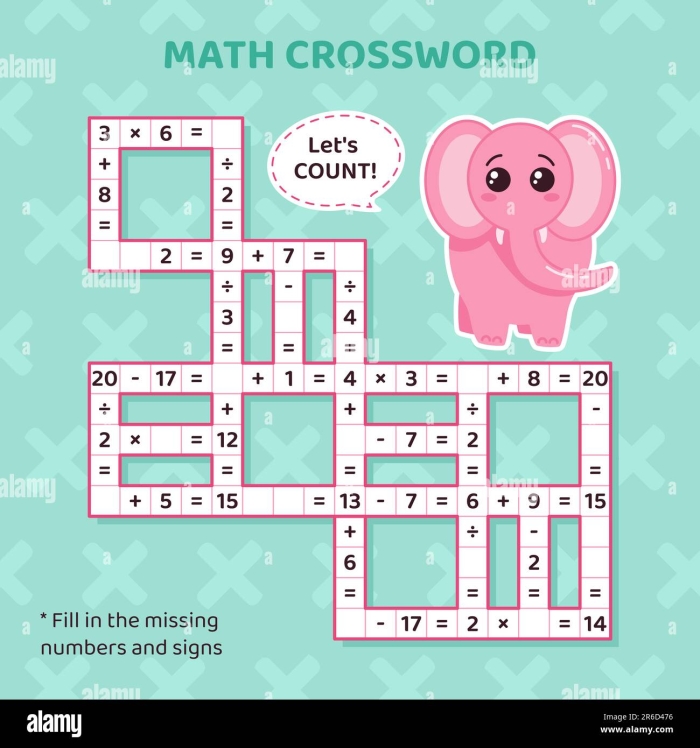
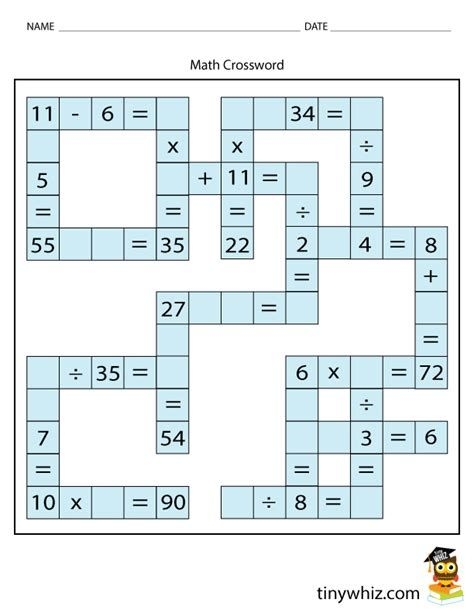
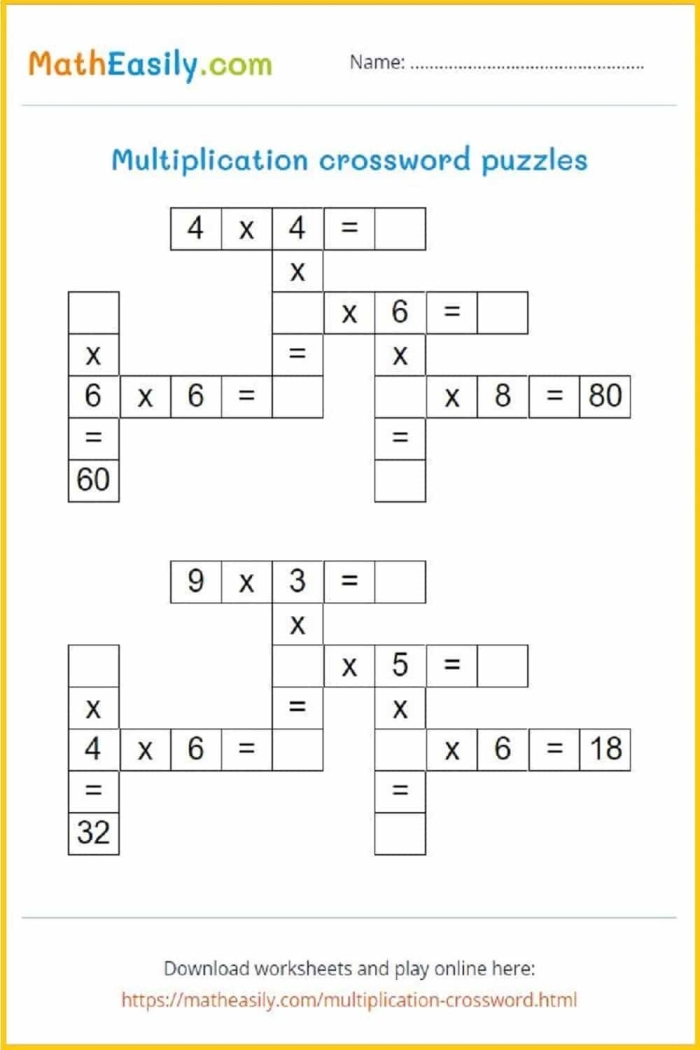
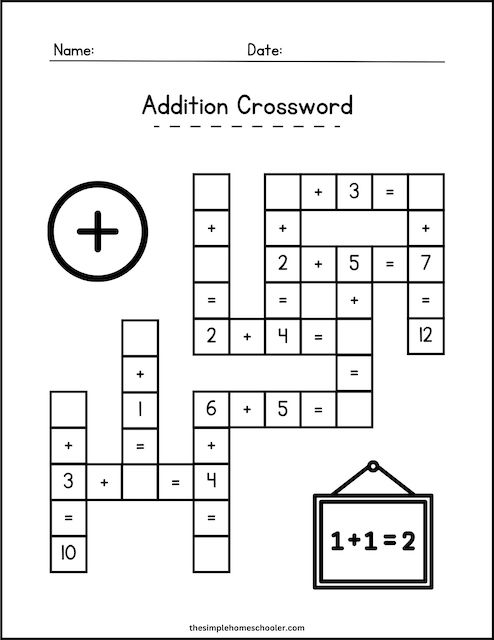
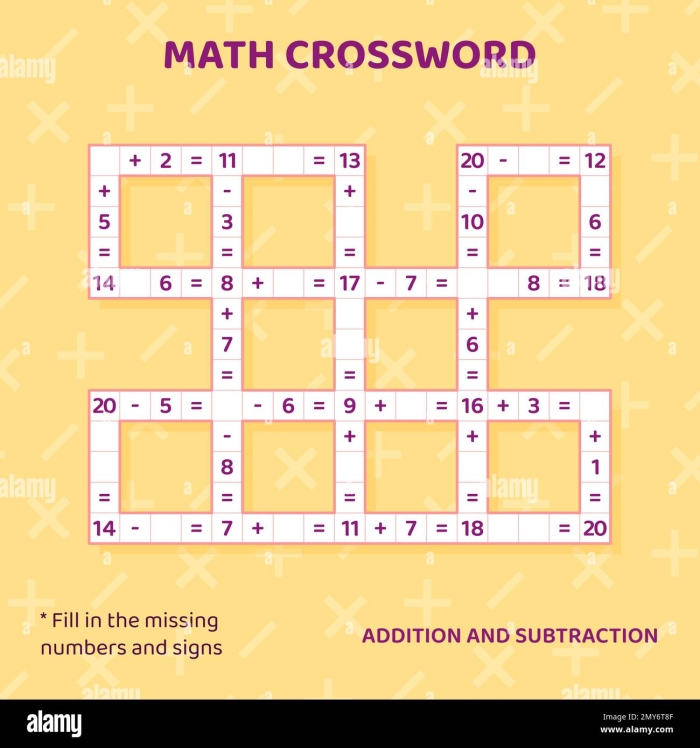
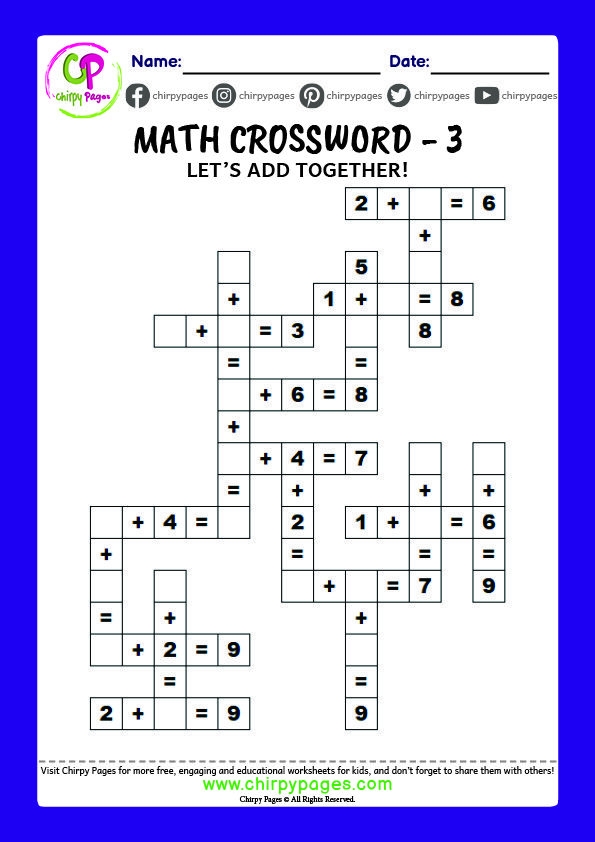
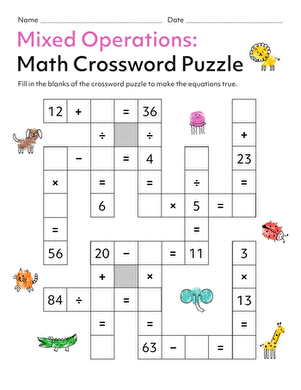
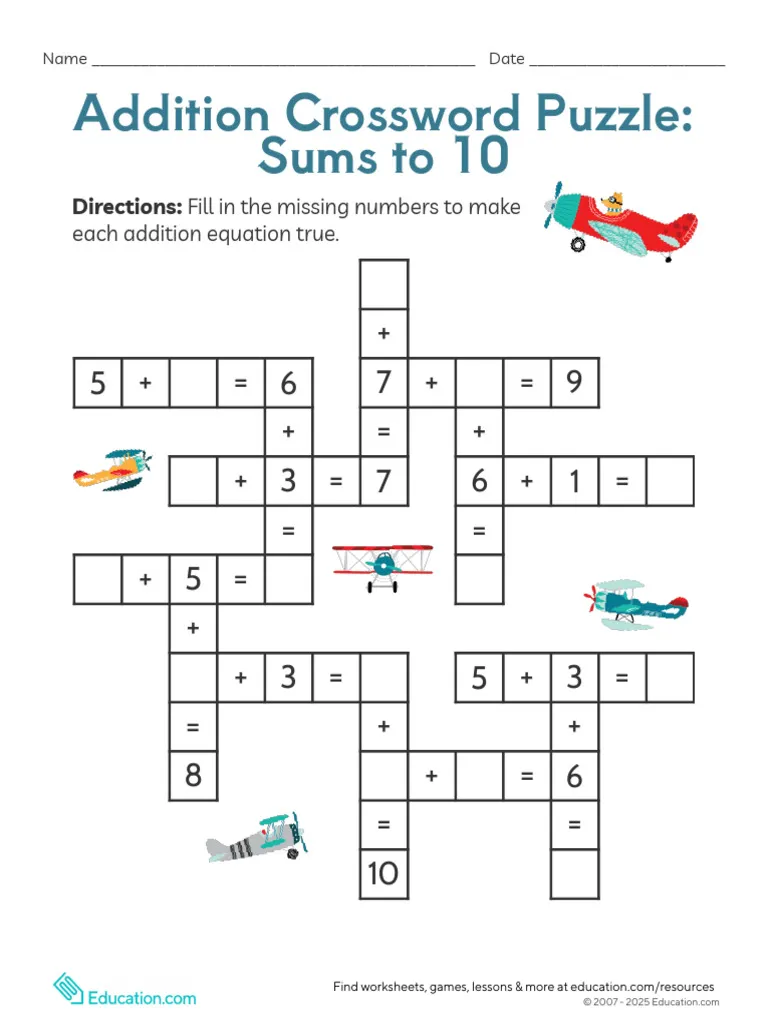
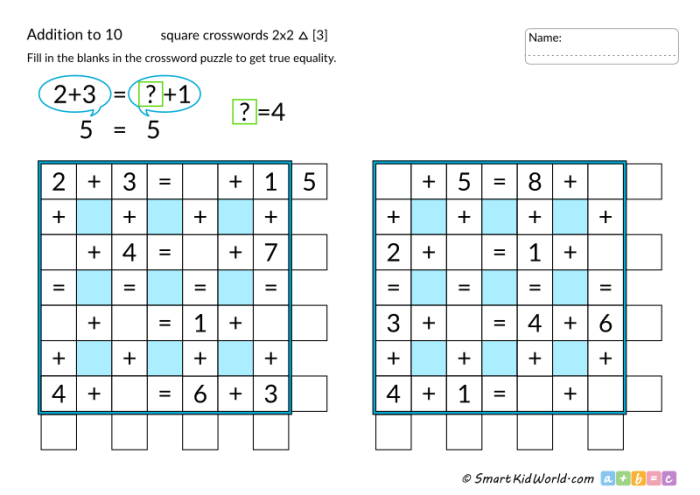
When kindergarten students first encounter math, the goal isn’t just to drill facts—it’s to make numbers feel natural and fun. An addition crossword puzzle that focuses on sums to 10 does exactly that by turning practice into a game.
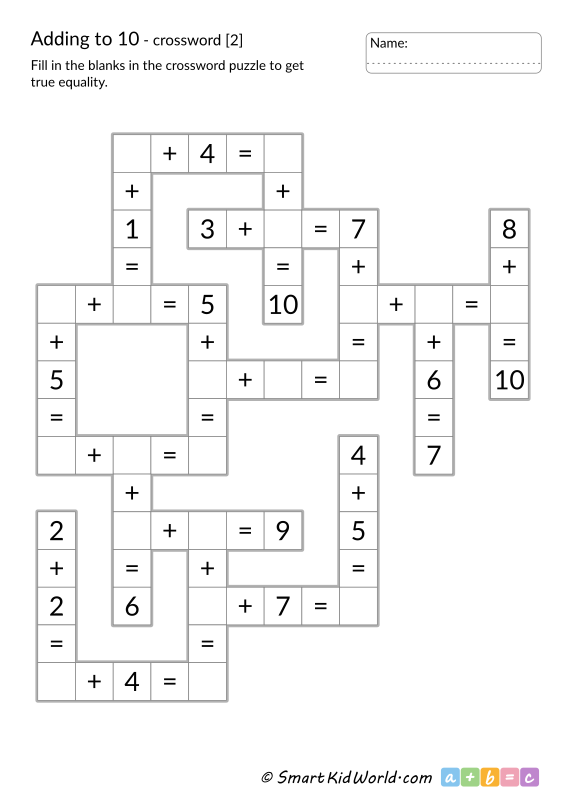
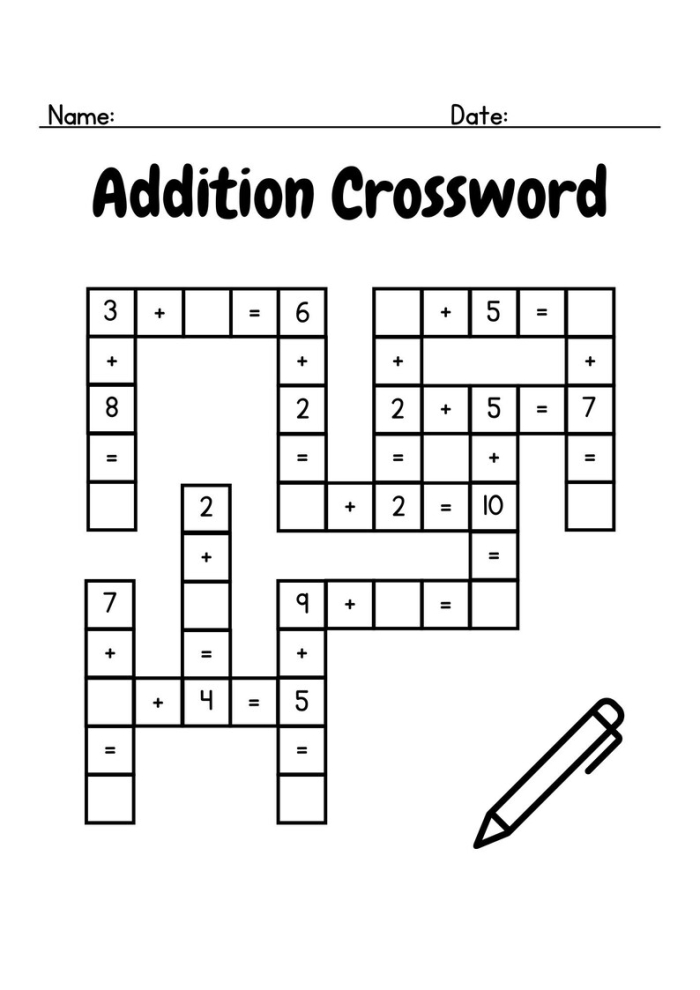
This type of puzzle works because it combines two learning modes at once. Students solve addition problems to find answers, then fit those answers into a crossword grid. The visual puzzle element keeps young learners engaged in a way that straight worksheets often don’t. Instead of writing “2 + 3 = 5” in isolation, they’re thinking about where the number 5 fits among the intersecting words, which reinforces the answer and builds number sense simultaneously.
For kindergarten classrooms, staying within sums to 10 is crucial. It matches the developmental stage where students are still building fluency with small numbers. They’re not overwhelmed by larger calculations, and they can actually complete the puzzle without frustration. The high-flying theme adds personality to what might otherwise feel like routine practice, making it something kids want to tackle rather than something they’re assigned.
The reading component matters too. As students work through the puzzle, they’re reading clues like “3 plus 2 equals ___,” which builds vocabulary around mathematical language. This early exposure to how math gets described in words prepares them for more complex word problems later. It’s similar to how students benefit from exposure to different text types, like when they work through writing conclusions for informational text in higher grades.
Printable versions of these puzzles give teachers flexibility. They can laminate them for repeated use, project them on a screen for group work, or send them home for family math time. The format works whether you’re in a traditional classroom or supporting learning at home.
Start Practicing with These Worksheets