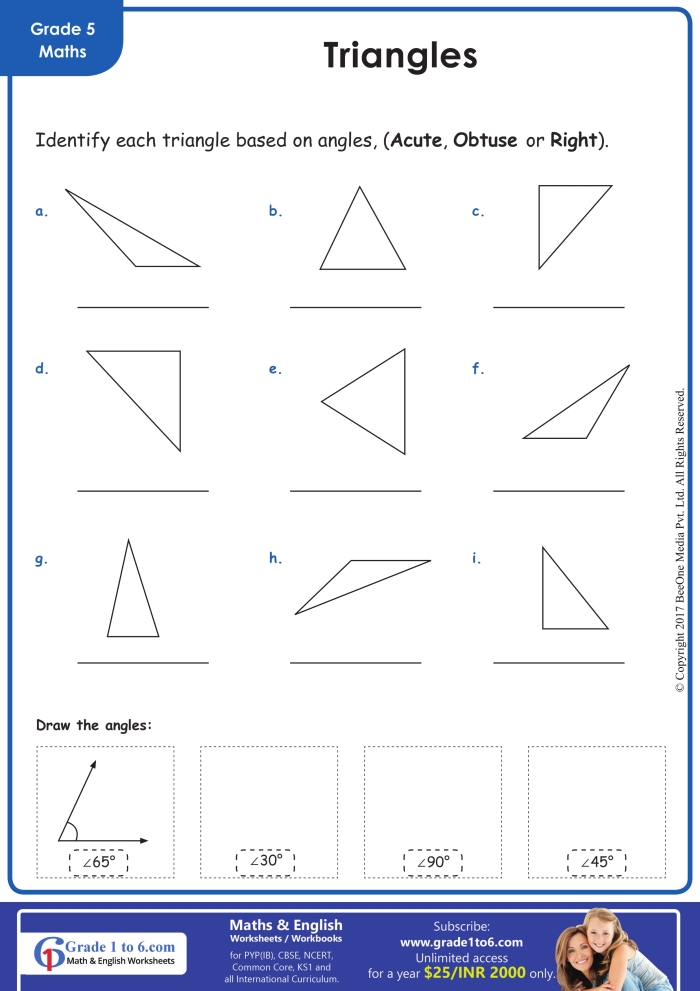
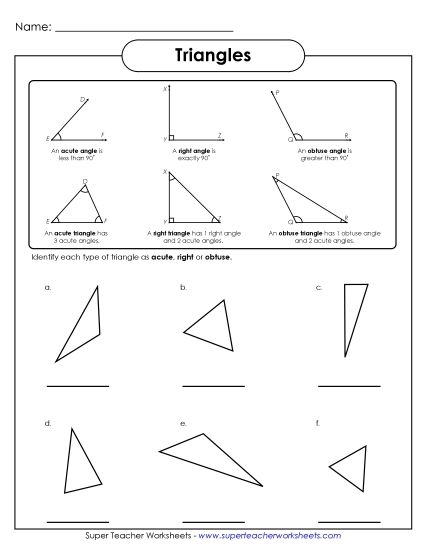
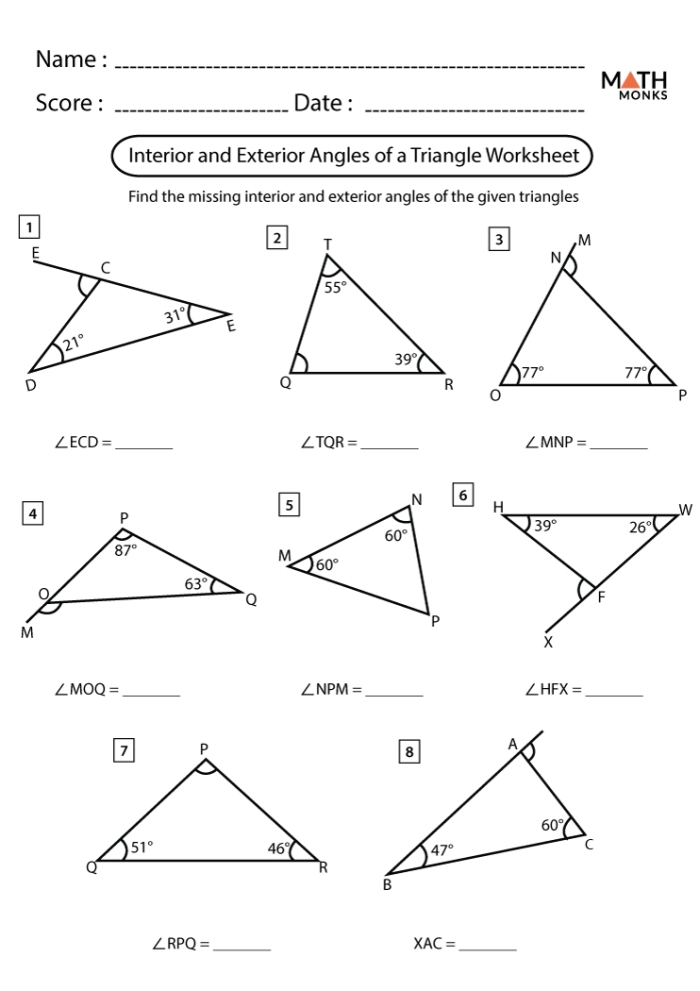
Acute triangles are captivating shapes that play a vital role in geometry, especially for sixth and seventh graders. These triangles, characterized by all three angles measuring less than 90 degrees, offer a unique opportunity to explore various geometric concepts. When you examine acute triangles, you notice their sharp corners and elegant lines, which can be both aesthetically pleasing and mathematically interesting.
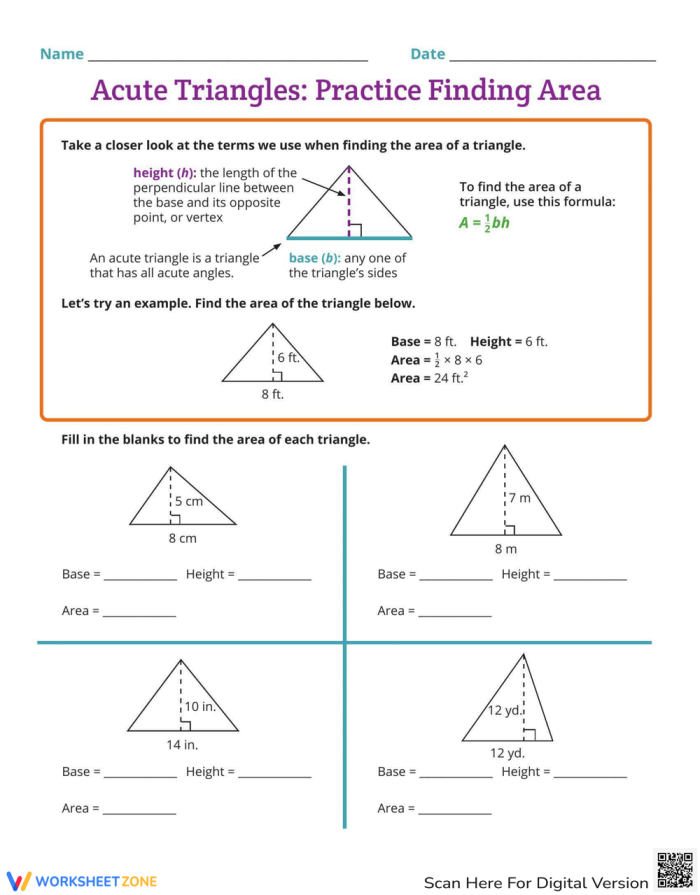
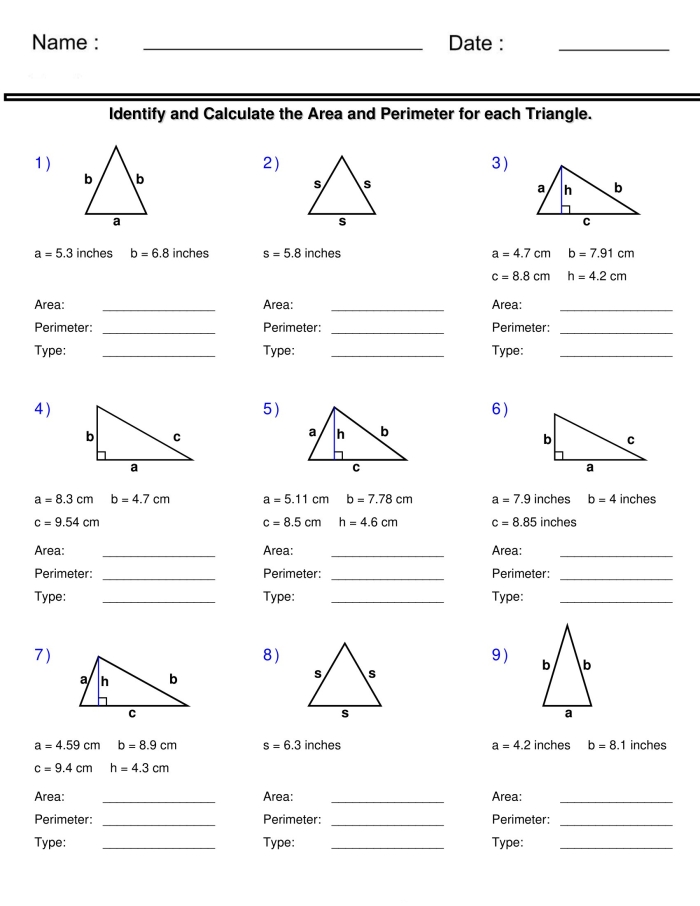
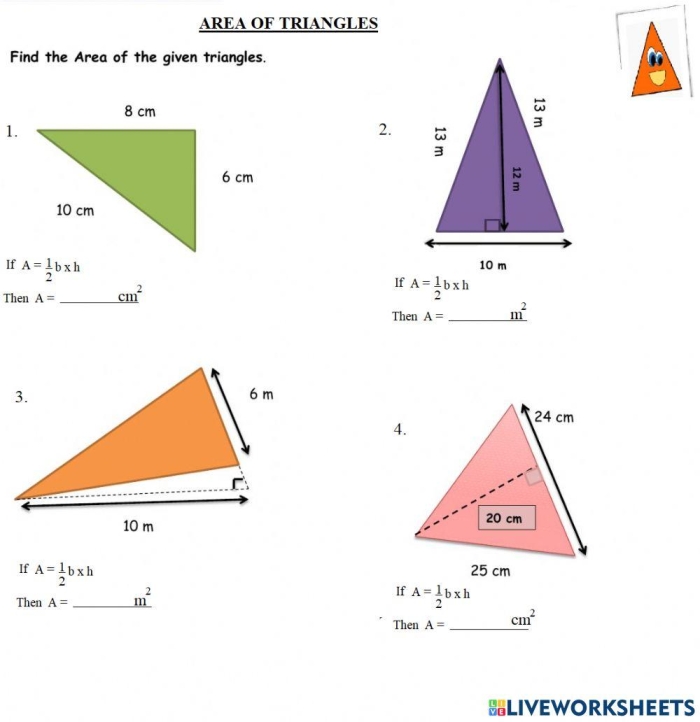
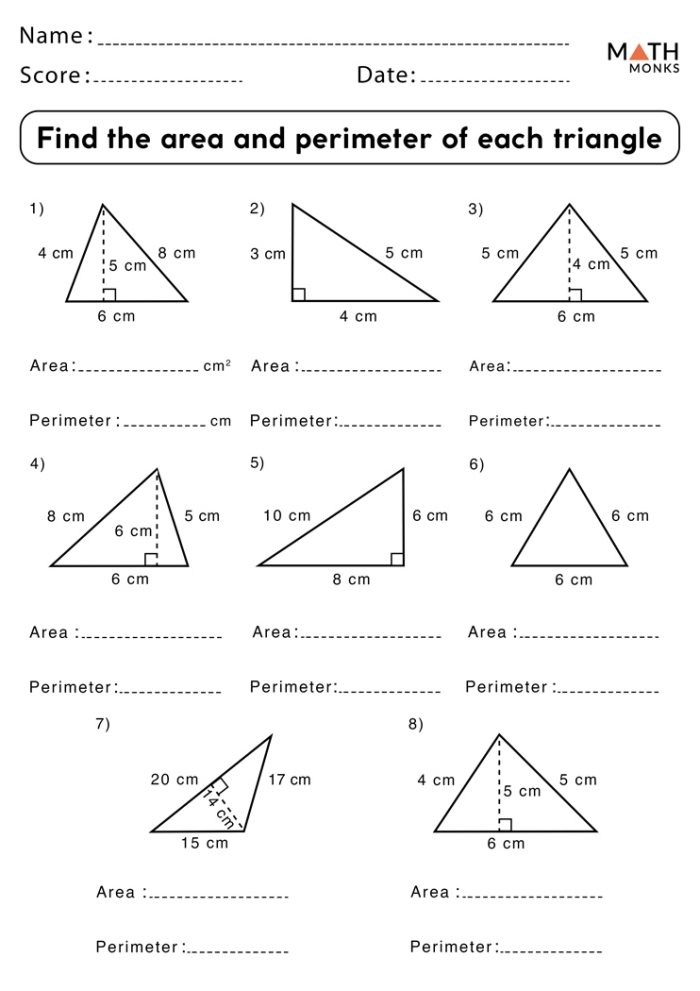
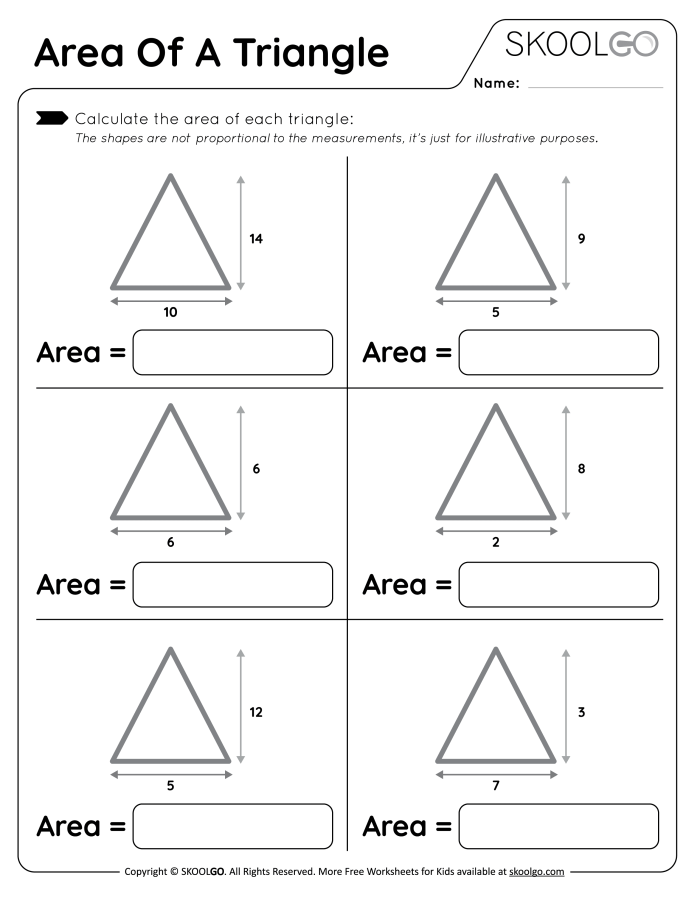
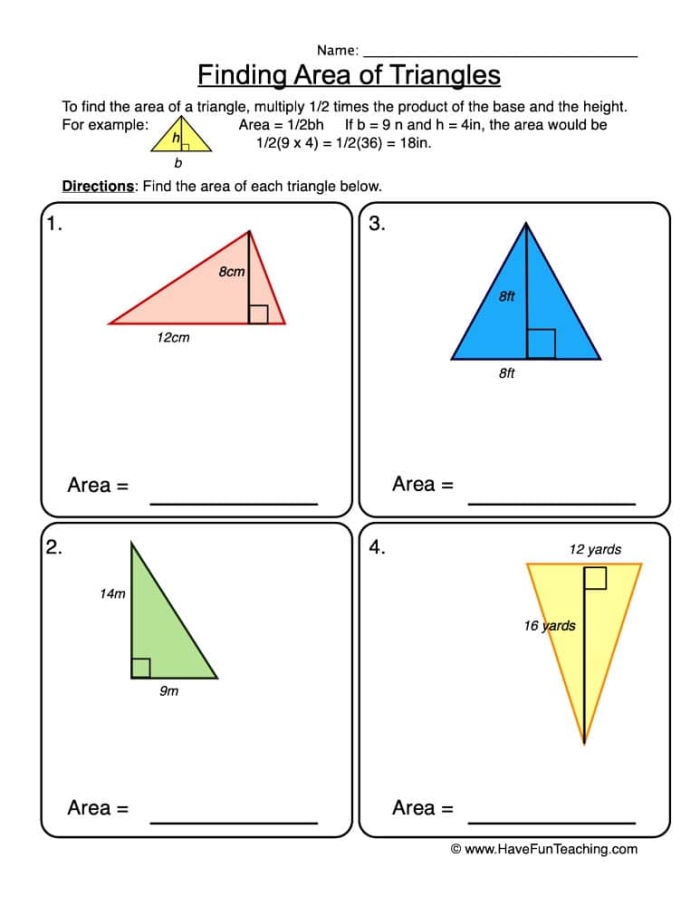
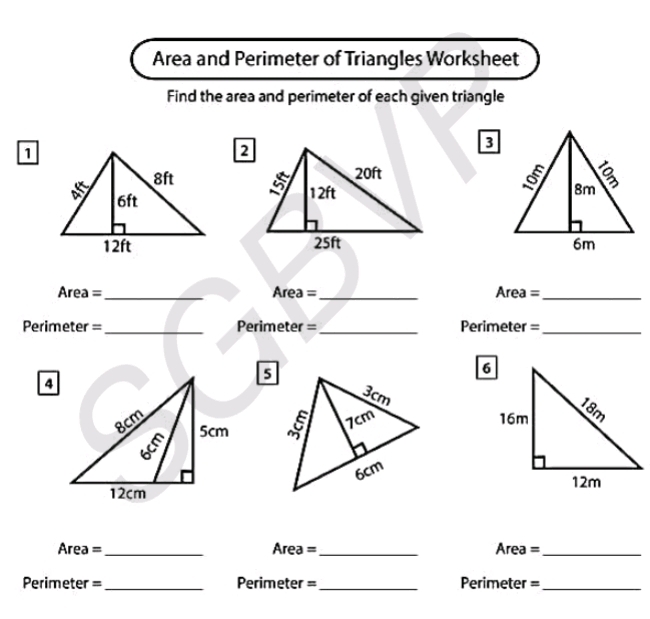
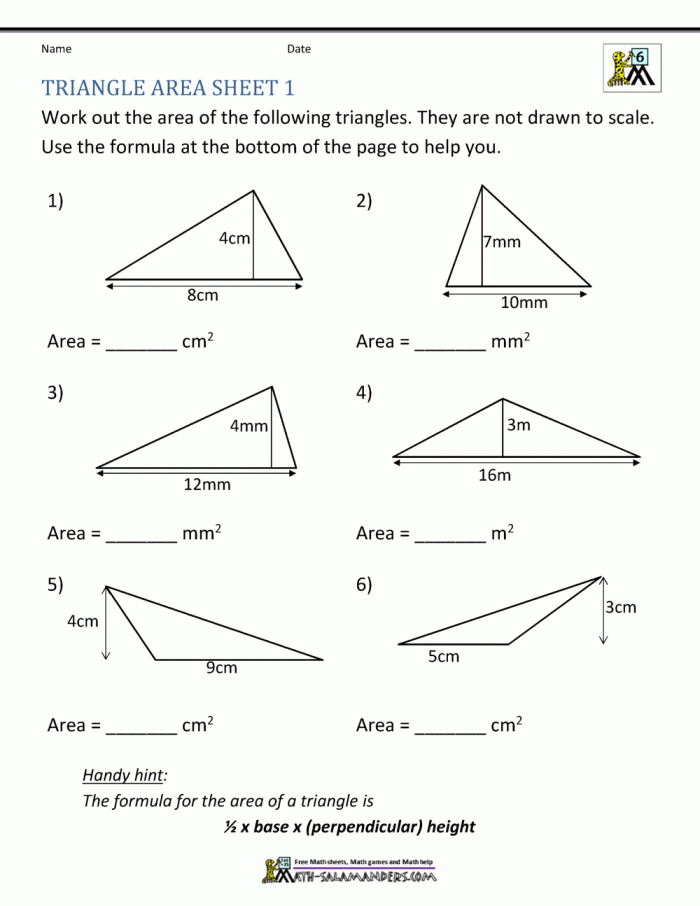
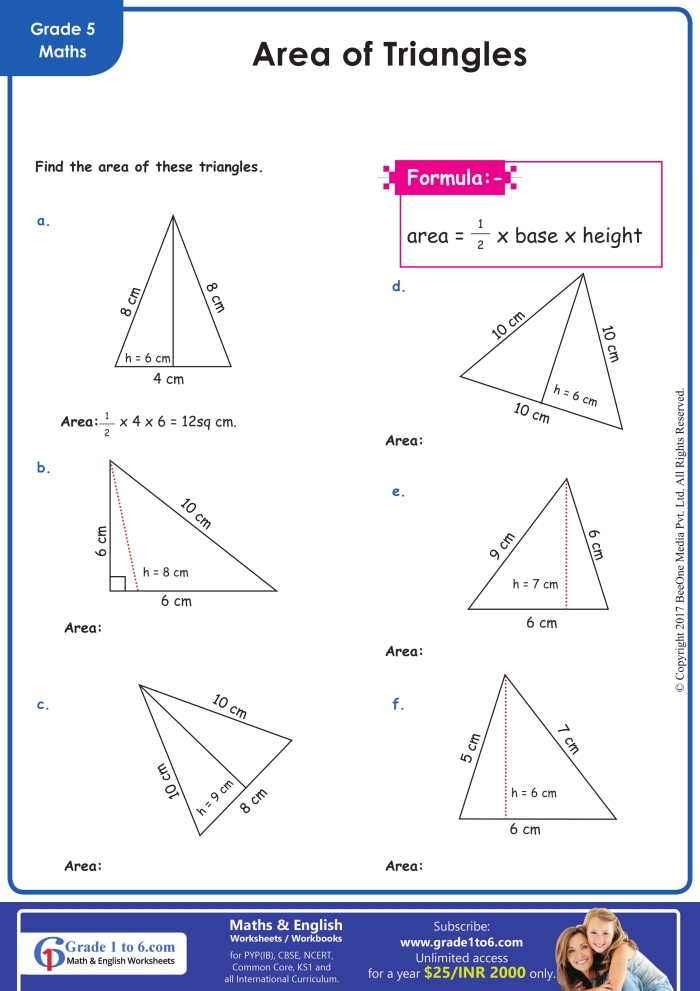
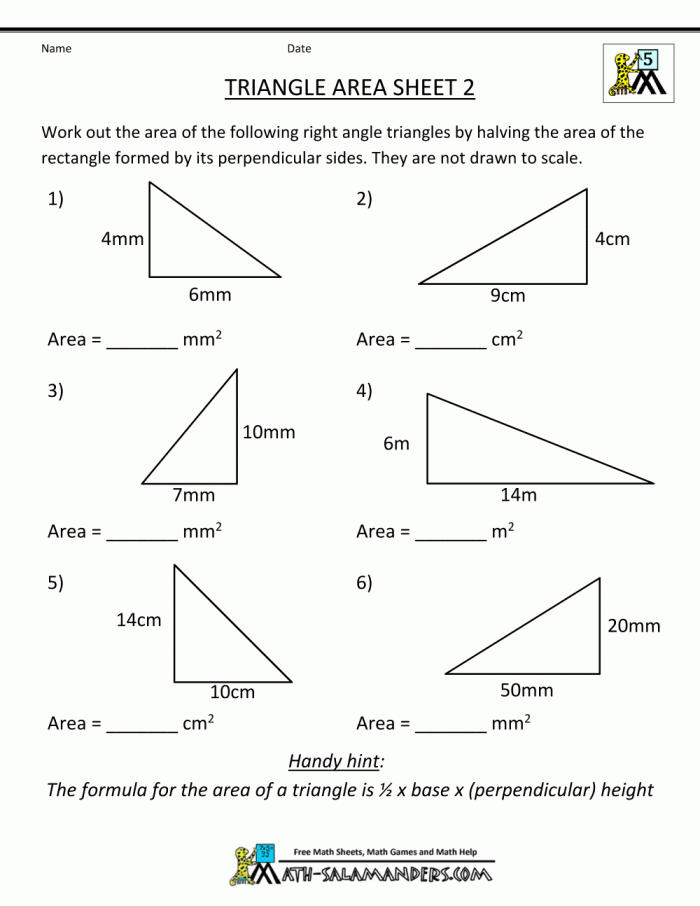
One practical aspect of acute triangles is their area calculation. The formula for finding the area of a triangle—1/2 × base × height—applies here as well. However, students often find it helpful to visualize how the height can be measured within these triangles, especially since it can fall outside the triangle itself. This insight can be particularly engaging when students apply it to real-life situations or problems, like determining the area of a triangular garden or a roof. Using worksheets that focus on acute triangles can enhance this understanding, providing a structured way to practice these calculations.
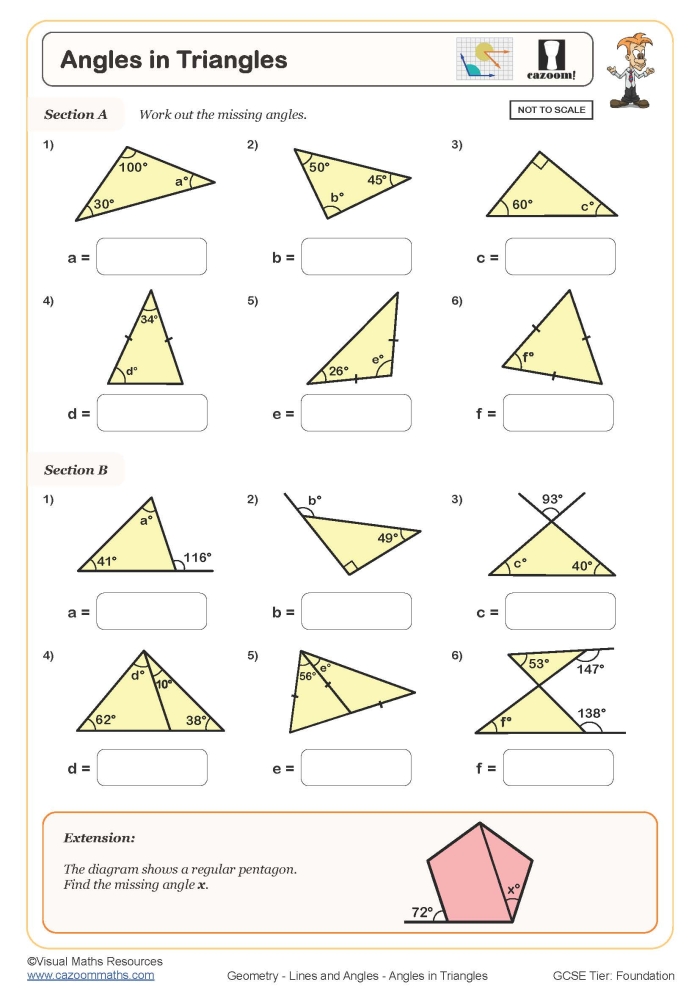
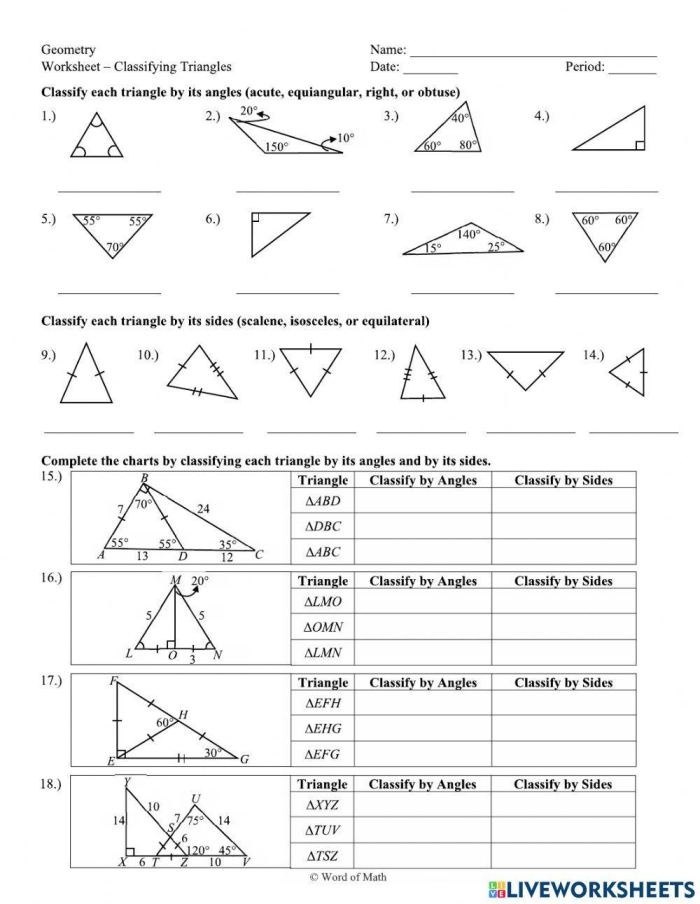
Working with acute triangles also opens a dialogue about their properties and relationships to other shapes. For instance, when comparing acute triangles to obtuse triangles, students can discuss how different angles affect the overall geometry. Engaging with these concepts through activities and worksheets can solidify their understanding and build a strong foundation for more complex topics in geometry.
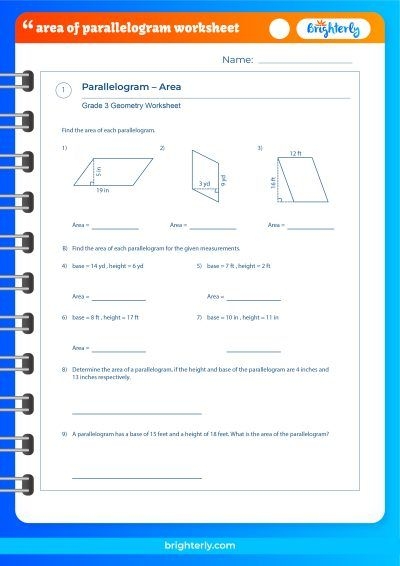
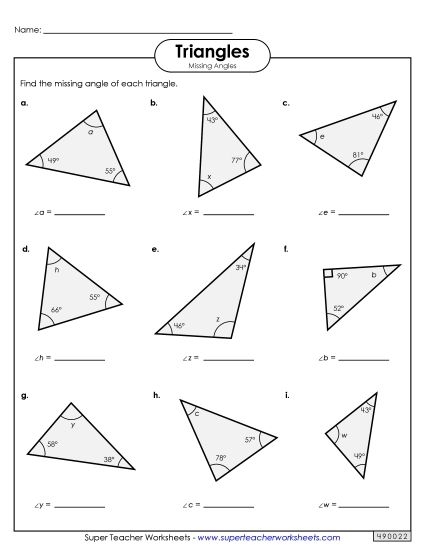
For those seeking additional resources, worksheets that cover various aspects of geometry, such as growth and development factors, coordinate plane shapes, and surface area of cubes, can complement the study of acute triangles. These worksheets provide a practical approach to mastering geometry concepts, making learning both enjoyable and effective.
Try These Printable Worksheets