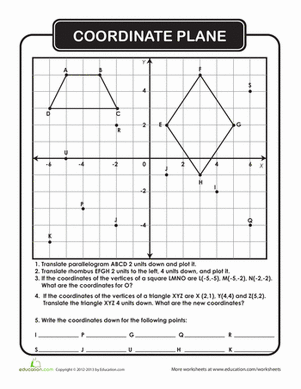
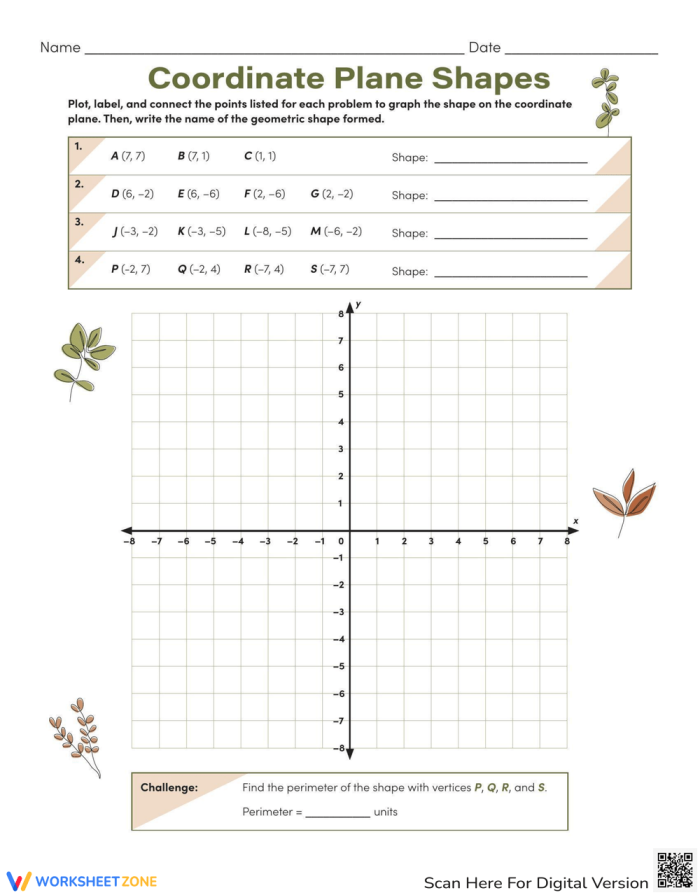
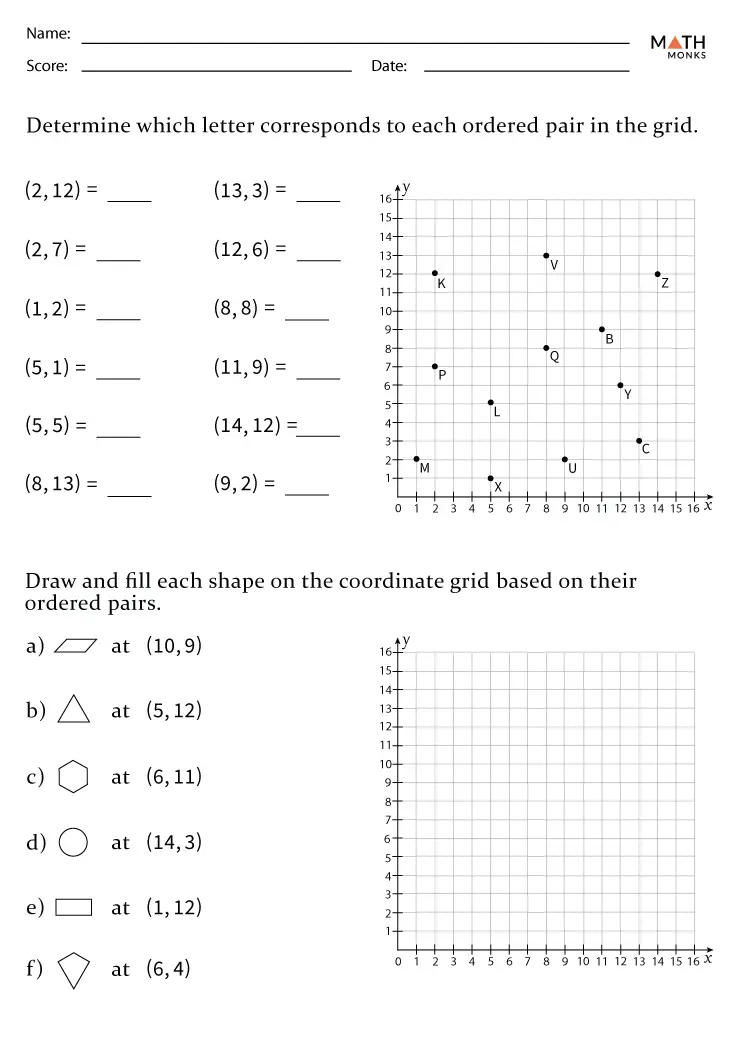
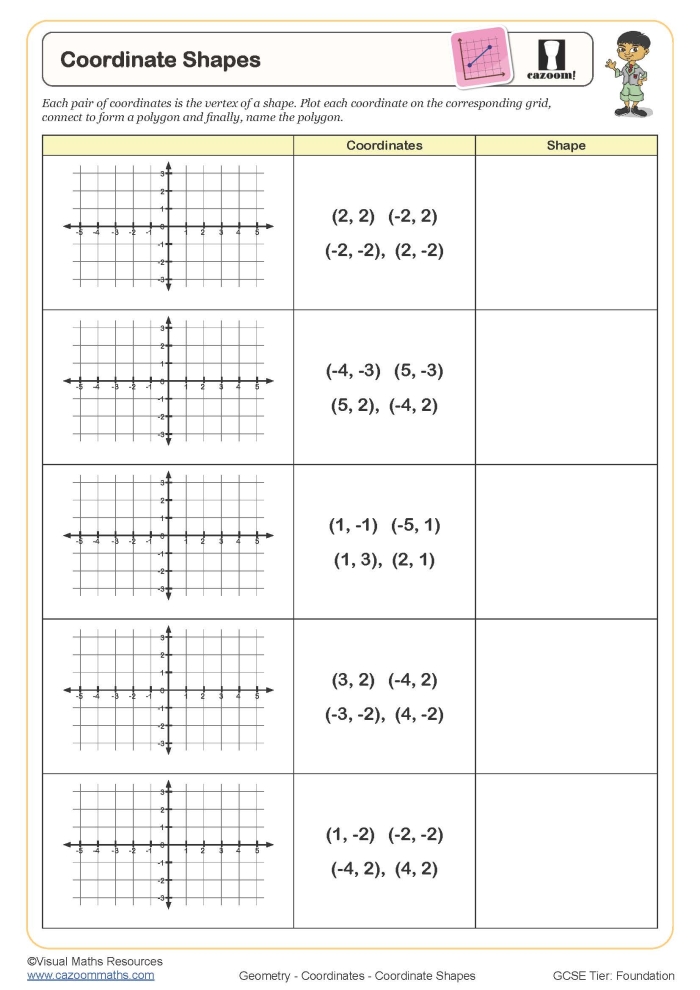
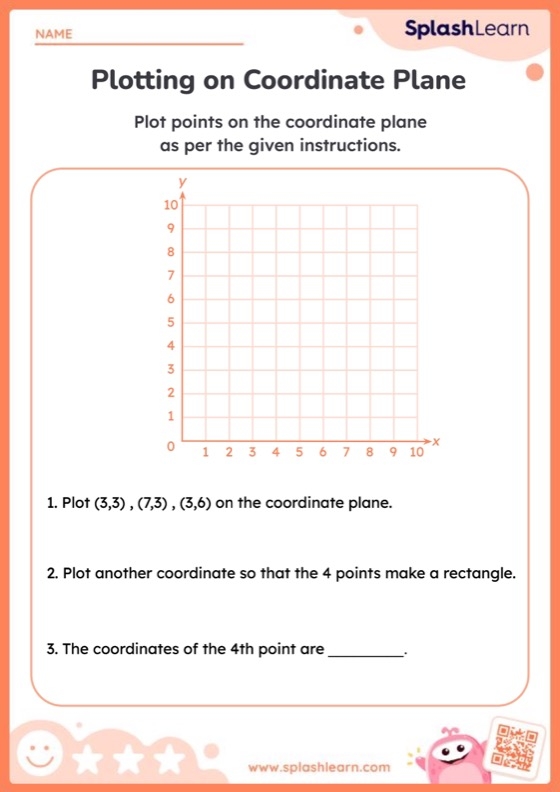
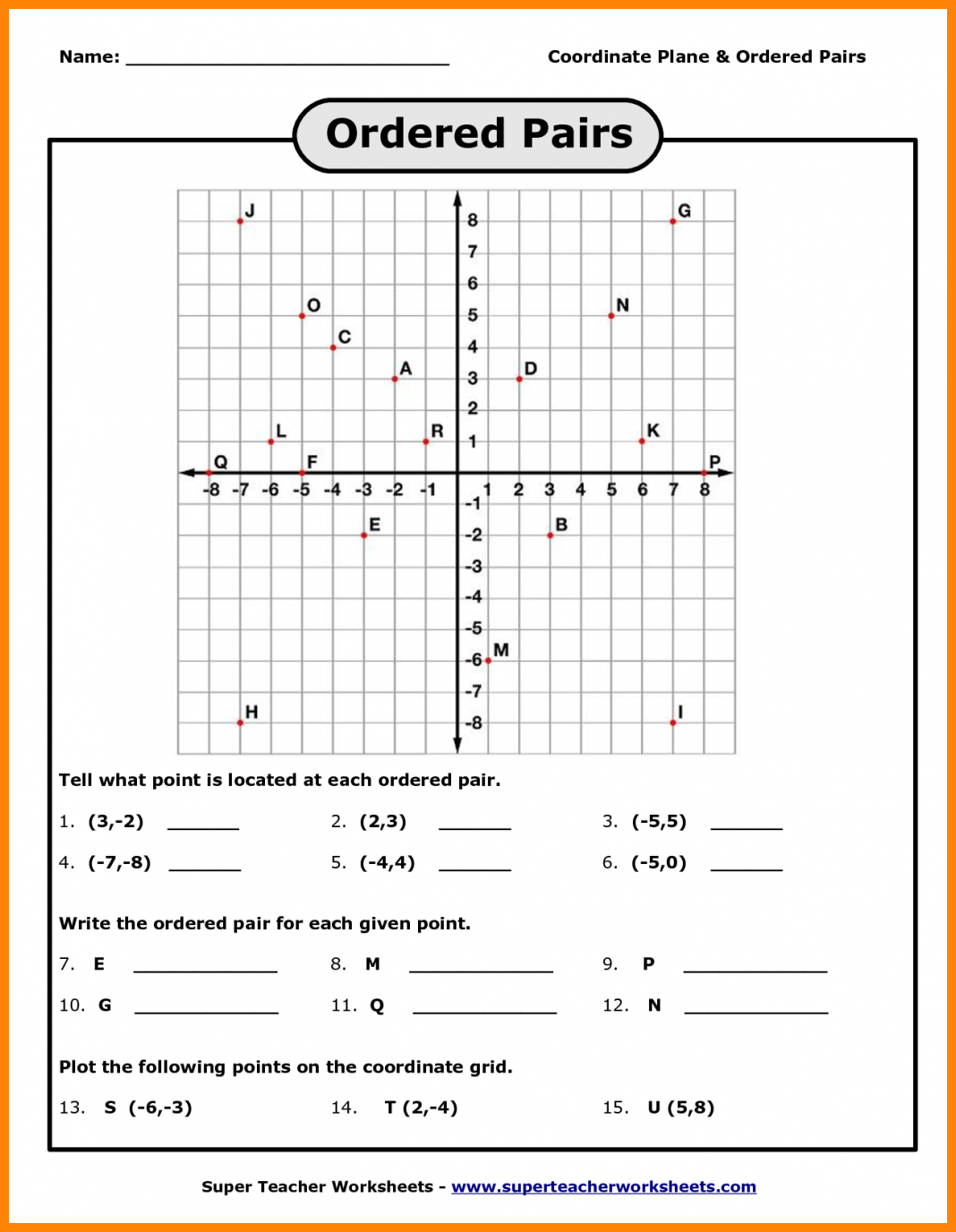
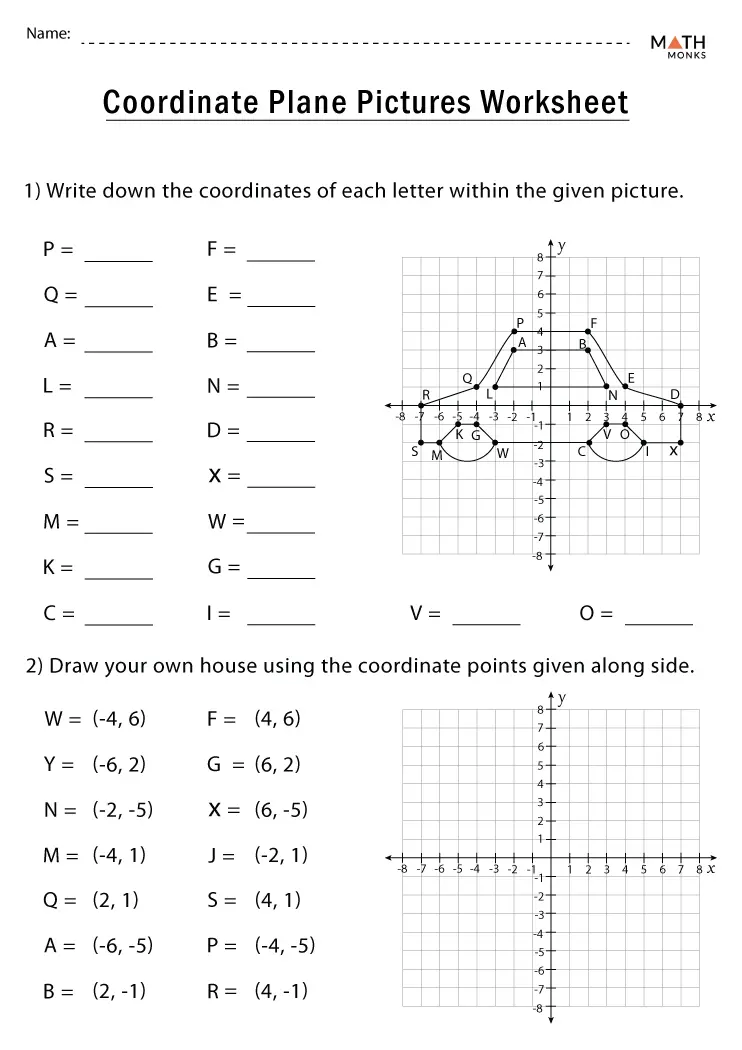
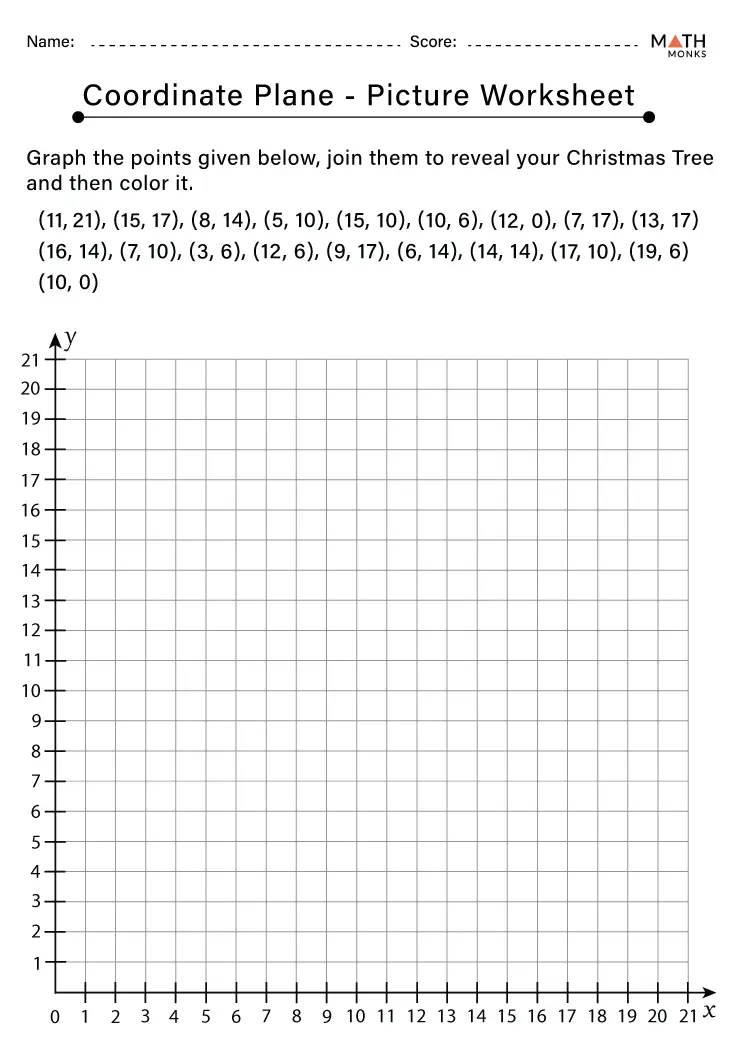
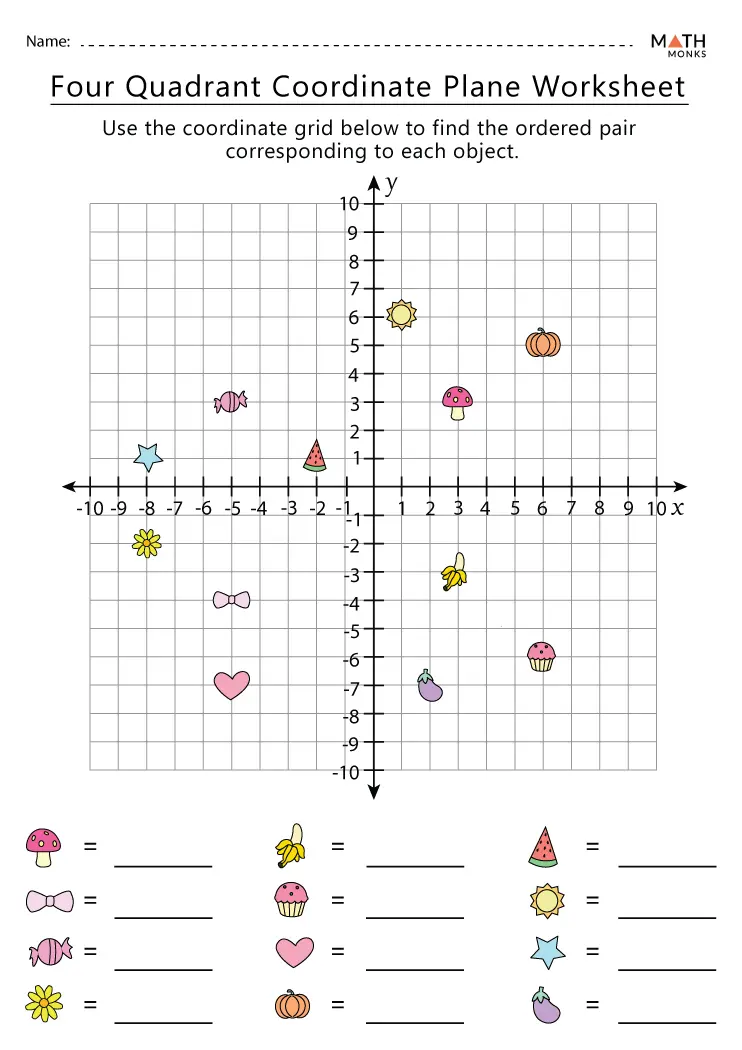
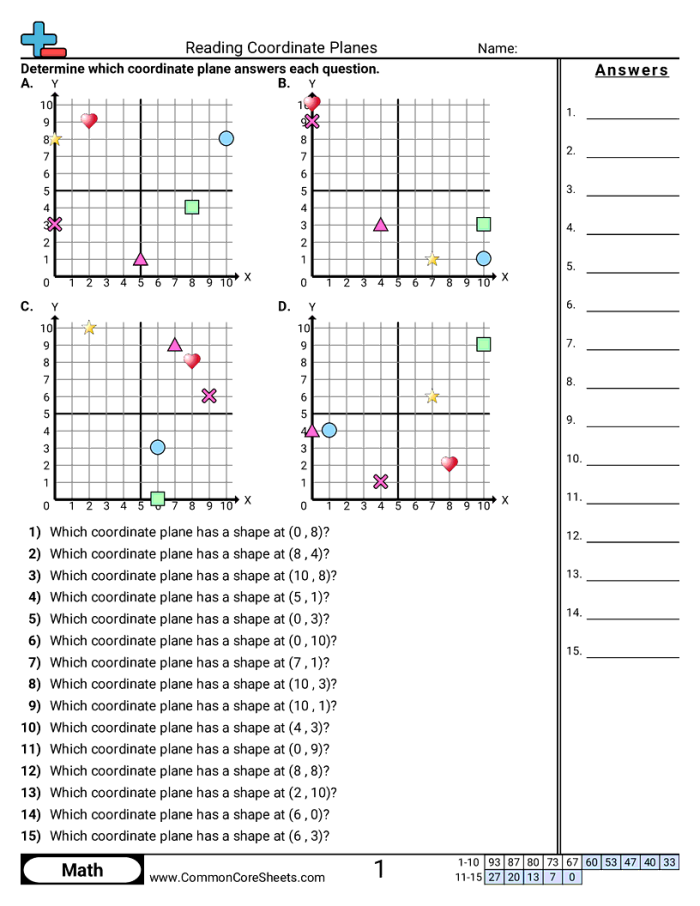
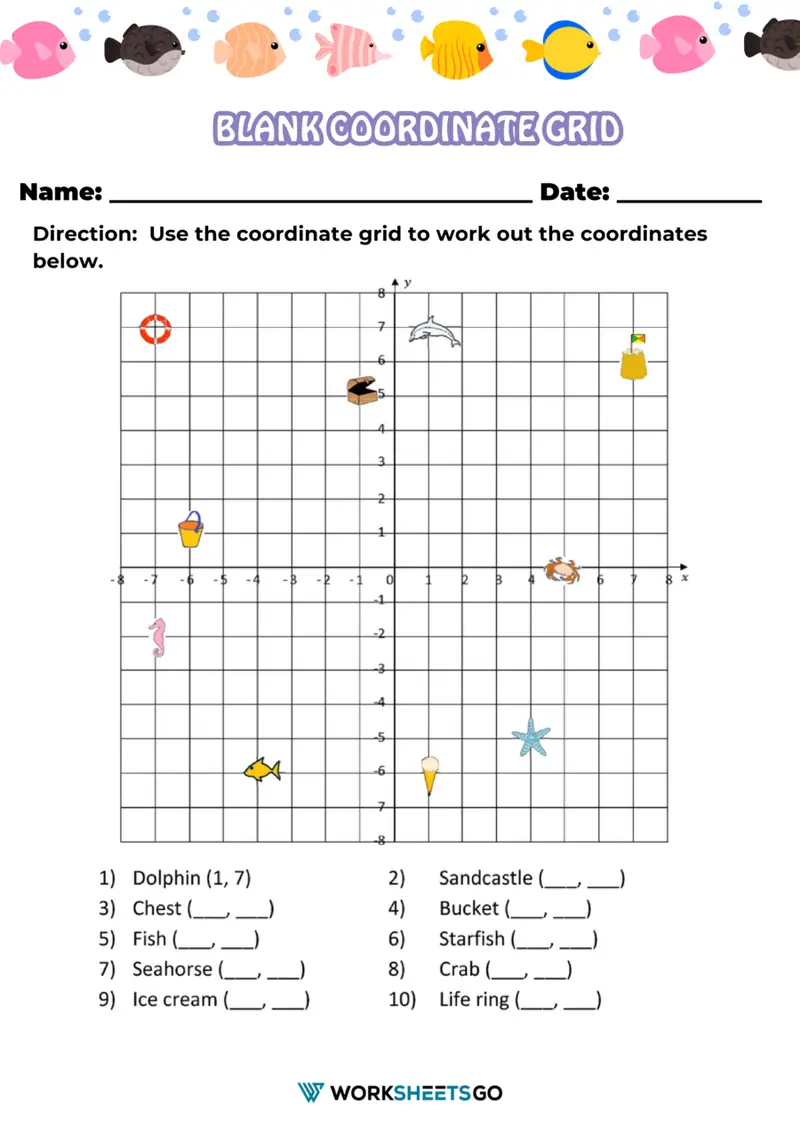
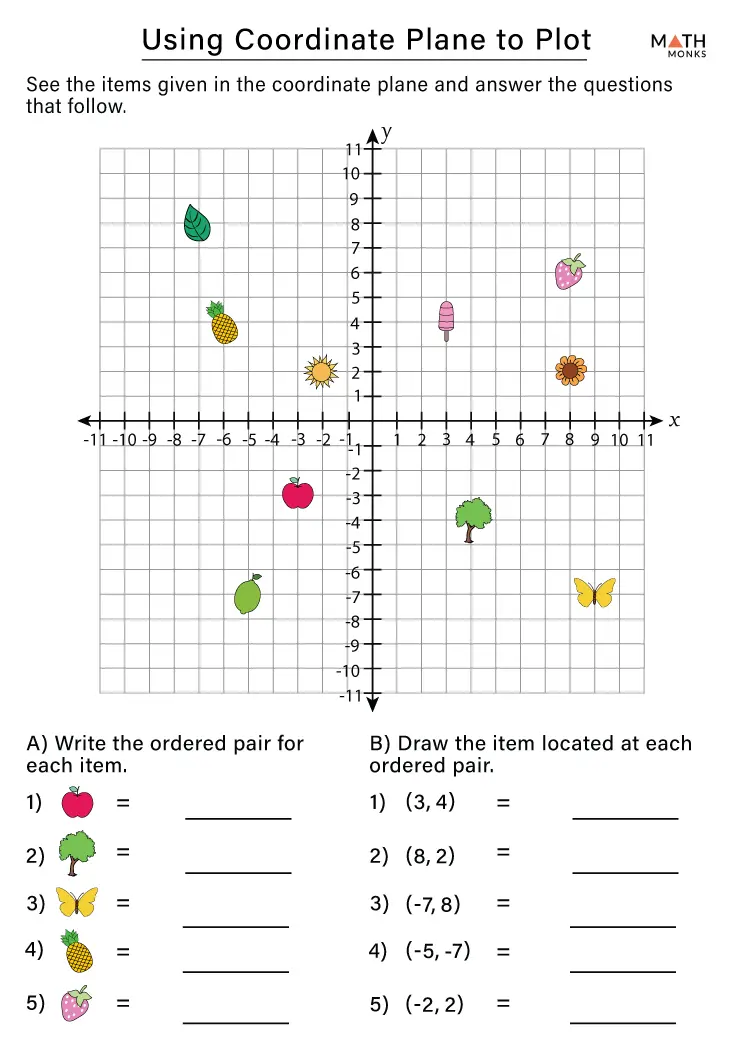
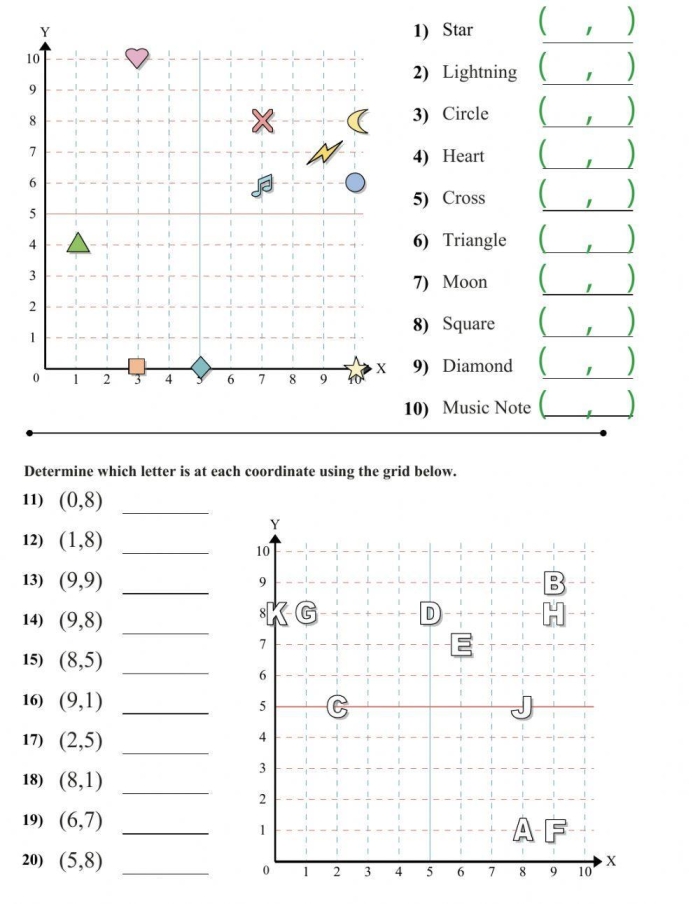
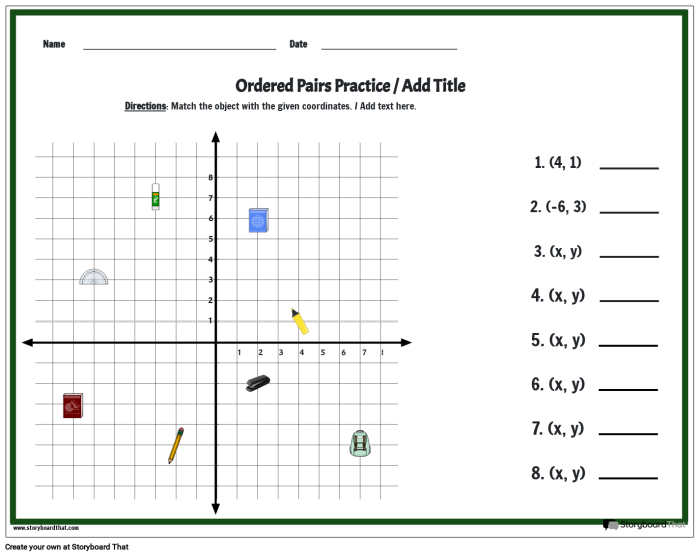
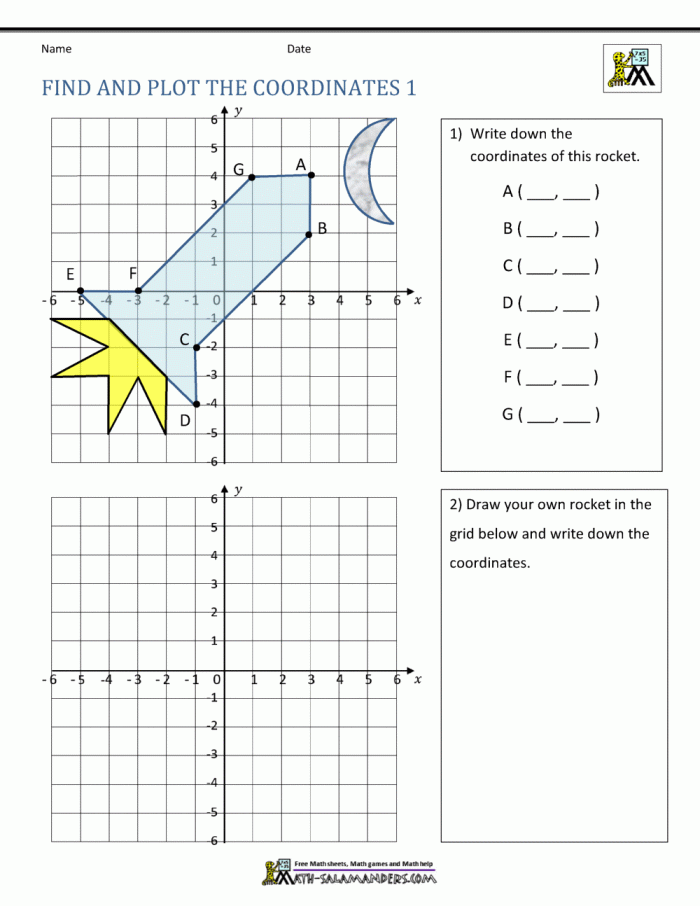
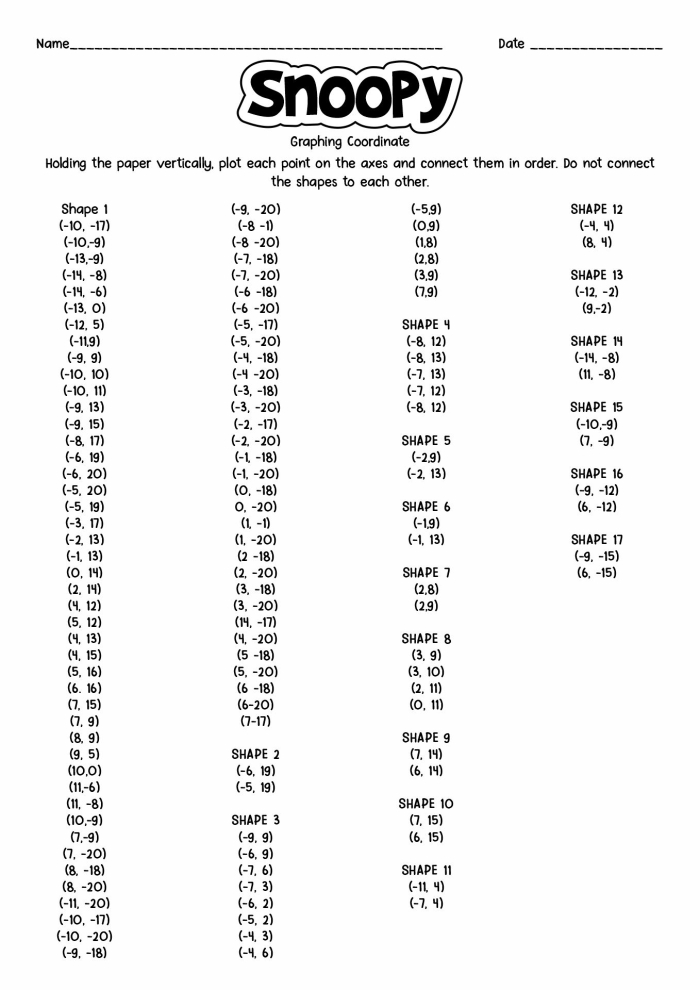
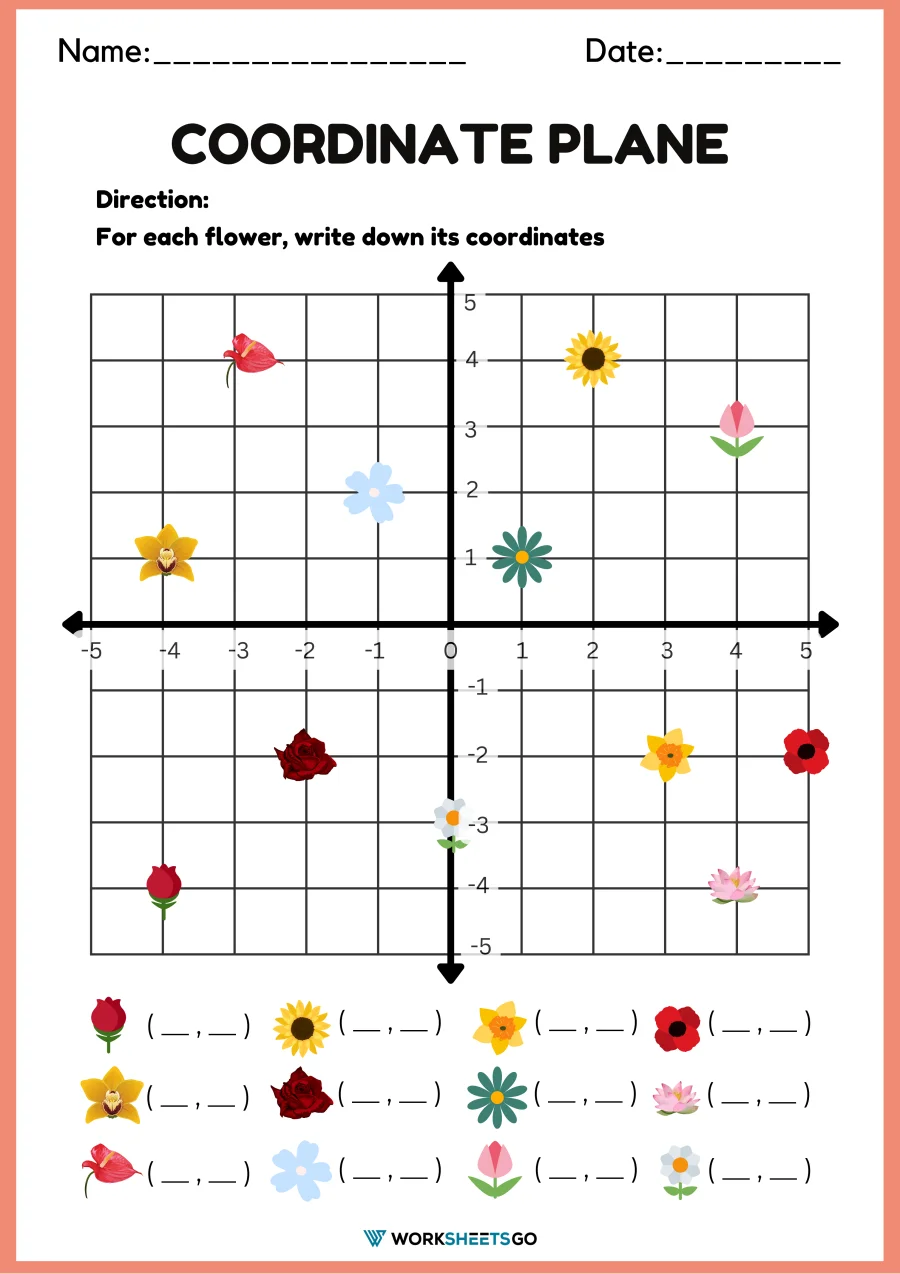
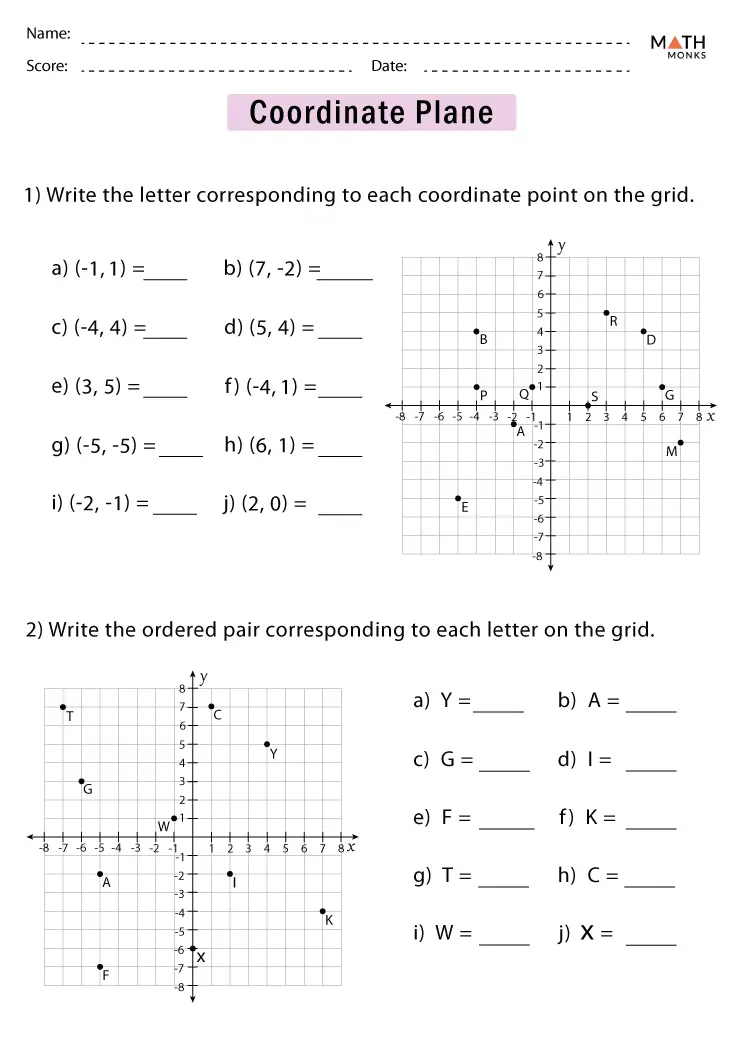
When sixth-grade students first encounter the coordinate plane, plotting individual points feels manageable enough. But ask them to connect those points into a polygon, and suddenly they’re wrestling with spatial reasoning in a way that textbook definitions never quite capture. A worksheet focused on drawing polygons using given coordinates forces students to think about how abstract numbers translate into actual shapes on a grid.
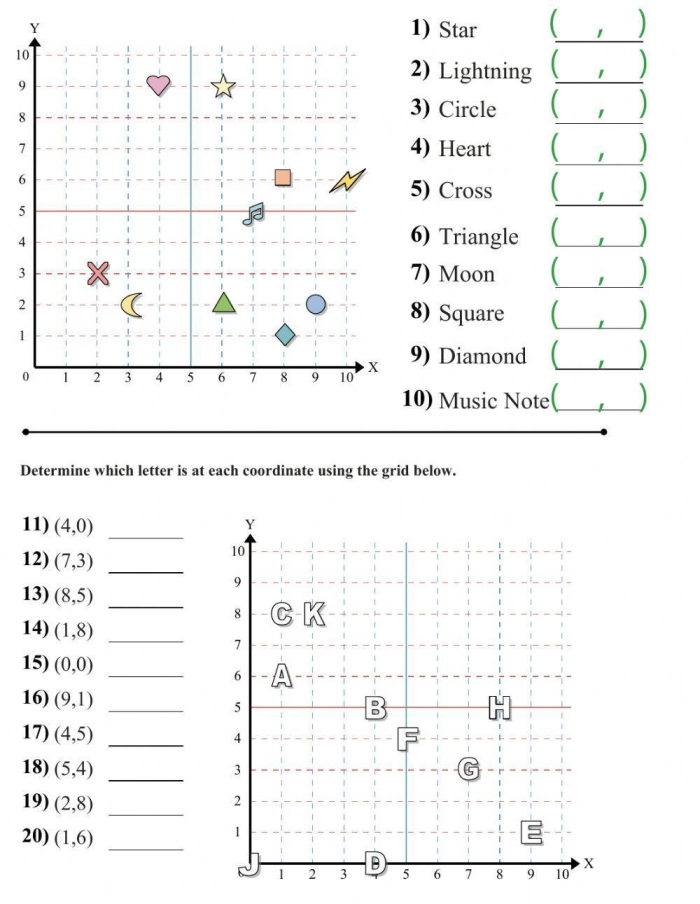
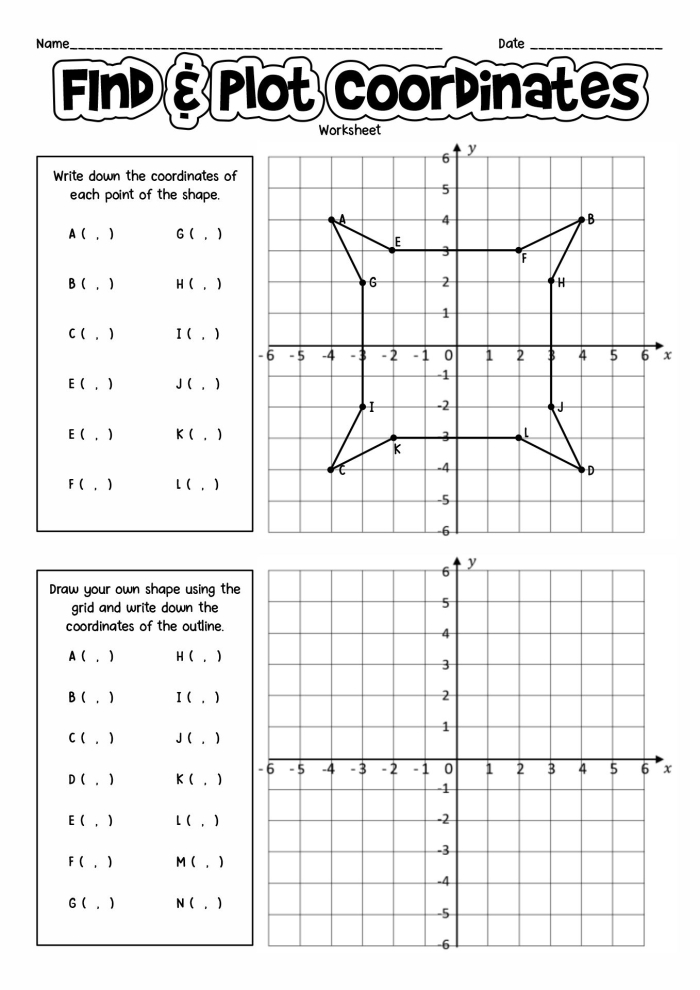
The mechanics are straightforward: students receive a list of coordinates for vertices, plot each point carefully on the coordinate plane, and then connect them in order to reveal the polygon. What makes this exercise valuable is that it bridges the gap between pure computation and geometric visualization. A student might understand that (2, 3) means “two units right and three units up,” but plotting four or five points and connecting them requires sustained attention and accuracy. One misplaced point throws off the entire shape.
This type of practice builds confidence in coordinate geometry at a critical moment in sixth-grade math. Students learn to read coordinates with precision, develop fine motor control with their graphing, and begin to see the relationship between numerical data and visual representation. When they complete a worksheet and see a clear rectangle, triangle, or trapezoid emerge from their work, the abstract suddenly becomes concrete.
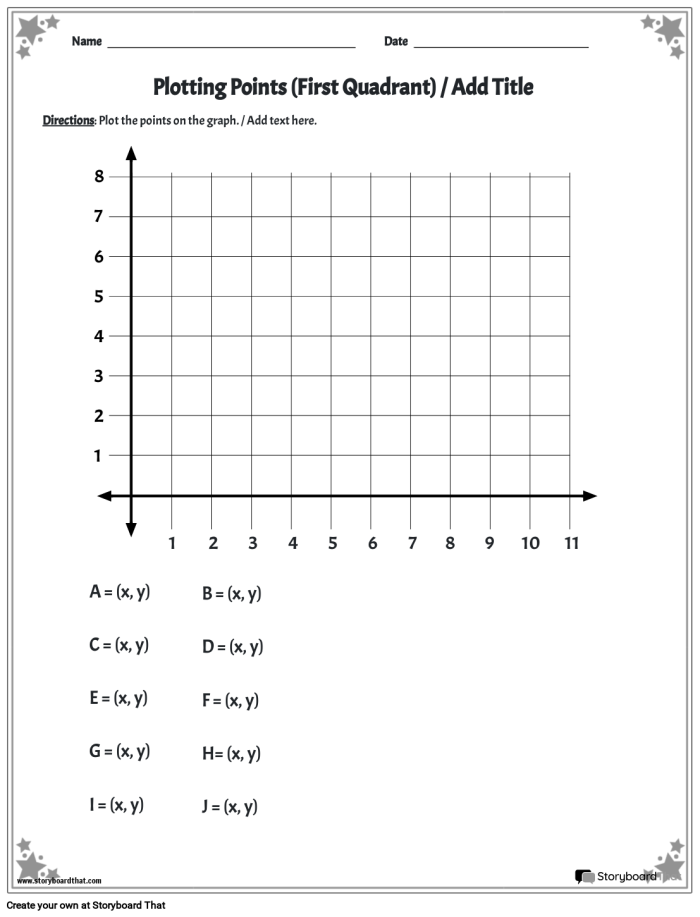
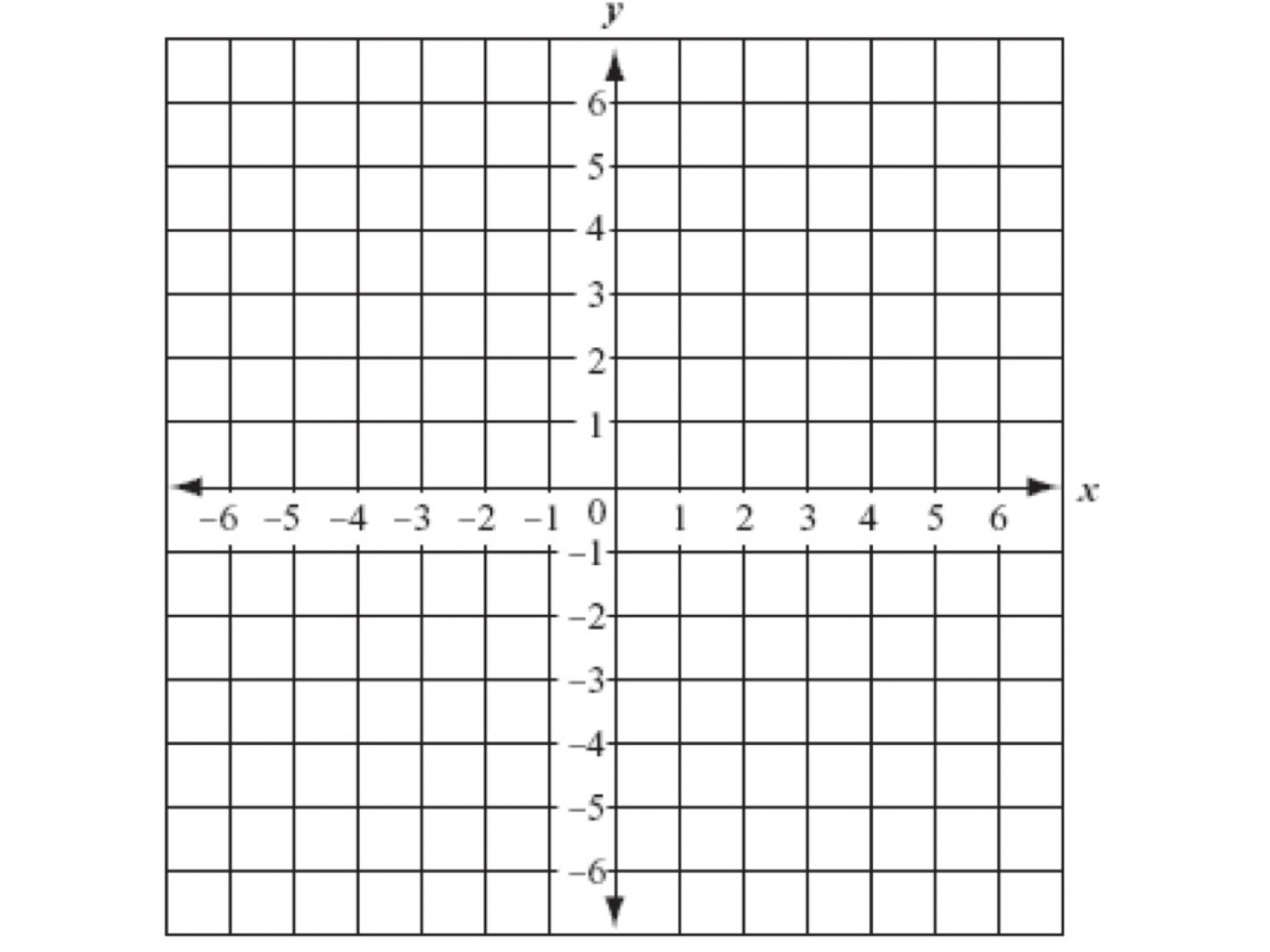
The beauty of this approach is its flexibility. You can create worksheets with simple shapes like rectangles and squares, or challenge students with irregular polygons that require more careful plotting. Some students benefit from coordinate plane shapes geometry worksheets that include grid backgrounds, while others are ready to work on blank coordinate planes.
Beyond the immediate skill-building, these worksheets develop habits that serve students well in higher mathematics. Accuracy matters. Careful reading of instructions matters. Checking your work matters. These lessons stick with students long after they move beyond sixth-grade geometry.
Try These Printable Worksheets