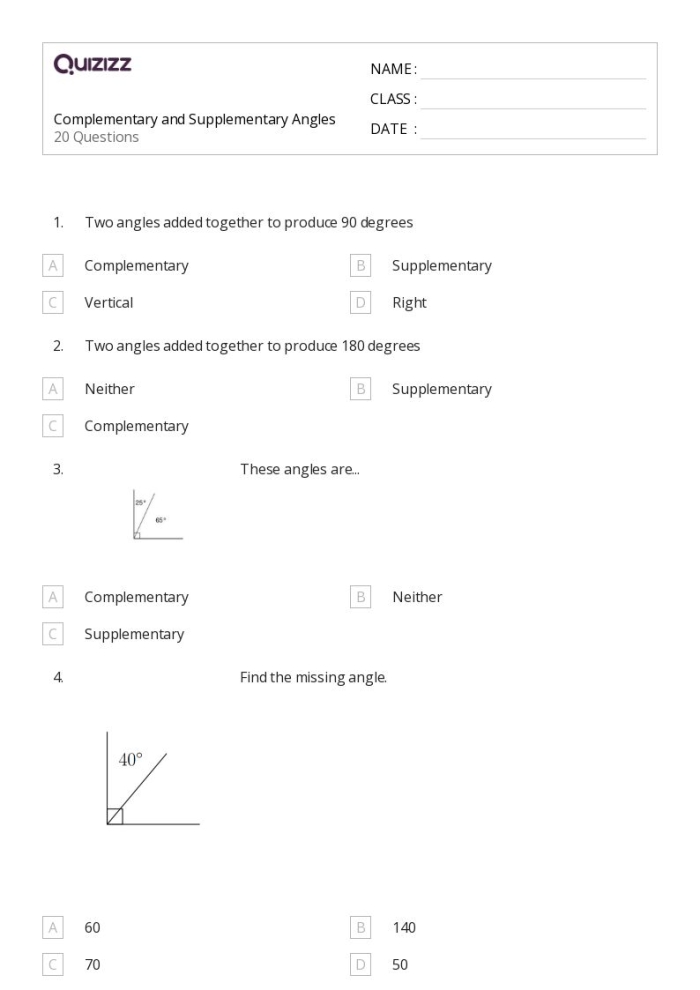
Angles show up everywhere in geometry, and seventh grade is when students start seeing how different angles relate to each other. Two relationships matter most: complementary and supplementary angles. Understanding the difference between them gives students a solid foundation for more complex geometry work ahead.
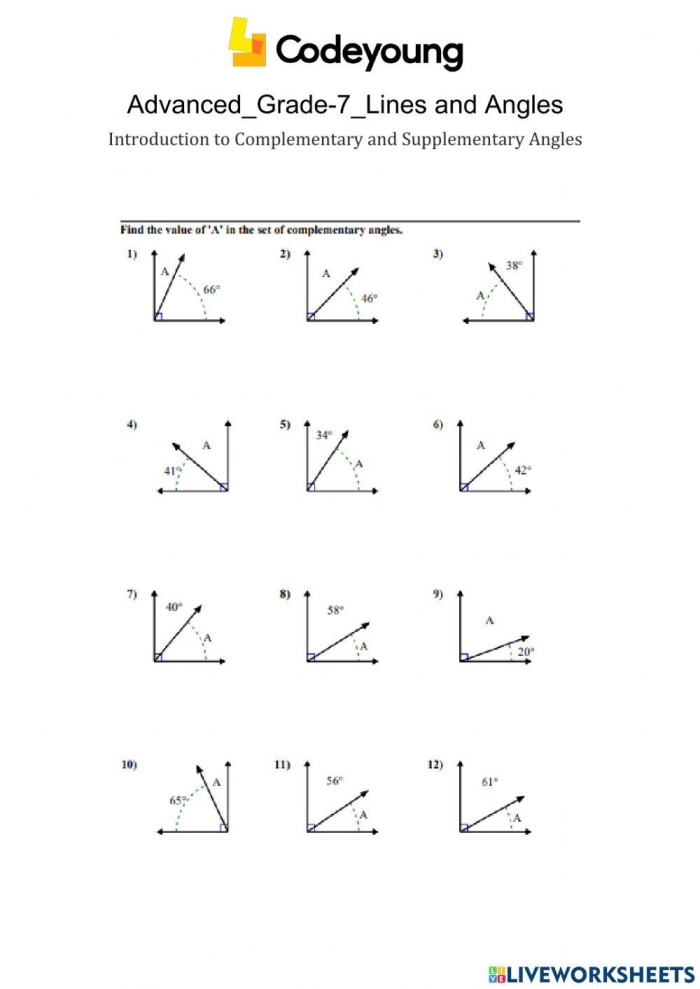
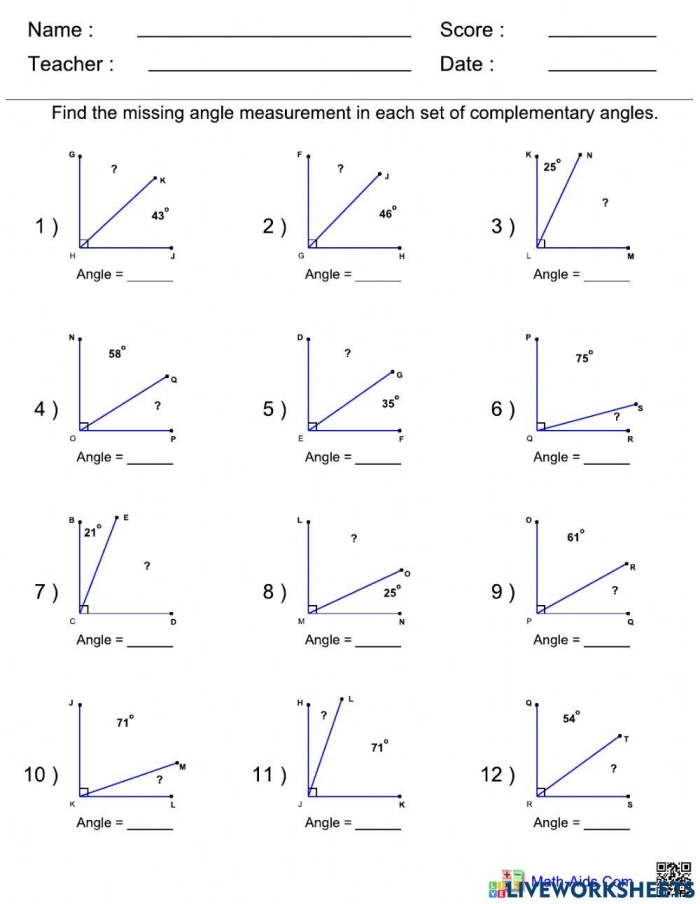
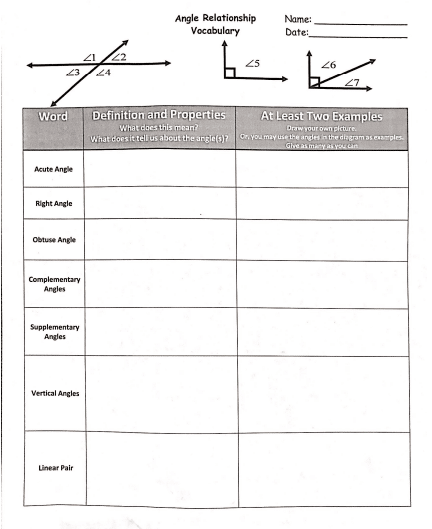
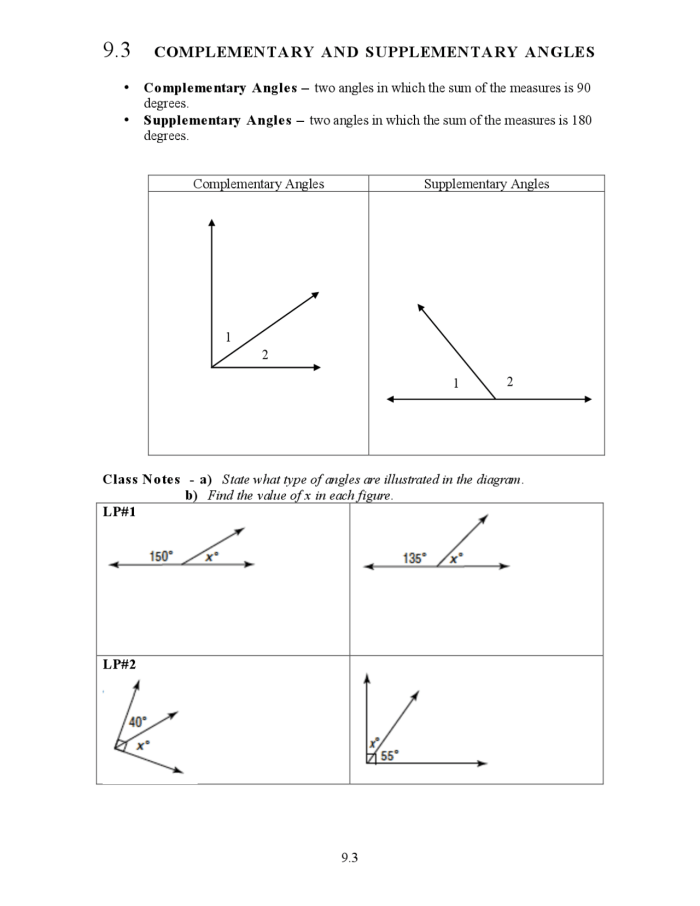
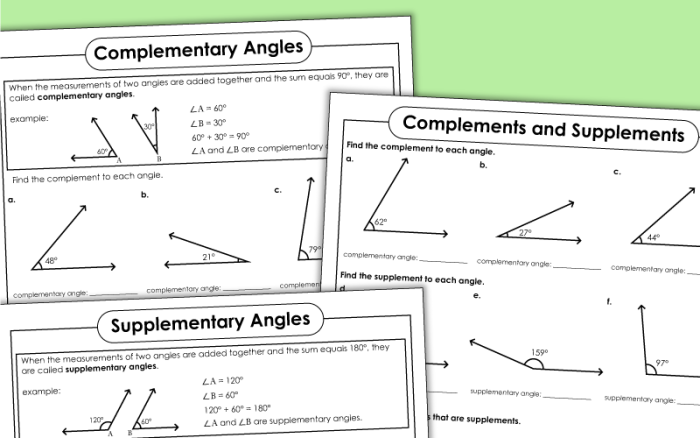
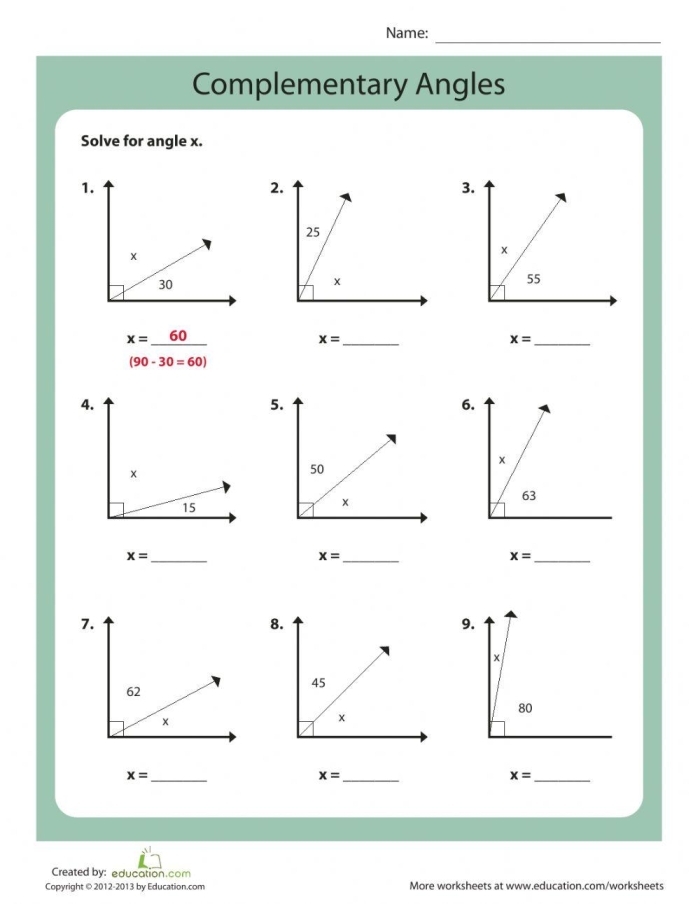
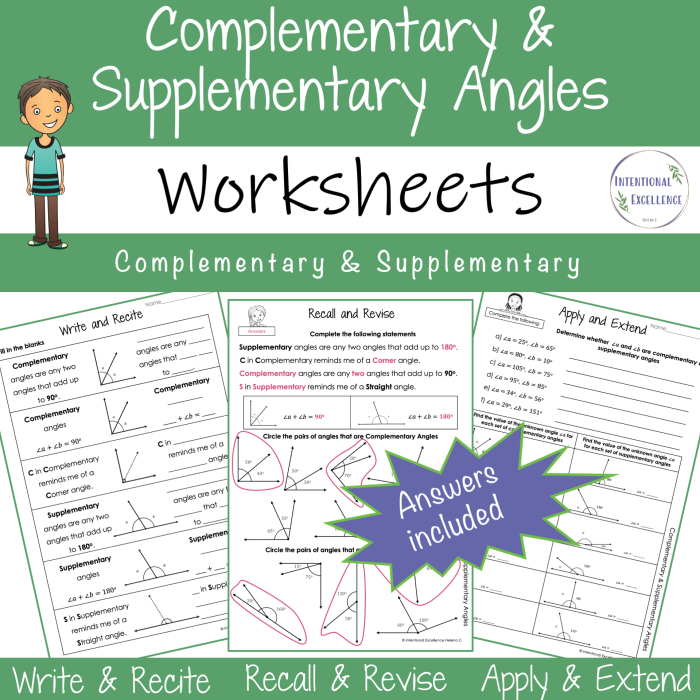
Complementary angles add up to 90 degrees. Think of a right angle, that perfect corner you see in most rooms. If you split that right angle into two smaller angles, those two pieces are complementary. For example, a 30-degree angle paired with a 60-degree angle makes a complementary pair. Students often remember this by thinking of the word “corner” and “complementary” both starting with C.
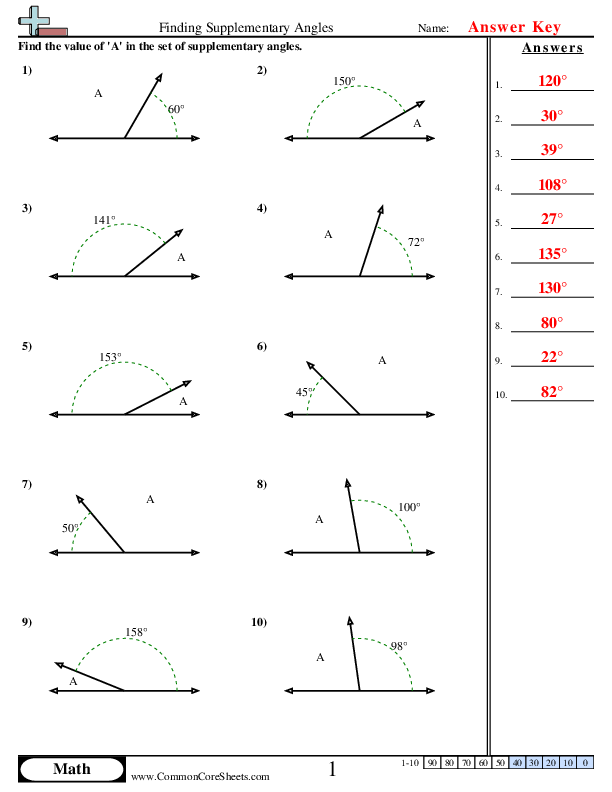
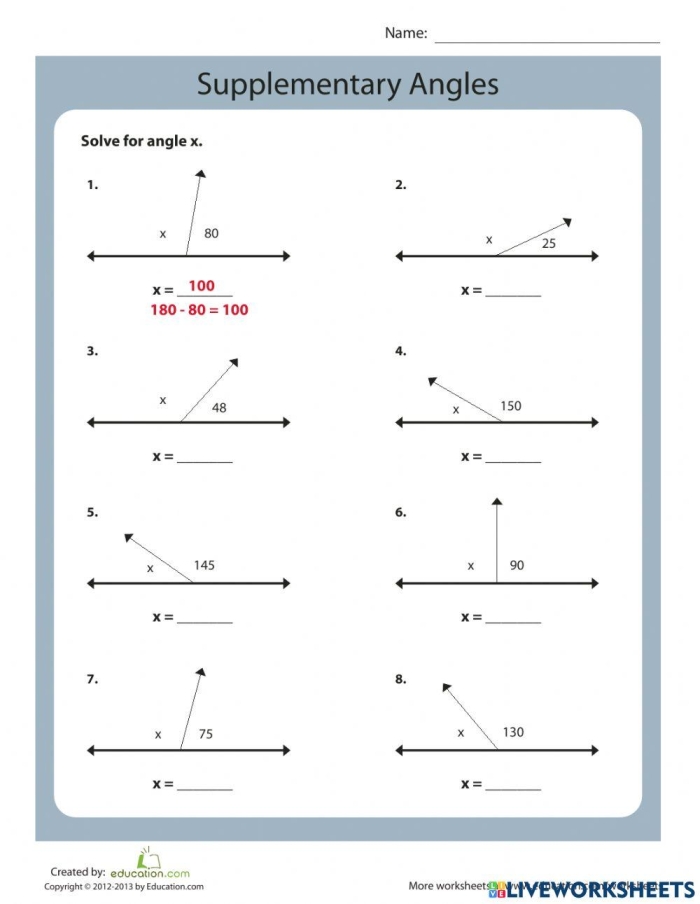
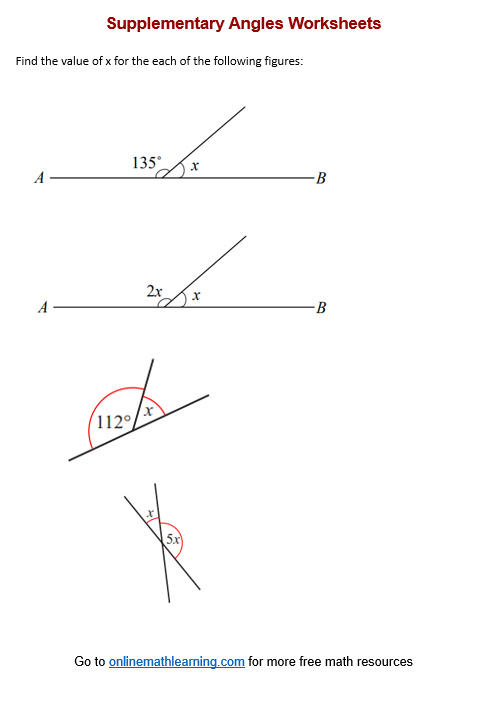
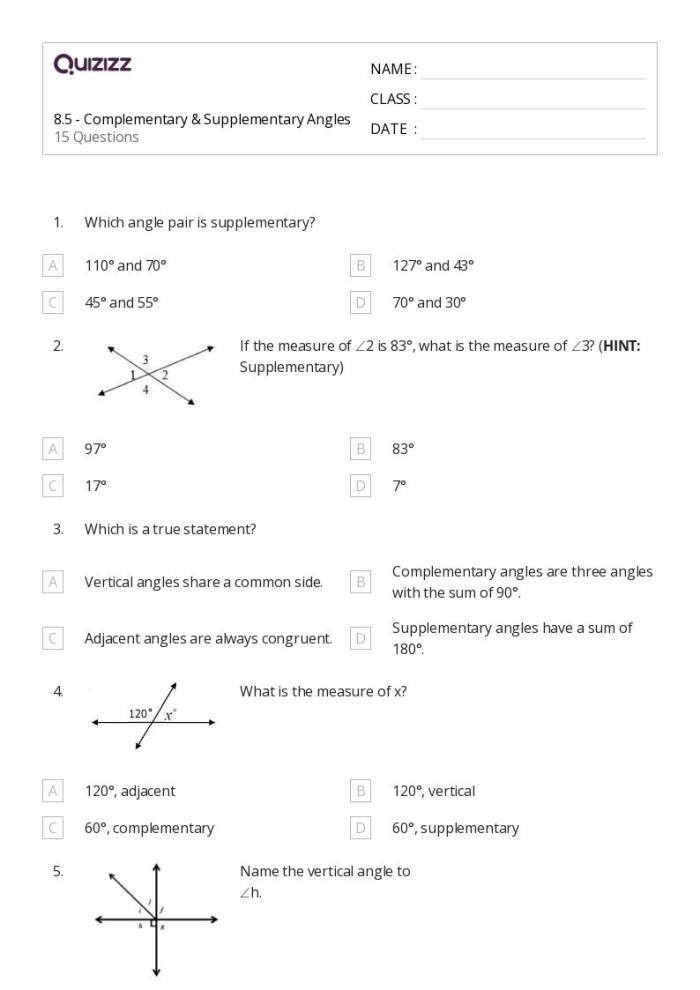
Supplementary angles work the same way, except they add up to 180 degrees instead. A straight line measures 180 degrees, so any two angles that form a straight line together are supplementary. A 120-degree angle and a 60-degree angle are supplementary because they total 180 degrees.
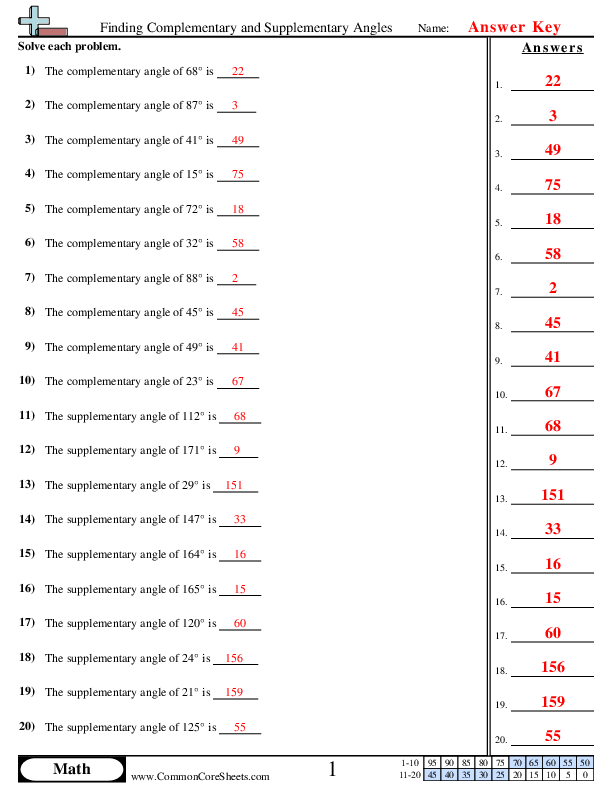
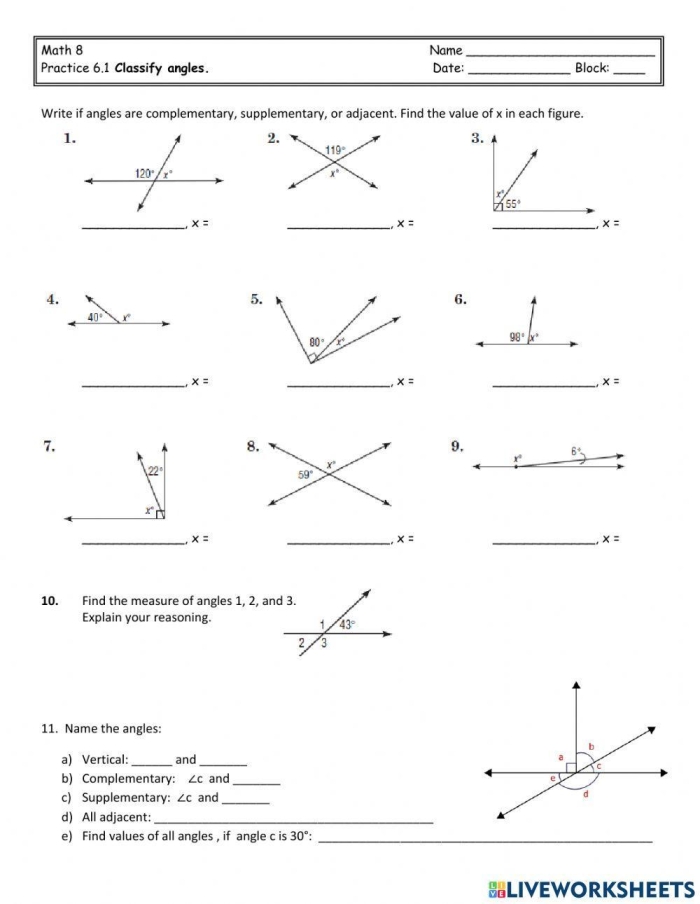
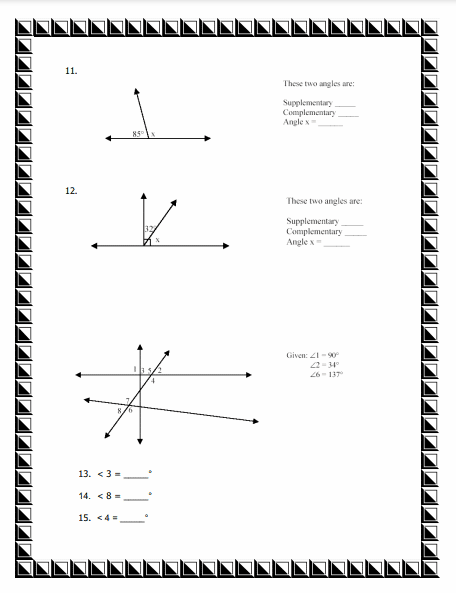
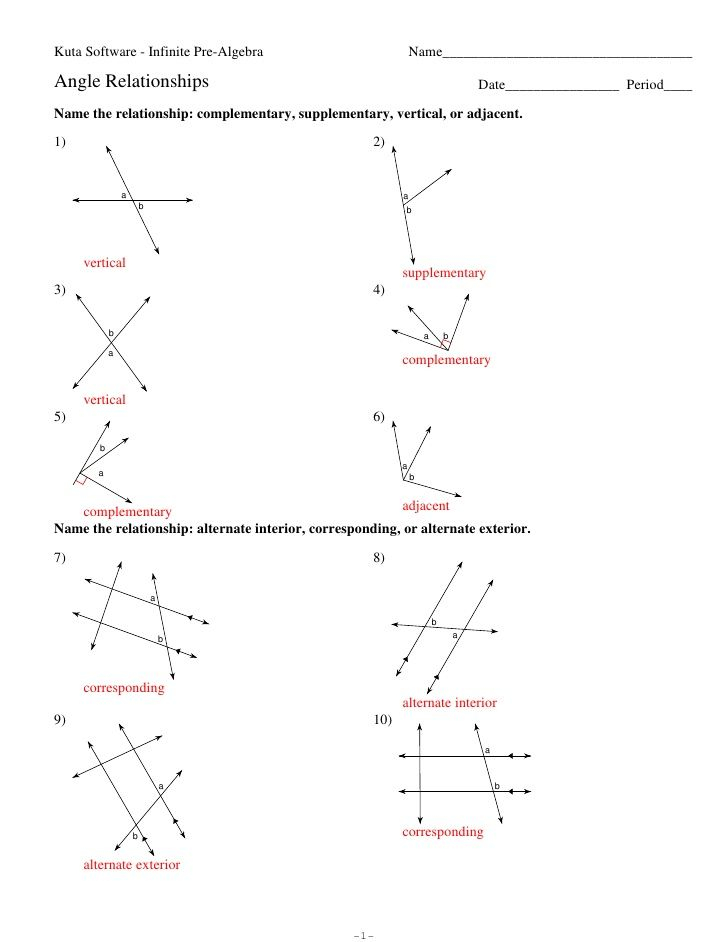
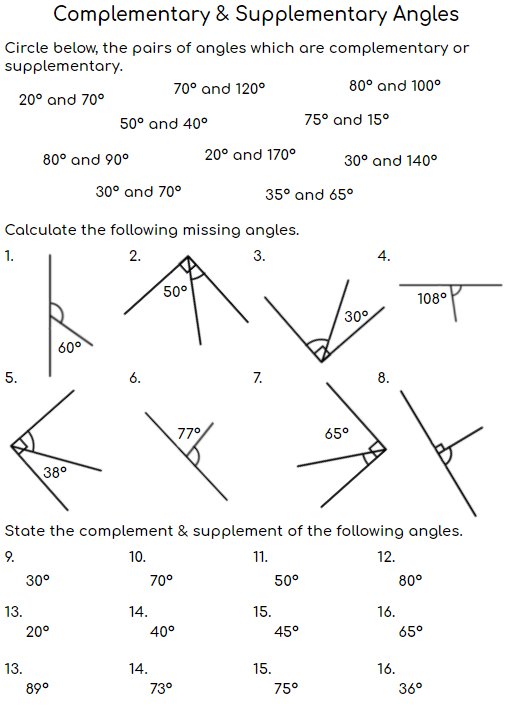
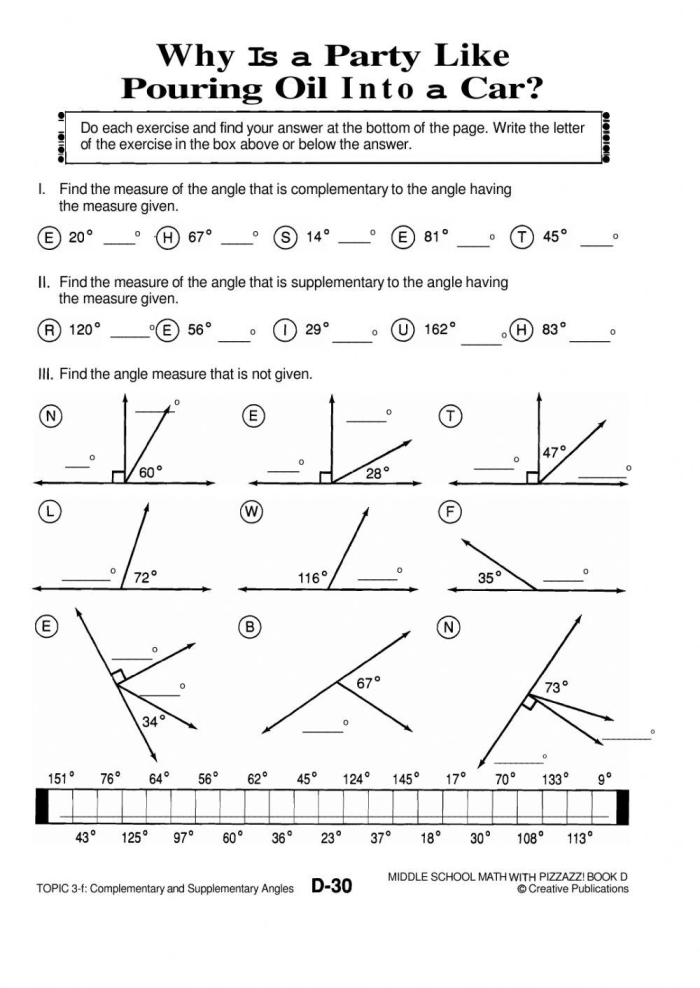
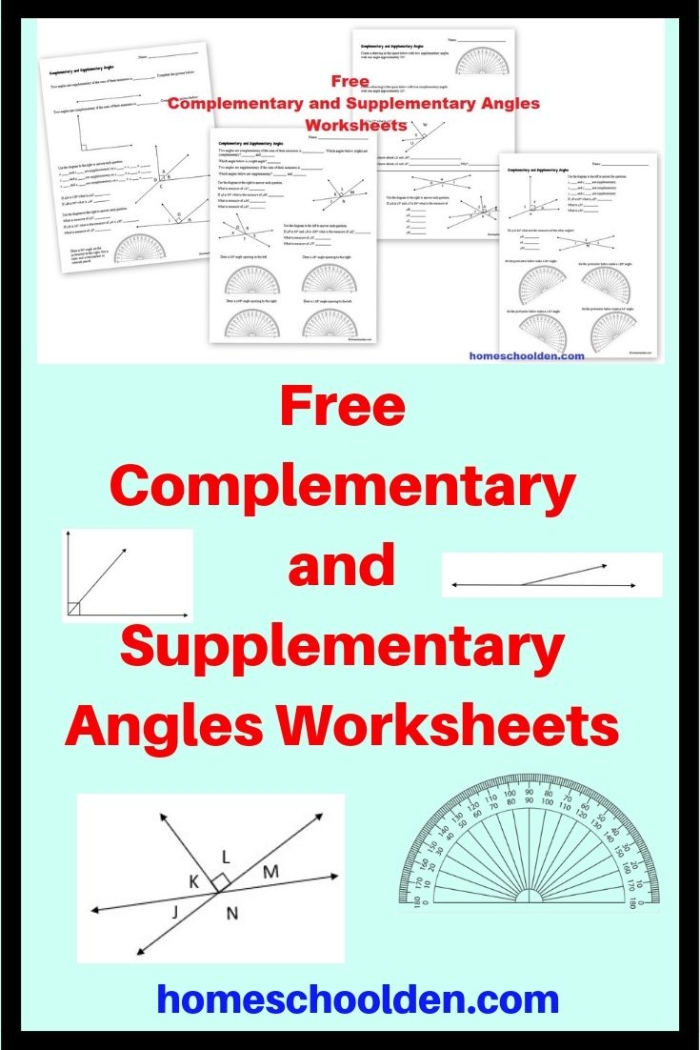
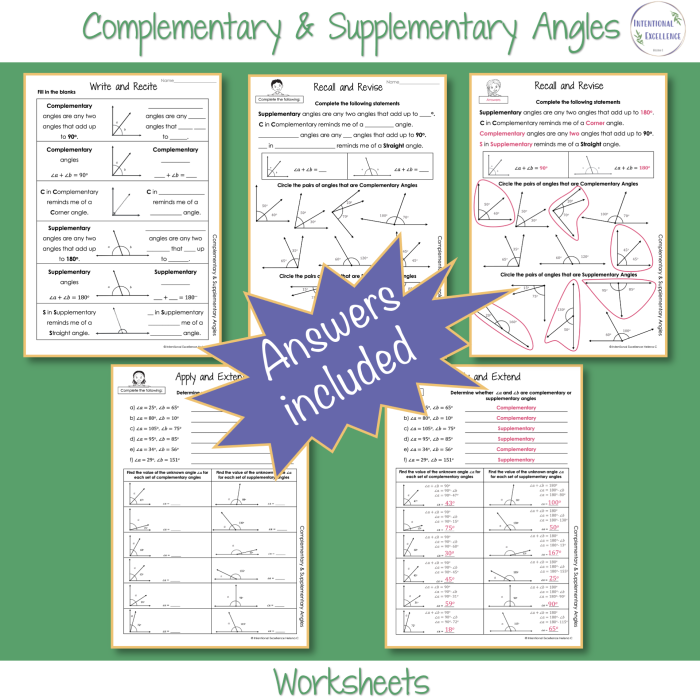
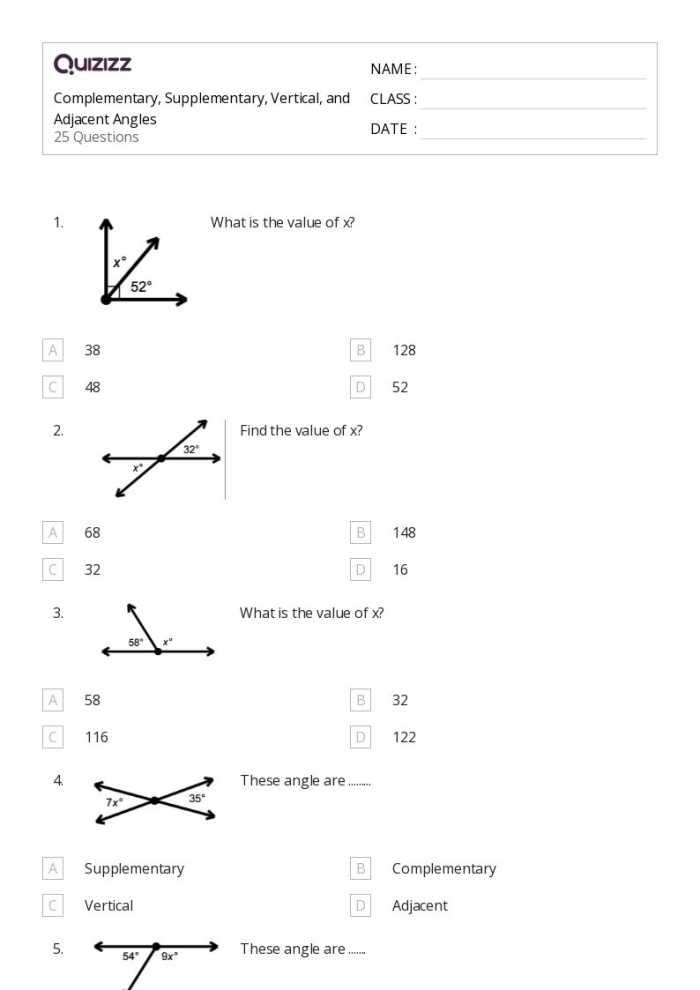
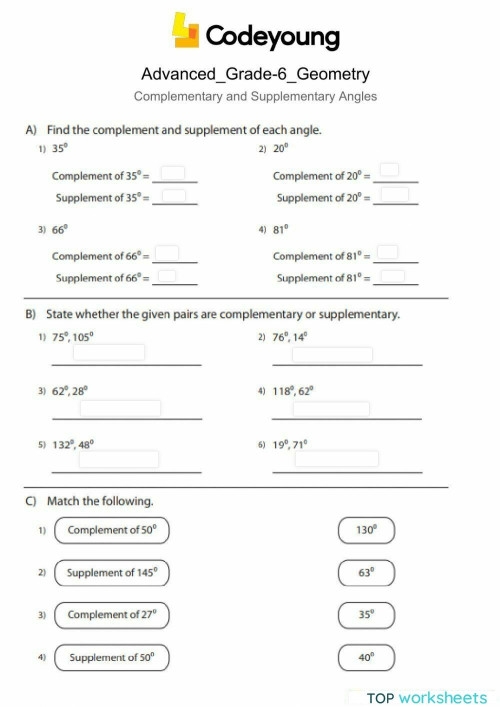
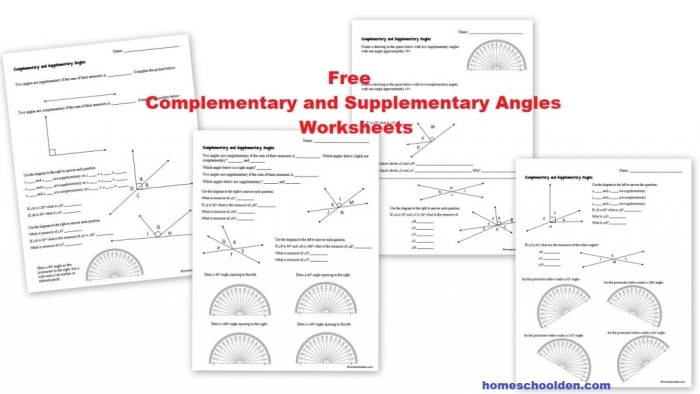
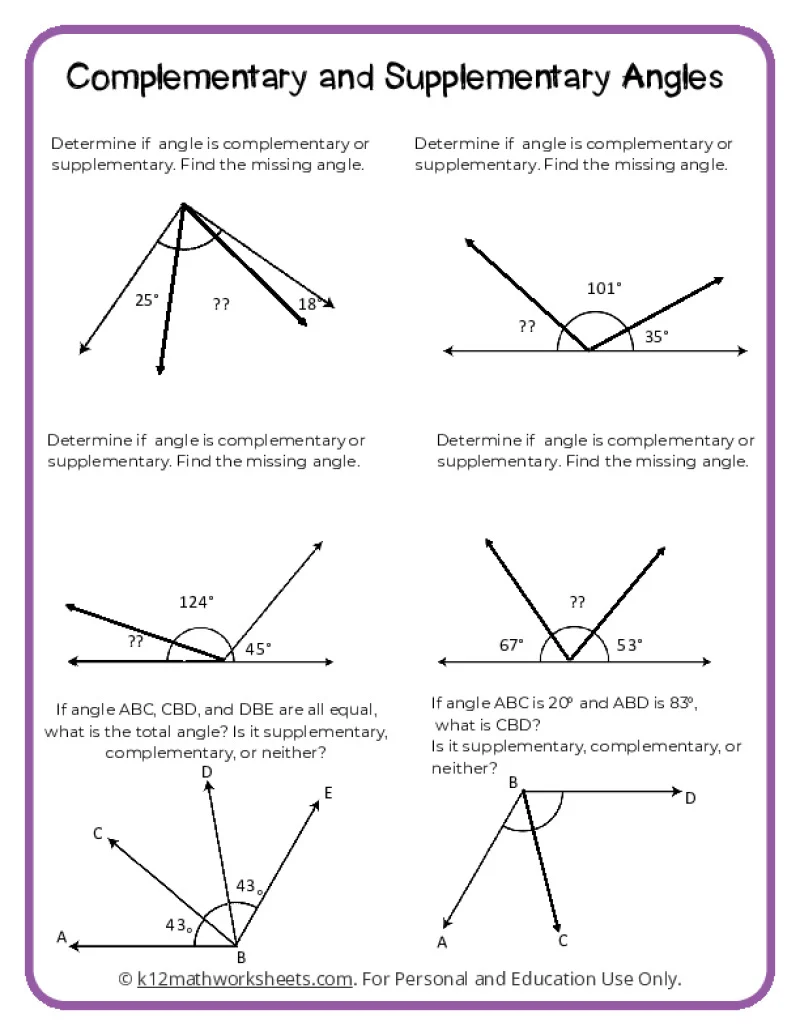
The key difference comes down to the sum: 90 degrees versus 180 degrees. Once seventh graders lock this in, identifying angle pairs becomes straightforward. A worksheet that walks through several examples helps cement the concept through practice. Working through problems where students calculate missing angles, or identify whether given pairs are complementary or supplementary, builds real confidence.
Pairing angle practice with other seventh grade topics strengthens overall math skills. For instance, understanding angles connects to work with geometry and integer operations, and angle problems often appear in word problems involving real-world scenarios. A focused worksheet on complementary and supplementary angles gives students the practice they need to move forward confidently in geometry.
Start Practicing with These Worksheets