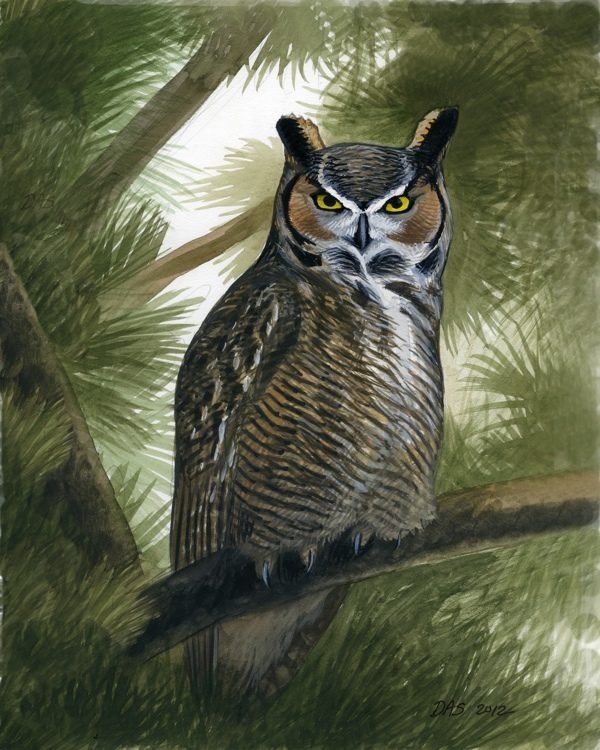
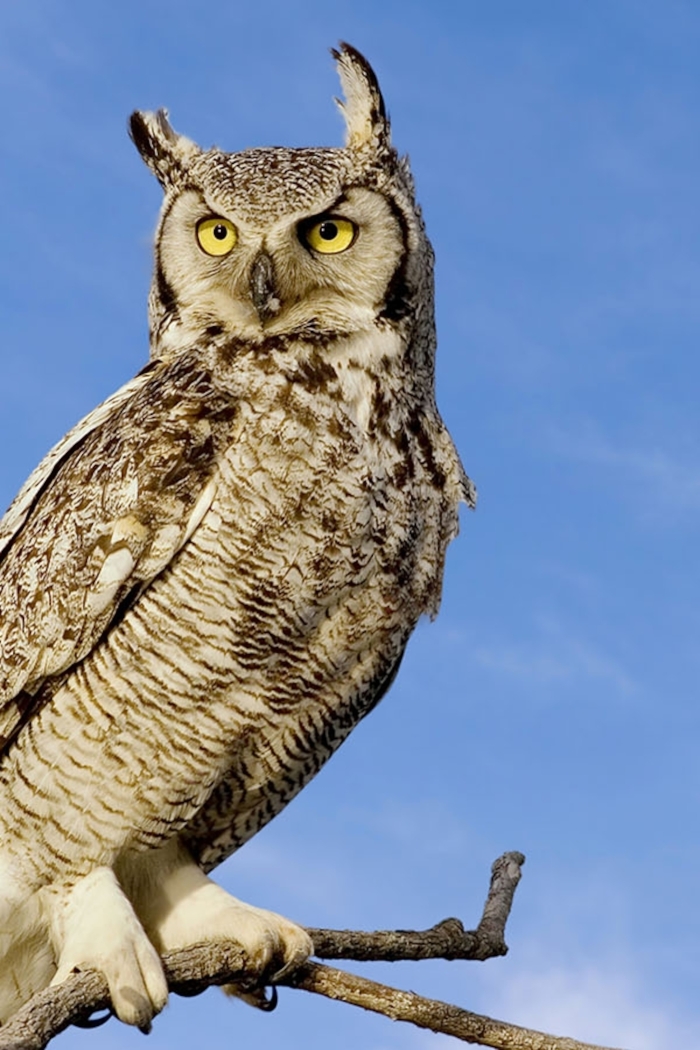
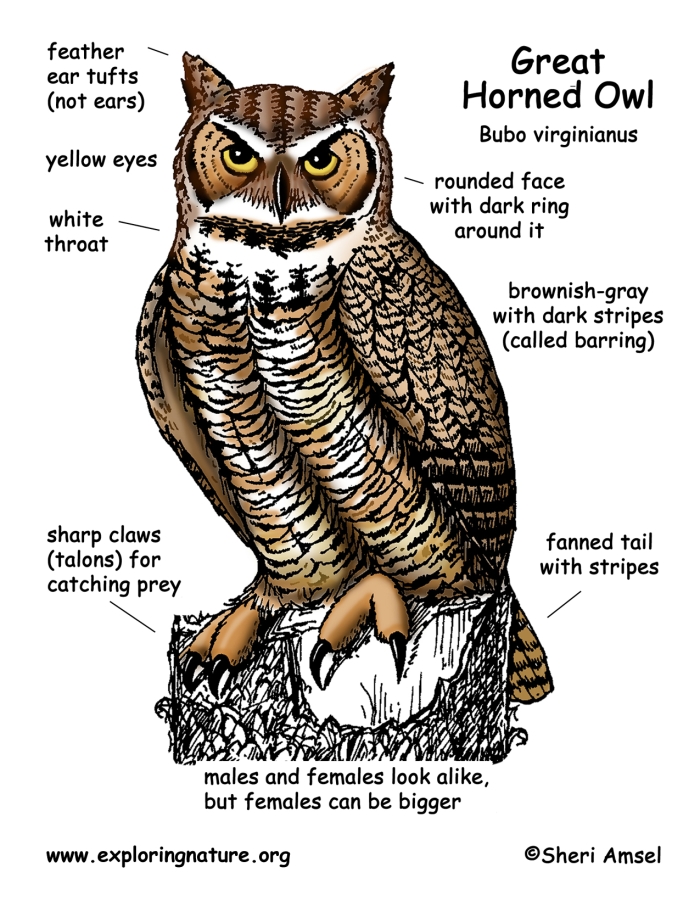
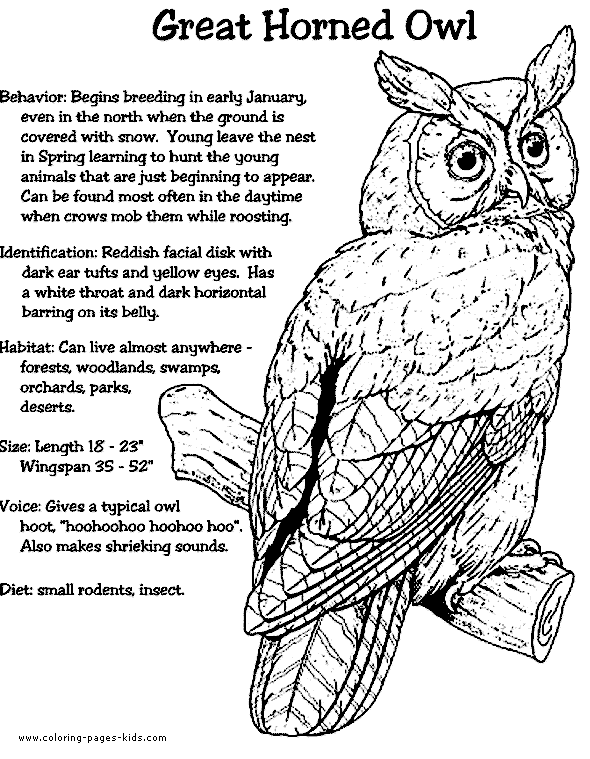
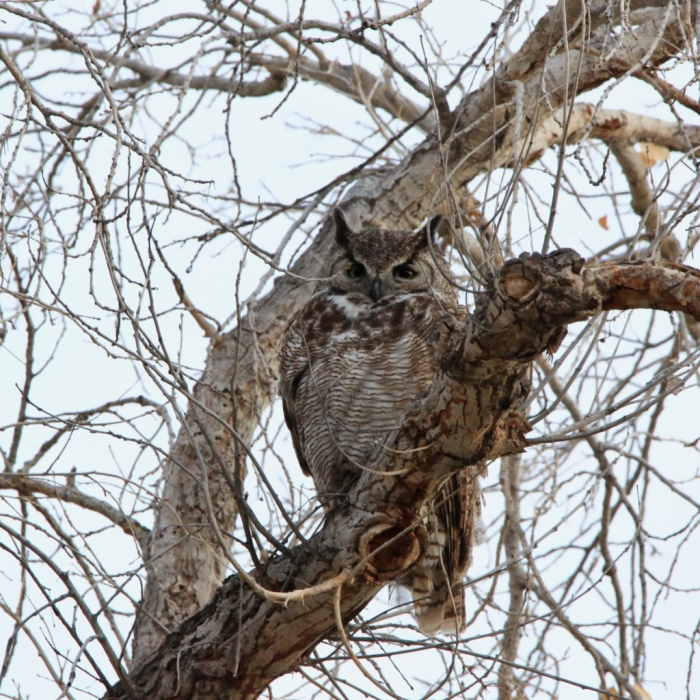
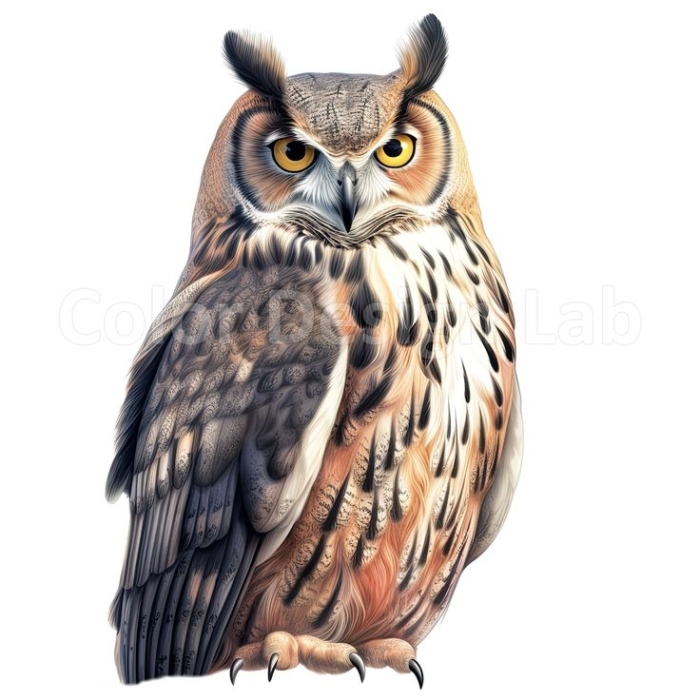
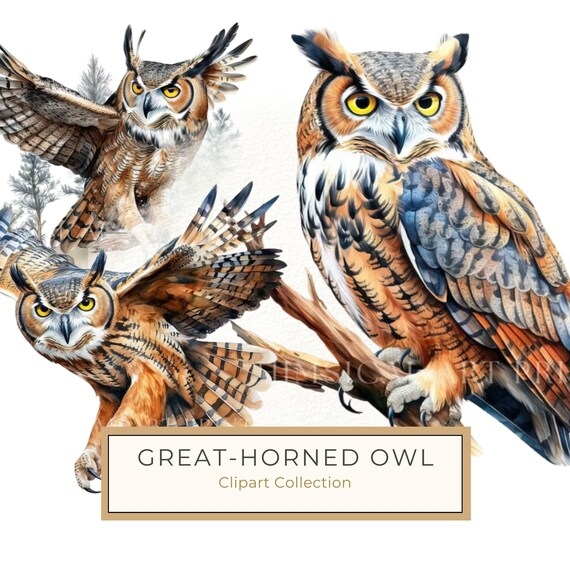
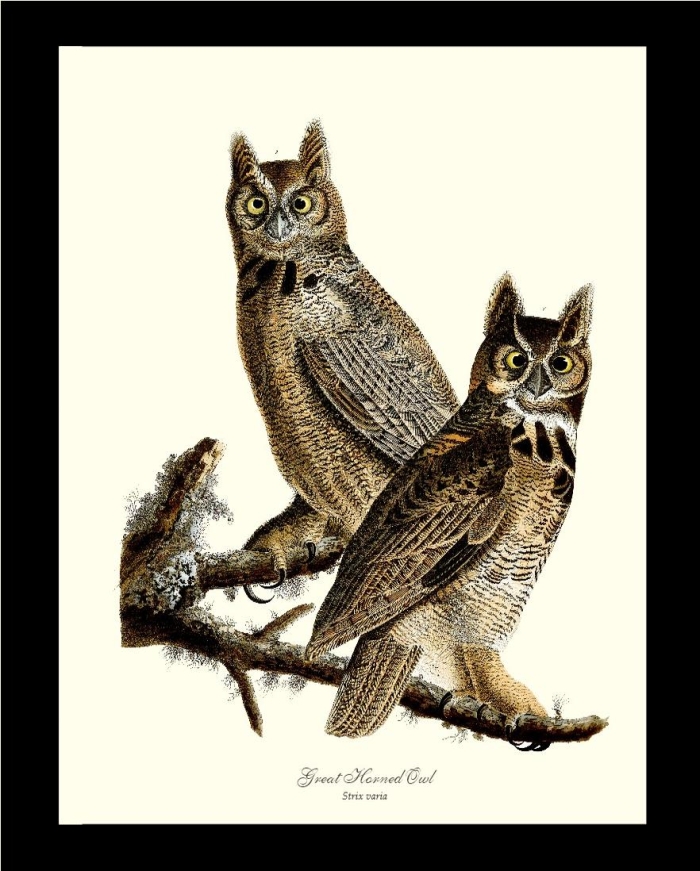
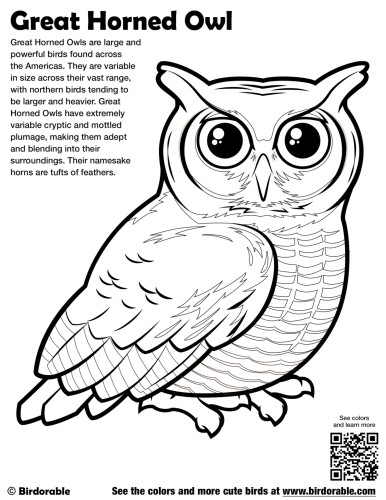
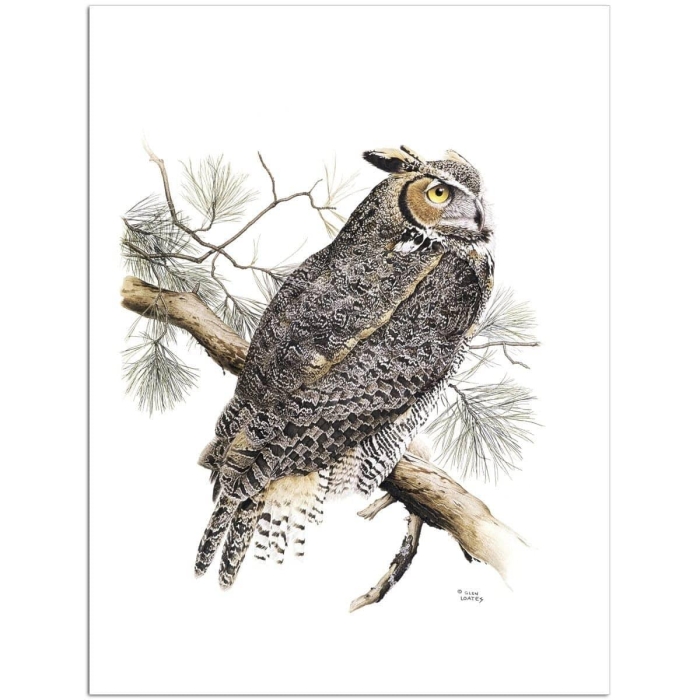
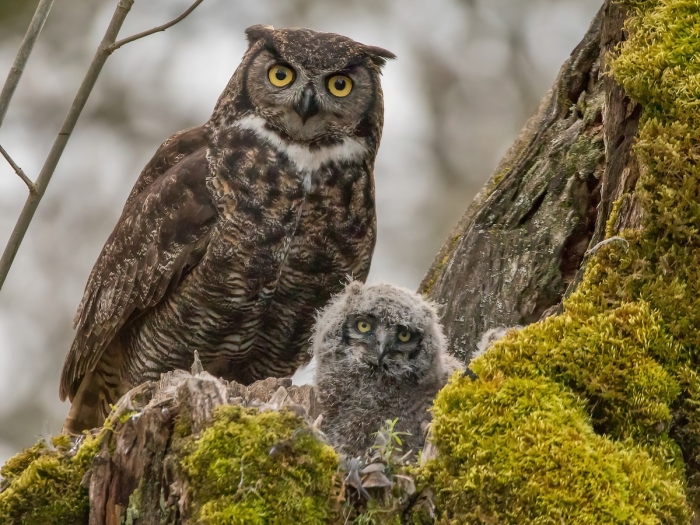
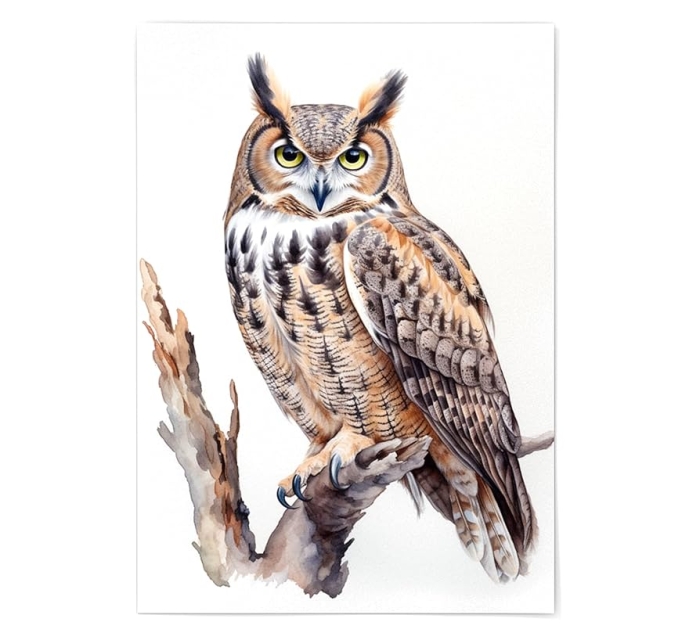
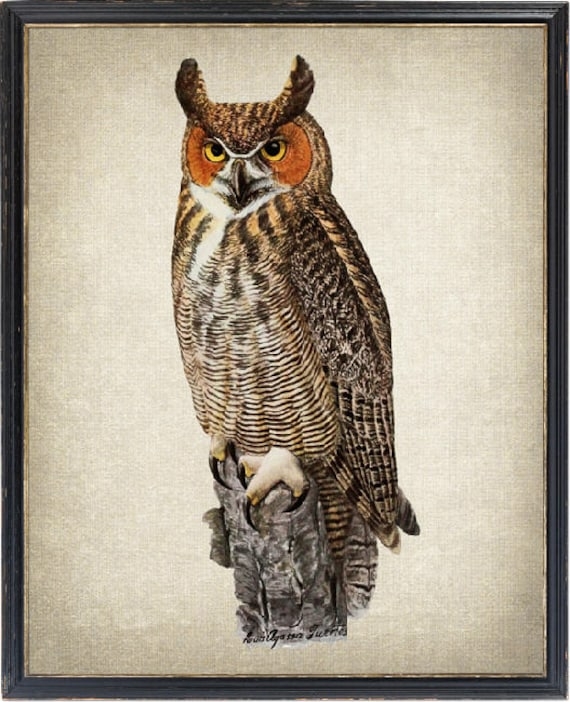
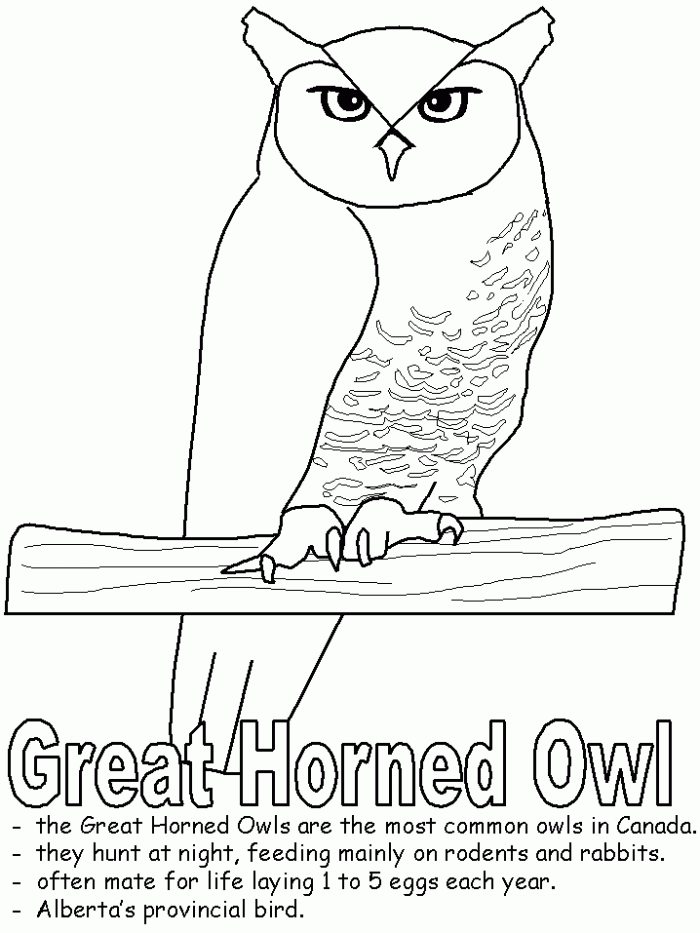
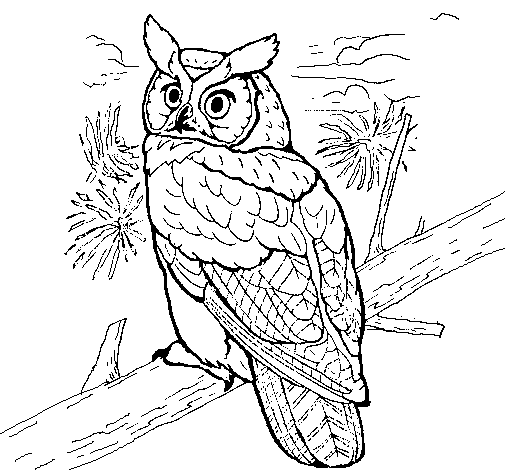
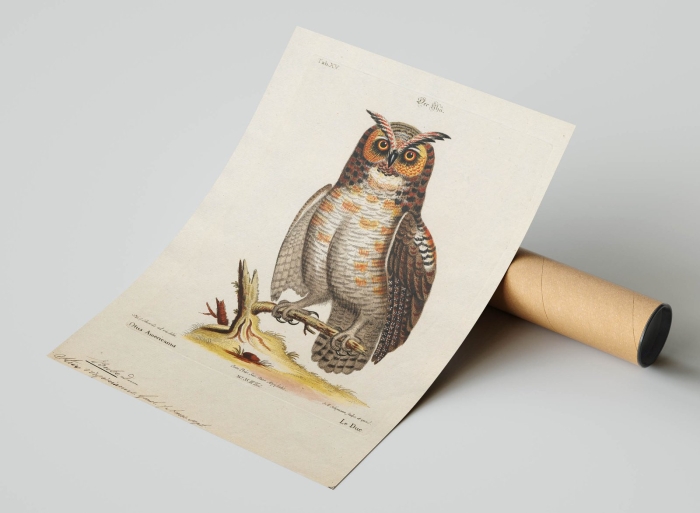
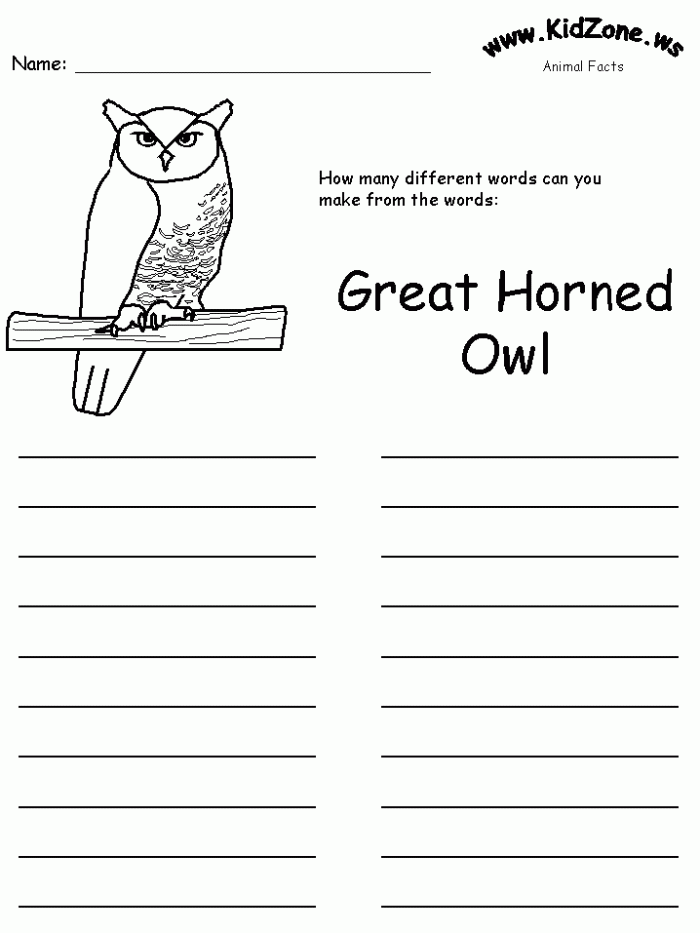
The great horned owl earns its fearsome nickname, “tiger owl,” through sheer size and predatory skill. Yellowstone National Park hosts a thriving population of these birds, and watching one hunt at dusk reveals why early naturalists compared them to big cats. With a wingspan reaching nearly five feet and talons as sharp as daggers, a great horned owl can snatch prey weighing up to three pounds straight from the ground or water.
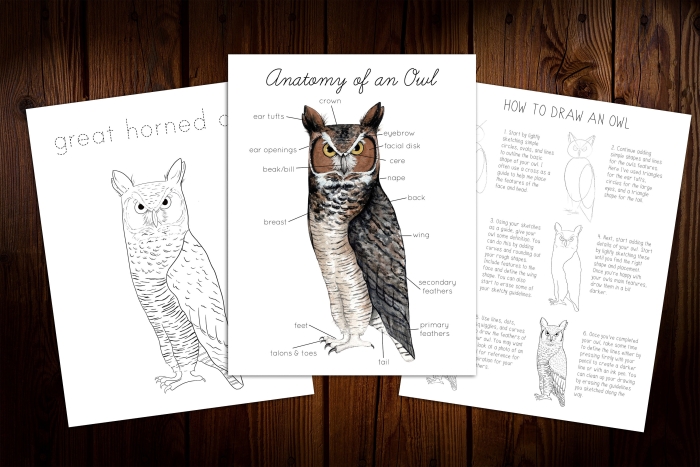
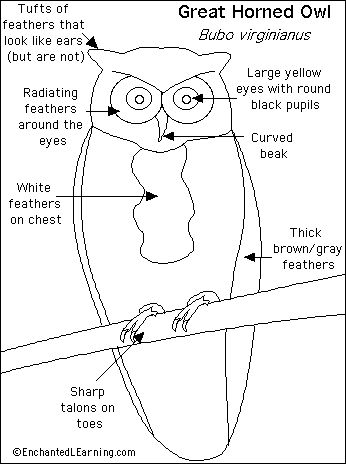
What makes these owls so effective hunters is their combination of silent flight and exceptional hearing. Their ear tufts, which give them their distinctive appearance, actually help direct sound waves toward their ears. This means a great horned owl can locate a mouse moving beneath snow or leaves in near-total darkness. In Yellowstone, they hunt rabbits, squirrels, and smaller birds, playing a crucial role in controlling rodent populations throughout the park’s ecosystems.
These owls are year-round residents of Yellowstone, unlike many bird species that migrate seasonally. They nest early, often claiming abandoned nests from eagles or hawks by mid-winter. By spring, young owls are already learning to hunt. For third grade life science students, great horned owls demonstrate how predators adapt to their environments through specialized features like silent wings and powerful talons. Understanding these adaptations helps explain how different animals survive and thrive in specific habitats.
If you’re teaching about Yellowstone’s wildlife, great horned owls deserve attention alongside other apex predators. Like learning about wolf life science or black bear biology, studying these owls reveals how nature maintains balance. Their presence in the park demonstrates that predators come in many forms, and each plays a vital role in keeping ecosystems healthy.
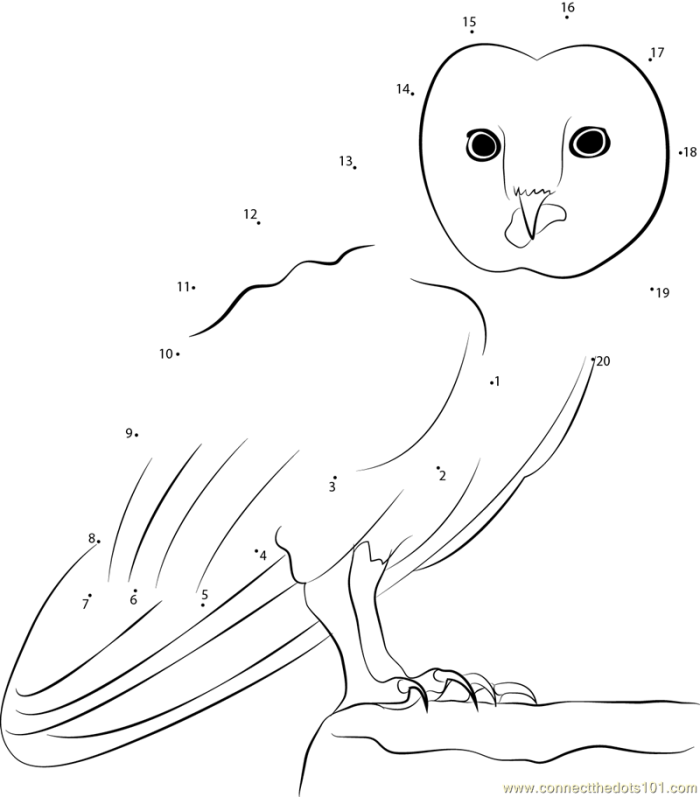
Try These Printable Worksheets