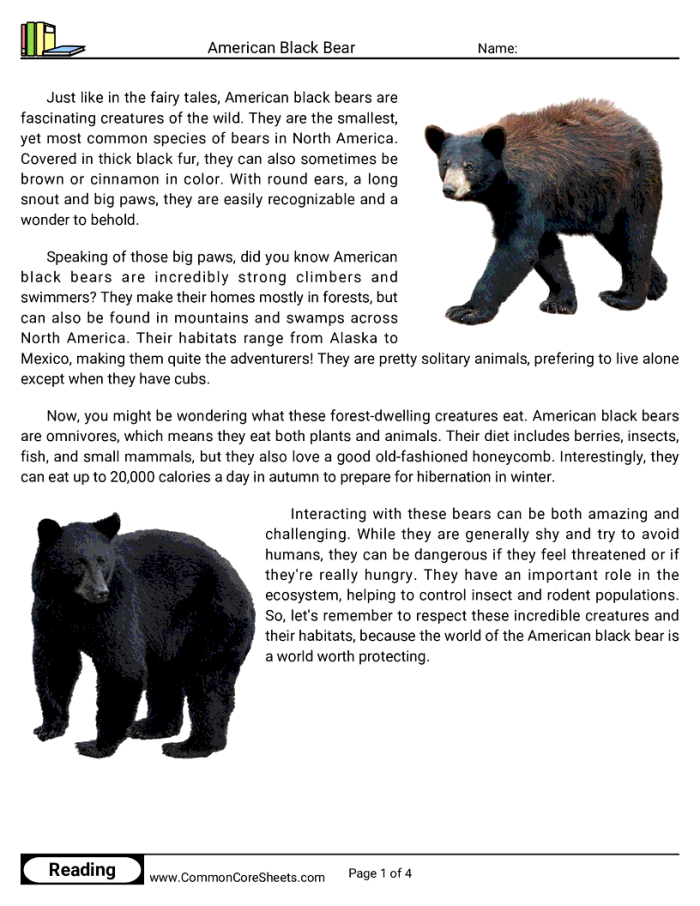
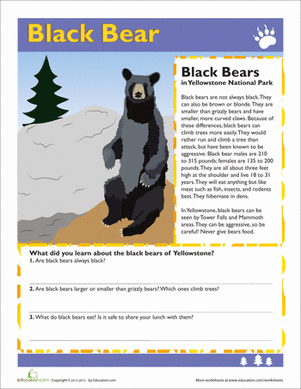
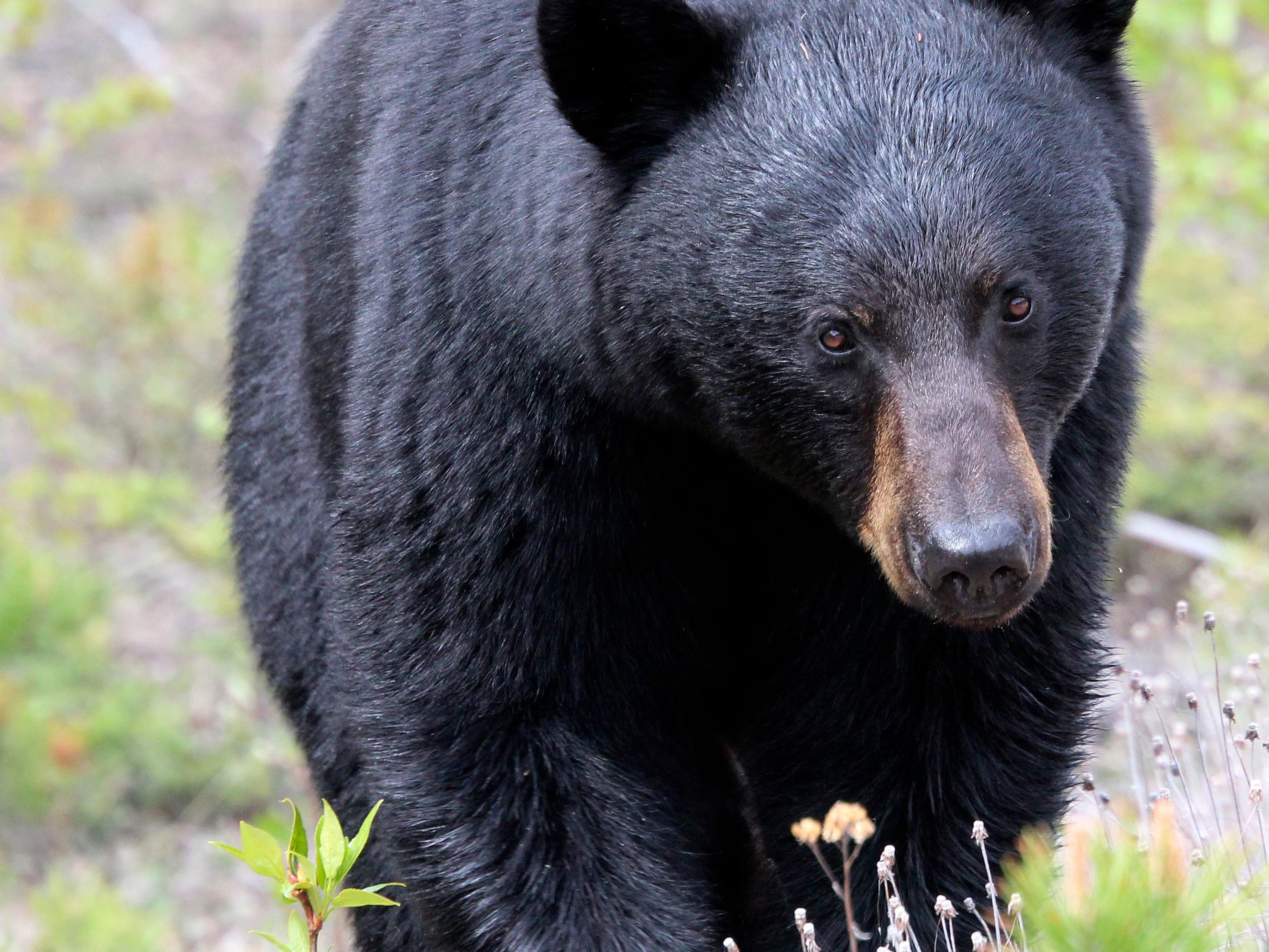
Black bears roam Yellowstone National Park in surprising numbers, and understanding their behavior tells you a lot about how wildlife adapts to human presence. These bears are smaller than their grizzly cousins, typically weighing between 200 to 300 pounds, with sleek black fur and a distinctive straight profile on their snout. Unlike grizzlies, black bears have learned to thrive alongside park visitors by becoming opportunistic feeders, though this has created ongoing challenges for park management.
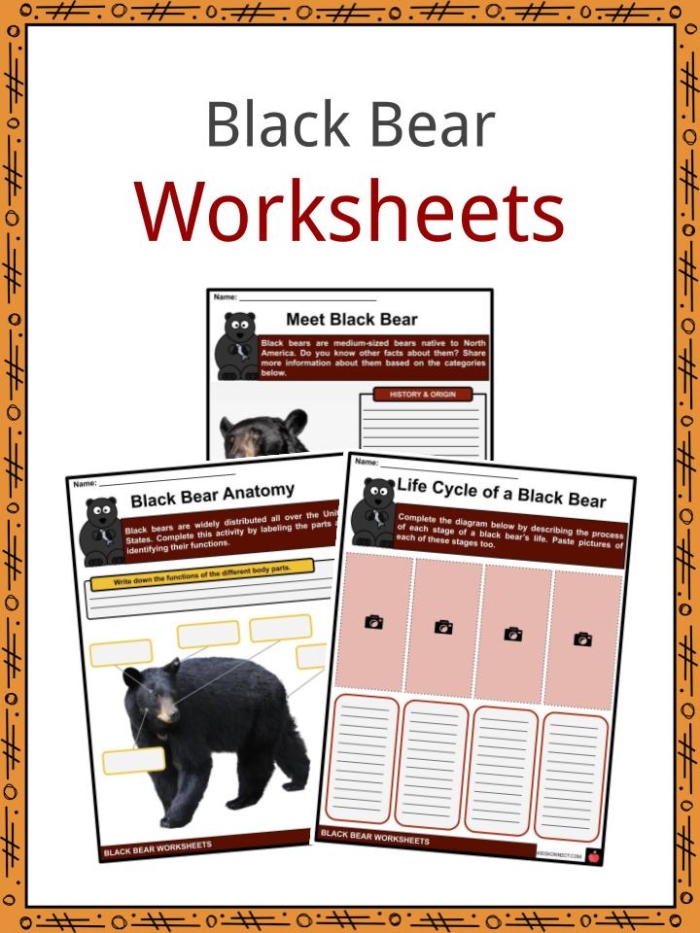
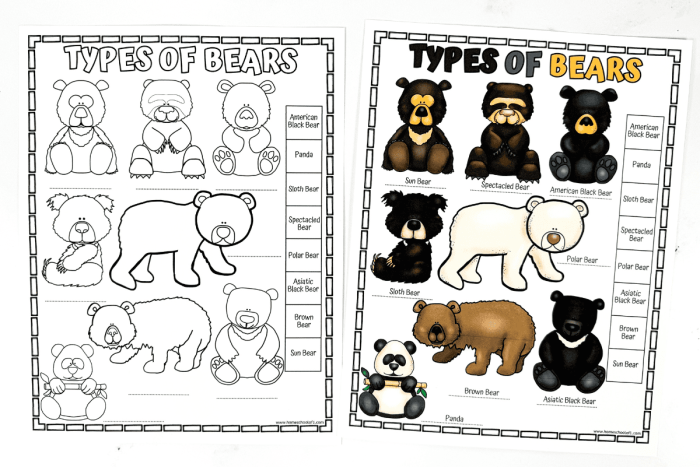
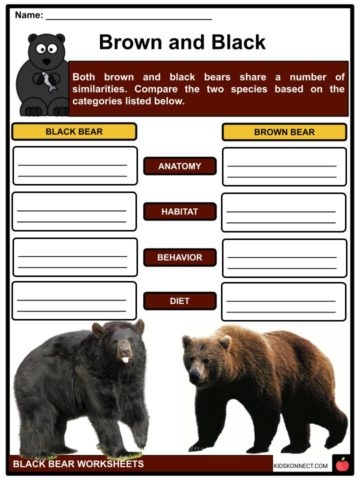
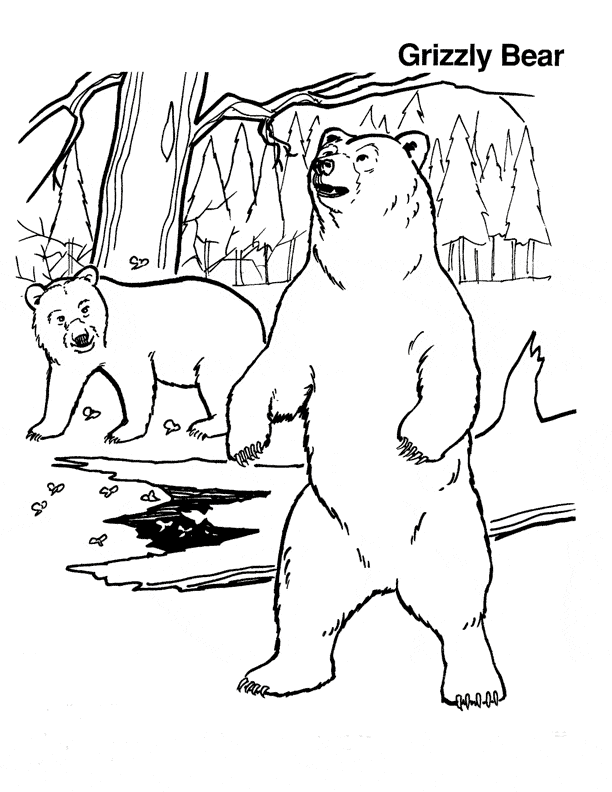
What makes Yellowstone’s black bears particularly interesting is their seasonal rhythm. In spring, they emerge from winter dens hungry and focused on finding food, often turning over logs and rocks to hunt for insects. By summer and fall, they shift their diet to berries, nuts, and vegetation. This natural feeding pattern is something third grade life science students can observe through wildlife photography and field guides. Teachers often use grizzly bear life science worksheets alongside black bear studies to help students compare and contrast different bear species.
The real tension in Yellowstone comes from bears discovering human food. A bear that finds garbage, camper snacks, or improperly stored provisions becomes habituated, returning again and again. Park rangers have worked for decades to reduce these encounters through stricter food storage rules and bear-proof containers. When bears get too comfortable around people, wildlife officials sometimes have no choice but to relocate or euthanize them.
For young learners interested in wildlife, studying black bears connects directly to broader ecological concepts. You can pair bear research with math skills by solving time problems about bear hibernation cycles or analyzing their population numbers. Understanding how these bears navigate their environment helps third graders grasp why protecting wild spaces matters for animal survival.
Grab These Worksheets Now