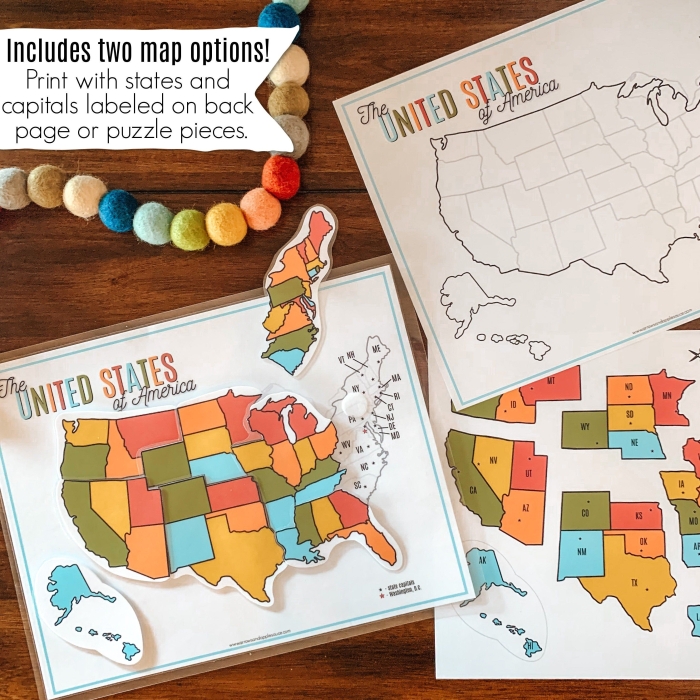
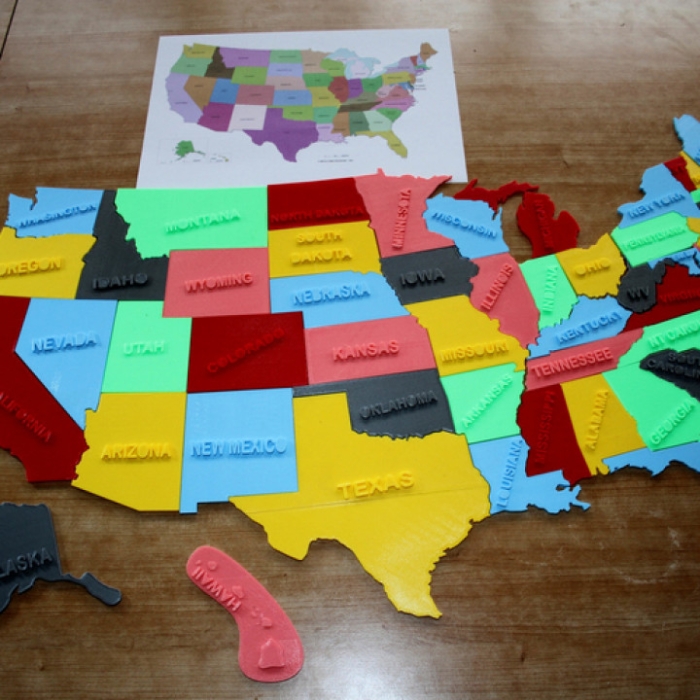
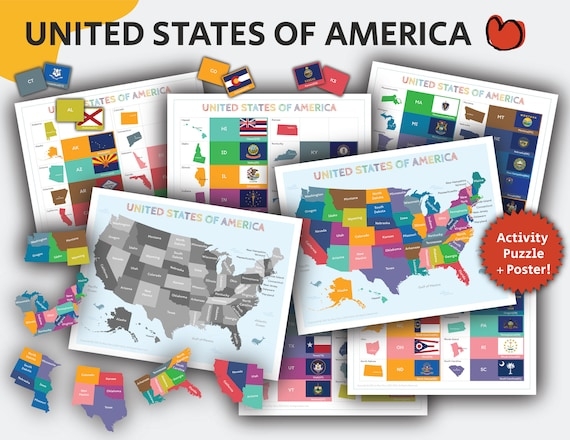
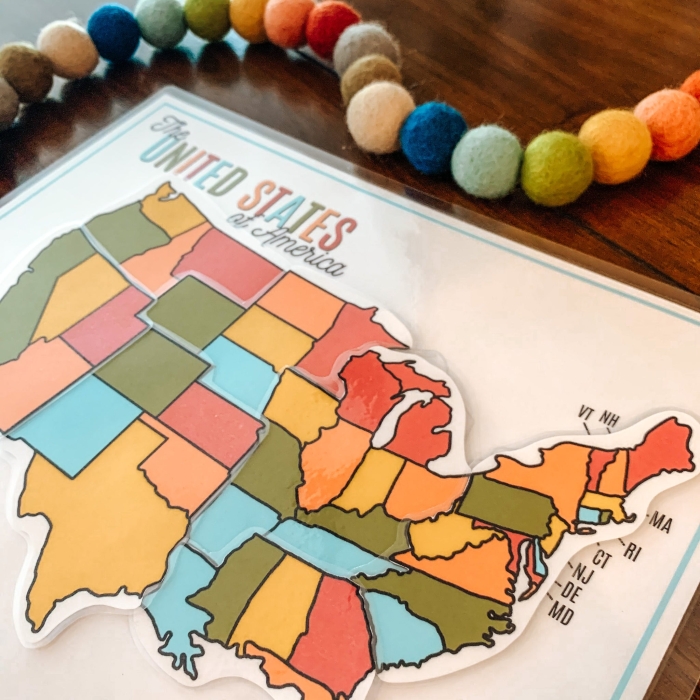
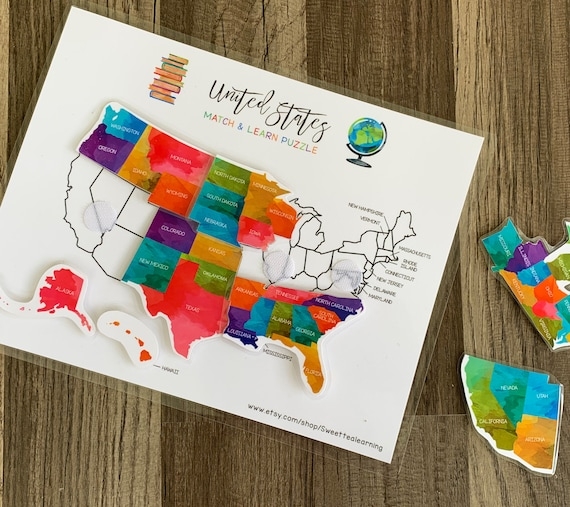
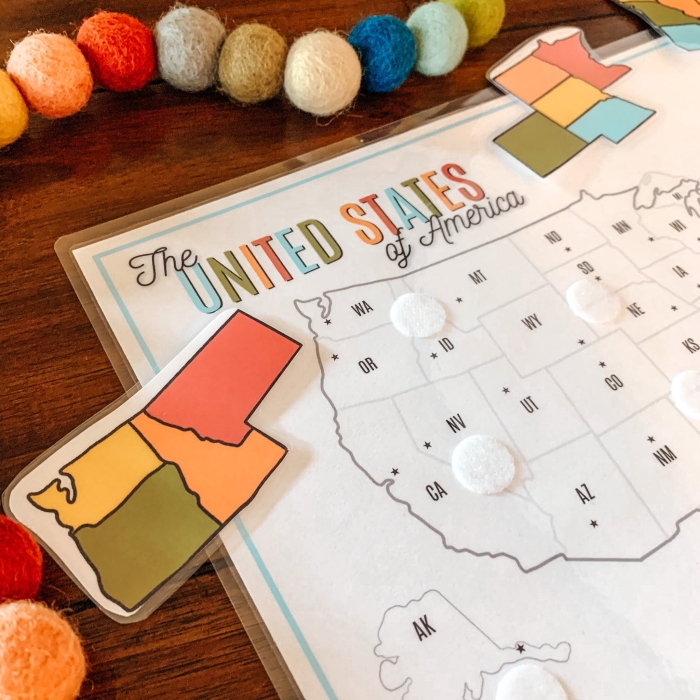
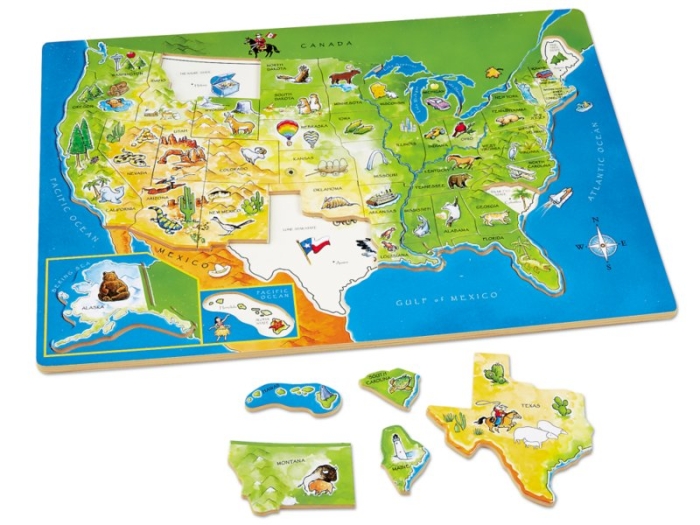
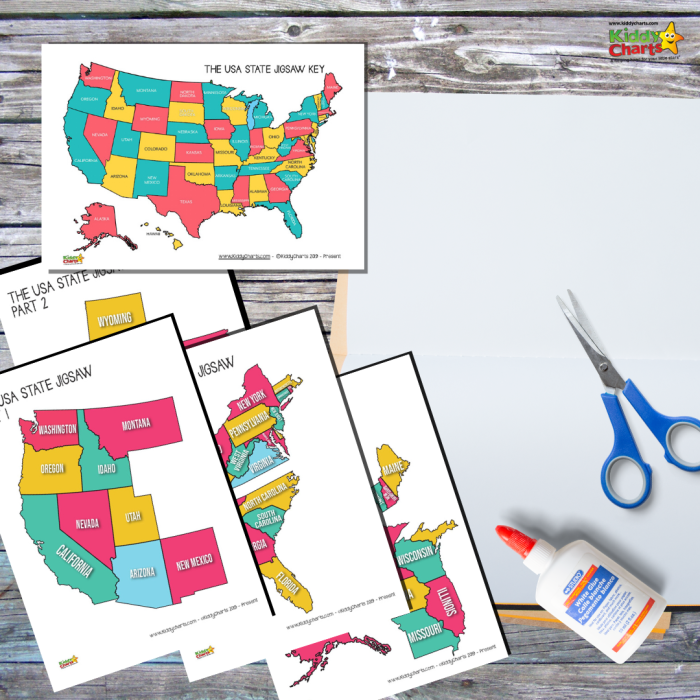
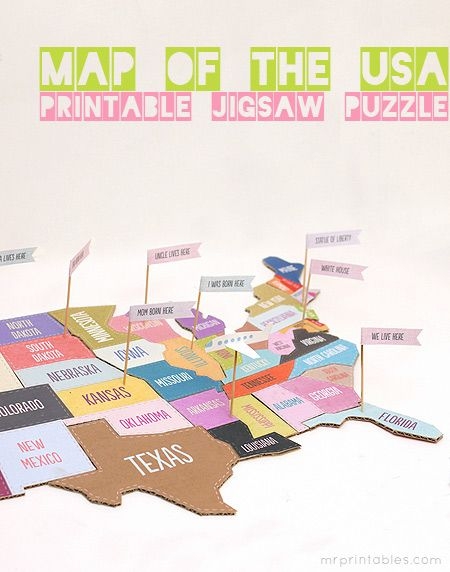
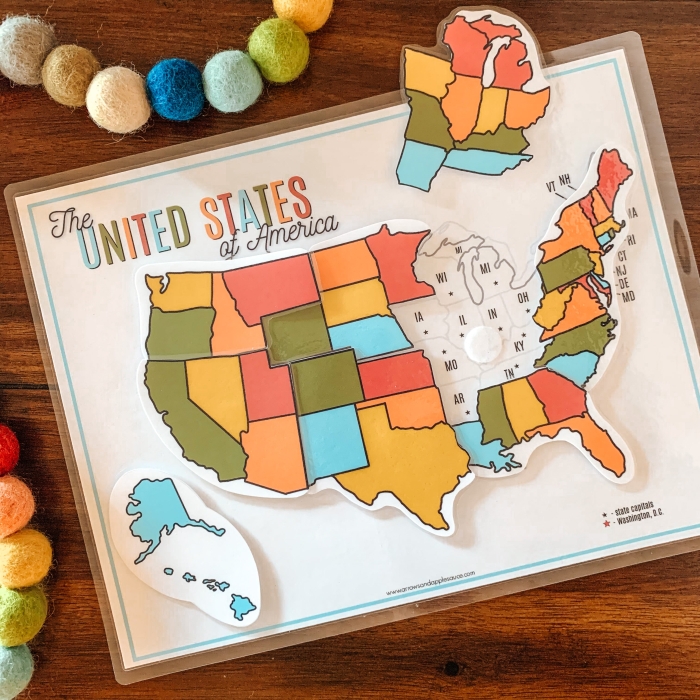
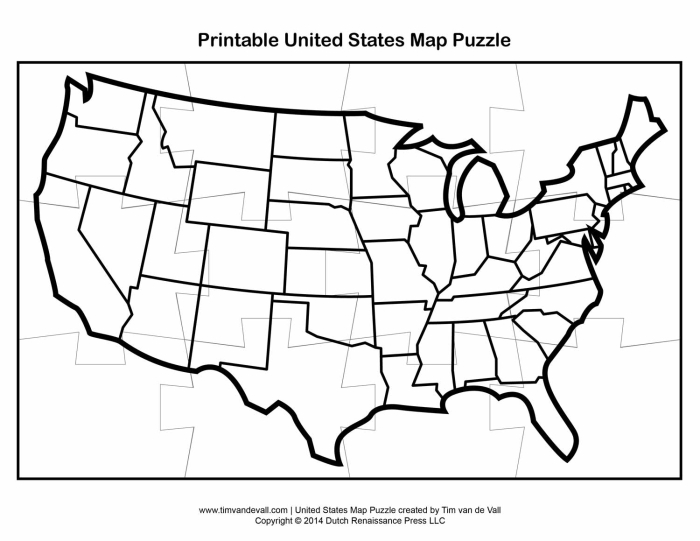
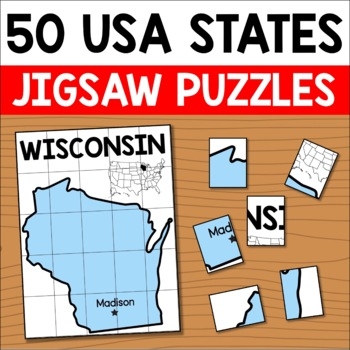
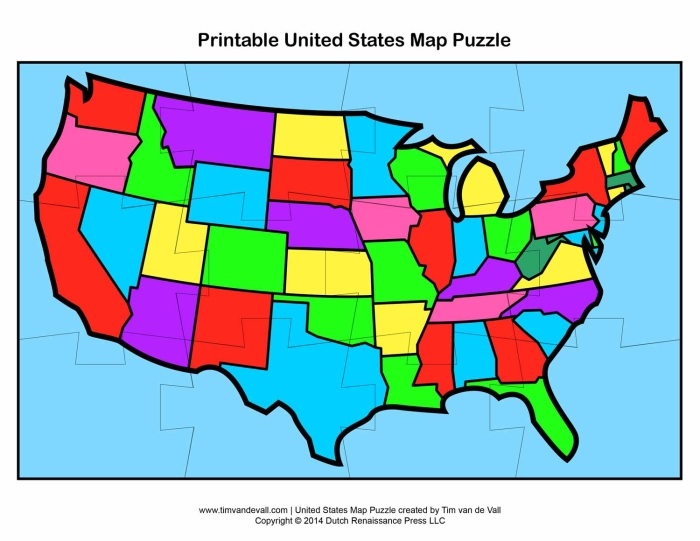
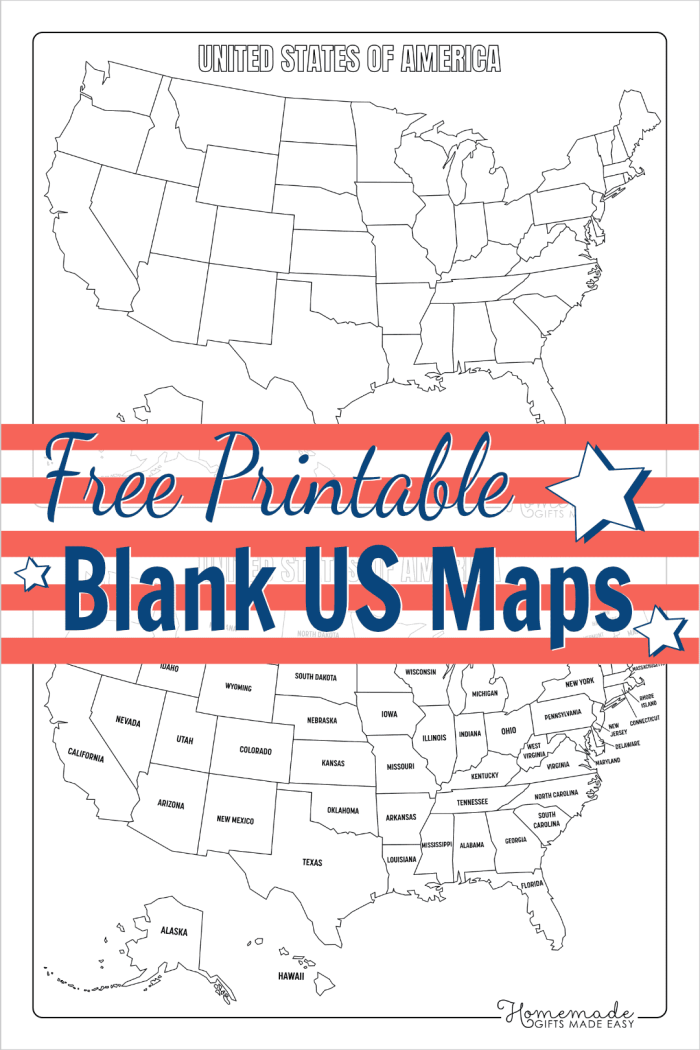
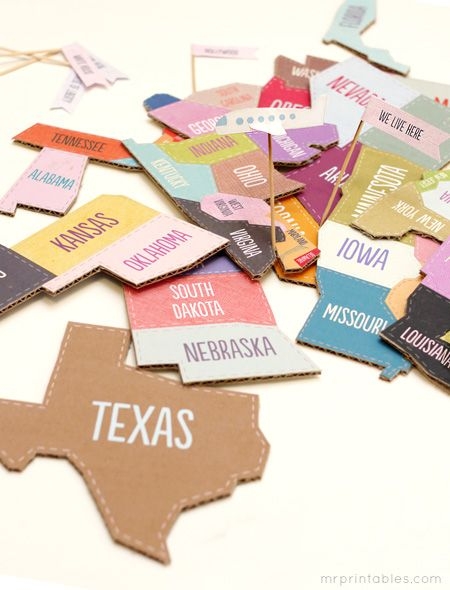
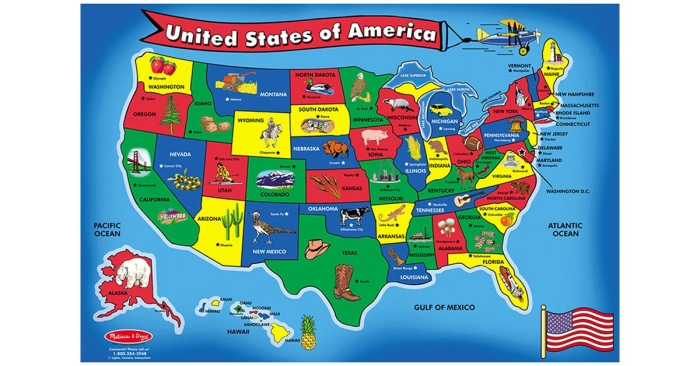
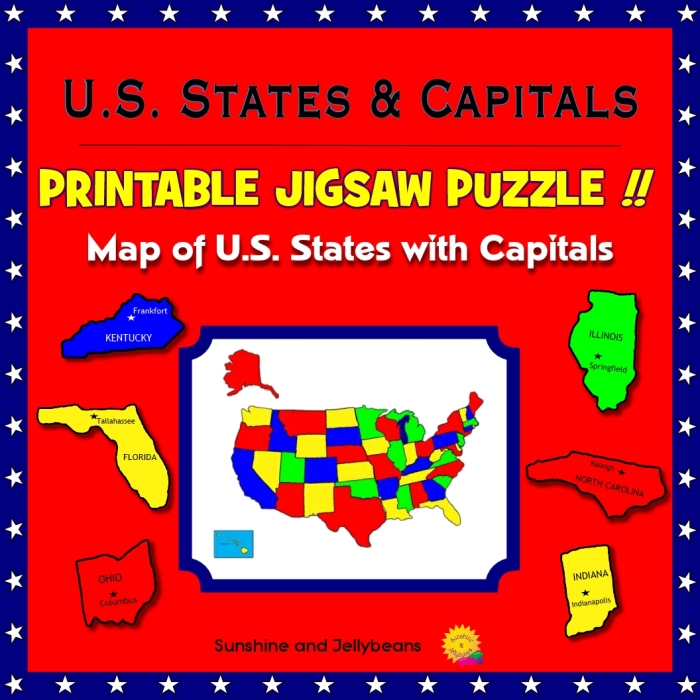
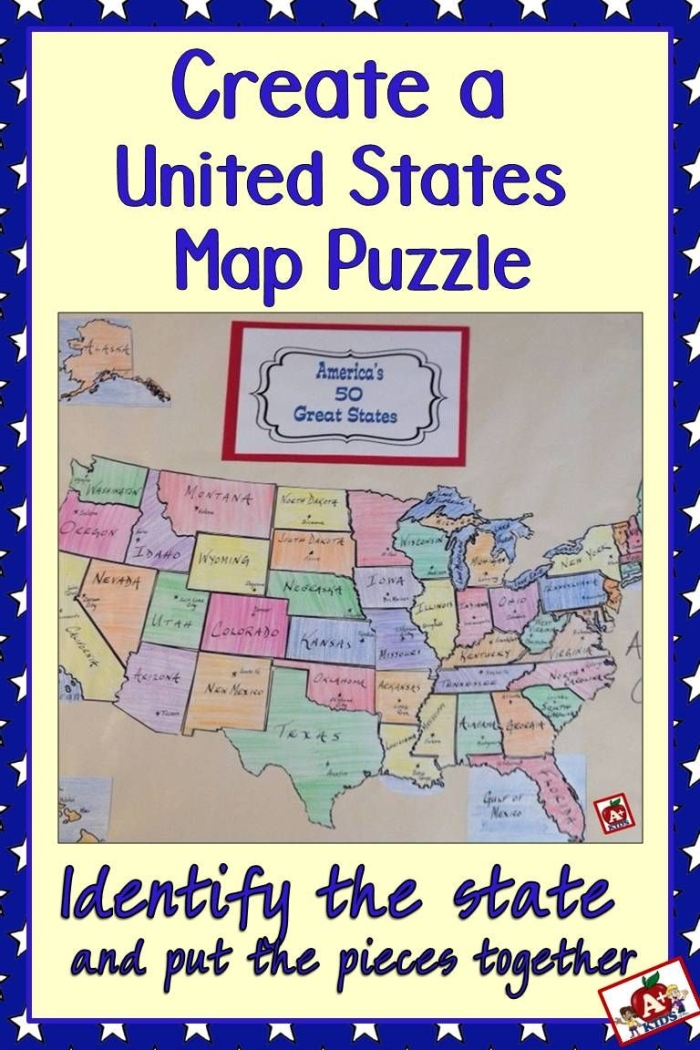
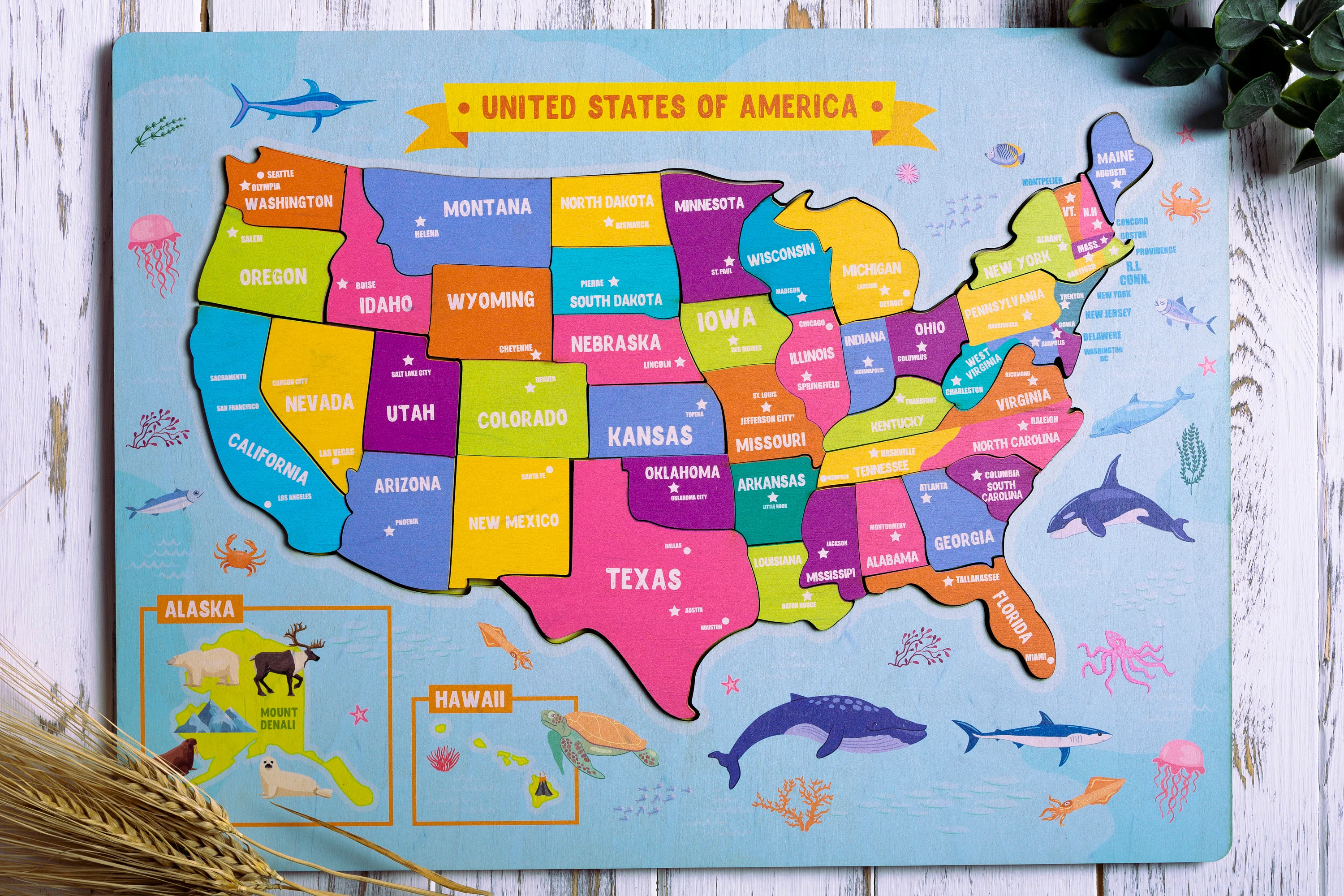
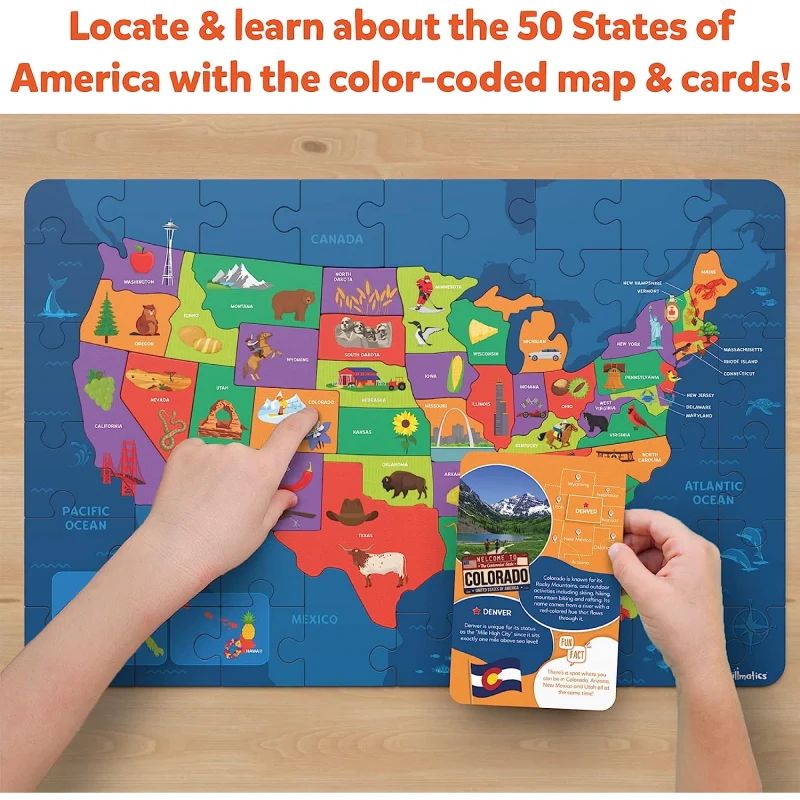
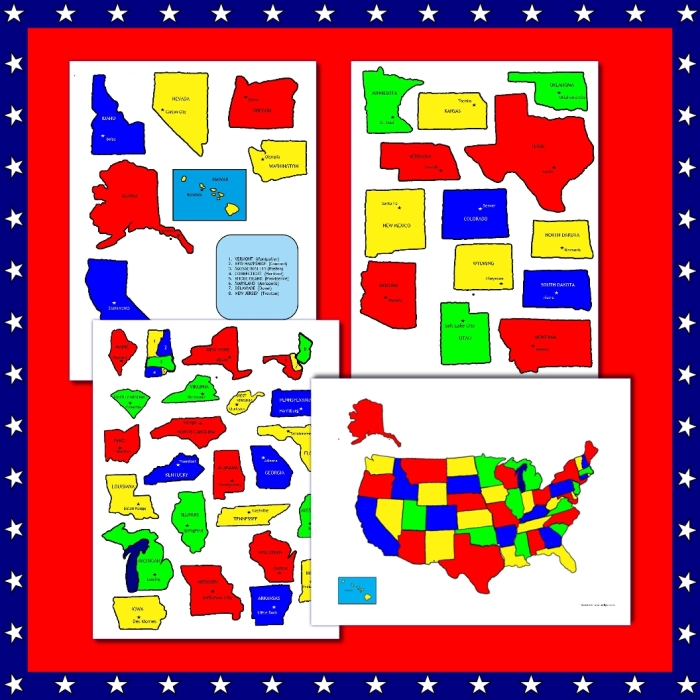
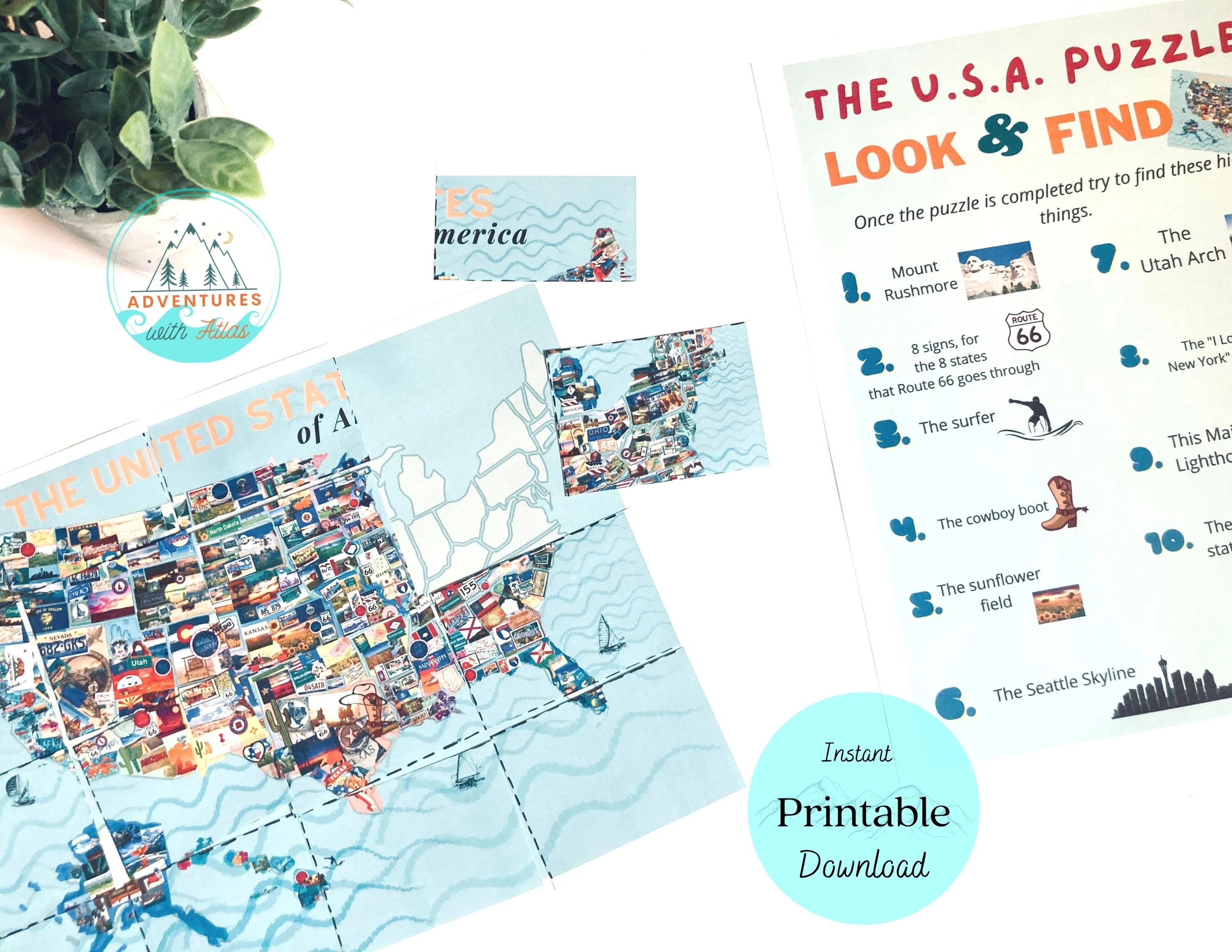
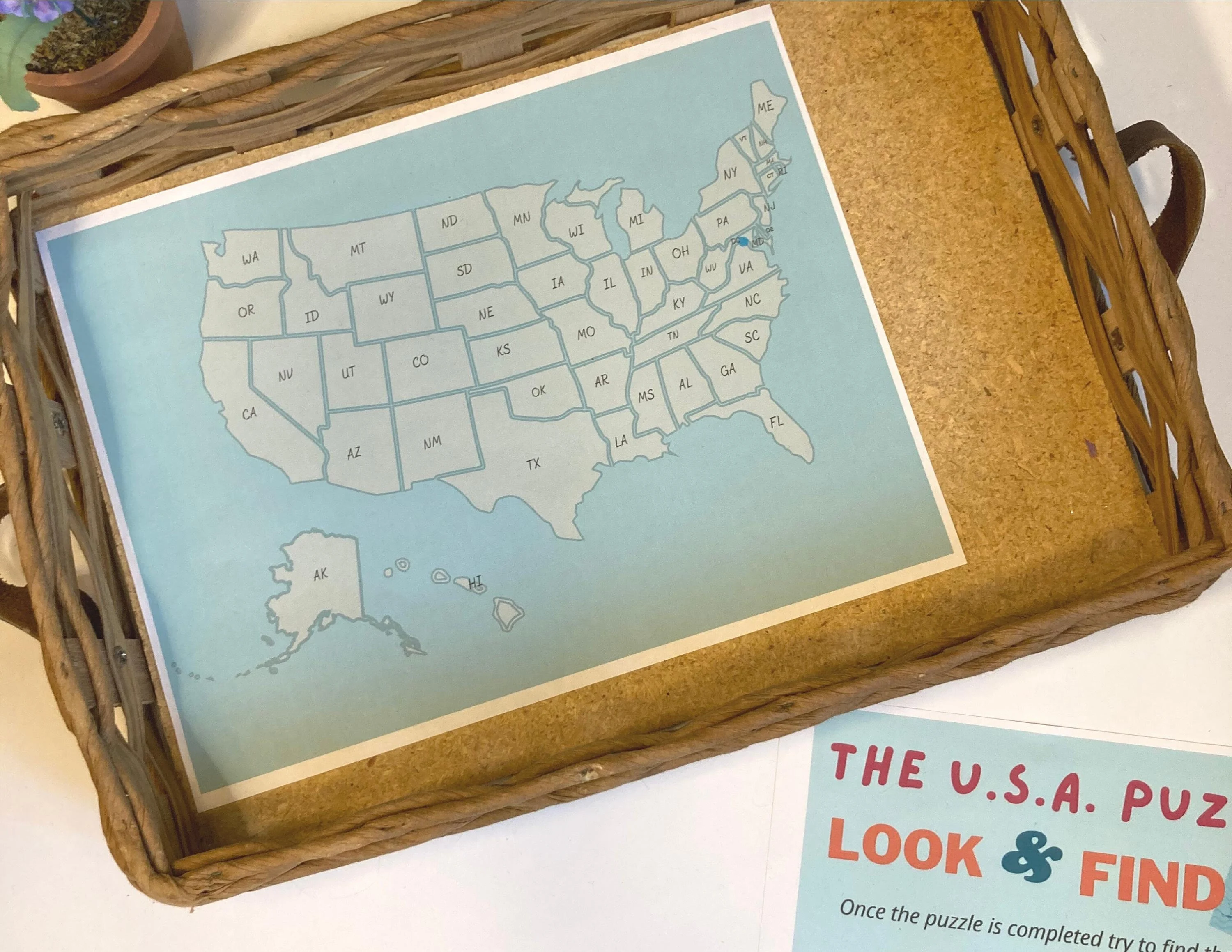
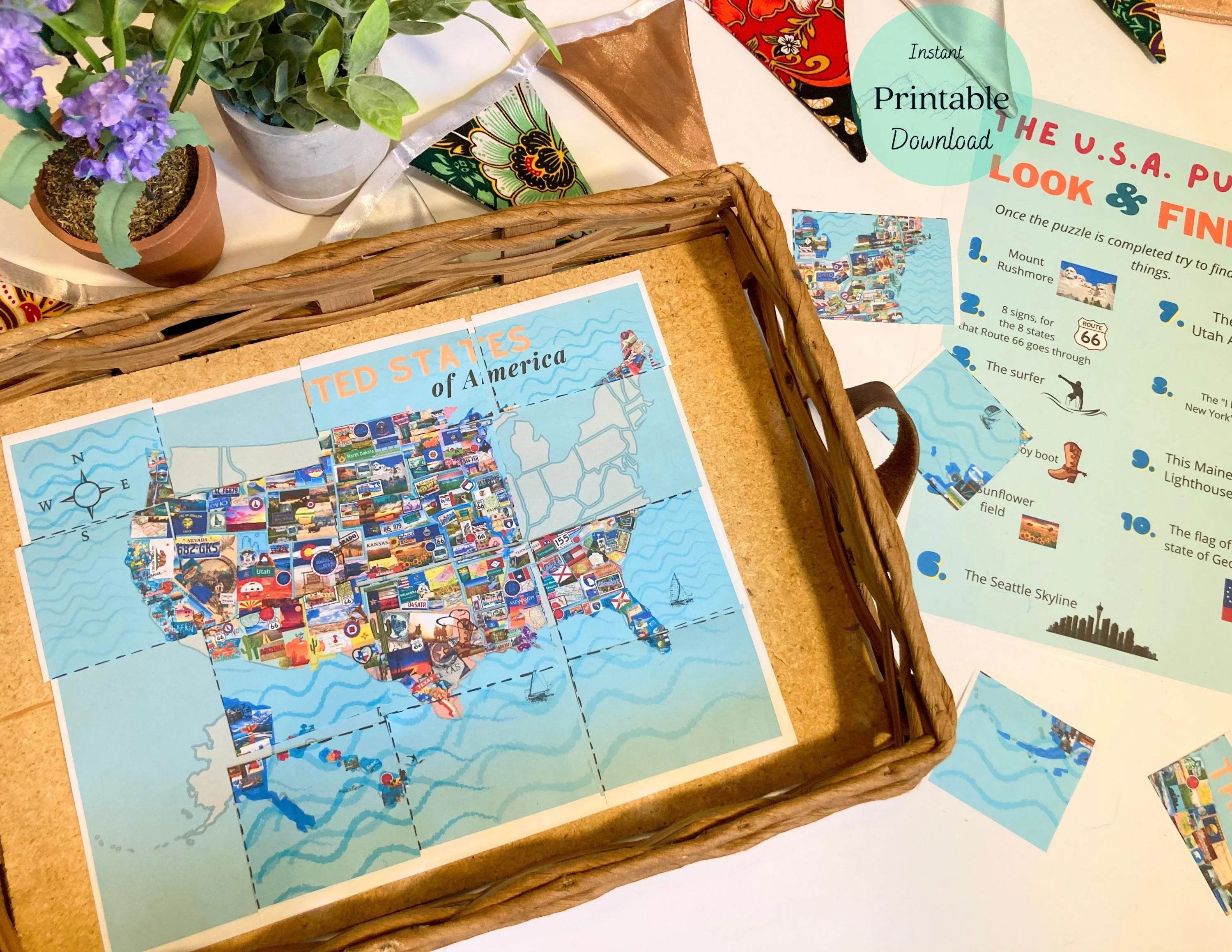
A U.S. states puzzle offers more than just entertainment for first grade students. When children assemble the individual pieces to form a complete map of all 50 states, they’re building spatial reasoning skills while absorbing geography in a hands-on way that sticks with them far better than memorization.
The appeal of this activity lies in its simplicity paired with genuine learning value. Your child begins by examining each puzzle piece, noticing the unique shapes of states like Florida, Texas, and California. As they work through the assembly, they naturally start recognizing state boundaries, relative positions, and how different regions fit together. This tactile experience creates mental connections that passive learning simply cannot match.
First grade students benefit from activities that combine reading and spatial skills. While working on a states puzzle, children often ask questions about what they’re placing: “What state is this?” or “Where does this piece go?” These moments invite you to label states together, building vocabulary and geographic awareness simultaneously. You might pair this activity with other rhyming words activities or ending sound practice to reinforce reading skills during the same learning session.
The physical act of manipulating puzzle pieces also develops fine motor control, which supports the hand strength and coordination needed for writing. Children practice problem-solving as they test different placements, learning through trial and error which configurations work and which don’t.
Starting with a states puzzle at this age plants seeds for future geography learning. When your child encounters these states again in later grades, they’ll have a foundational understanding rooted in that hands-on experience rather than starting from scratch. The puzzle becomes a bridge between play and learning, making geography feel accessible and even fun.
Boost Skills with These Worksheets