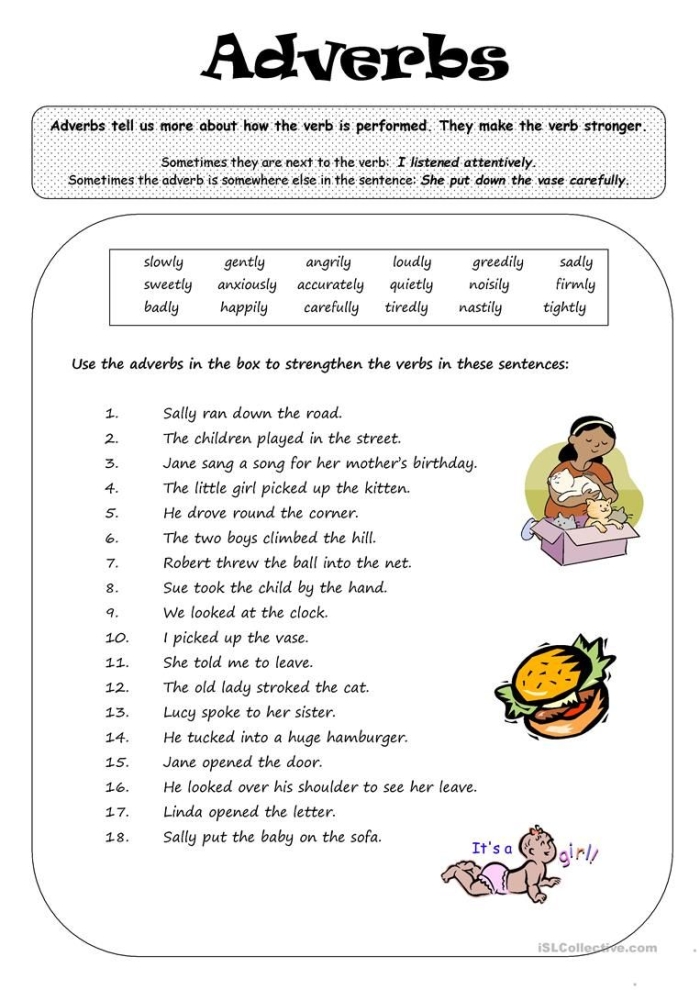
Adverbs are one of those grammar concepts that confuse many third grade students, mostly because they show up everywhere in sentences but don’t always look the same. A solid handout that breaks down the main types gives kids a reference tool they can actually use when writing and editing their own work.
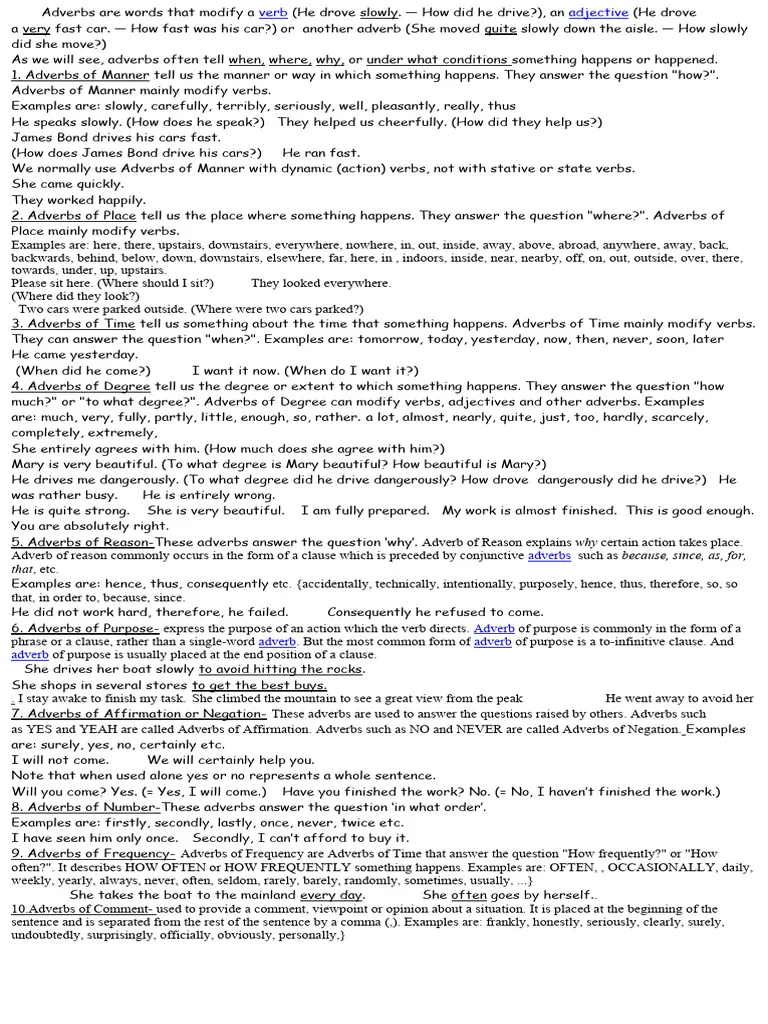
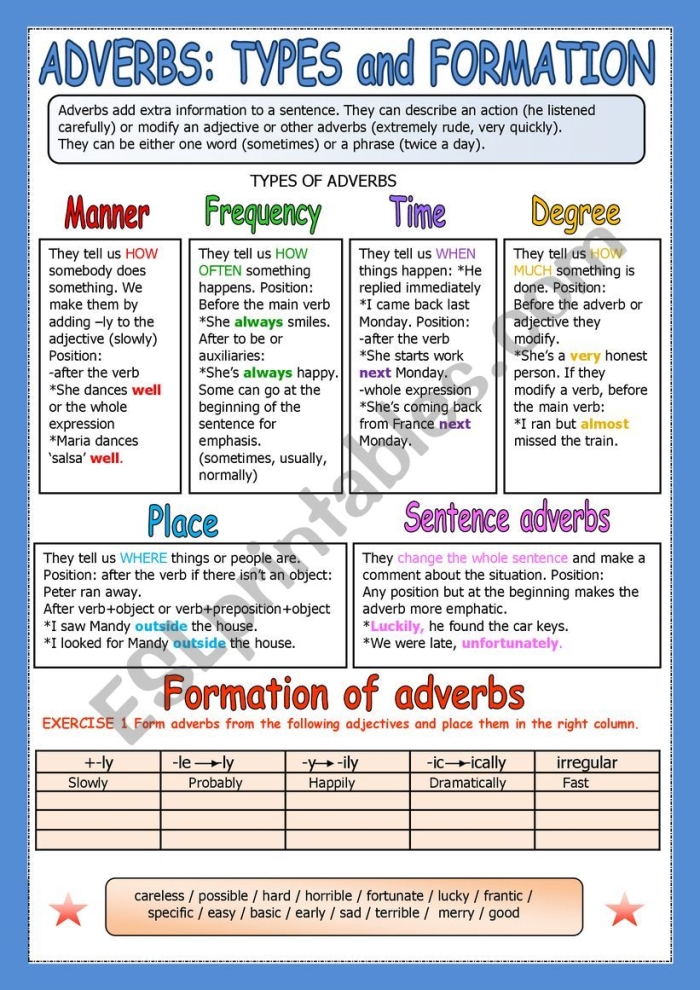
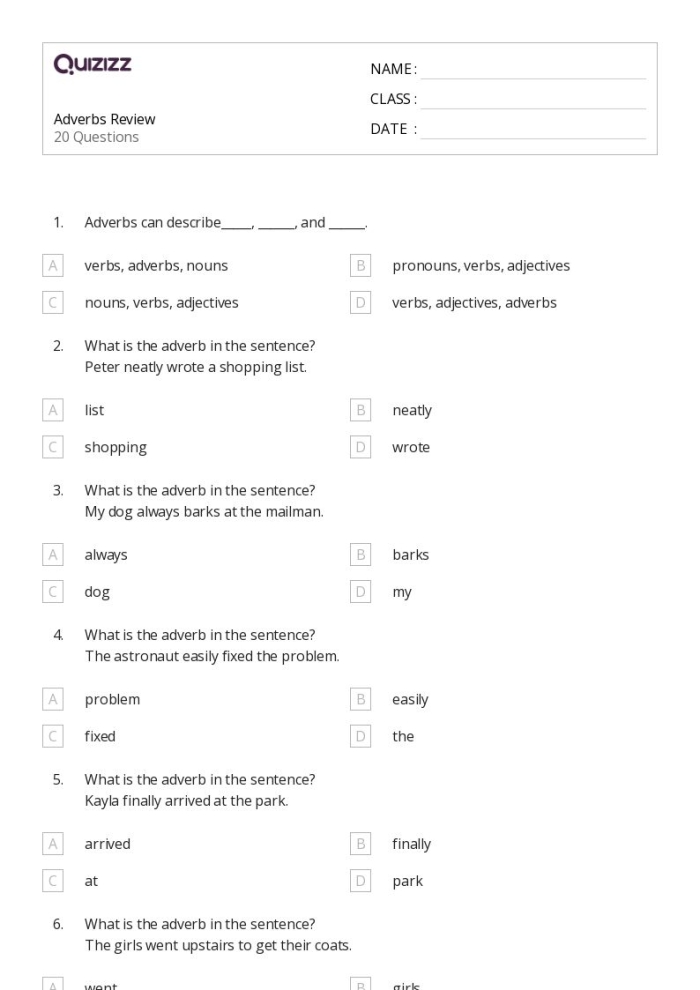
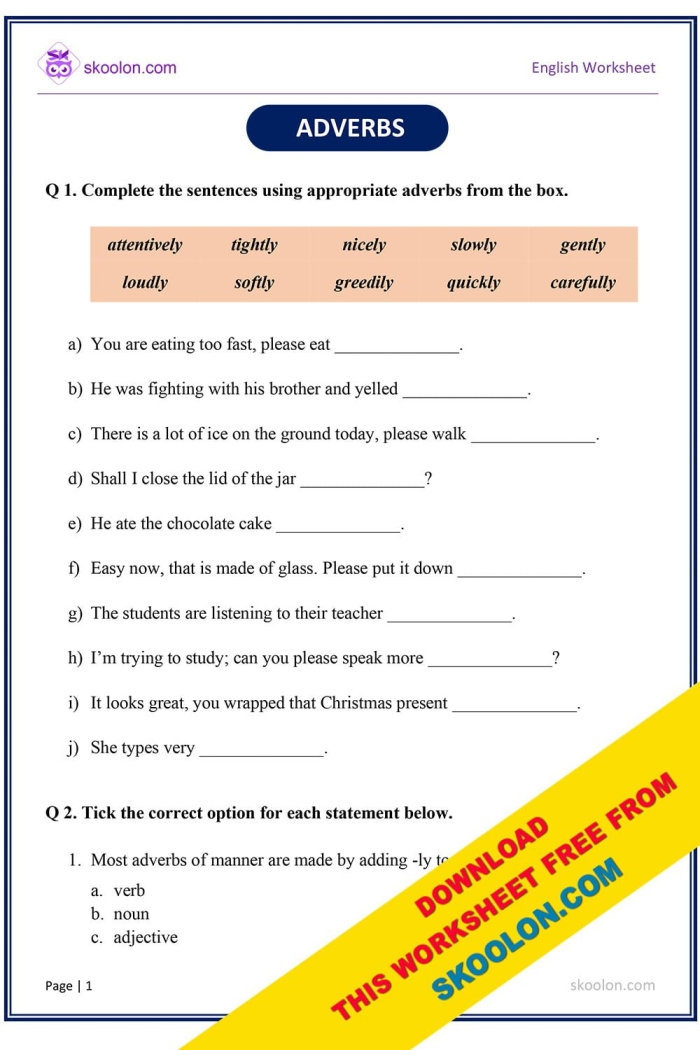
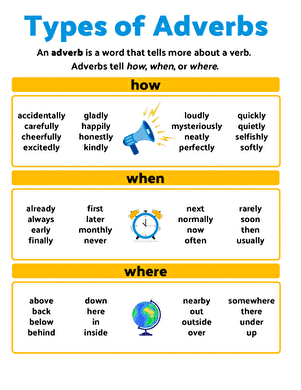
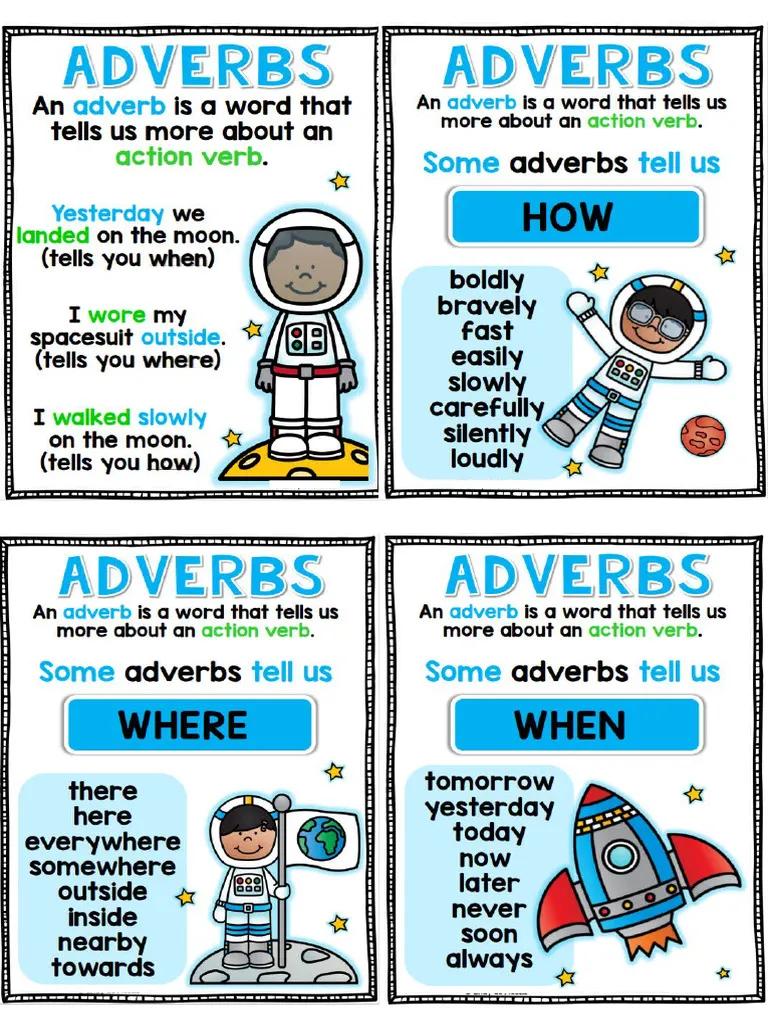
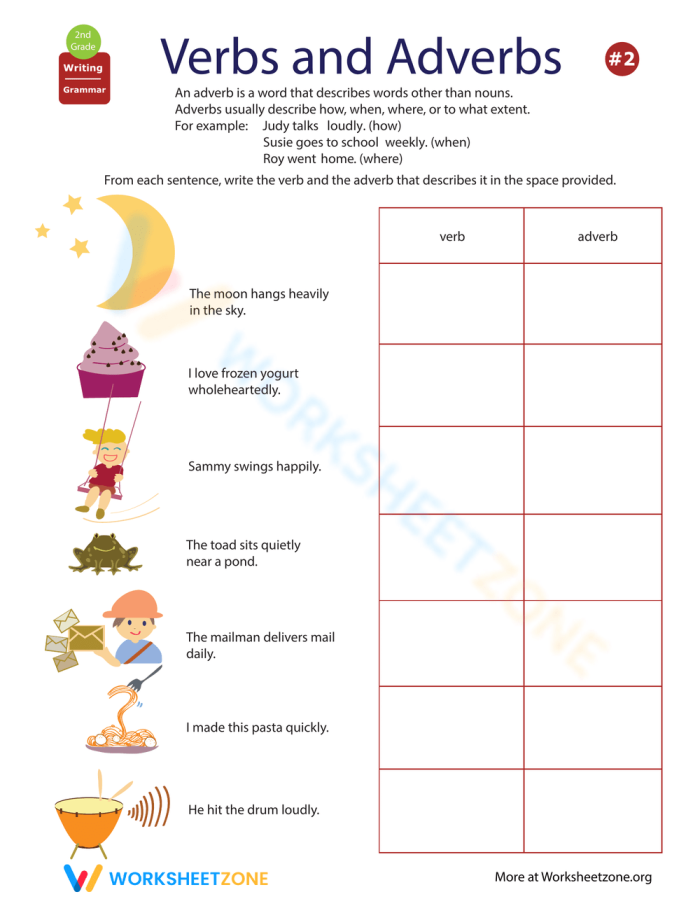
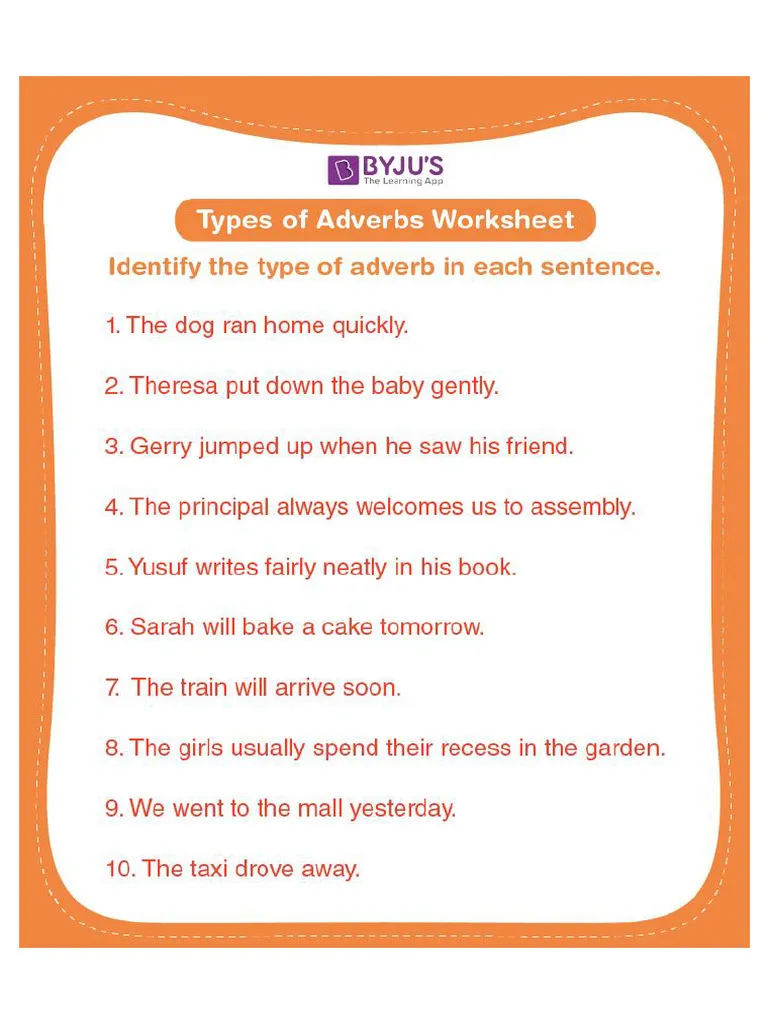
The most common adverbs students encounter are those that describe how an action happens. Words like “quickly,” “slowly,” “carefully,” and “loudly” tell us the manner in which something occurs. Third graders can understand these intuitively because they can act them out. Running quickly feels different from running slowly, and that physical experience helps the concept stick.
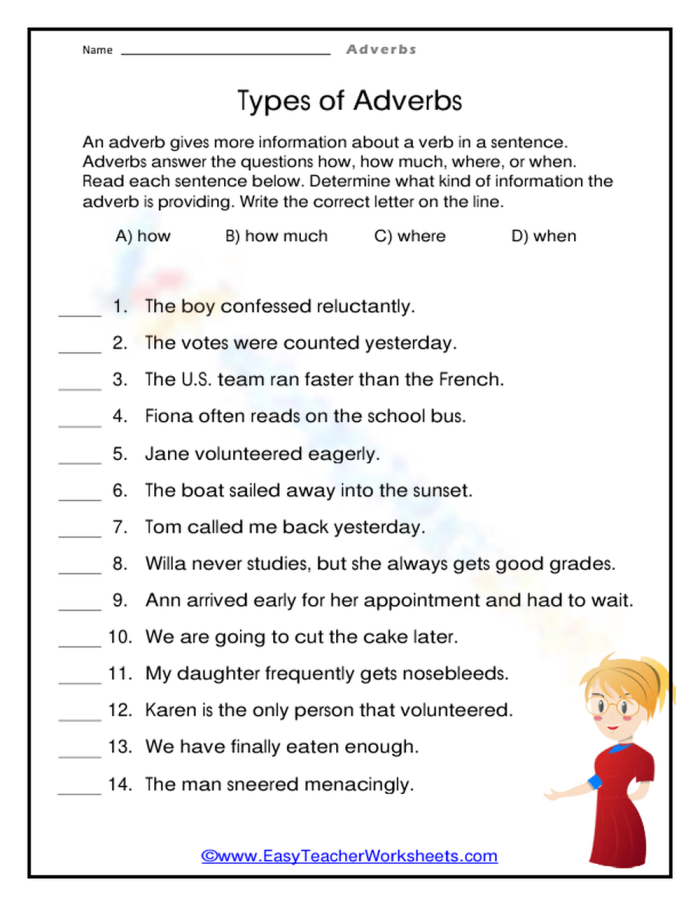
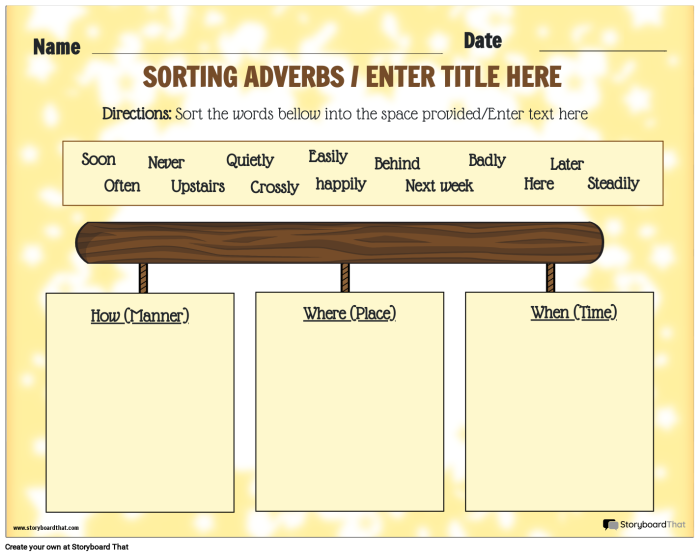
Then there are adverbs of when and where, which are equally important for young writers. “Yesterday,” “tomorrow,” “here,” and “there” help students place actions in time and space. These connect naturally to geography lessons, where understanding location and sequence matters. When students describe where something happened or when an event took place, they’re already using these adverbs without realizing it.
A helpful handout should also include adverbs of degree like “very,” “really,” and “quite.” These modify adjectives and other adverbs, adding intensity or emphasis to descriptions. Many third graders overuse “very,” so seeing it listed alongside alternatives encourages more varied vocabulary.
Beyond adverbs themselves, understanding how they connect to other parts of speech strengthens overall grammar skills. Knowing what prepositions do helps students see that adverbs serve a different purpose. Similarly, recognizing past tense verbs makes it easier to see which adverbs pair well with them.
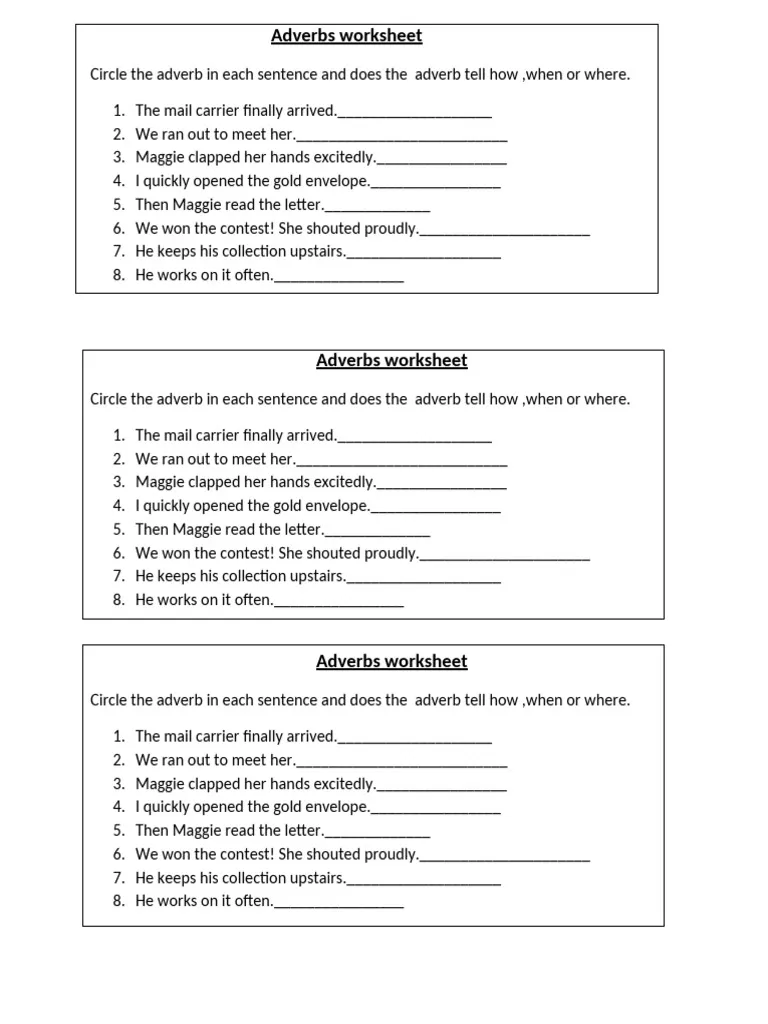
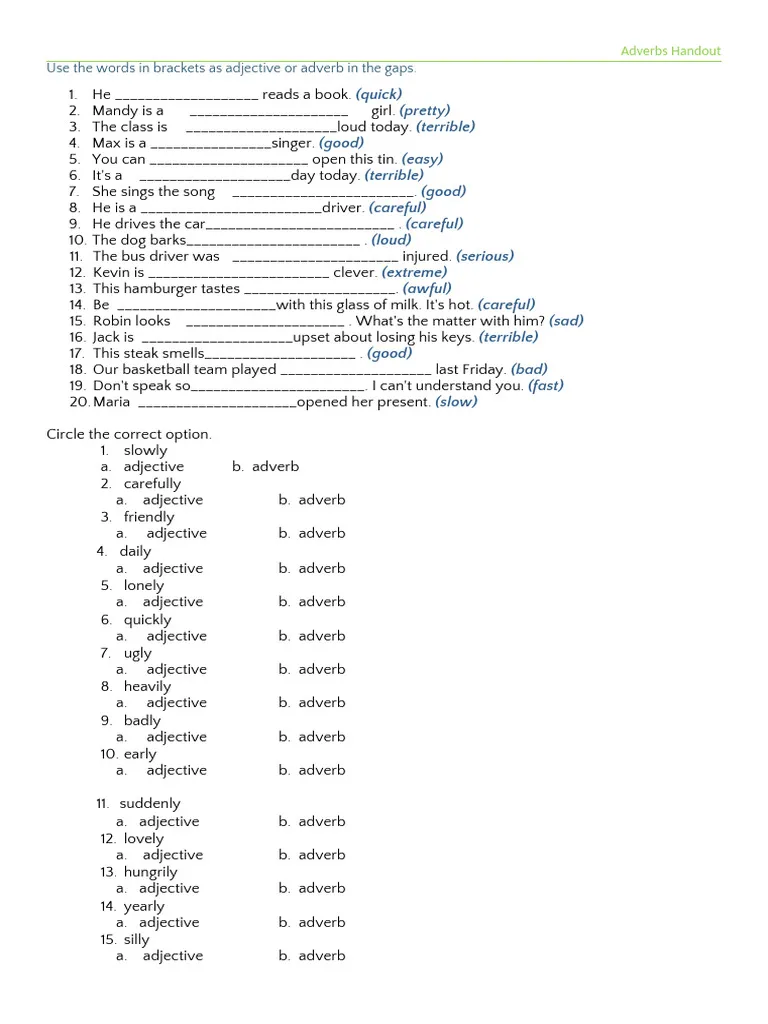
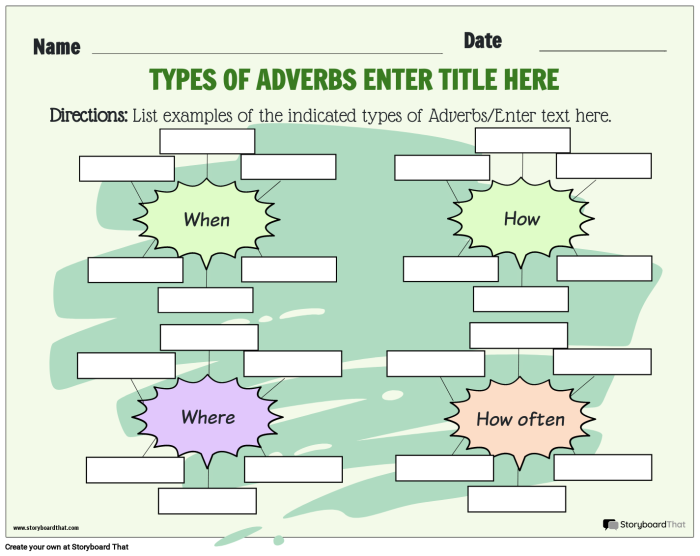
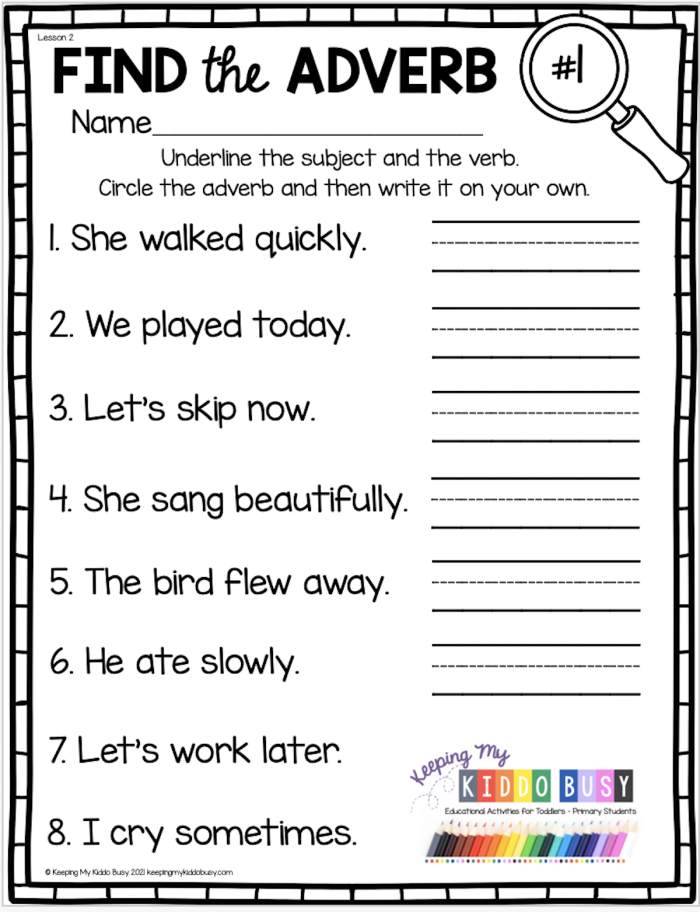
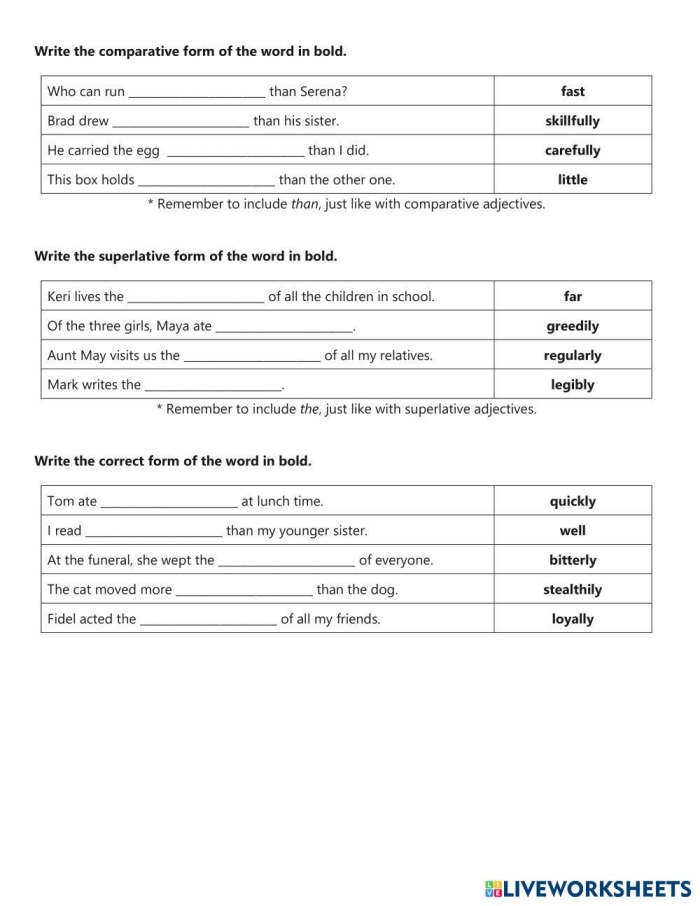
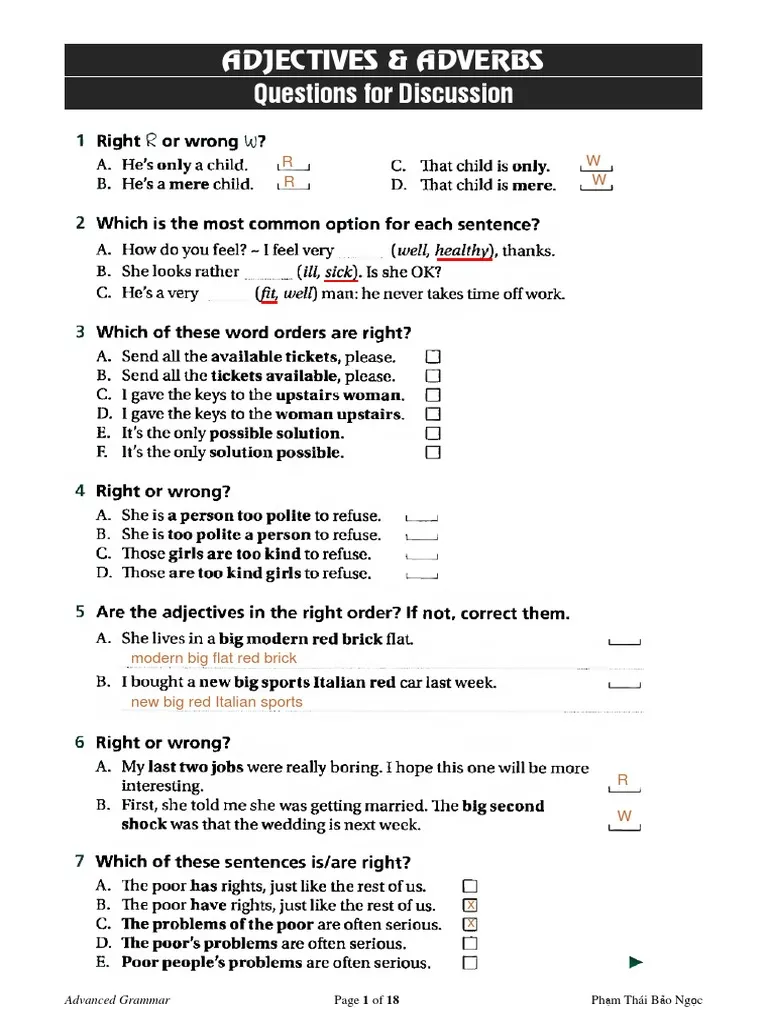
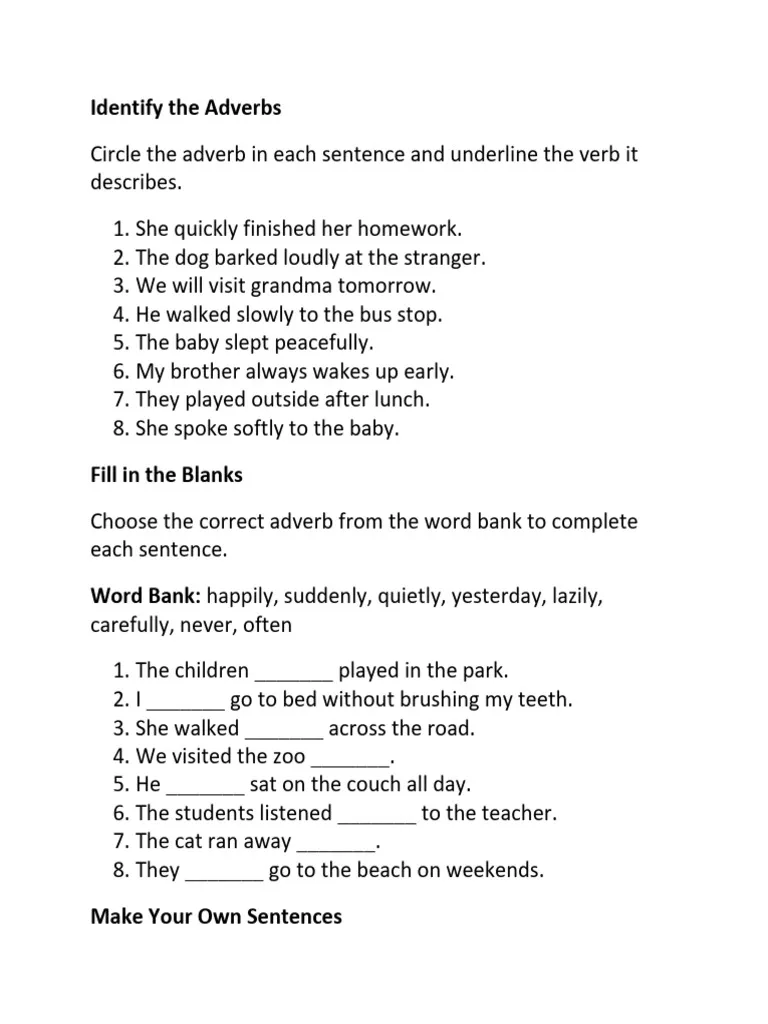
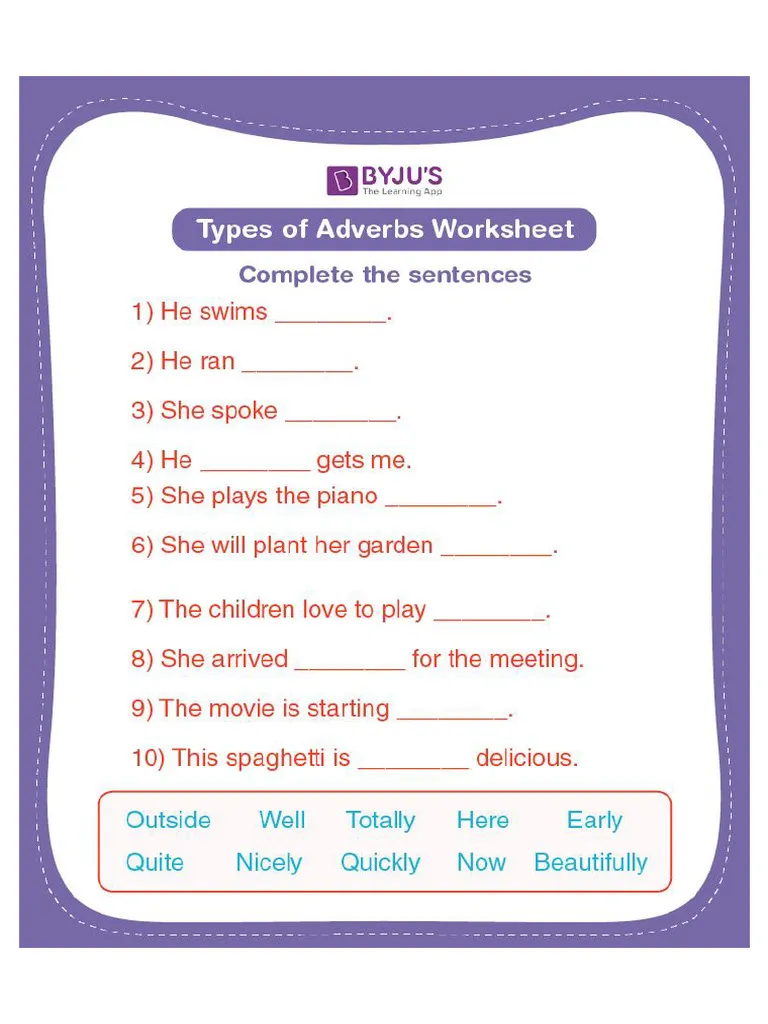
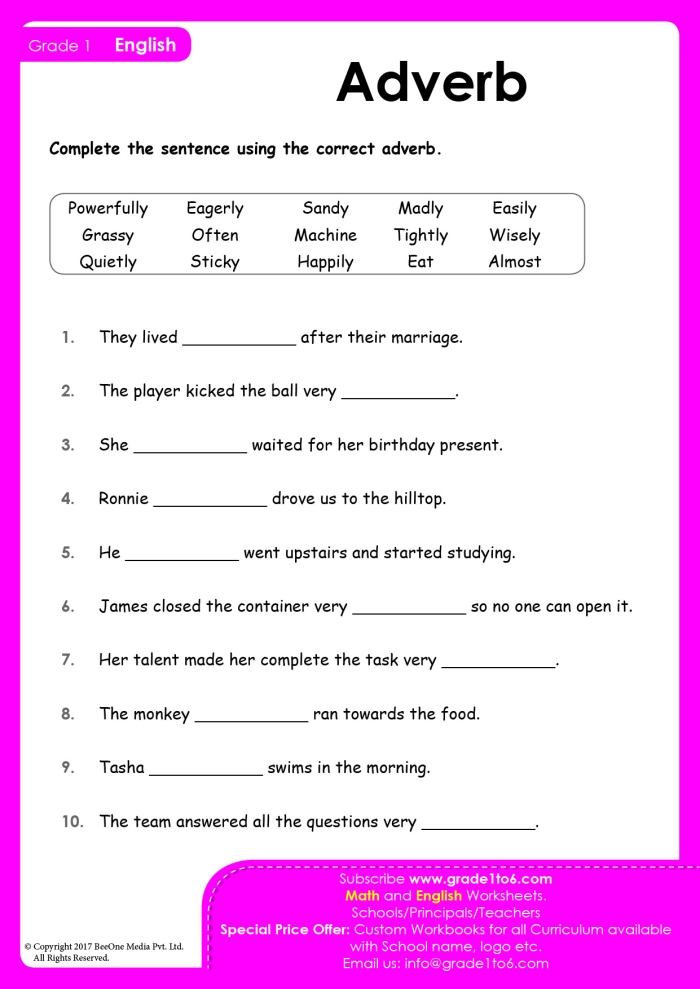
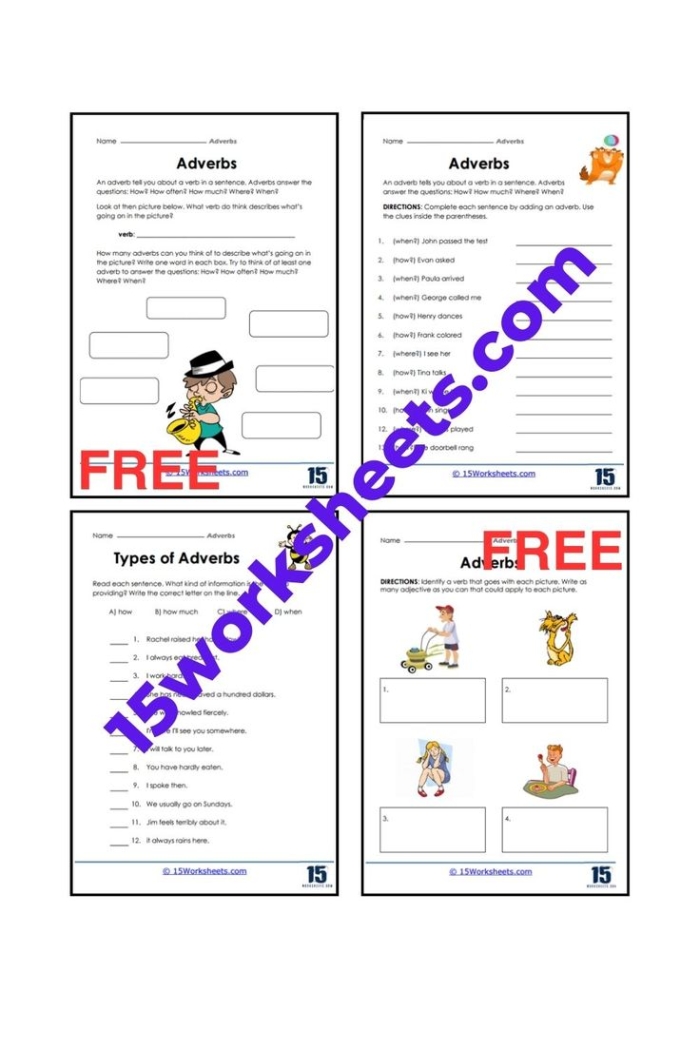
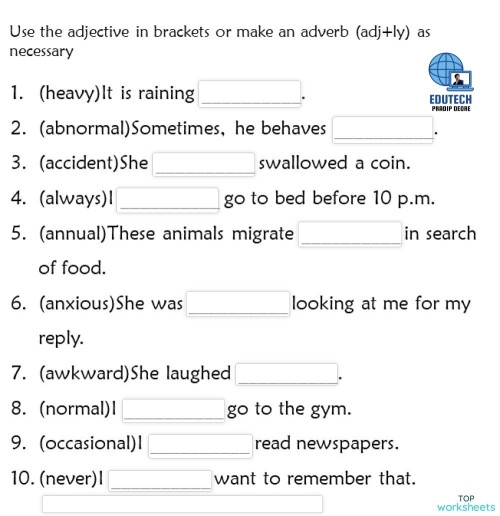
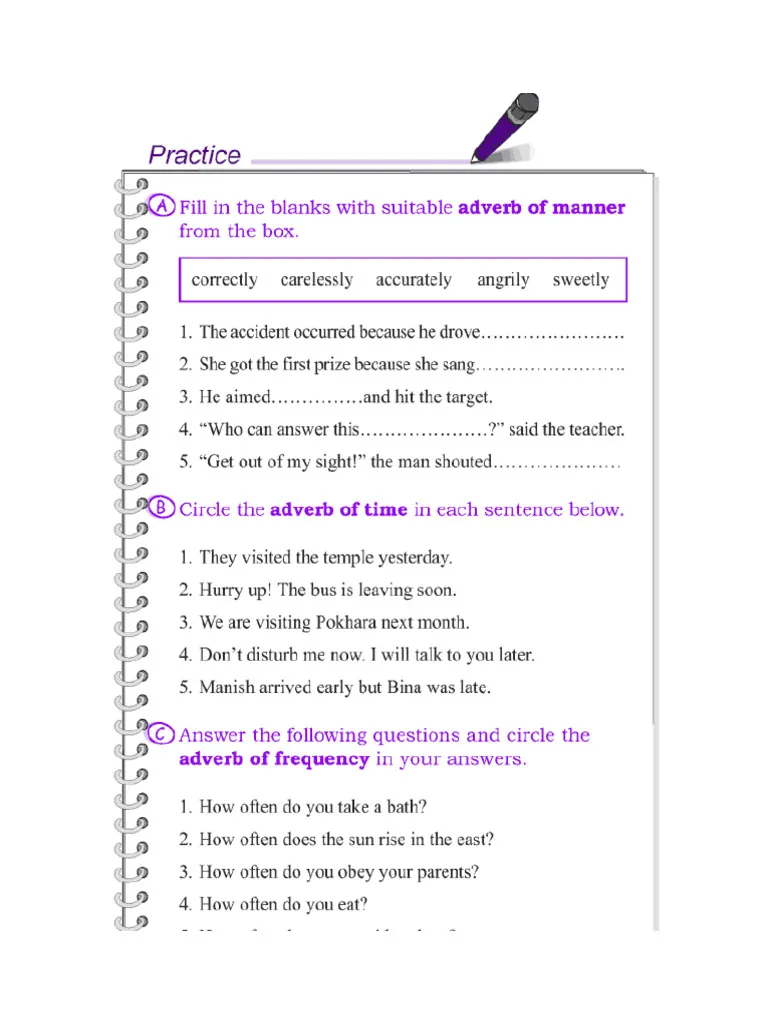
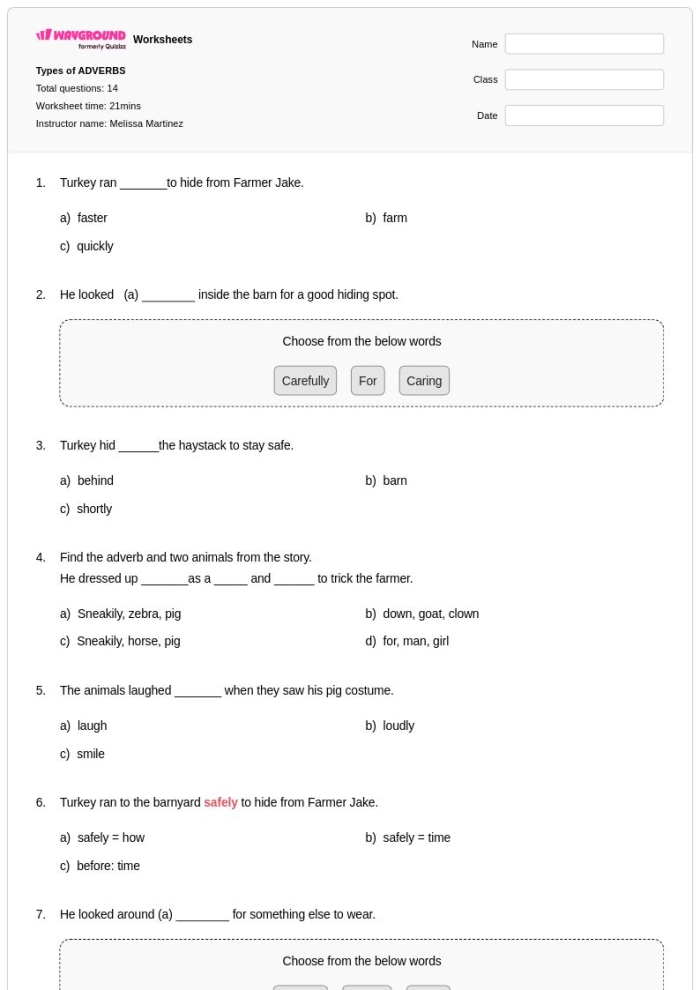
A practical handout includes clear examples for each type, simple definitions written in child-friendly language, and space for students to write their own sentences. When students practice identifying adverbs in context and then use them in their own writing, the learning becomes active rather than passive. This approach helps third graders move from recognizing adverbs to confidently using them.
Download These Worksheets for Practice