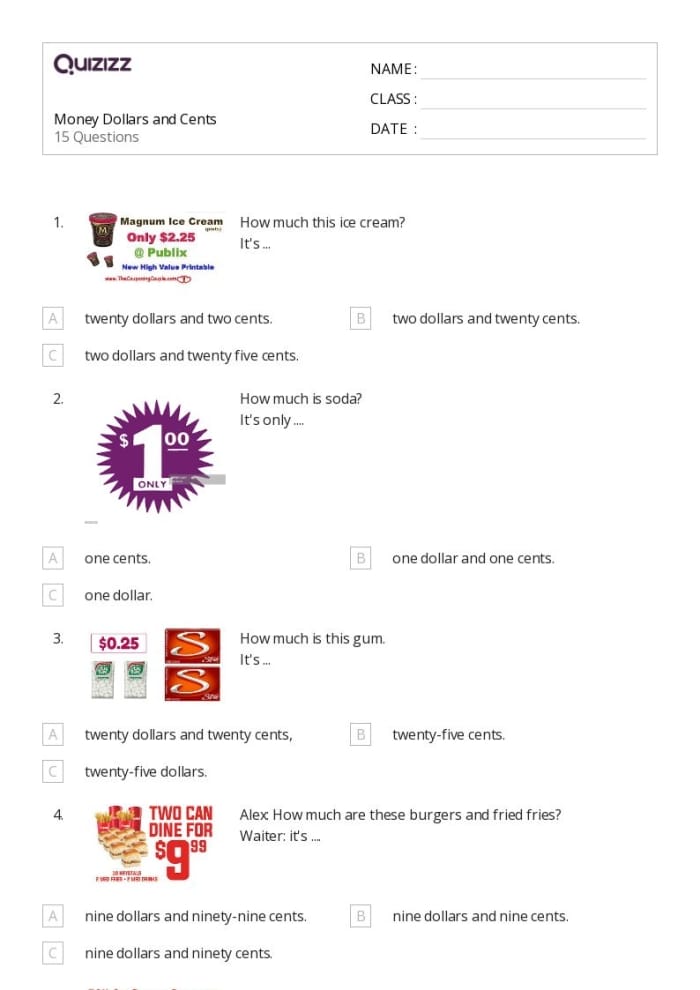
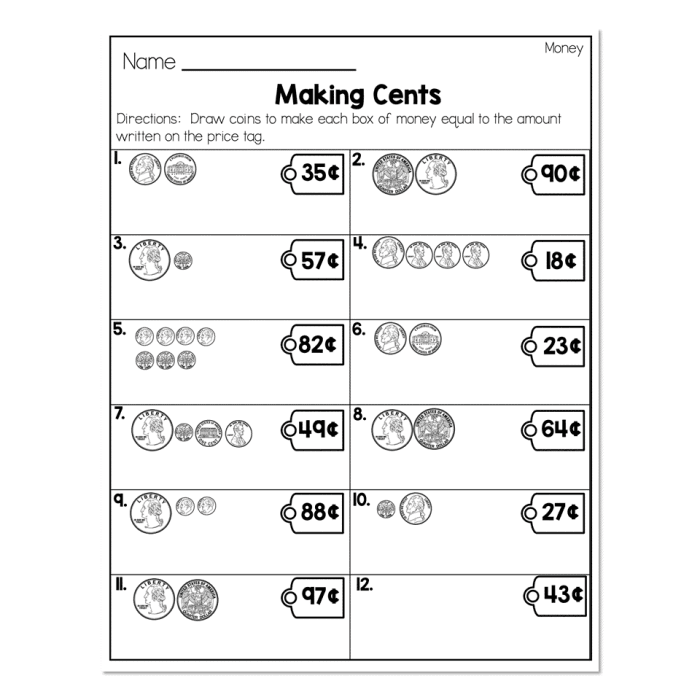
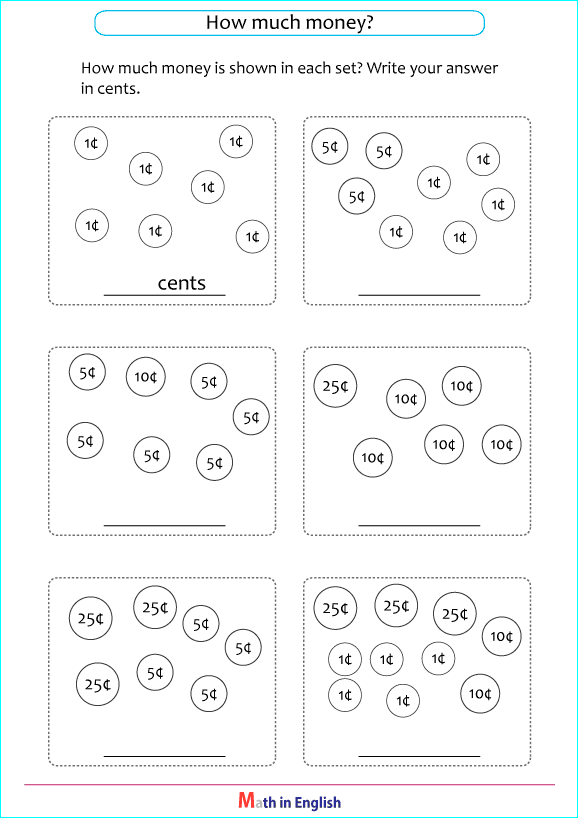
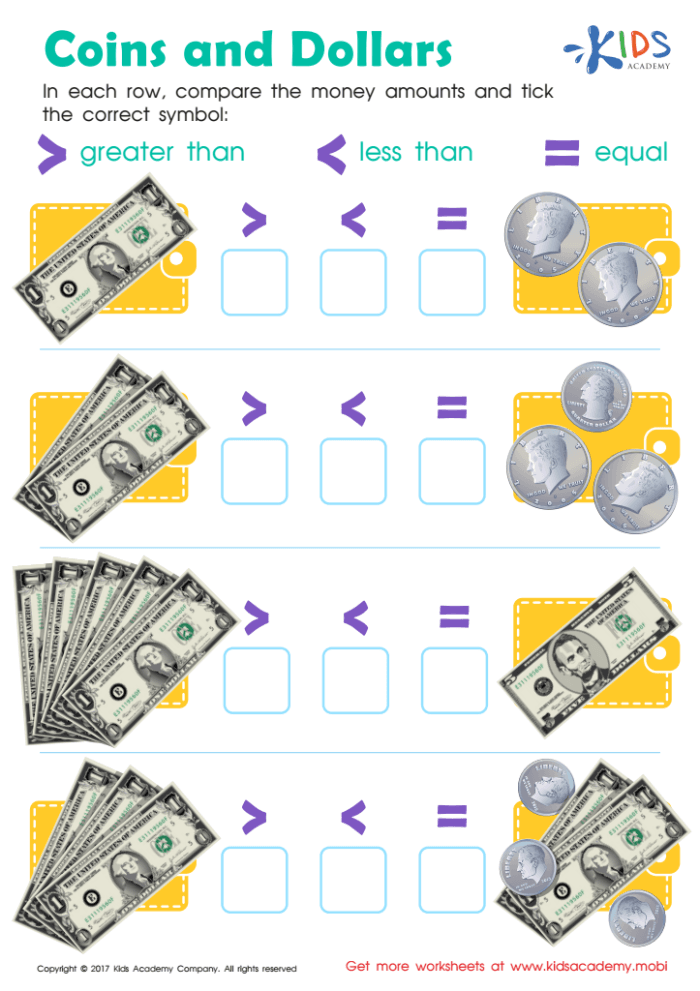
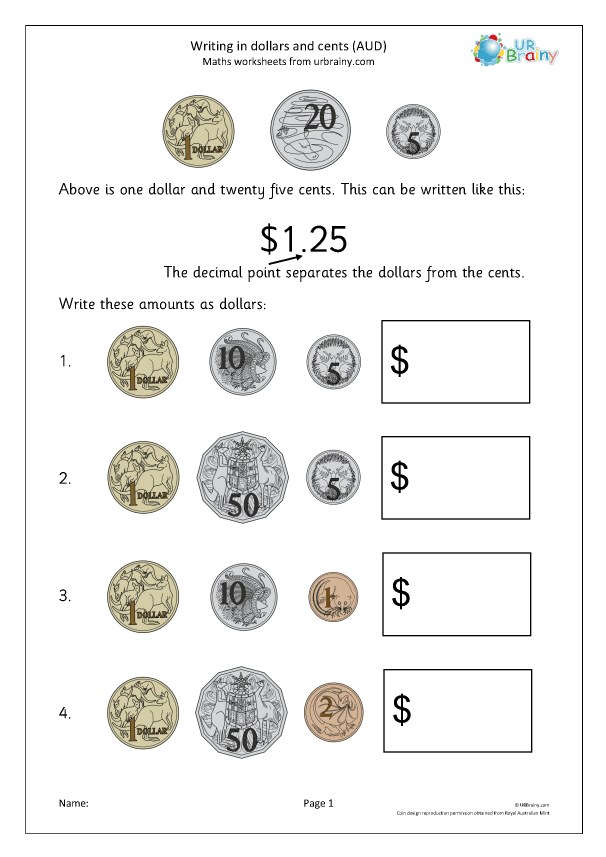
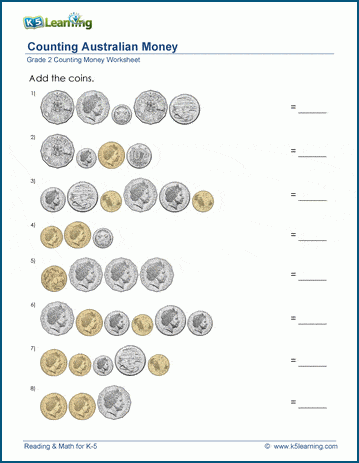
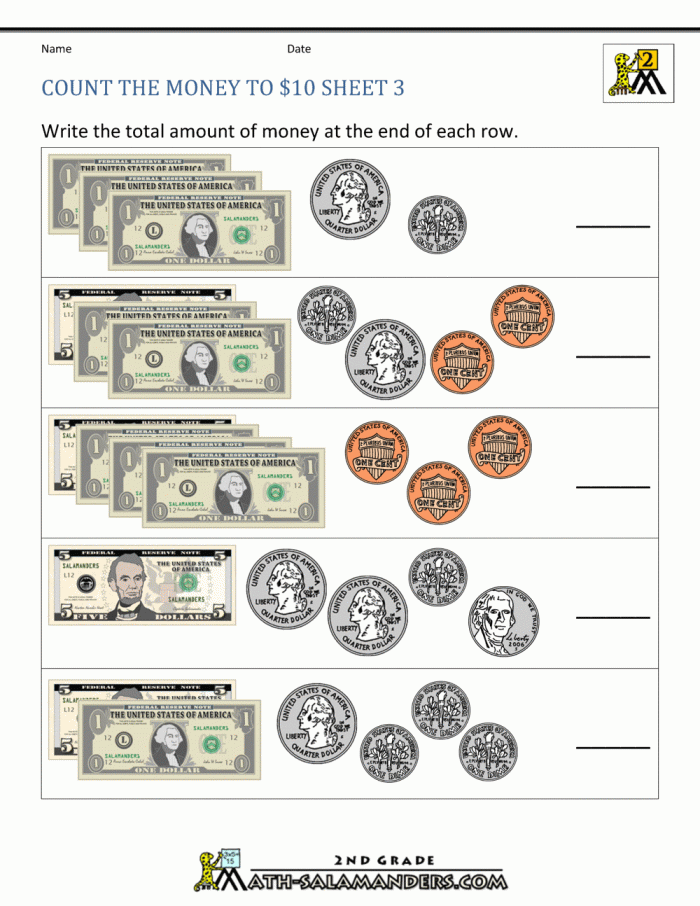
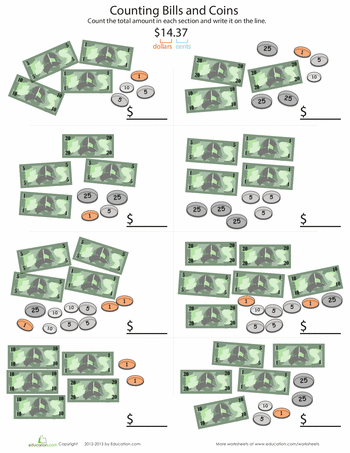
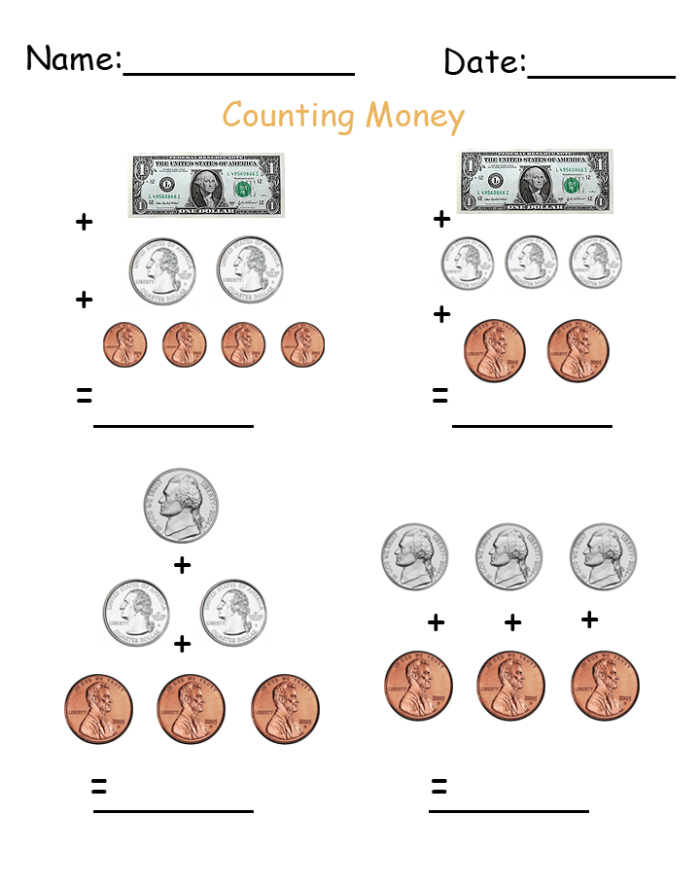
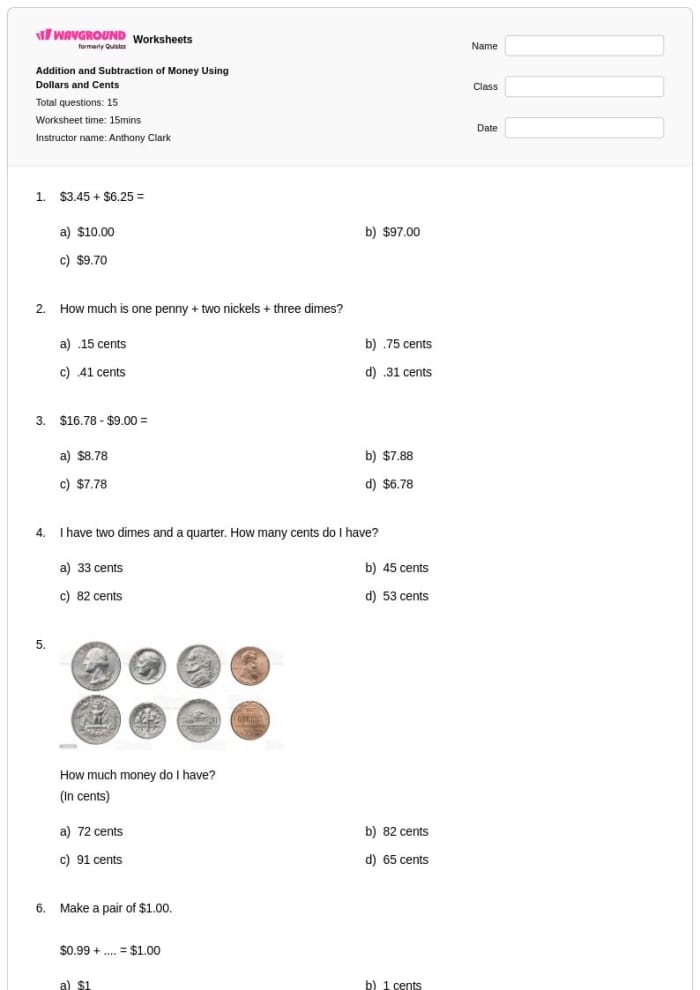
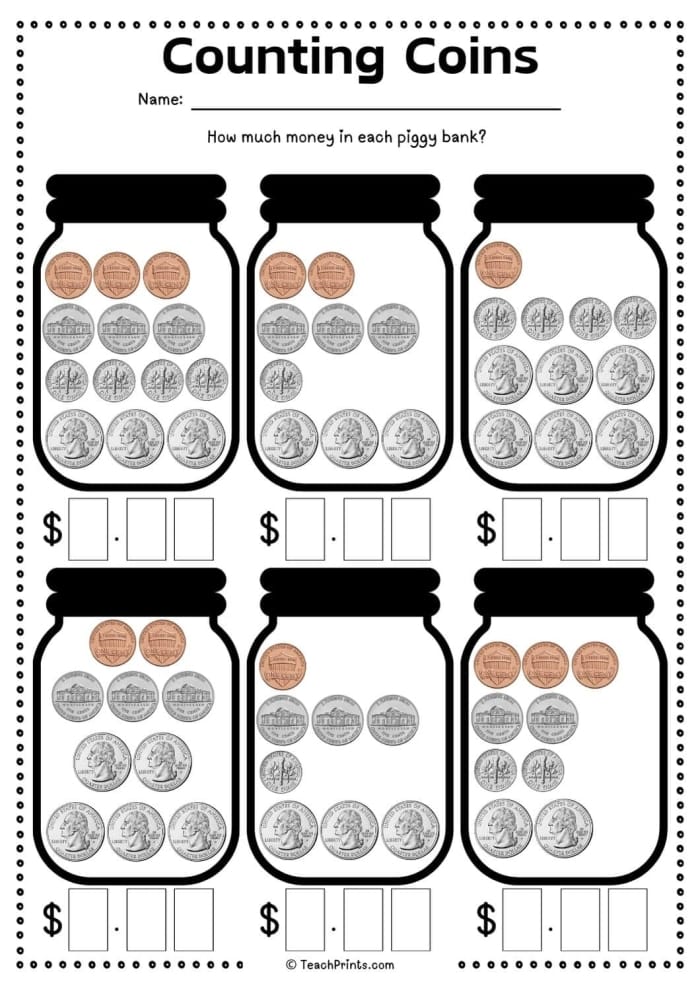
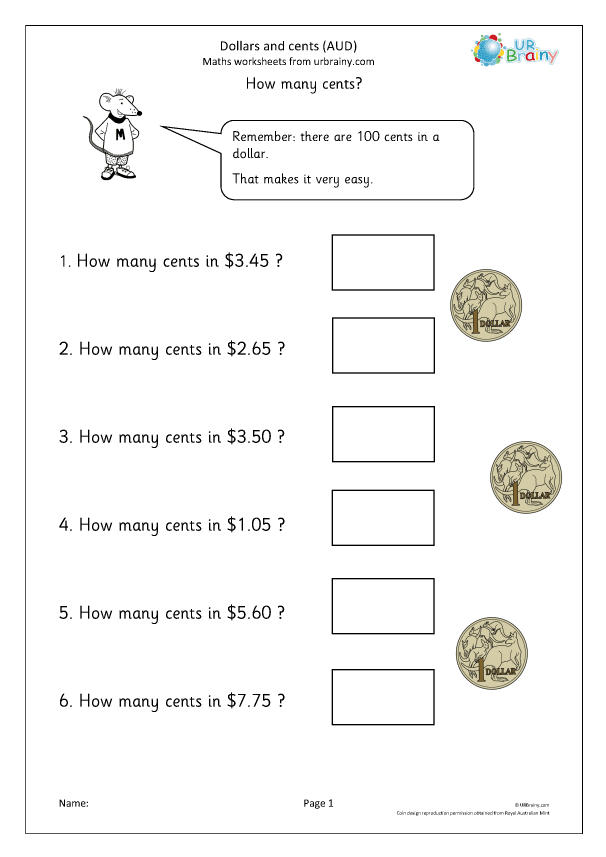
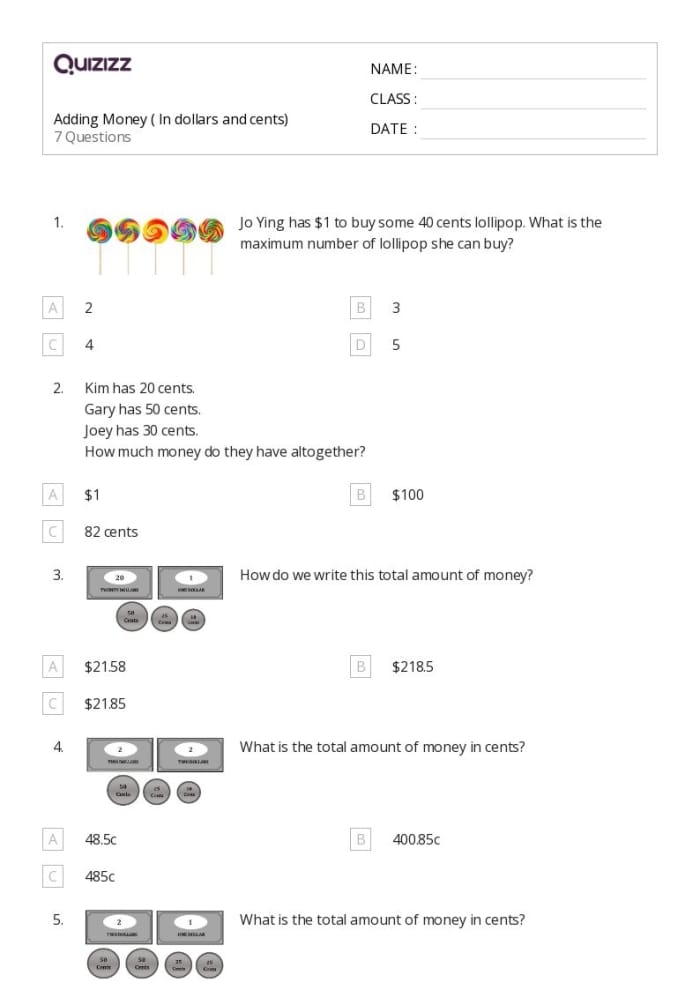
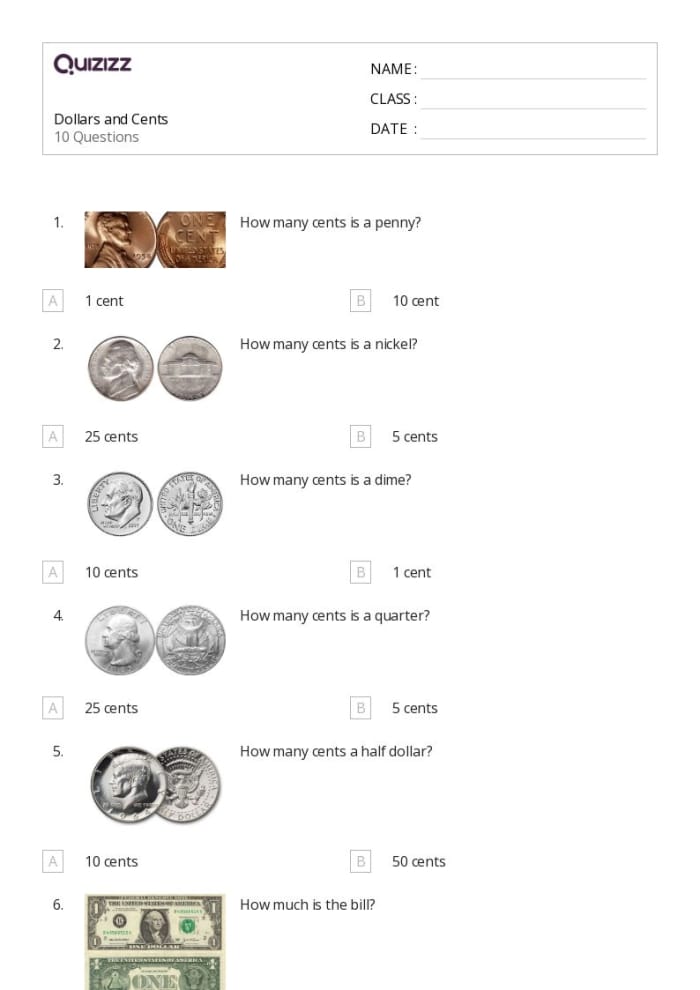
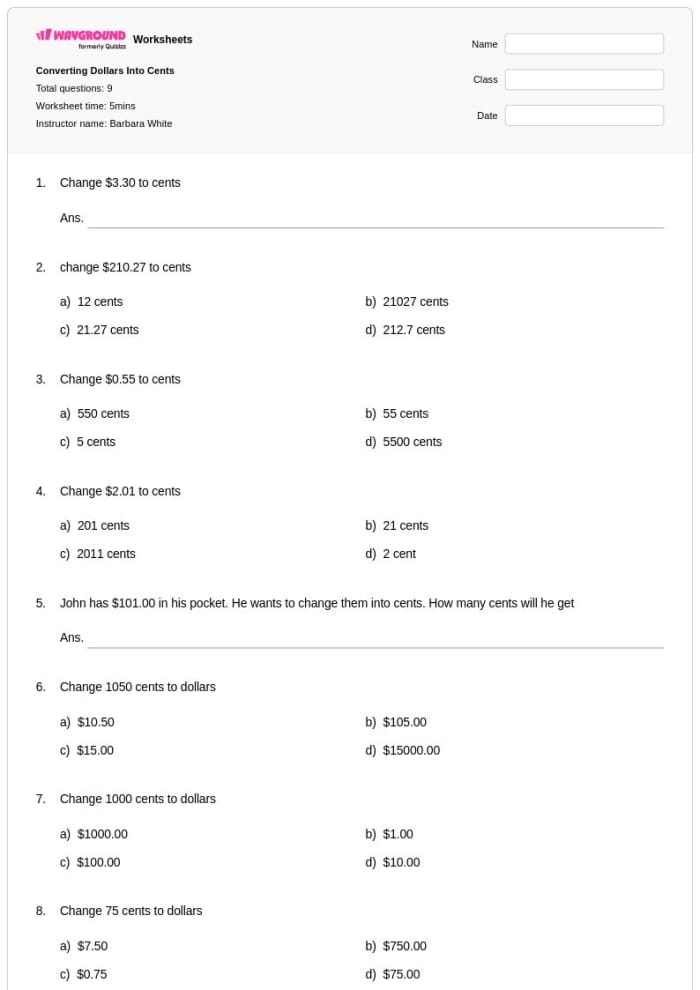
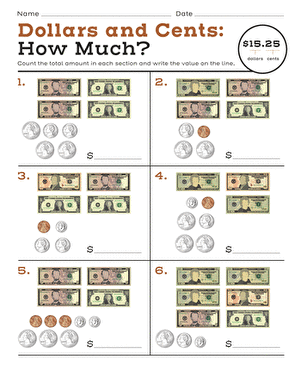
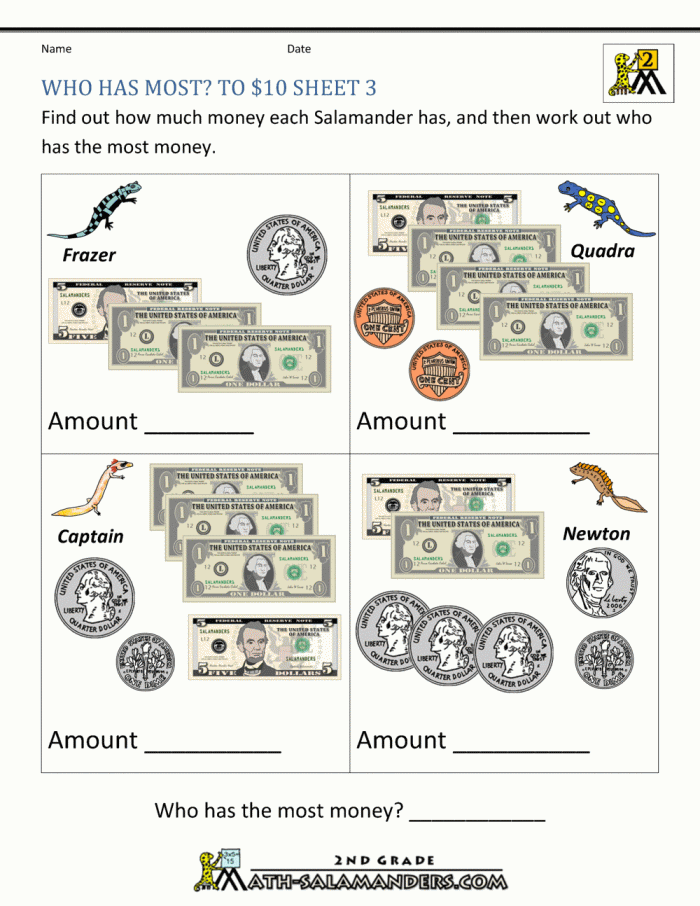
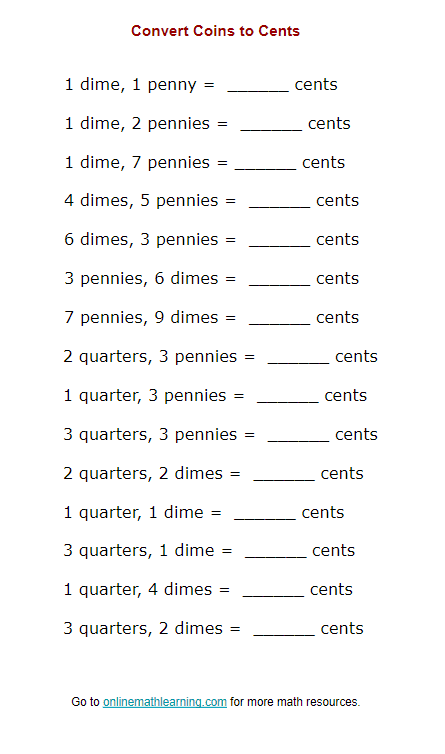
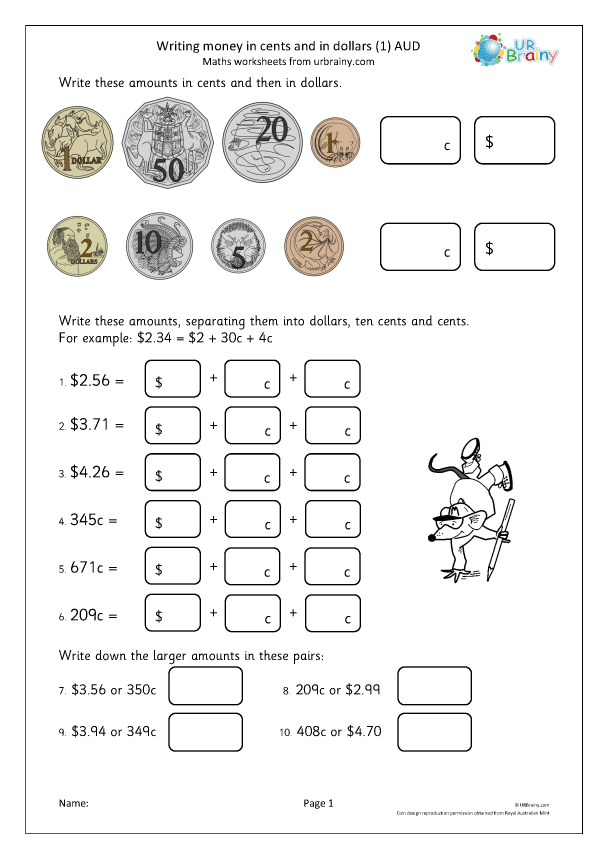
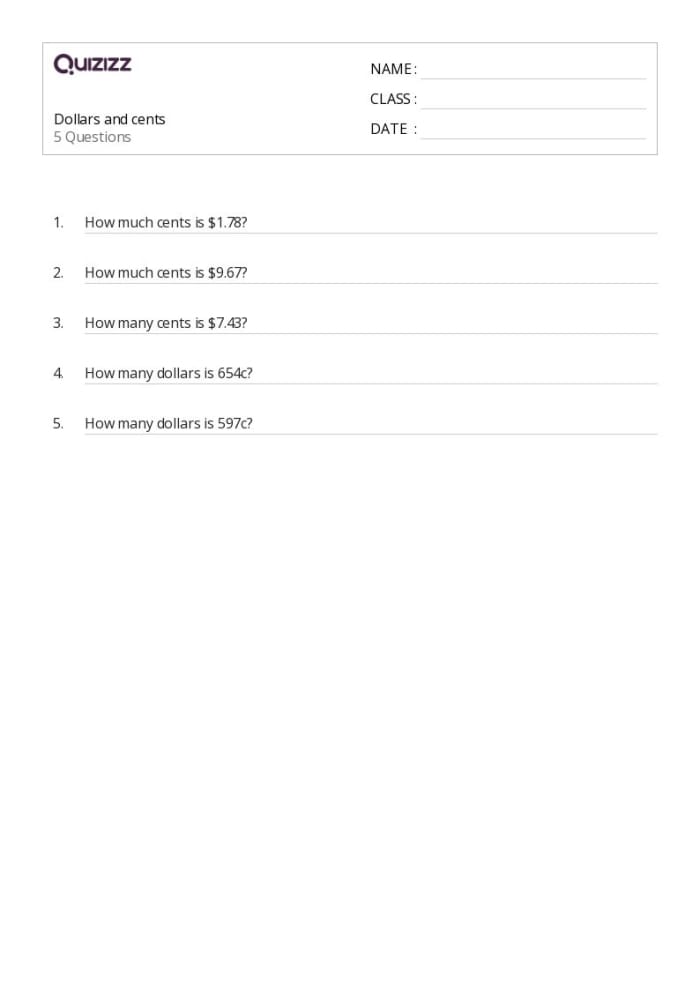
Money math becomes real when second graders start working with actual dollar and coin amounts. Rather than memorizing abstract numbers, students who practice adding dollars and cents develop a practical skill they’ll use immediately at the store, at home, or during classroom activities.
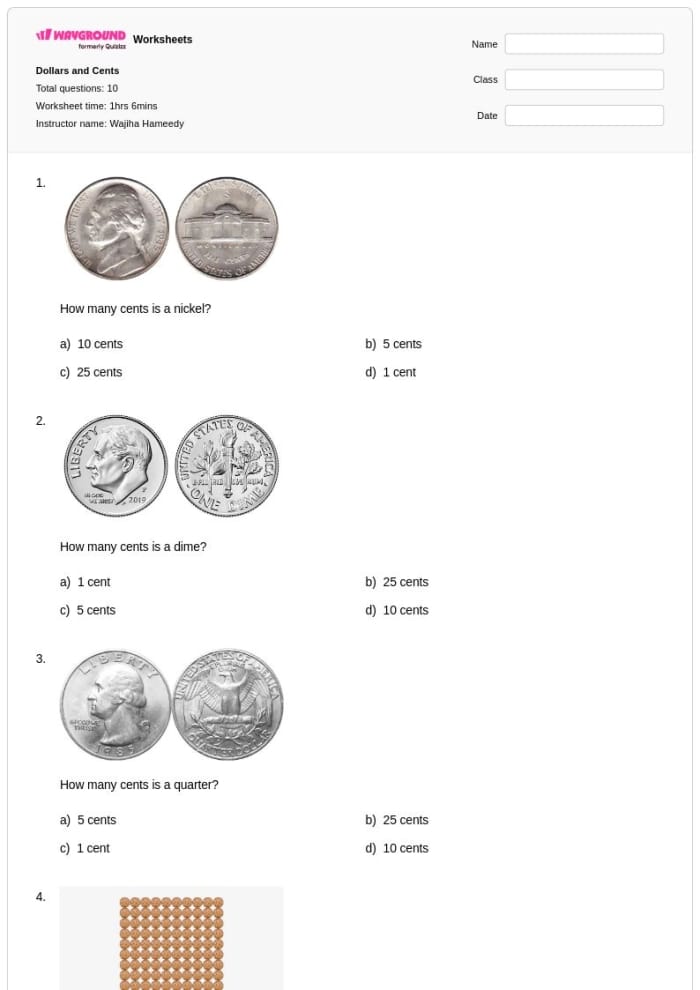
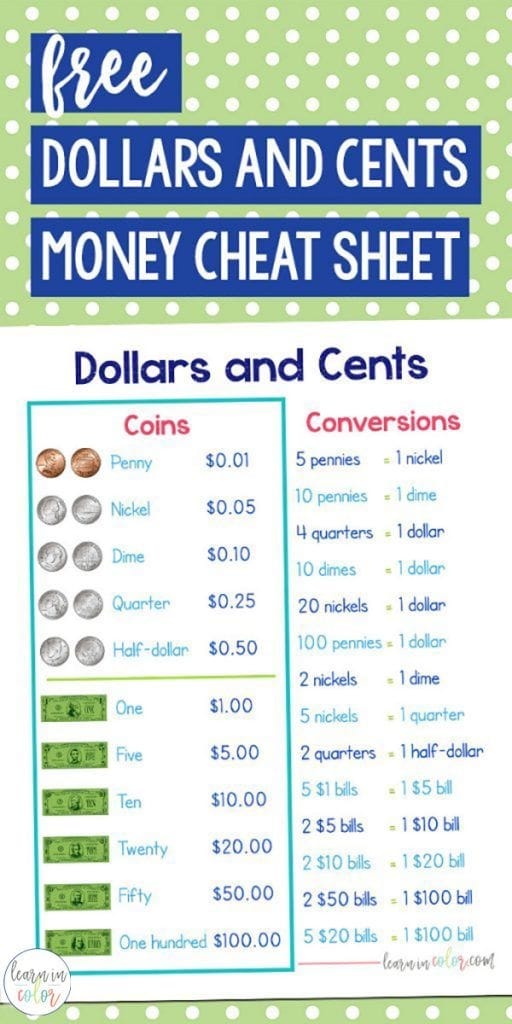
The challenge with teaching money concepts is that it requires students to understand two different systems at once. They need to recognize that 100 pennies equal one dollar, that quarters, dimes, nickels, and pennies each have different values, and then combine these amounts accurately. A focused worksheet that isolates this skill helps students build confidence before moving on to more complex word problems.
When second graders work through coin and dollar addition problems, they start seeing patterns. They notice that four quarters make a dollar, or that two dimes and a nickel equal a quarter. These visual and numerical connections stick better when practiced repeatedly on paper, where students can count, recount, and verify their work without pressure.
Pairing money worksheets with other time and money activities strengthens learning across the entire unit. For example, after completing a money worksheet, students might benefit from clock work for telling time, which reinforces their ability to work with other measurements and values. Some teachers also use a practice test on money to assess understanding before moving forward.
The repetition matters. Students who spend time practicing with coins and dollars develop automatic recall, which frees up their thinking for more challenging problems later. By second grade, this foundation becomes essential for financial literacy skills they’ll continue building throughout elementary school.
Printable Worksheets for Practice