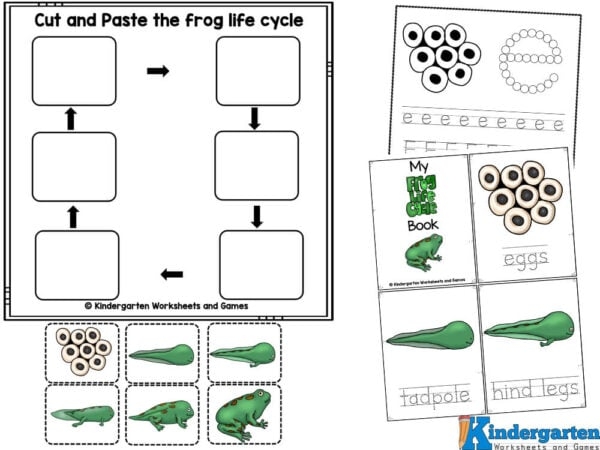
If your child has been learning about the life cycle of a frog in school, you might be wondering how well the information has actually stuck. Second grade is when kids start grasping these kinds of sequential processes, and frogs make for a perfect subject because their transformation is dramatic and easy to visualize.
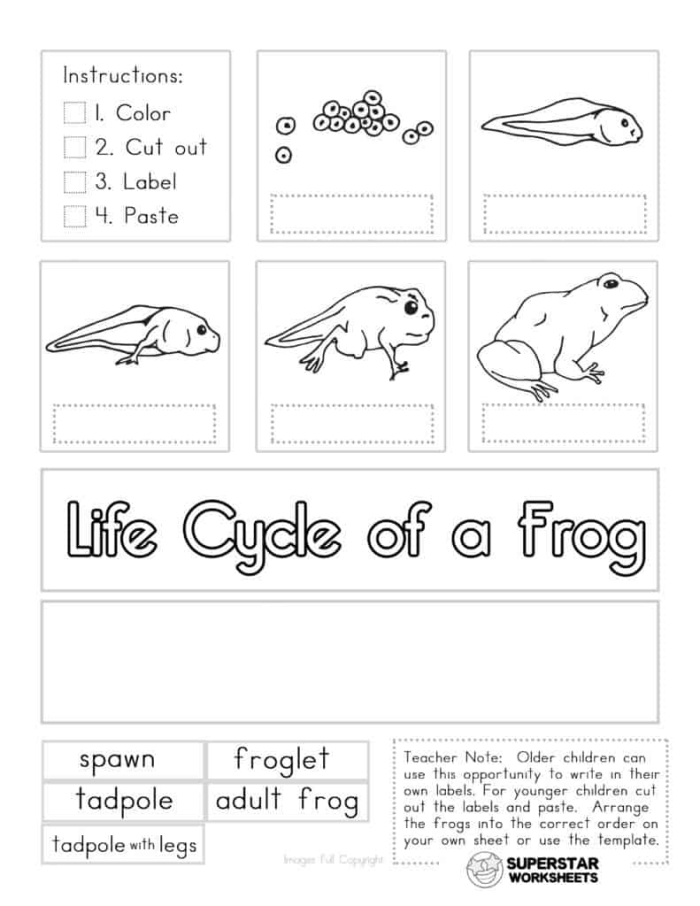
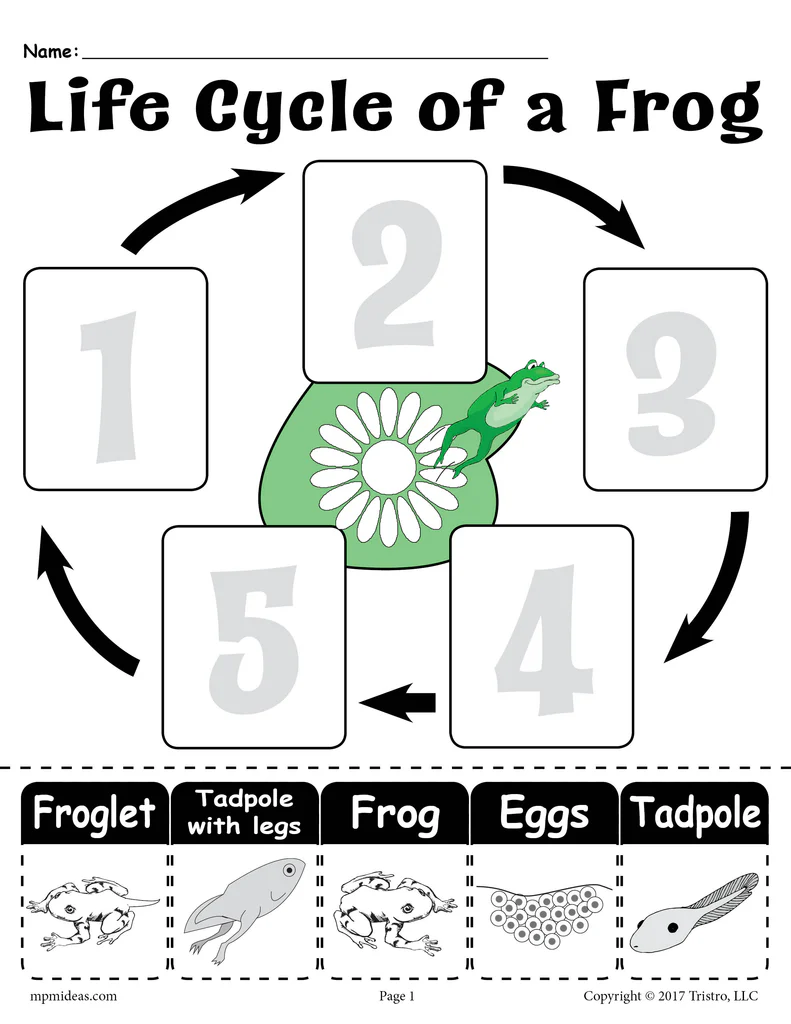
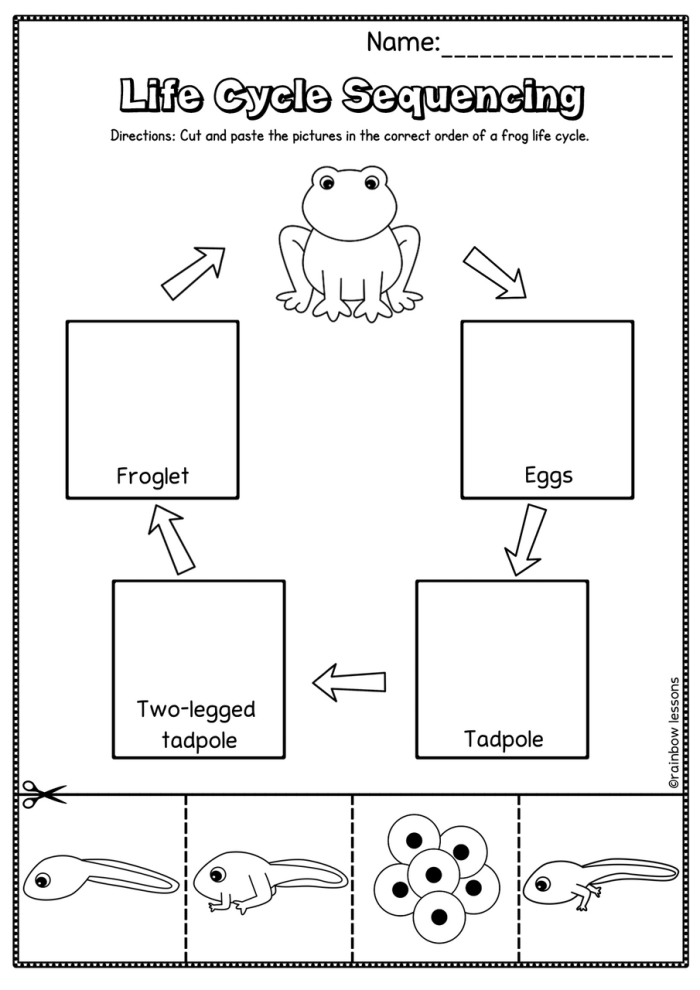
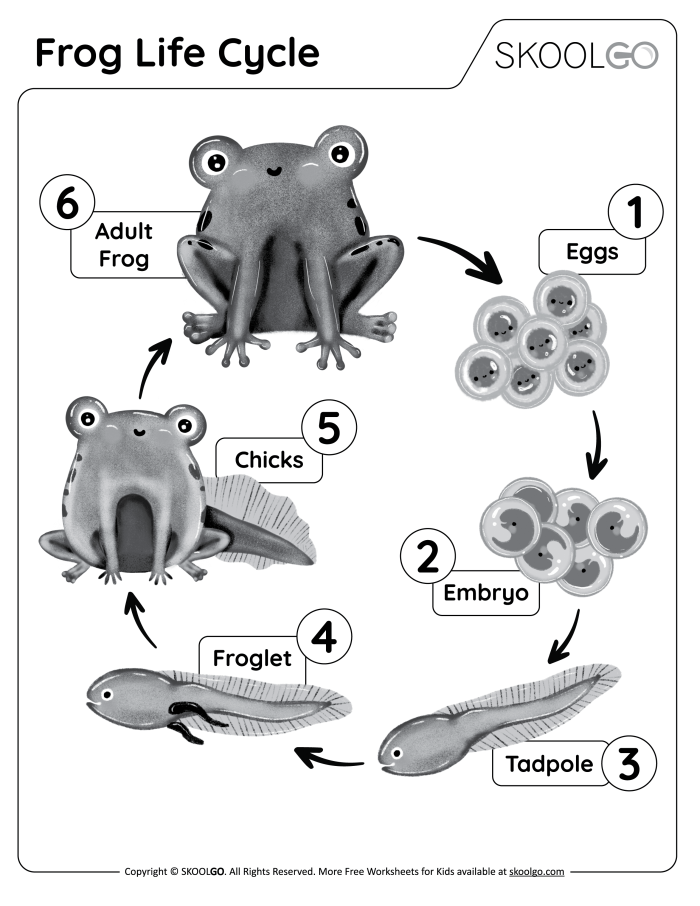
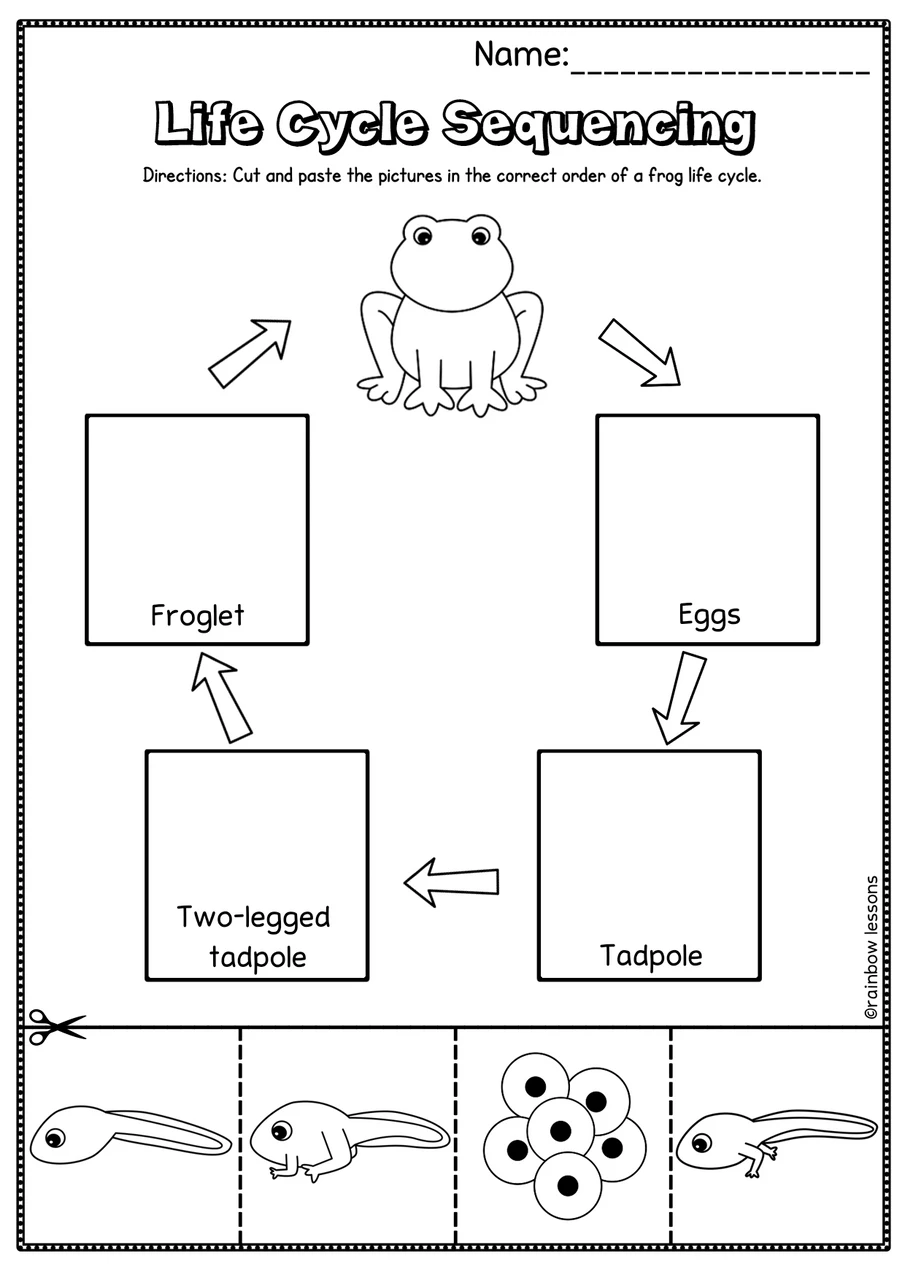
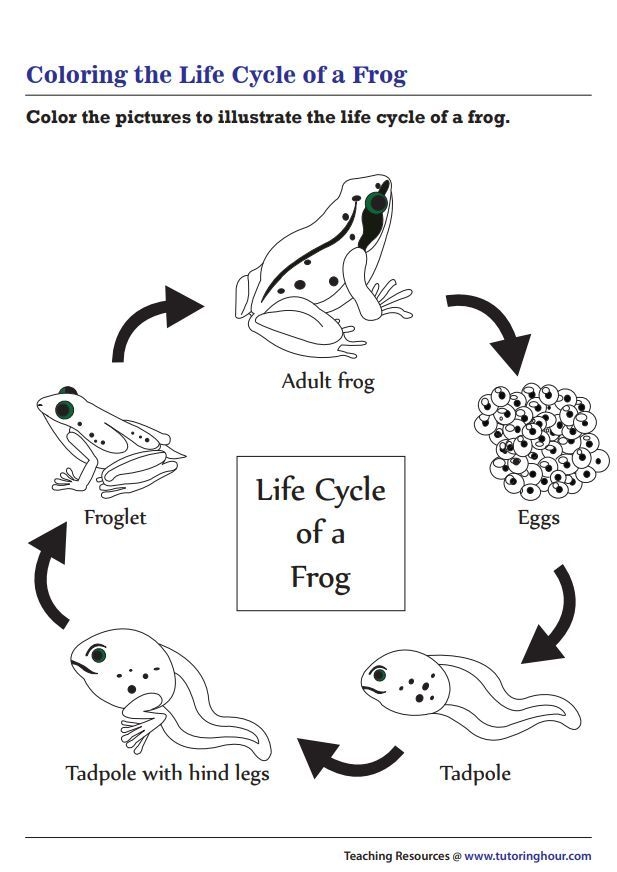
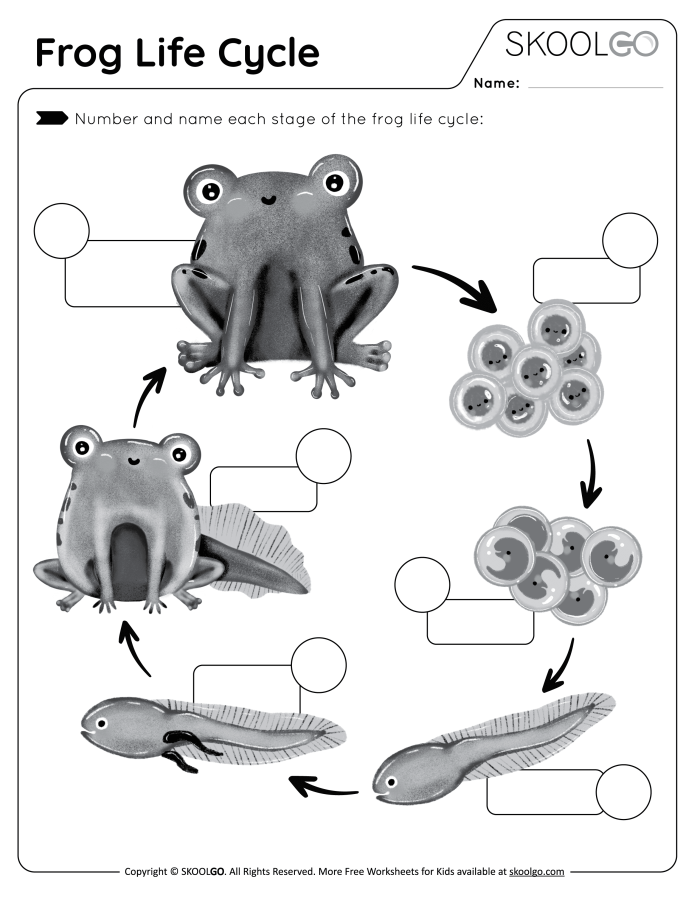
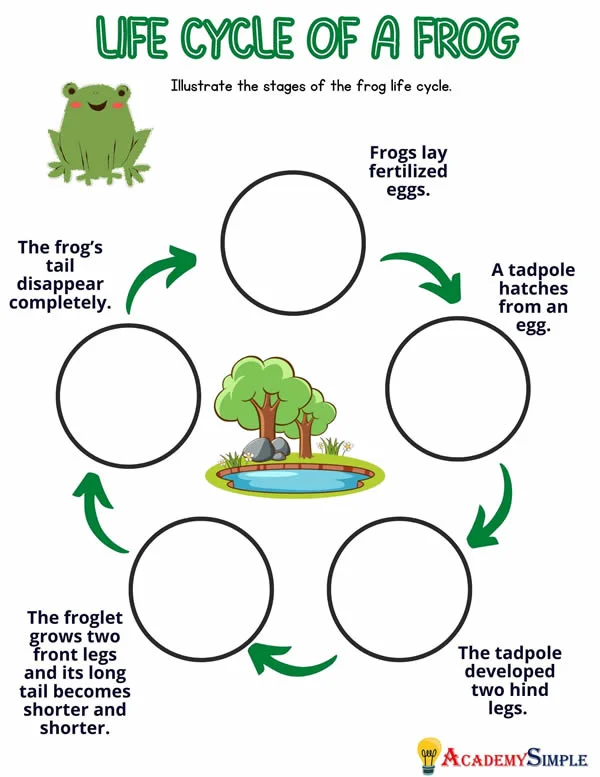
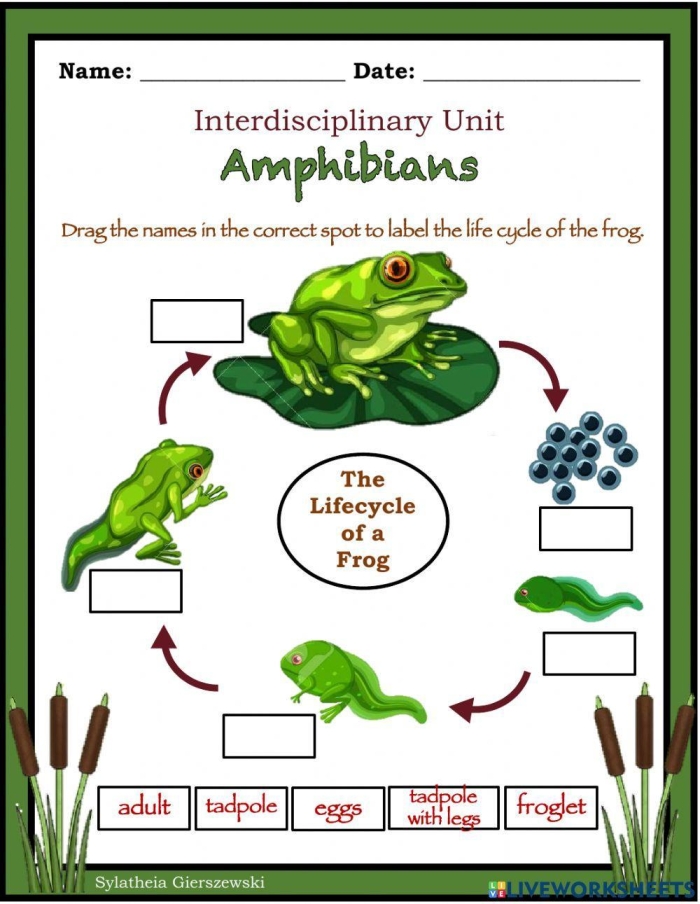
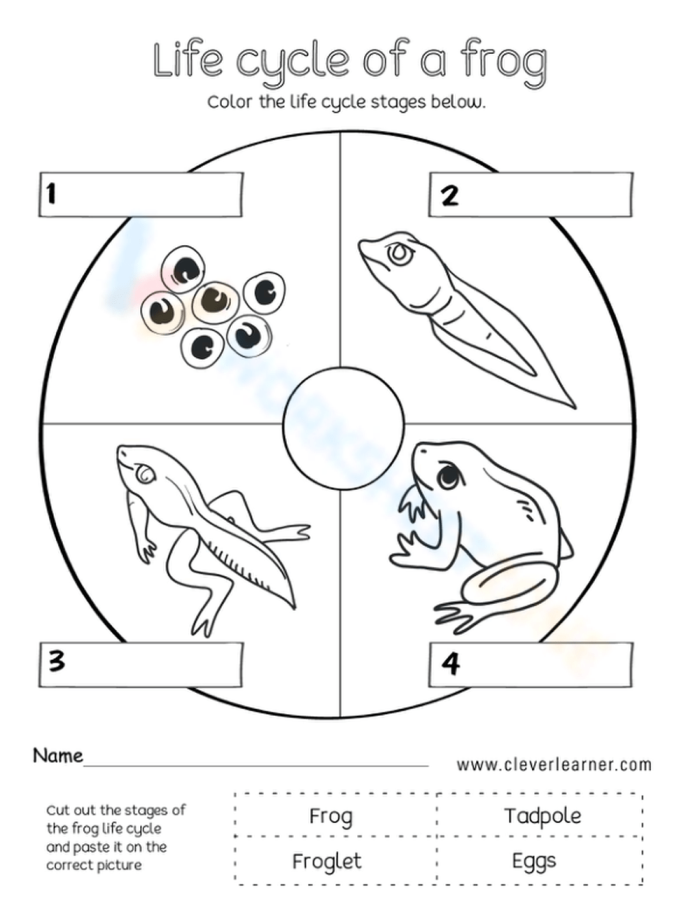
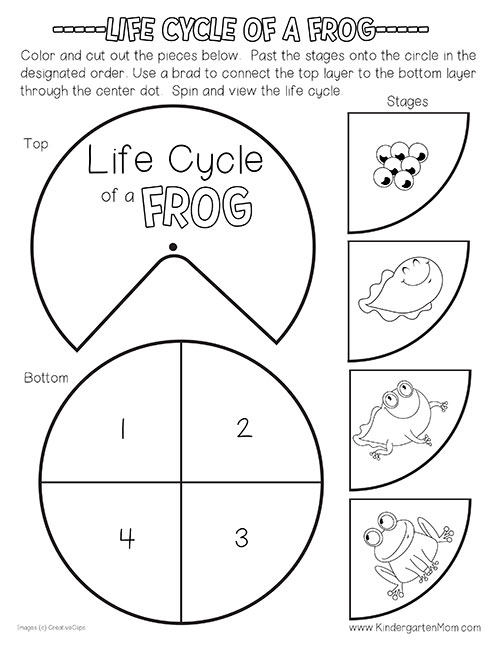
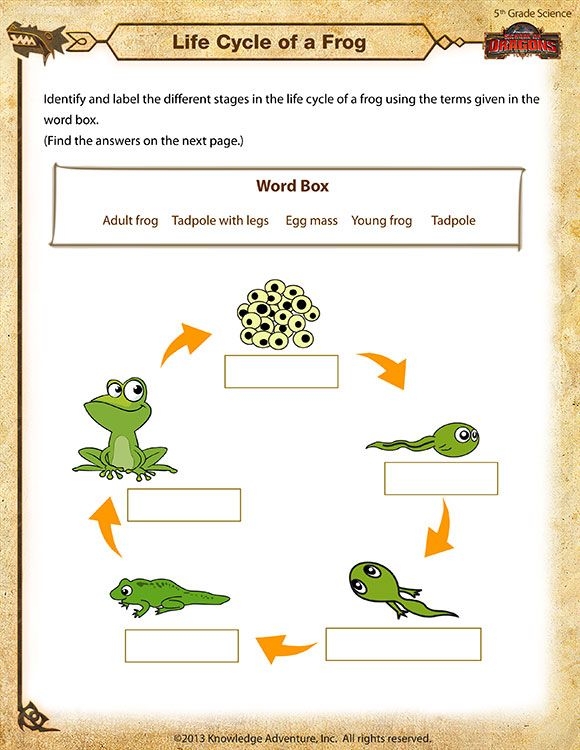
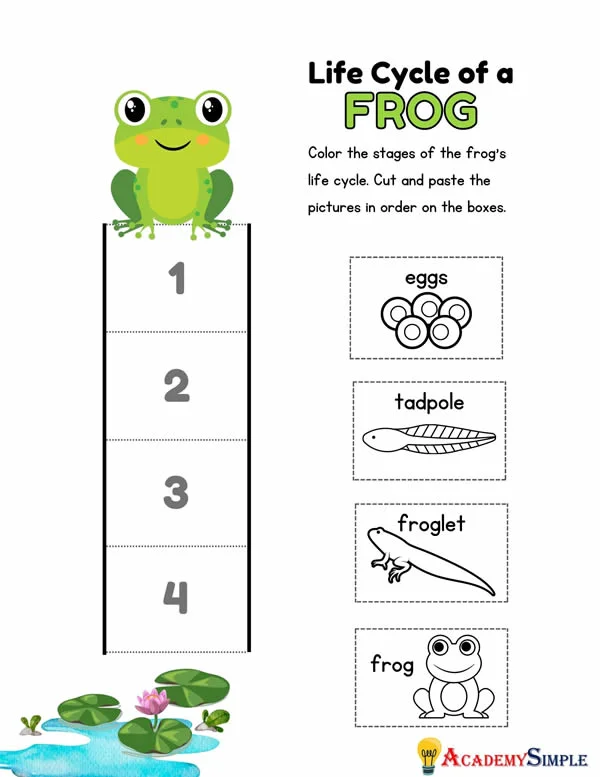
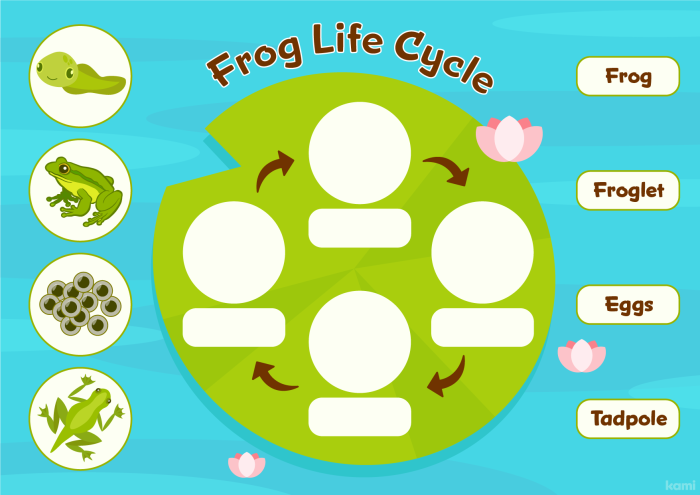
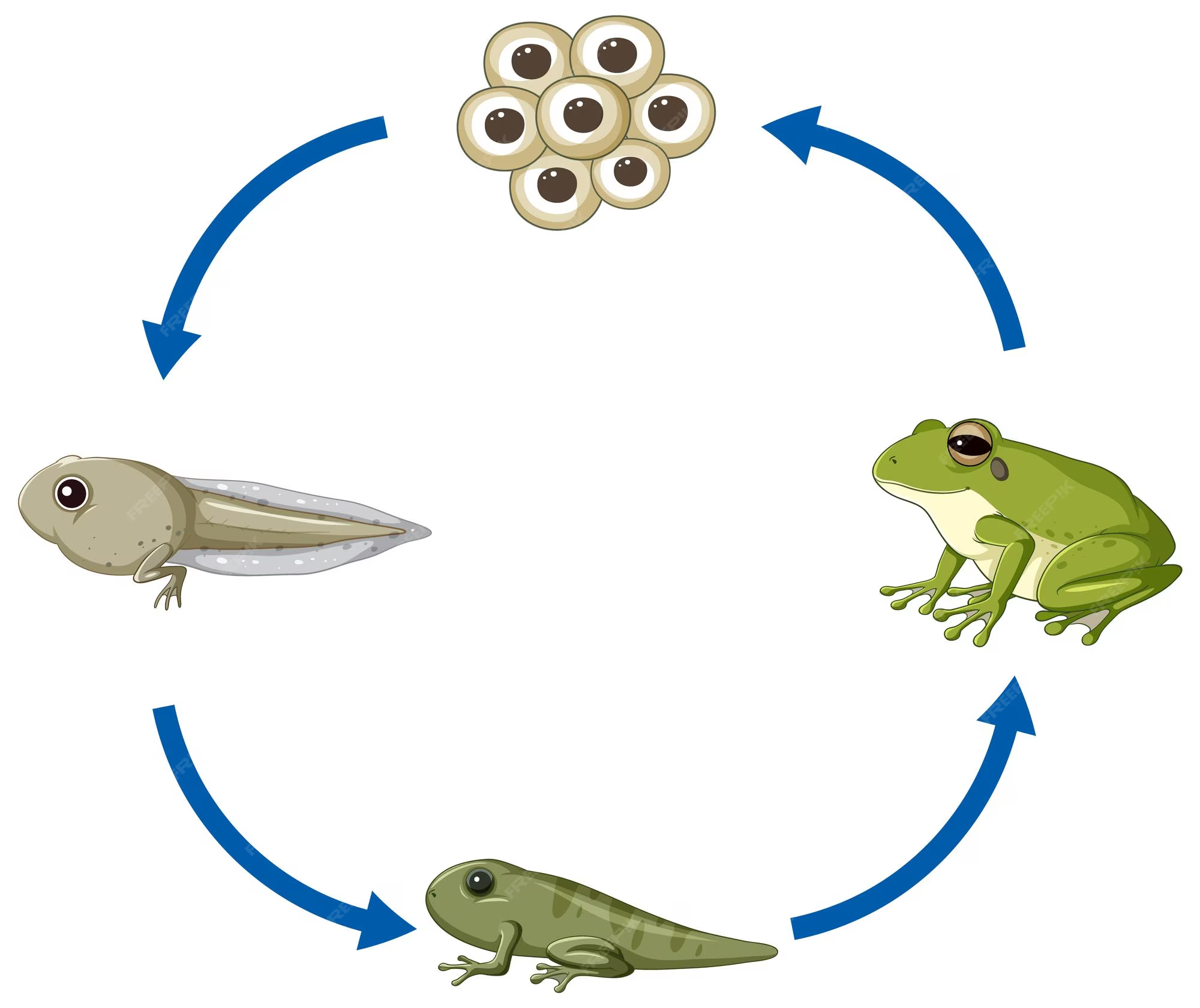
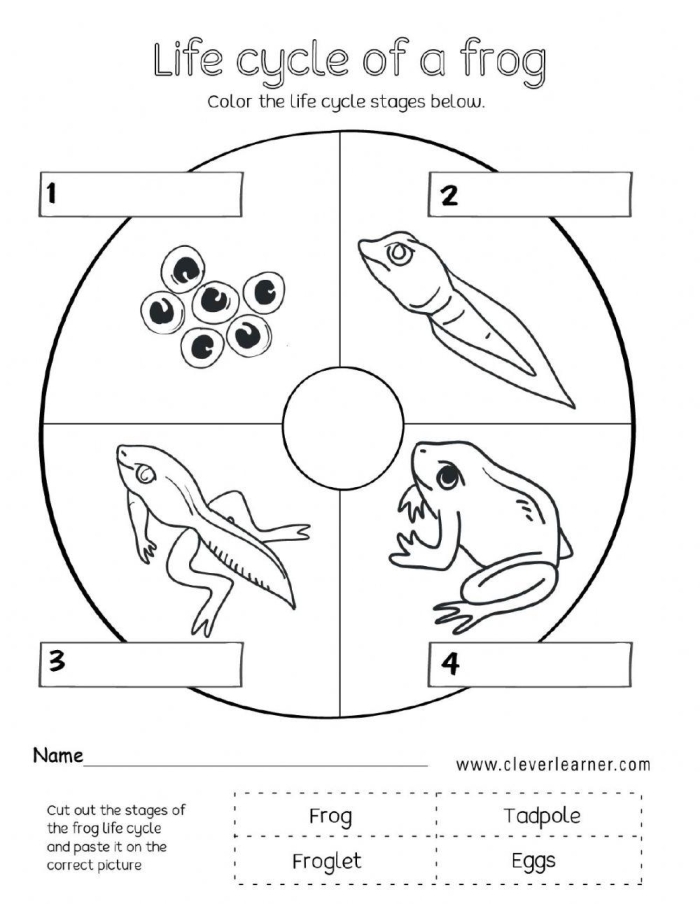
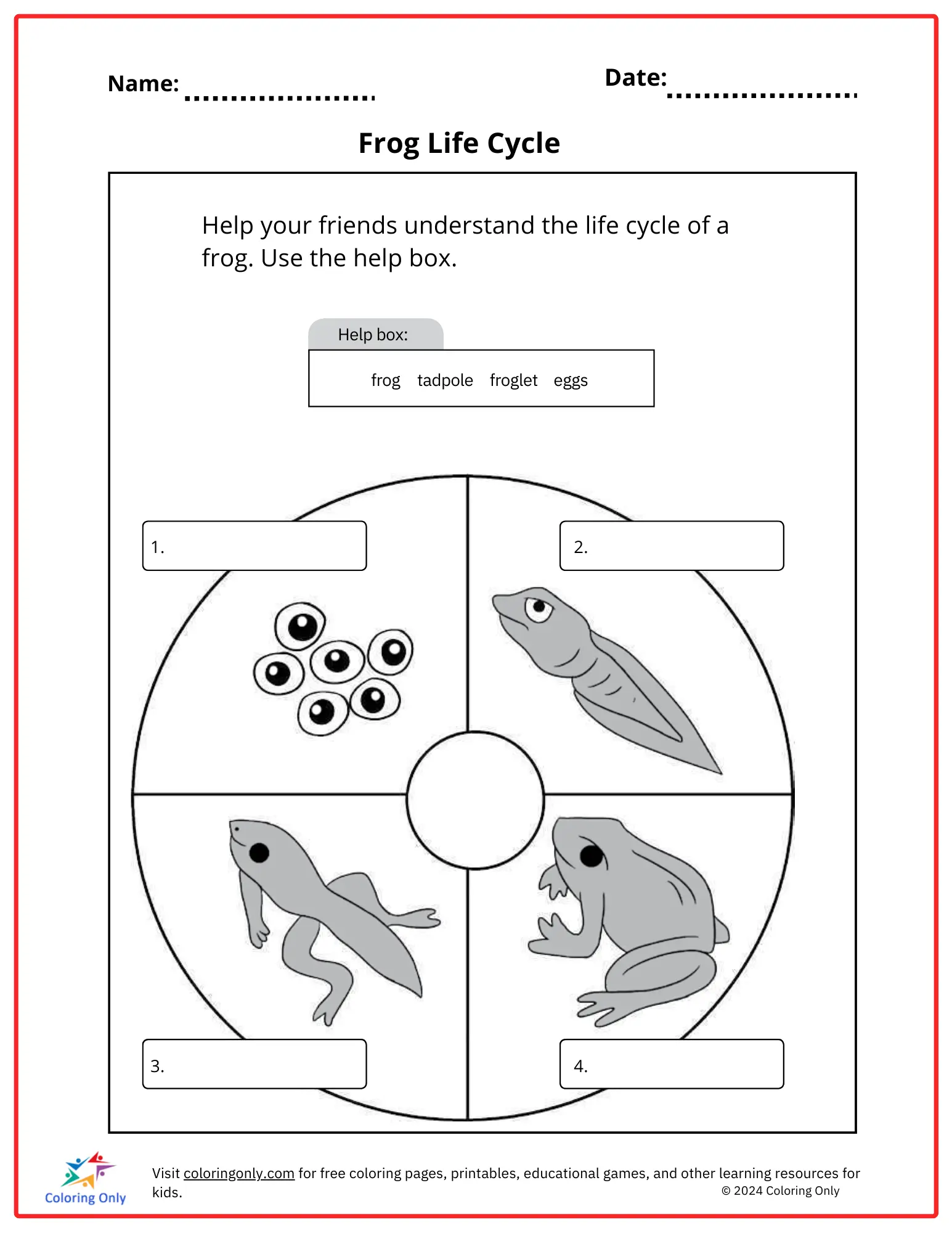
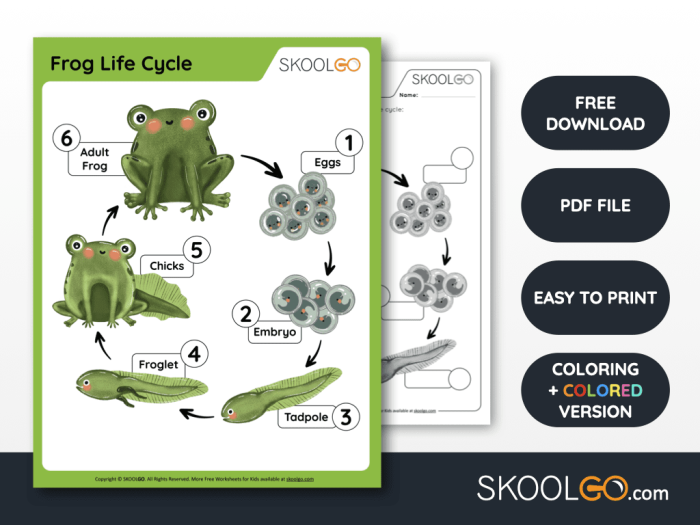
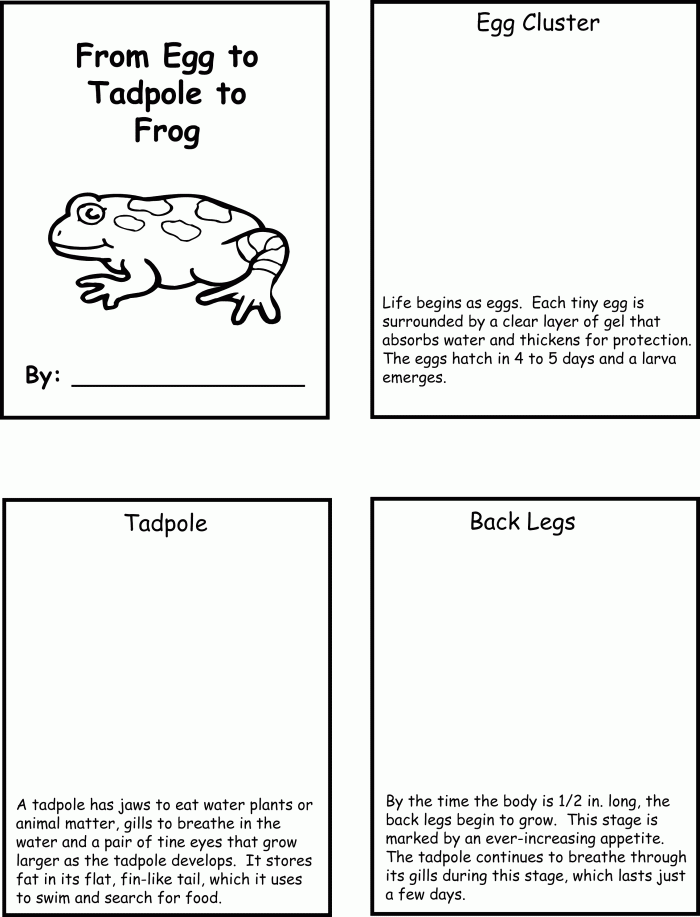
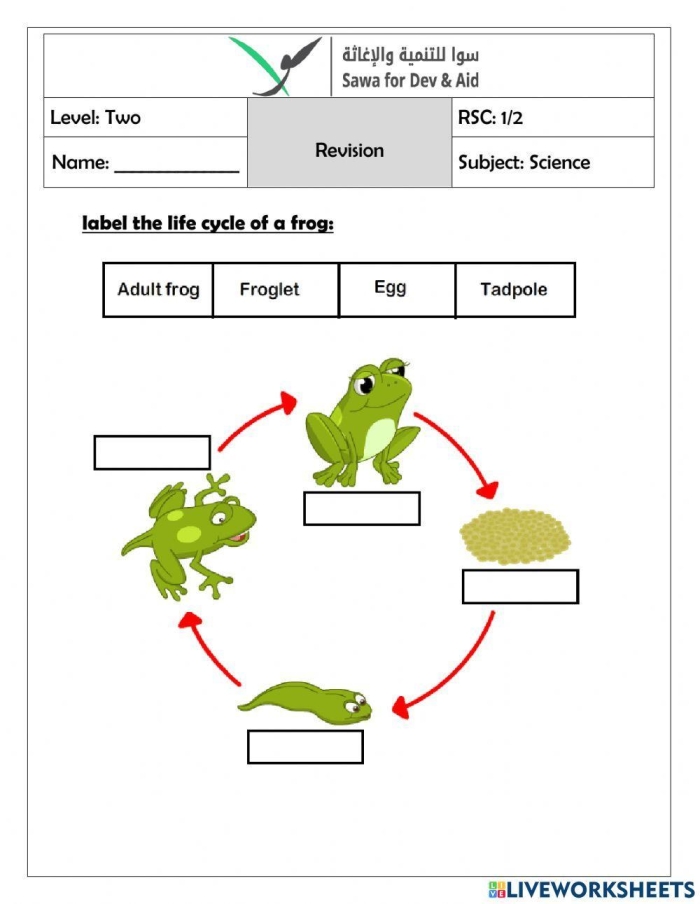
A frog’s life cycle has four distinct stages: eggs, tadpoles, froglets, and adult frogs. This progression happens over several weeks or months depending on the species and water temperature. Most children find this fascinating because it’s such a visible change, unlike the life cycles of many other animals. When tadpoles develop legs and lose their tails, it clicks for kids in a way that makes science feel real and tangible.
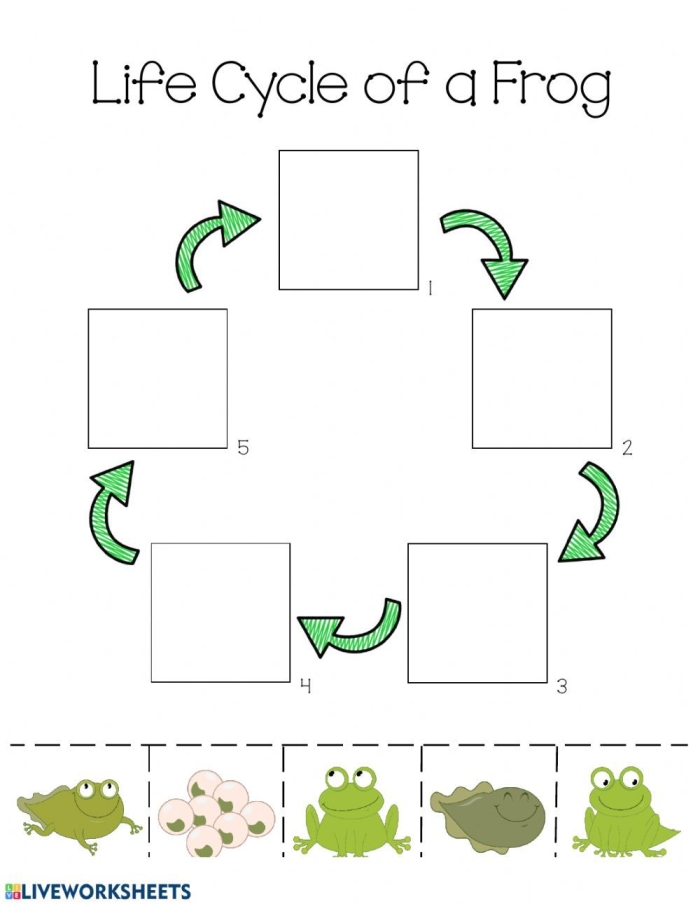
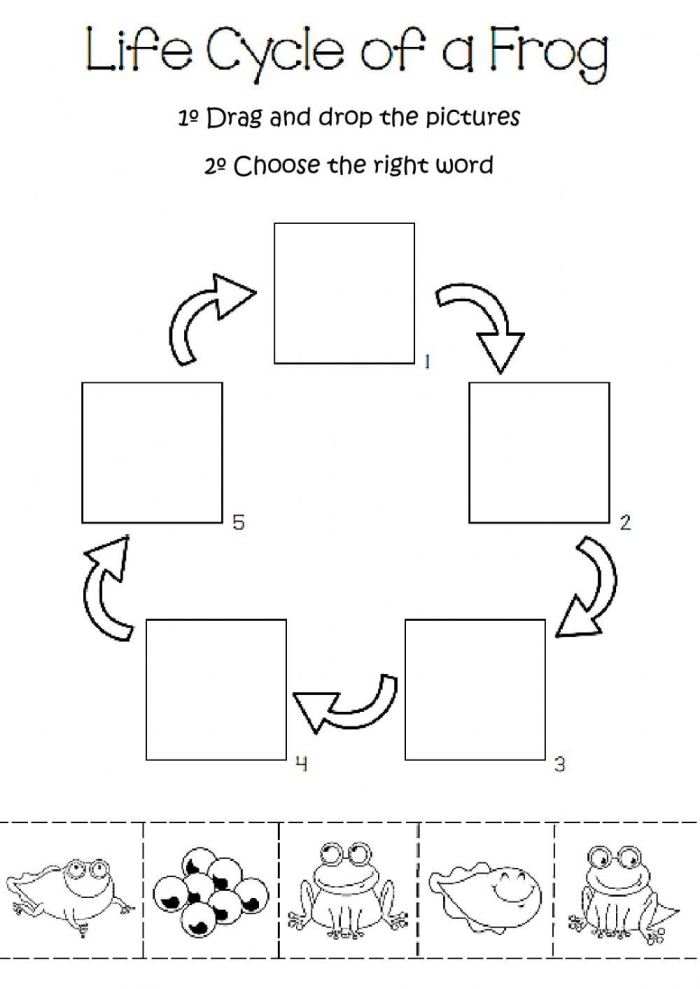
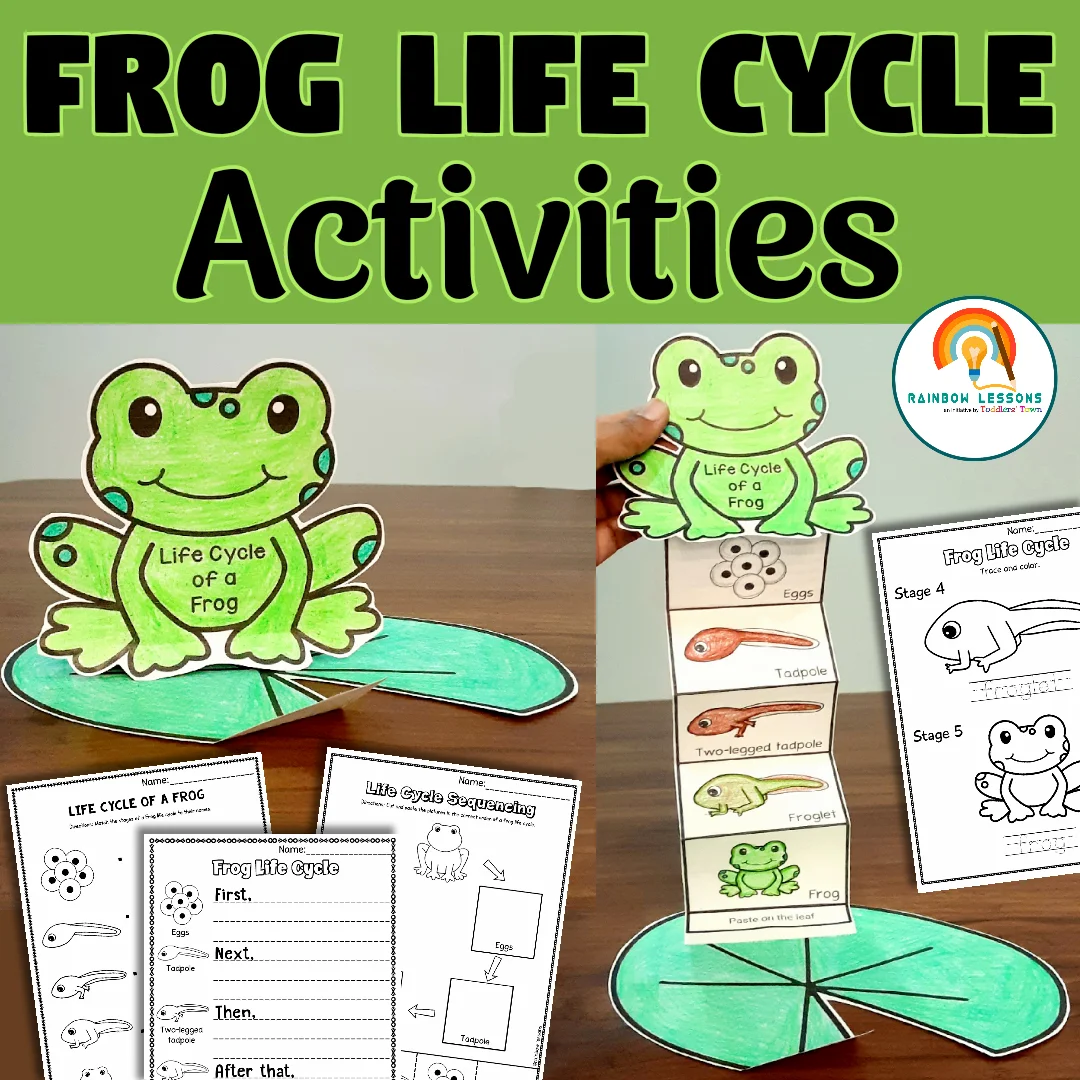
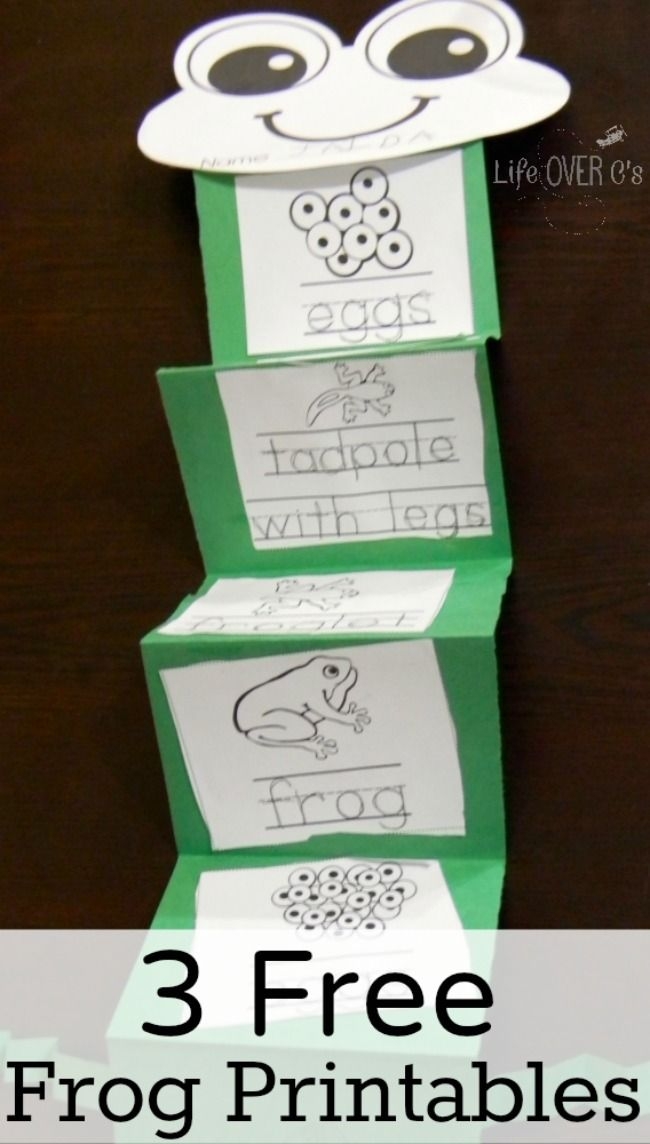
Cut and paste worksheets work particularly well for reinforcing this kind of learning. Rather than simply reading or writing about the stages, your child physically arranges the images in the correct order. This hands-on approach helps cement the sequence in their memory. For second graders still building fine motor skills, cutting and pasting also provides valuable practice with scissors and glue while they’re thinking through the science content.
Beyond frogs, there are other ways to keep your child engaged with learning. Worksheets that combine life science with geometric shapes can help reinforce multiple skills at once. You might also explore activities that mix different subjects, like worksheets involving money terms or seasonal themes, which keep learning fresh and connected to real-world concepts.
The beauty of a frog life cycle worksheet is that it’s simple enough for second graders to complete independently but meaningful enough to actually test their understanding. Once your child finishes arranging the stages correctly, you’ll have a clear sense of whether they’ve truly grasped the concept or if they need a bit more reinforcement.
Worksheet Practice Section