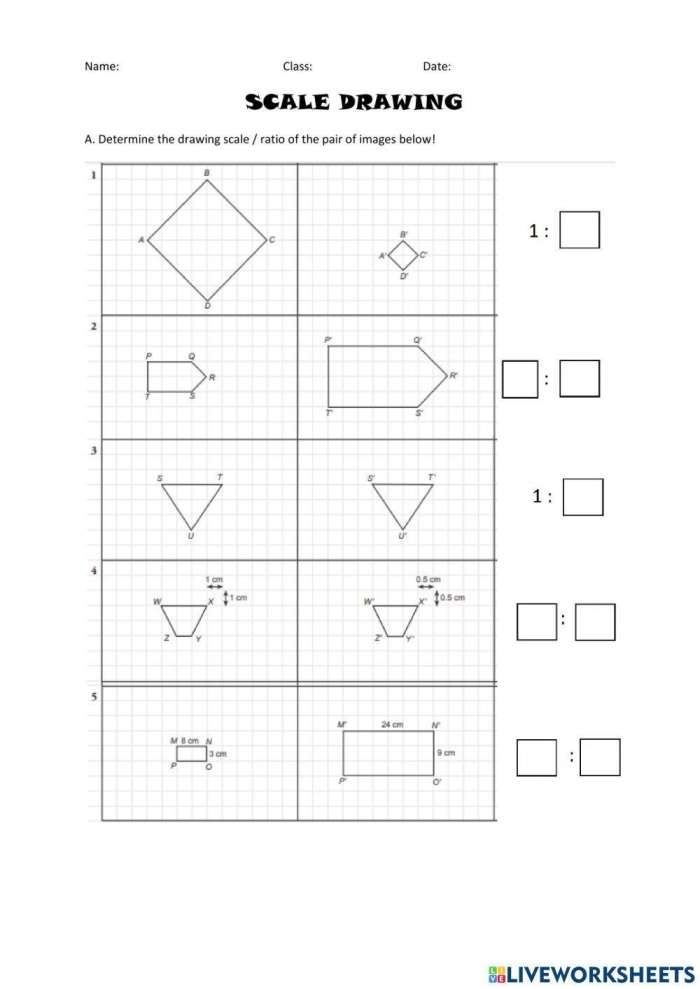
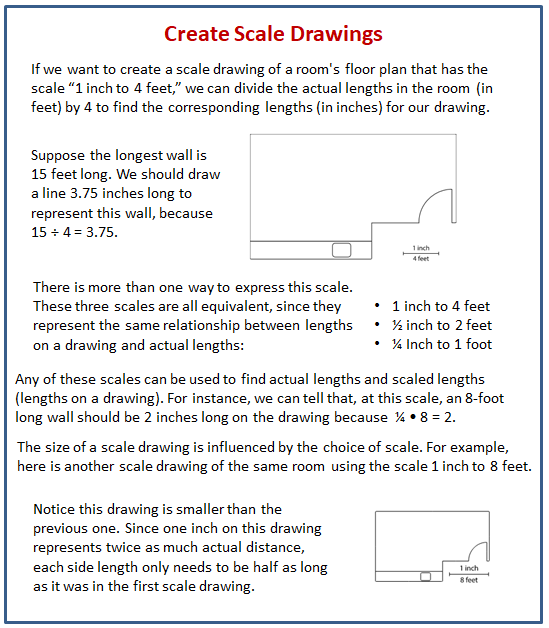
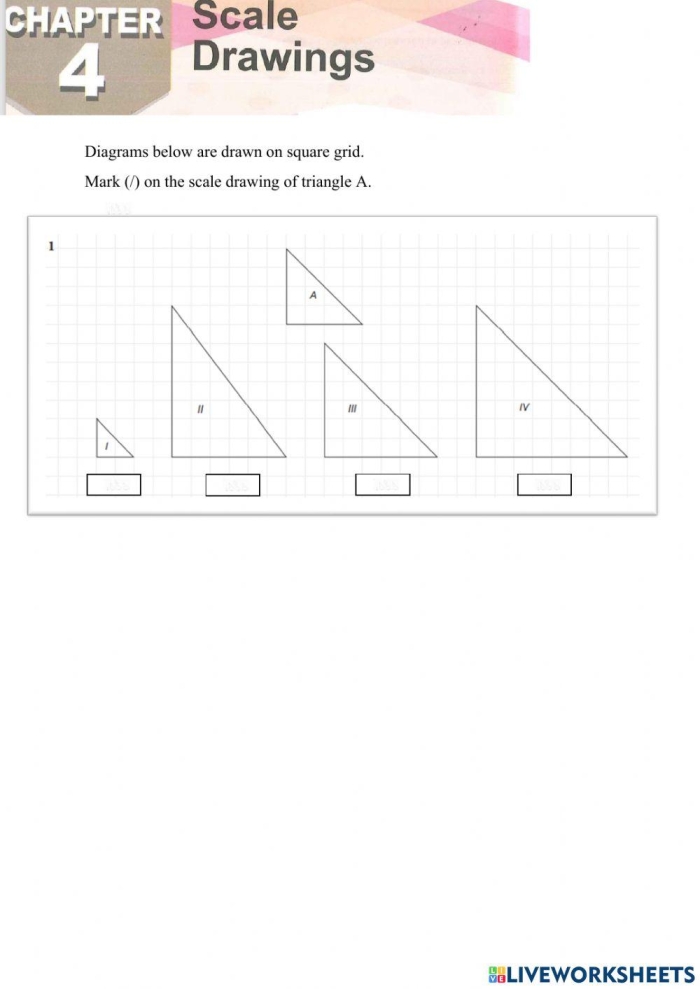
Scale drawings show up everywhere once you start looking for them, from blueprints and maps to video game design and architecture. When seventh grade math introduces this concept, students often struggle because they’re juggling two ideas at once: understanding the relationship between the drawing and the real object, then calculating actual areas from those scaled representations.
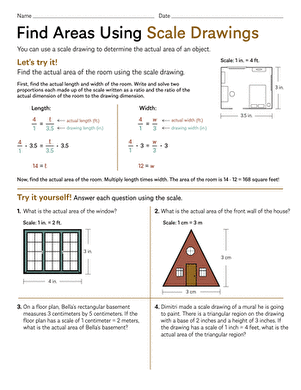
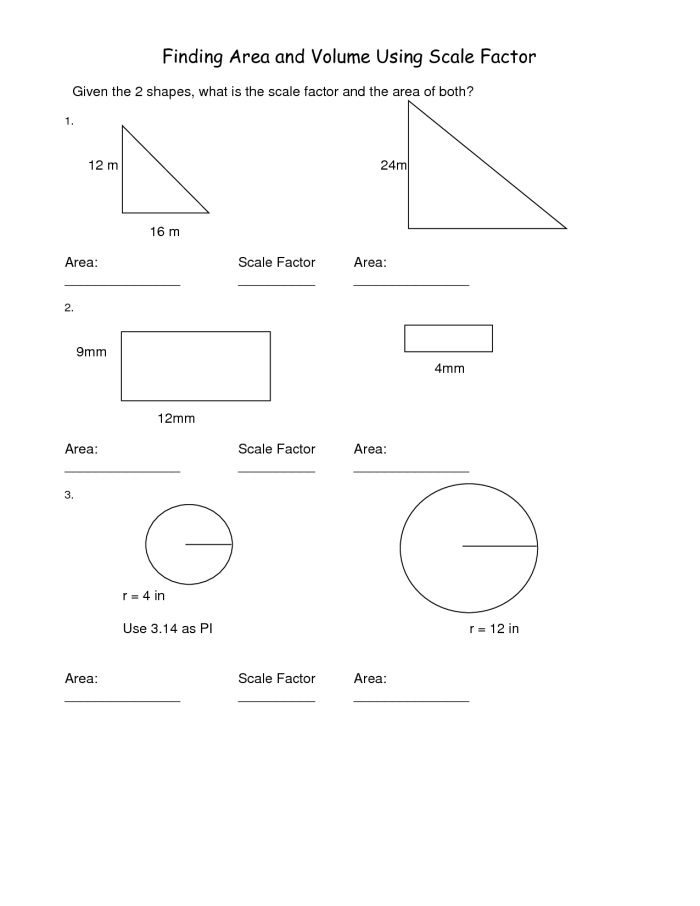
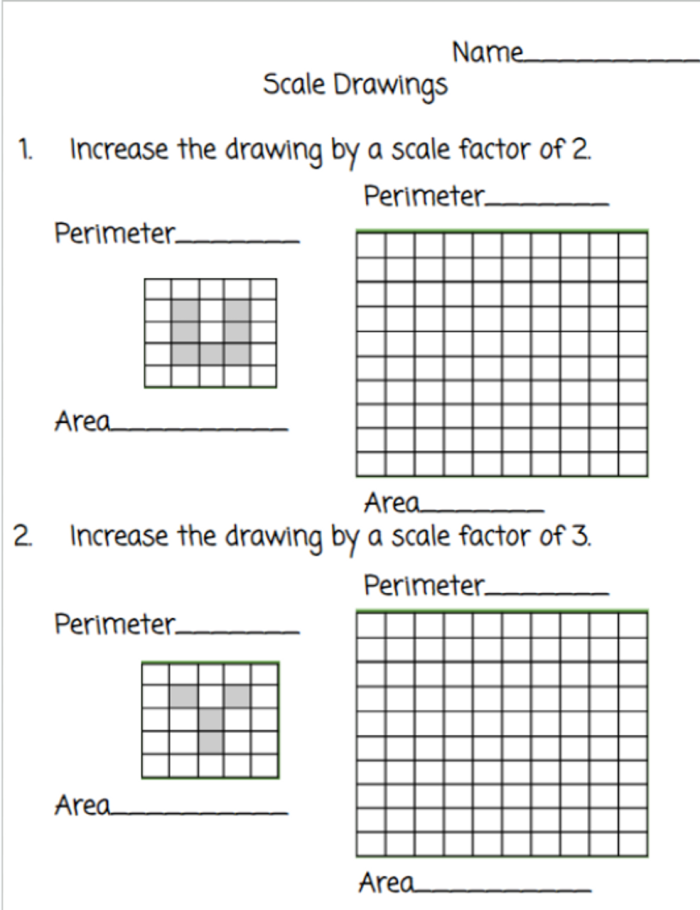
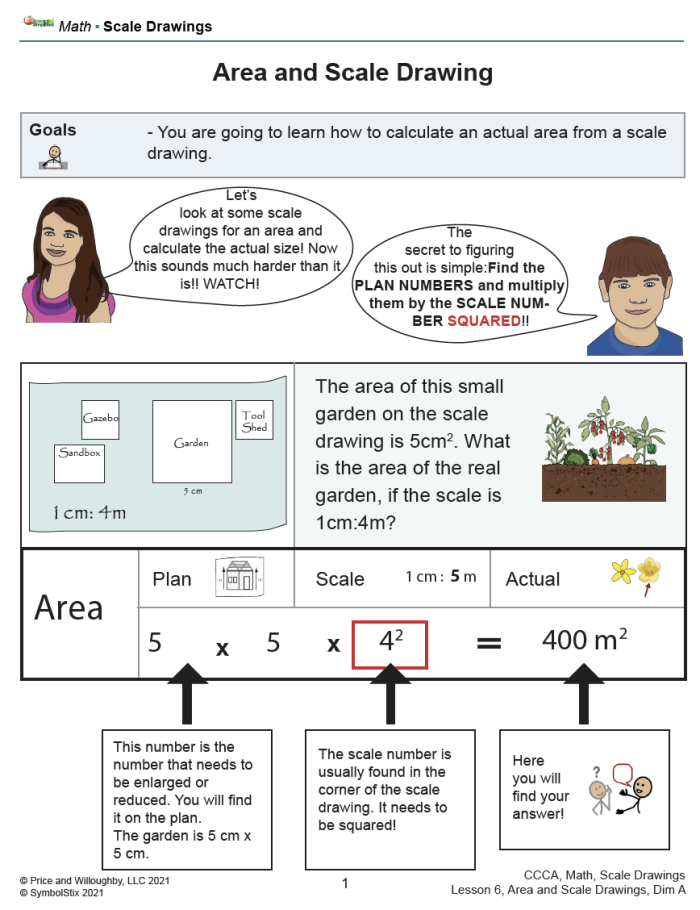
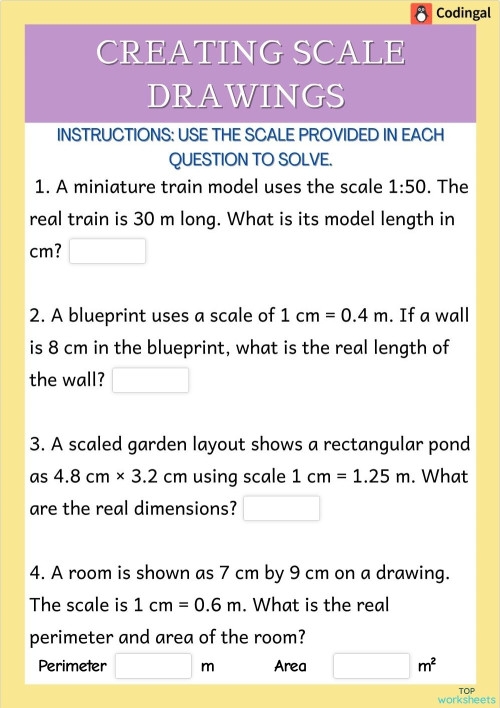
The core challenge lies in recognizing that when you scale a drawing by a factor of 2, the area doesn’t double, it quadruples. A rectangle that measures 2 by 3 inches on a drawing scaled at 1:10 represents a real object that’s 20 by 30 inches, giving an actual area of 600 square inches instead of just 6. This relationship trips up many students who expect linear scaling to apply to area as well.
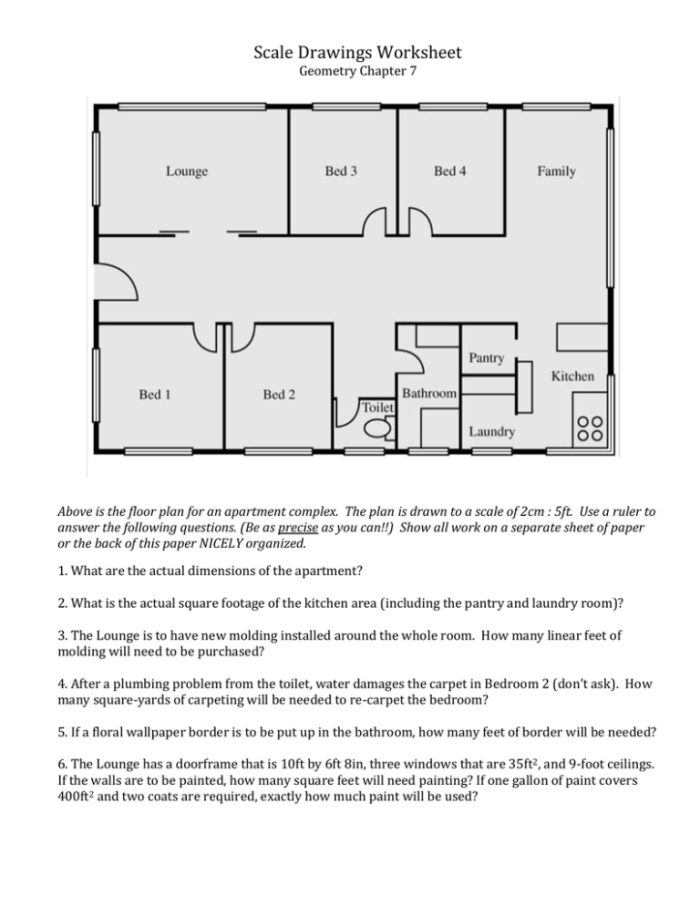
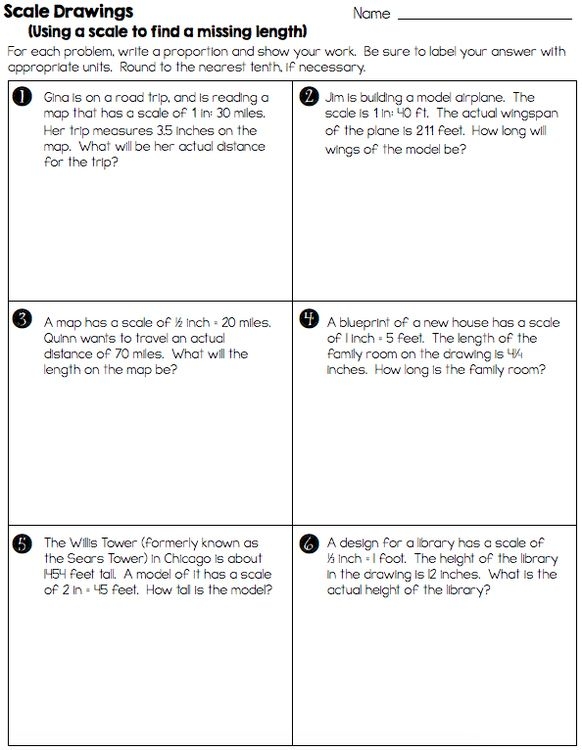
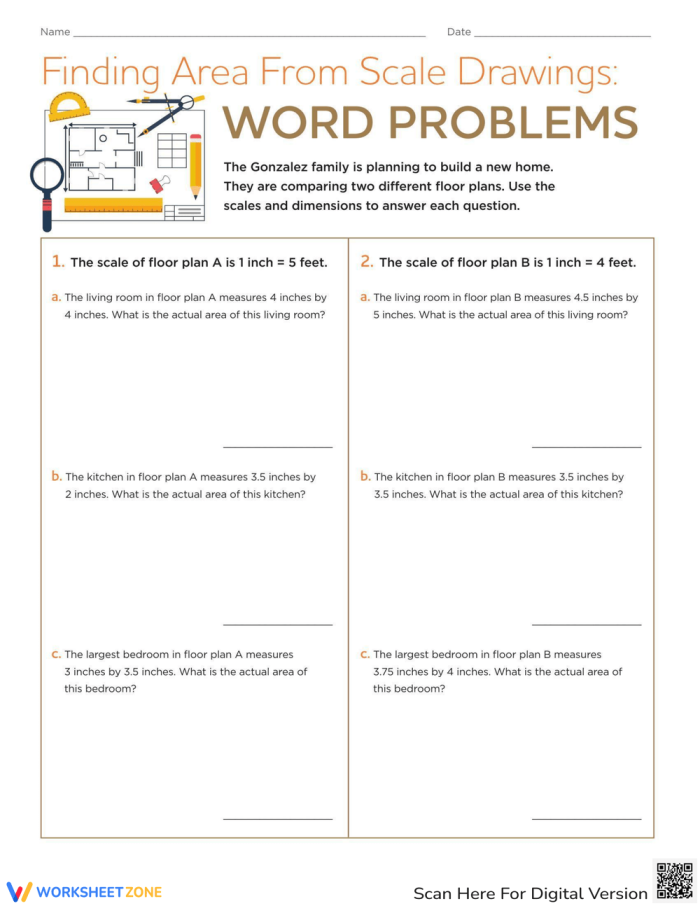
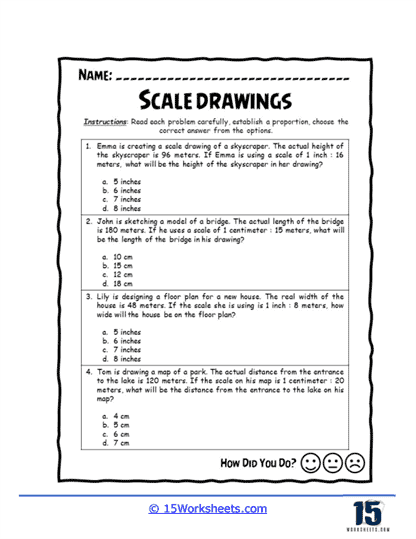
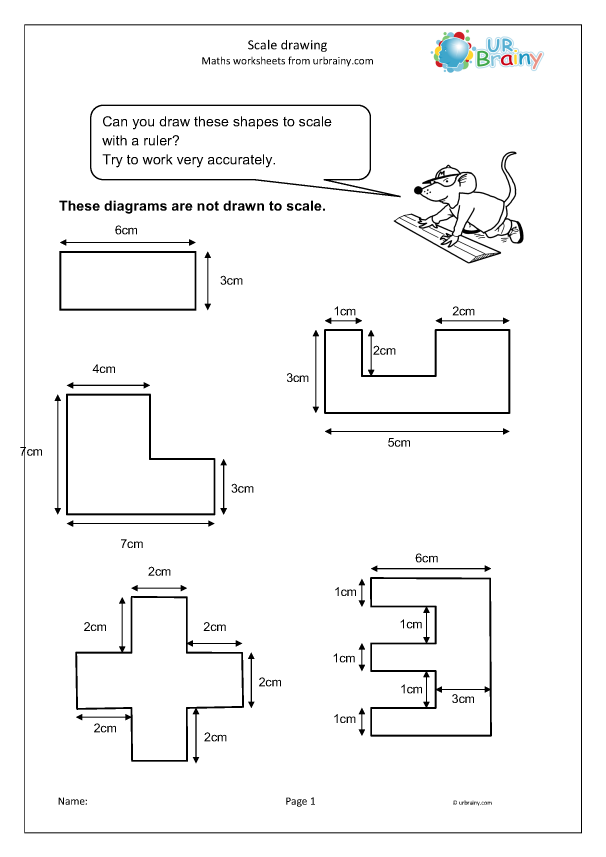
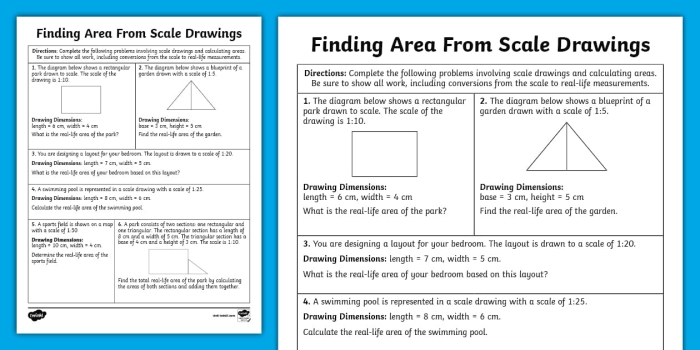
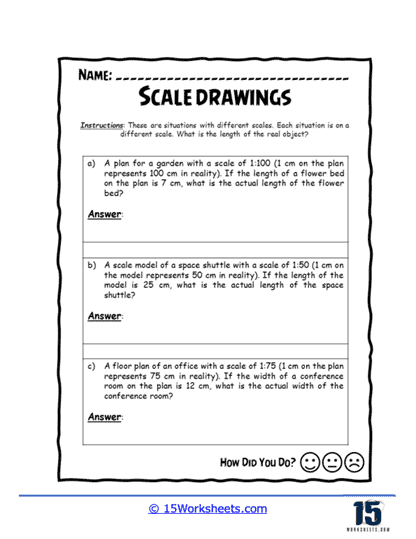
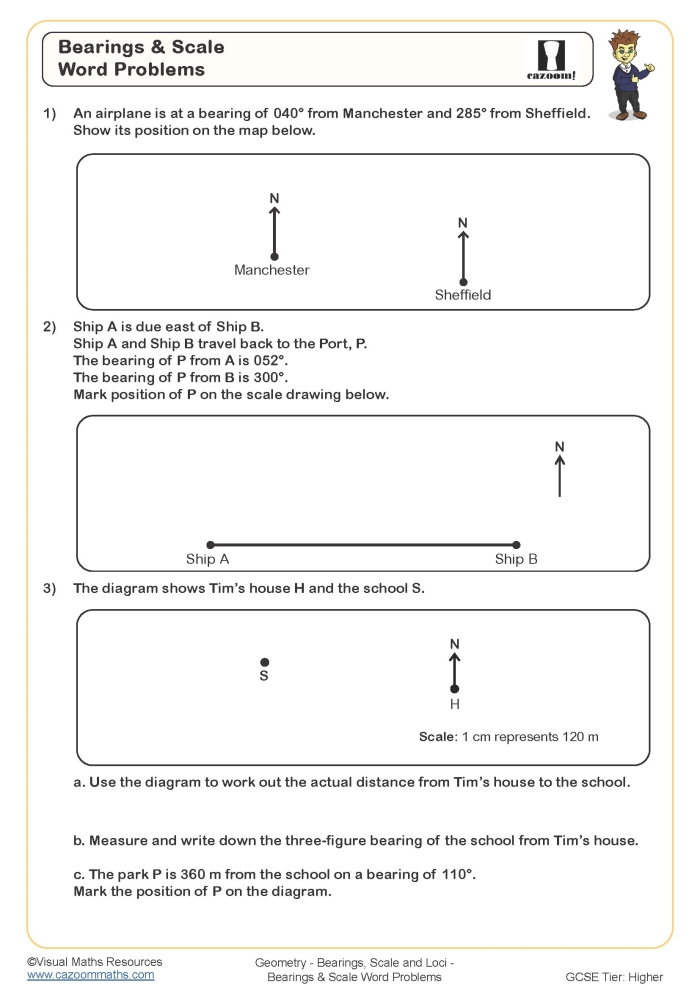
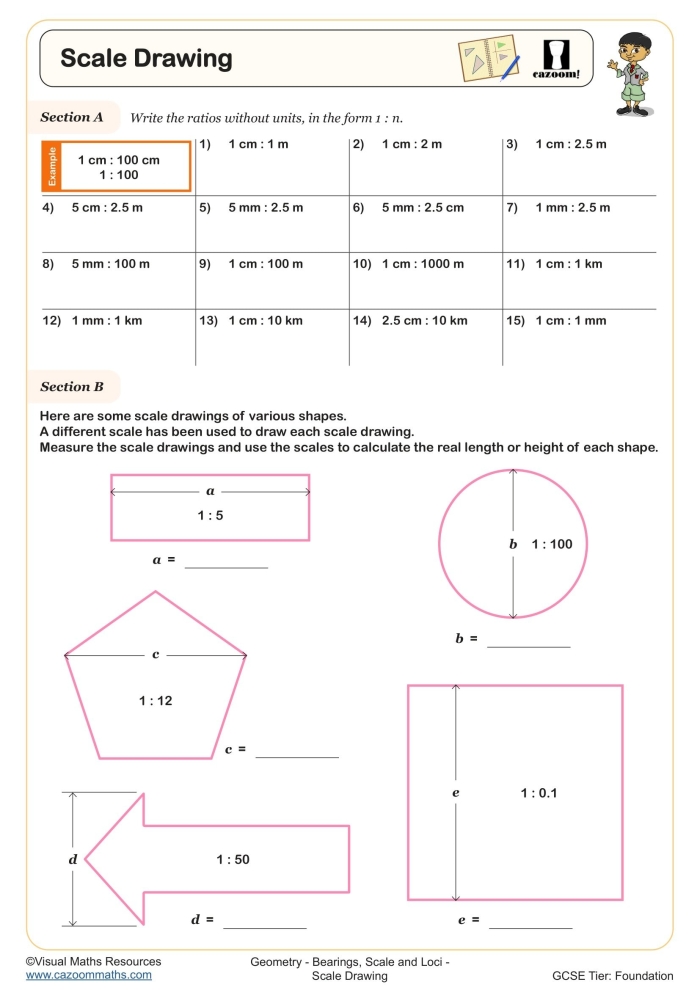
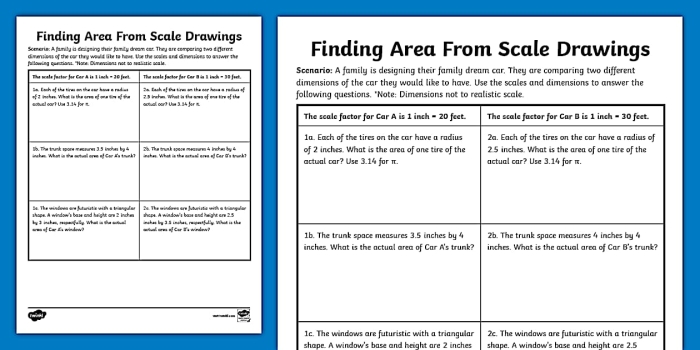
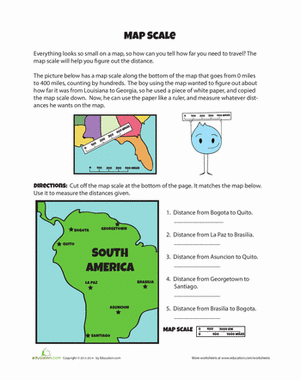
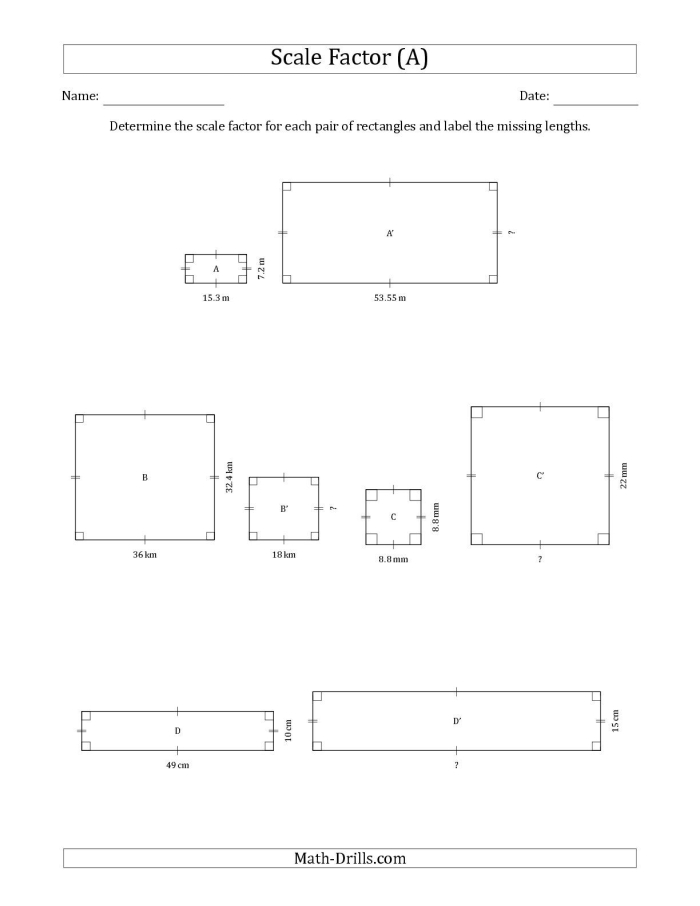
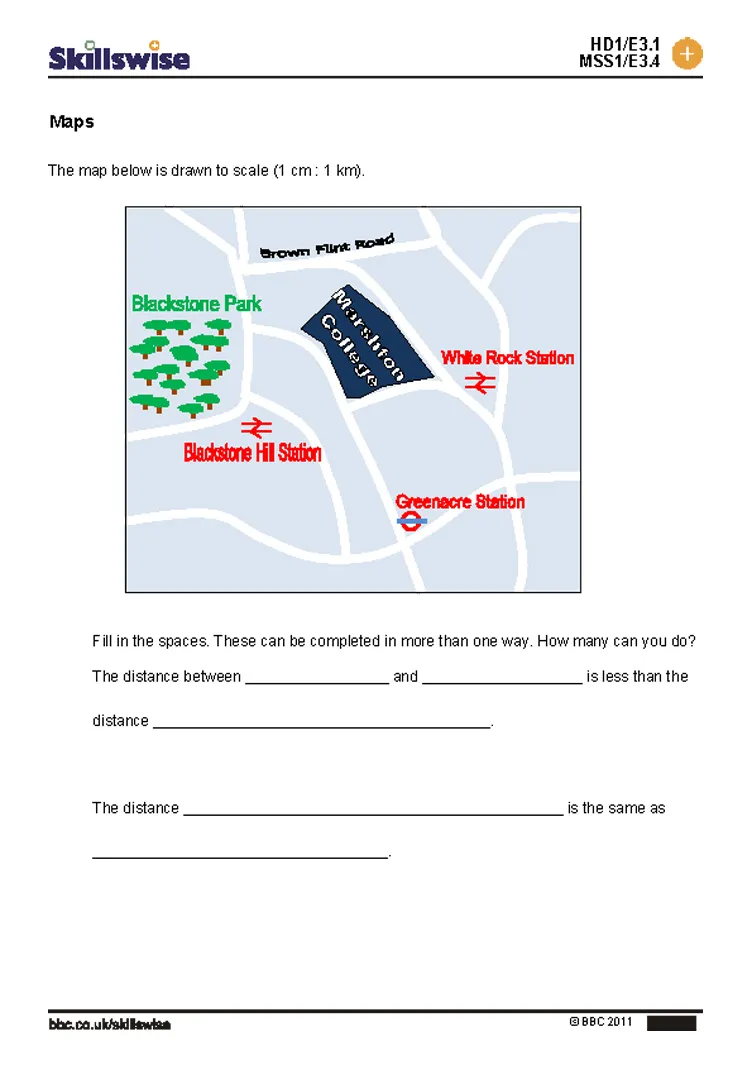
Working through practice problems helps cement this concept. A typical worksheet might present a scale drawing of a classroom floor plan with a given scale ratio, then ask students to find the actual area. They need to first convert the drawing measurements to real-world dimensions, then apply their area formulas. This combines their understanding of ratios, multiplication, and geometry all in one problem.
Using worksheets specifically designed for seventh grade geometry gives students the repetition they need to build confidence. Each problem reinforces the process without overwhelming them with overly complex shapes. Starting with rectangles and simple polygons makes sense before moving to more irregular figures.
If your student struggles with foundational skills, reinforcing their grasp of basic geometry helps. Resources like worksheets on cell structure in life science show how diagrams and scale apply across subjects, while reviewing division from earlier grades strengthens the math fundamentals needed for scaling calculations.
The real payoff comes when students see scale drawings in actual contexts and can confidently calculate what they represent.
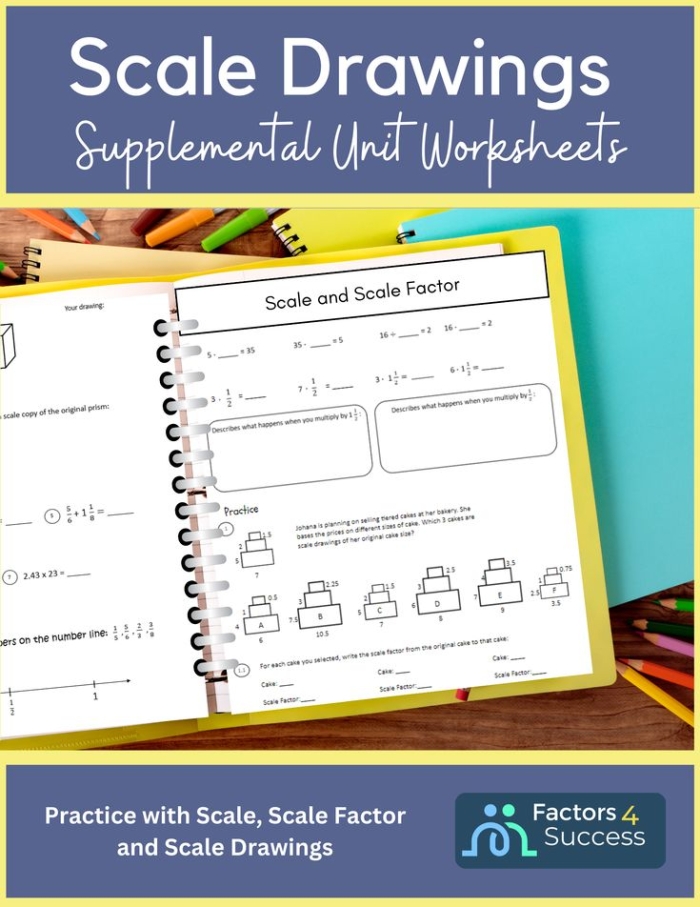
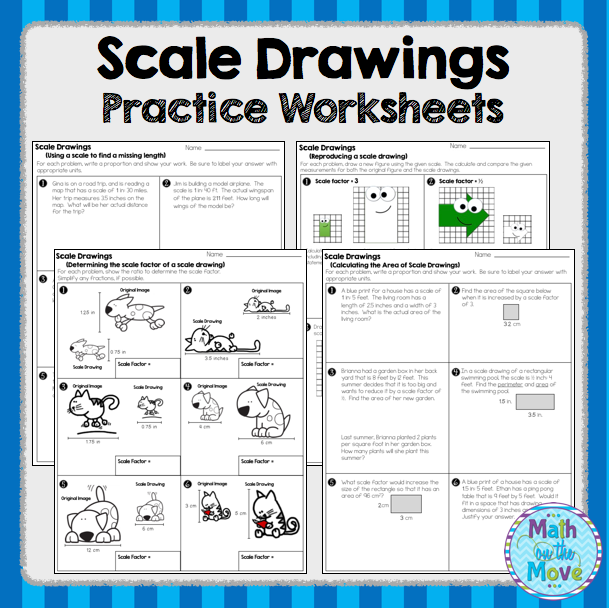
Printable Worksheets for Practice