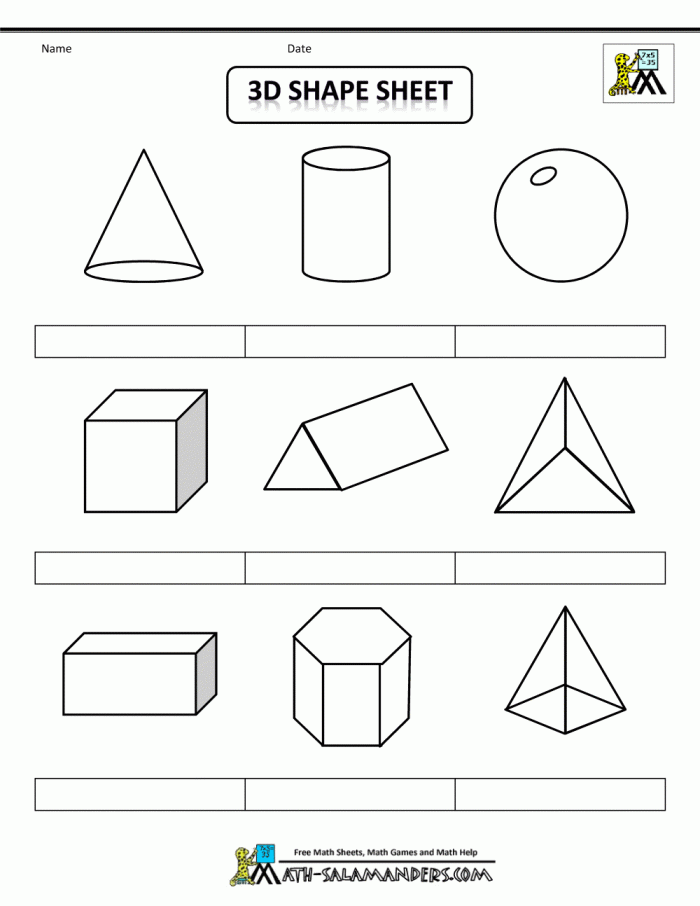
Understanding 3D shapes is a fundamental skill that can enhance a child’s spatial awareness and geometric knowledge. For second graders, learning to identify the faces, vertices, and edges of these shapes is not only educational but also engaging. A fill-in chart can be a practical tool in this learning process, allowing students to visualize and categorize different geometric figures.
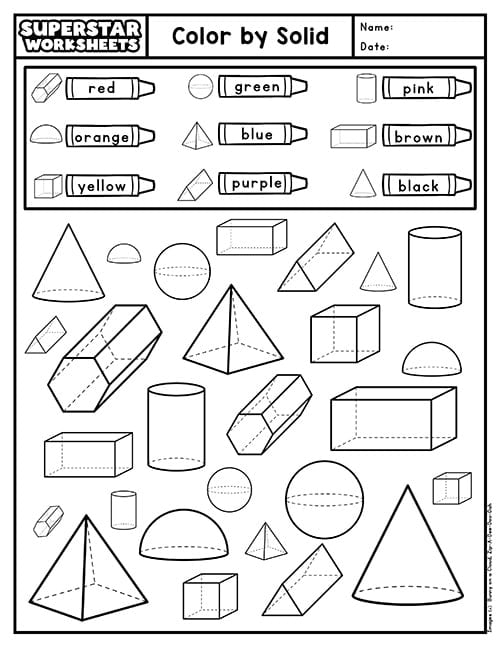
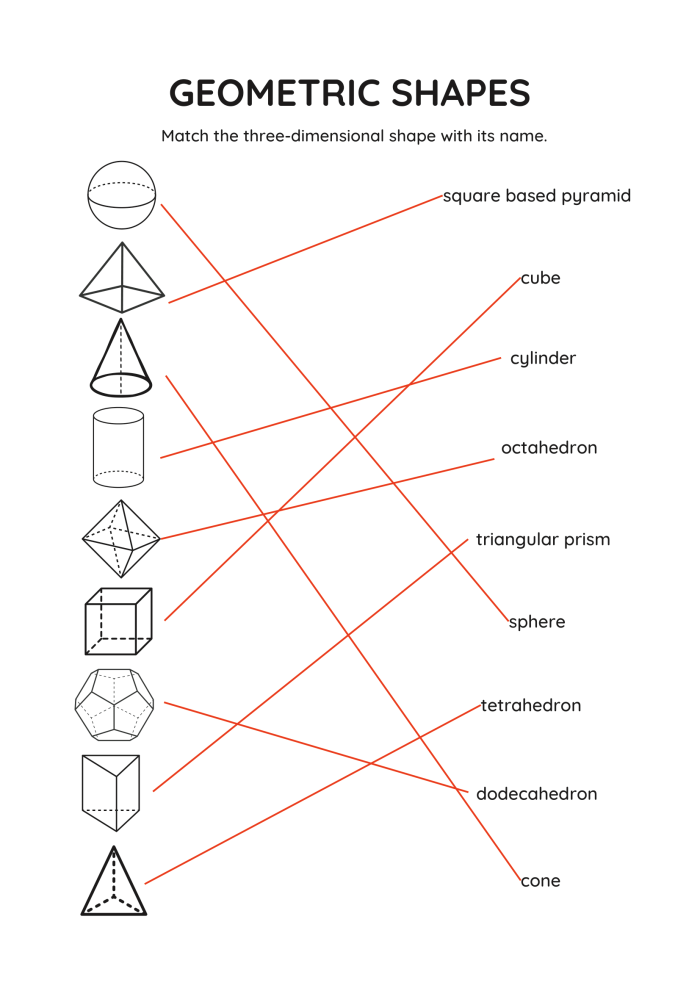
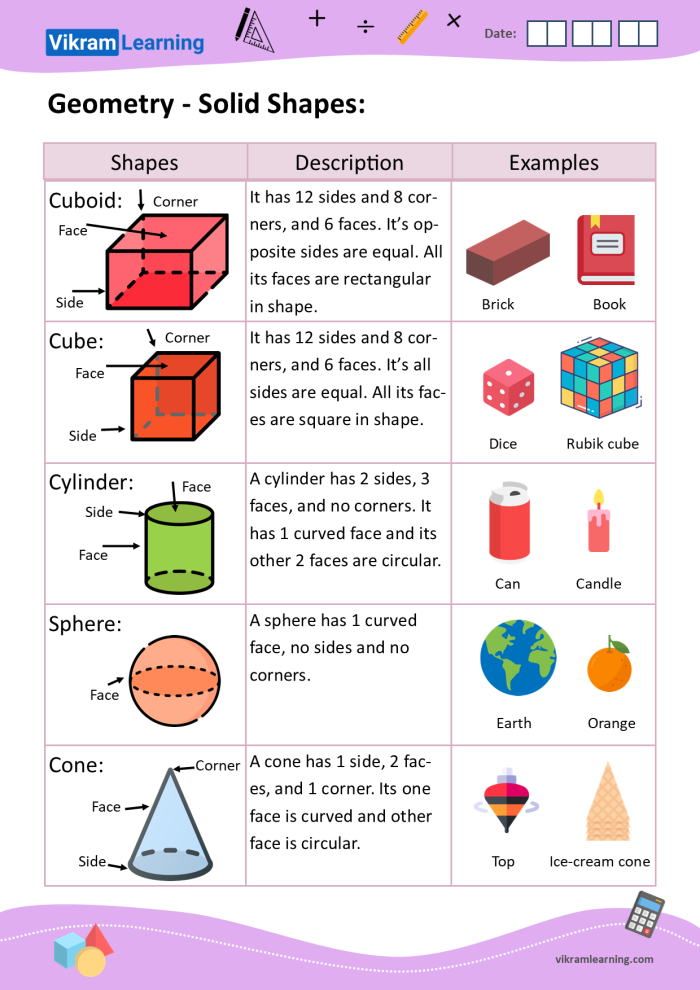
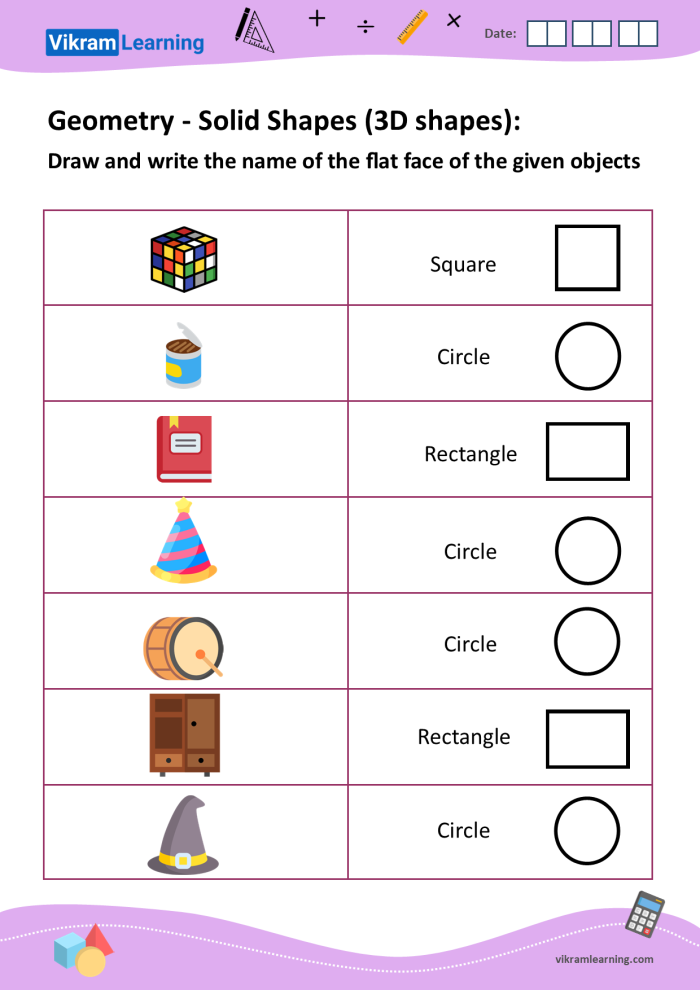
When working with 3D shapes like cubes, pyramids, and spheres, it’s essential to break down their components. Faces are the flat surfaces, vertices are the corners where the edges meet, and edges are the lines that connect the vertices. For example, a cube has six faces, eight vertices, and twelve edges. By filling in a chart that prompts students to identify these elements, they can solidify their understanding in a structured way.
Using a fill-in chart can also make the learning process interactive. Children can draw shapes or use colored pencils to differentiate between various components. This hands-on approach not only reinforces their learning but also keeps them engaged. Completing activities like this can build a strong foundation in geometry, which is crucial for future math concepts.
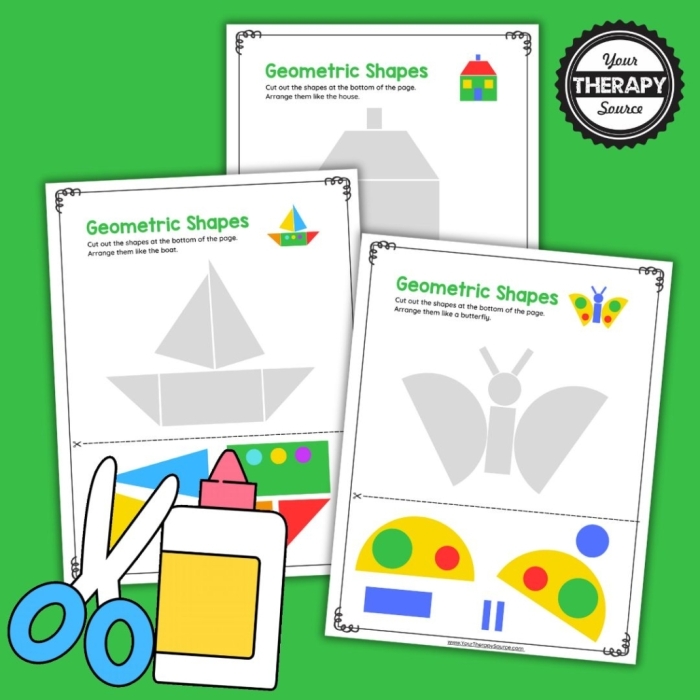
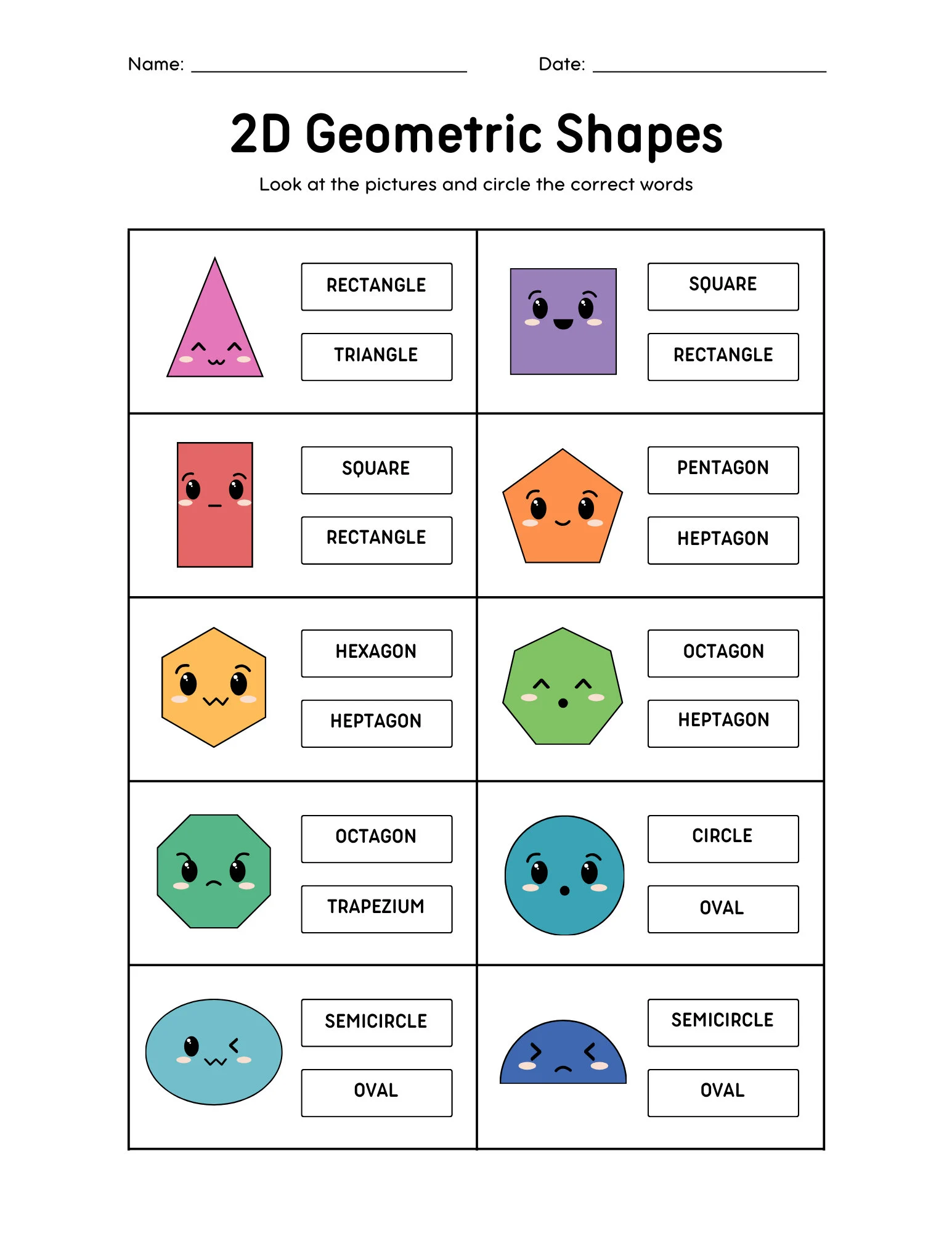
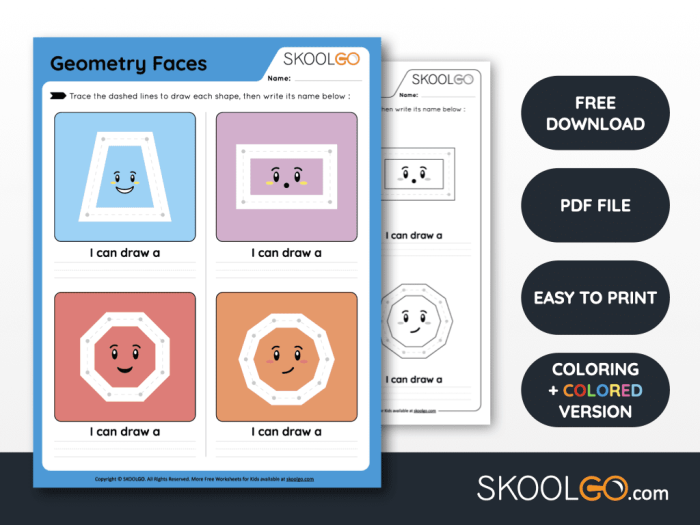
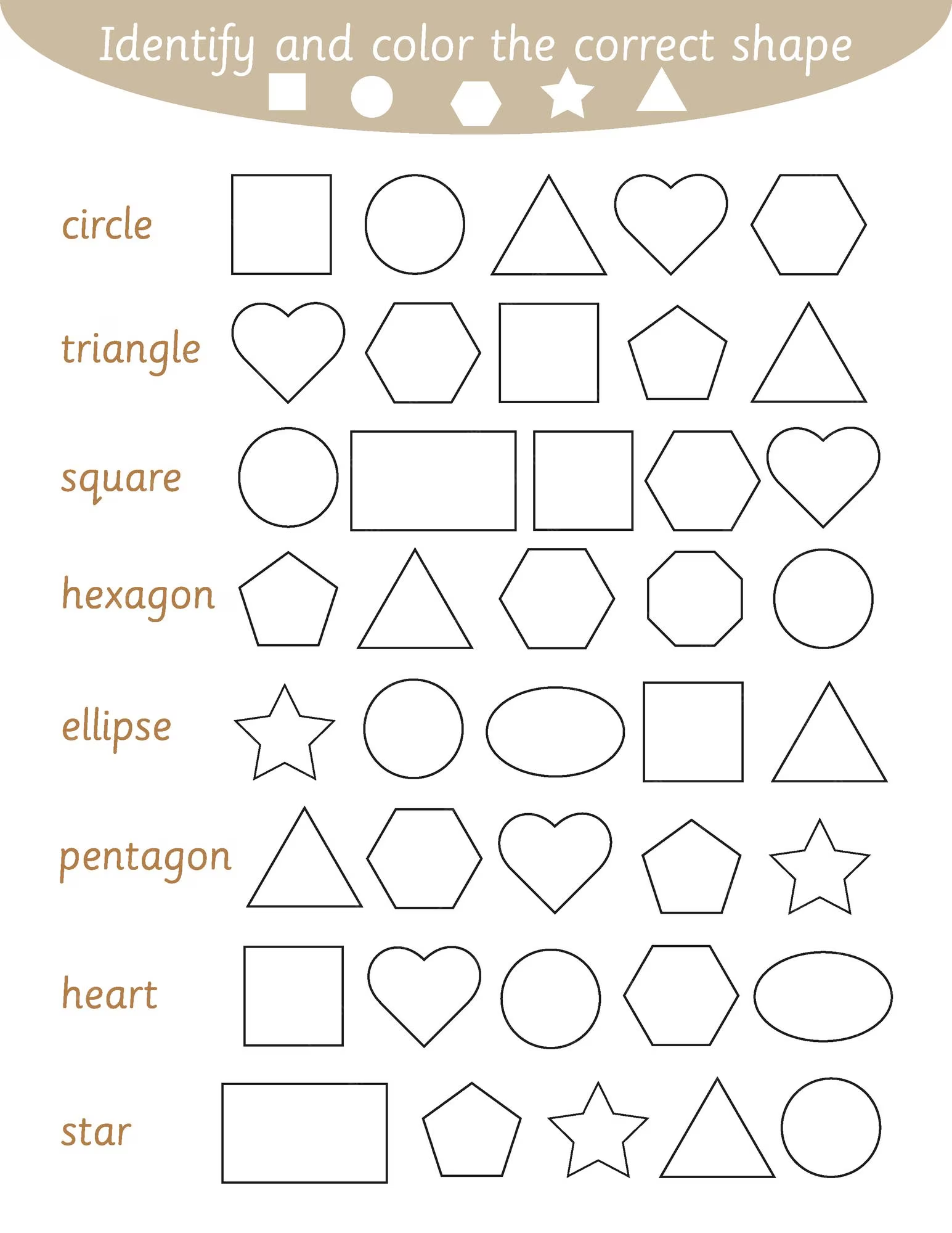
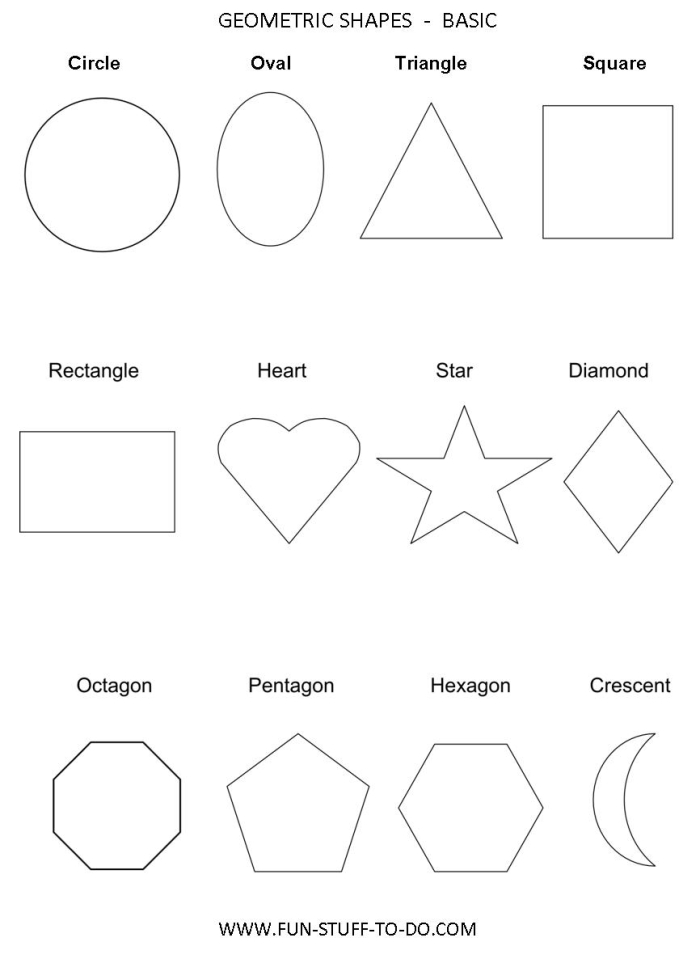
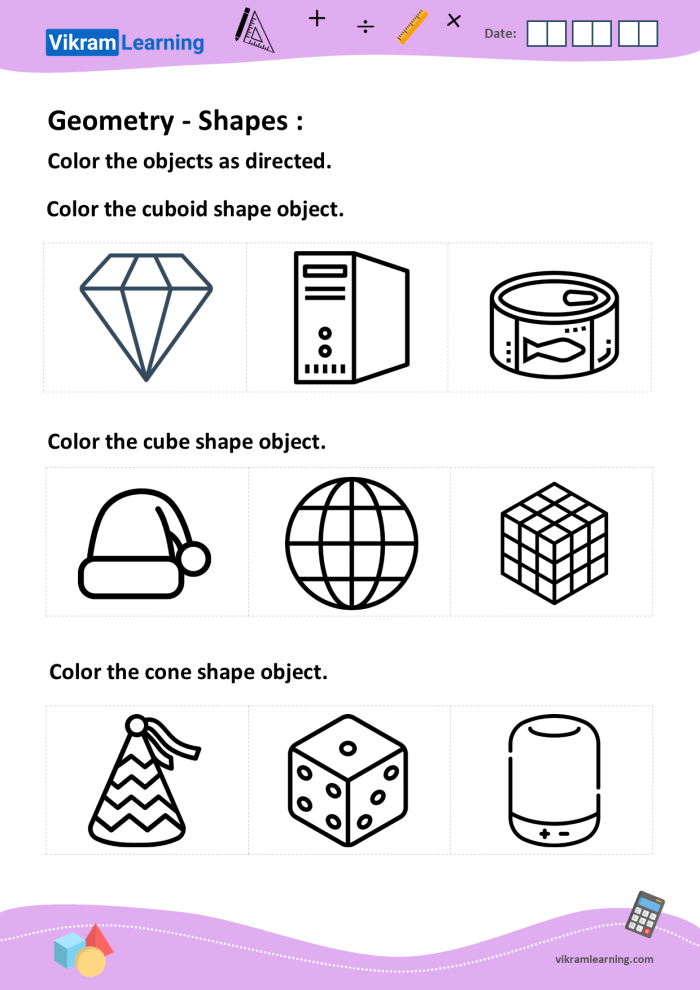
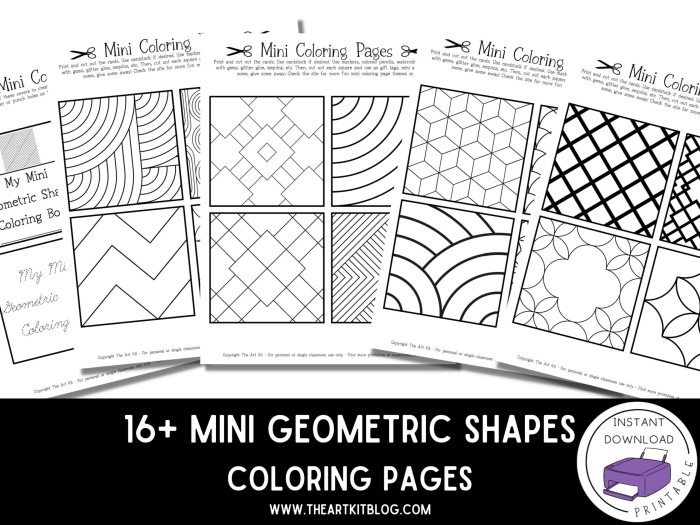
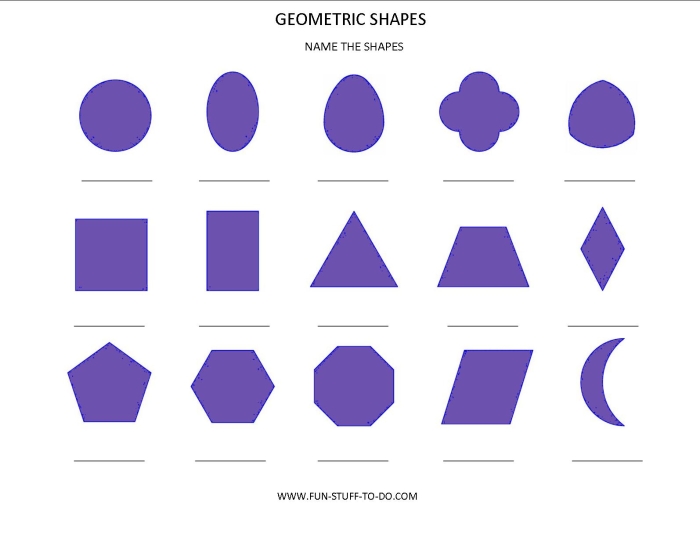
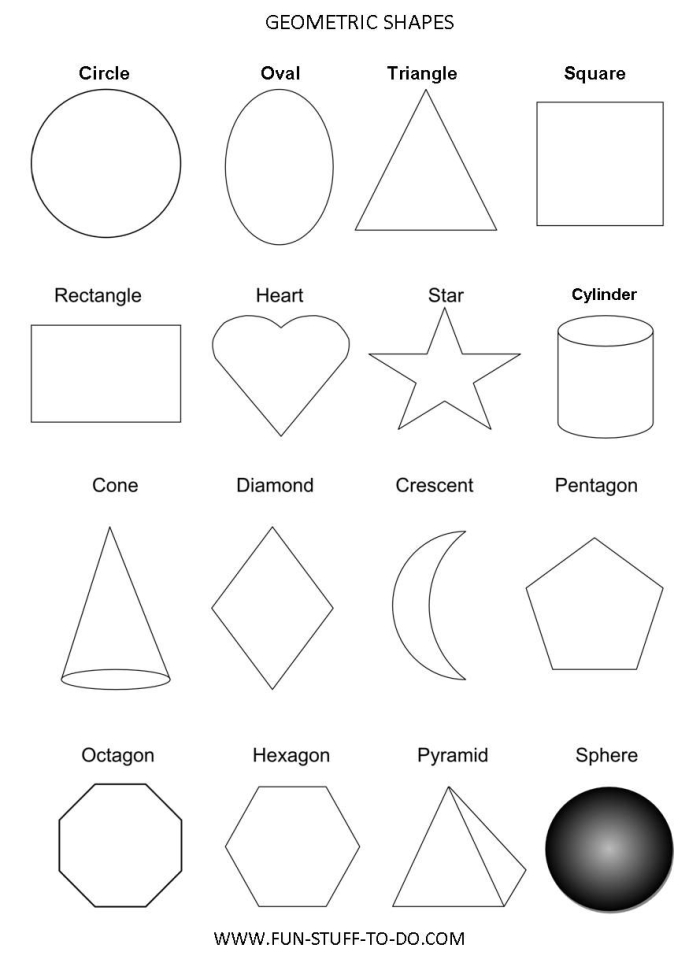
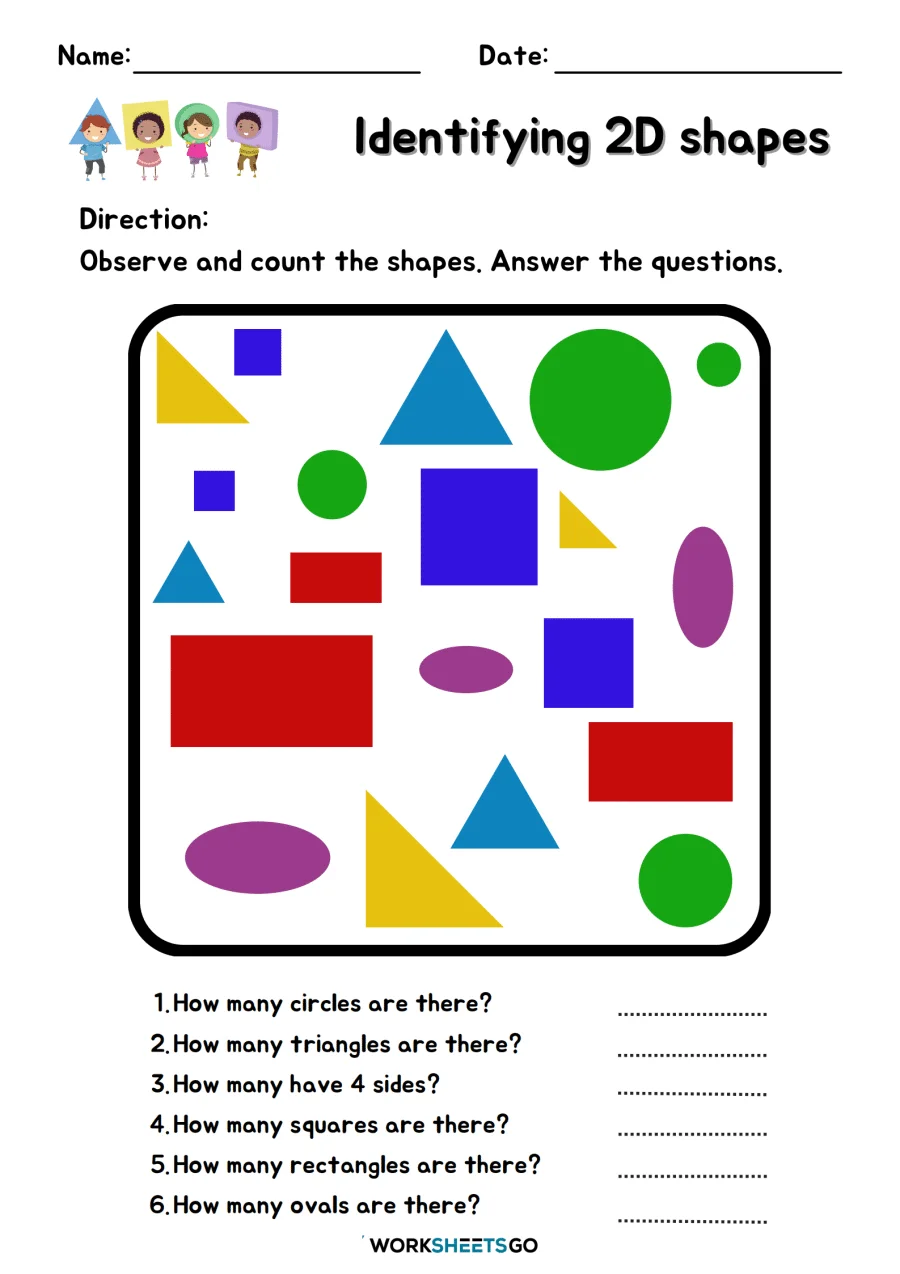
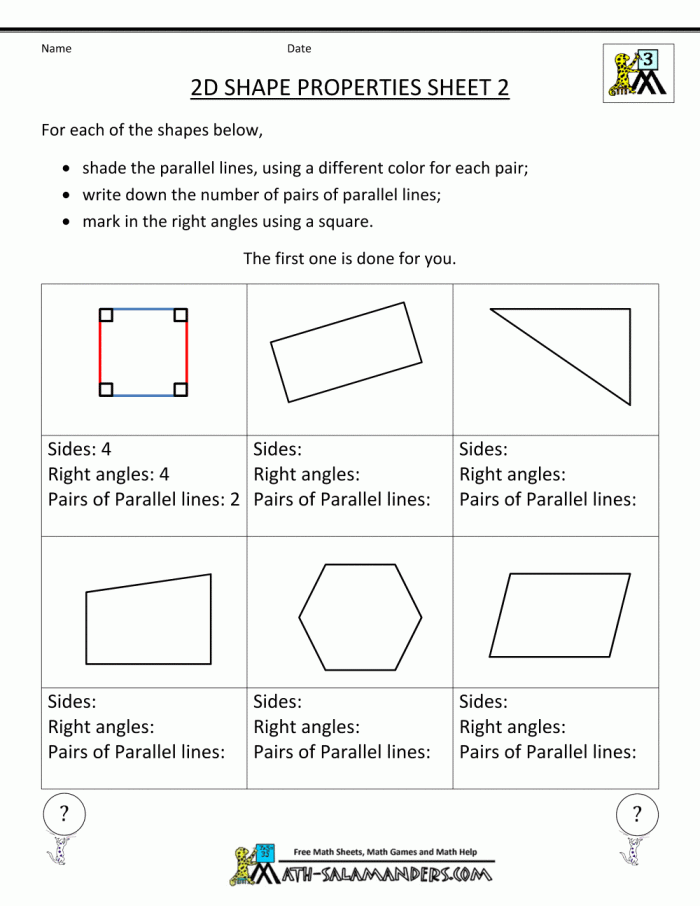
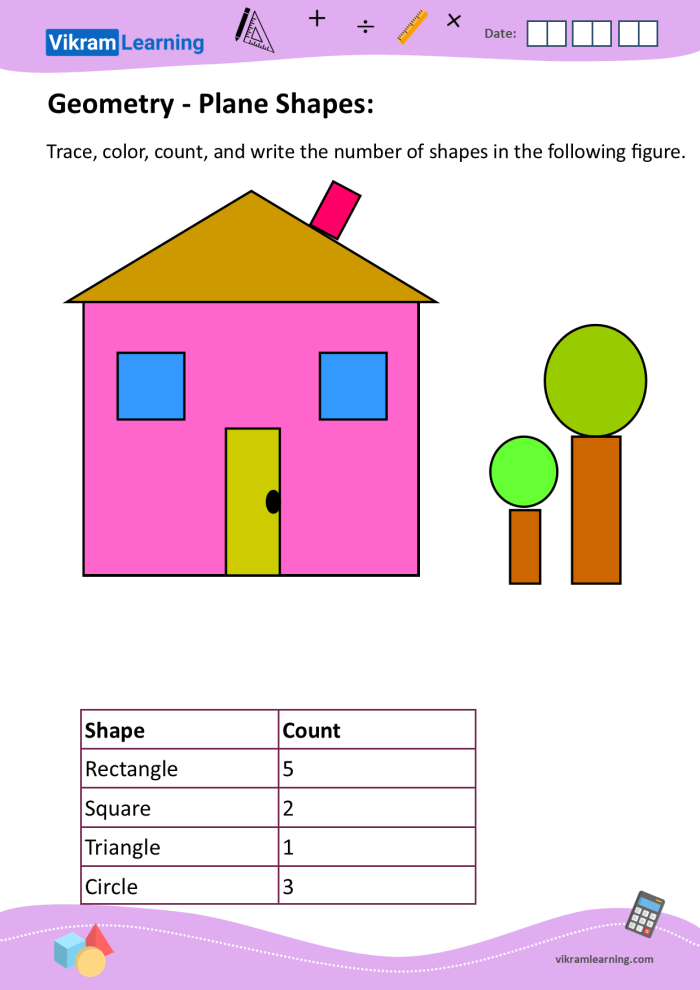
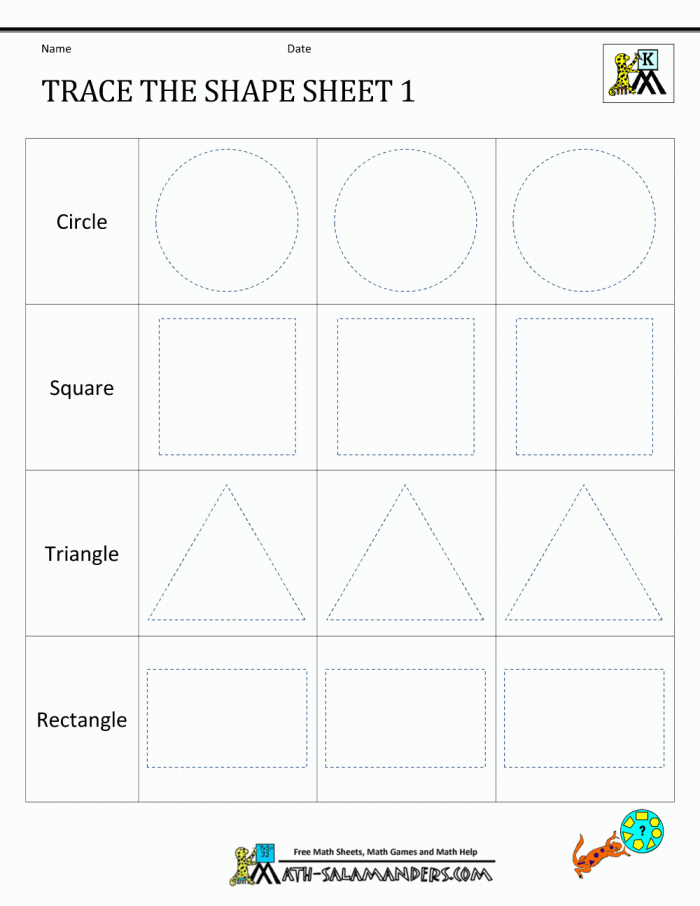
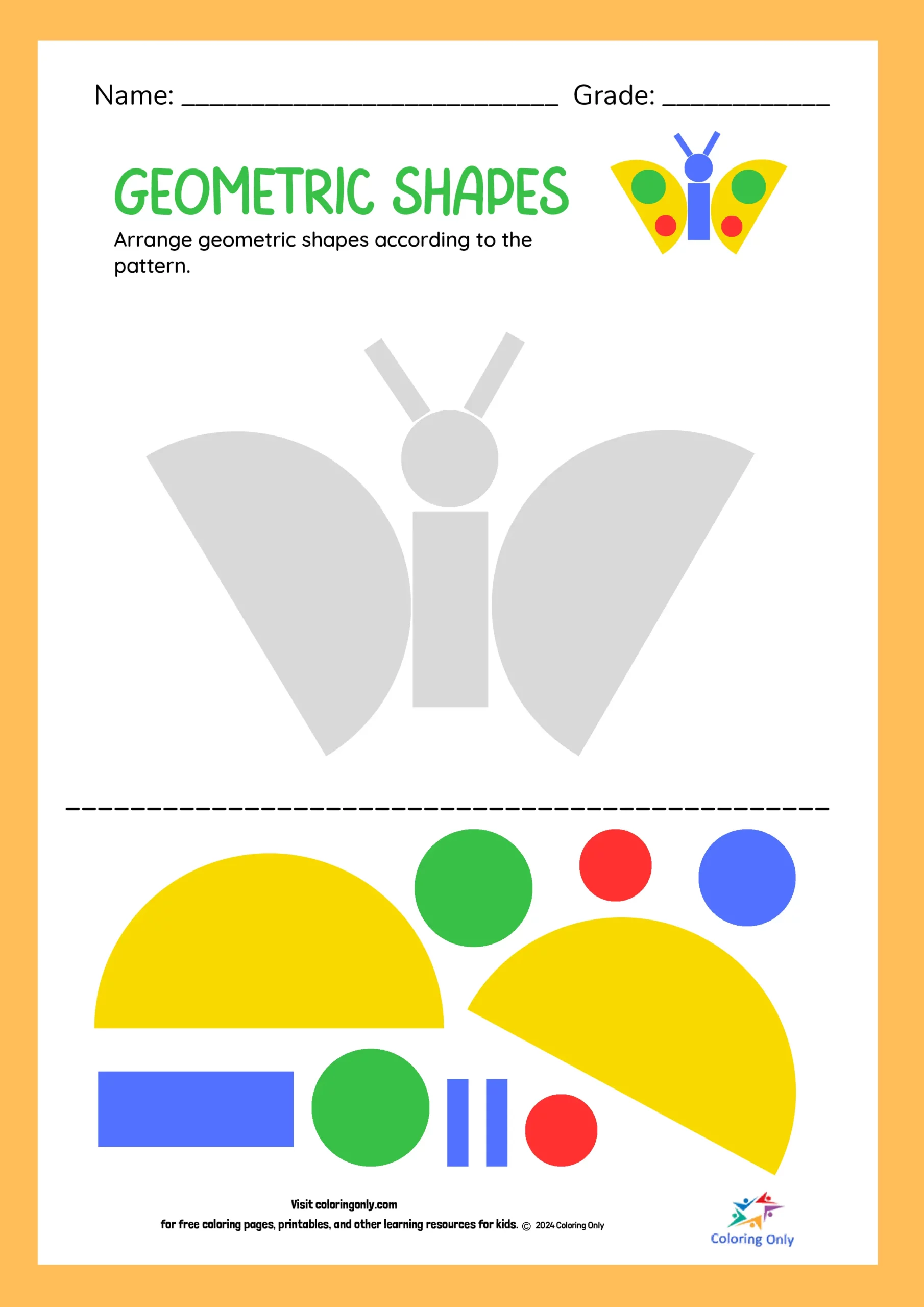
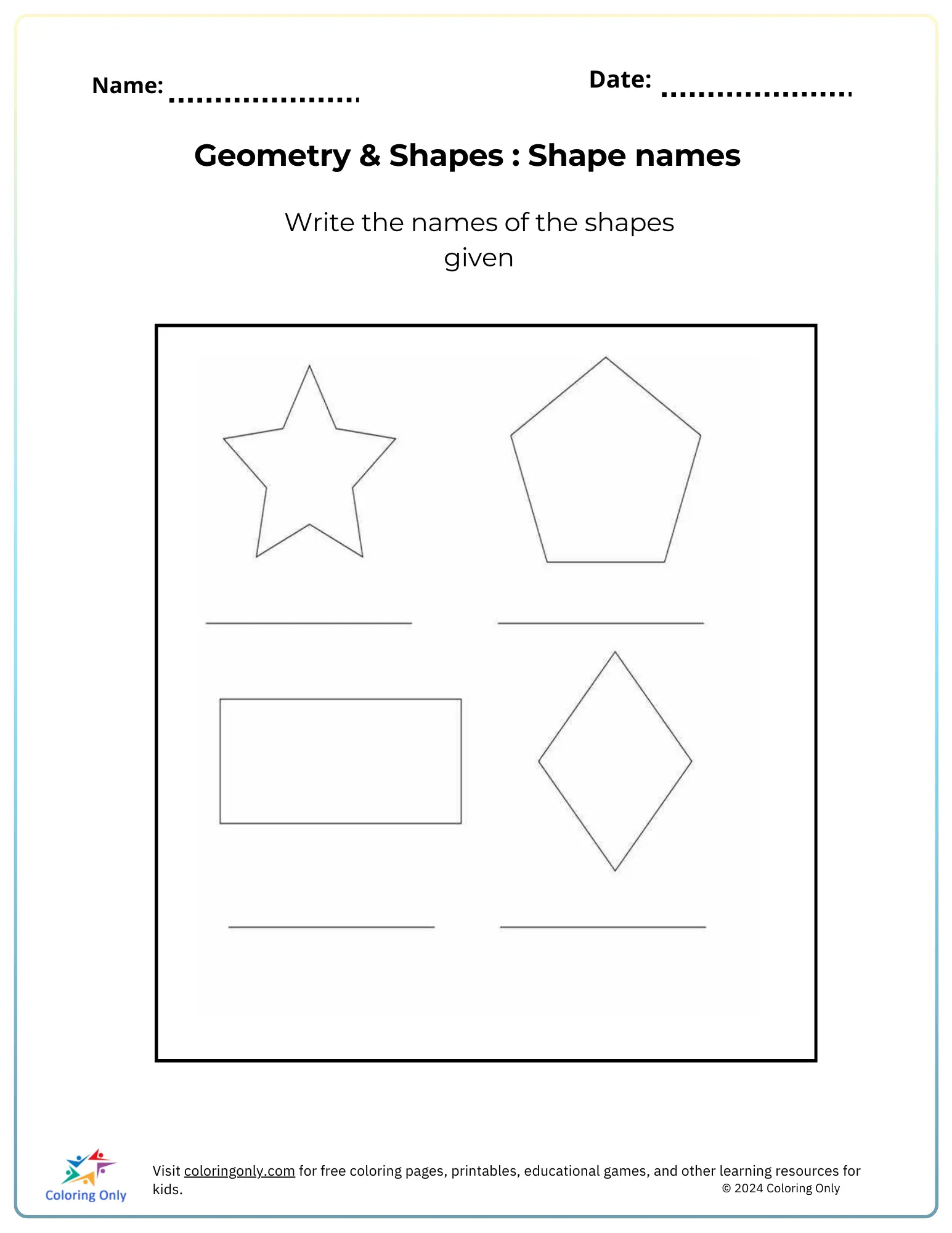
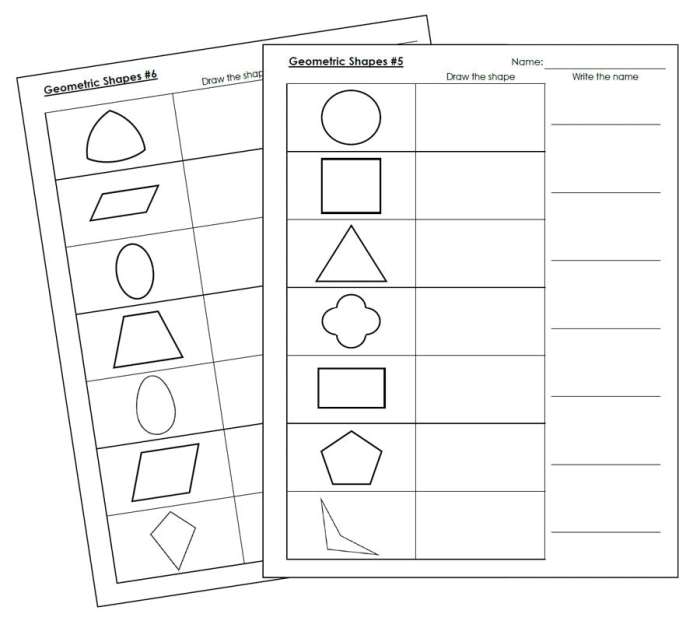
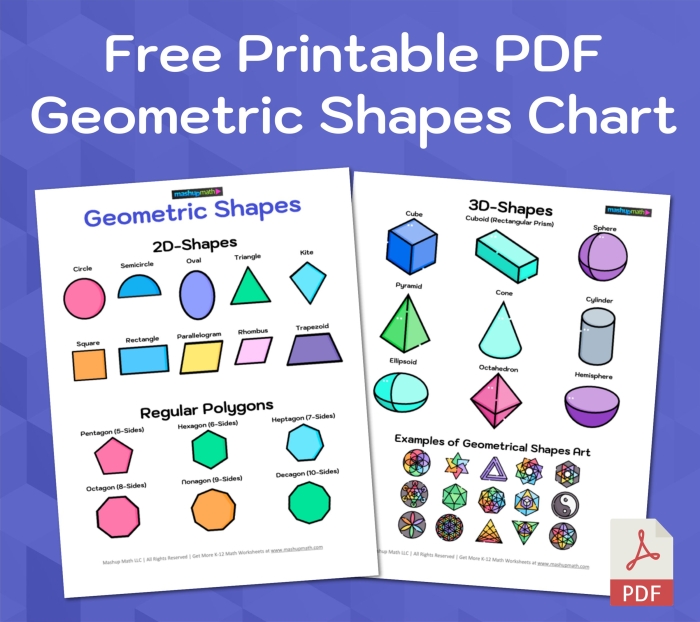
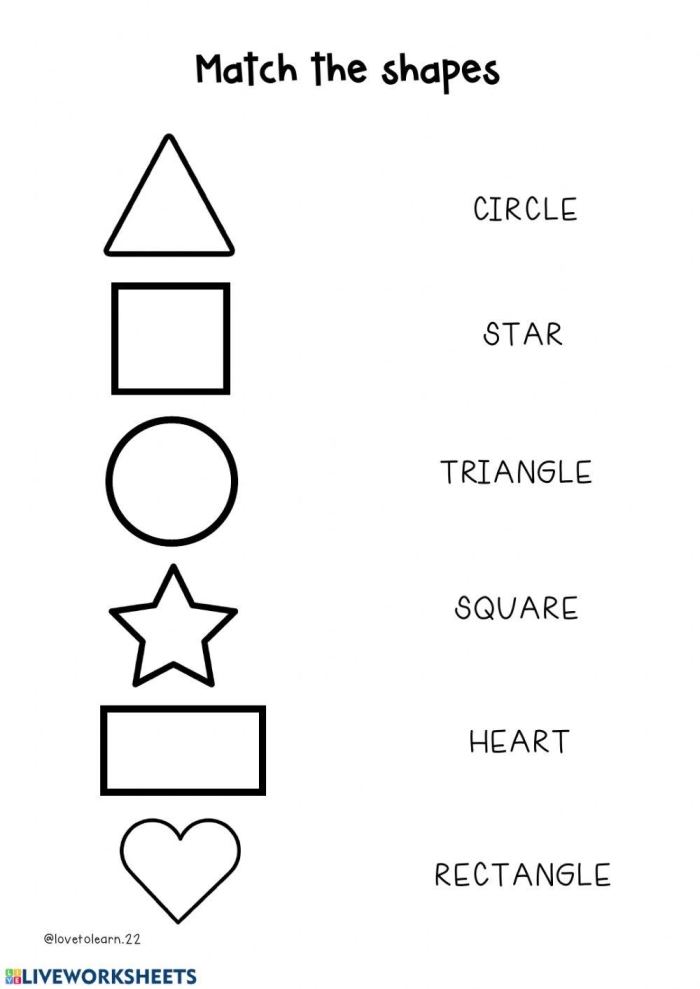
Incorporating these activities into the curriculum can be beneficial. For instance, you might consider using printable geometric shapes worksheets that focus on recognizing and working with shapes. By making learning fun and interactive, students are more likely to retain the information. The focus on numbers and counting, especially when paired with geometric shapes, can also enhance their problem-solving skills.
Overall, teaching second graders about 3D shapes through engaging methods like fill-in charts can foster a deeper understanding of geometry while also making the learning process enjoyable. Remember, the clearer and more interactive the materials, the better the learning experience will be.
Use These Worksheets Today