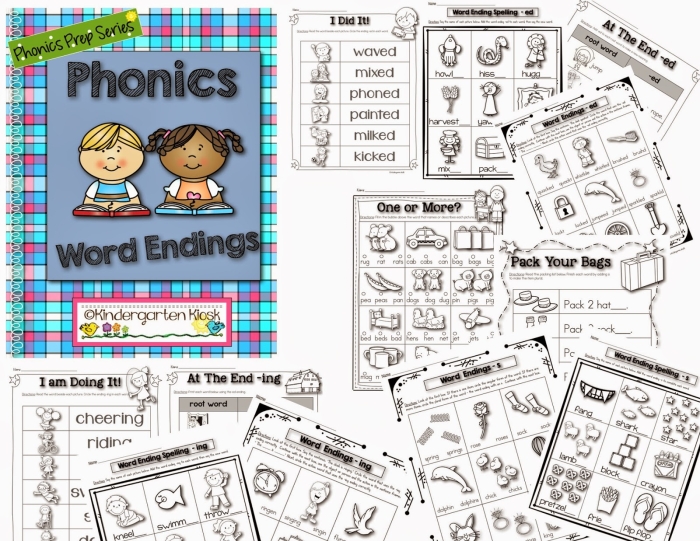
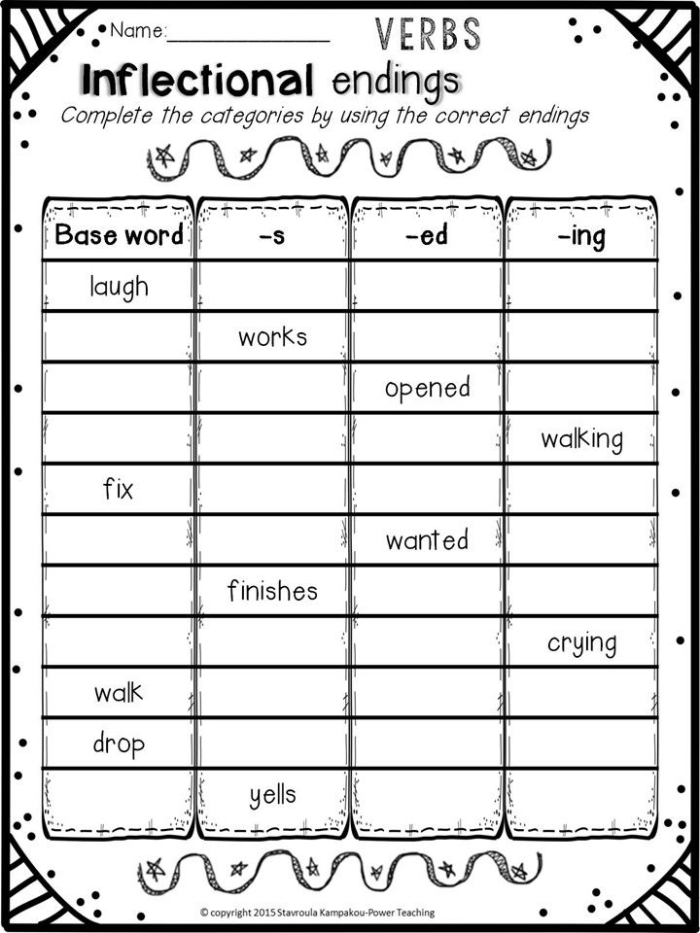
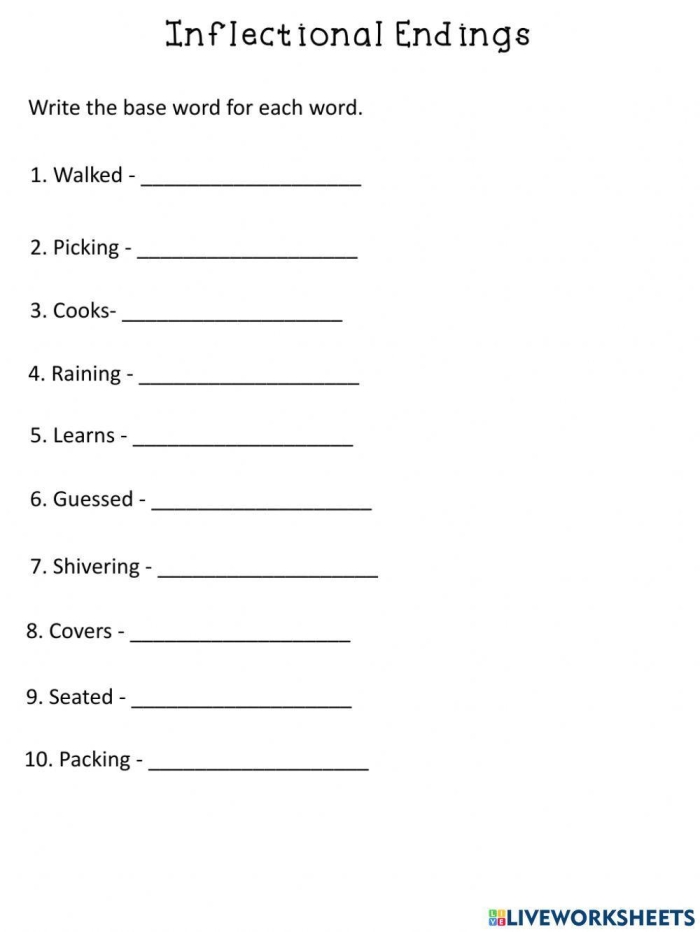
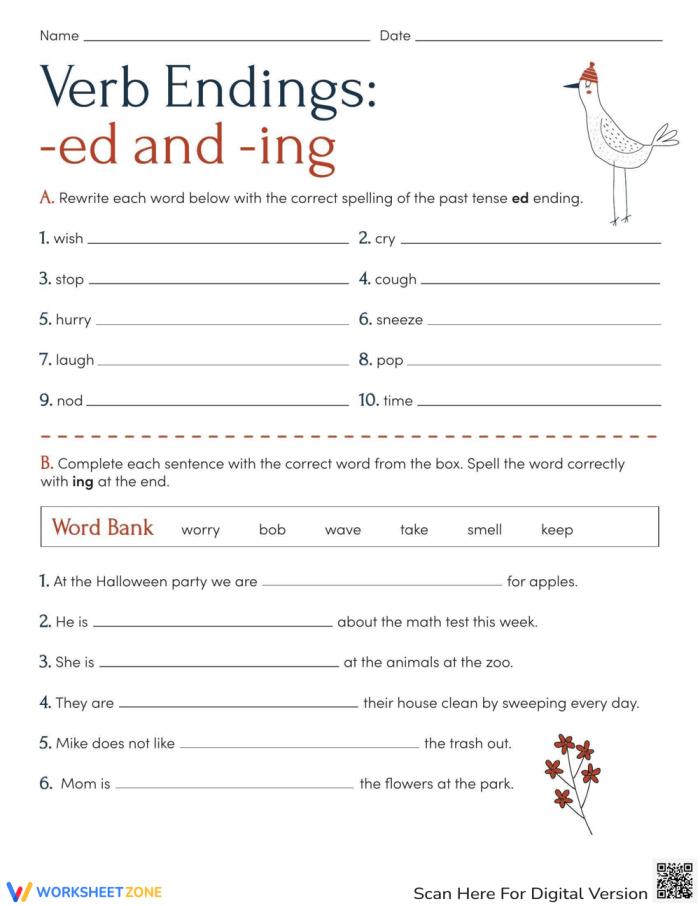
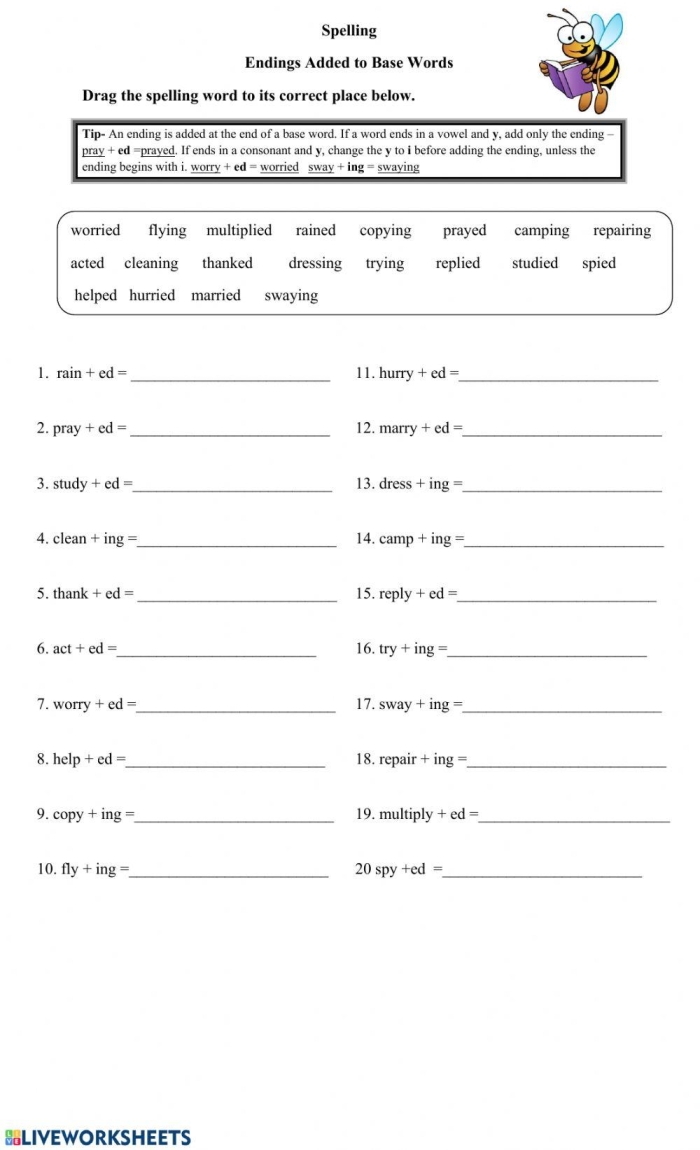
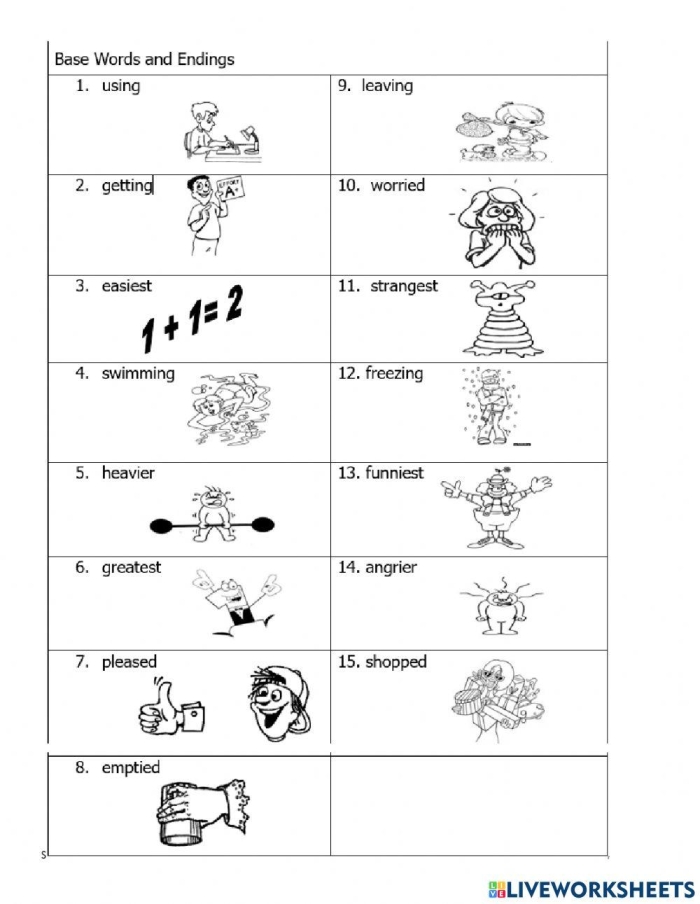
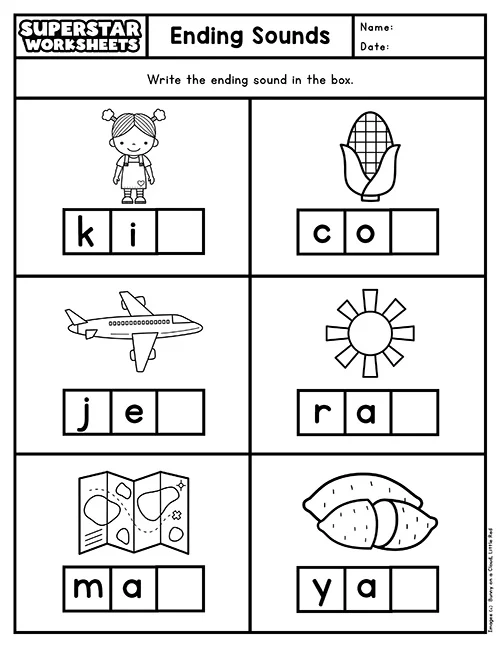
When second graders start recognizing how verbs change, they’re building a foundation for understanding how language works. The most visible way verbs shift meaning is through their endings, specifically the -ed and -ing forms that show when actions happen.
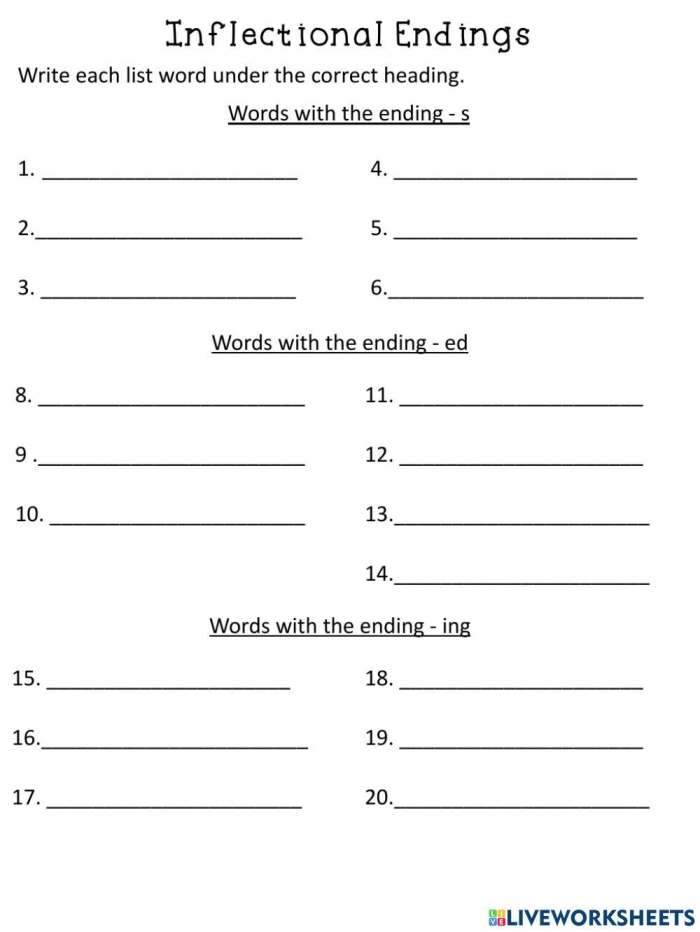
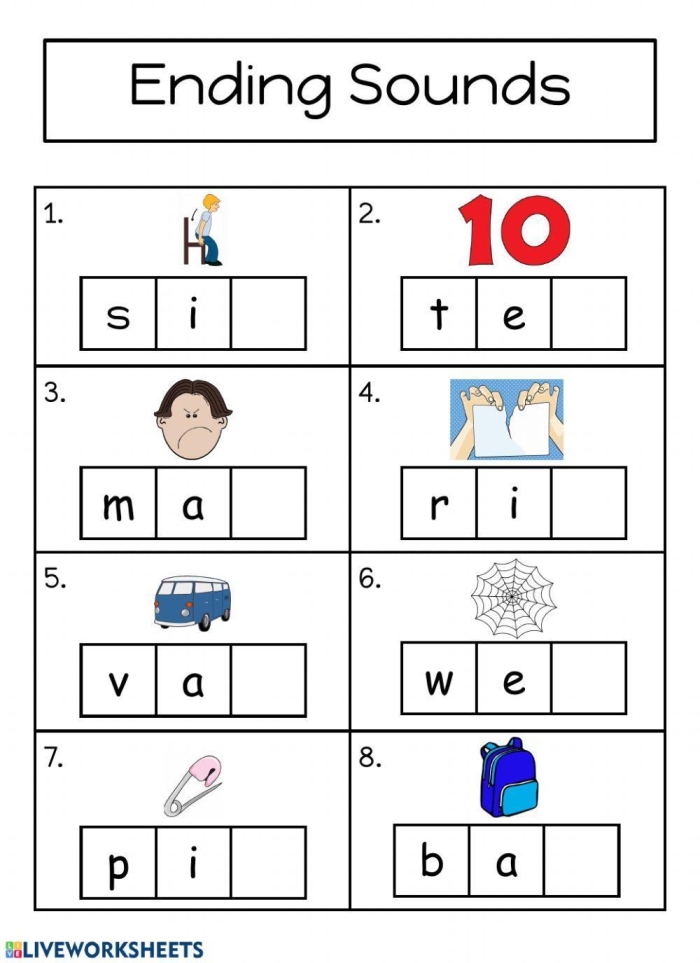
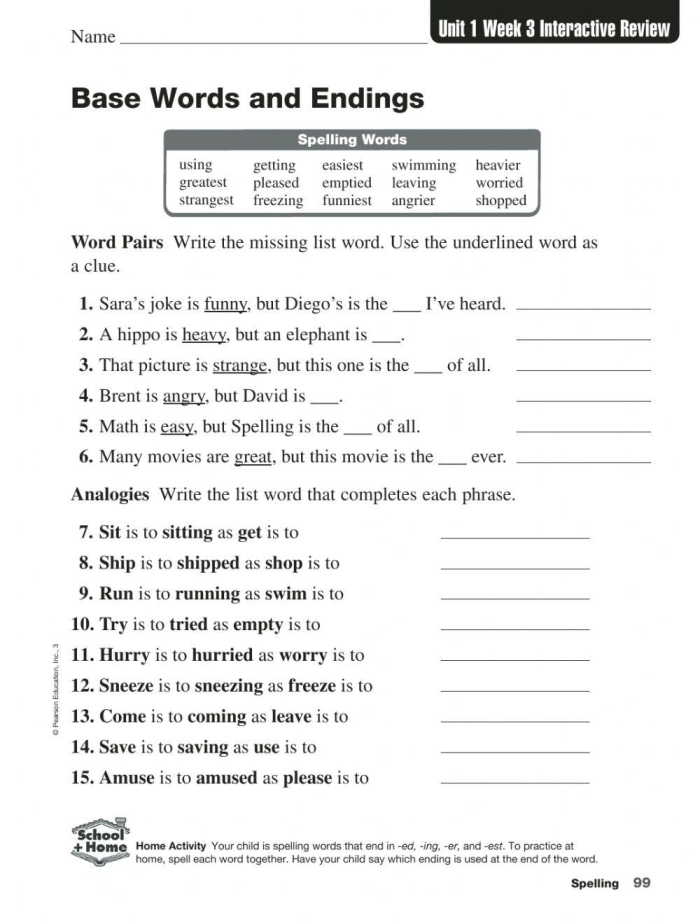
The -ed ending tells us something already finished. When a child “walked” to school or “played” at recess, that action is complete. This past tense marker appears consistently across most regular verbs in English. The -ing ending, on the other hand, shows an action happening right now or continuing over time. A child “walking” or “playing” is actively doing it. These two endings are the workhorses of basic verb tenses, and spotting them correctly helps young learners understand the timing of actions.
Working through a verb tense worksheet with your child makes this concept concrete. You might ask them to look at sentences like “The dog jumped over the fence” and “The cat is jumping on the bed,” then identify which verb shows something that already happened versus something happening now. This hands-on practice strengthens their ability to recognize tense shifts without needing formal grammar rules.
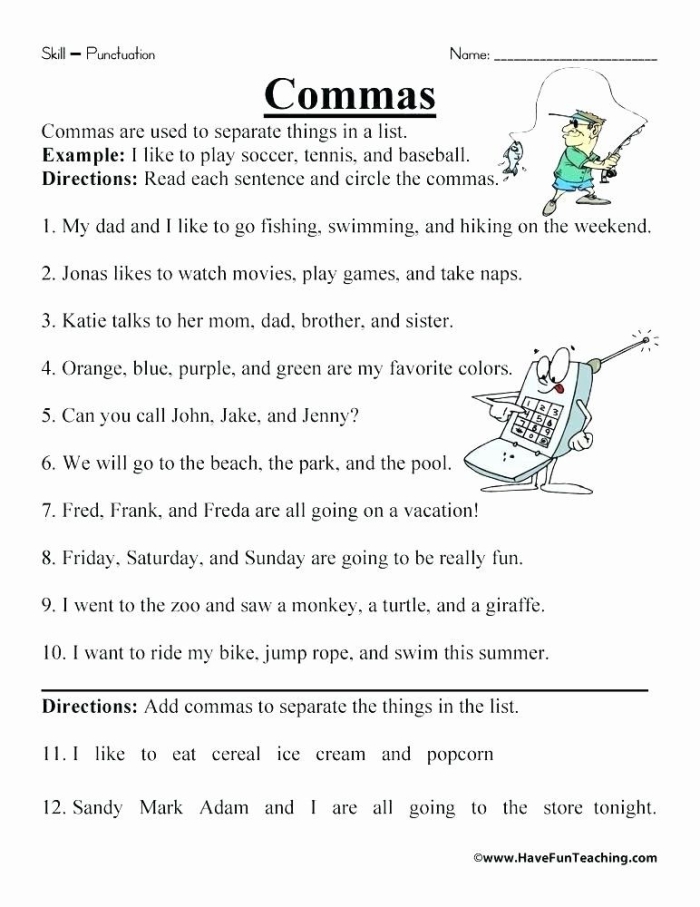
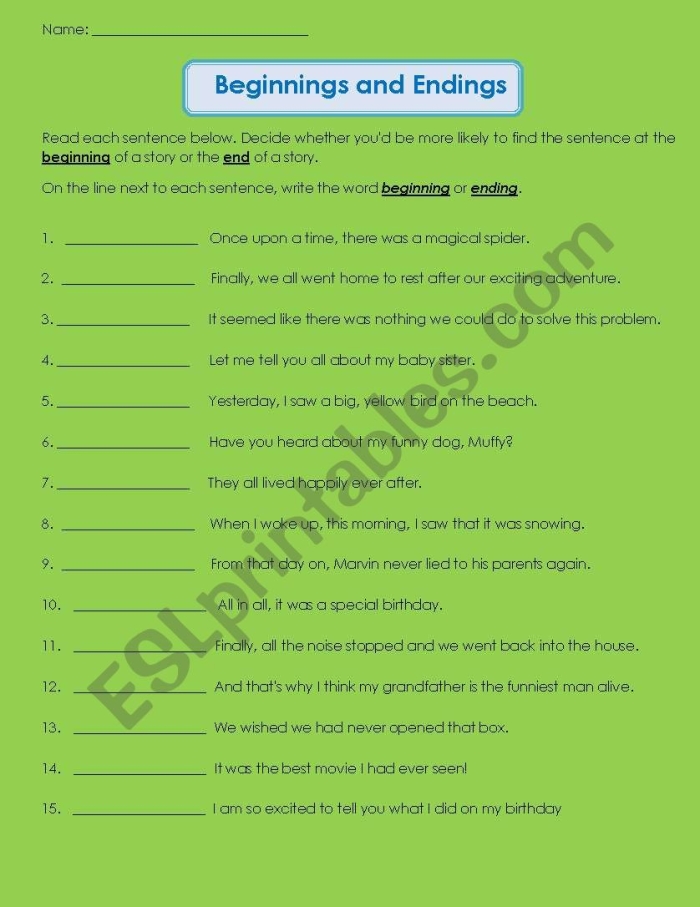
Second graders benefit from activities that combine pattern recognition with real sentences. When they practice with grammar worksheets focused on mechanics, they start seeing how verbs function in actual writing rather than in isolation. Pairing these exercises with other skill-building activities, like writing practice worksheets, helps reinforce that grammar matters across all subjects.
The key is making it interactive. Ask your child which ending they see, have them circle it, or ask them to change a verb from past to present tense. These small moments of discovery build confidence and make grammar feel less like a rule to memorize and more like a pattern they can actually spot and use.
Grab These Worksheets Now