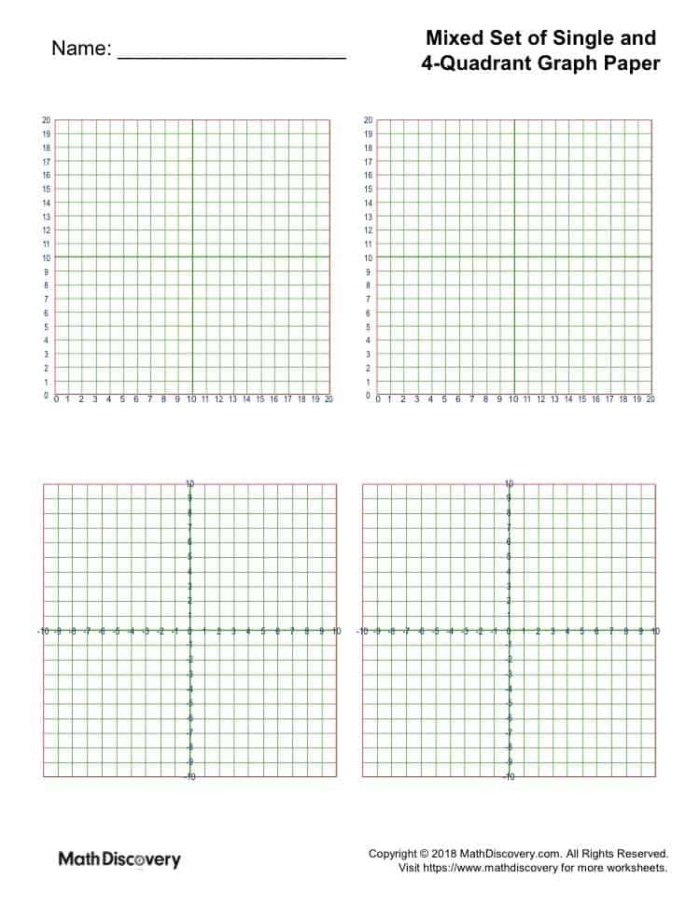
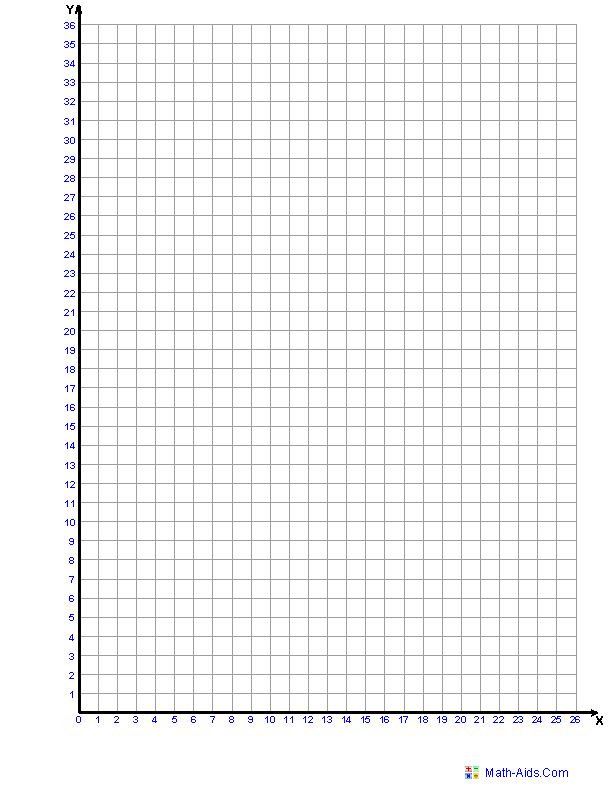
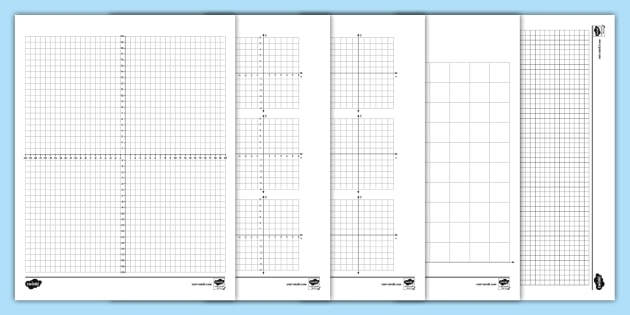
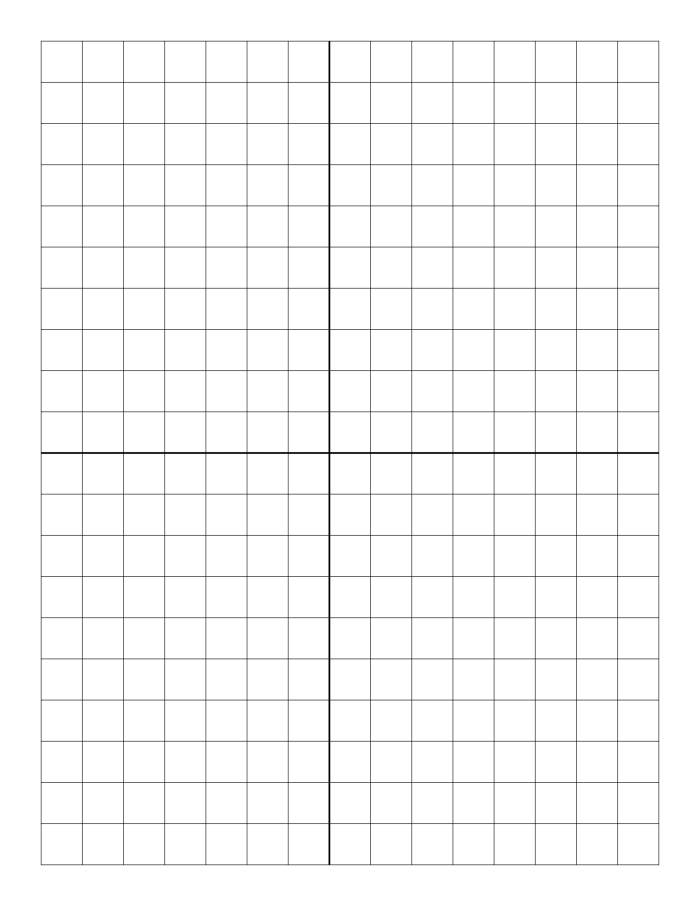
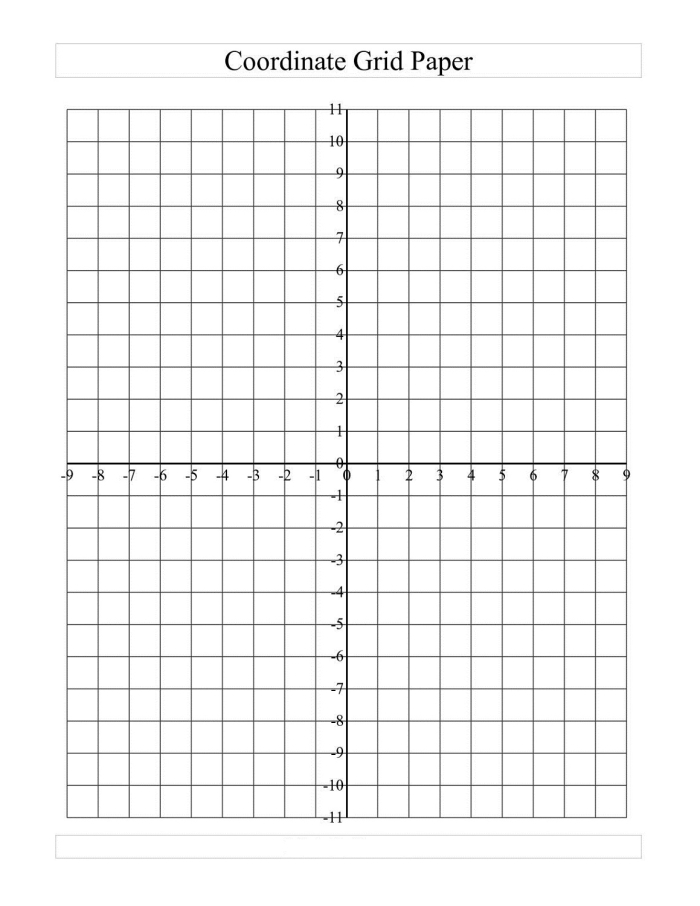
Using printable graph paper in third grade physical science classes can make a big difference in how students approach data and problem-solving. When children have access to Graph It! Blank Graph Paper, they gain a structured environment that helps them organize their thoughts visually and clearly. This kind of paper isn’t just for drawing; it provides a reliable grid where young learners can plot data points, create charts, and analyze patterns with confidence.
One of the advantages of printable graph paper is its flexibility. Teachers and parents can easily print as many sheets as needed, ensuring every student has enough space for multiple exercises. For example, when students conduct experiments related to light and shadows, such as those found in lessons like light through objects, they can record their observations systematically. The grid lines serve as guides to mark measurements precisely, which is crucial when accuracy matters.
Beyond science, the skills developed by using graph paper carry over to other subjects. Third graders practicing math can benefit from the orderly layout when learning concepts such as addition with regrouping, as demonstrated in worksheets like Coral Reef Three-Digit Addition. The alignment helps prevent mistakes that come from misplaced numbers.
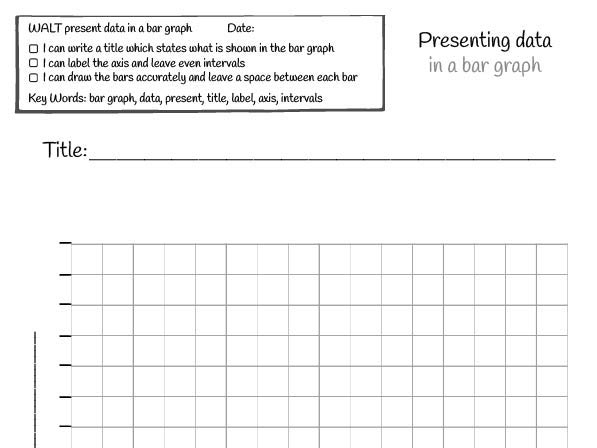
Printable graph paper worksheets also encourage students to think critically about data representation. When creating bar graphs or line plots, children learn not only to collect data but also to interpret it visually. This is a valuable step toward scientific literacy in physical science, where understanding trends and relationships is essential. For educators, having access to ready-to-use, printable resources saves time and supports consistent practice.
Whether students are solving problems, sorting information, or drawing graphs, the clarity that graph paper provides enhances their learning experience. This simple tool supports the development of neatness and precision, qualities that benefit students well beyond third grade. For those interested in integrating literacy with science, combining graphing activities with reading passages like Alexis and the Game Show can create engaging, multidisciplinary lessons that hold a child’s attention while building essential skills.
Hands-On Worksheet Activities