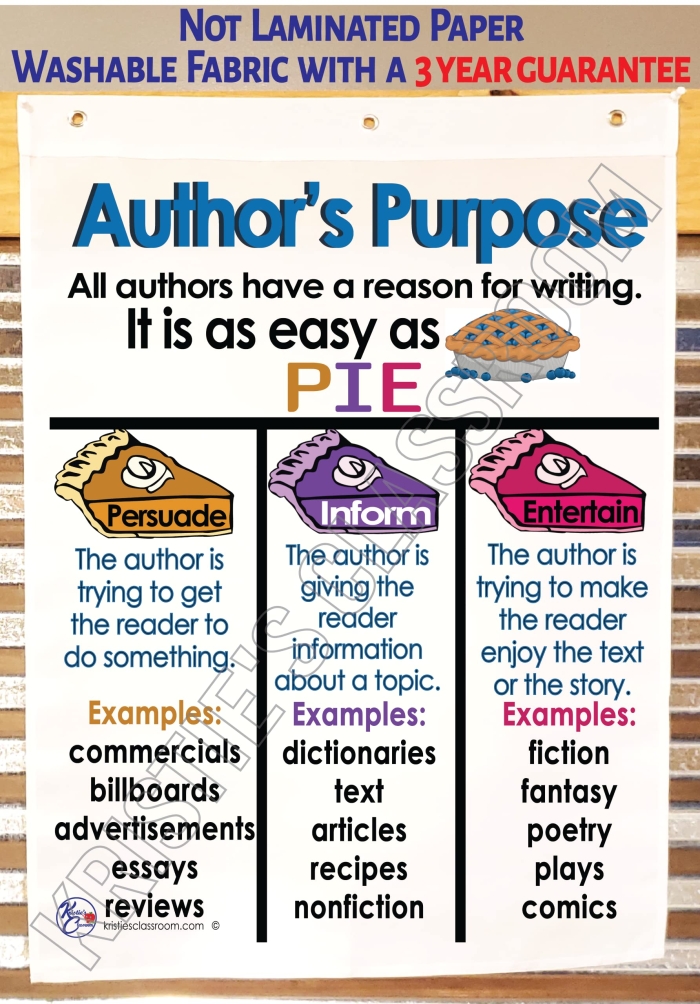
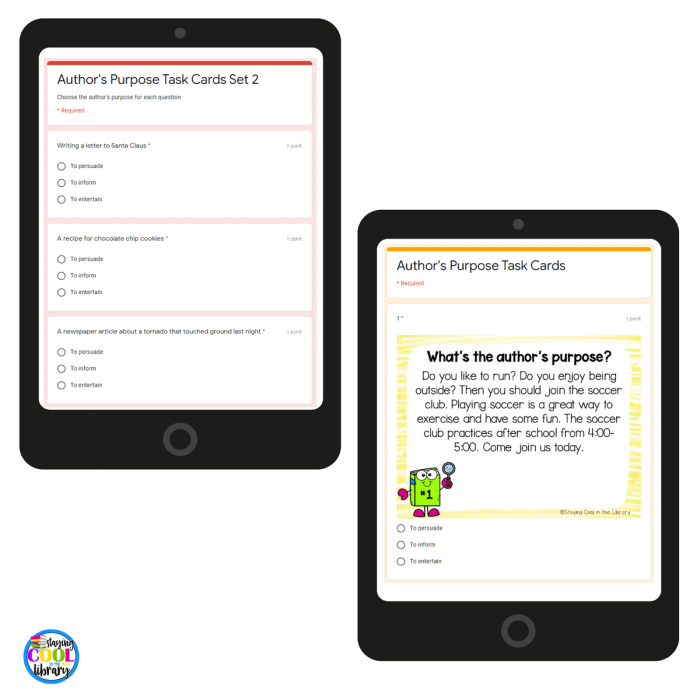
Identifying why an author writes something sits at the heart of reading comprehension. Third Grade students who can spot an author’s purpose, whether to inform, entertain, persuade, or explain, develop a deeper understanding of texts and become more thoughtful readers. This skill transforms passive reading into active analysis, where students learn to question the writer’s intentions behind every sentence.
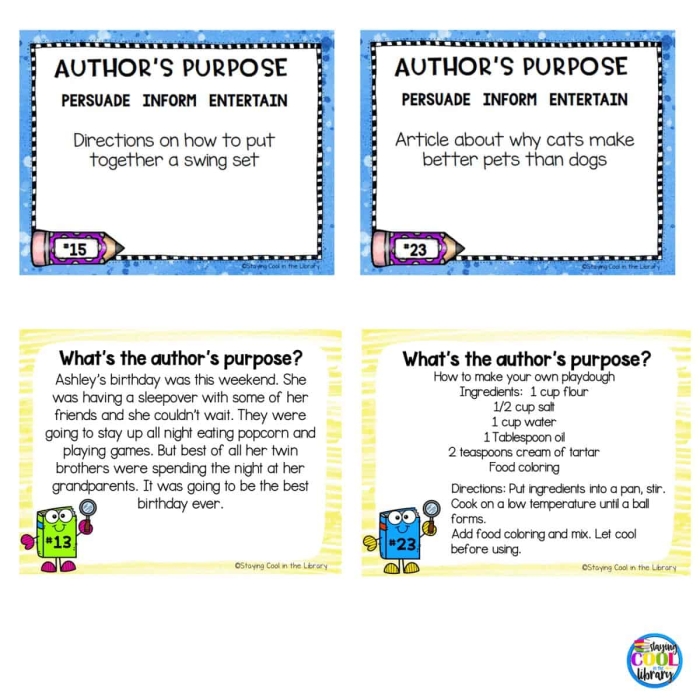
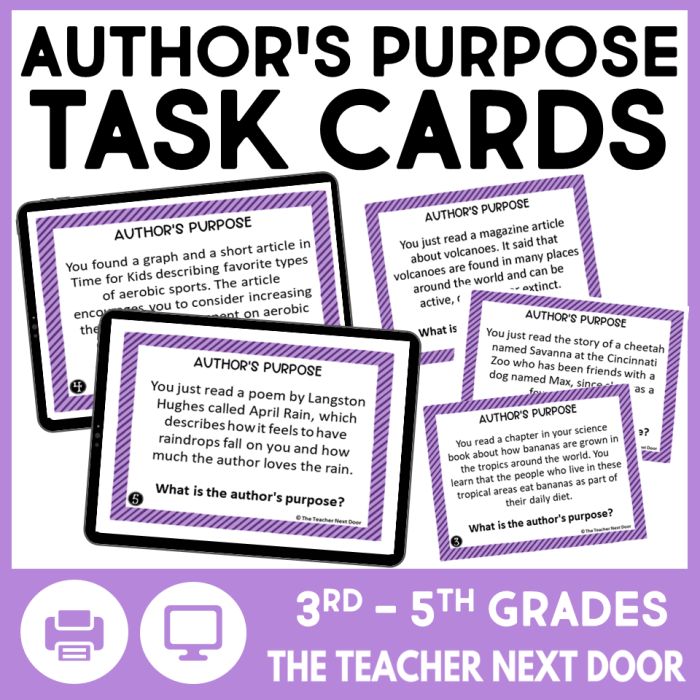
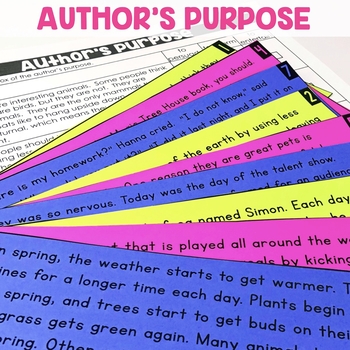
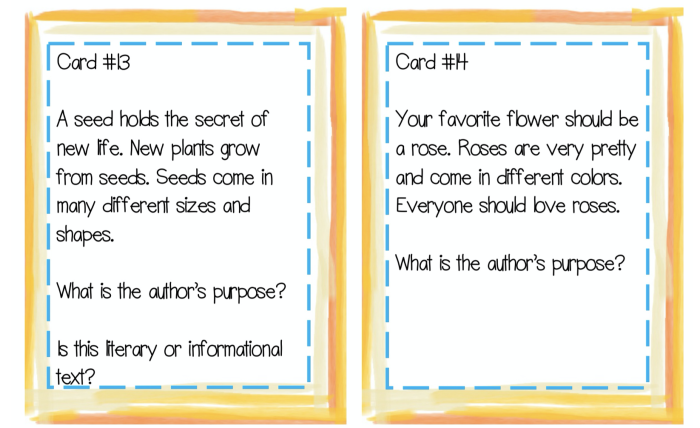
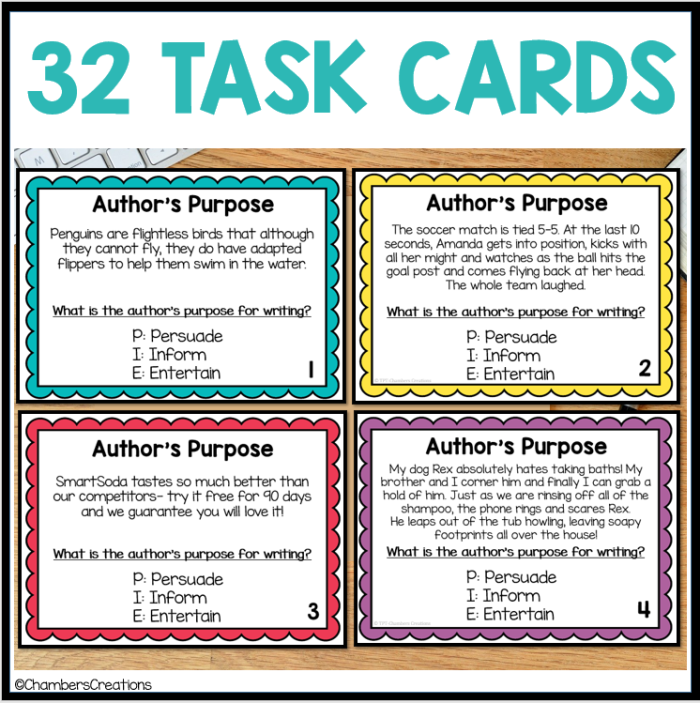
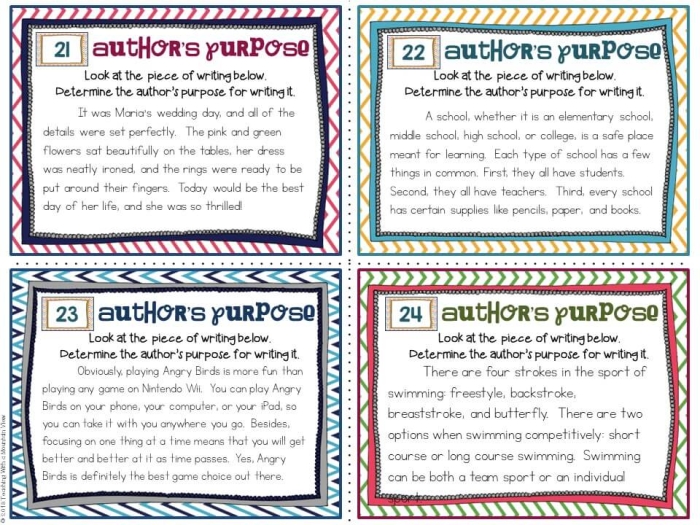
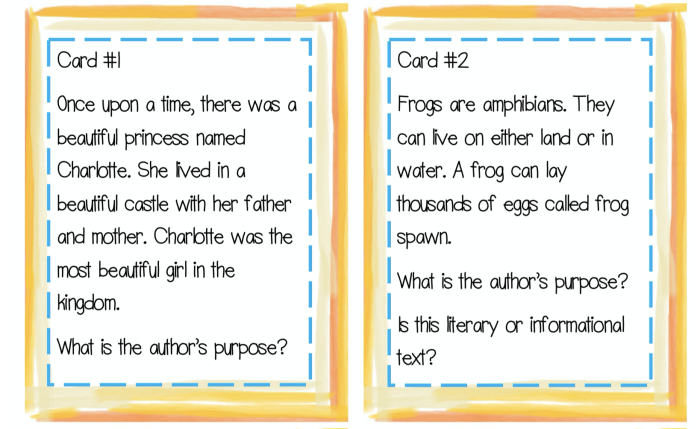
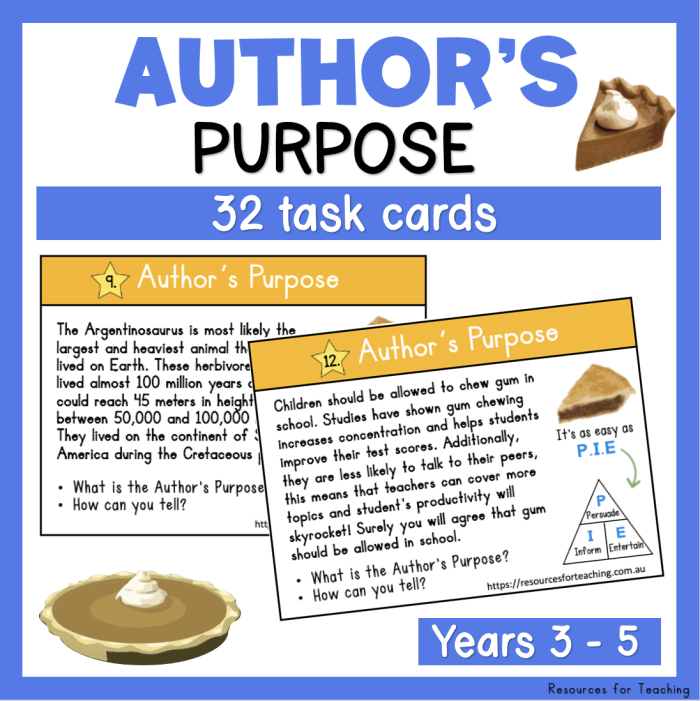
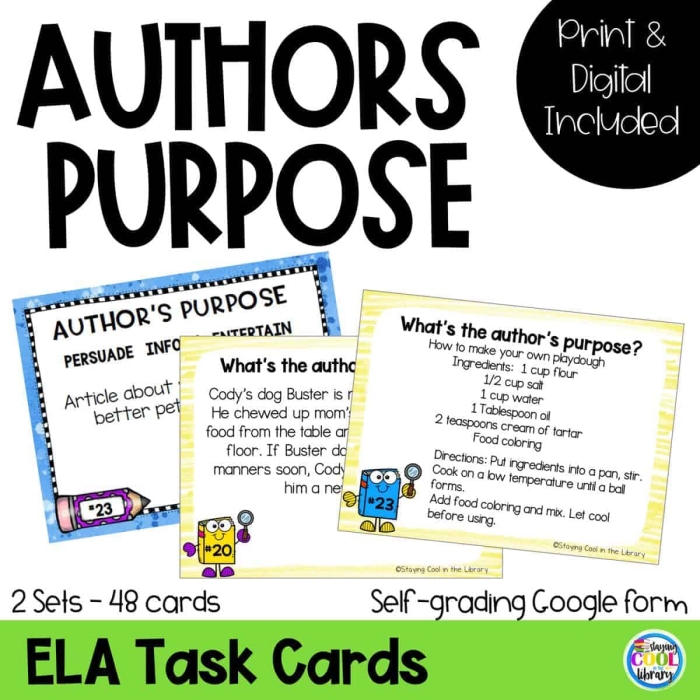
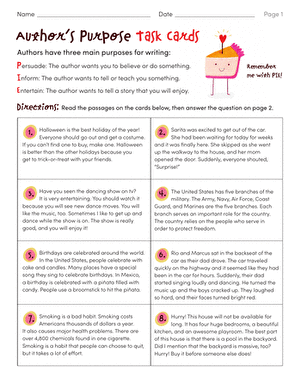
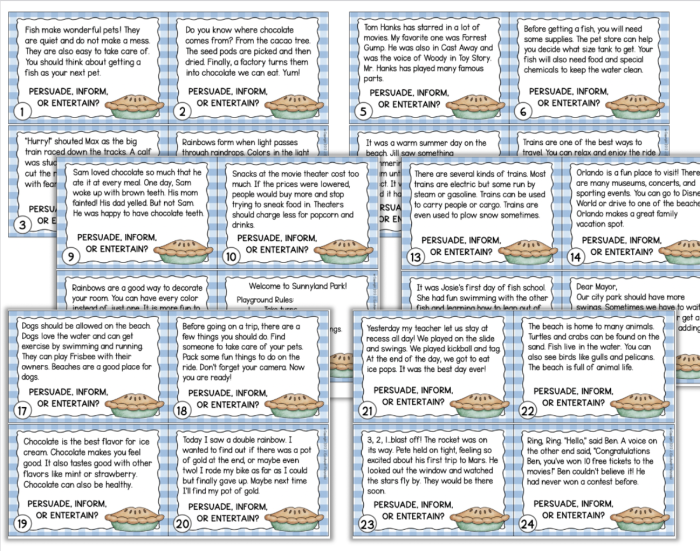
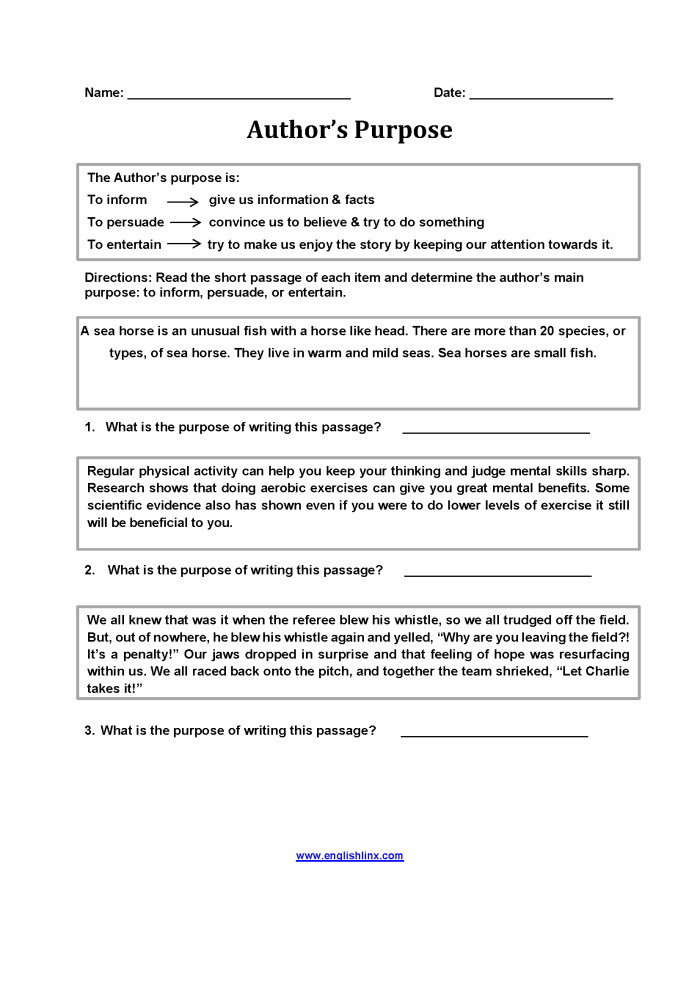
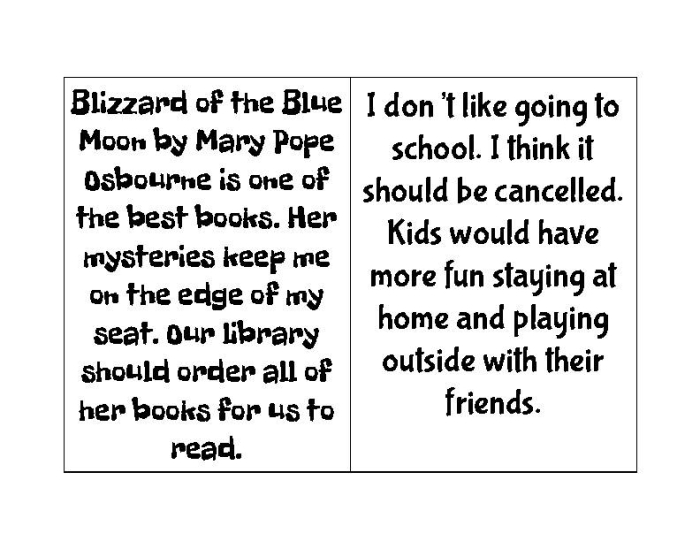
A practical way to build this skill involves working through multiple sample paragraphs and examining the clues within the text itself. When students practice with eight different paragraphs, they encounter variety in writing styles and purposes. One paragraph might describe how to make a sandwich, clearly meant to instruct. Another could tell a funny story about a pet, designed purely to entertain. A third might argue that recess should be longer, aiming to persuade readers to agree.
The key to this practice lies in requiring students to back up their answers with text evidence. Rather than guessing, learners point to specific words, phrases, or details that reveal the author’s intent. This approach builds critical thinking and prevents surface-level responses. When a student identifies that an author used words like “amazing” and “wonderful,” they’re recognizing that the tone signals entertainment rather than pure information.
Third Grade Reading instruction benefits from structured tasks that guide students through this process systematically. Pairing author’s purpose work with other comprehension skills strengthens overall literacy development. Students who master this concept often find it easier to approach more complex texts in later grades.
Worksheets designed around this concept help teachers scaffold the learning process. Resources like reading comprehension activities with engaging stories create natural opportunities to practice purpose identification. Combining this with other literacy skills, such as recognizing descriptive language, helps students see how authors craft their messages intentionally and strategically.
Start Practicing with These Worksheets