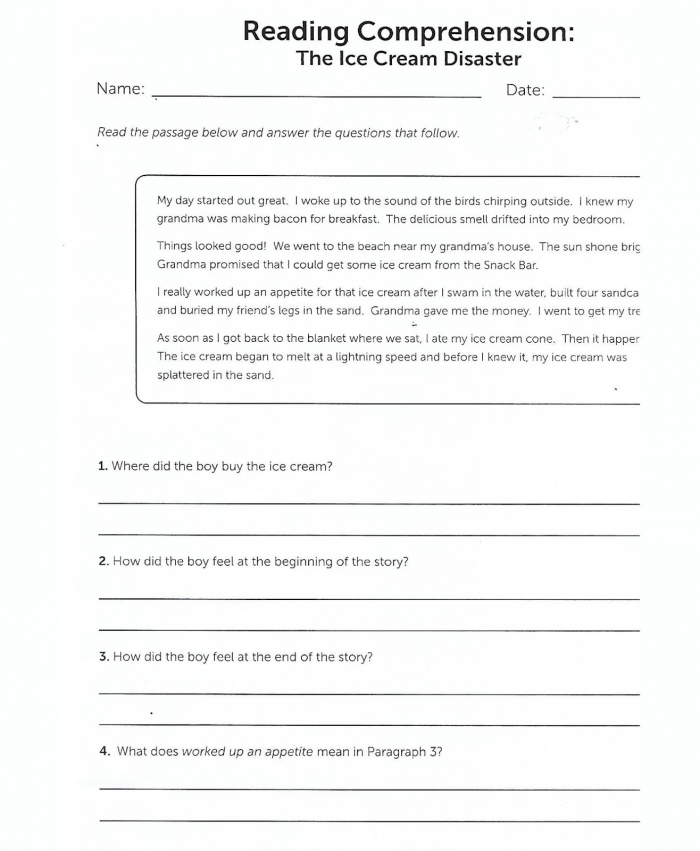
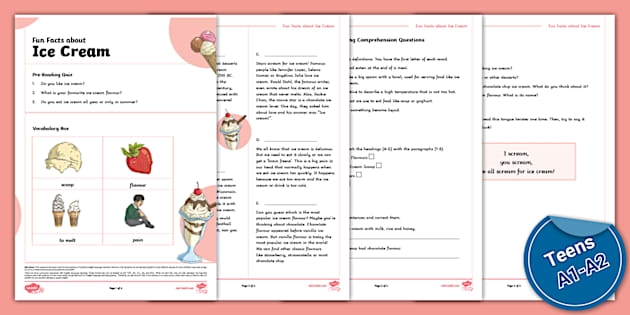
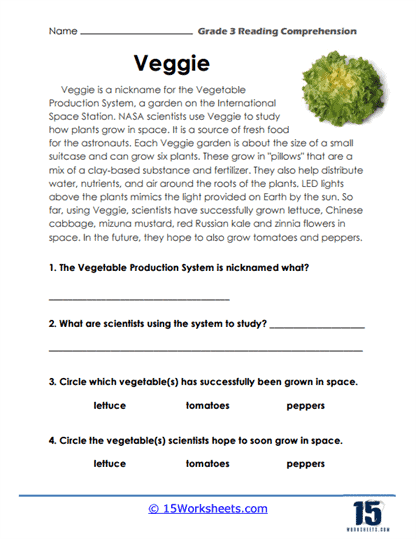
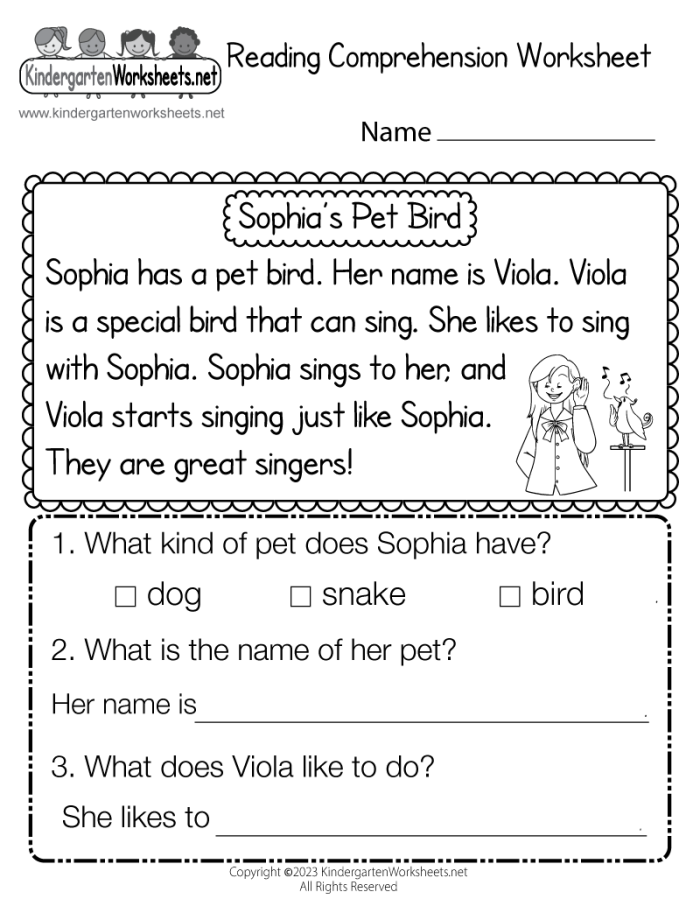
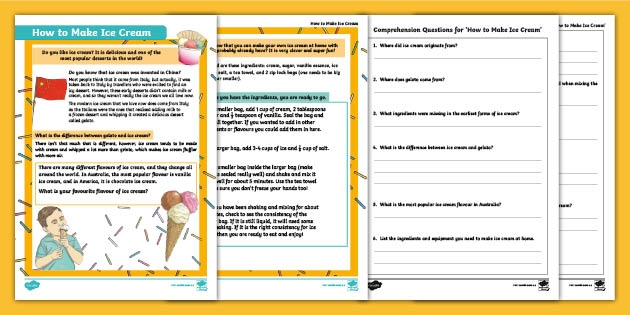
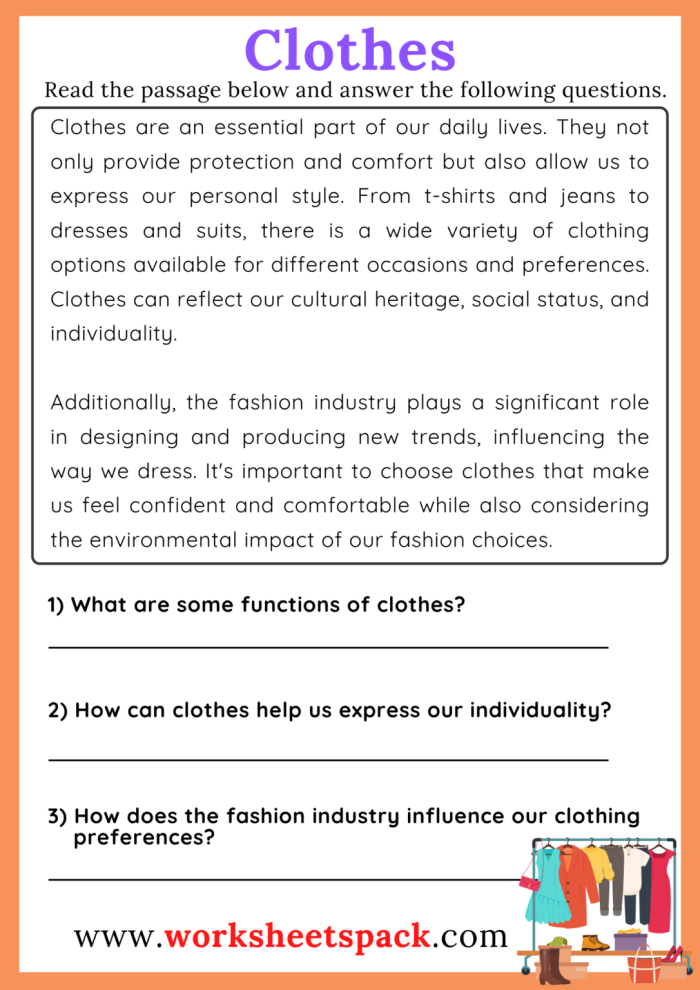
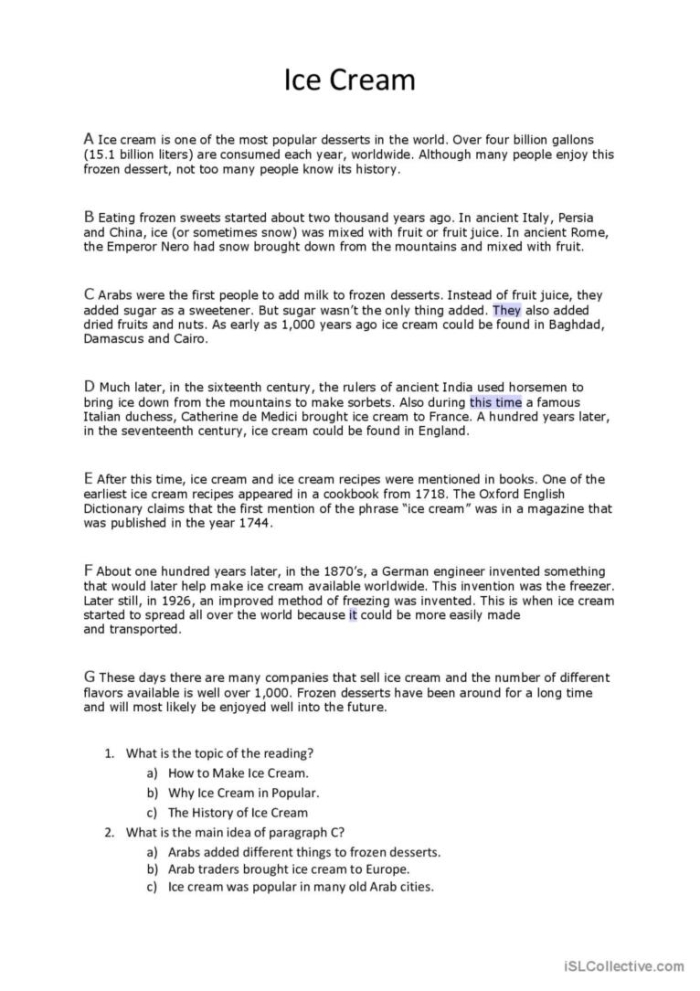
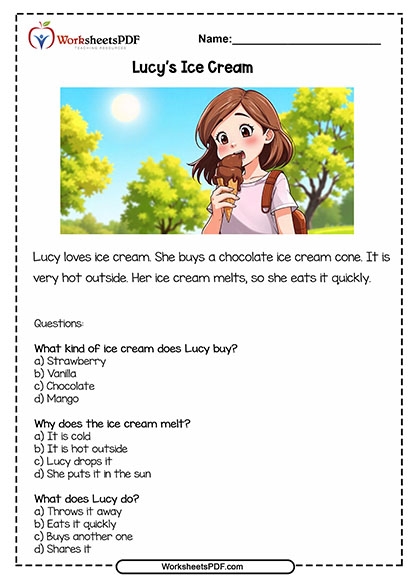
When third grade students encounter a story like “The Ice Cream Disaster,” they’re doing more than just reading words on a page. They’re learning to ask questions, make connections, and understand why characters act the way they do. This kind of reading comprehension work builds skills that matter far beyond elementary school.
The challenge with many reading passages is that they stop at surface-level understanding. A student can tell you what happened, but that doesn’t mean they truly grasped the story. Real comprehension requires students to think about cause and effect, predict what comes next, and understand a character’s feelings or motivations. When third graders work through a passage about an ice cream disaster, they encounter opportunities to practice these deeper thinking skills in a relatable, age-appropriate context.
Effective comprehension activities push students to go beyond simple recall. They might ask: Why did the character make that choice? What would you have done differently? How did the character feel when things went wrong? These questions help young readers connect emotionally to stories and understand that reading is about meaning, not just decoding words correctly.
Pairing reading passages with supporting materials makes the learning stick better. Worksheets that focus on figurative language in third grade worksheets can help students notice when authors use comparisons or descriptive language. Similarly, activities involving measurement practice through real-world scenarios reinforce how reading connects to math and everyday life.
When third grade reading comprehension is structured thoughtfully, students develop confidence as readers. They learn that understanding a story deeply is more rewarding than rushing through it. This foundation shapes how they approach reading throughout their academic careers and beyond.
Worksheet Practice Section