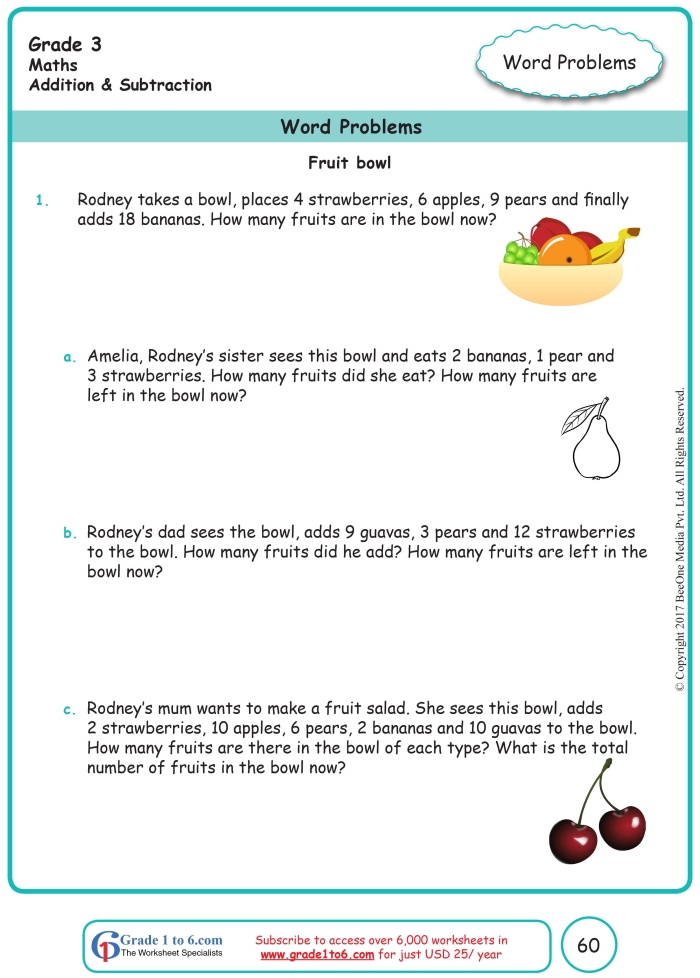
When second graders tackle word problems involving two-digit addition, they’re doing more than just practicing math facts. They’re learning to translate real-world situations into numbers, a skill that shapes how they approach problems across every subject and throughout their lives.
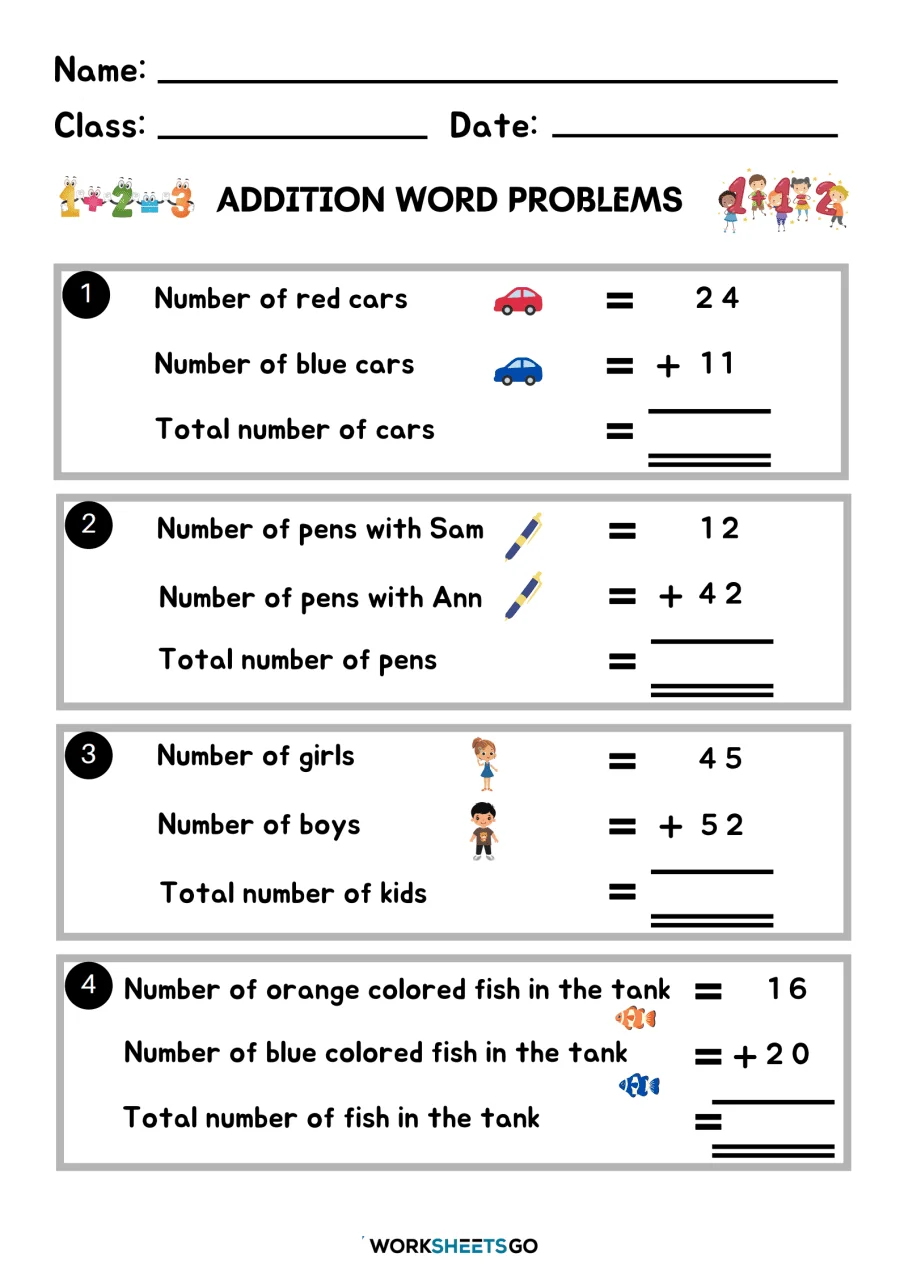
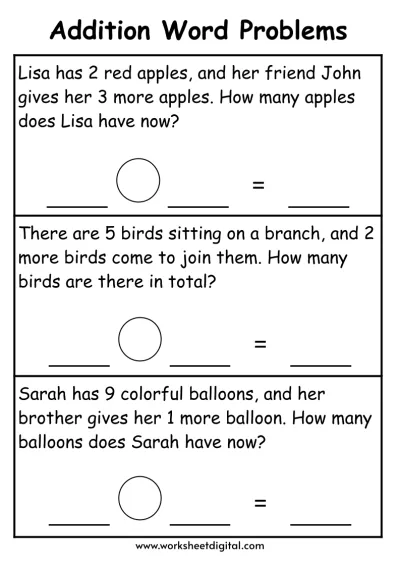
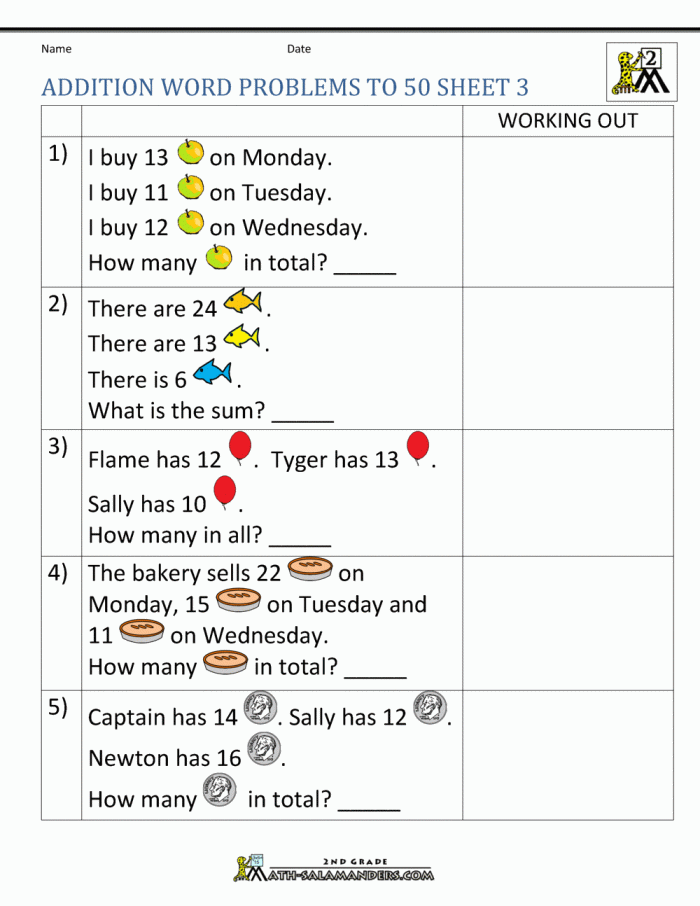
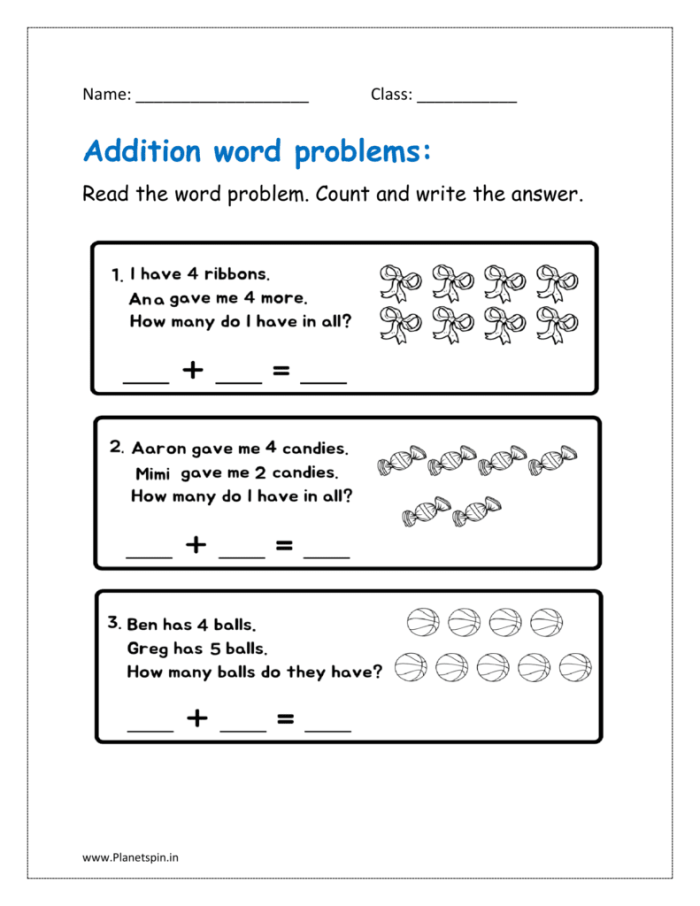
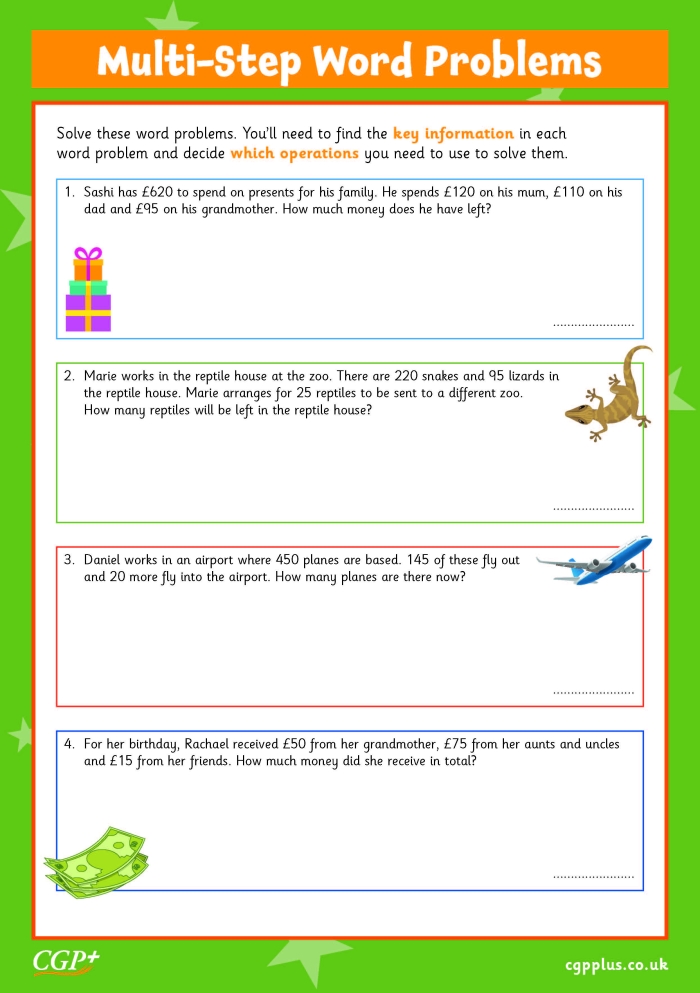
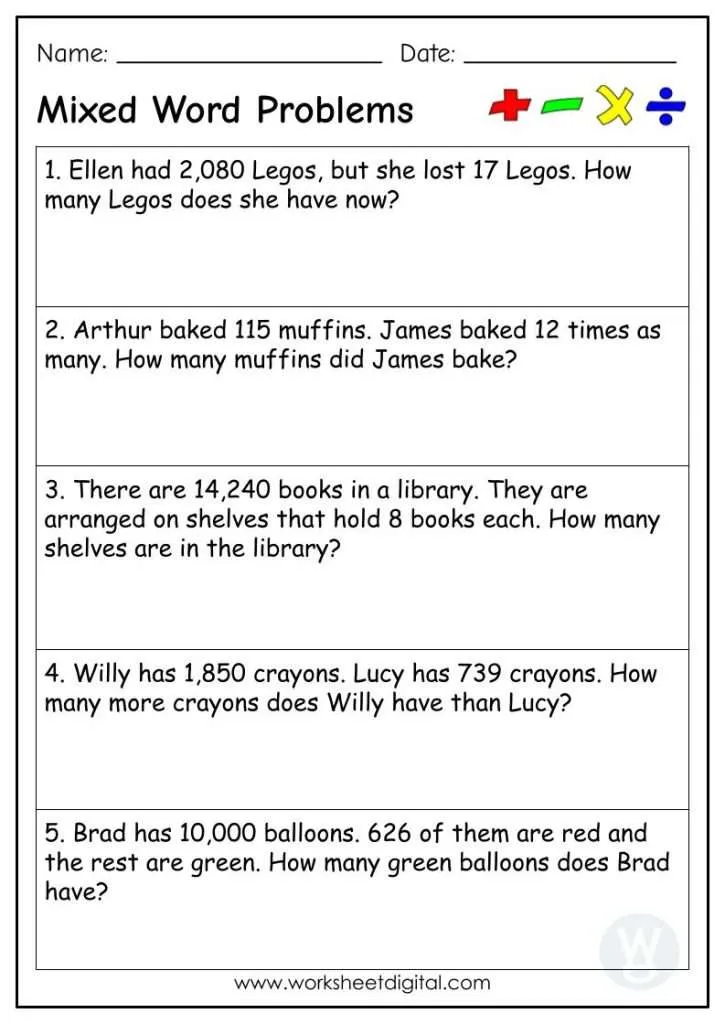
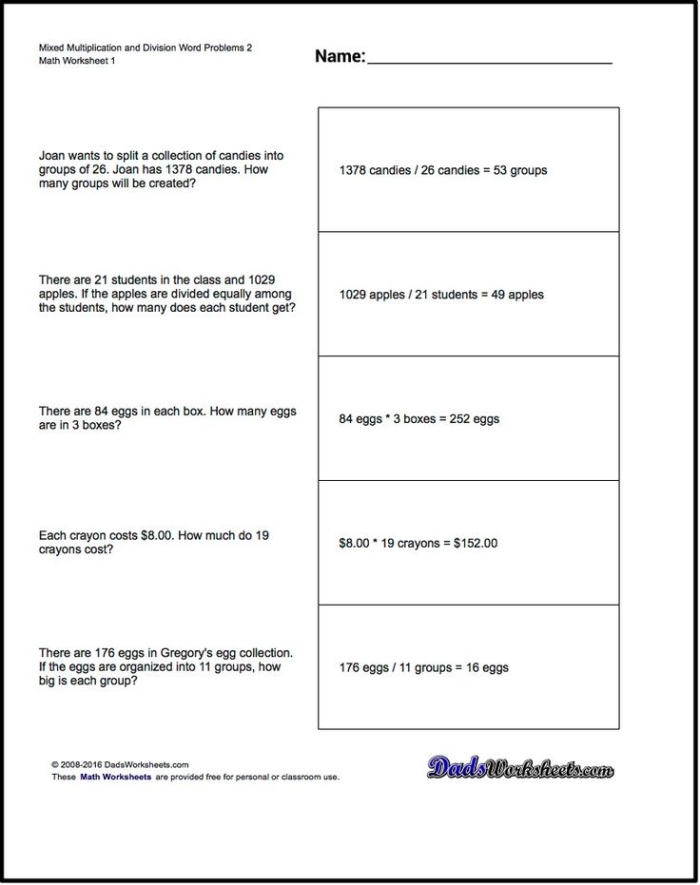
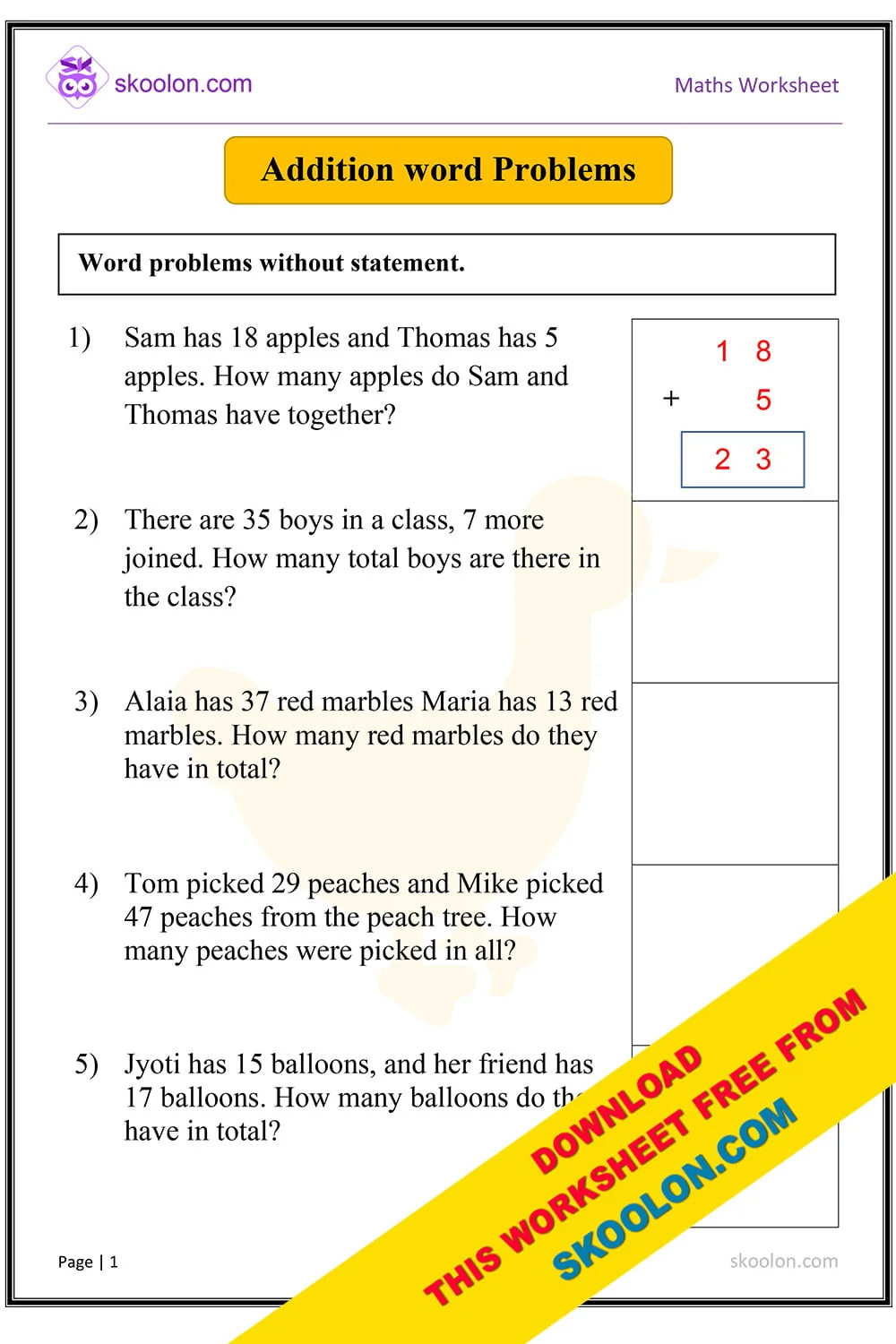
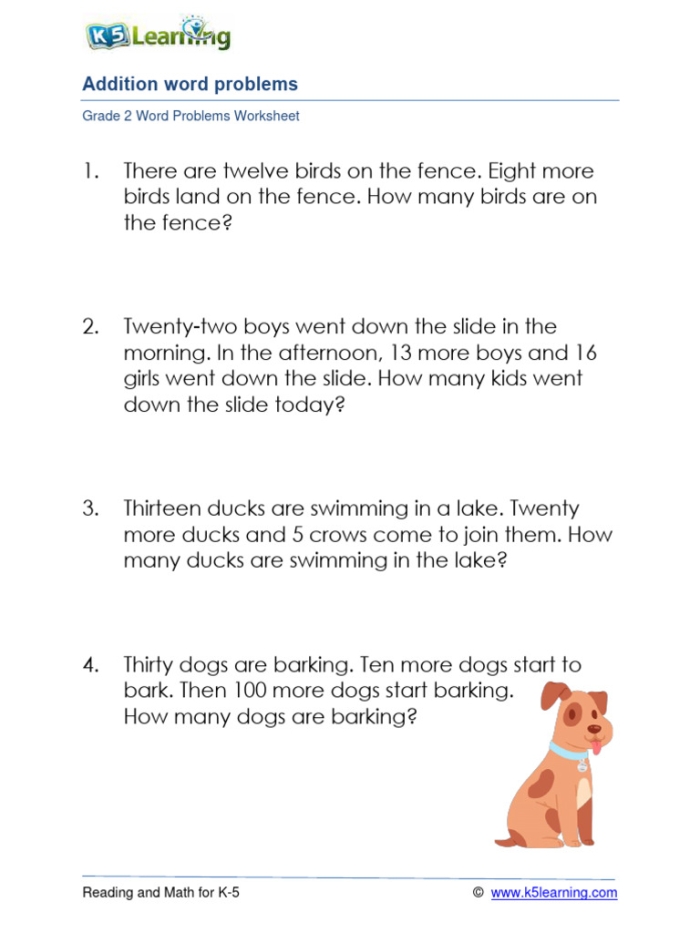
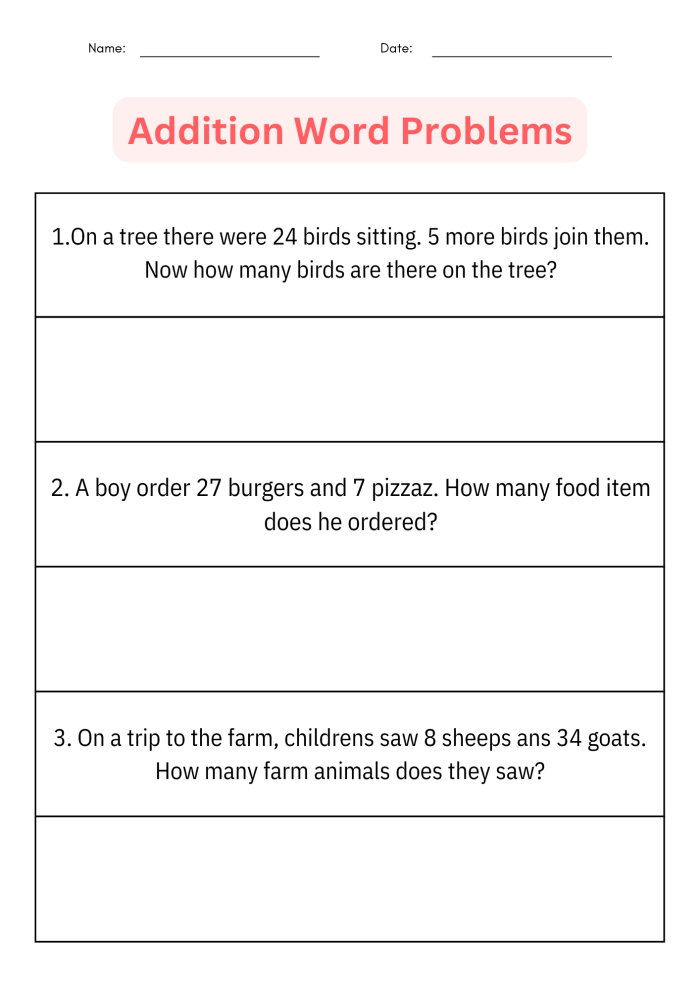
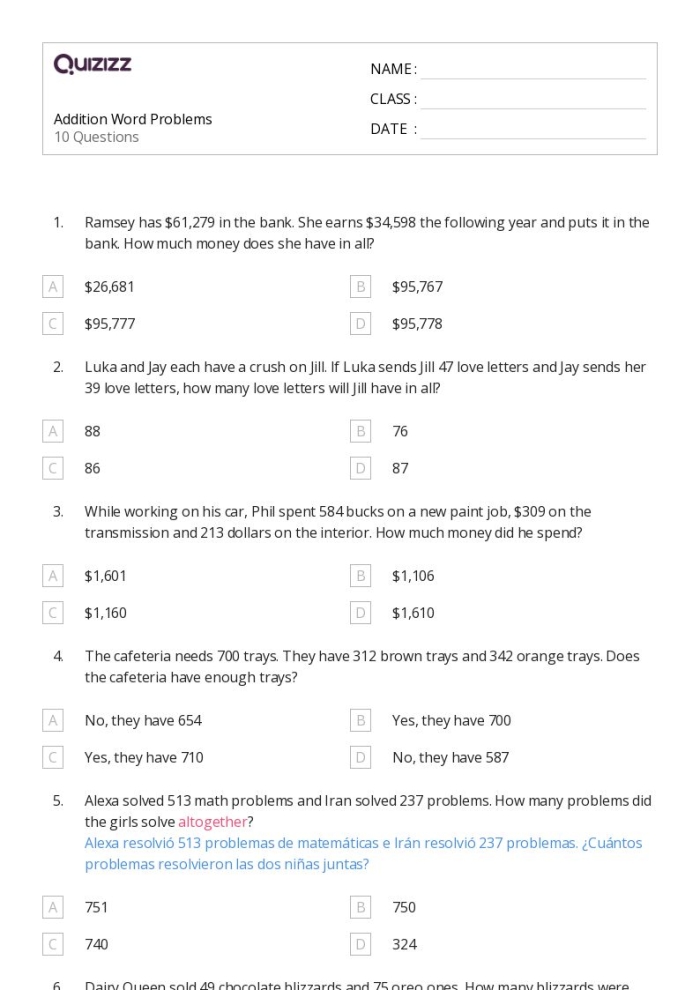
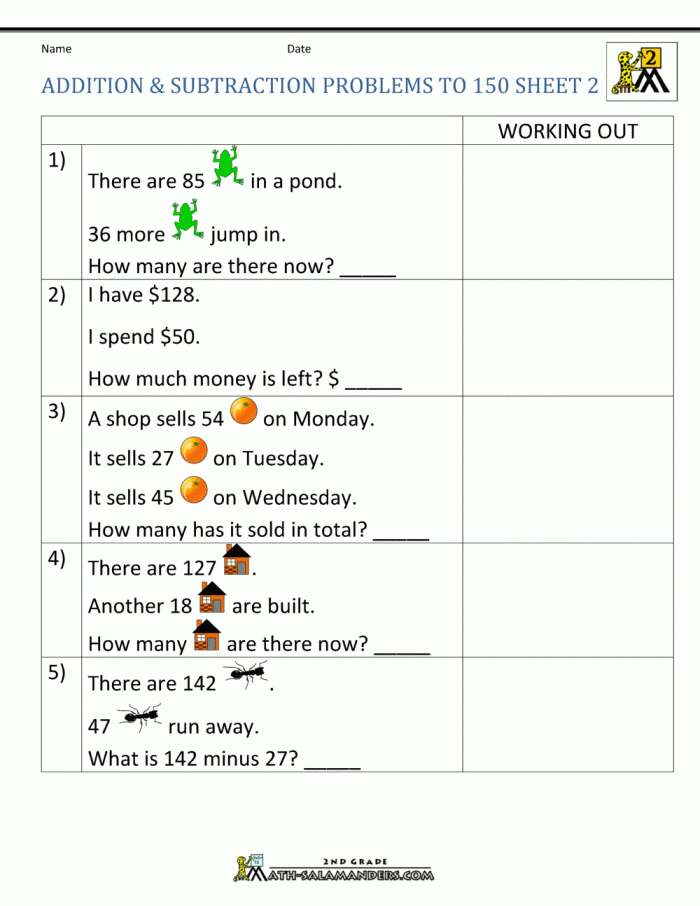
A typical word problem might ask: “Maria has 24 stickers. Her friend gives her 15 more. How many stickers does Maria have now?” The student must identify what they know, recognize that addition is needed, and then solve 24 + 15 to find the answer. This process builds confidence and connects abstract numbers to situations children recognize from their own experiences.
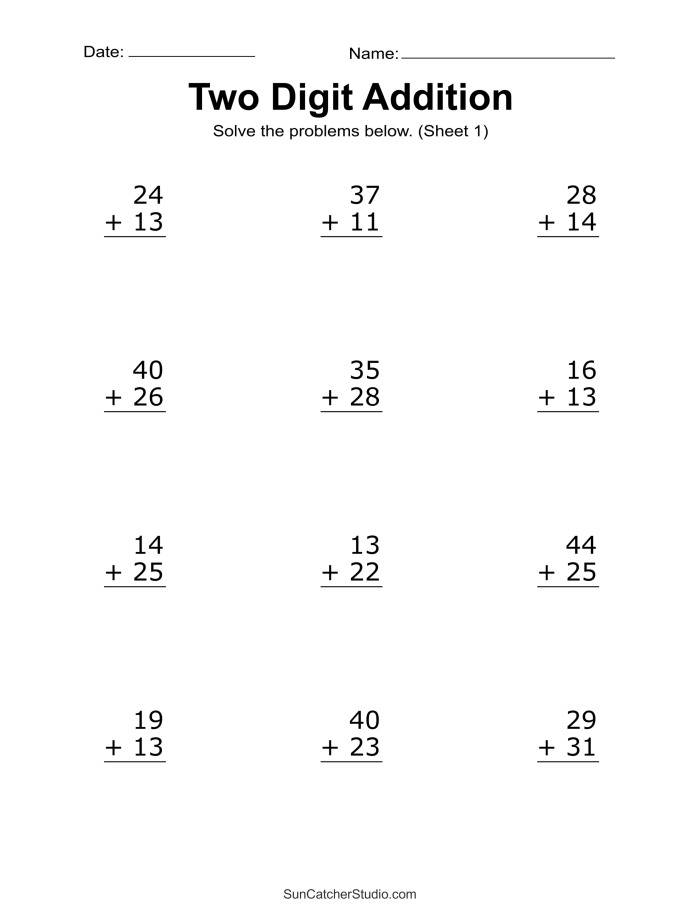
Two-digit addition problems work well for this age because they’re challenging enough to require real thinking, yet manageable enough that students can solve them independently or with minimal guidance. Unlike single-digit facts that rely on memorization, two-digit problems encourage children to use strategies like breaking numbers into tens and ones, regrouping when necessary, and checking their work.
The context matters too. When problems reflect a child’s community and culture, they become more meaningful. Whether it’s problems about sharing snacks at a classroom celebration, collecting items for a community project, or helping family members with everyday tasks, these scenarios make math feel purposeful rather than abstract.
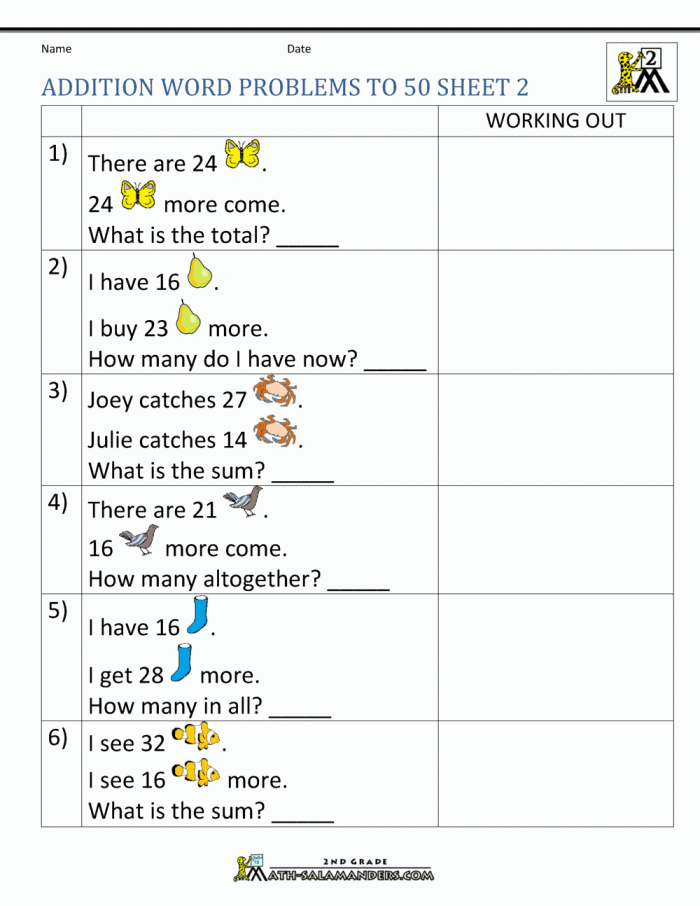
Teachers often use engaging themed worksheets to keep students interested while they practice. Supplementary activities like seasonal word problems or time-related math challenges help reinforce these skills across different contexts, making addition feel like a tool they’ll actually use.
Start Practicing with These Worksheets