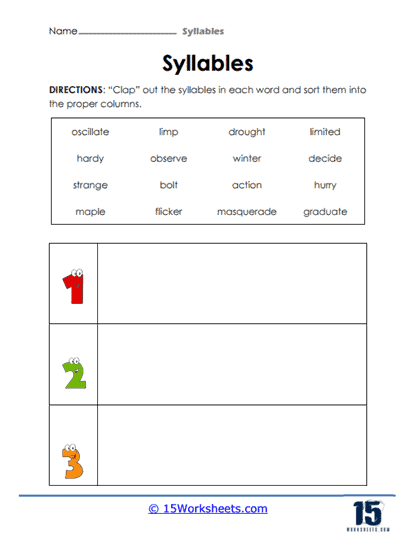
Clapping out the sounds in words transforms syllable counting from an abstract concept into something your first grader can actually feel and hear. When children physically clap along with each sound unit in a word, they engage multiple senses at once, which makes the learning stick far better than simply repeating the word aloud.
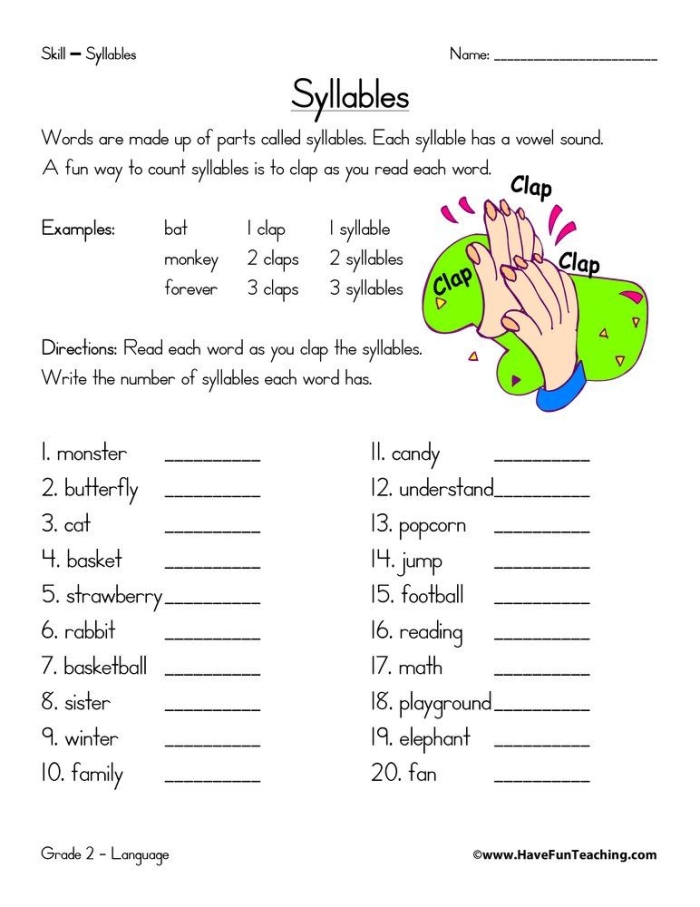
Syllables are the individual sound units within a word, and recognizing them is a foundational skill in early literacy. A word like “butterfly” has three syllables: but-ter-fly. When your child claps three times while saying the word, they’re creating a direct connection between the sound and the physical action. This multisensory approach works because young learners benefit from combining auditory input with kinesthetic movement.
The beauty of this technique lies in its simplicity. You don’t need special materials or extensive preparation. Start with everyday words your child already knows: “cat” (one clap), “apple” (two claps), “dinosaur” (three claps). As they become comfortable with the pattern, introduce longer words and let them discover the rhythm on their own.
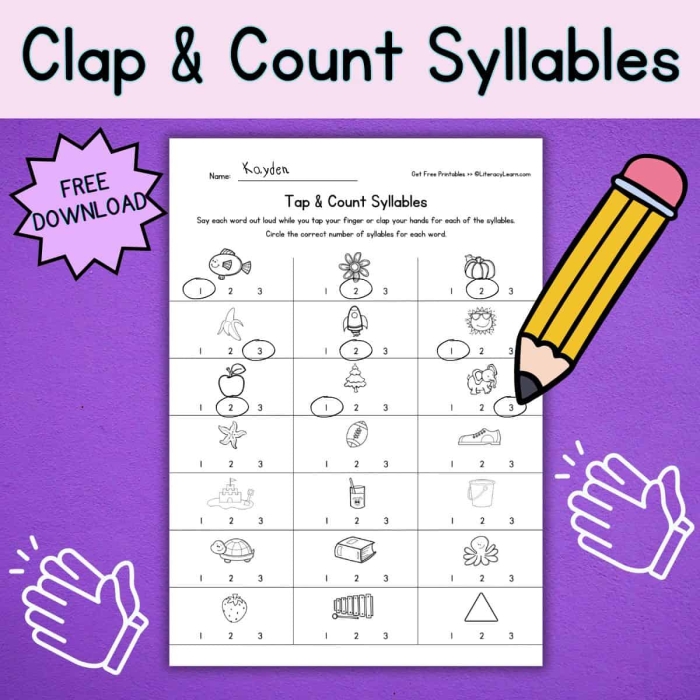
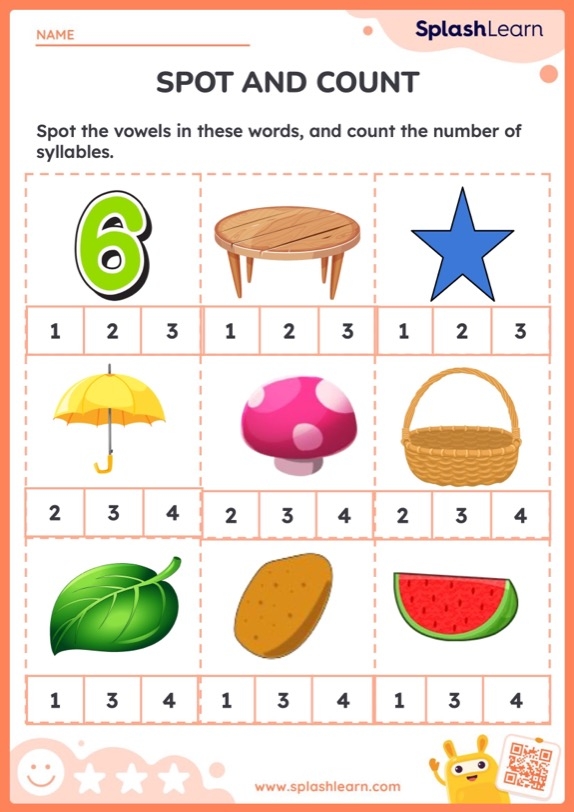
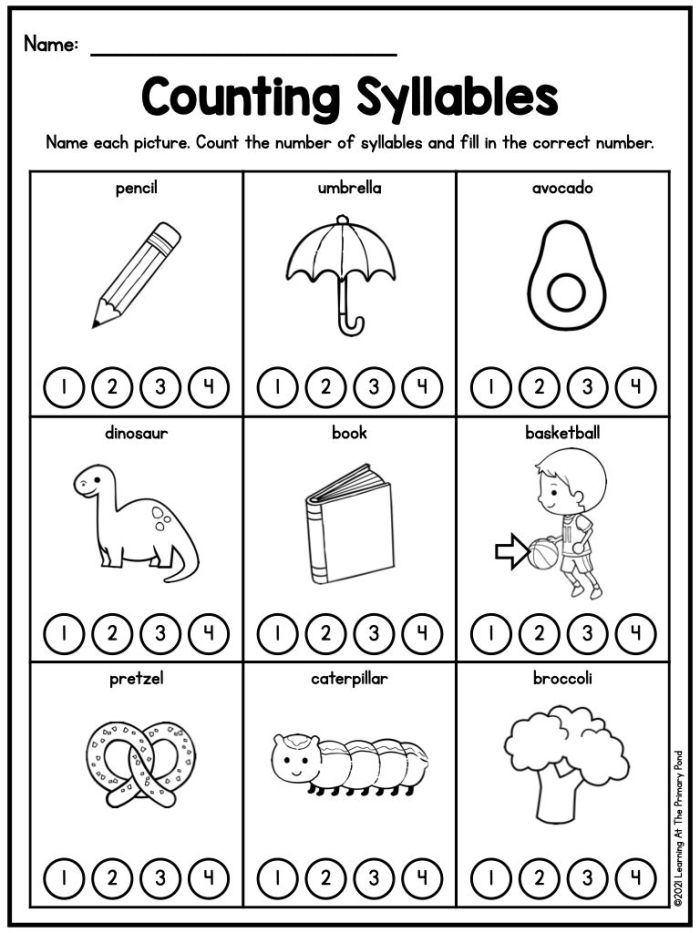
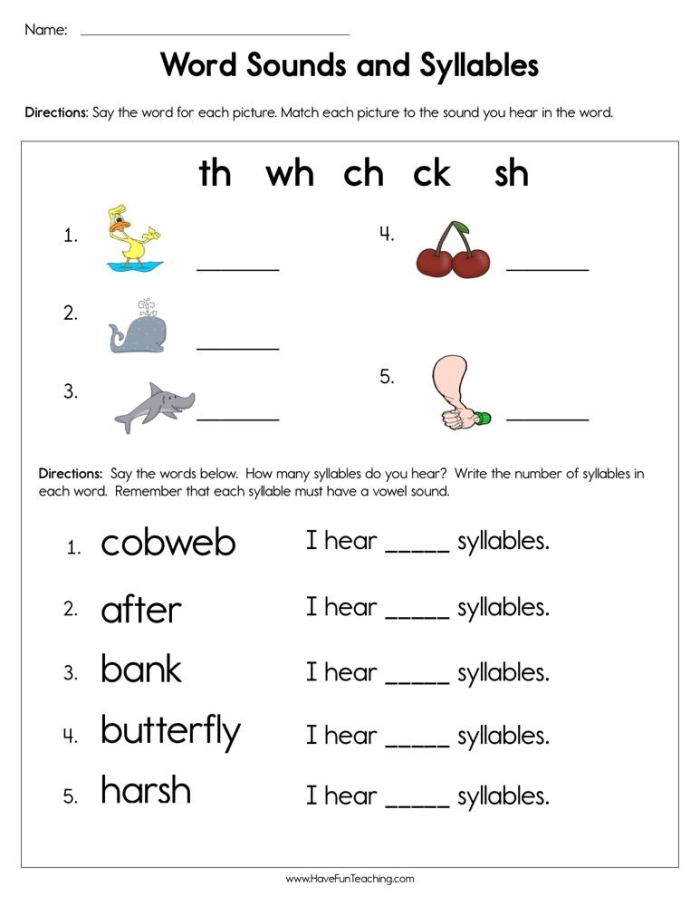
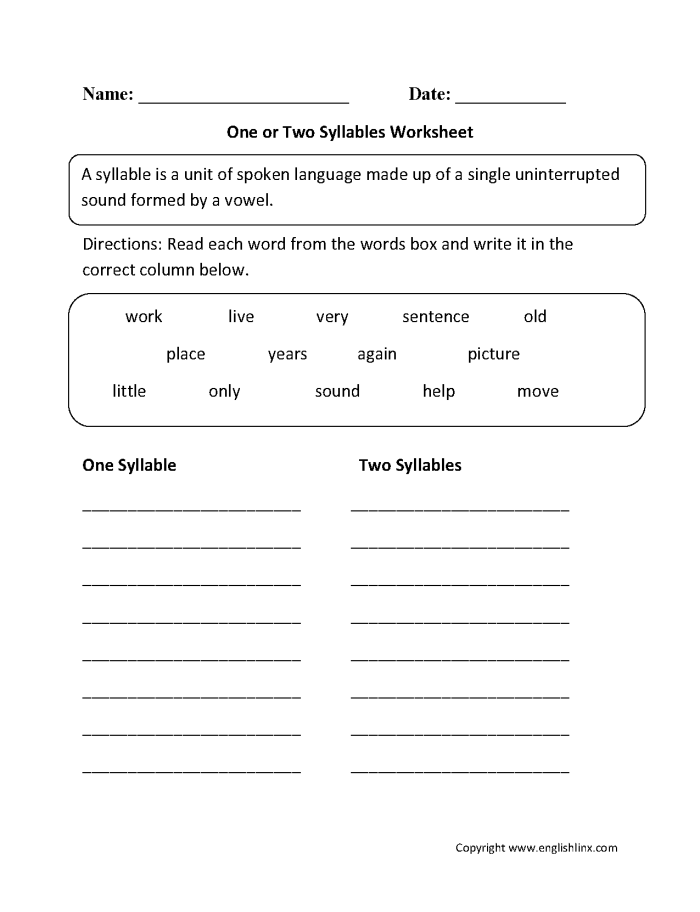
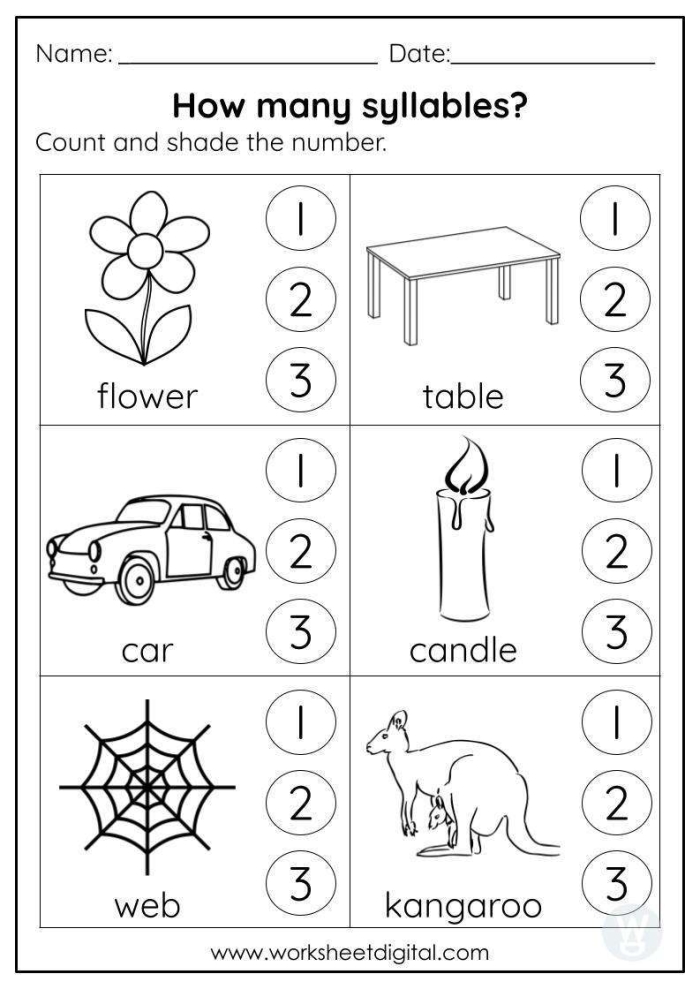
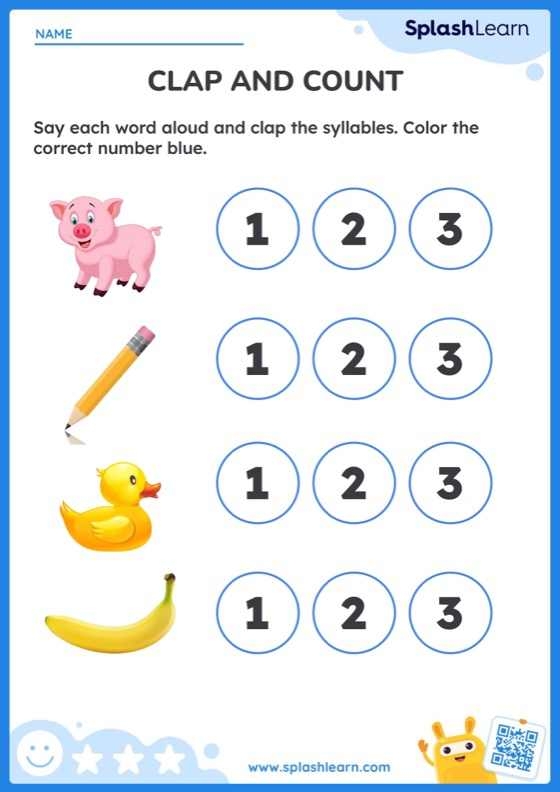
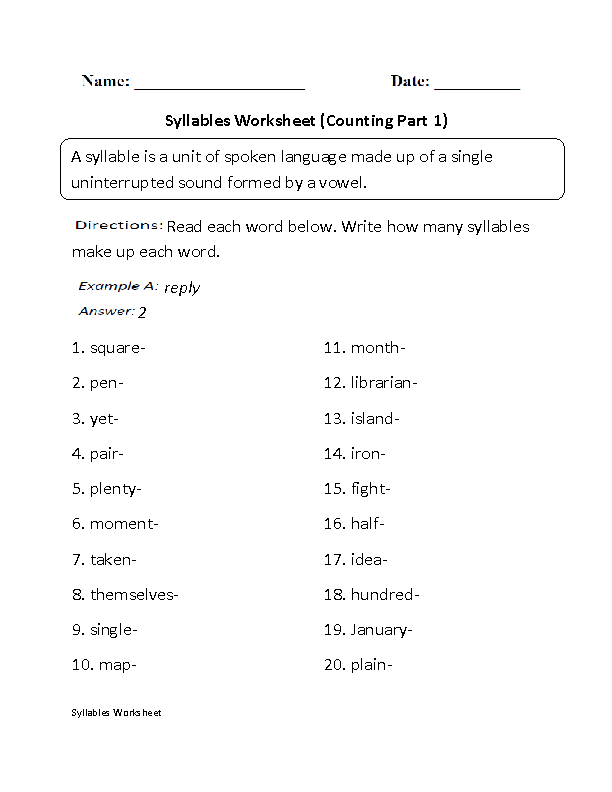
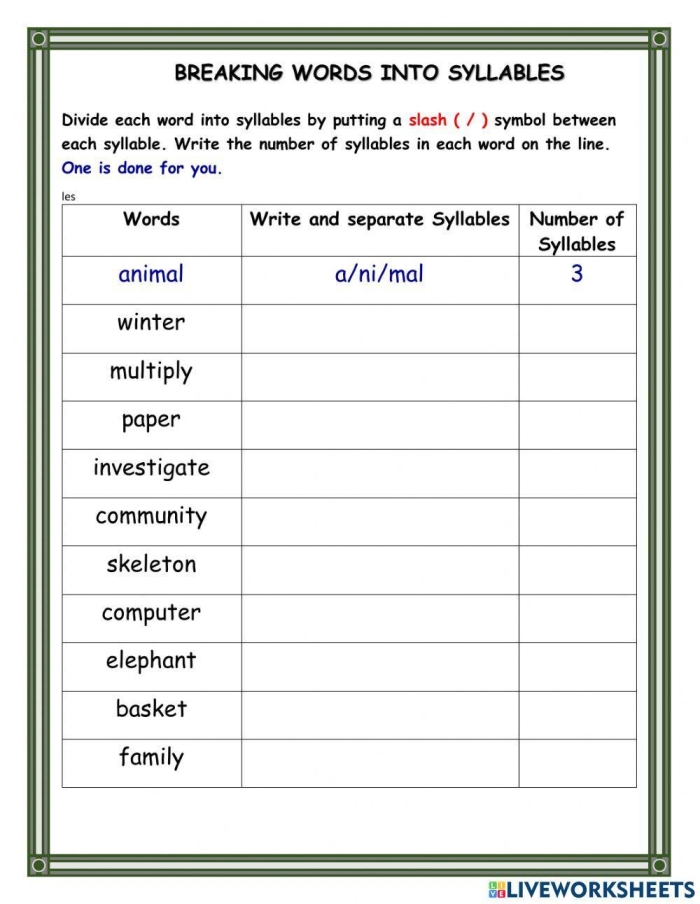
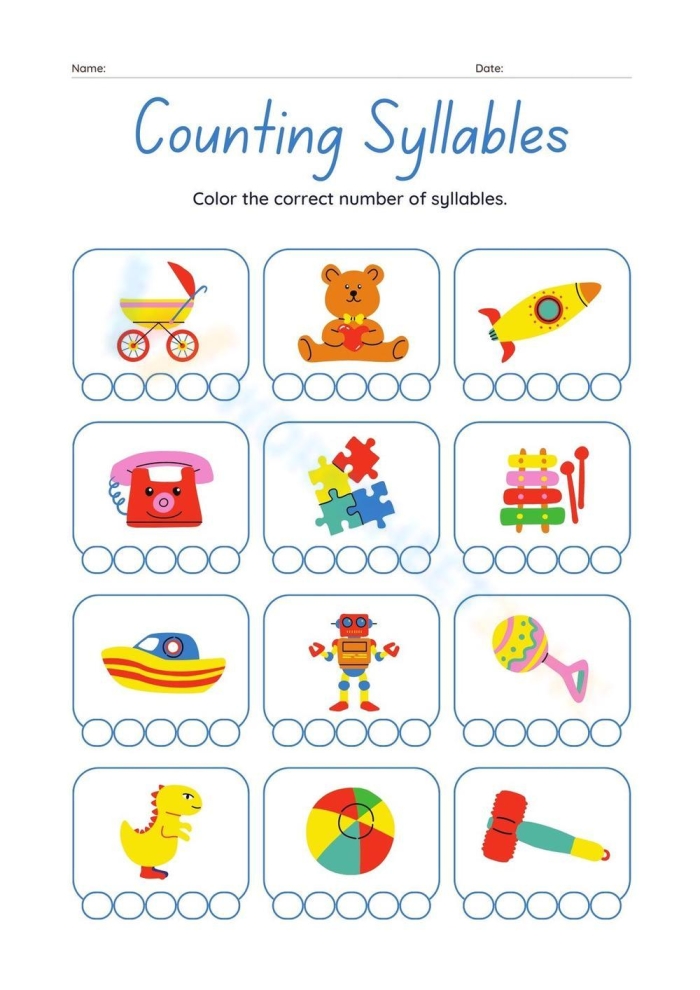
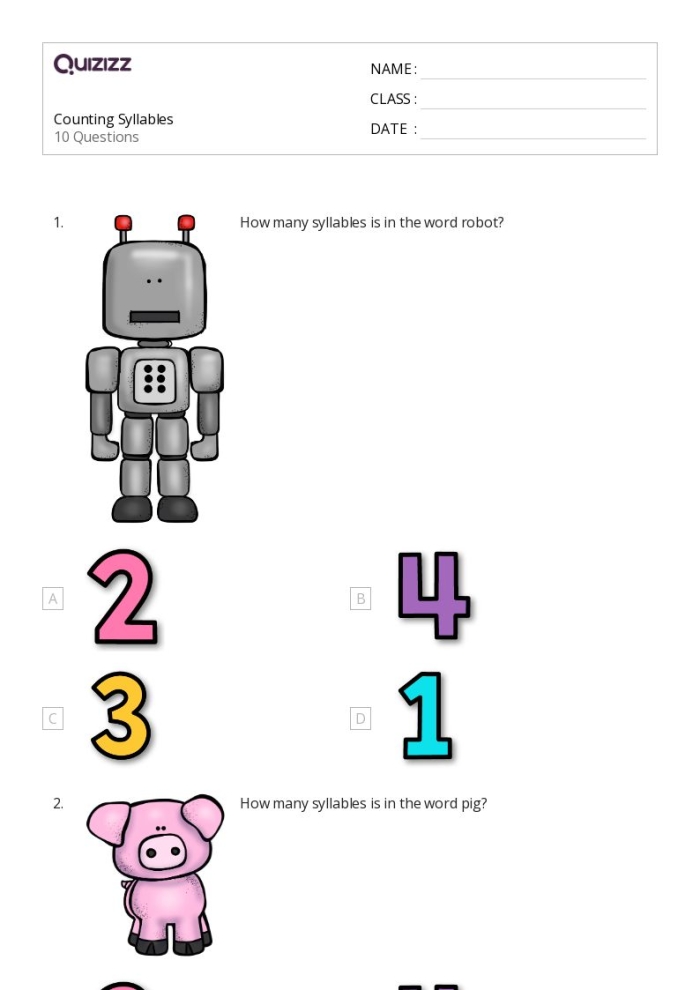
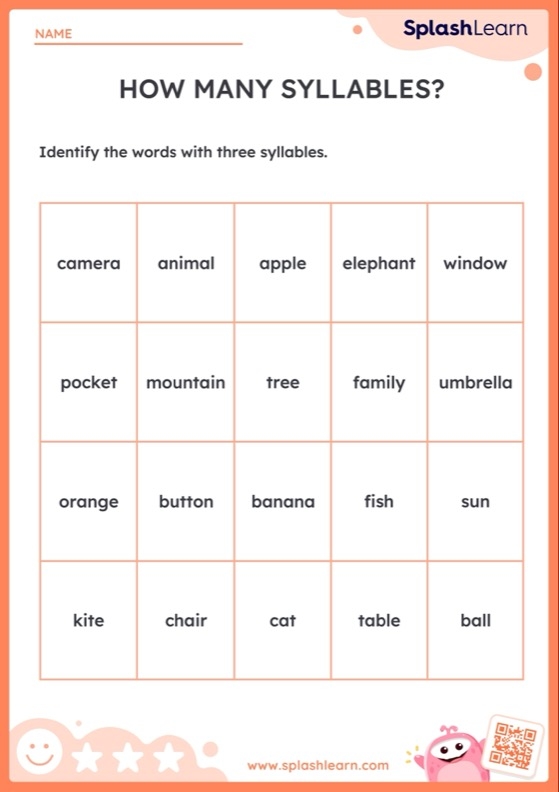
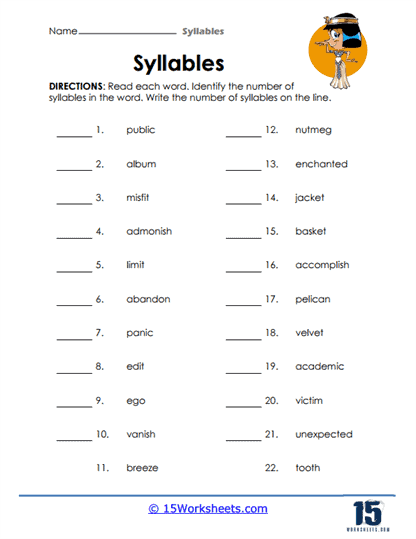
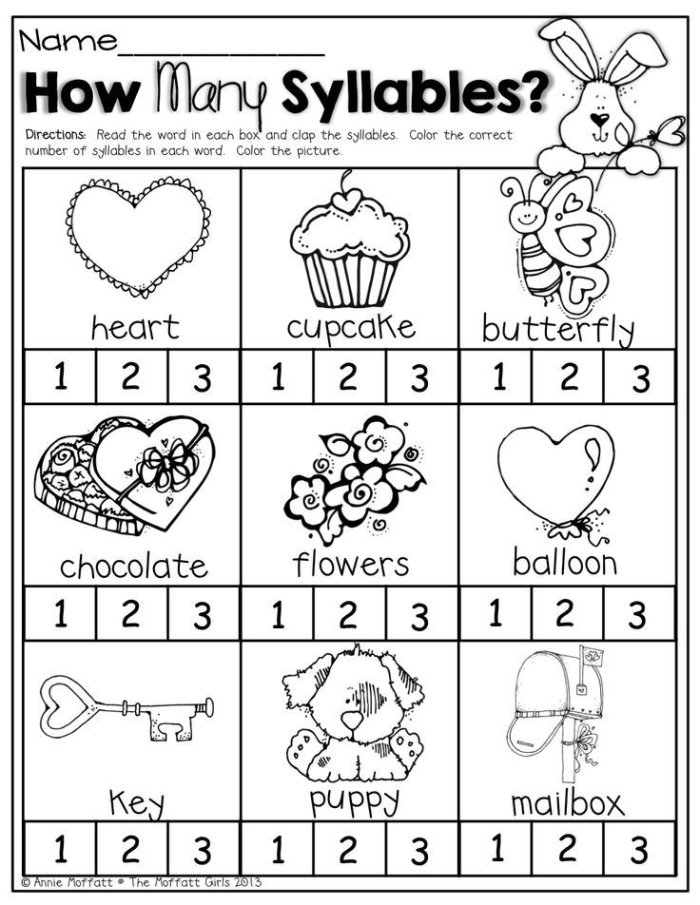
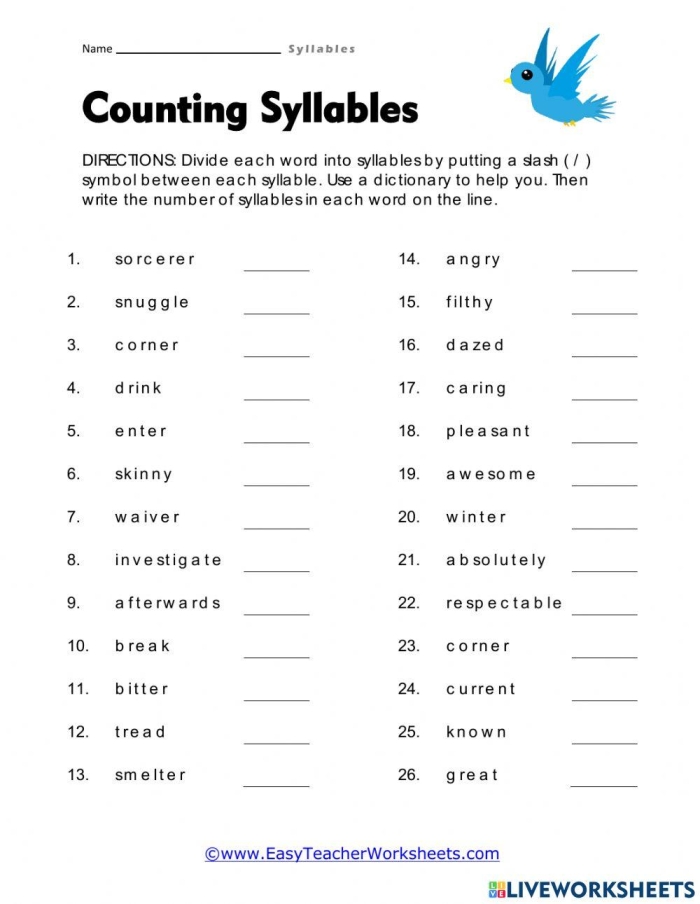
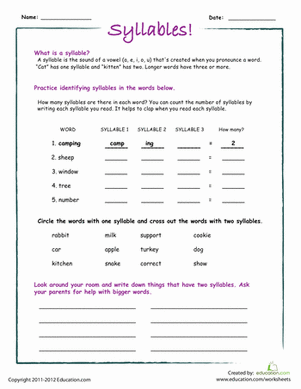
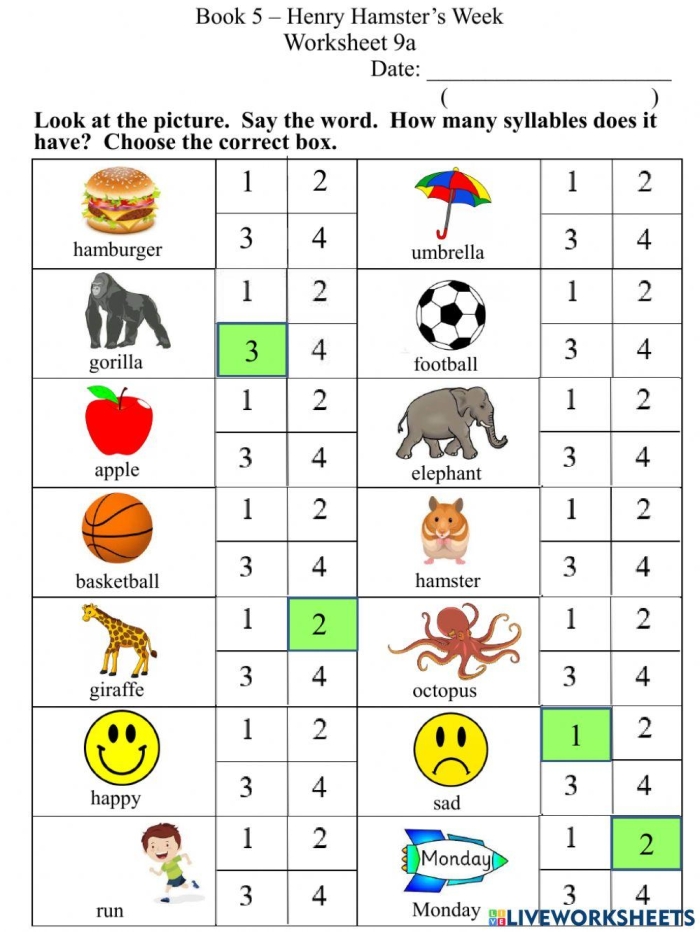
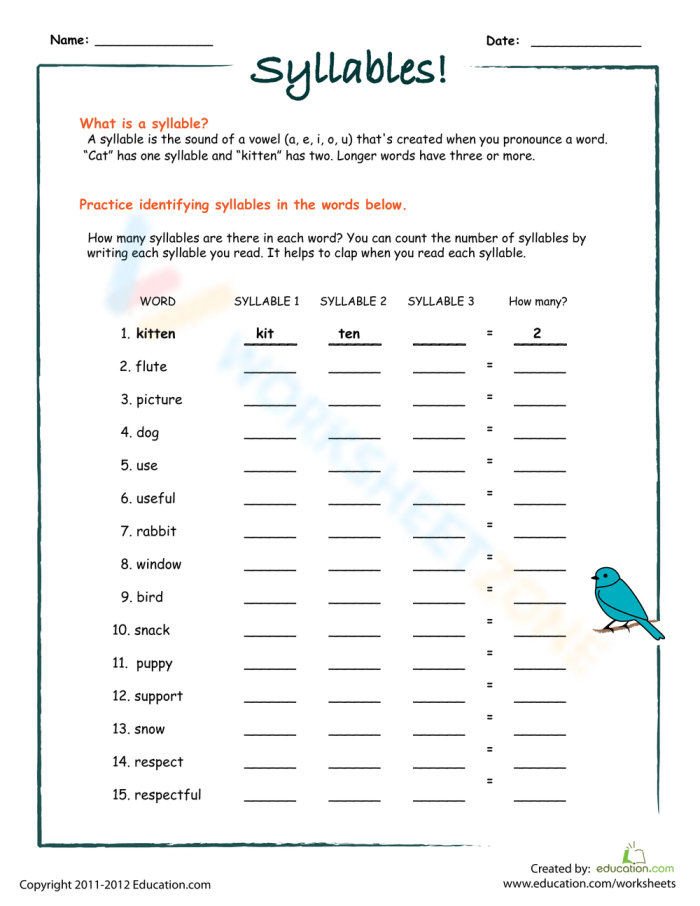
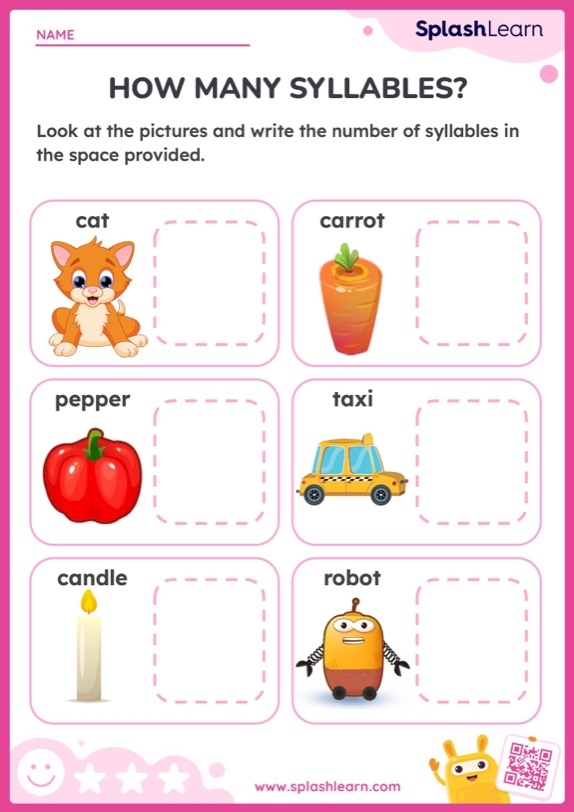
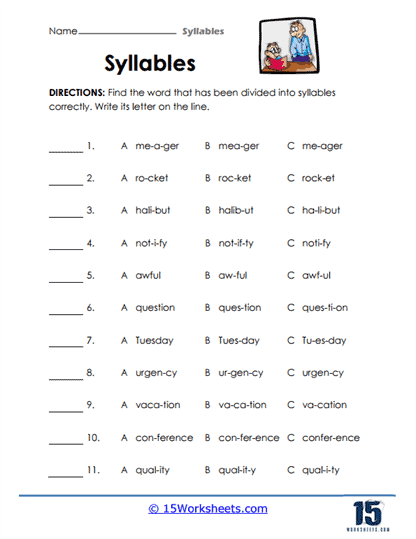
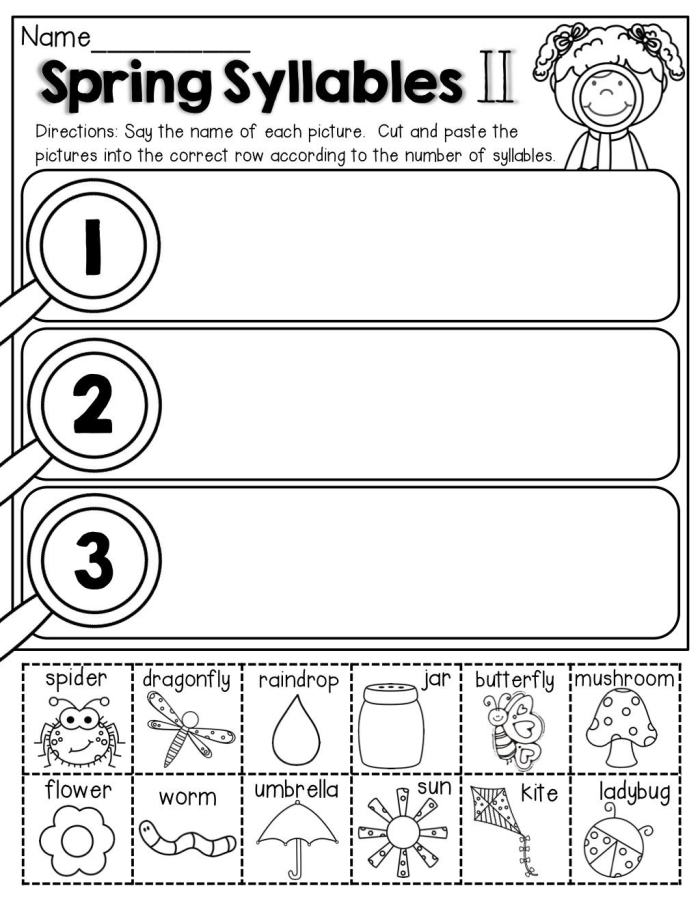
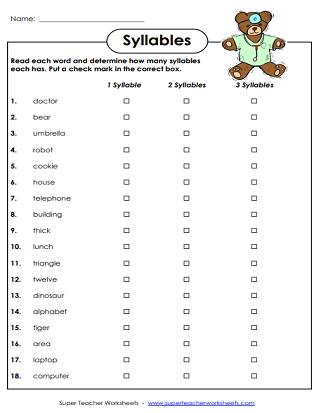
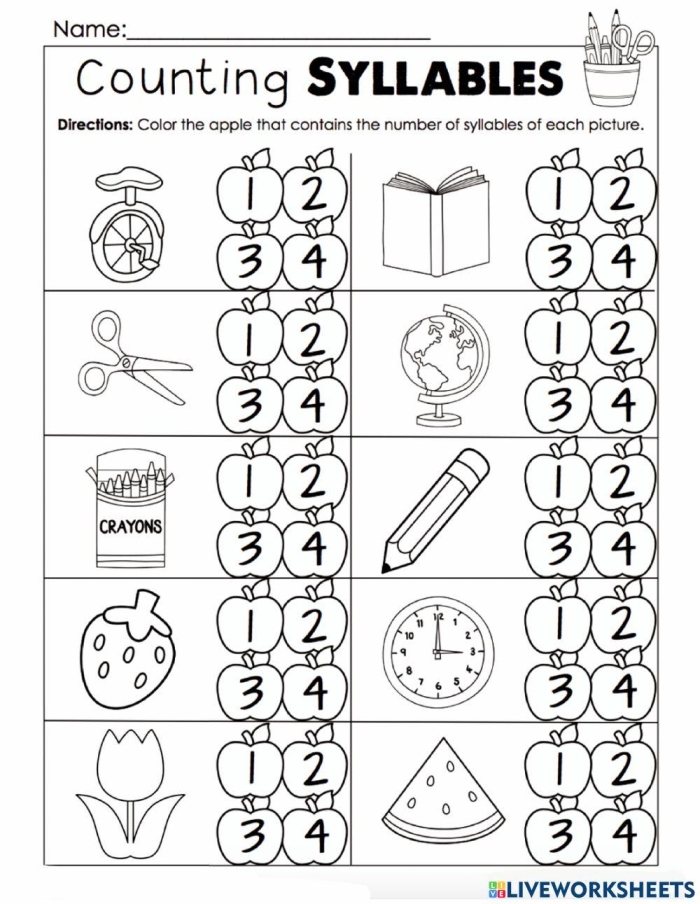
Worksheets designed specifically for this skill provide structured practice that reinforces what children learn through clapping. A well-designed first grade worksheet guides them through the process with visual cues and familiar vocabulary. Some worksheets pair syllable activities with other foundational skills, like those that combine handwriting practice with word activities, creating more comprehensive learning experiences.
The physical act of clapping also helps children who might struggle with purely auditory learning. They can see their own hands moving, count the claps, and build confidence as they master this early literacy skill. This hands-on approach makes syllable counting feel like a game rather than a lesson, which keeps first graders engaged and eager to practice more.
Printable Worksheets for Practice