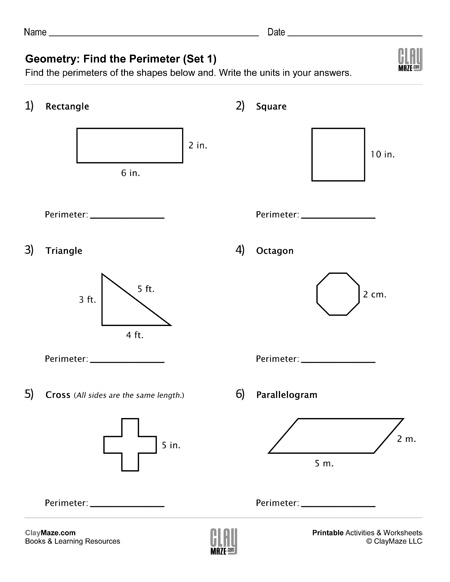
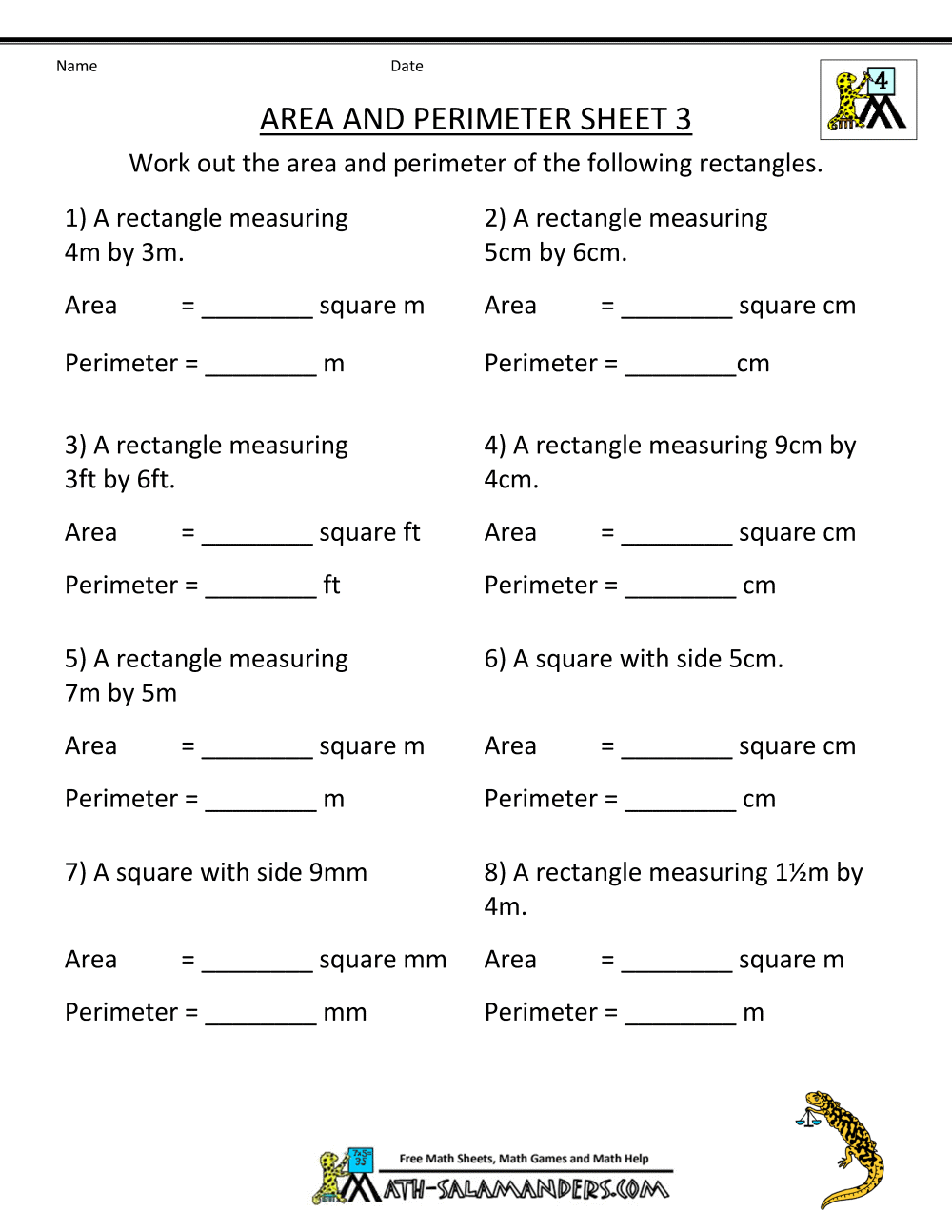
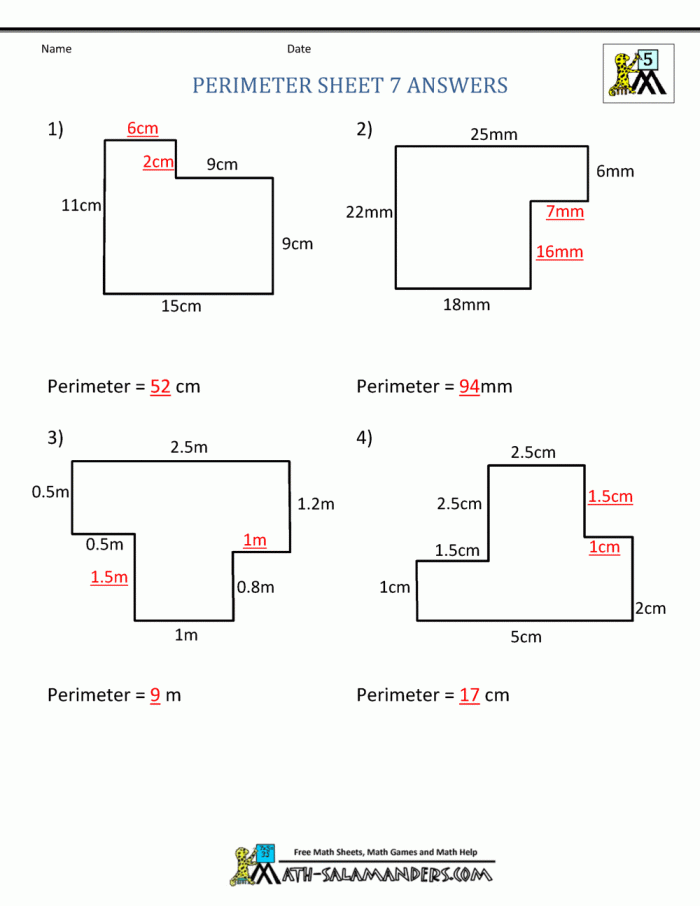
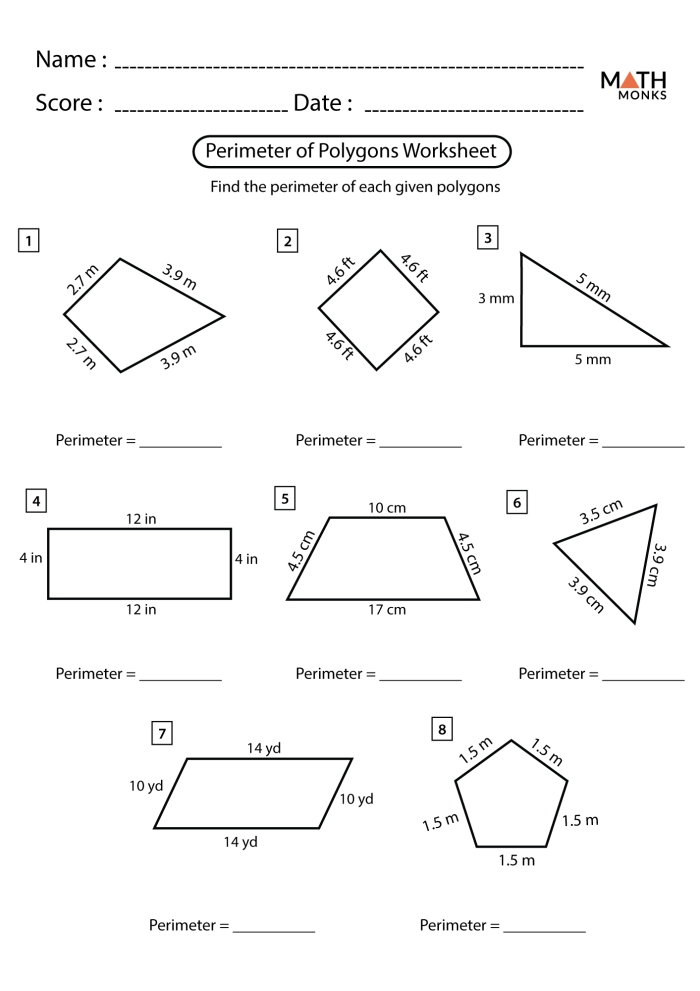
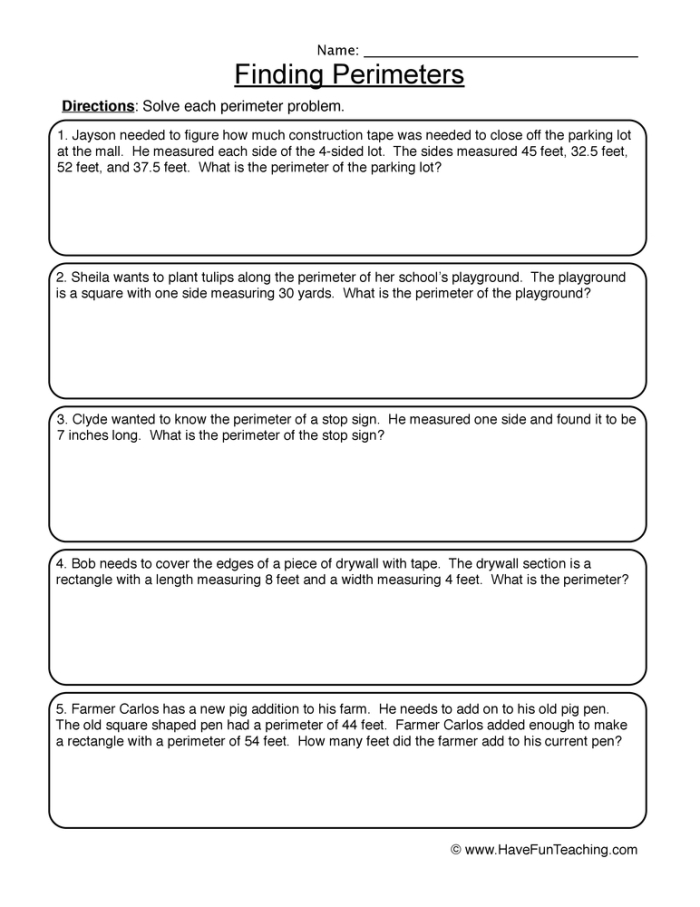
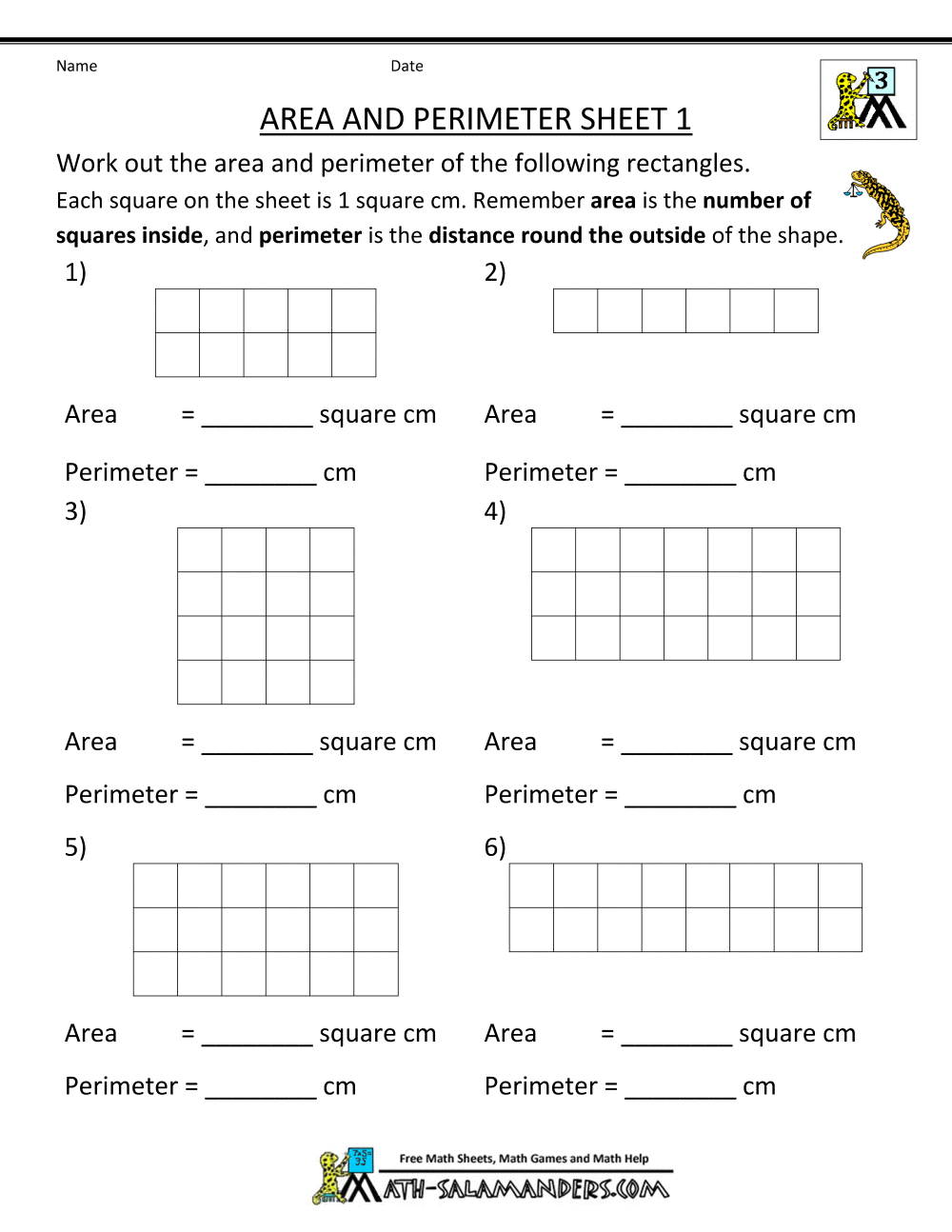
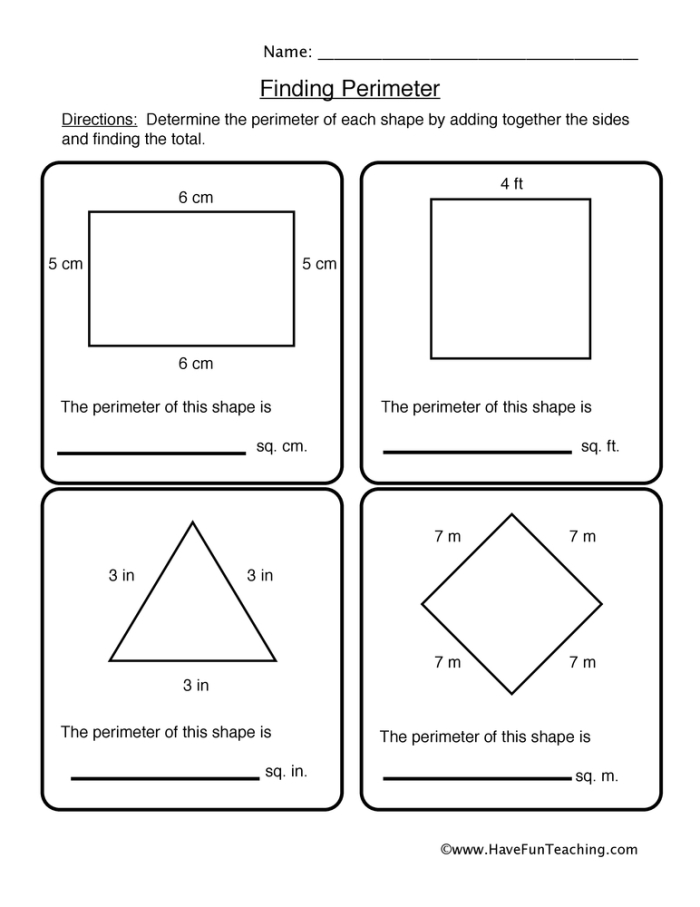
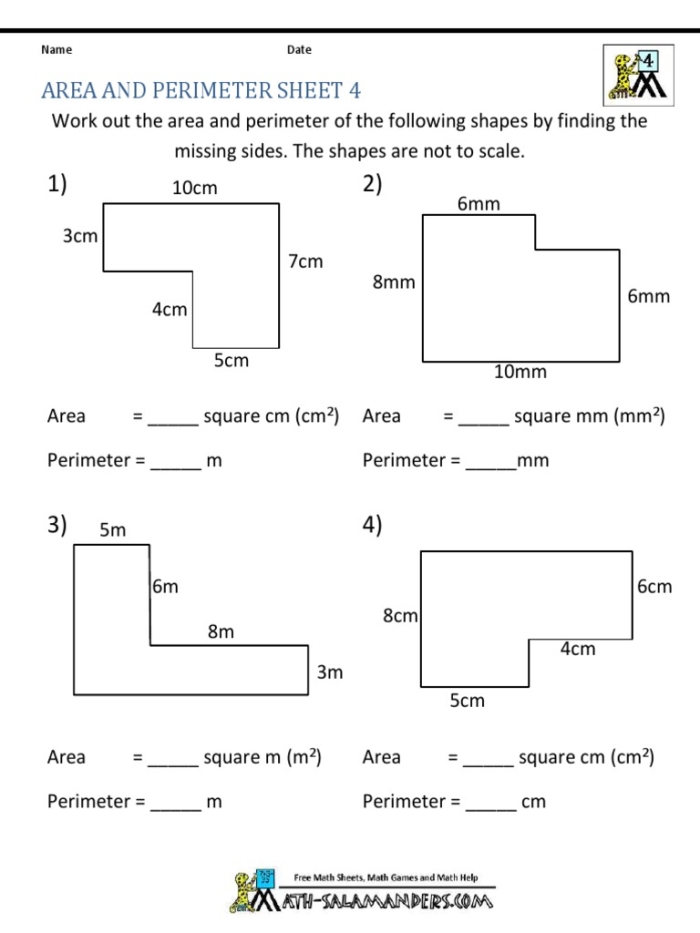
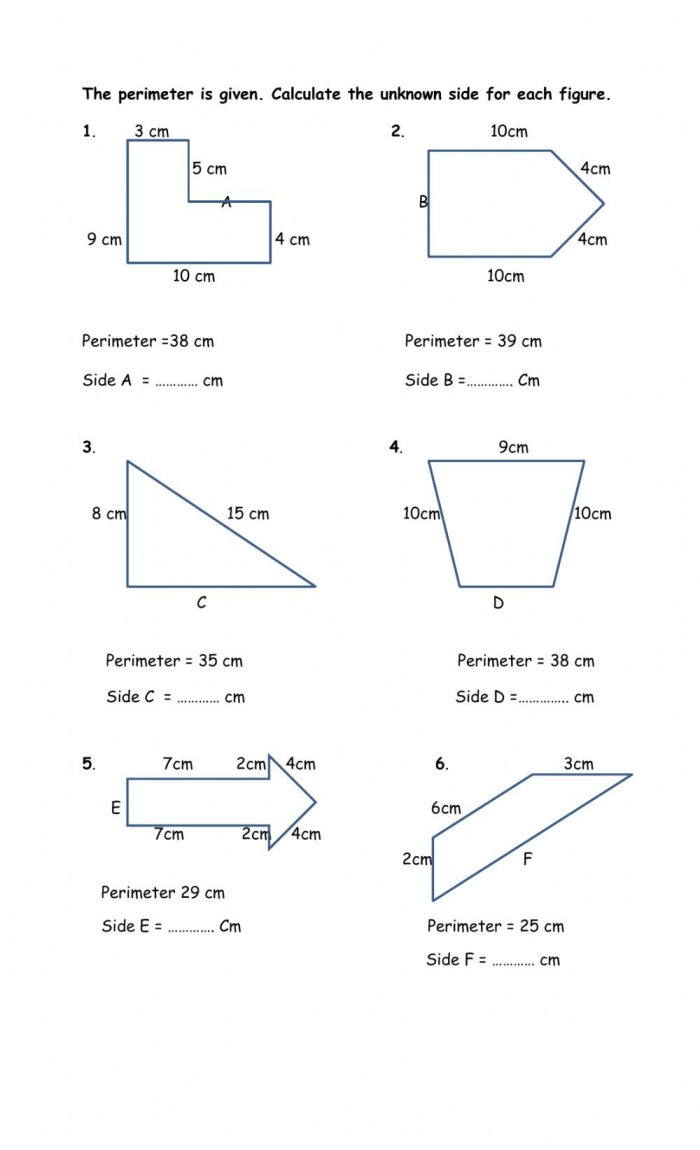
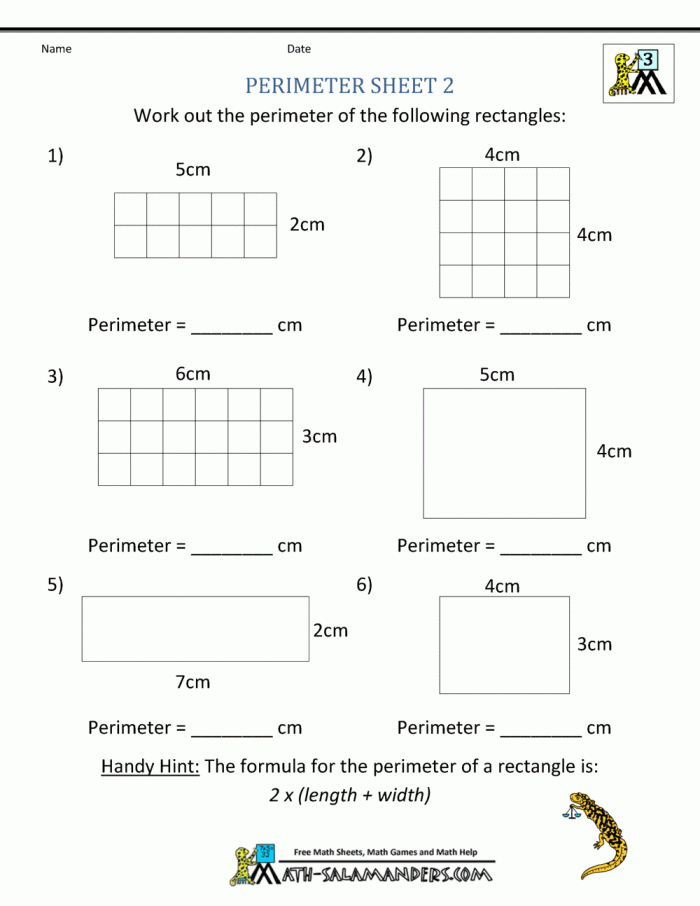
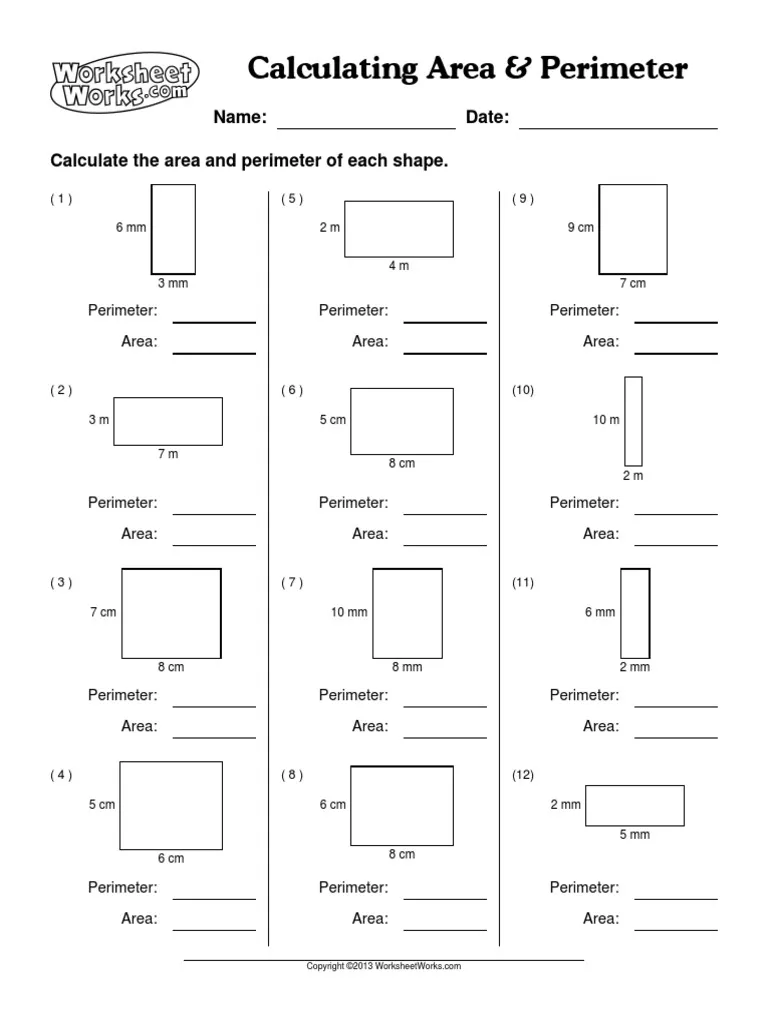
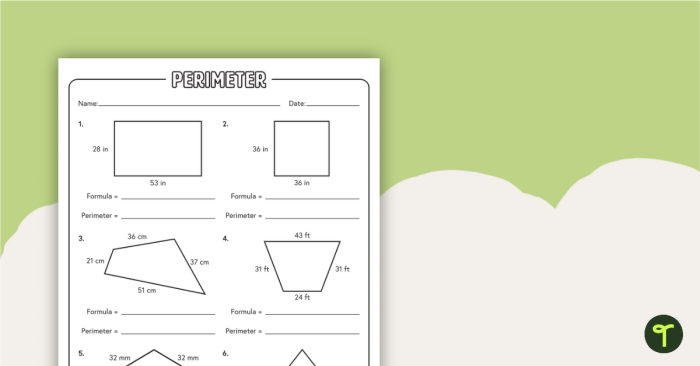
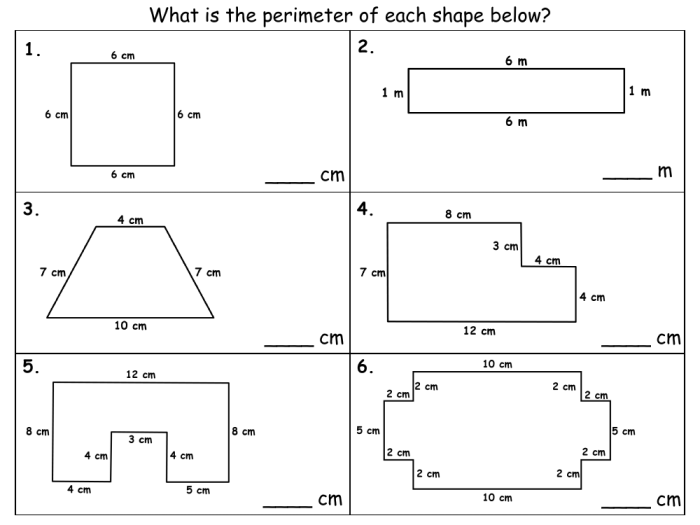
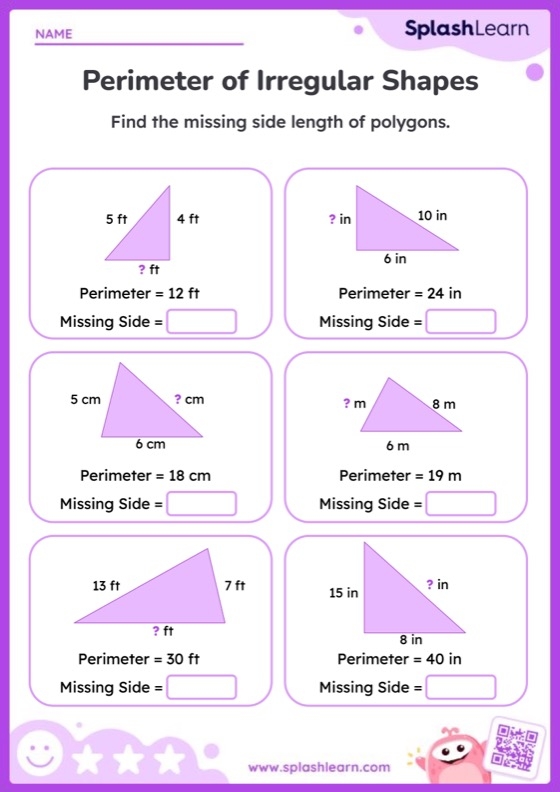
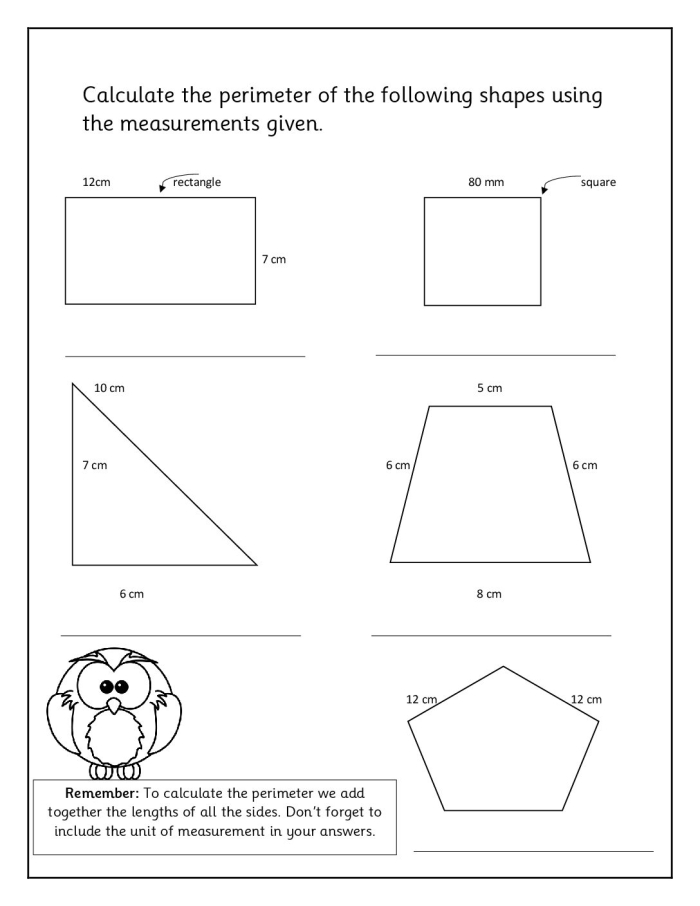
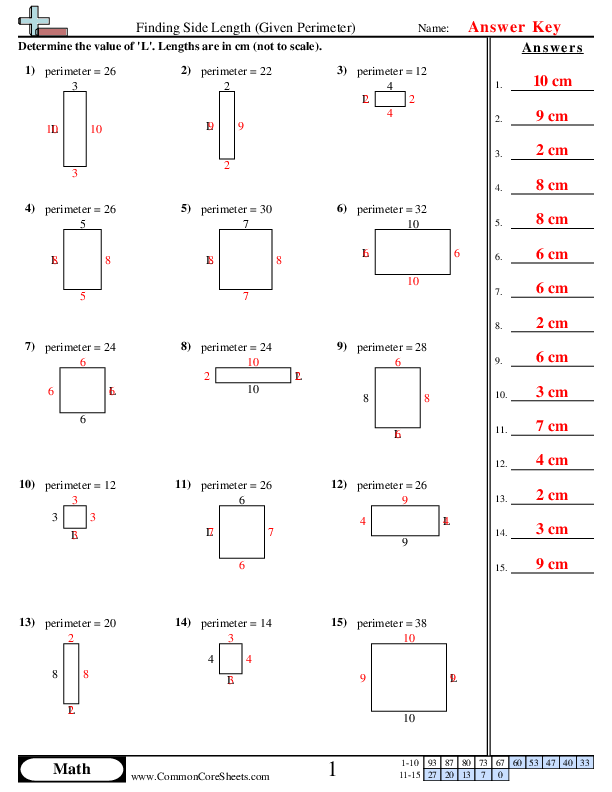
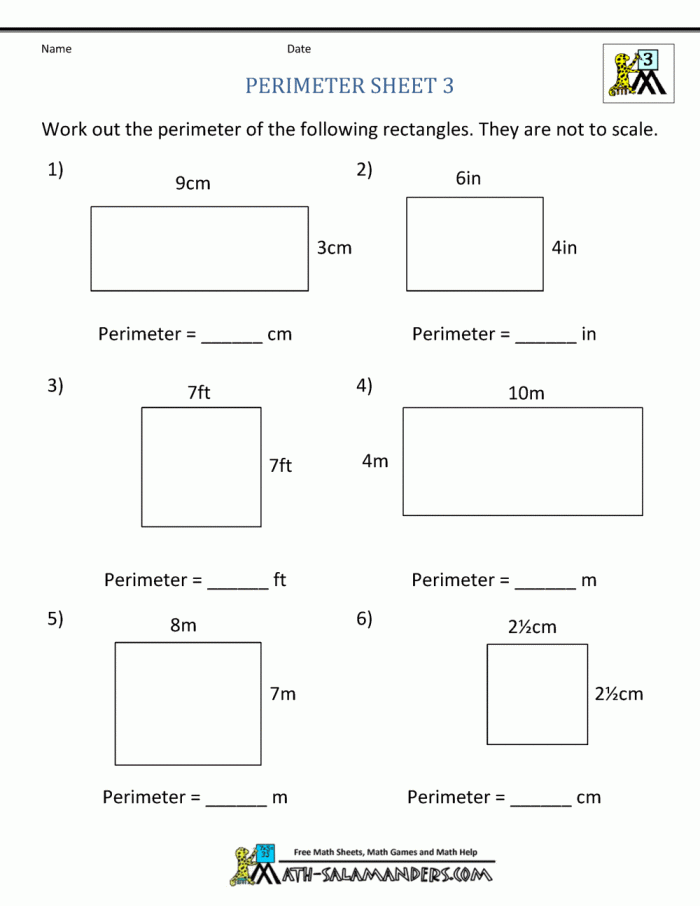
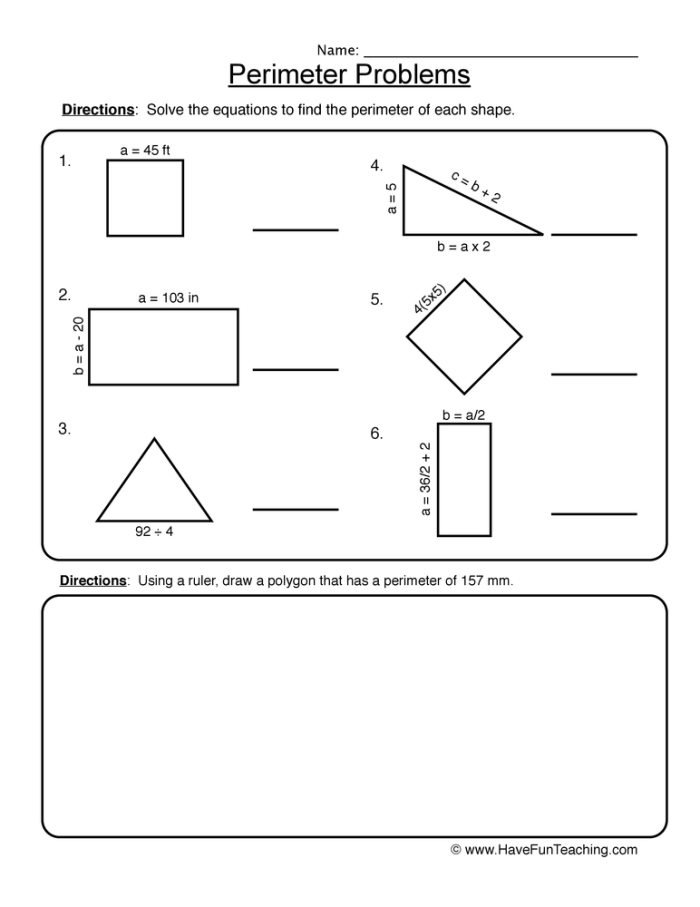
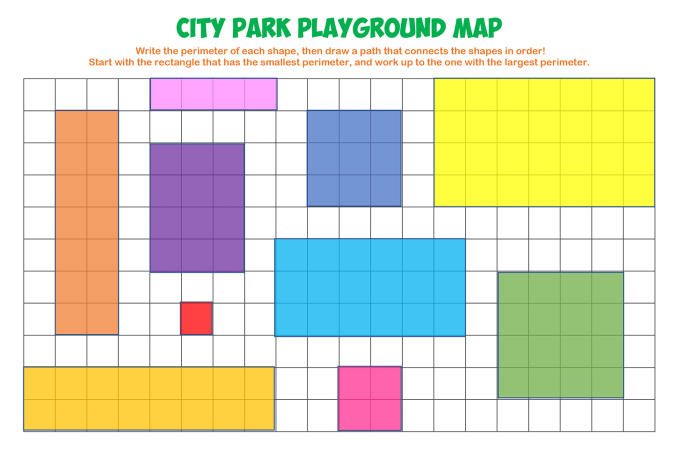
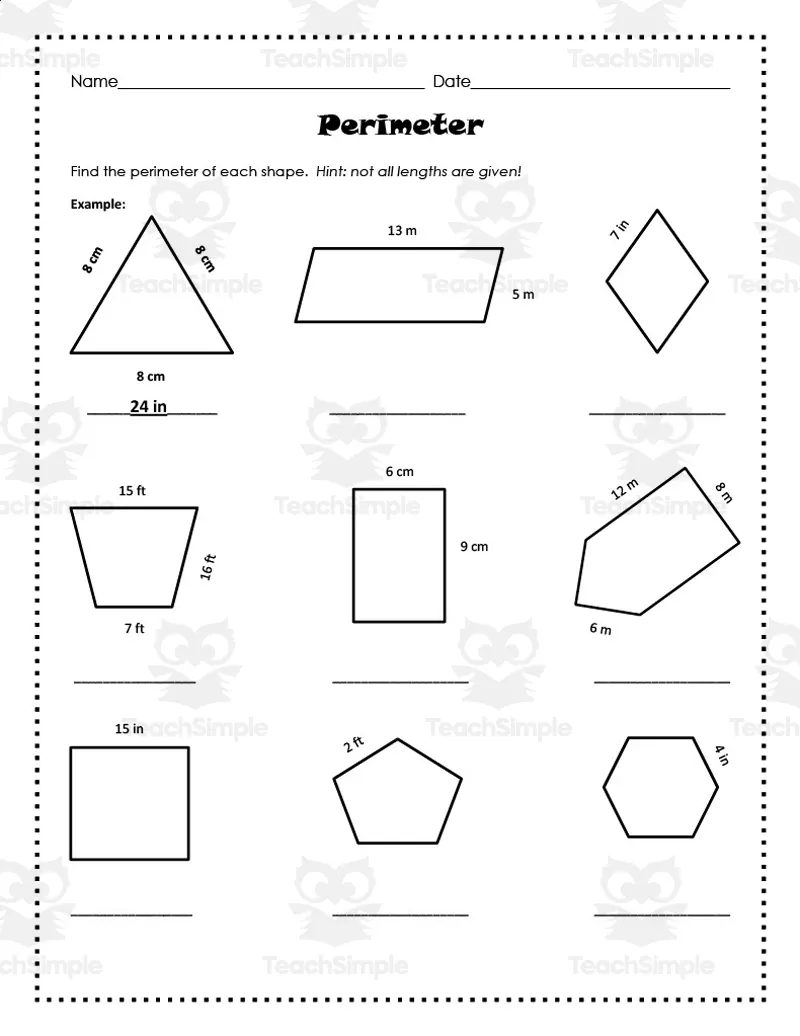
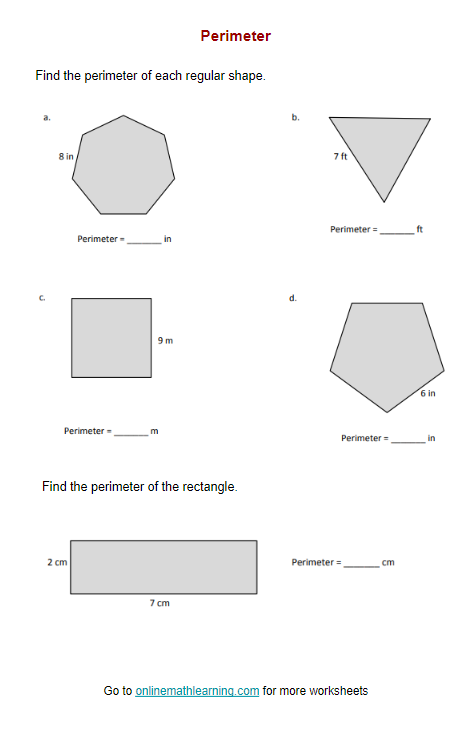
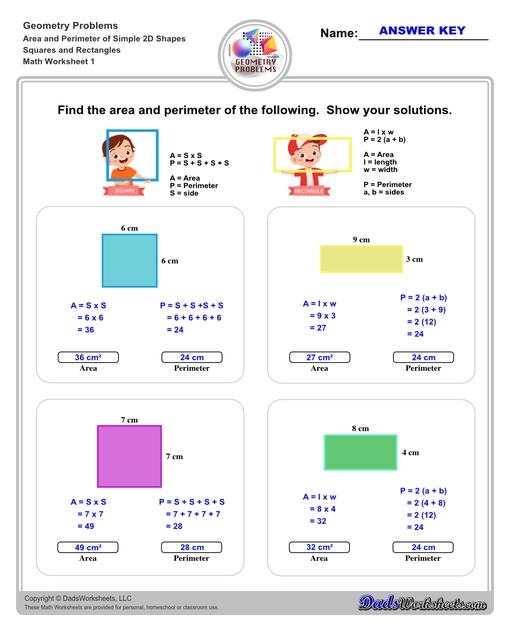
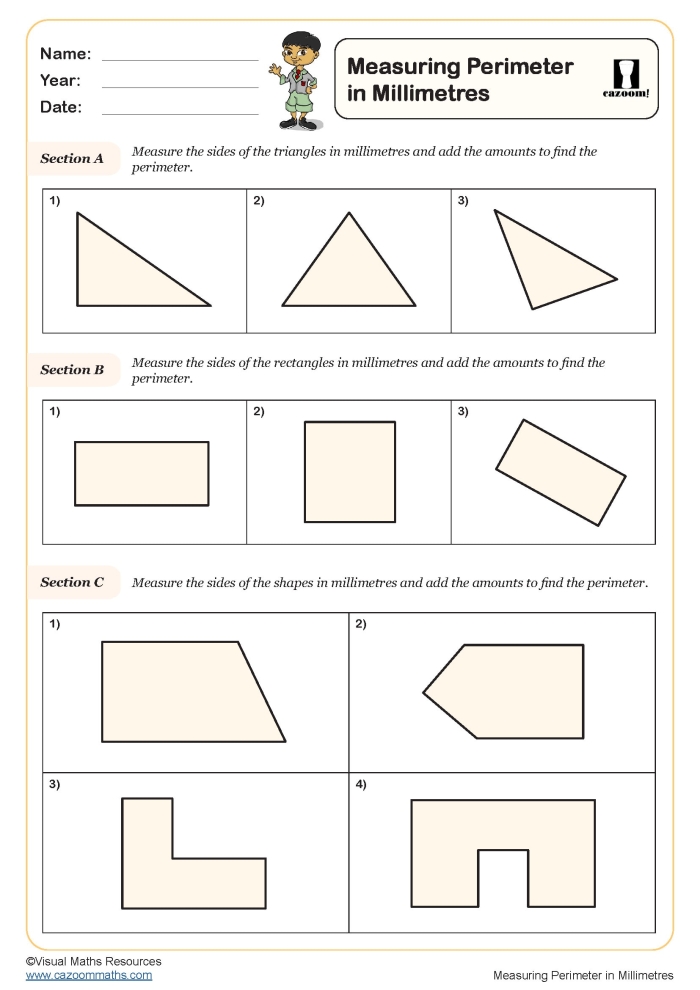
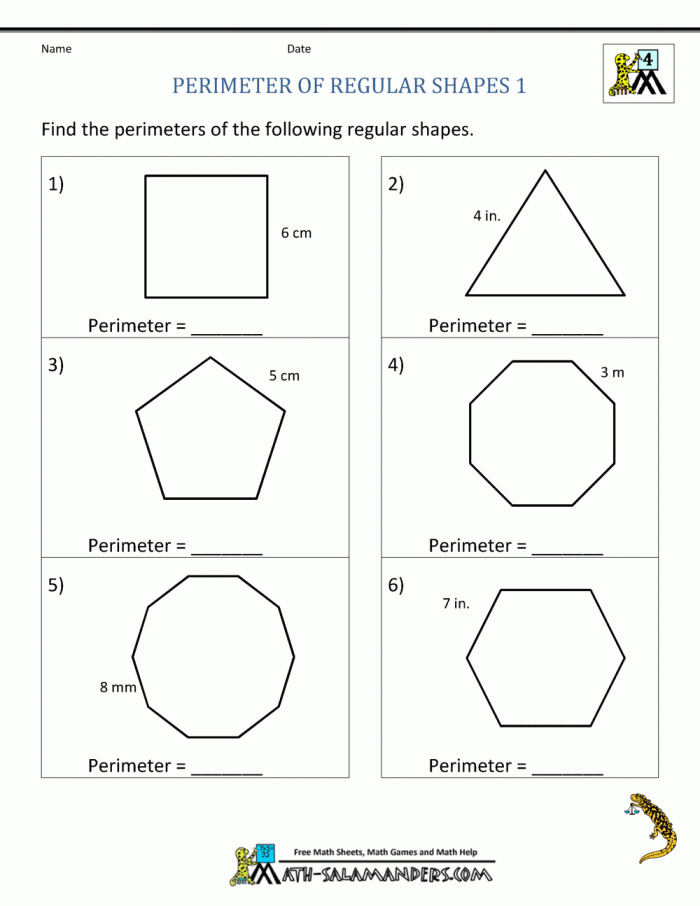
Third grade math opens up a practical side of geometry that kids can actually visualize and measure. This worksheet takes that concept and makes it concrete by asking students to calculate the perimeter of different house shapes, then compare which one has the largest border.
The exercise works on two skills at once. First, your child practices addition by adding up all four sides of each house. Second, they apply geometric thinking by understanding what perimeter actually means in a real-world context. When a child realizes that a house with a longer perimeter needs more fencing or trim, the math suddenly makes sense beyond the worksheet.
Each house on the worksheet has different dimensions. One might be 8 units wide and 6 units tall, while another measures 7 units by 9 units. Your child adds 8 + 6 + 8 + 6 for the first house, then 7 + 9 + 7 + 9 for the second, and so on. The repetition builds fluency with addition facts while reinforcing the formula for rectangular perimeter.
What makes this approach effective is the comparison element. Rather than just calculating perimeters in isolation, students must compare their answers to identify which house is the largest. This pushes them to think about what their numbers actually represent and strengthens their number sense.
If your third grader finds this worksheet helpful, you might explore related activities like other perimeter practice sheets or data collection exercises that build similar mathematical reasoning. These complementary worksheets help solidify the foundation that makes geometry feel less abstract and more connected to the world around them.
Boost Skills with These Worksheets