Collecting data is not just a task for scientists or mathematicians; it’s a vital skill that can be developed through simple, everyday activities. For third graders, engaging with data collection can be both fun and educational, allowing them to understand the foundational concepts of math and statistics in a hands-on way.
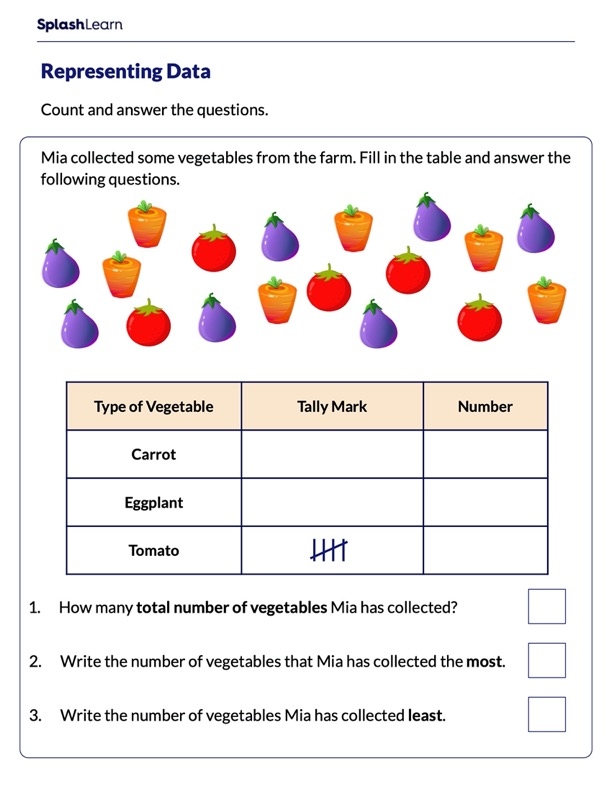
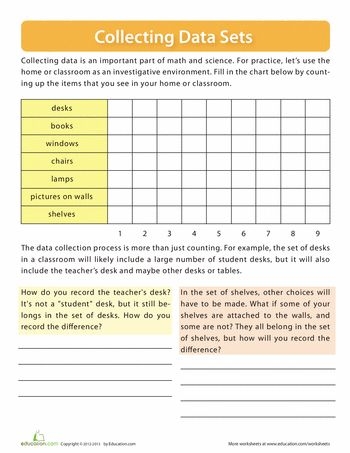
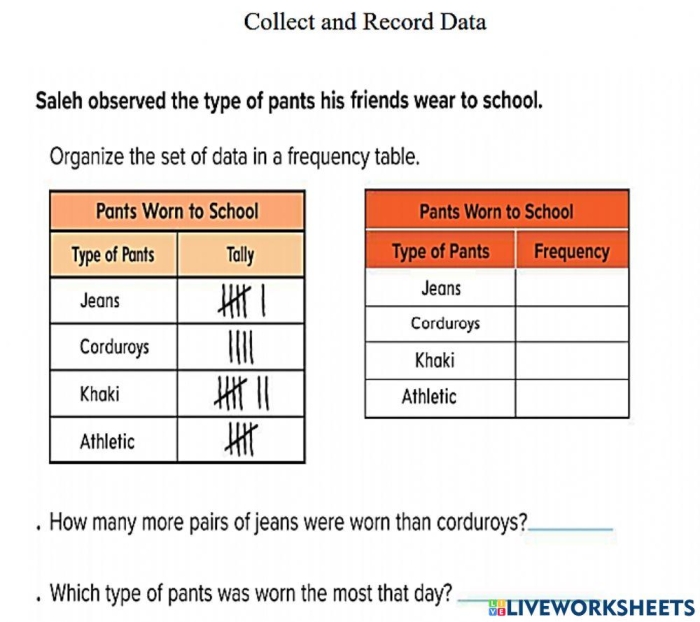
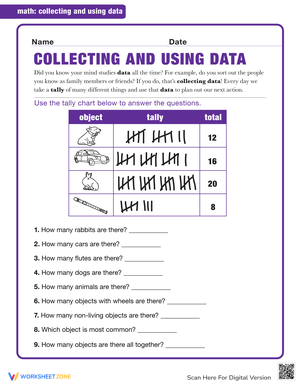
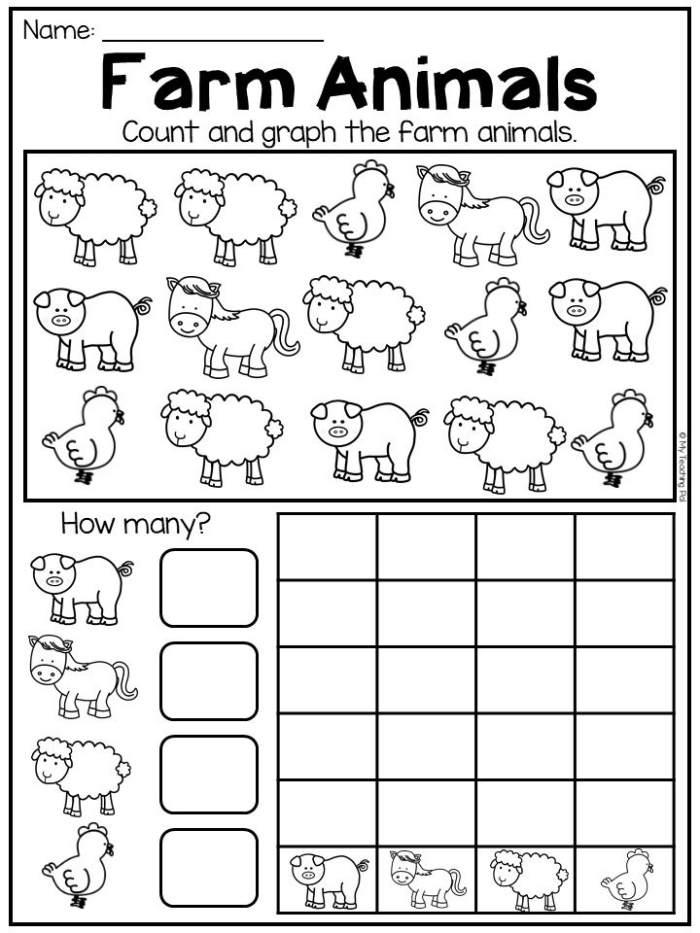
One effective way to practice gathering data is by using common items found around the house or classroom. For instance, students can sort and count different types of pencils, crayons, or even books. This activity not only teaches them about organization but also introduces them to basic statistical concepts like frequency and categorization. As they categorize and count, they can create simple charts or graphs to visually represent their findings, reinforcing the relationship between data and visual representation.
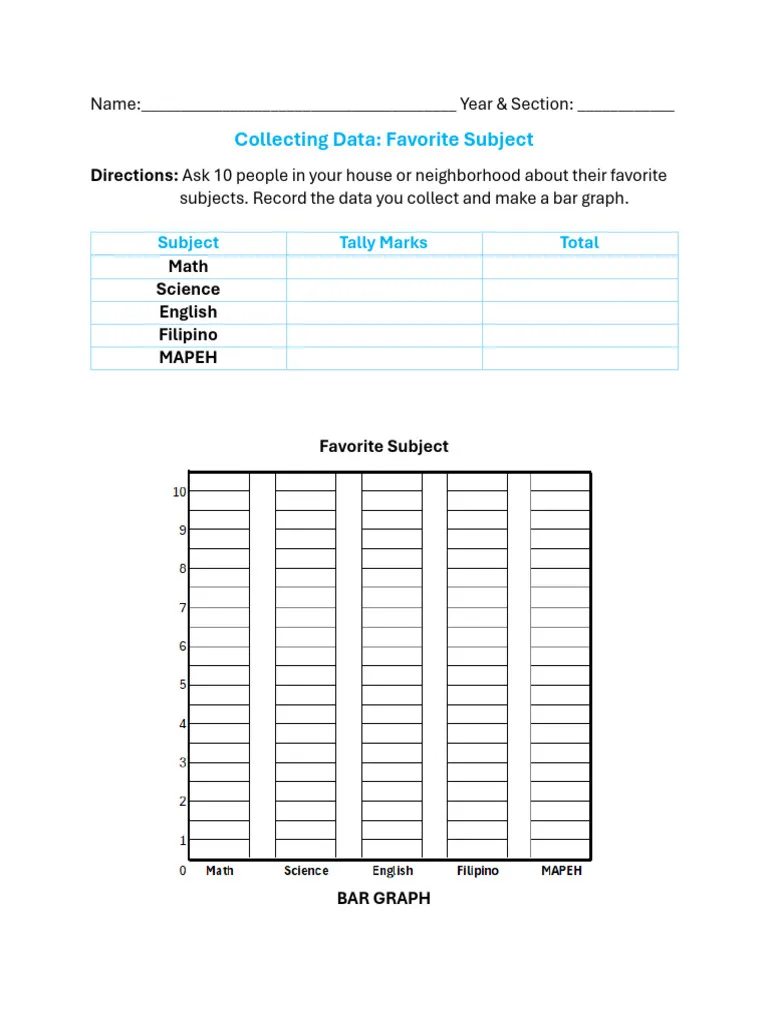
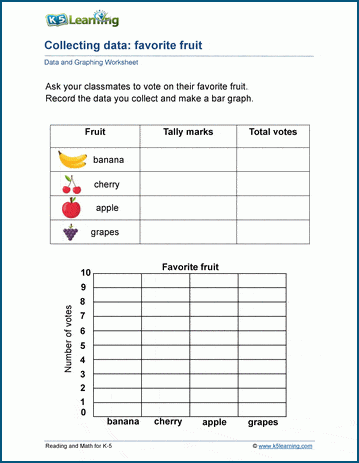
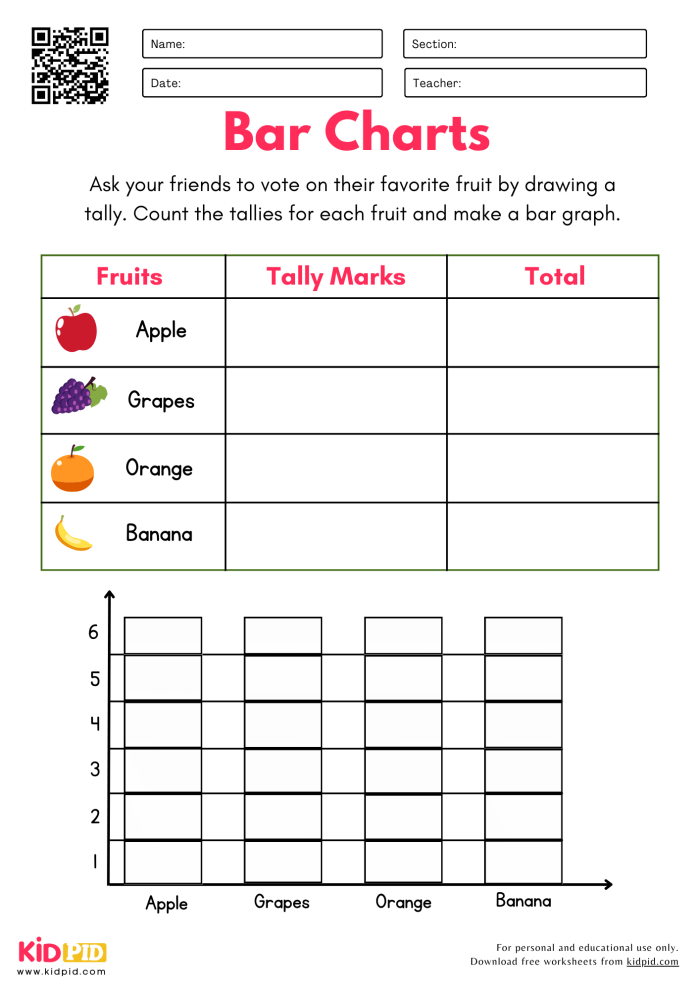
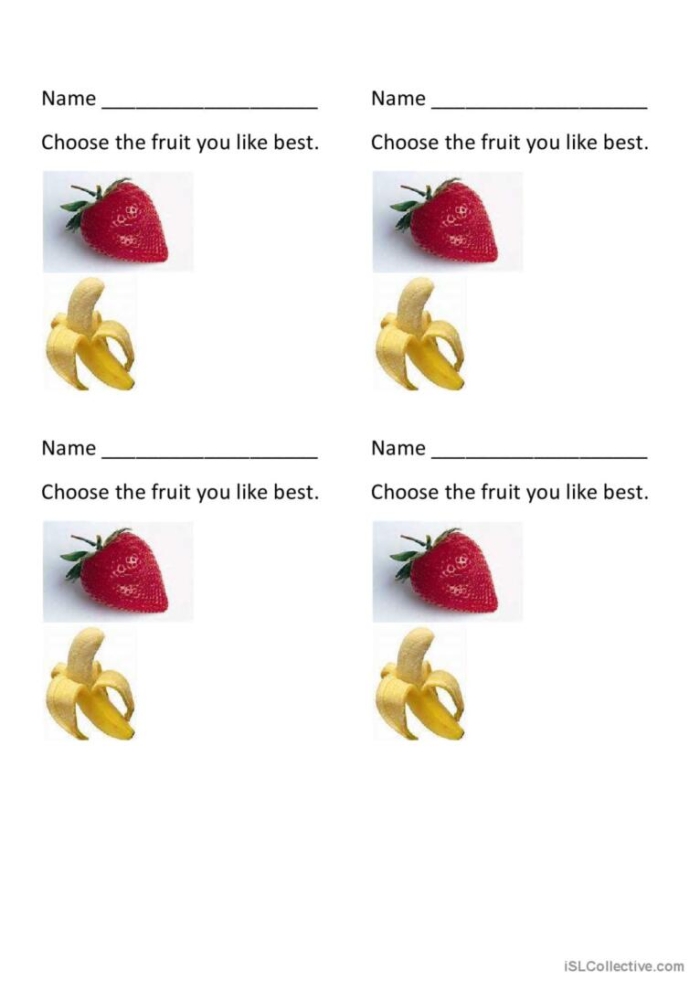
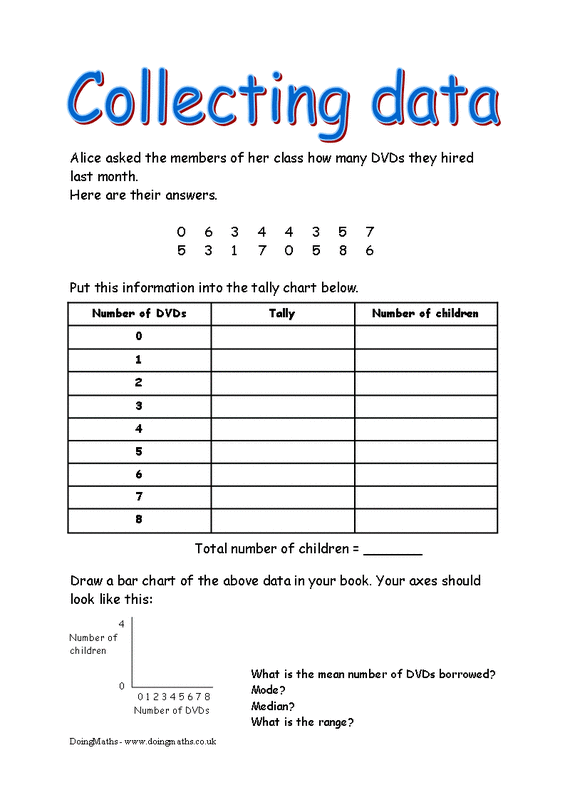
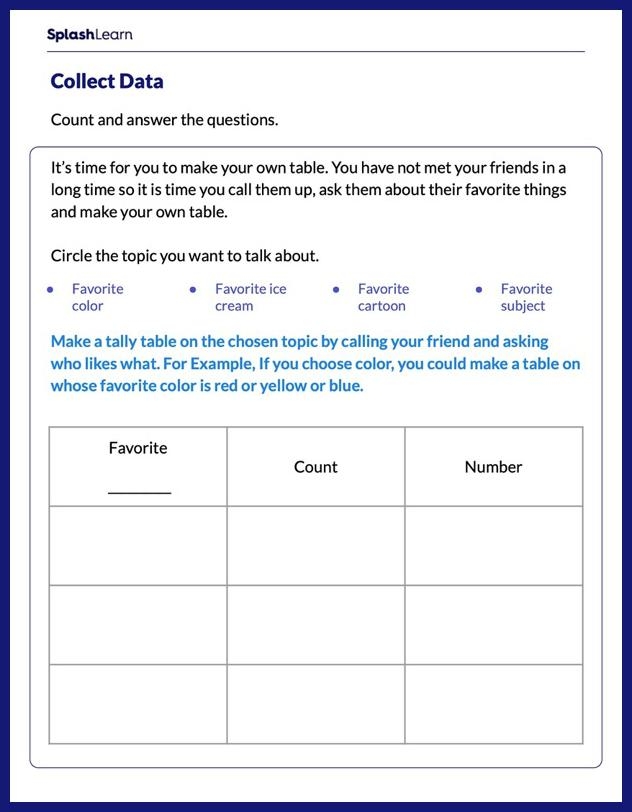
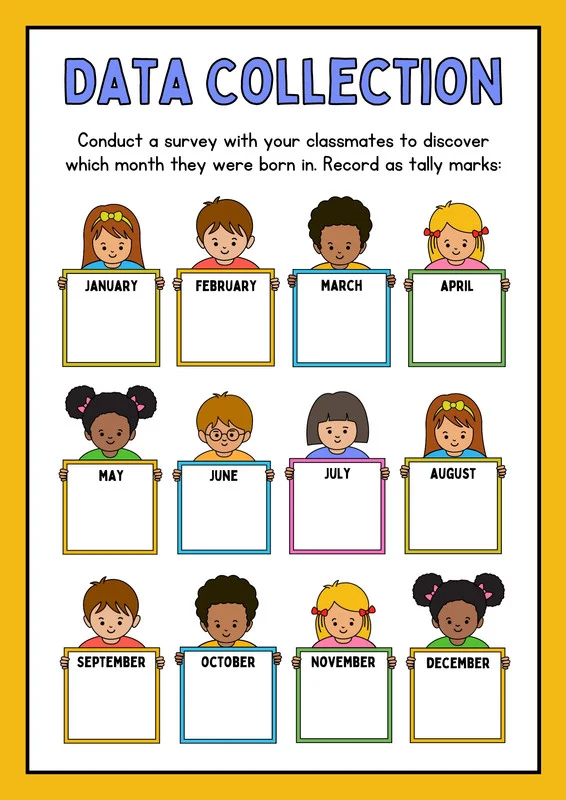
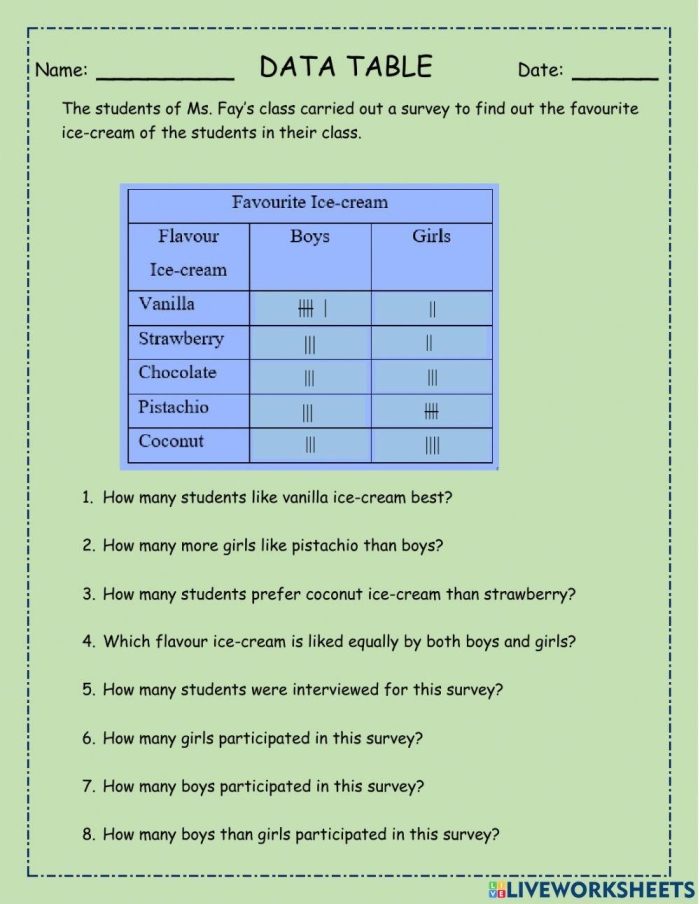
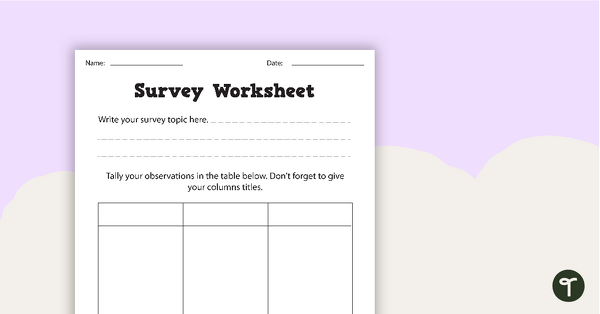
Another engaging method involves creating surveys to gather data from family members or classmates. Students might ask questions like, “What is your favorite fruit?” or “How many books do you read each month?” After collecting responses, they can analyze the data to see which answers are most common. This practical approach helps them understand how data can be collected and interpreted in real-world situations.
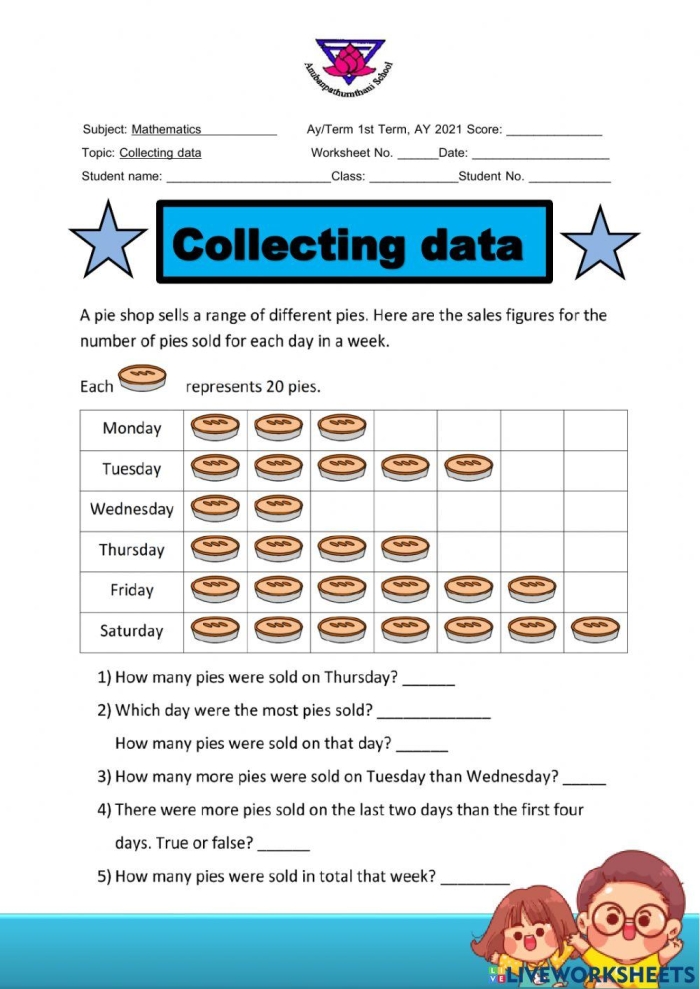
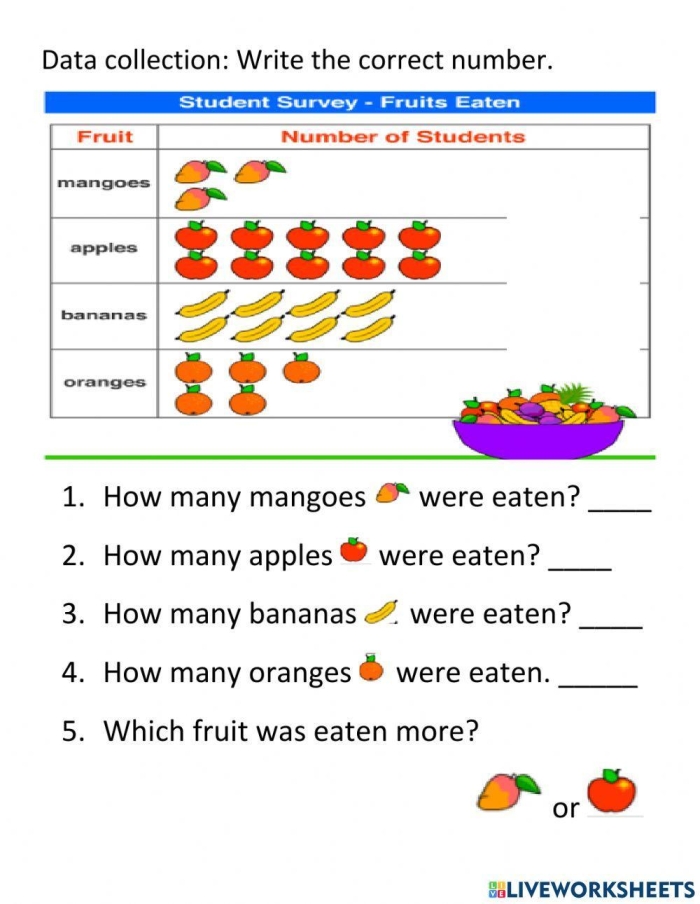
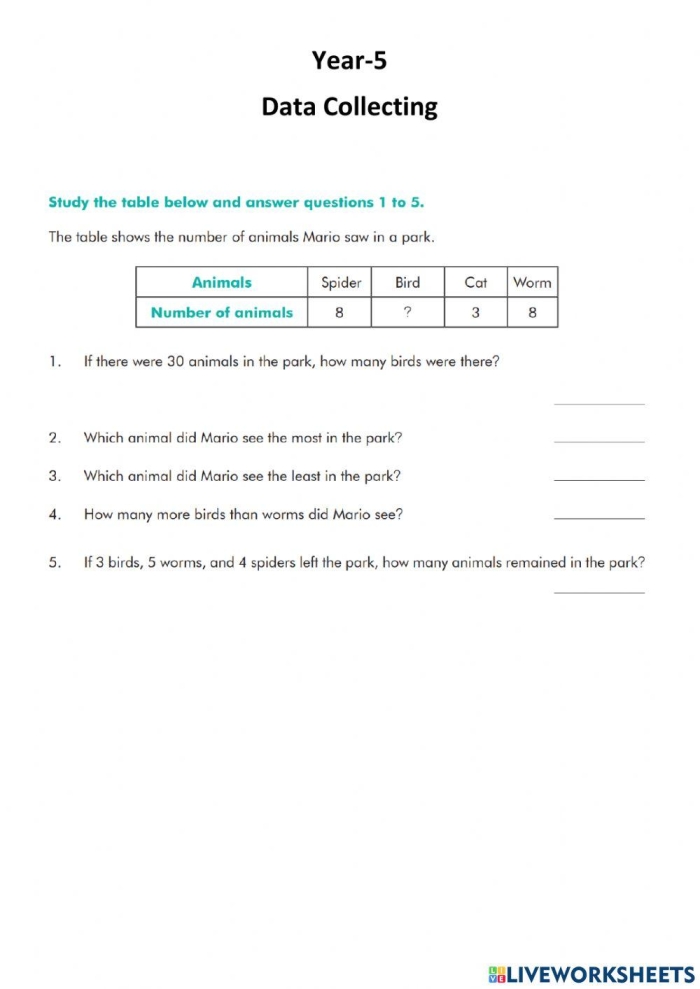
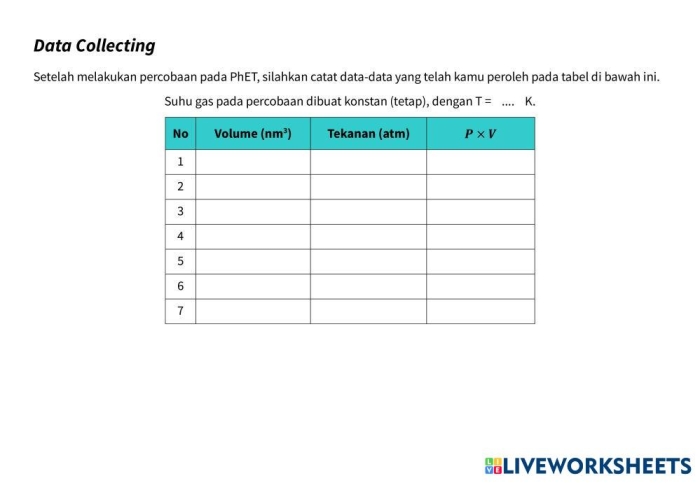
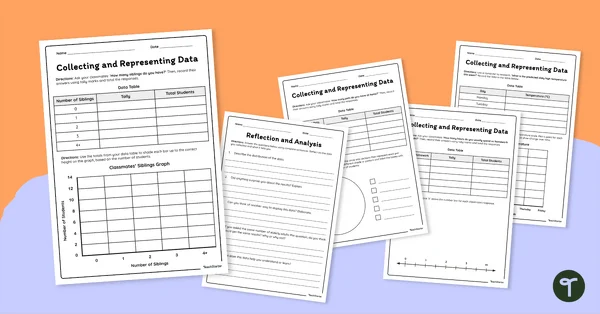
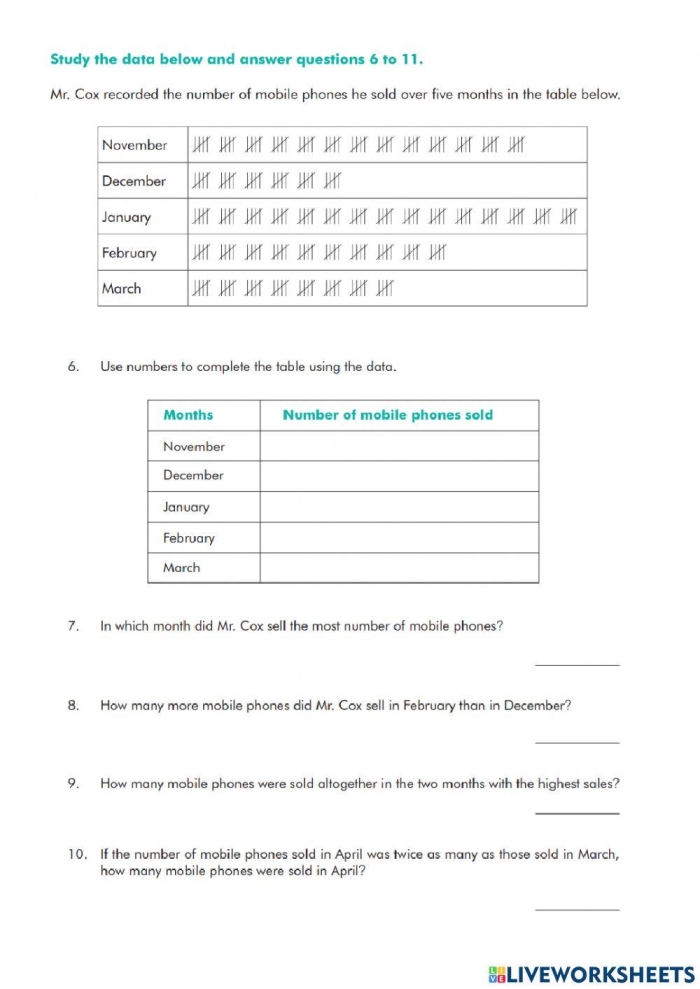
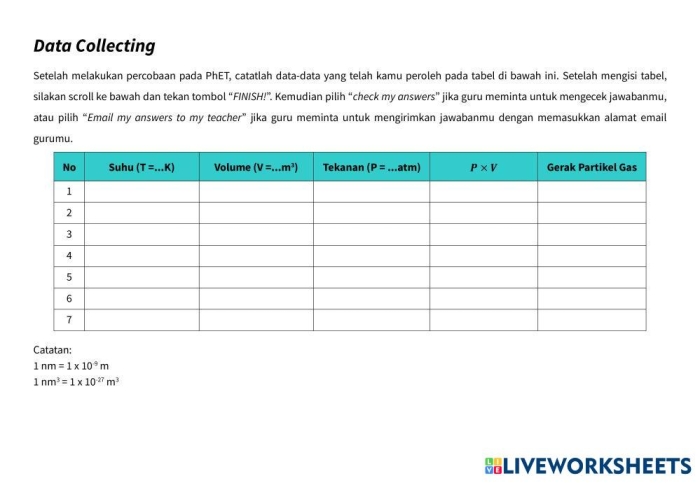
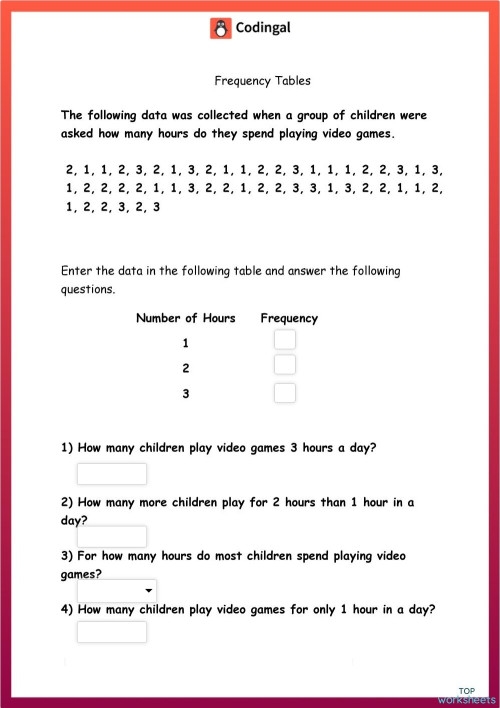
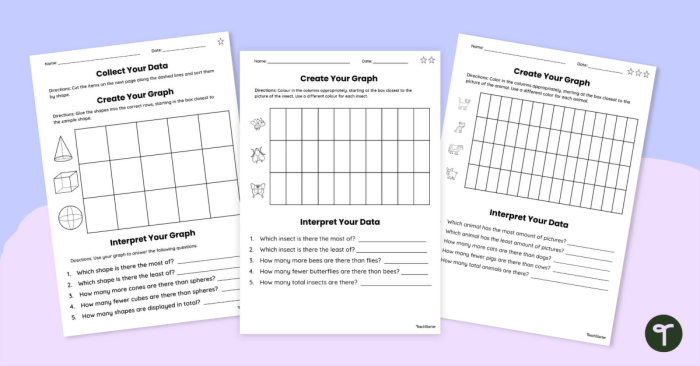
Printable collecting data worksheets can also enhance their learning experience. Resources like those available on Luminaworksheets provide structured activities that guide students through the data collection process, making it easier for them to grasp complex concepts.
Incorporating collecting data into everyday activities not only supports third graders’ understanding of data and graphing but also fosters critical thinking skills. By practicing these techniques in a familiar environment, students can develop a strong foundation in math that will benefit them throughout their education.
Download These Worksheets for Practice