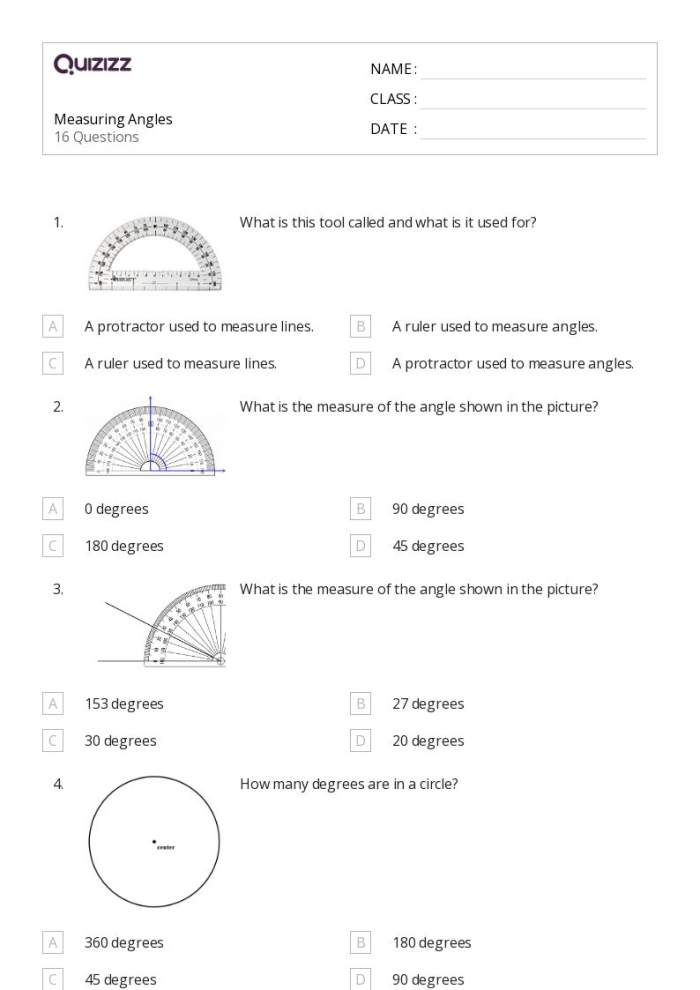
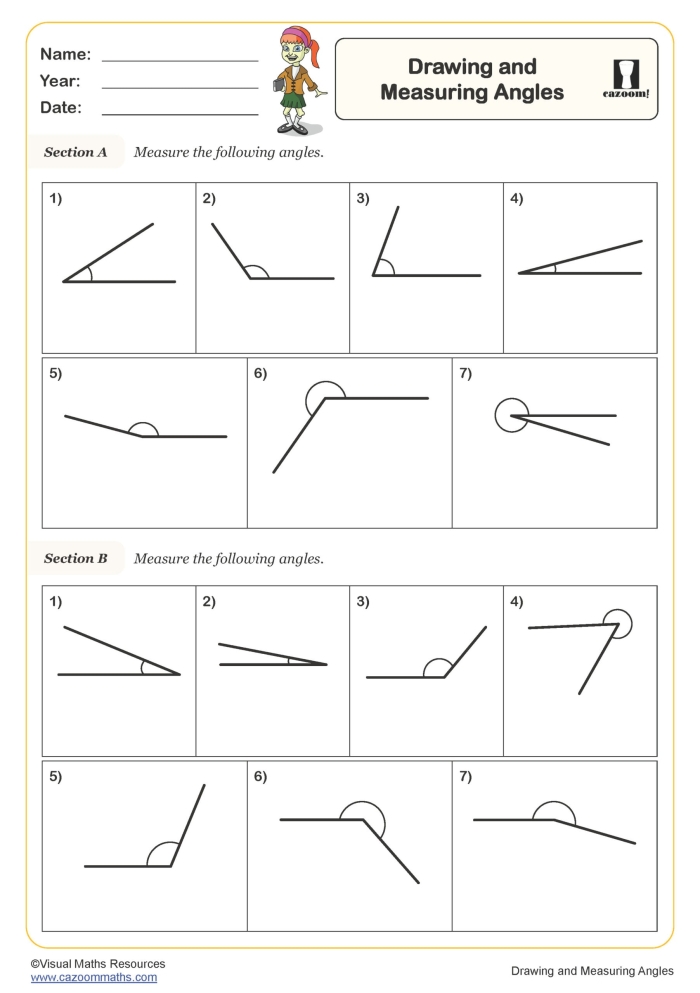
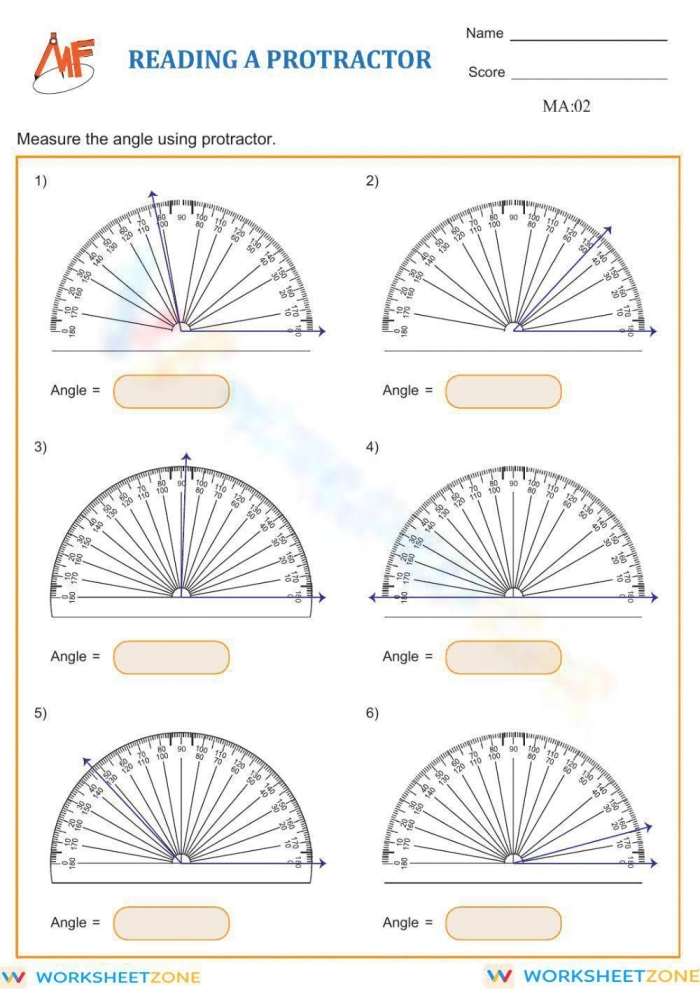
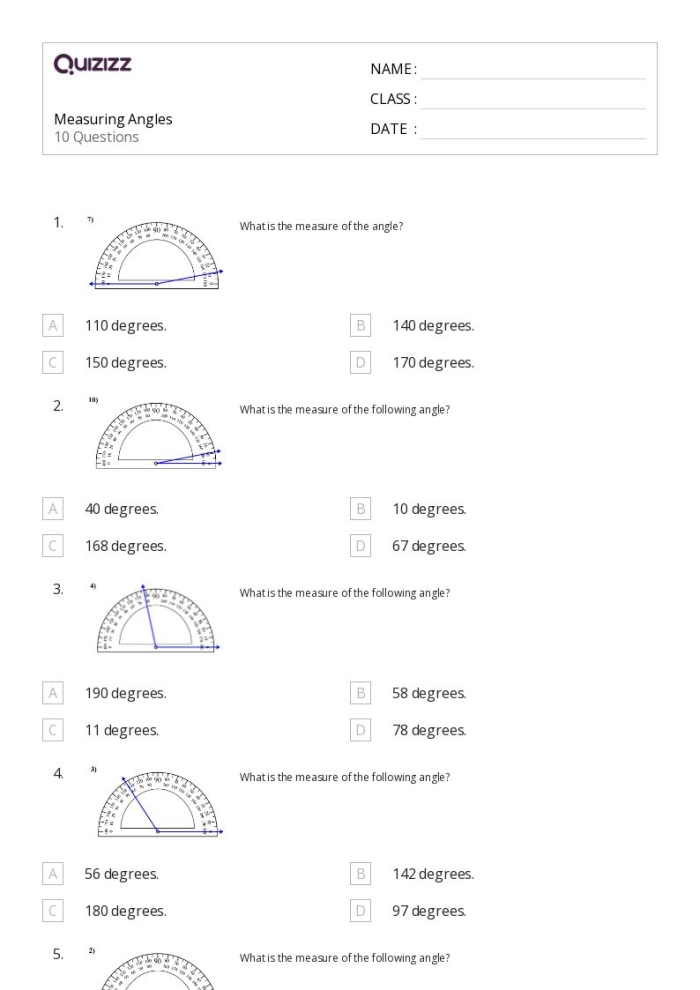
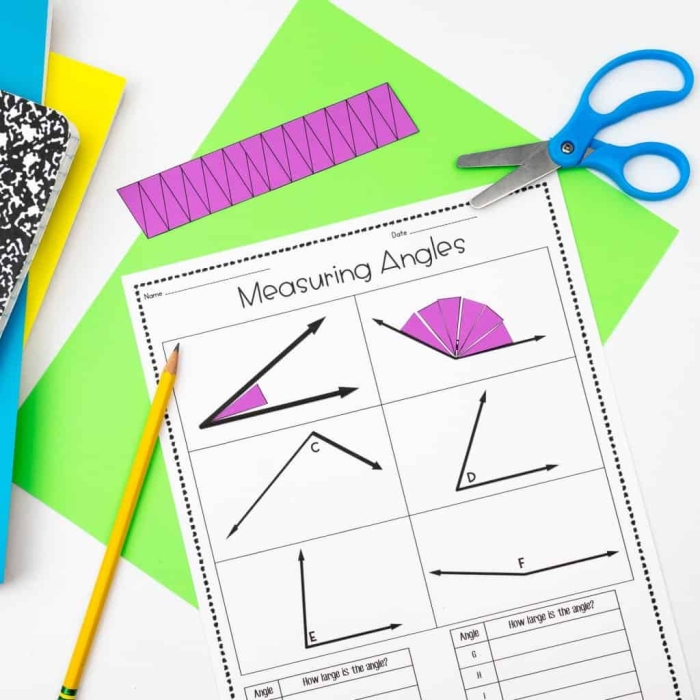
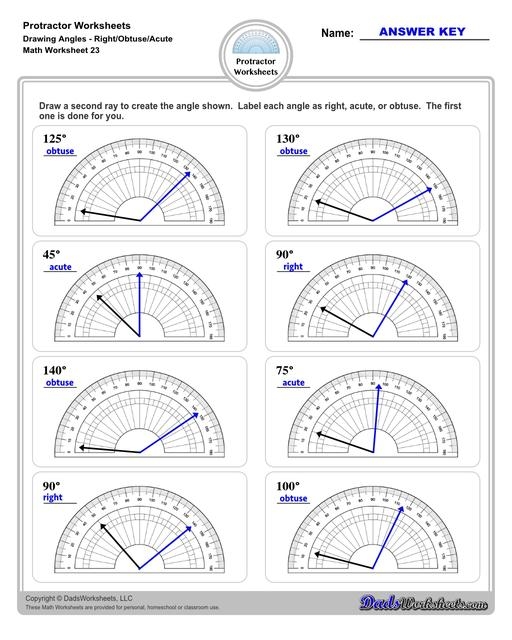
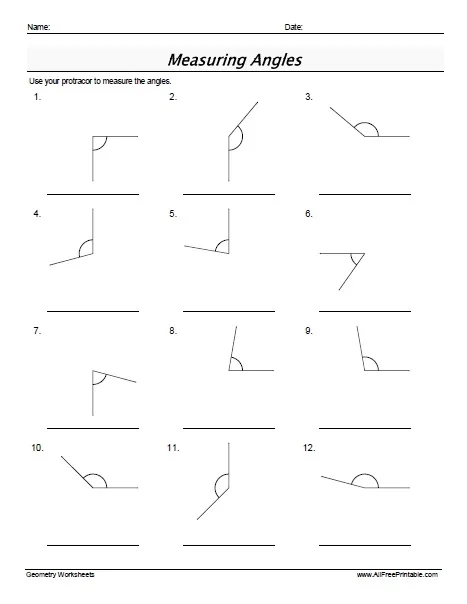
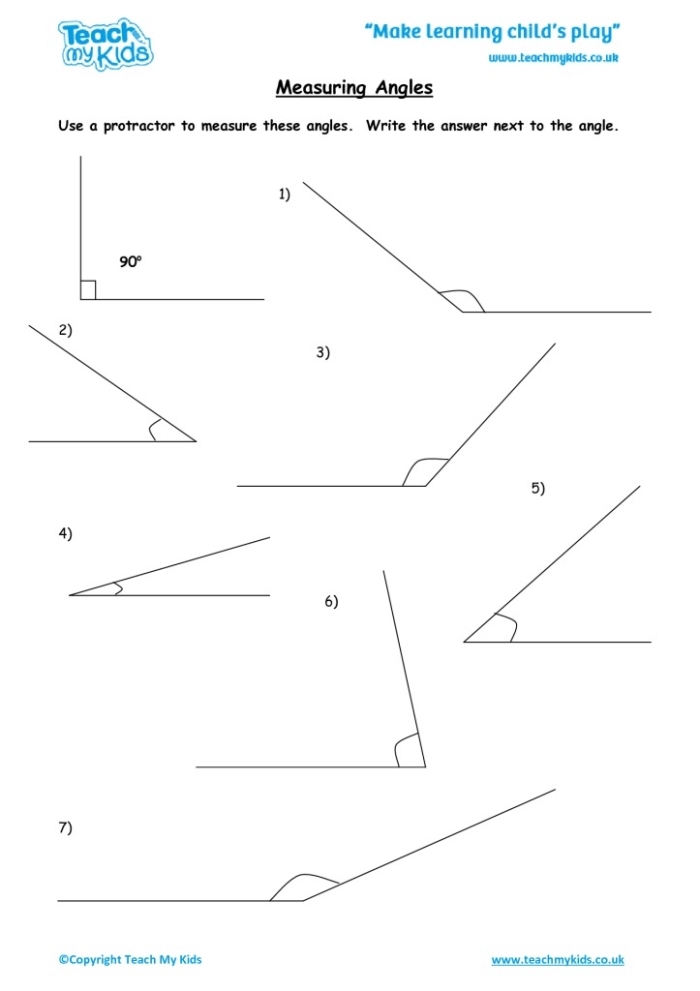
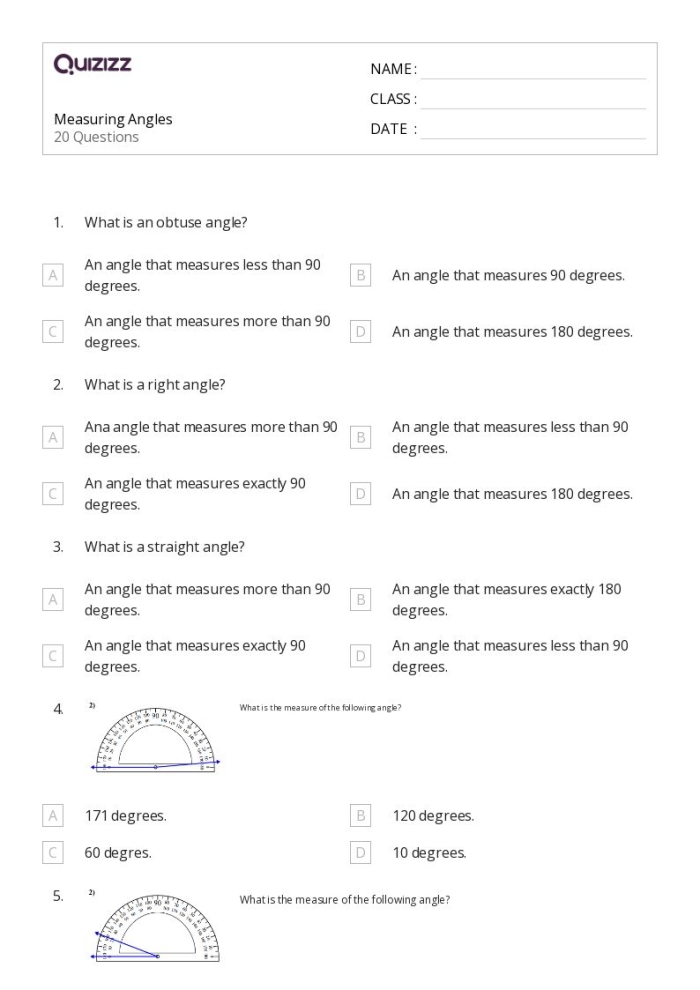
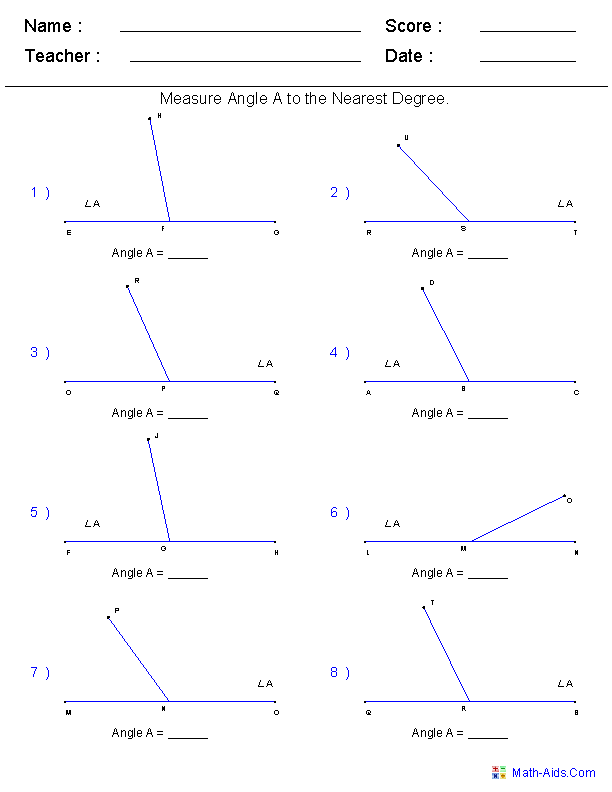
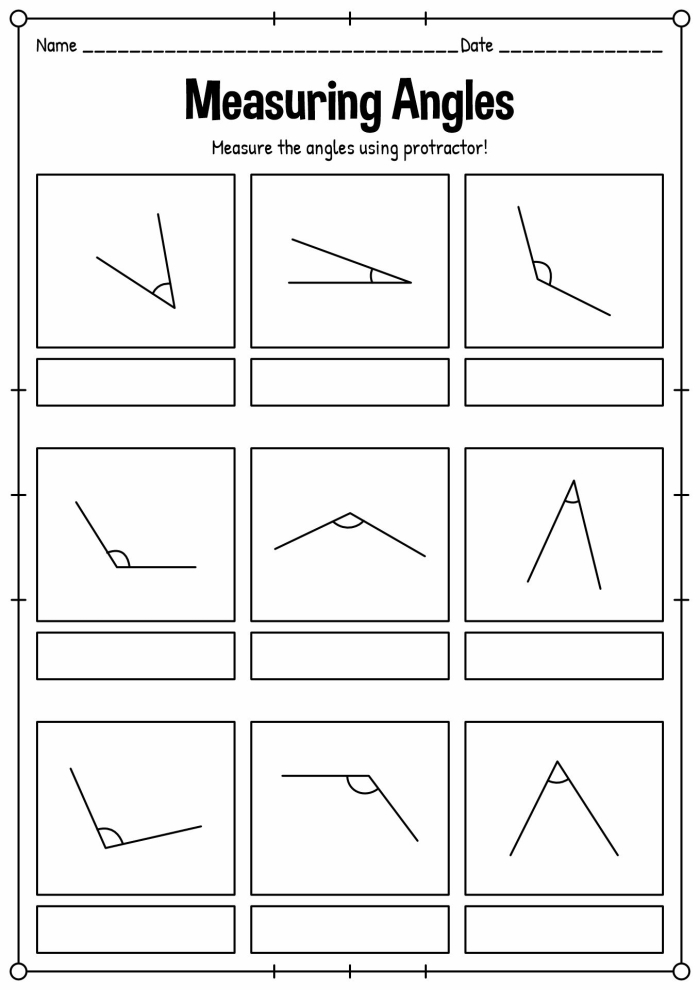
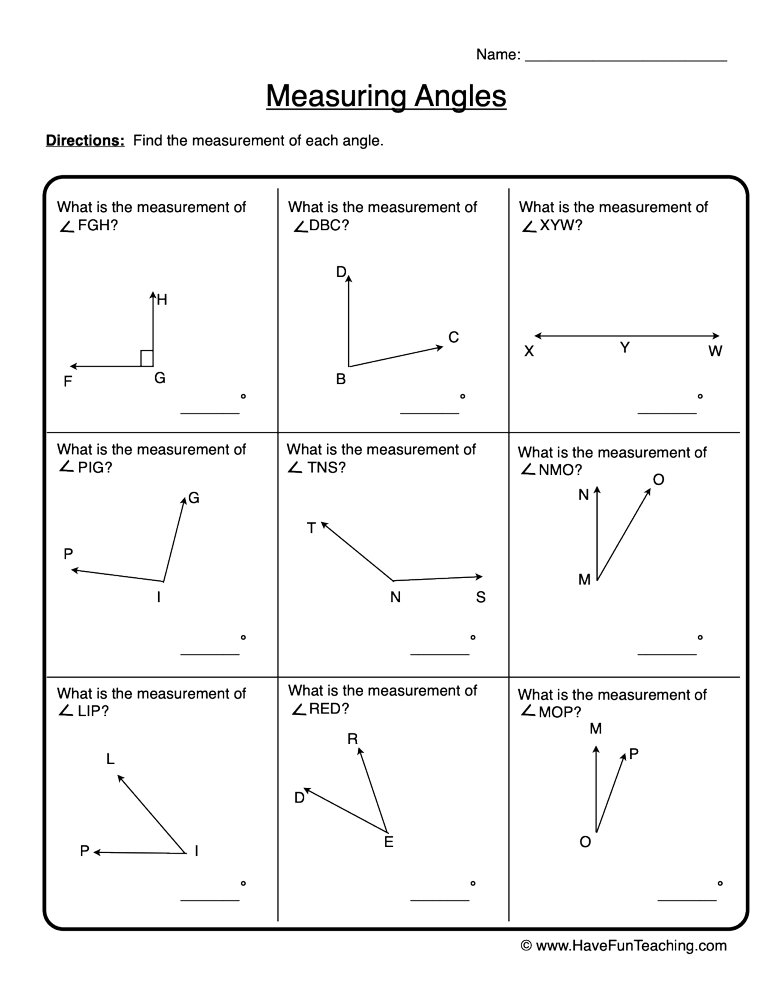
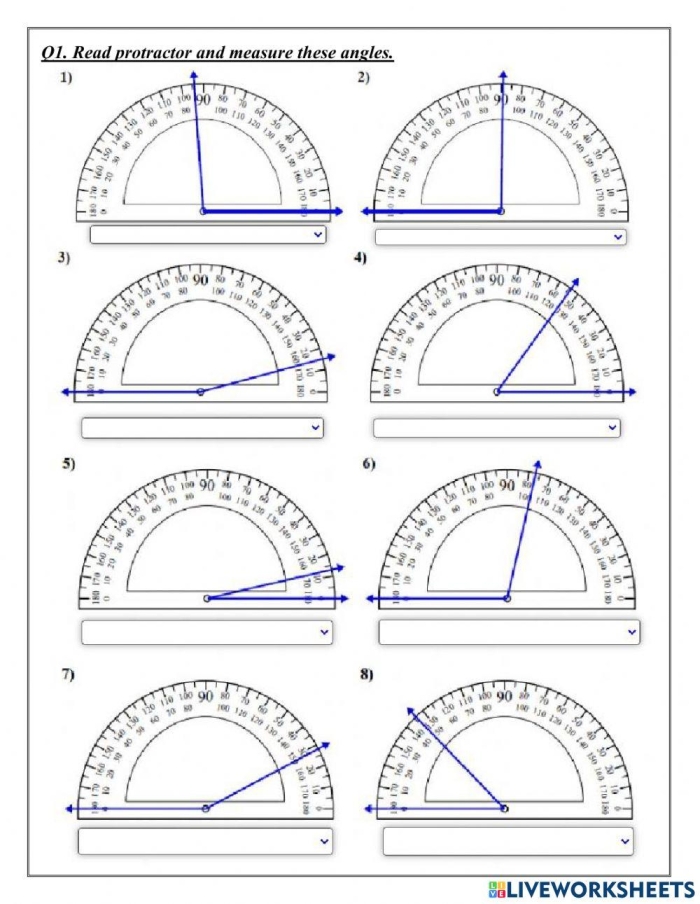
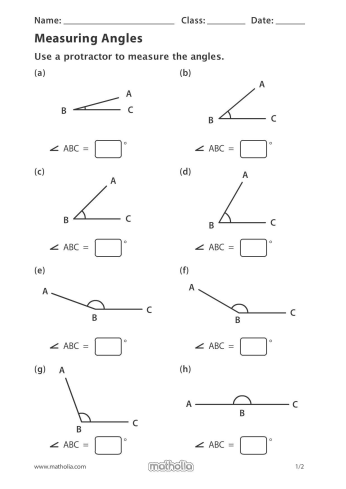
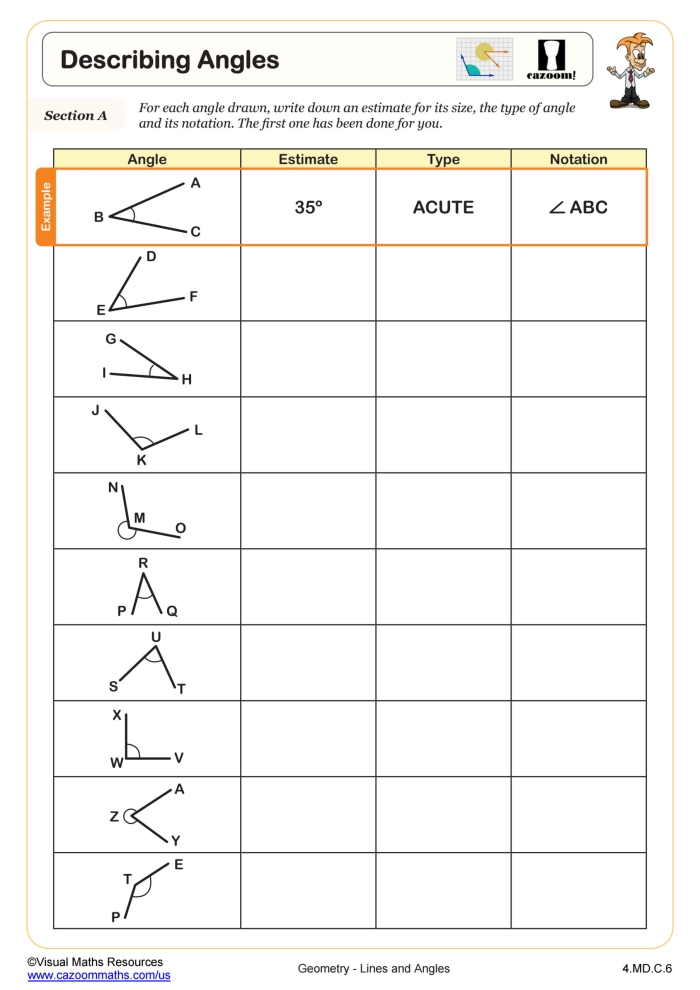
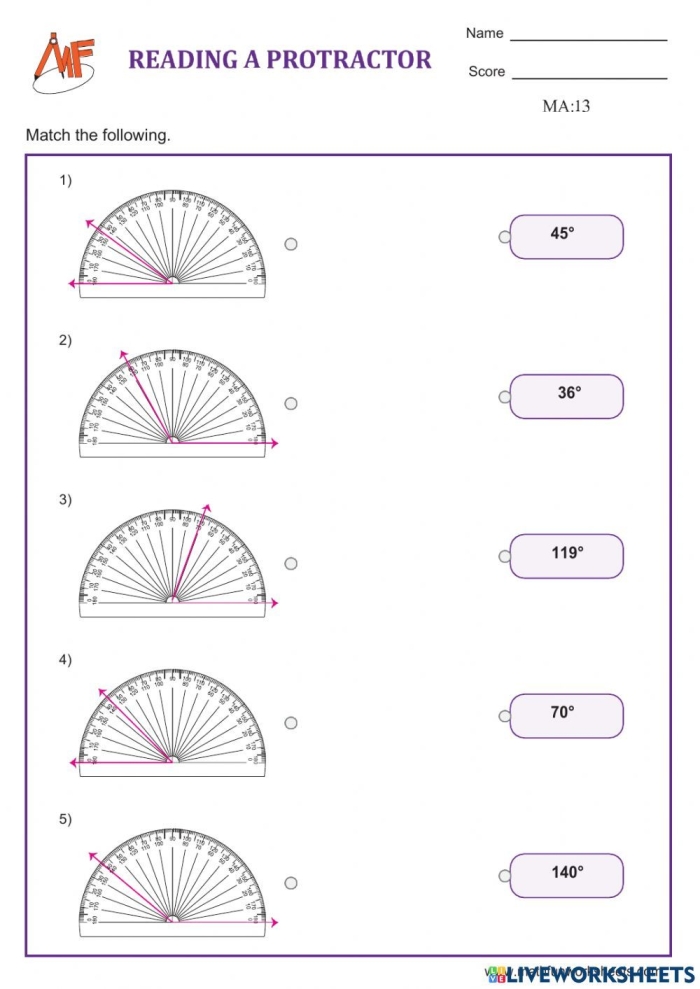
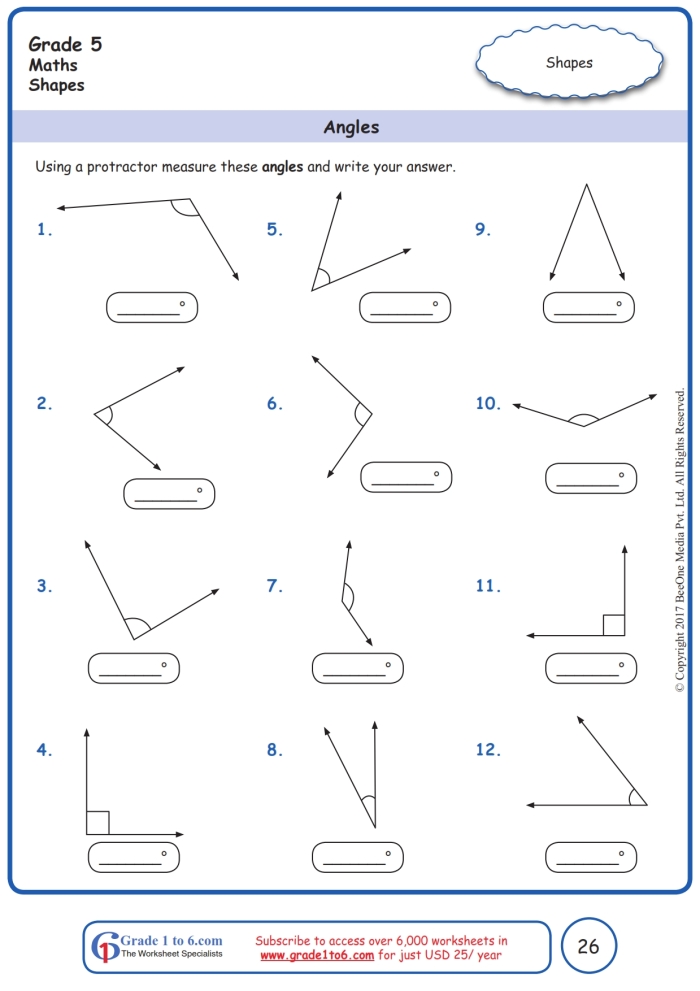
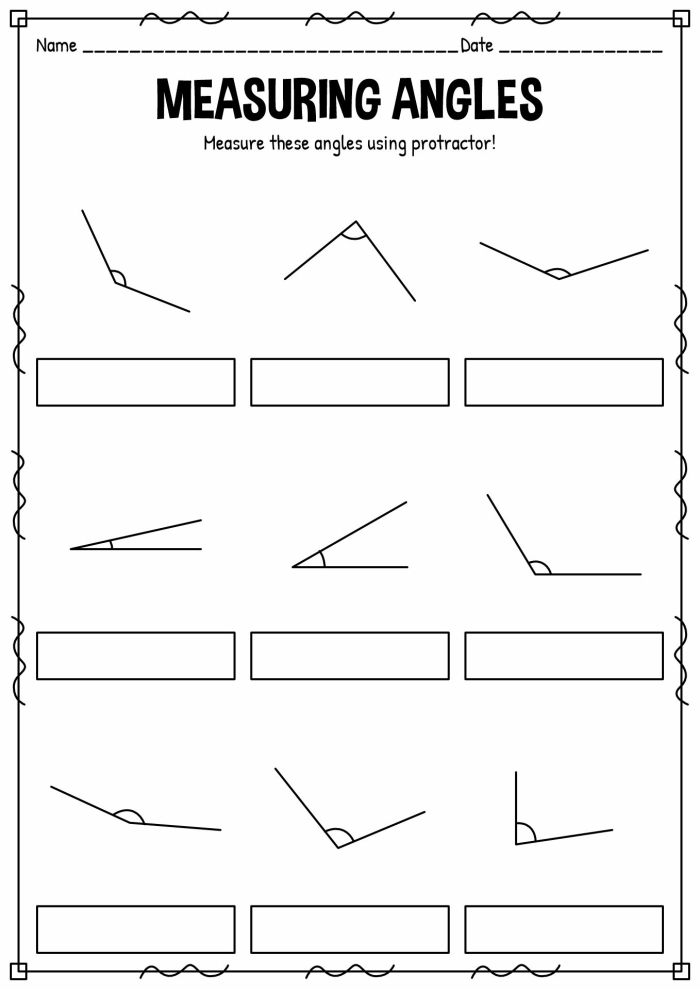
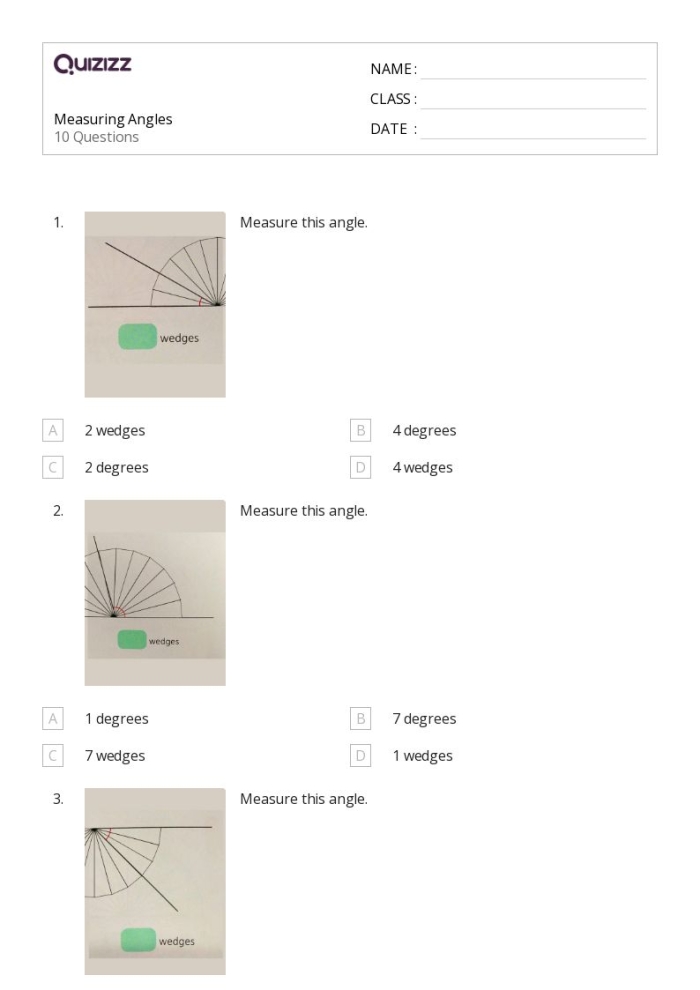
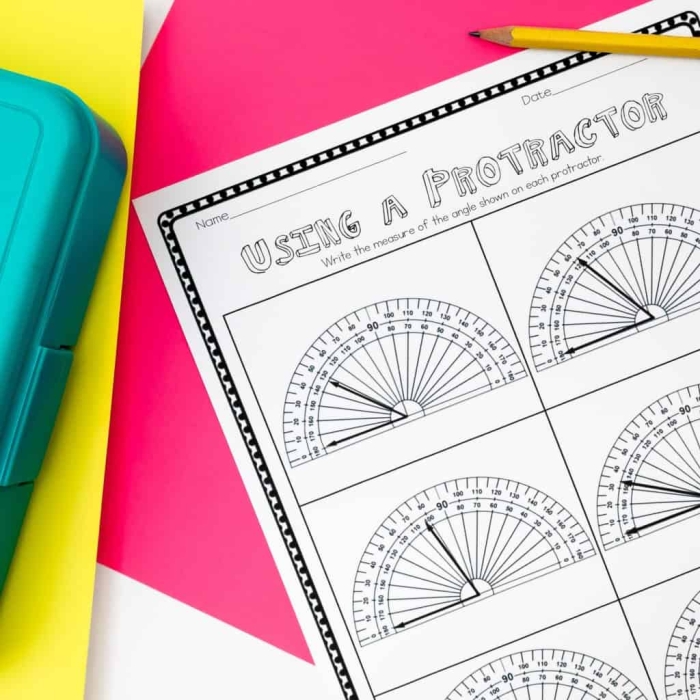
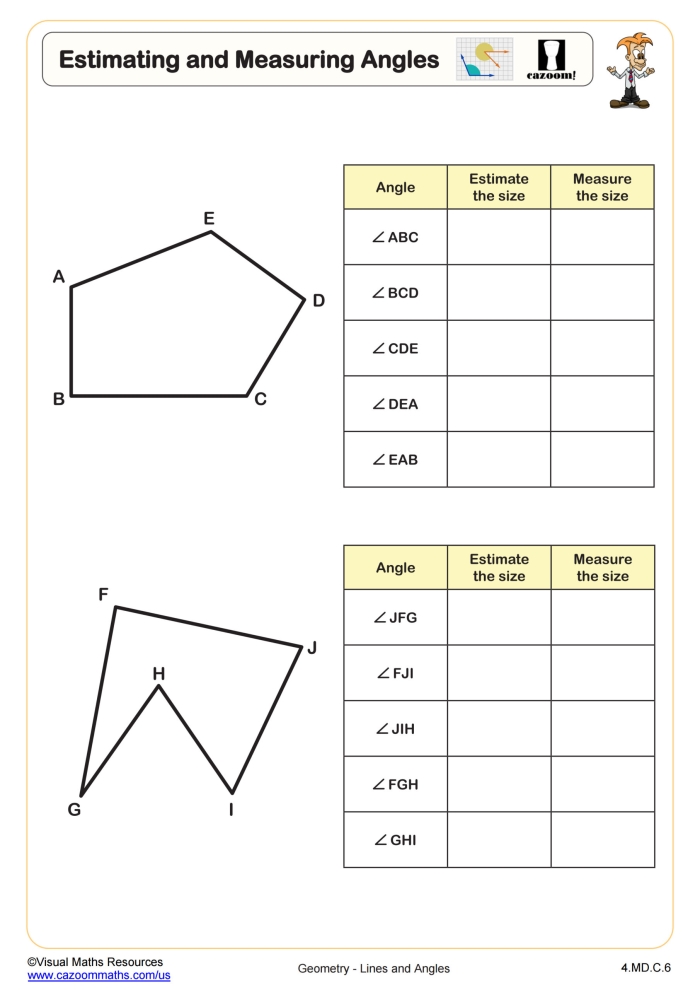
A protractor sits on your student’s desk, and they’re staring at a worksheet full of angles. This is the moment where geometry shifts from abstract lines to something they can actually measure and understand. Measuring angles with a protractor is a core skill that fourth grade students need to master, and the best way to build confidence is through consistent, hands-on practice.
When students first encounter a protractor, many feel uncertain about how to position it correctly. The tool has two sets of numbers running in opposite directions, which confuses plenty of learners at first. The key is understanding that one scale reads from left to right, while the other reads from right to left. Once students grasp this, they can measure any angle accurately by aligning the protractor’s center point with the angle’s vertex and reading where the angle’s ray intersects the scale.
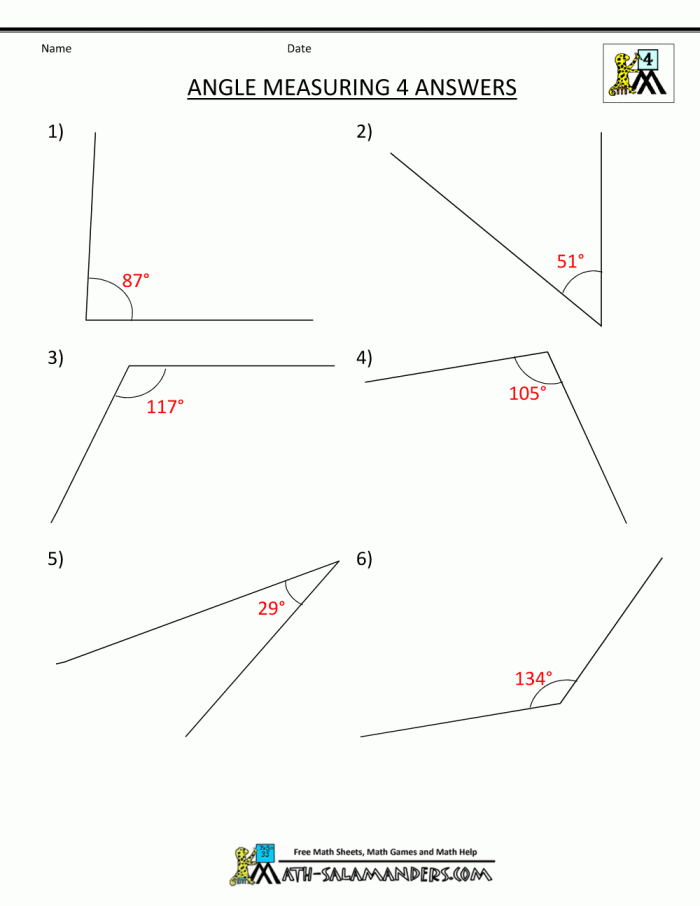
Geometry worksheets that focus specifically on measuring angles give students the repetition they need. Each angle they measure builds their spatial reasoning skills and helps them internalize what different angle measurements actually look like. A 45-degree angle starts to feel different from a 90-degree angle or a 120-degree angle when they’ve measured several of each.
Fourth grade is when students begin connecting geometry to the wider math curriculum. While they’re practicing with protractors, they’re also strengthening the precision and attention to detail that matters across all subjects. This careful observation transfers to other areas, whether they’re working on making inferences from evidence in reading or identifying examples of literary devices in language arts.
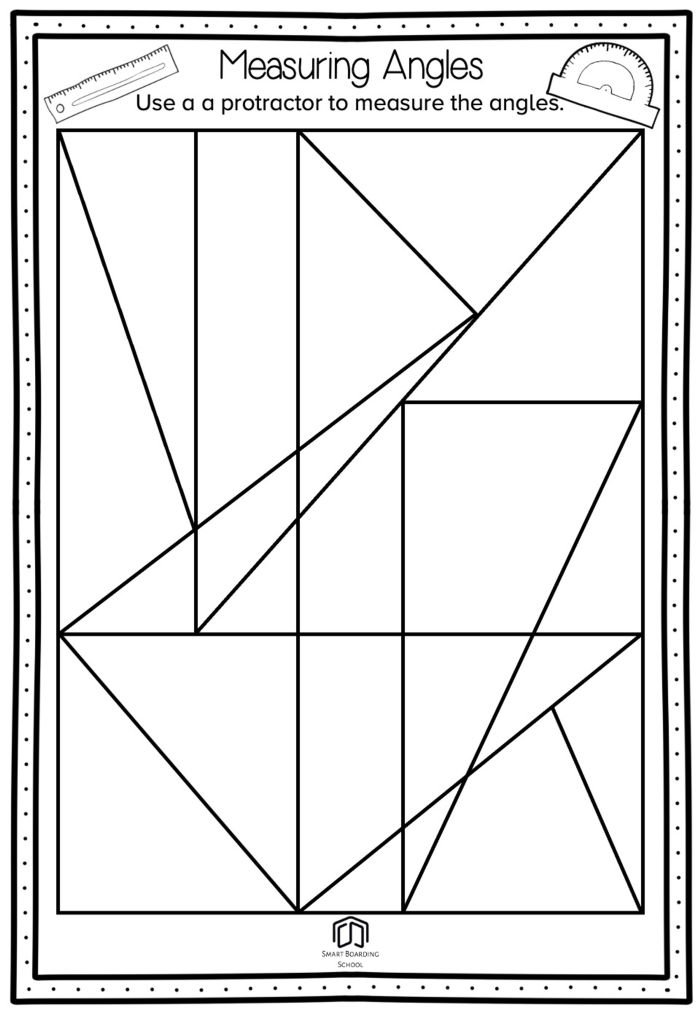
Put that protractor to good use by working through a dedicated geometry worksheet. Your student will measure each angle, record their findings, and develop the muscle memory that makes angle measurement feel automatic rather than uncertain.
Hands-On Worksheet Activities