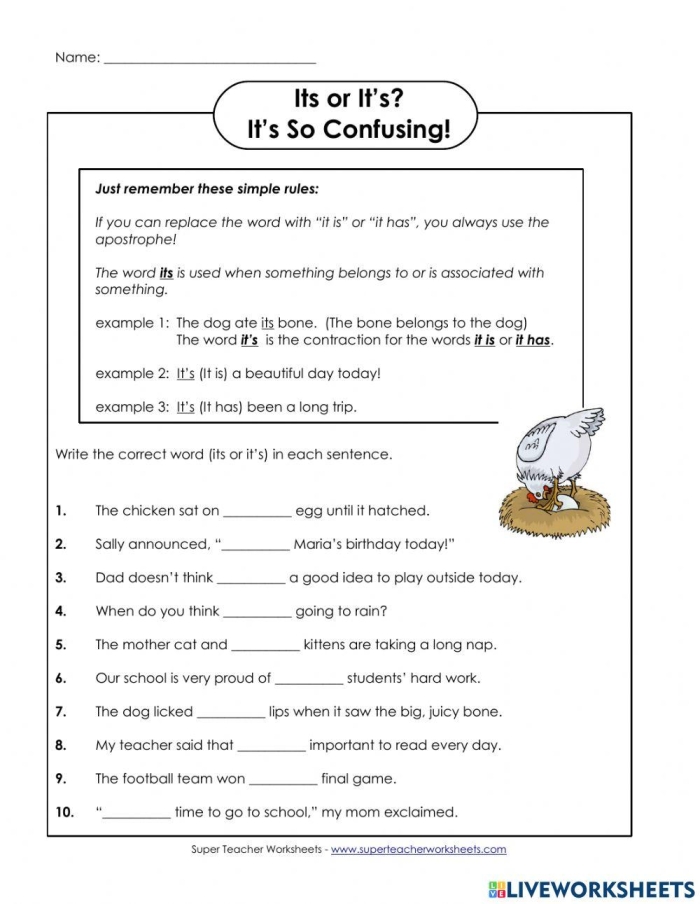
The difference between “it’s” and “its” trips up more third grade writers than almost any other homonym pair. These two words sound identical when spoken aloud, yet they serve completely different grammatical roles. Understanding which one to use requires recognizing a fundamental distinction: one is a contraction, and the other is a possessive pronoun.
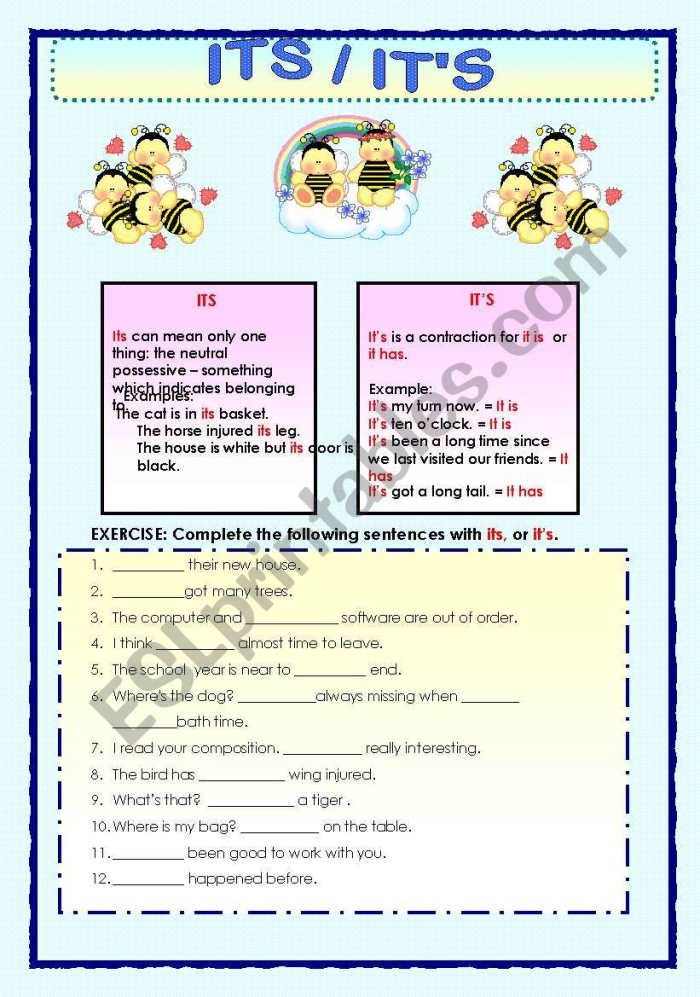
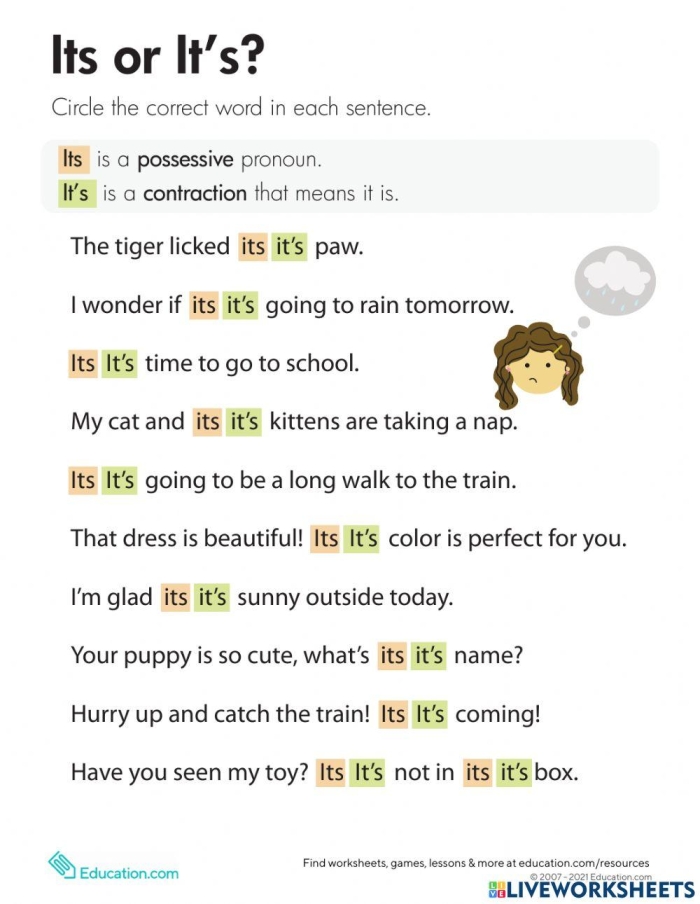
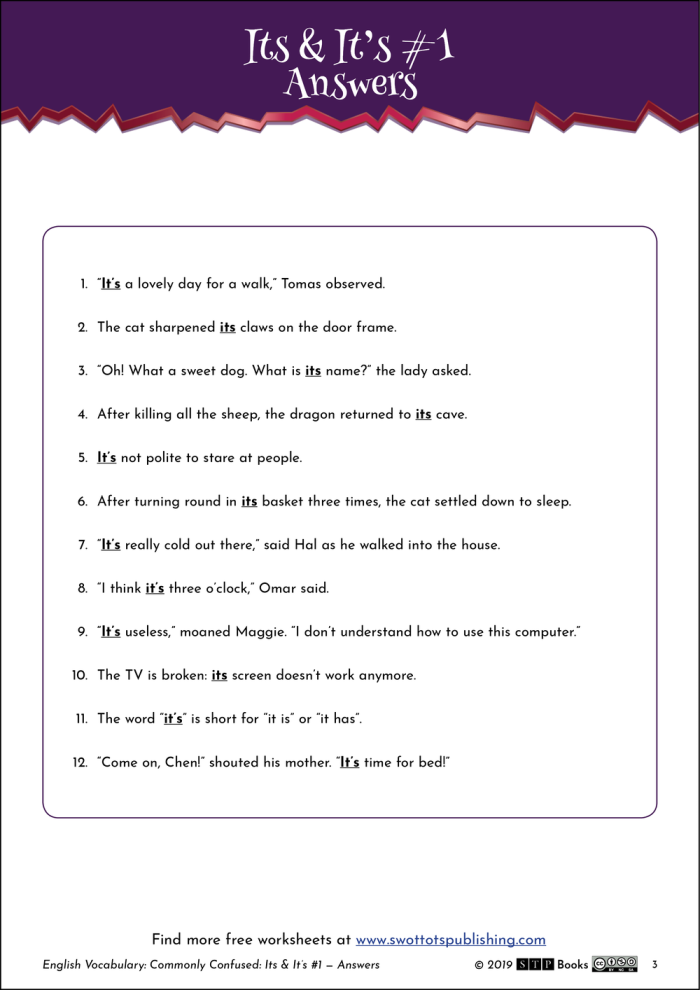
“It’s” is the contracted form of “it is” or “it has.” When you can substitute the full phrase back into your sentence and it still makes sense, you need the apostrophe. For example, “It’s raining outside” works because you could say “It is raining outside.” The apostrophe indicates that letters have been removed.
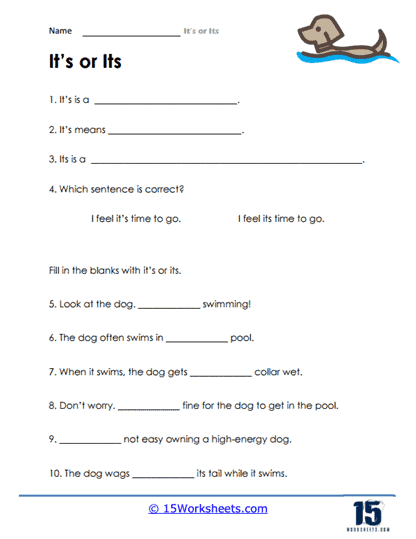
“Its” functions as a possessive pronoun, showing that something belongs to or is associated with “it.” Think of it like “his” or “her,” which also show possession without apostrophes. A sentence like “The dog wagged its tail” uses the possessive form because the tail belongs to the dog.
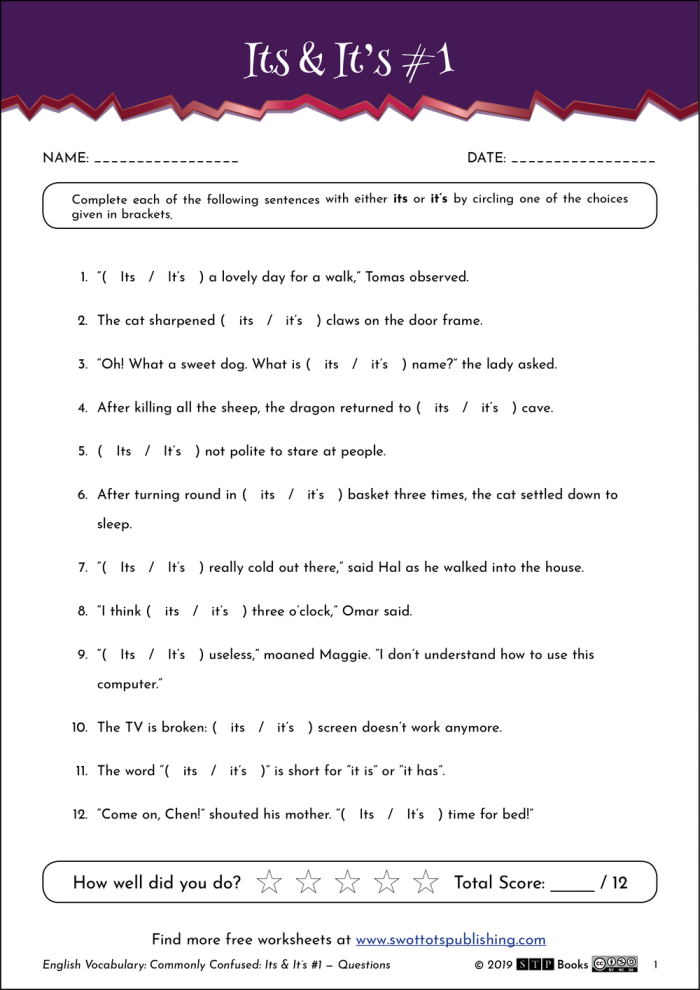
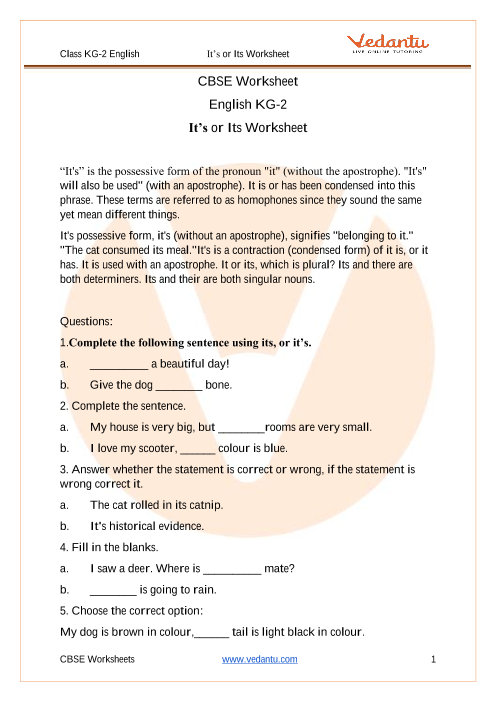
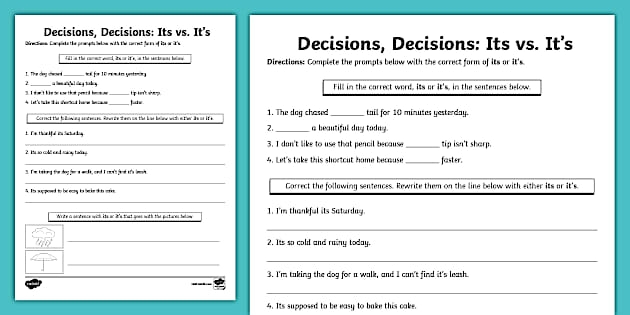
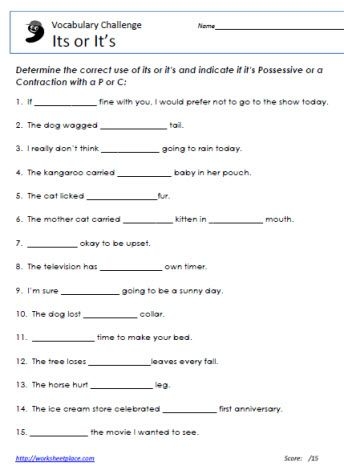
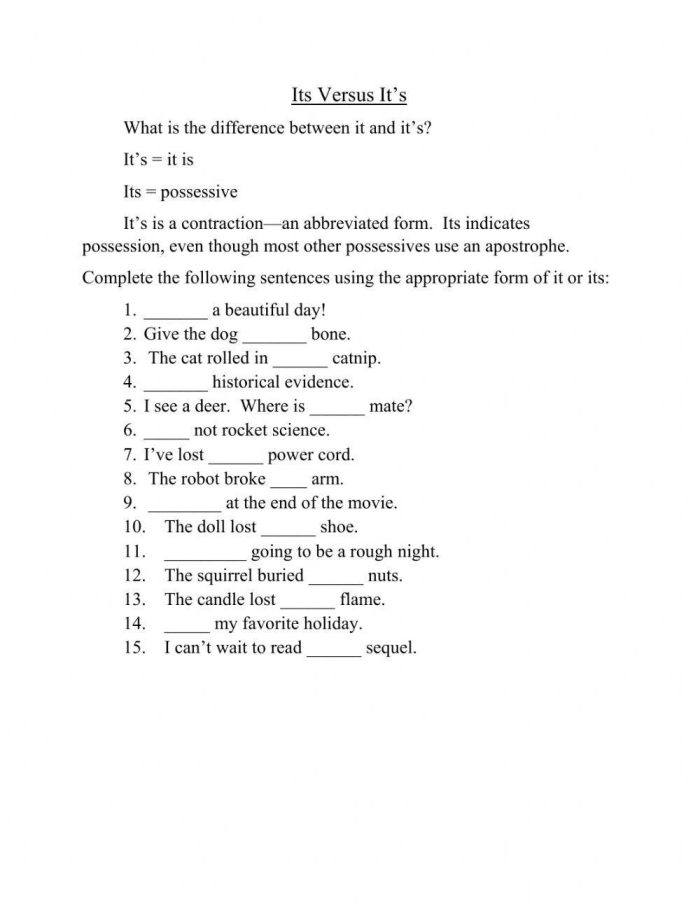
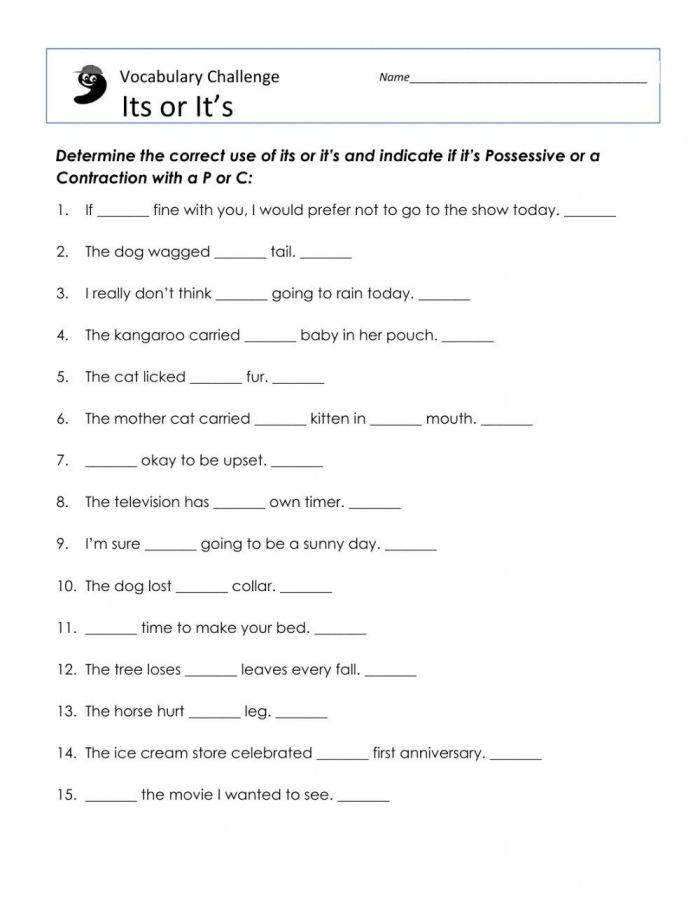
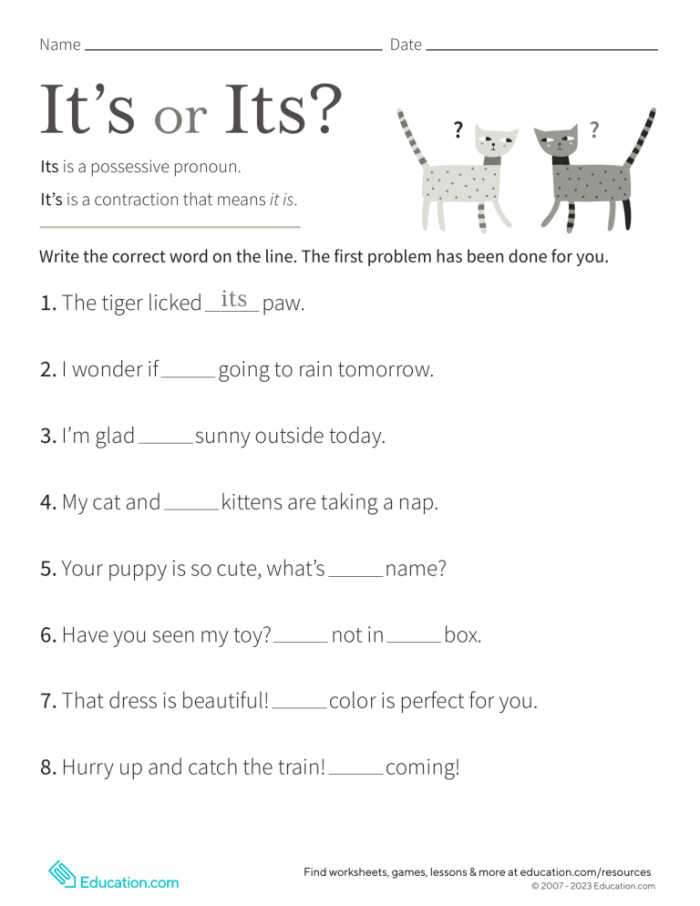
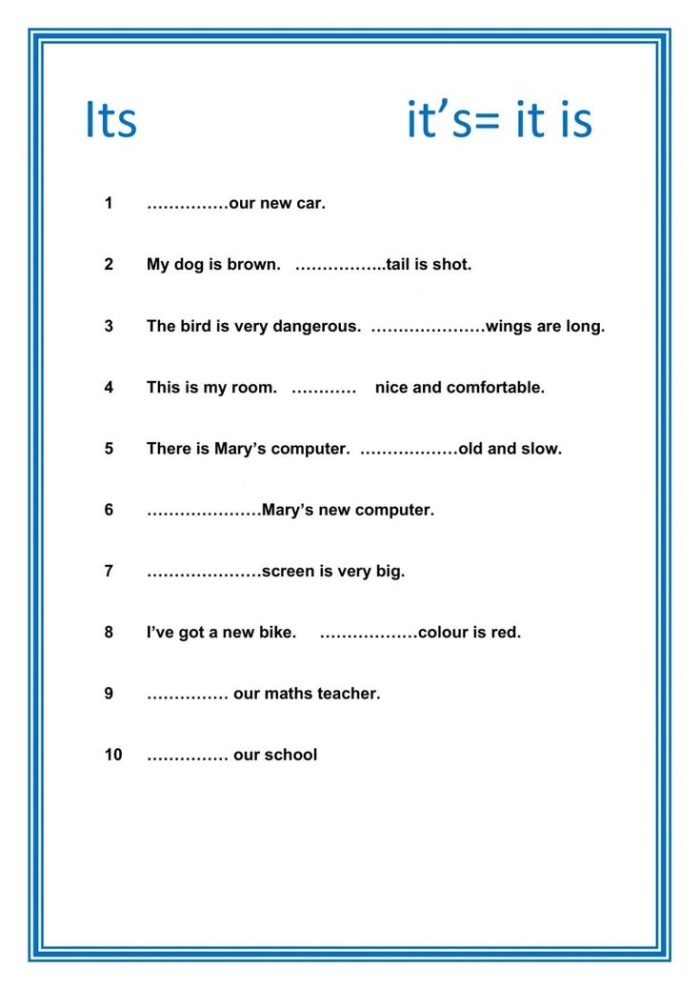
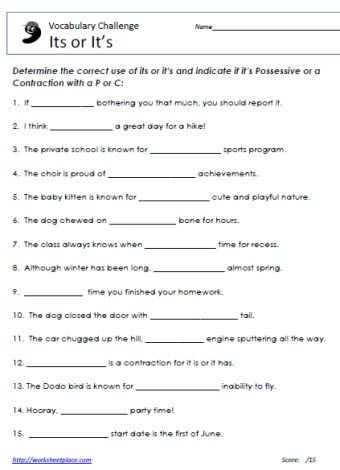
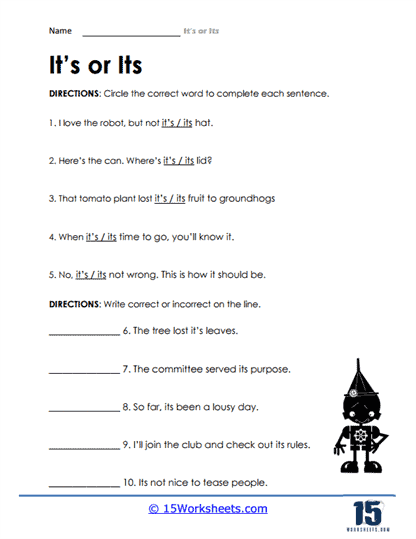
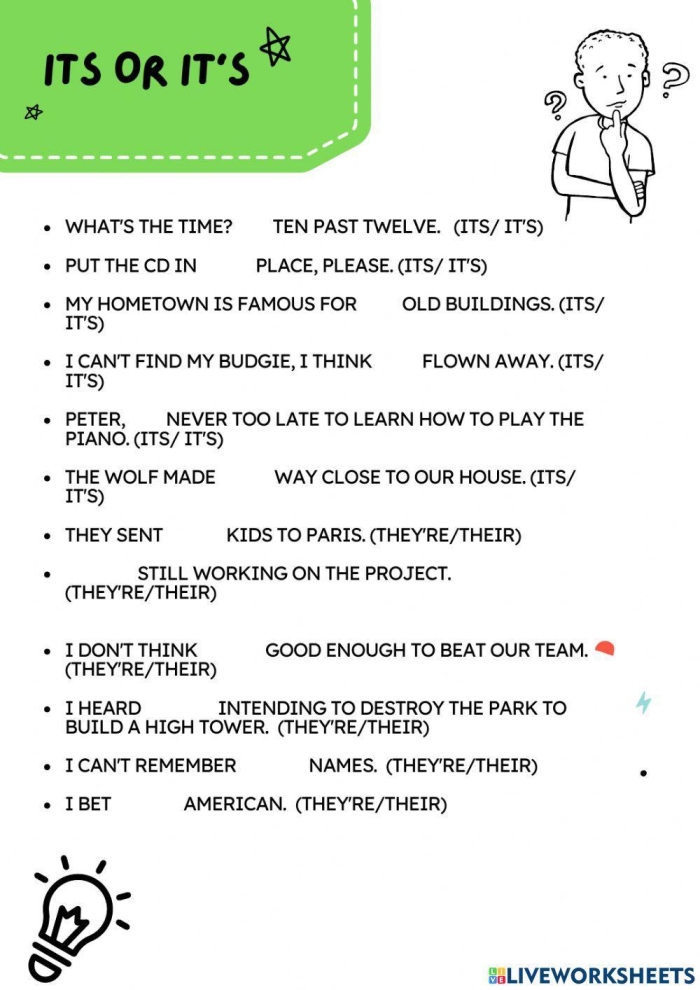
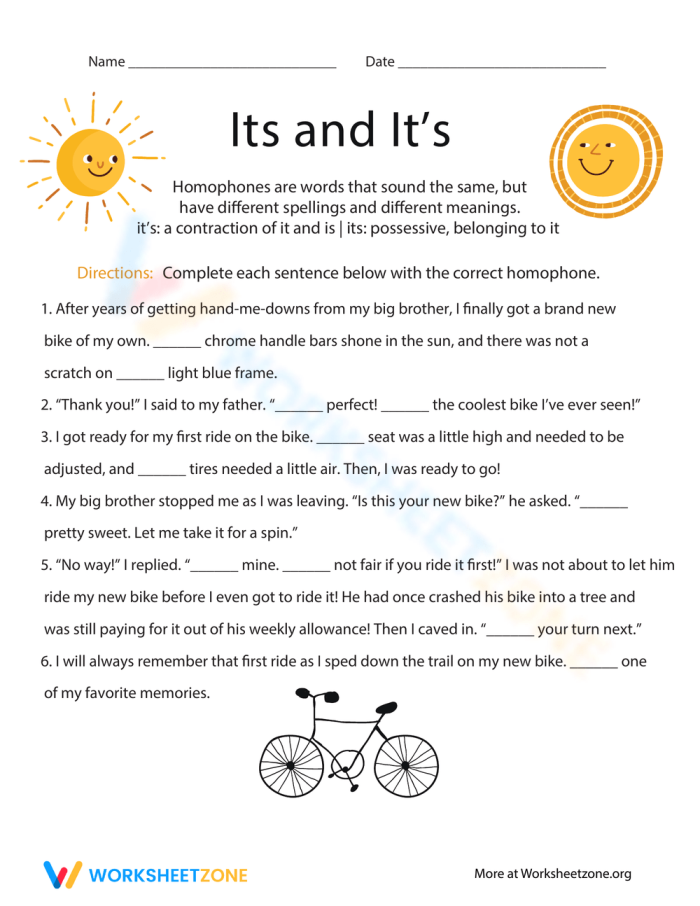
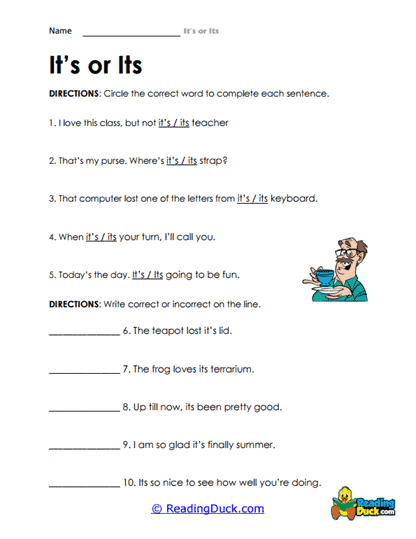
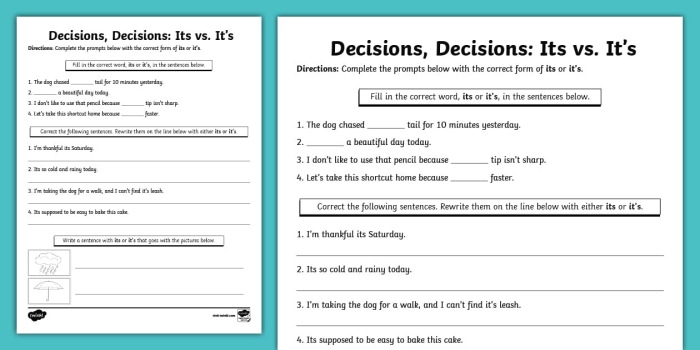
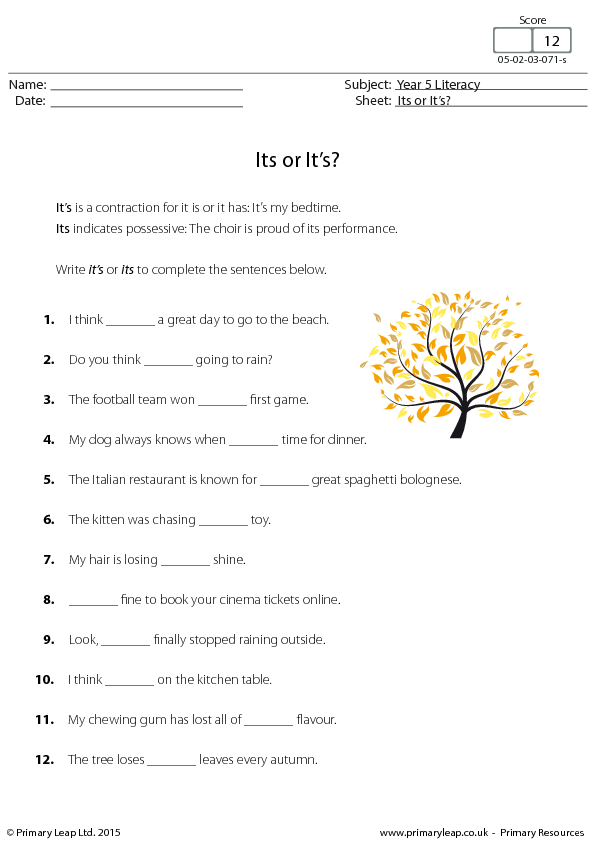
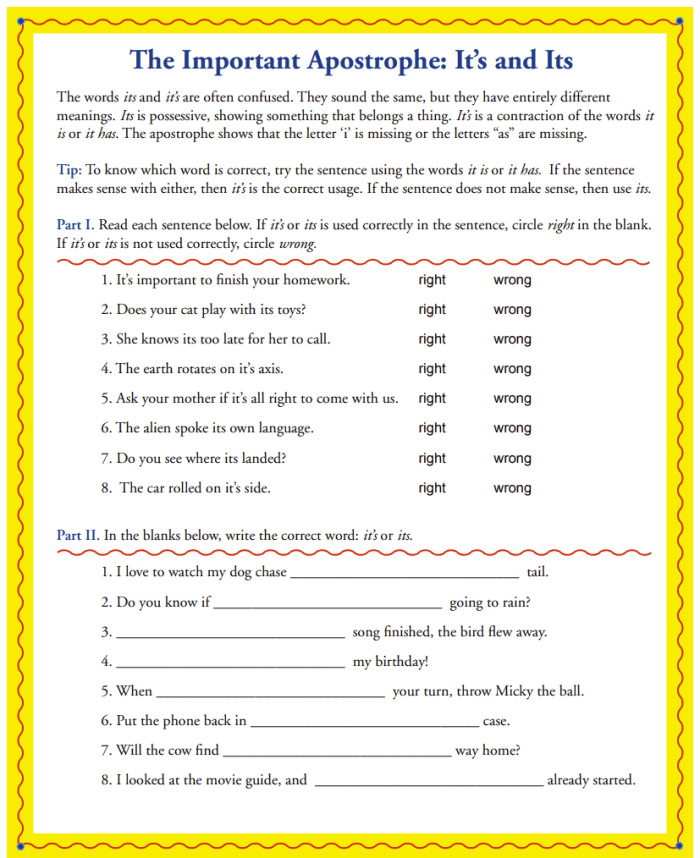
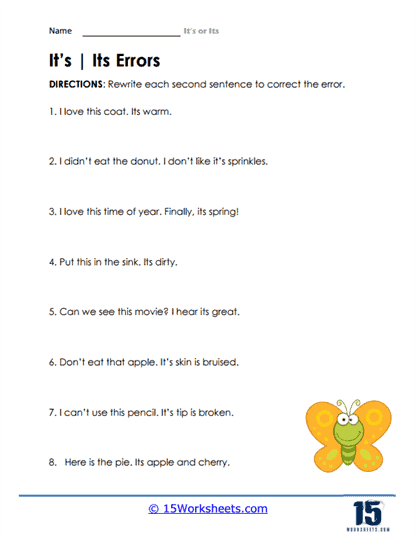
Third grade students benefit from hands-on practice that makes this distinction concrete. A worksheet with eight sentences gives learners enough repetition to internalize the rule without becoming tedious. Each sentence should present a clear context where the correct choice becomes obvious once students apply the contraction test.
This skill connects naturally to other grammar foundations. As students master possessive pronouns like “its,” they build understanding that supports learning about prepositions and how words relate to one another. Additionally, recognizing contractions strengthens their grasp of how different word forms function in sentences.
Geography-focused third grade materials can incorporate location-based sentences to keep content relevant. A sentence about a country and its borders, or a city and its landmarks, helps students see grammar rules in context rather than isolation. This approach makes the eight-sentence practice feel purposeful rather than mechanical.
Hands-On Worksheet Activities