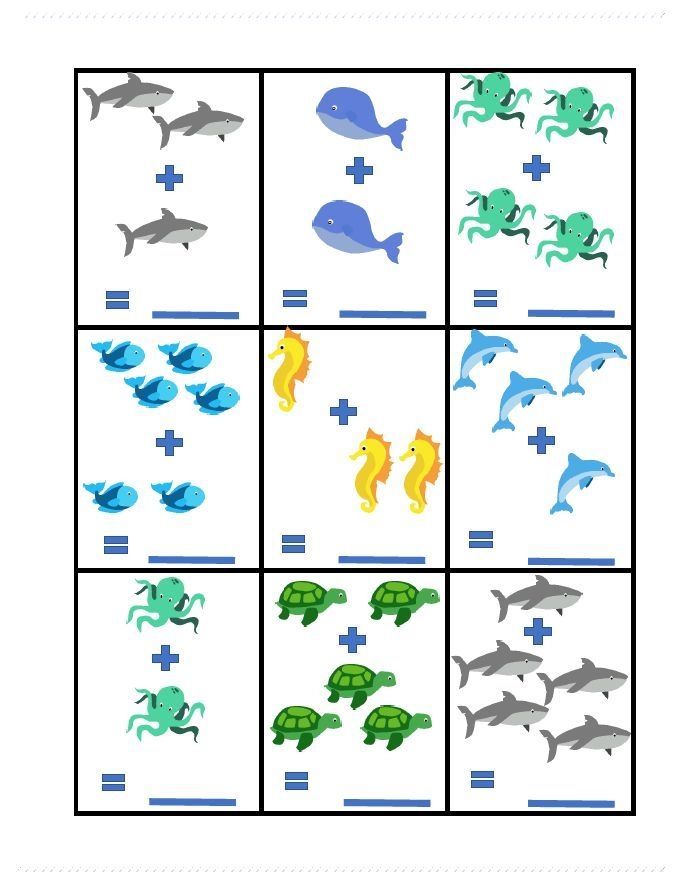
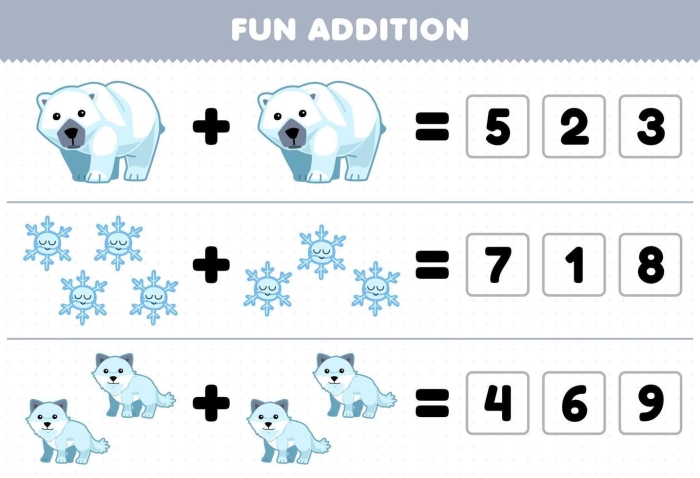
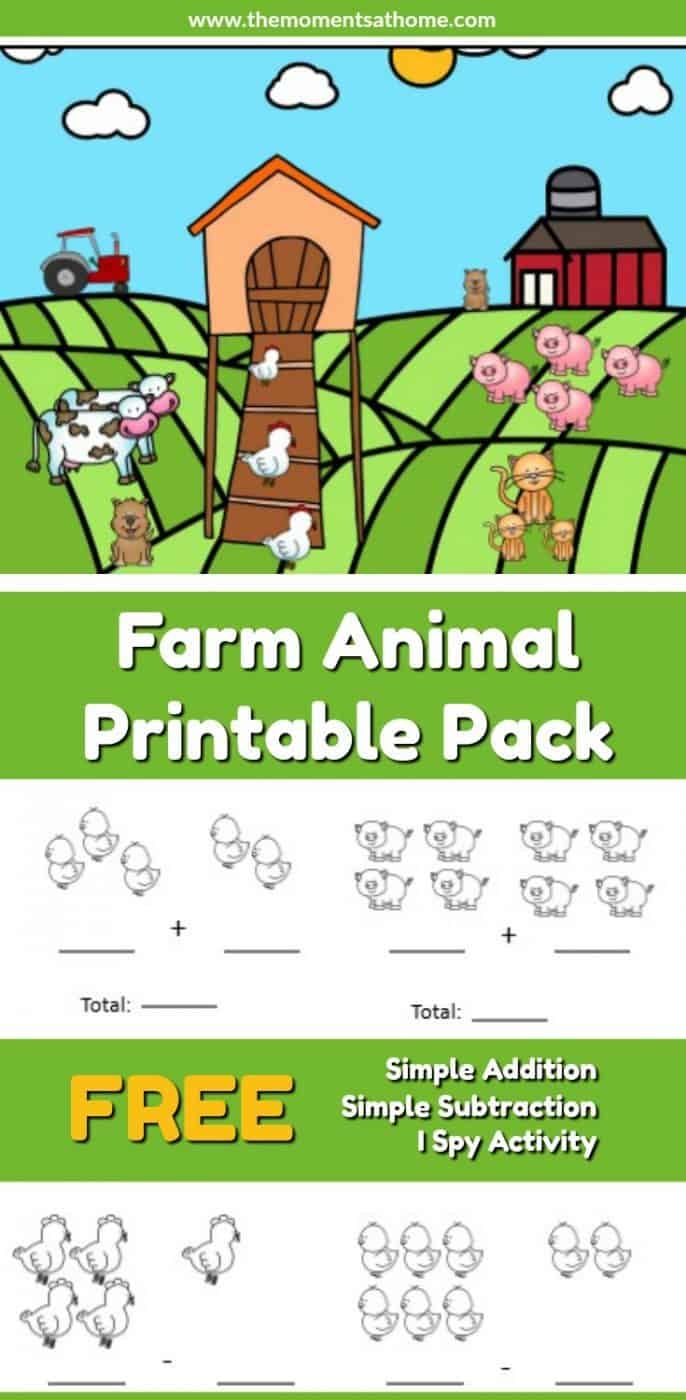
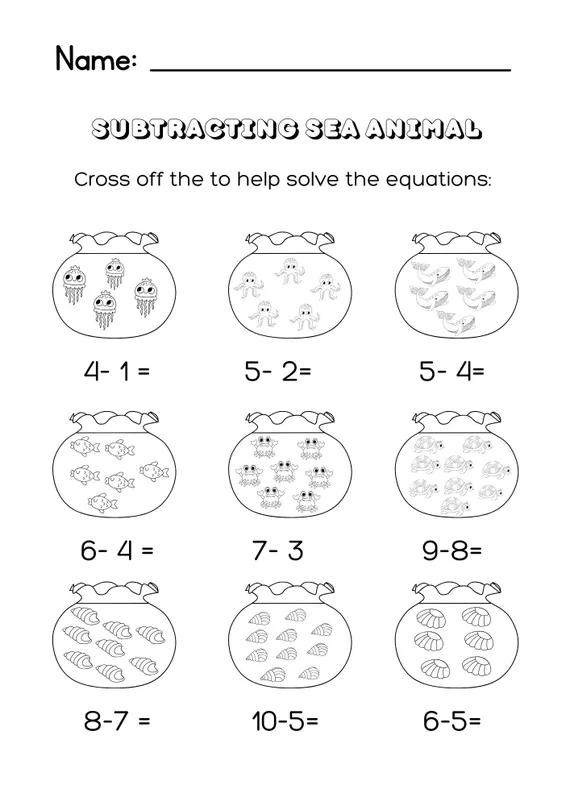
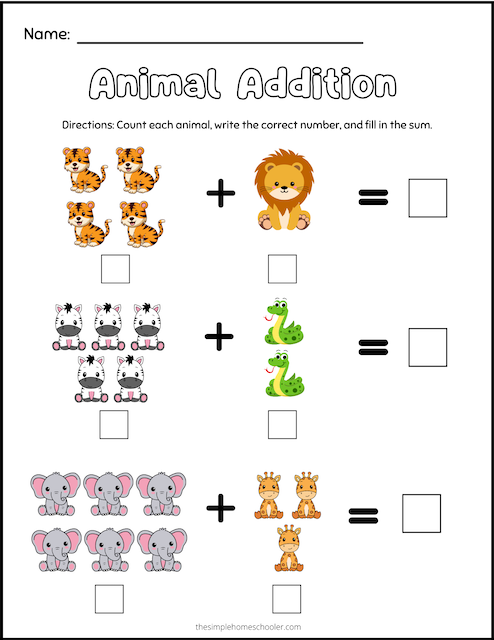
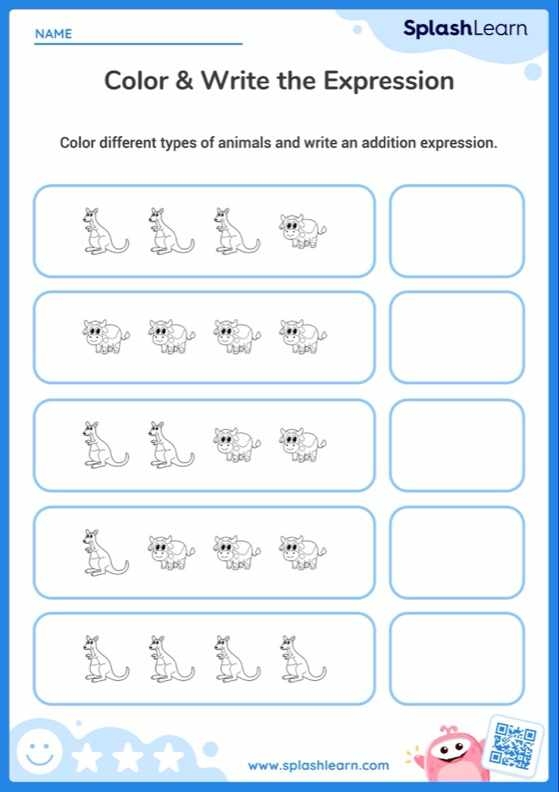
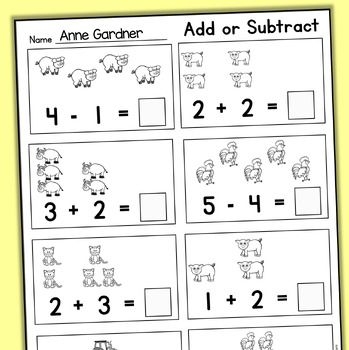
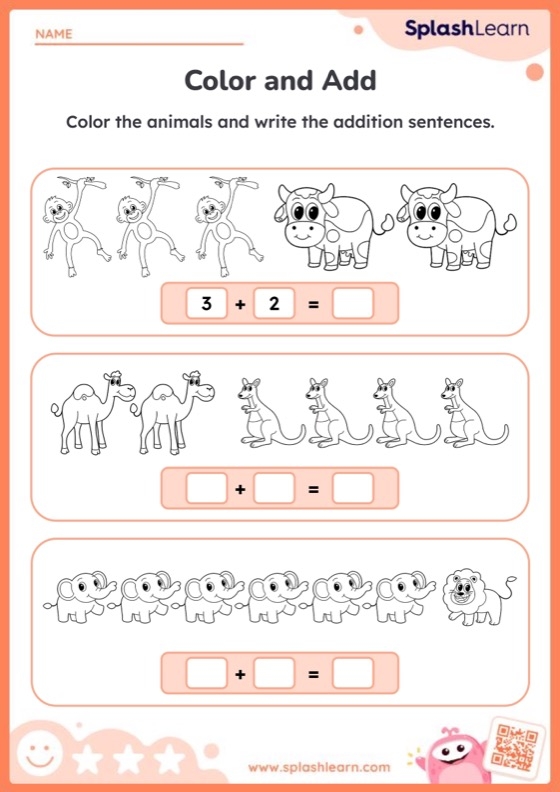
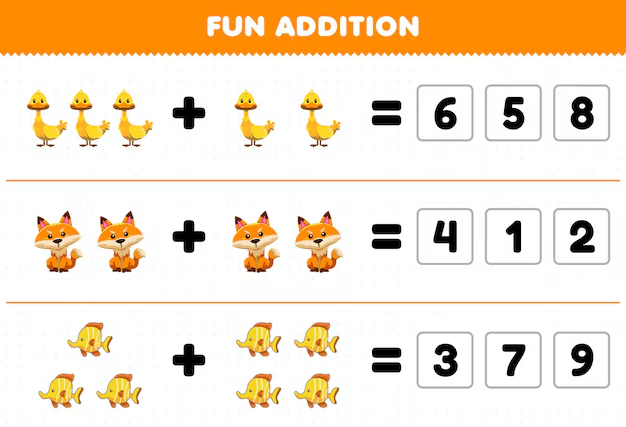
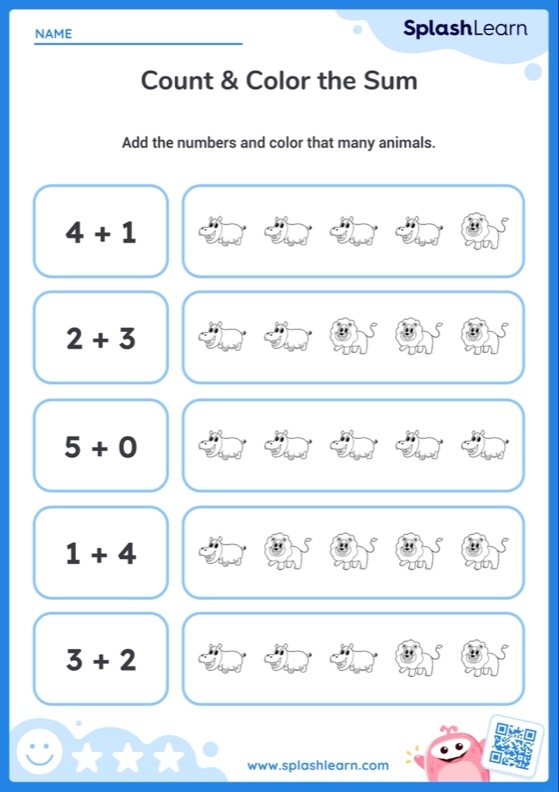
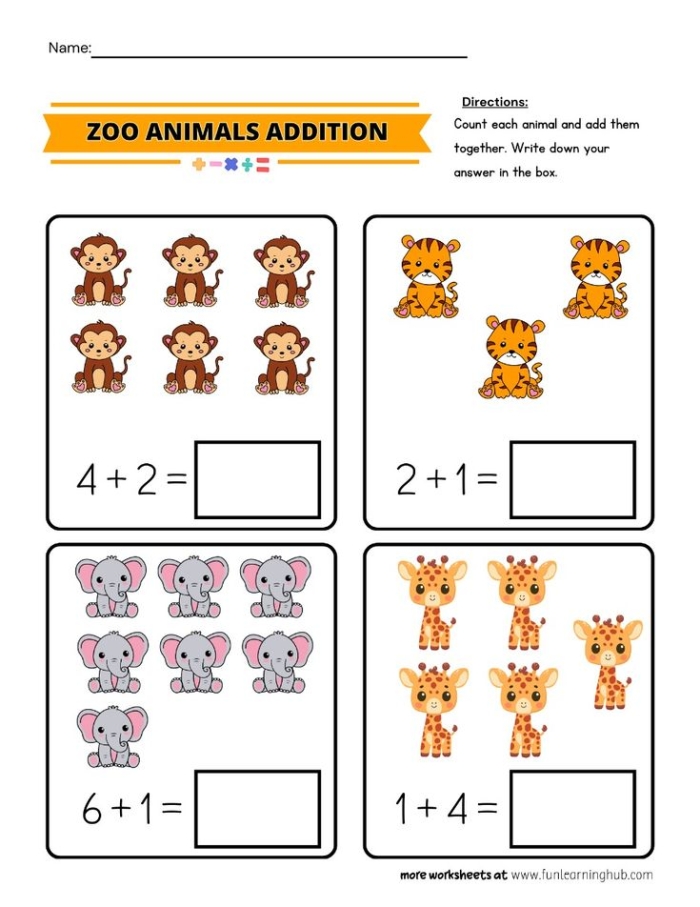
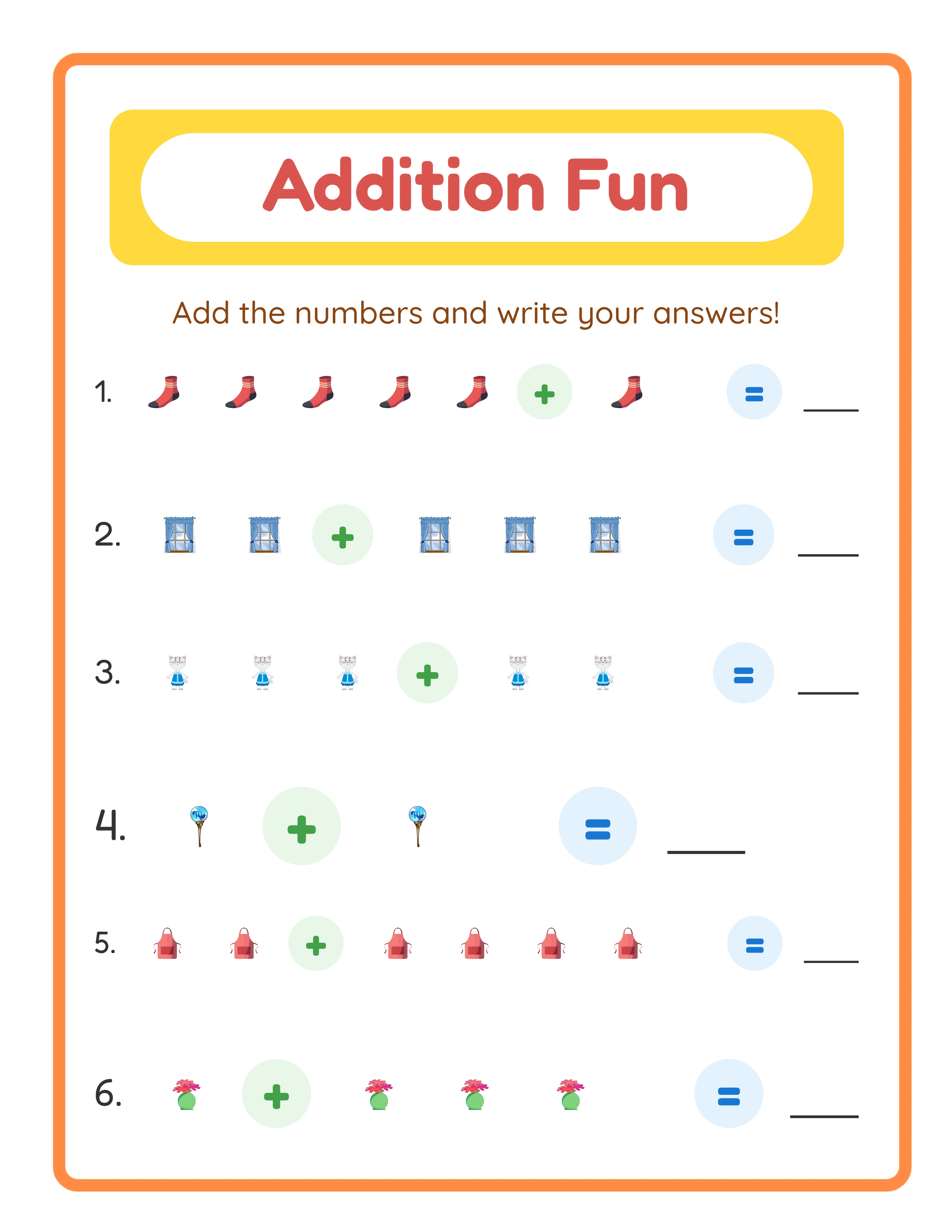
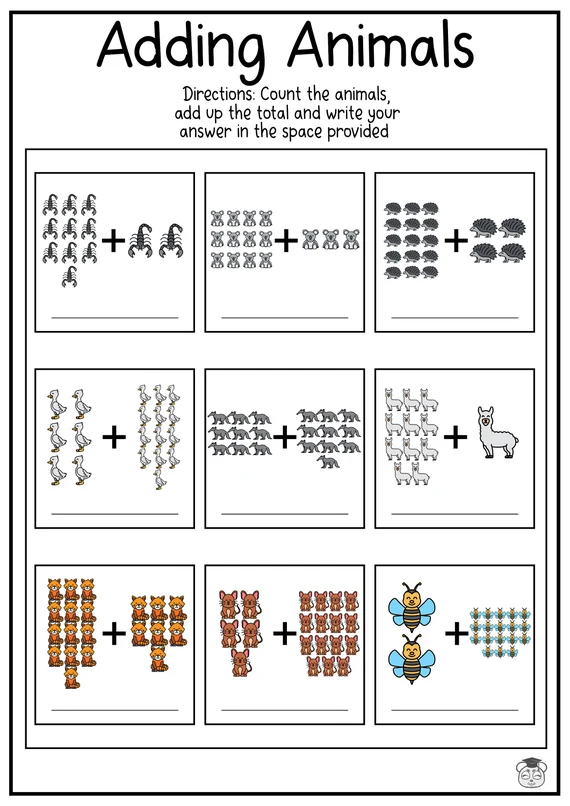
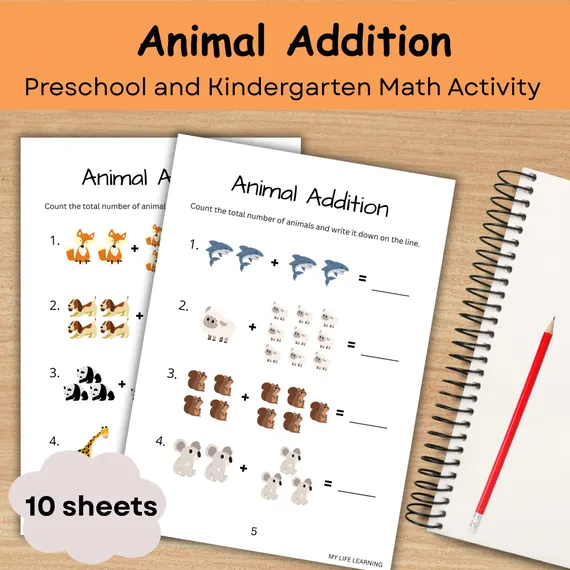
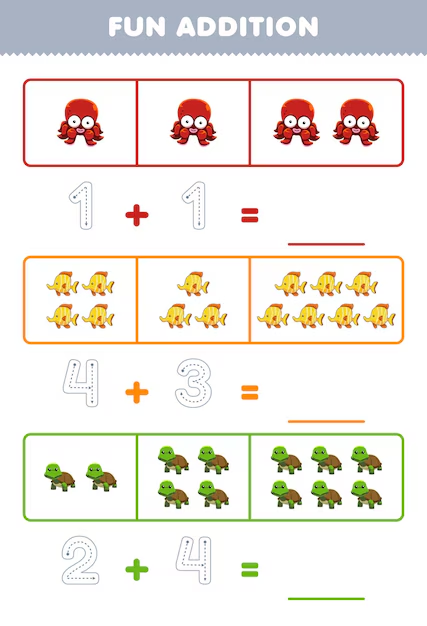
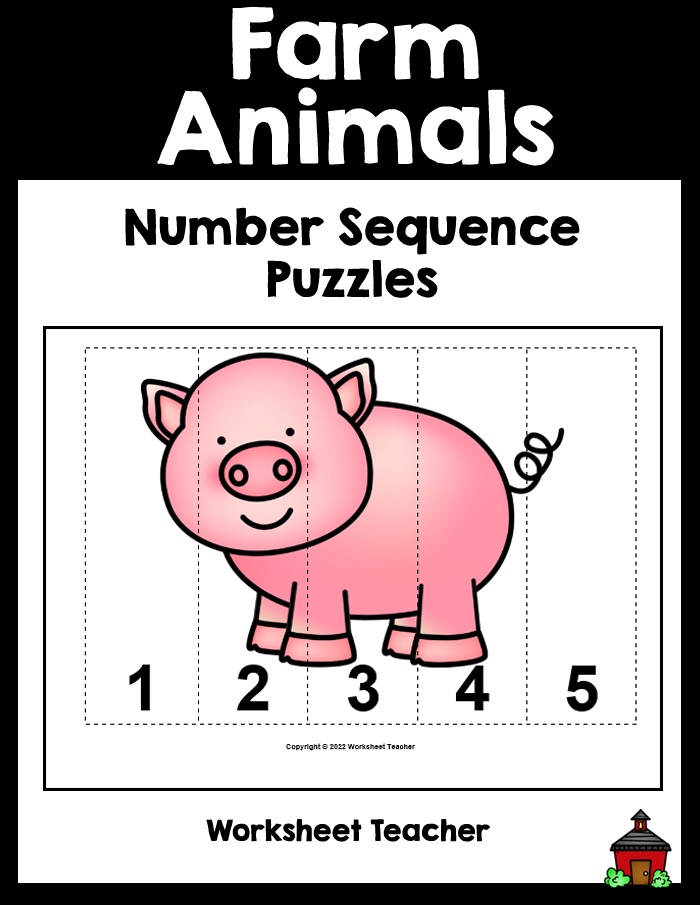
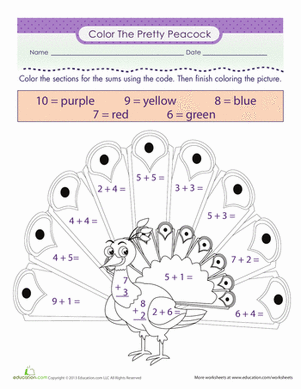
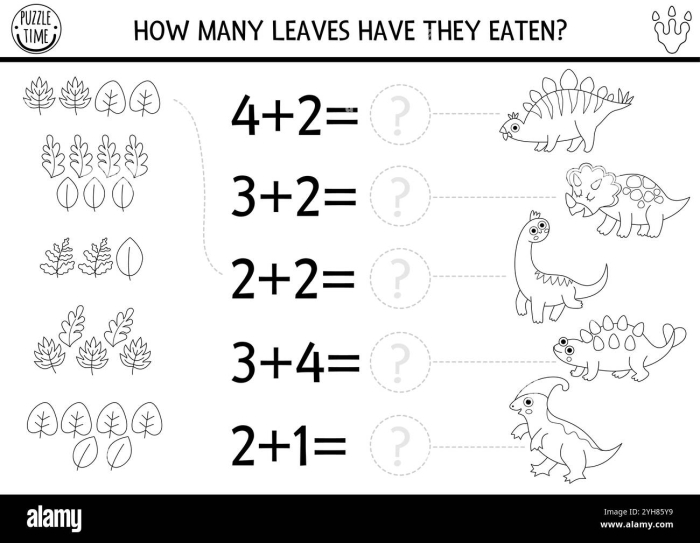
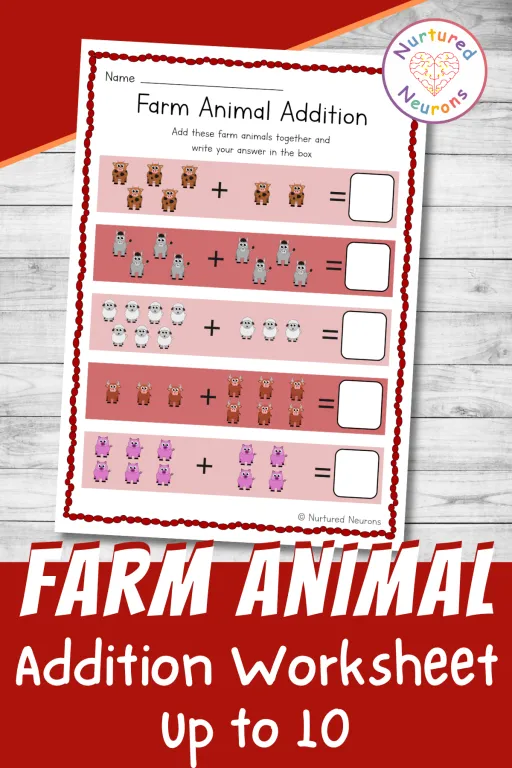
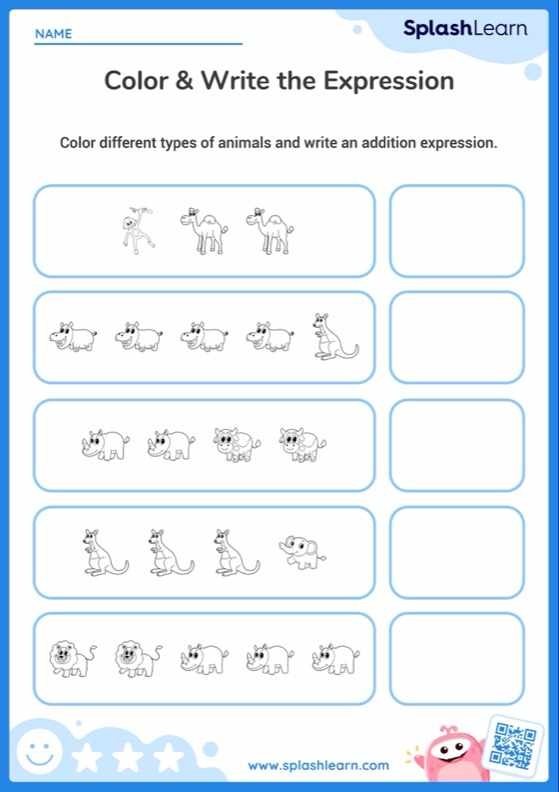
When a child looks at a worksheet filled with colorful zebras and tigers, something magical happens. Instead of seeing abstract numbers on a page, they see animals they recognize and want to count. This is the power of animal picture addition for Pre-K learners.
Young children learn best when math feels like play rather than work. Asking “How many zebras do you see? What about tigers?” transforms a simple math exercise into a story. They’re not just adding numbers, they’re discovering that two zebras plus three tigers equals five animals total. The concrete images make abstract math concepts stick in their minds.
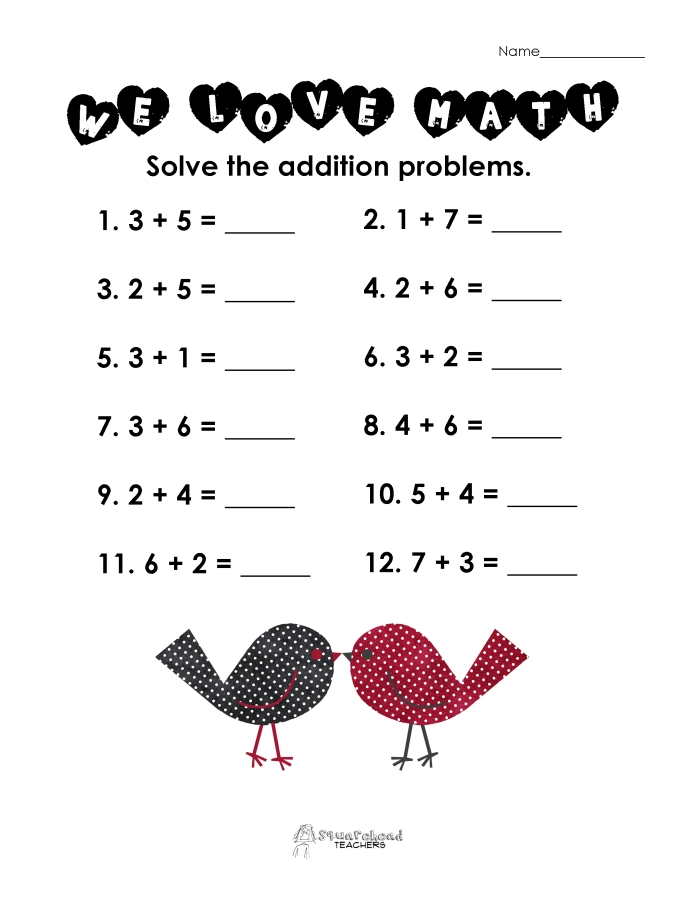
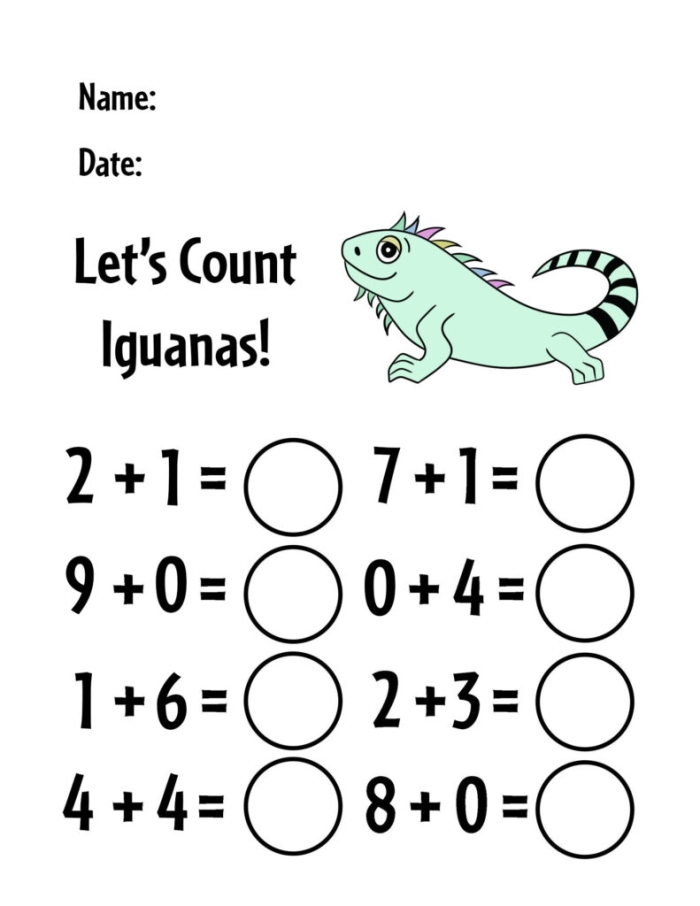
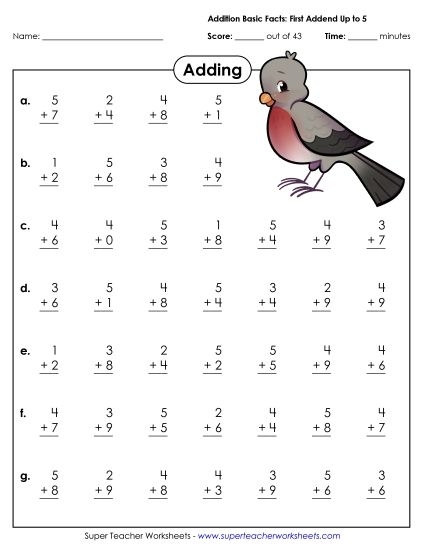
Printable animal picture addition worksheets serve a specific purpose in early childhood learning. They help children develop counting skills while building confidence with basic addition. When kids can touch the paper, point to each animal, and count aloud, they’re engaging multiple senses. This multisensory approach strengthens memory and understanding in ways that traditional number problems cannot.
The geometry component naturally weaves into these activities as well. Children notice shapes within the drawings, recognize patterns in how animals are arranged, and develop spatial awareness. A worksheet showing animals in rows or groups introduces foundational concepts that support later geometry learning.
Beyond addition practice, these worksheets offer another benefit: they keep children engaged. A Pre-K student who might lose interest in counting abstract dots will stay focused when counting striped zebras. Teachers and parents report that children ask to do more worksheets when animals are involved, creating positive associations with math practice.
To complement animal addition activities, consider pairing them with other hands-on learning. Resources like color by number butterfly activities or letter tracing exercises create a well-rounded learning experience that keeps young learners motivated and progressing.
Practice with These Worksheets