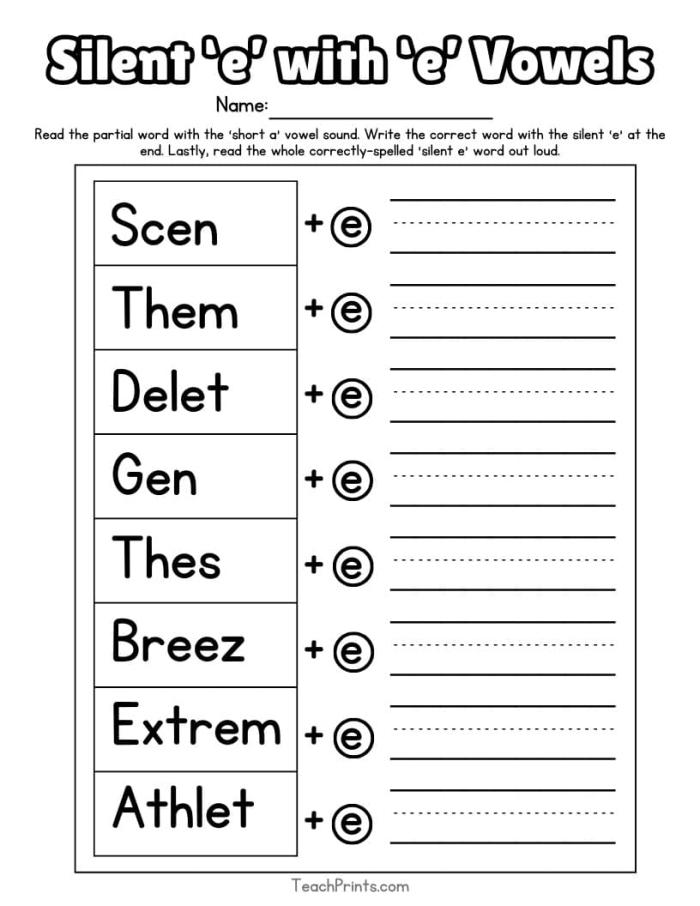
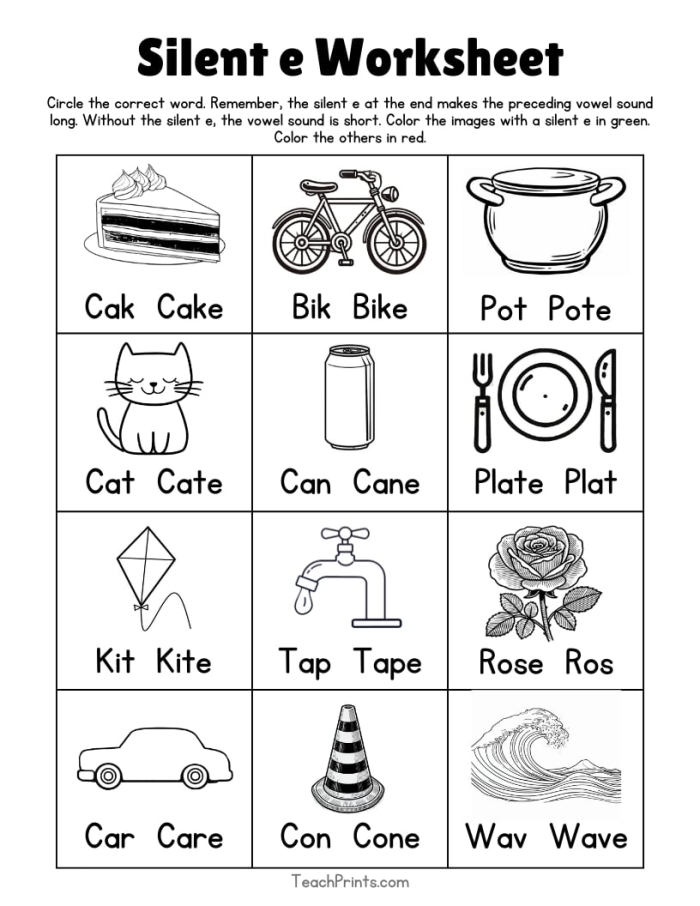
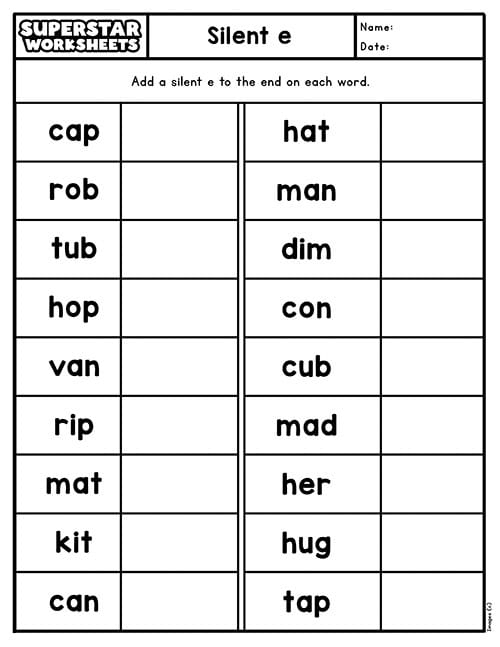
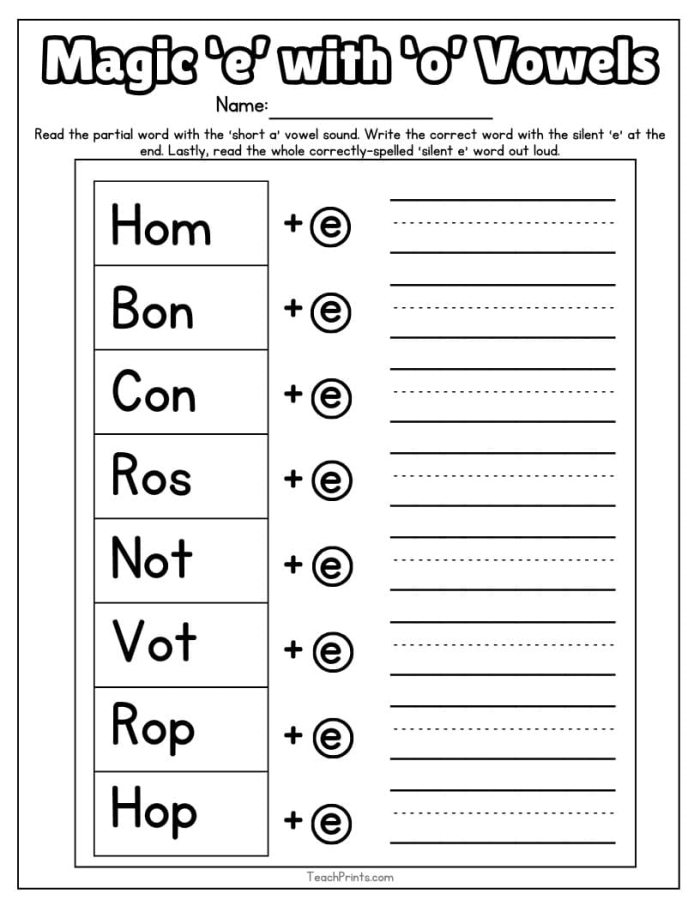
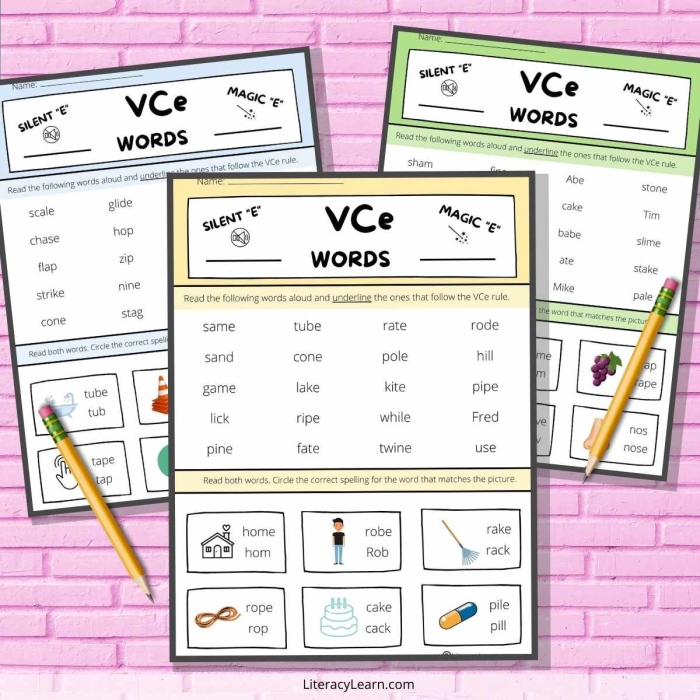
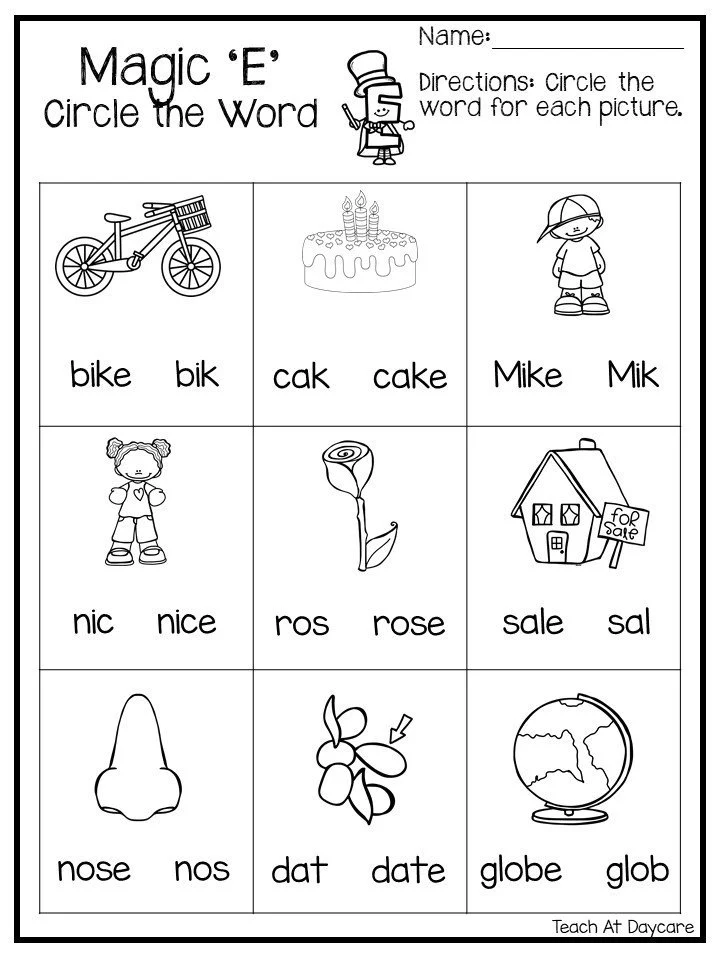
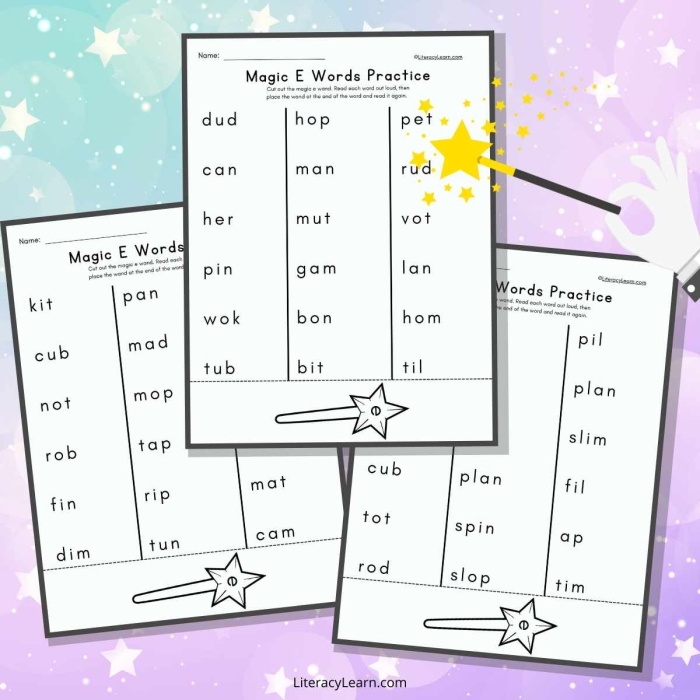
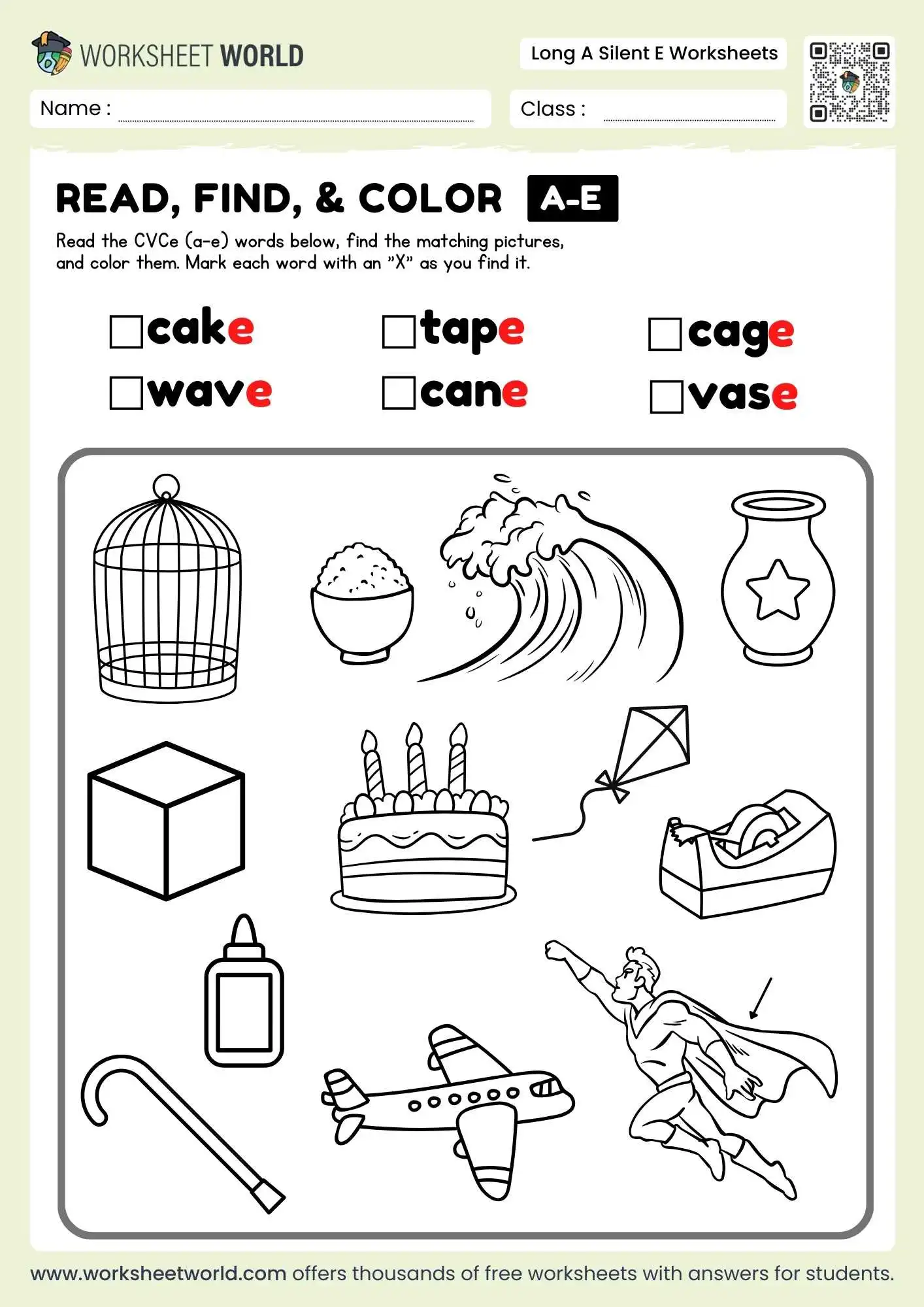
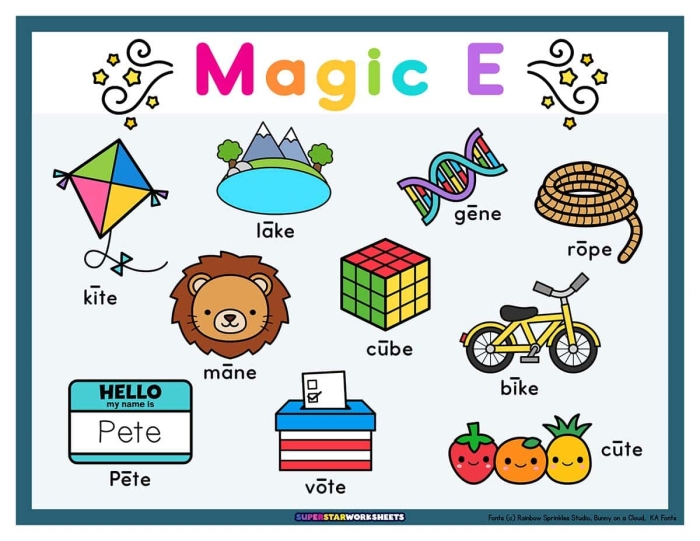
The silent “e” rule stands as one of the most reliable patterns young readers encounter when they first begin decoding words. Once children grasp how this single letter transforms pronunciation, their reading fluency jumps noticeably. Silent “e” worksheets serve as the bridge between memorizing individual letter sounds and understanding how those sounds work together in real words.
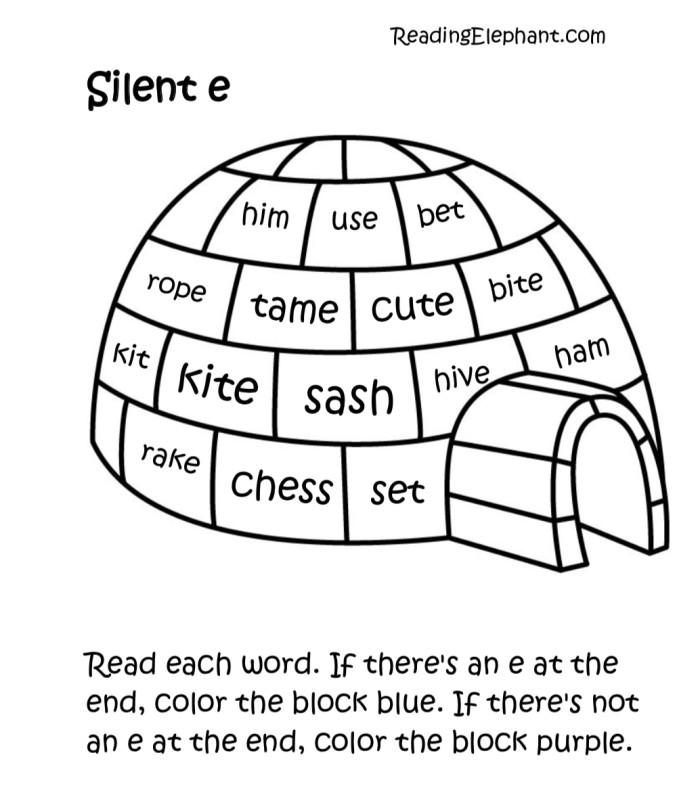
When a word ends with a silent “e”, it typically makes the vowel before it say its long sound instead of its short sound. Take the word “tap” compared to “tape”. The “a” in “tap” sounds short, but add the silent “e” at the end, and suddenly that same “a” becomes long. This pattern appears constantly in English, which makes it essential for kindergarten phonics instruction. Children who master this concept early find themselves reading words they’ve never encountered before, building confidence and independence.
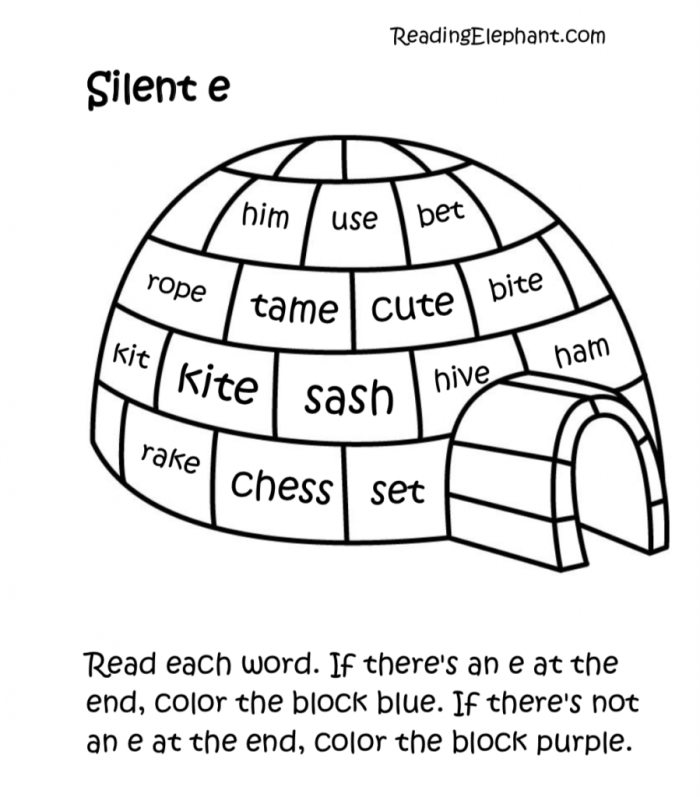
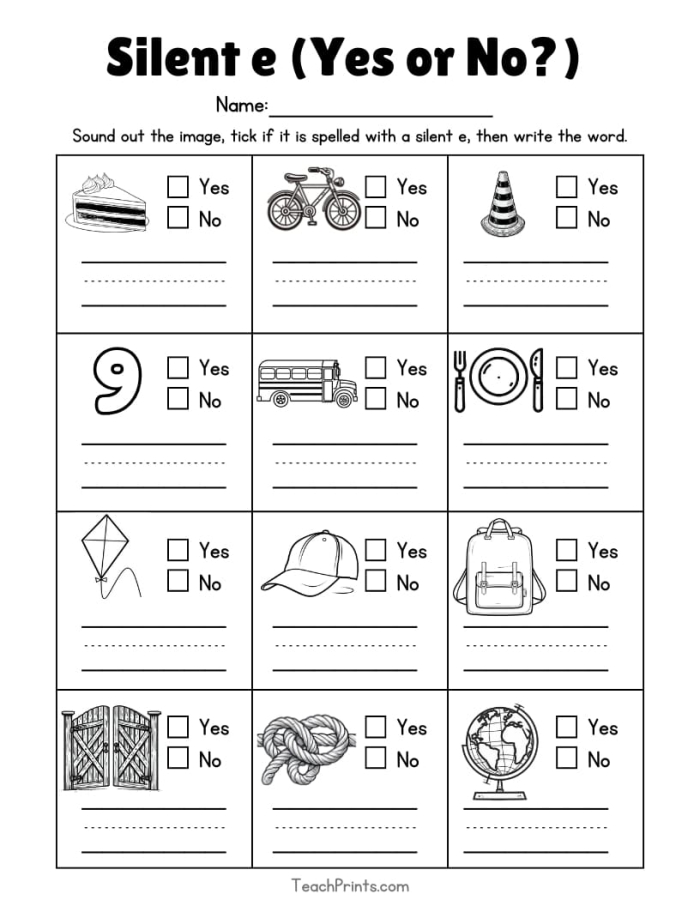
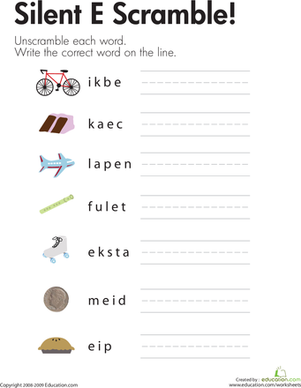
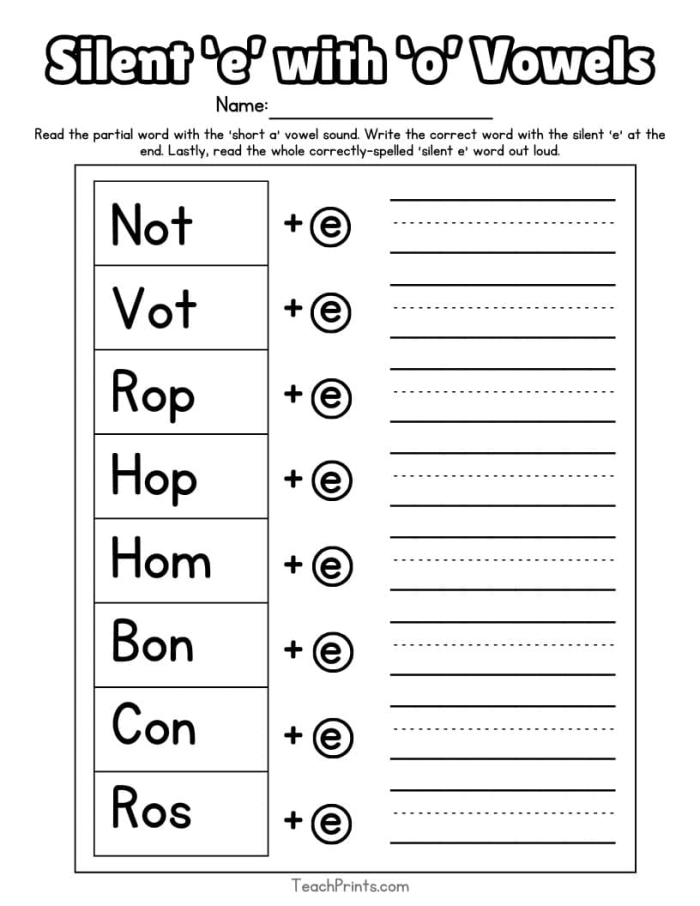
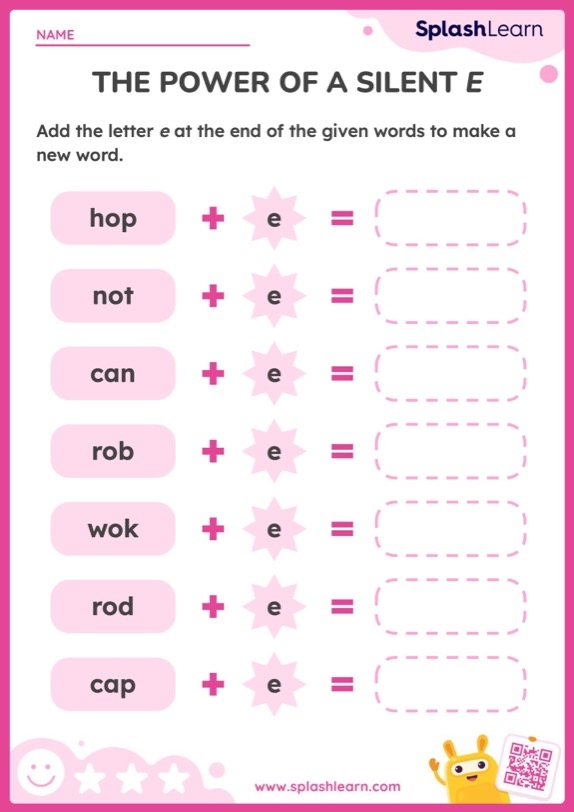
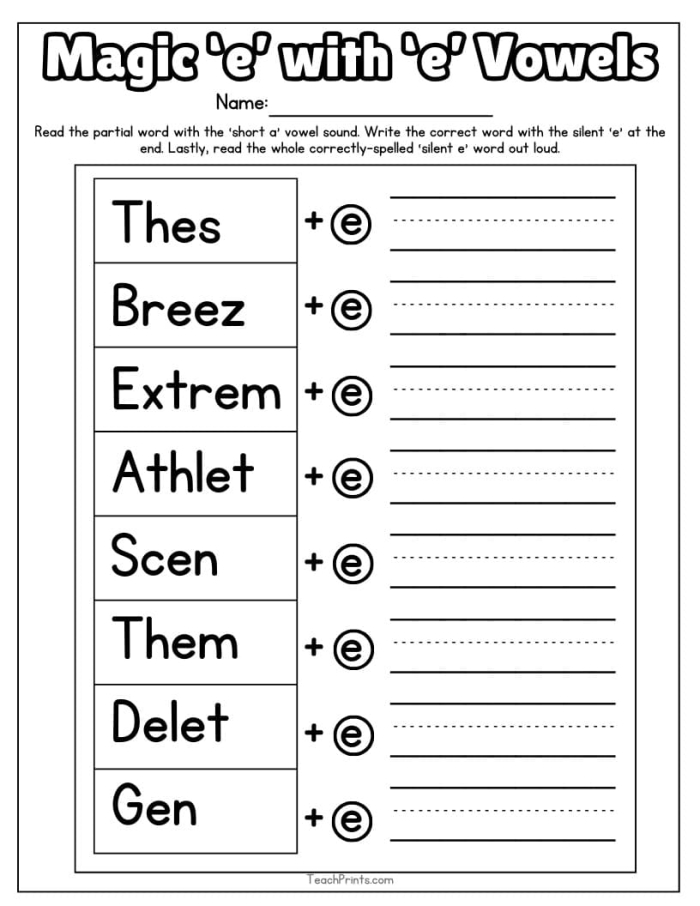
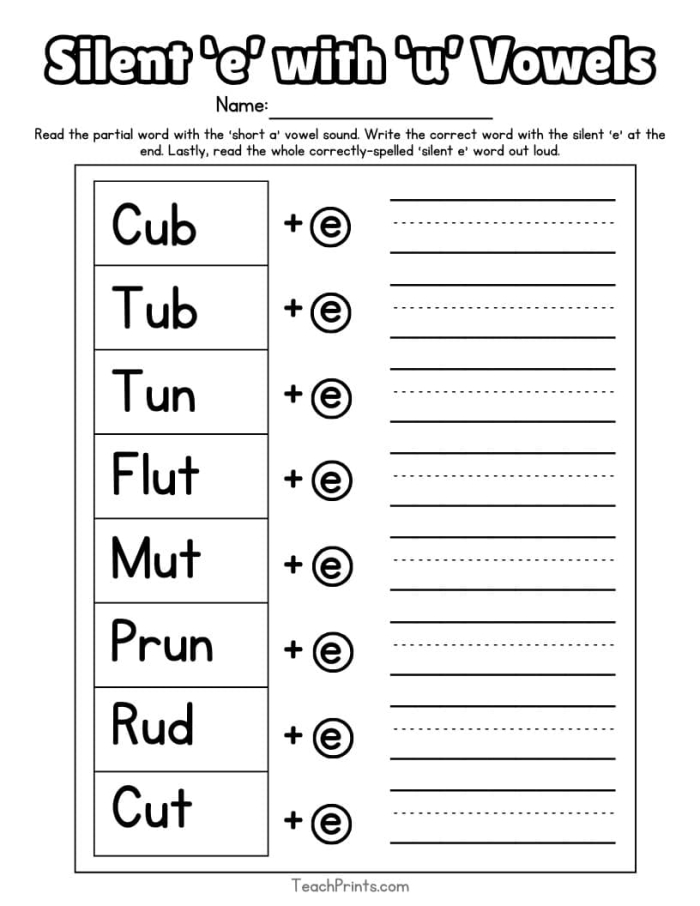
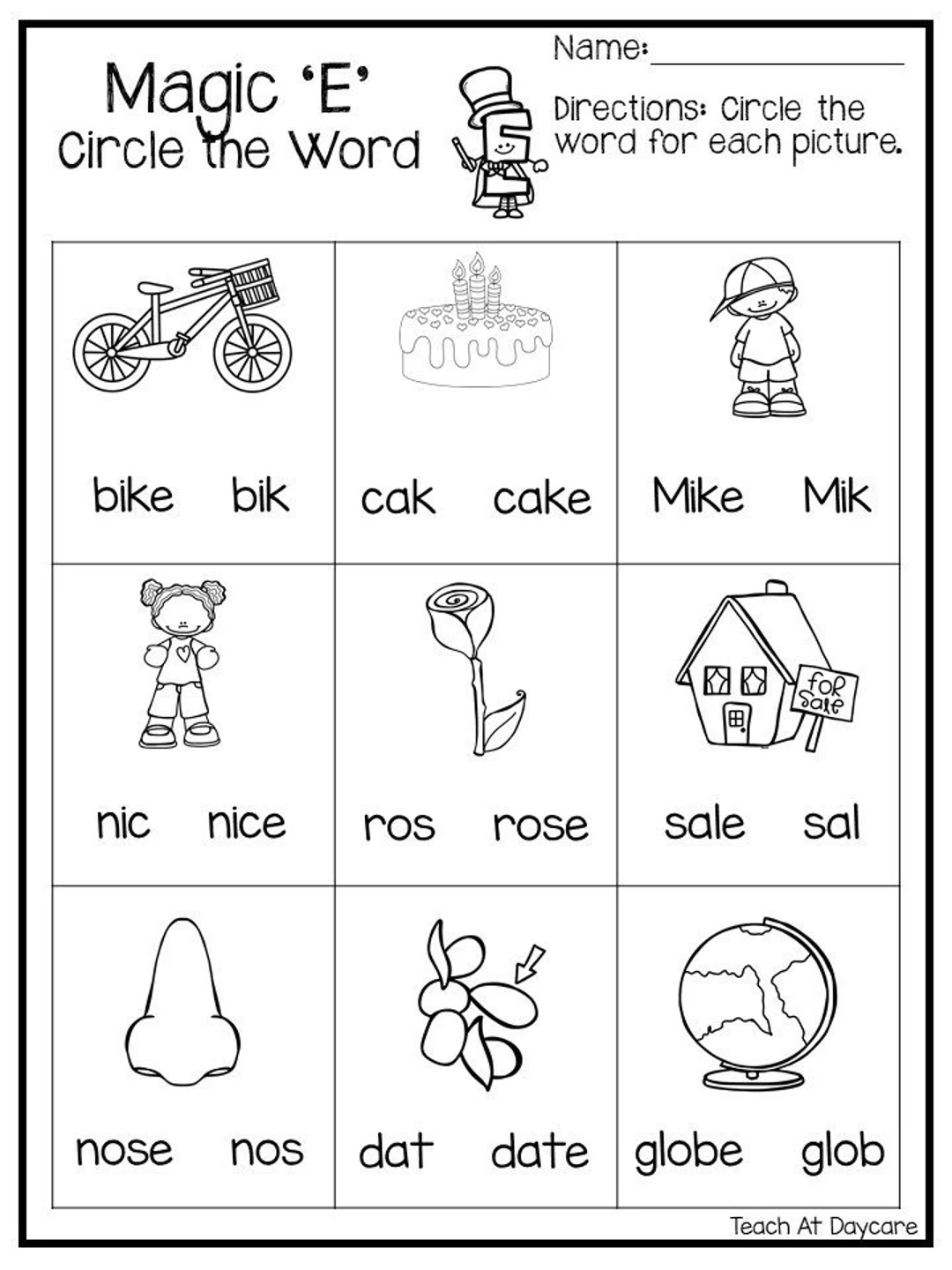
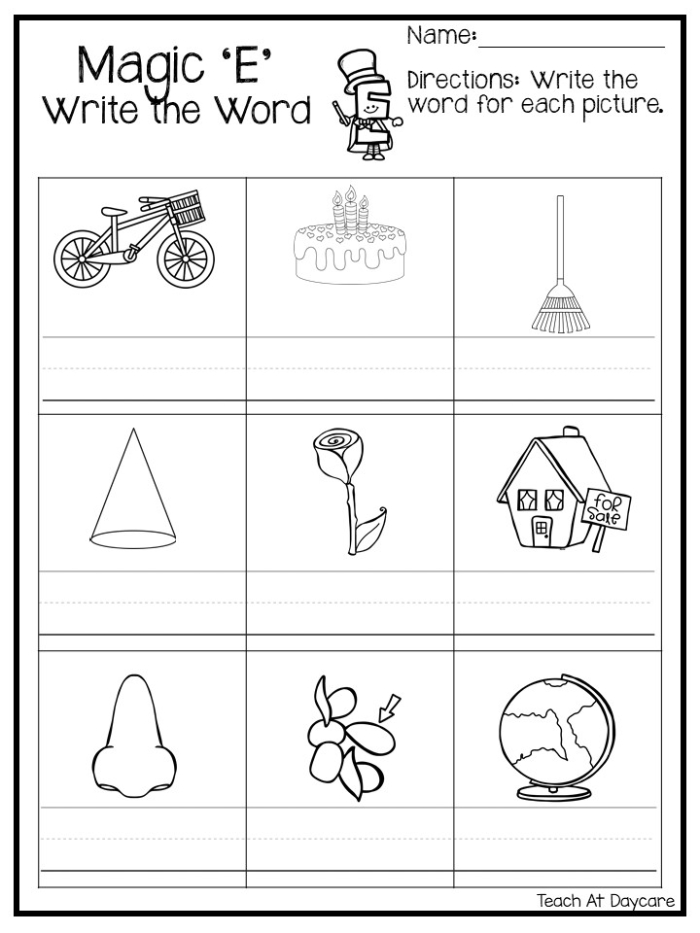
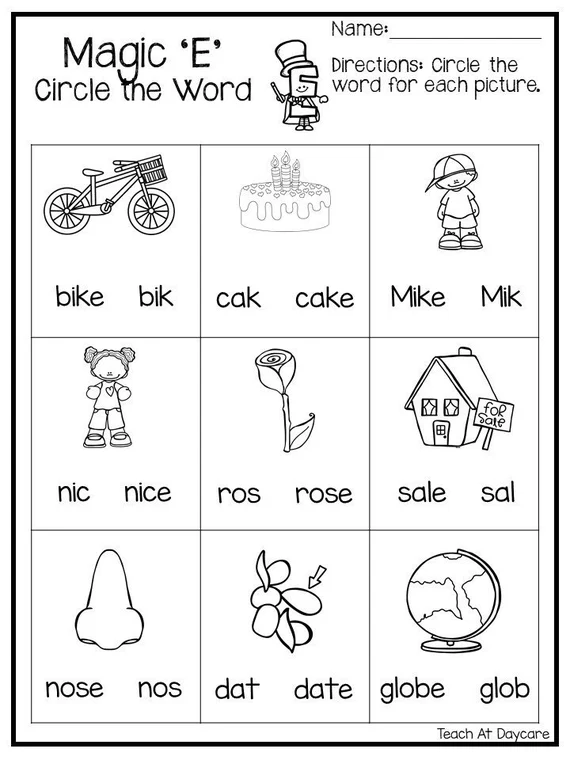
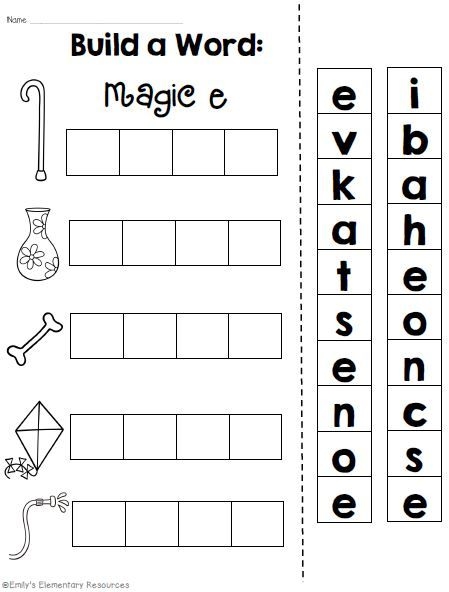
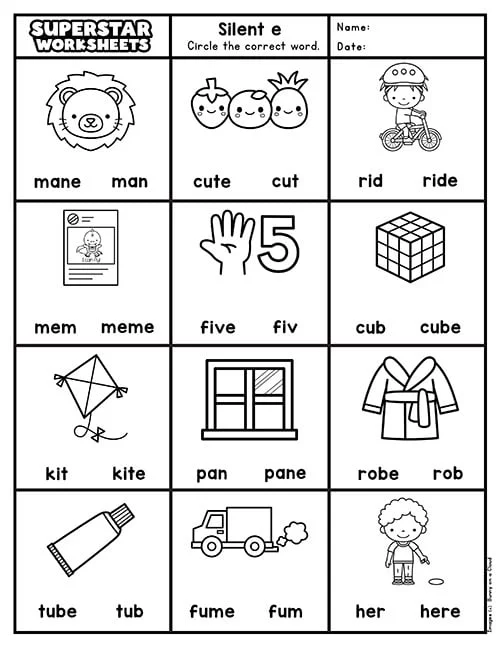
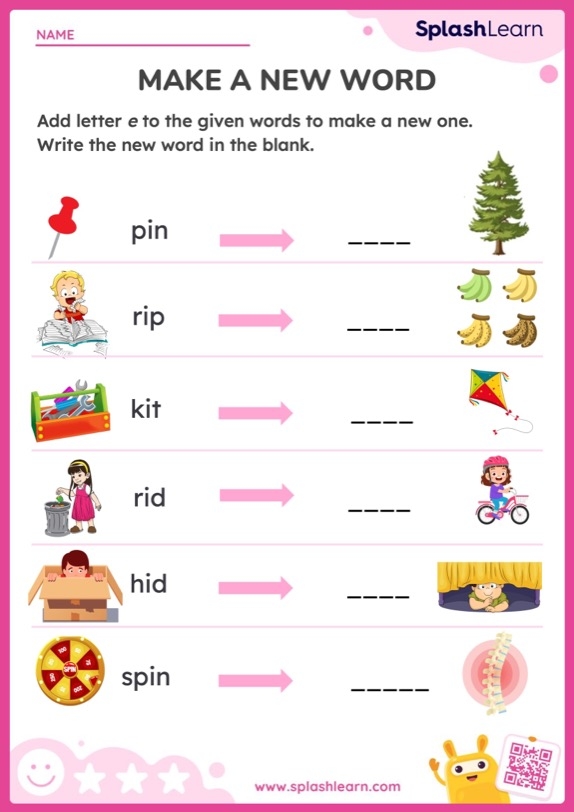
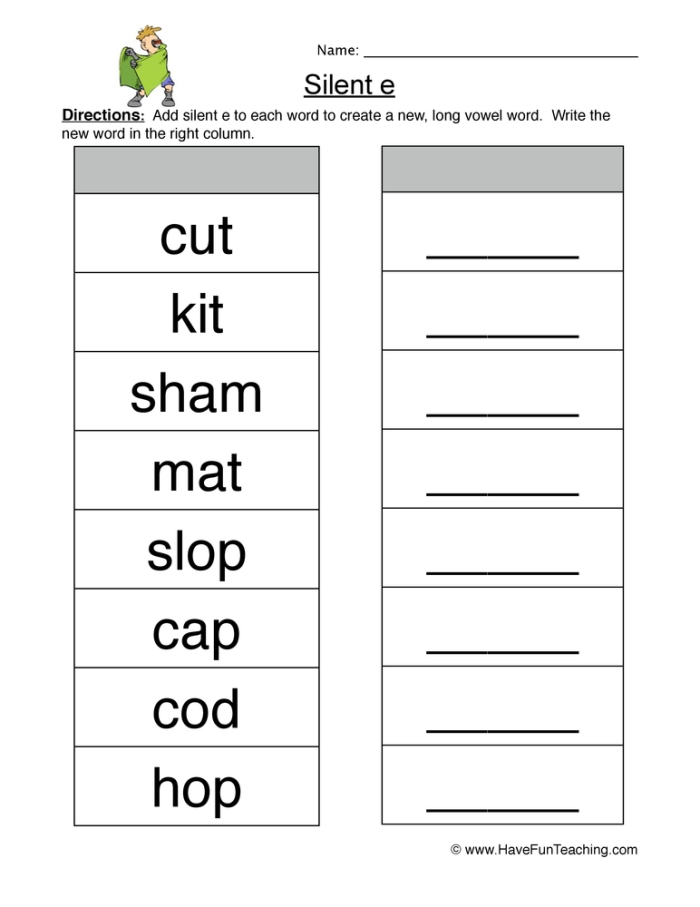
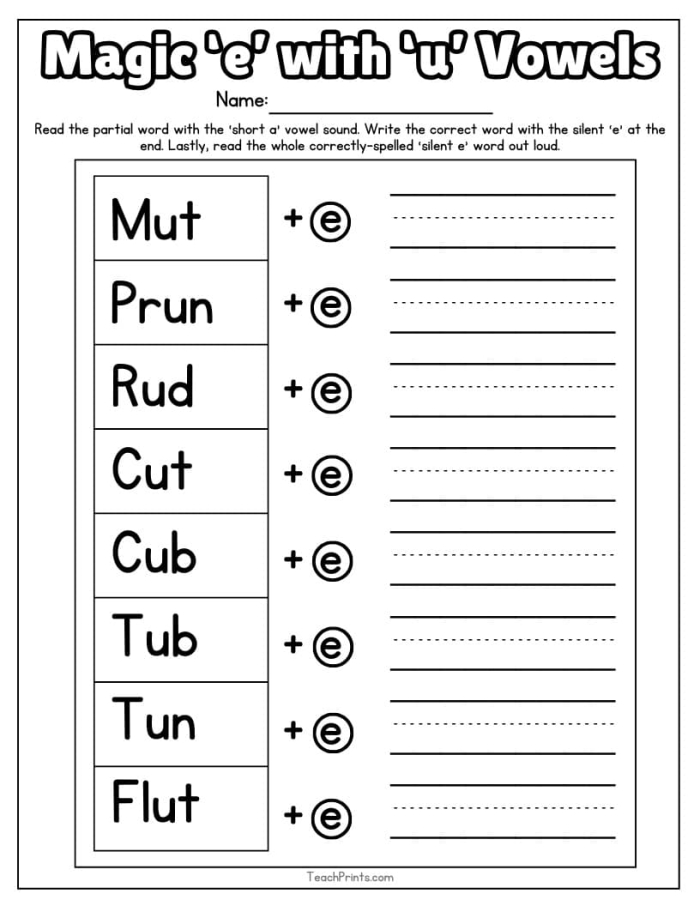
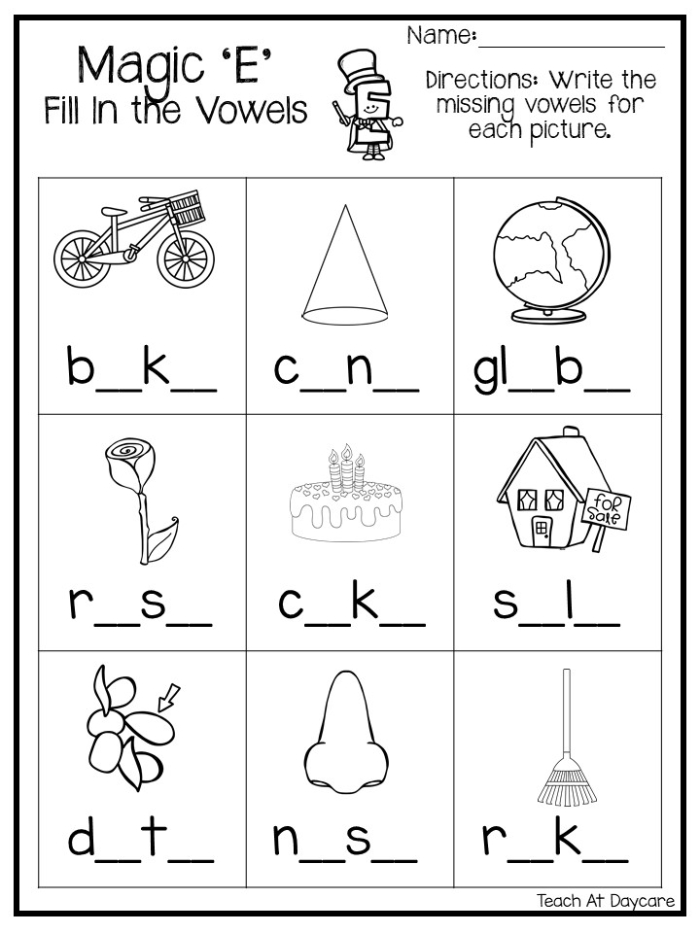
Printable silent “e” worksheets work because they let children practice this pattern repeatedly with visual reinforcement. Kids see the transformation happen right in front of them as they work through exercises. They might convert “mat” to “mate” or “bit” to “bite”, watching how the silent “e” acts like a magic wand for vowel sounds. This hands-on approach sticks better than explanation alone.
Beyond phonics, these worksheets support broader literacy skills. As children work through silent “e” activities, they’re also building spelling awareness and beginning to recognize word families. Teachers often pair these exercises with other kindergarten fundamentals like subtraction practice on the farm or activities involving sight words to create balanced learning experiences.
The silent “e” rule isn’t complicated, but it does require practice to become automatic. Worksheets provide that repetition in a structured way, helping young learners move from sounding out words slowly to reading them naturally.
Start Practicing with These Worksheets