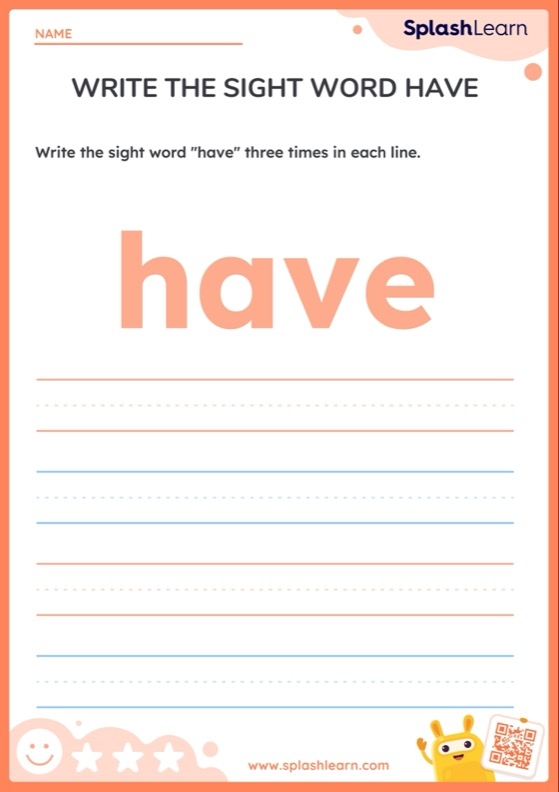
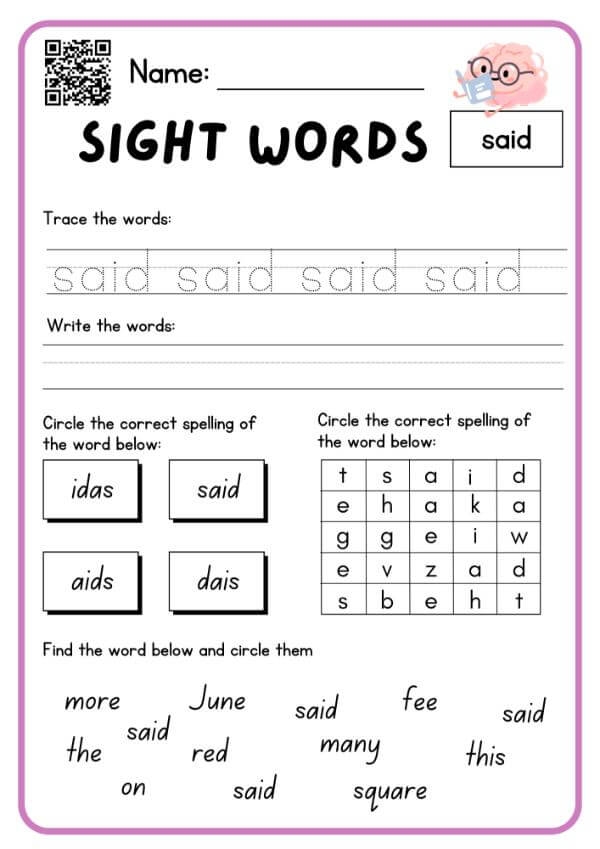
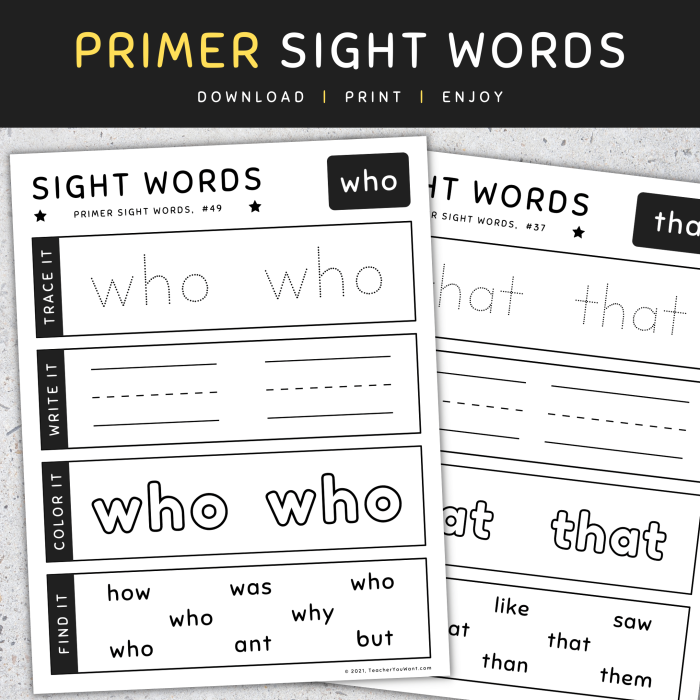
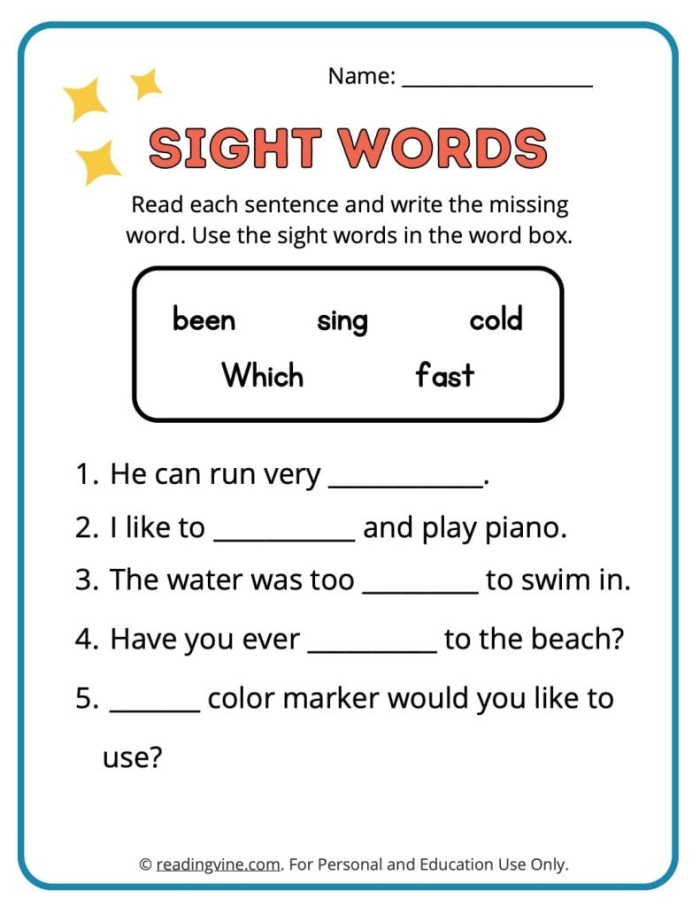
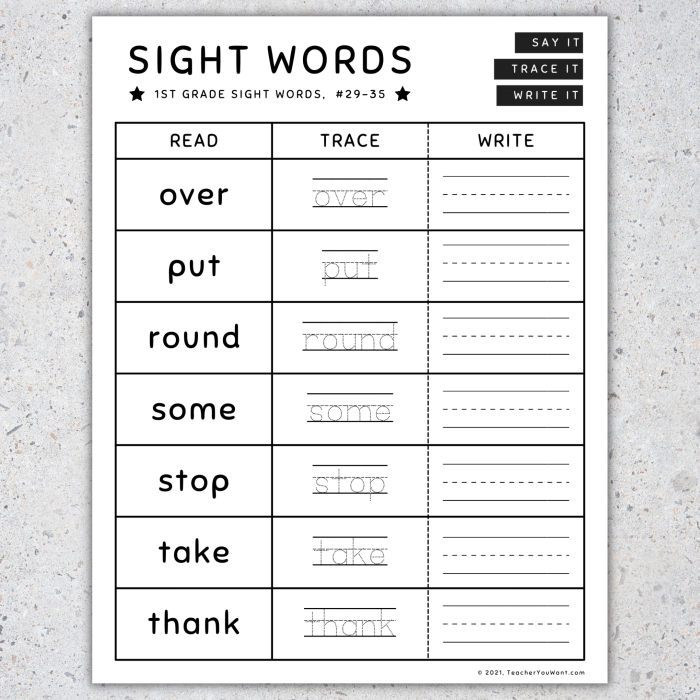
Learning to write sight words is one of the most important skills your child develops in kindergarten, and “have” is one of those words that appears constantly in early reading. This worksheet takes a hands-on approach to building that skill by combining tracing practice with sentence writing, which helps cement the word into your child’s memory through multiple learning pathways.
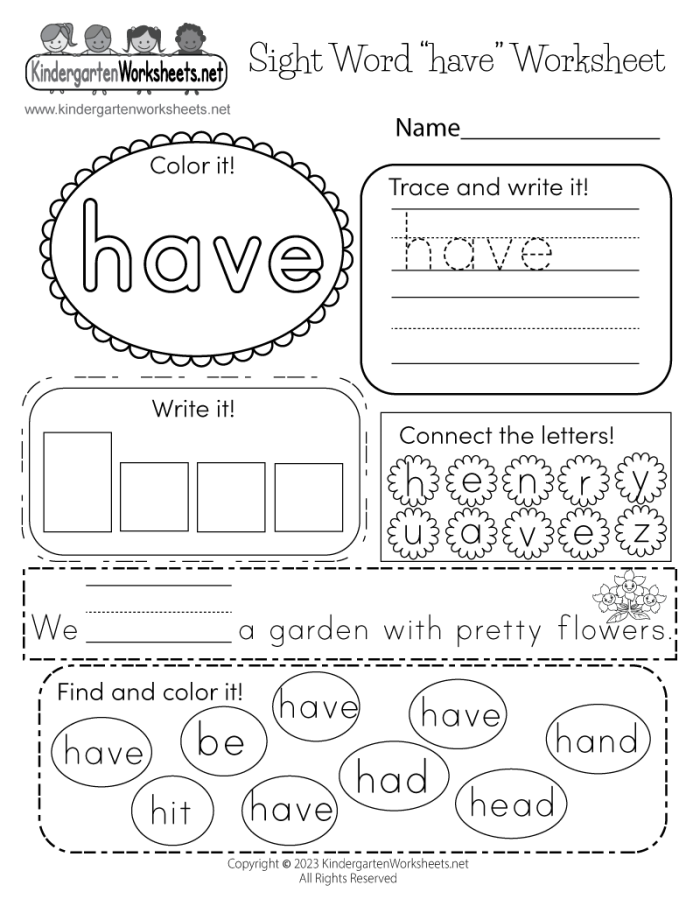
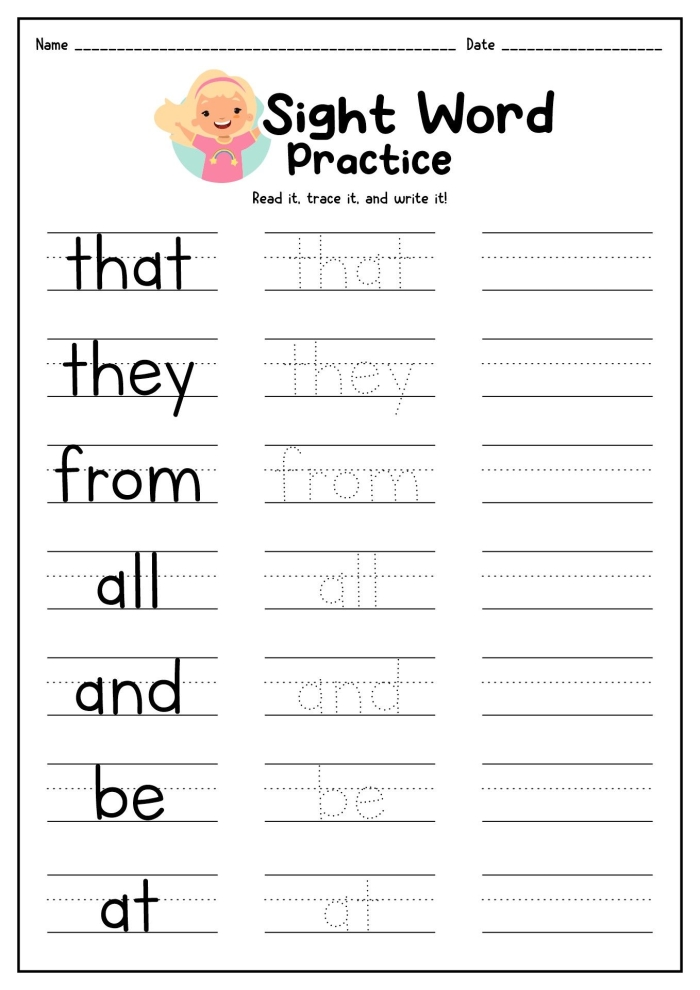
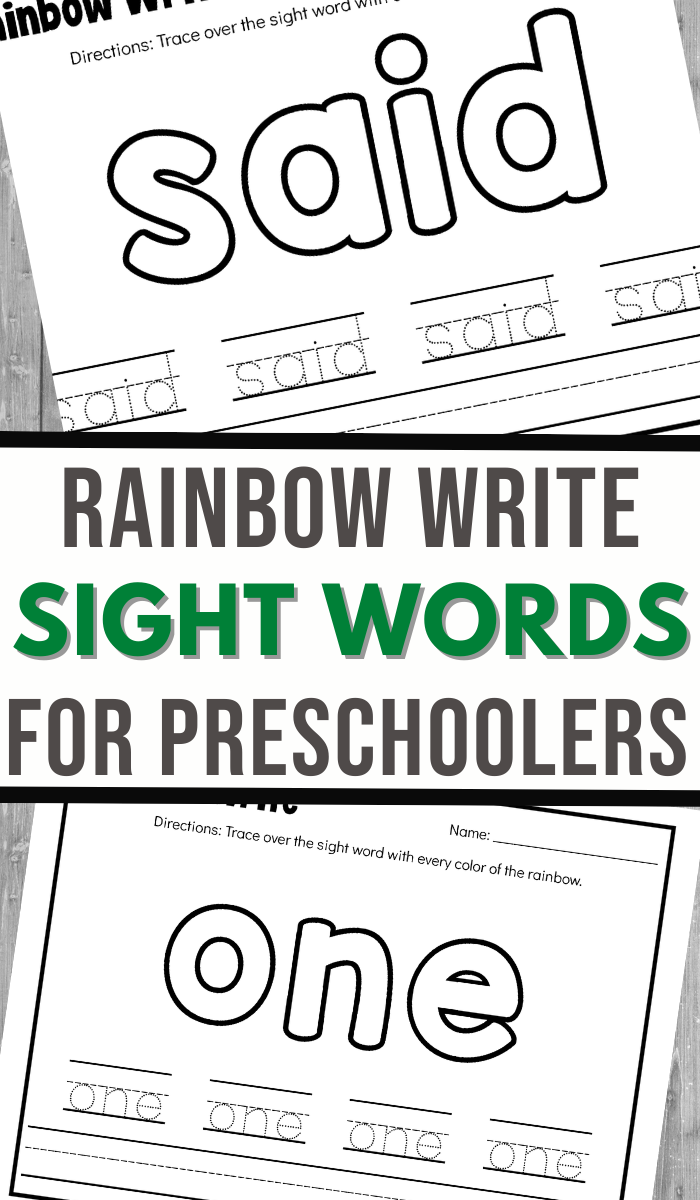
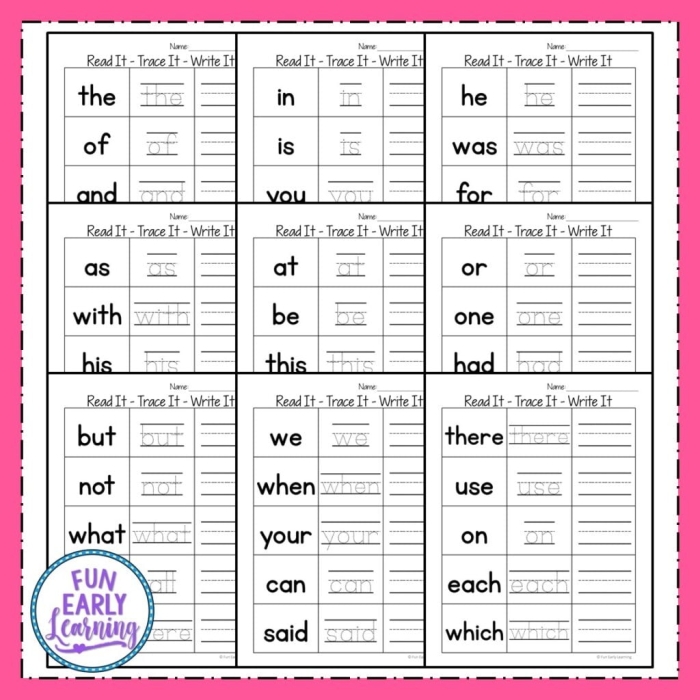
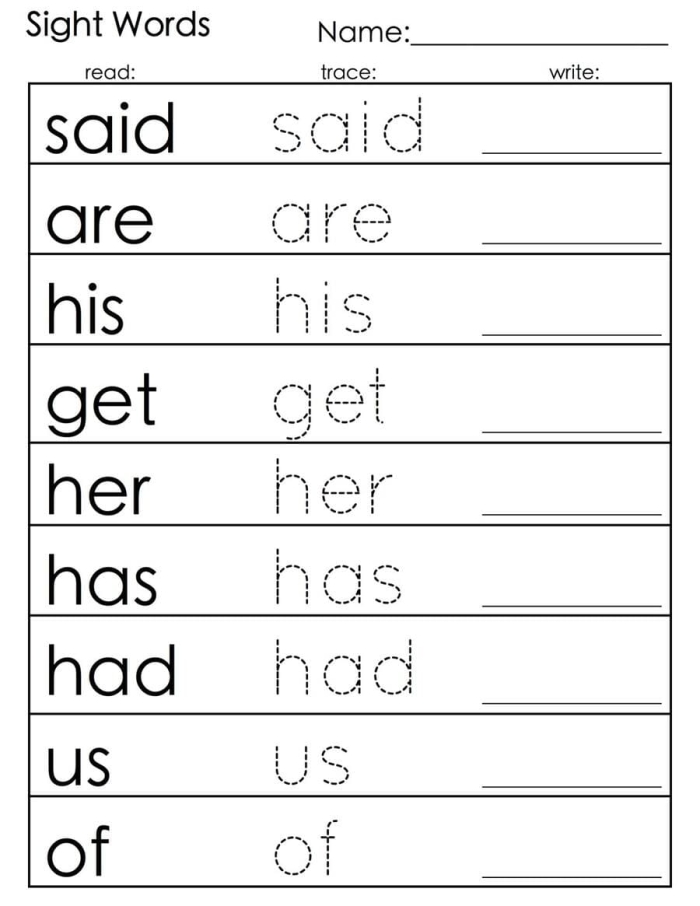
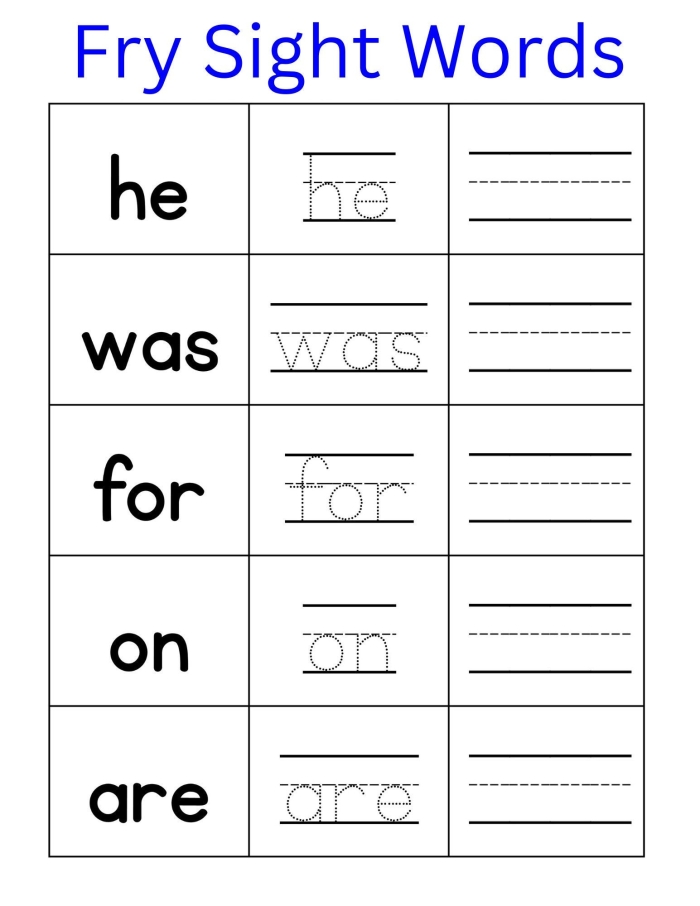
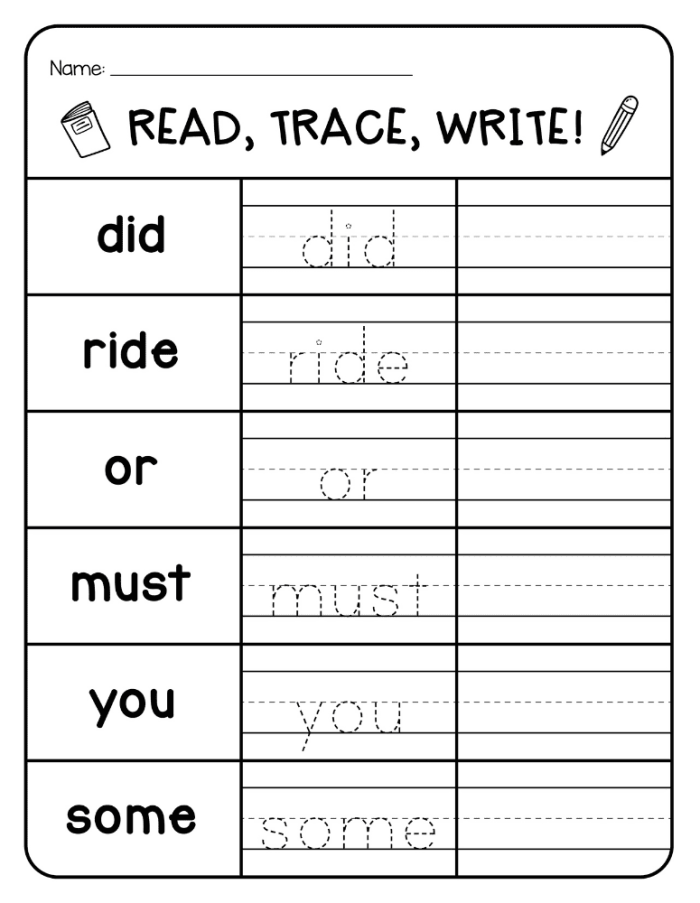
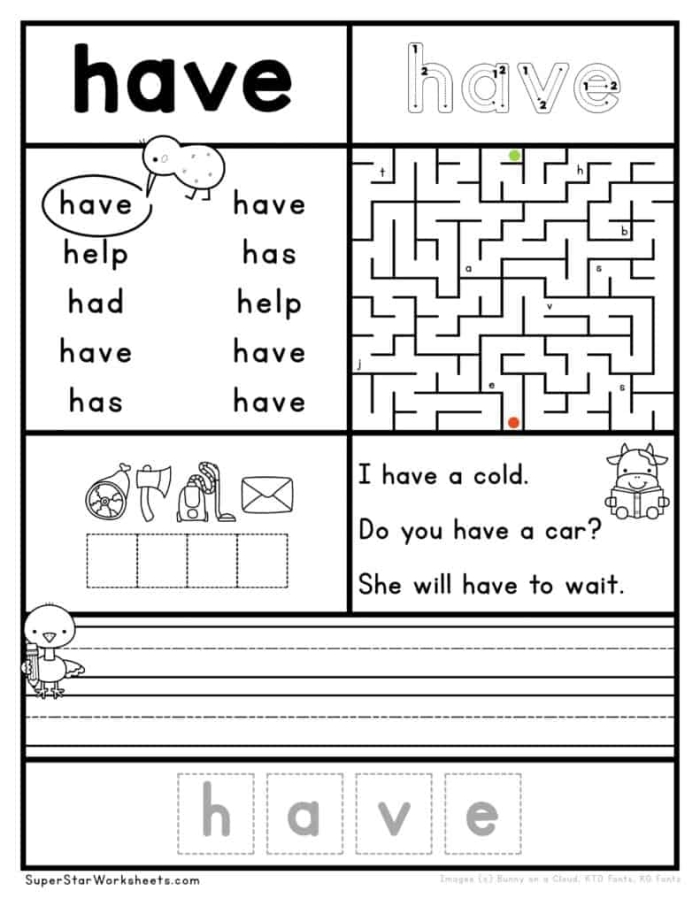
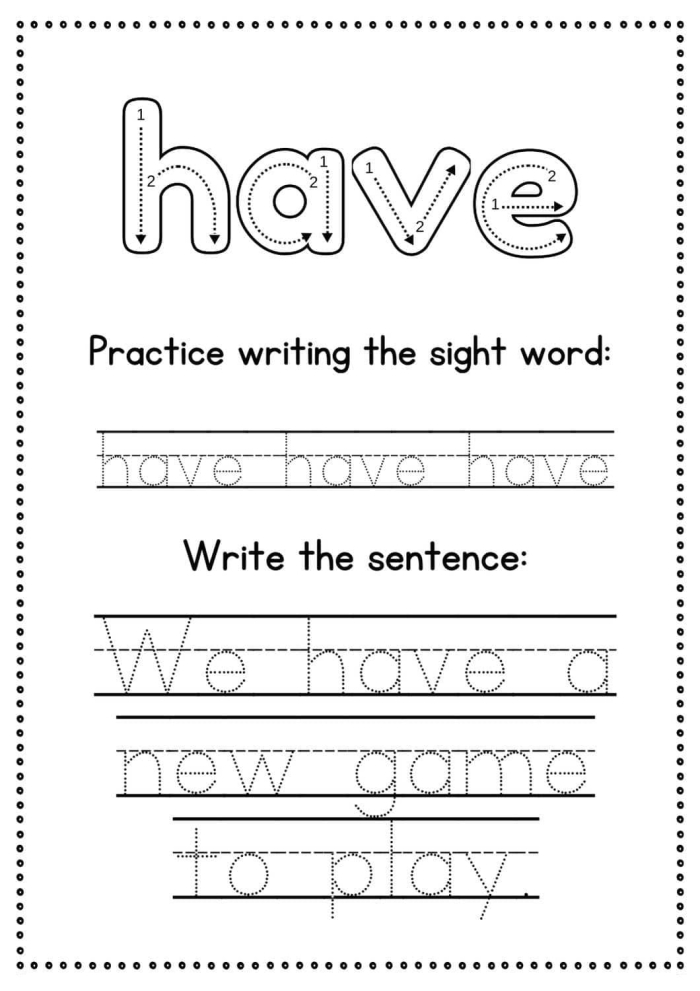
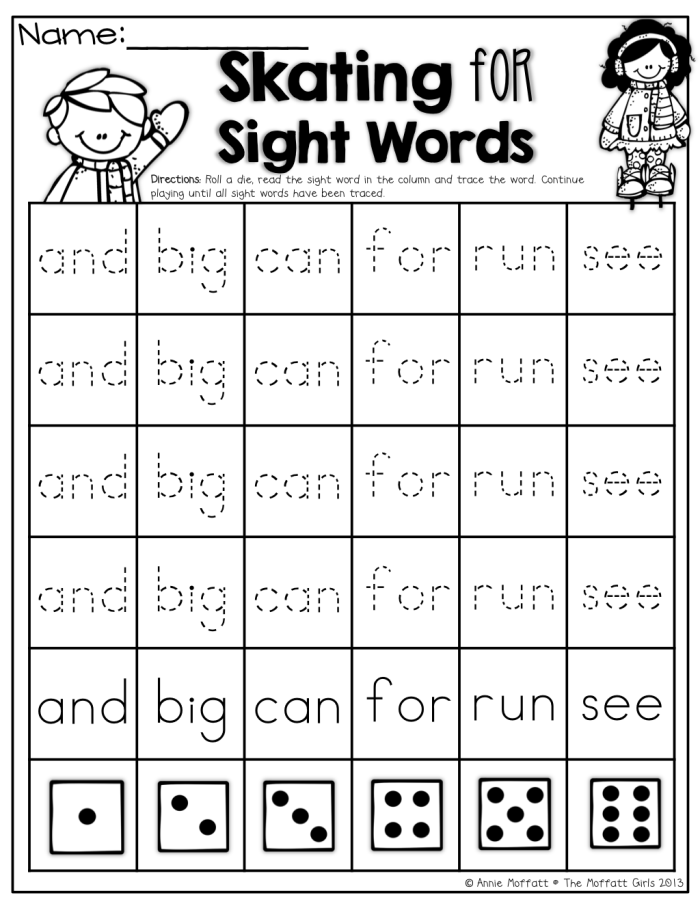
The worksheet works in stages. First, your child traces each individual letter in the word “have” using dotted lines as a guide. This tracing motion helps develop the fine motor control needed for writing, while the repetition reinforces letter formation and sequencing. Young learners benefit from this tactile practice because it engages muscle memory alongside visual recognition.
After tracing, the worksheet moves to the next level where your child writes the word independently. This transition from guided practice to independent writing is crucial for building confidence. Many kindergarten teachers emphasize this progression because it prevents frustration while still challenging children to apply what they’ve learned.
The final component asks your child to use “have” in a simple sentence. This contextual application is where the real learning solidifies. Rather than treating the word as an isolated unit, your child sees how “have” functions in actual communication. You might write sentences like “I have a cat” or “We have fun,” which makes the word meaningful rather than abstract.
This approach aligns well with broader literacy development. If your child is working on phonological awareness skills, this worksheet complements that foundation by showing how sounds combine into recognizable words. You can pair this practice with other sight word activities to build a comprehensive vocabulary foundation for your kindergartener.
Hands-On Worksheet Activities