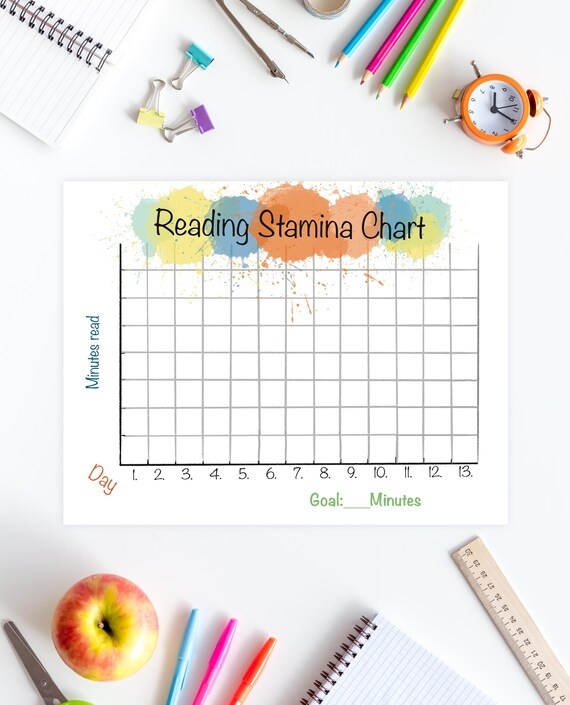
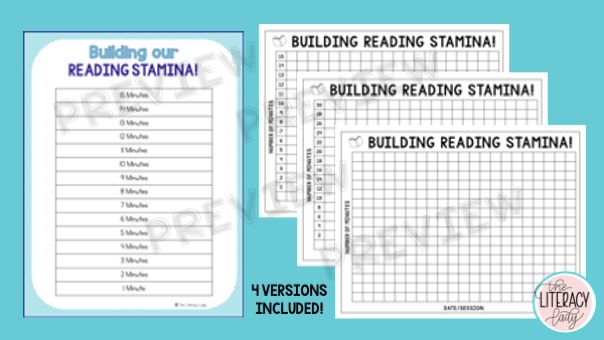
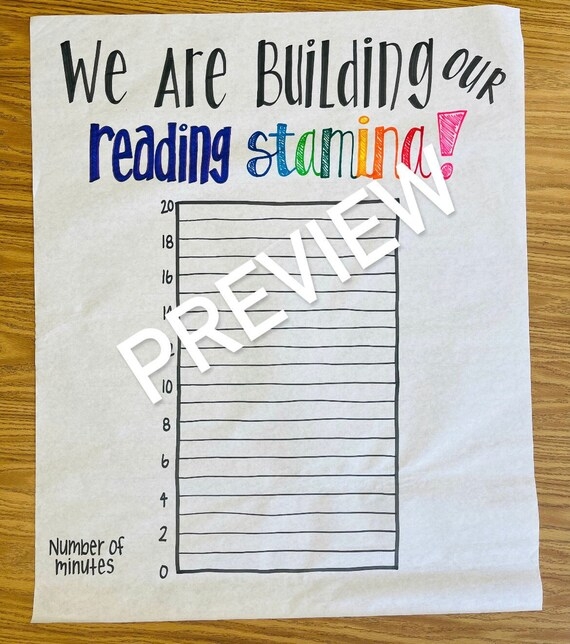
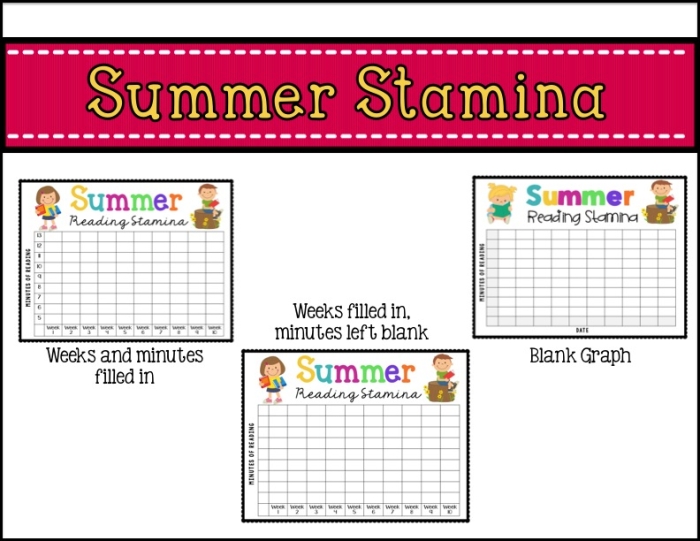
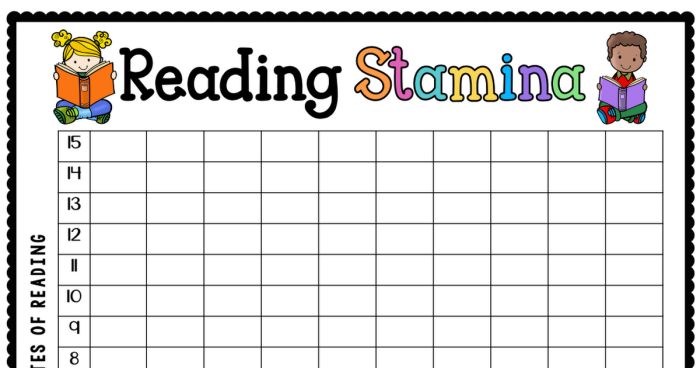
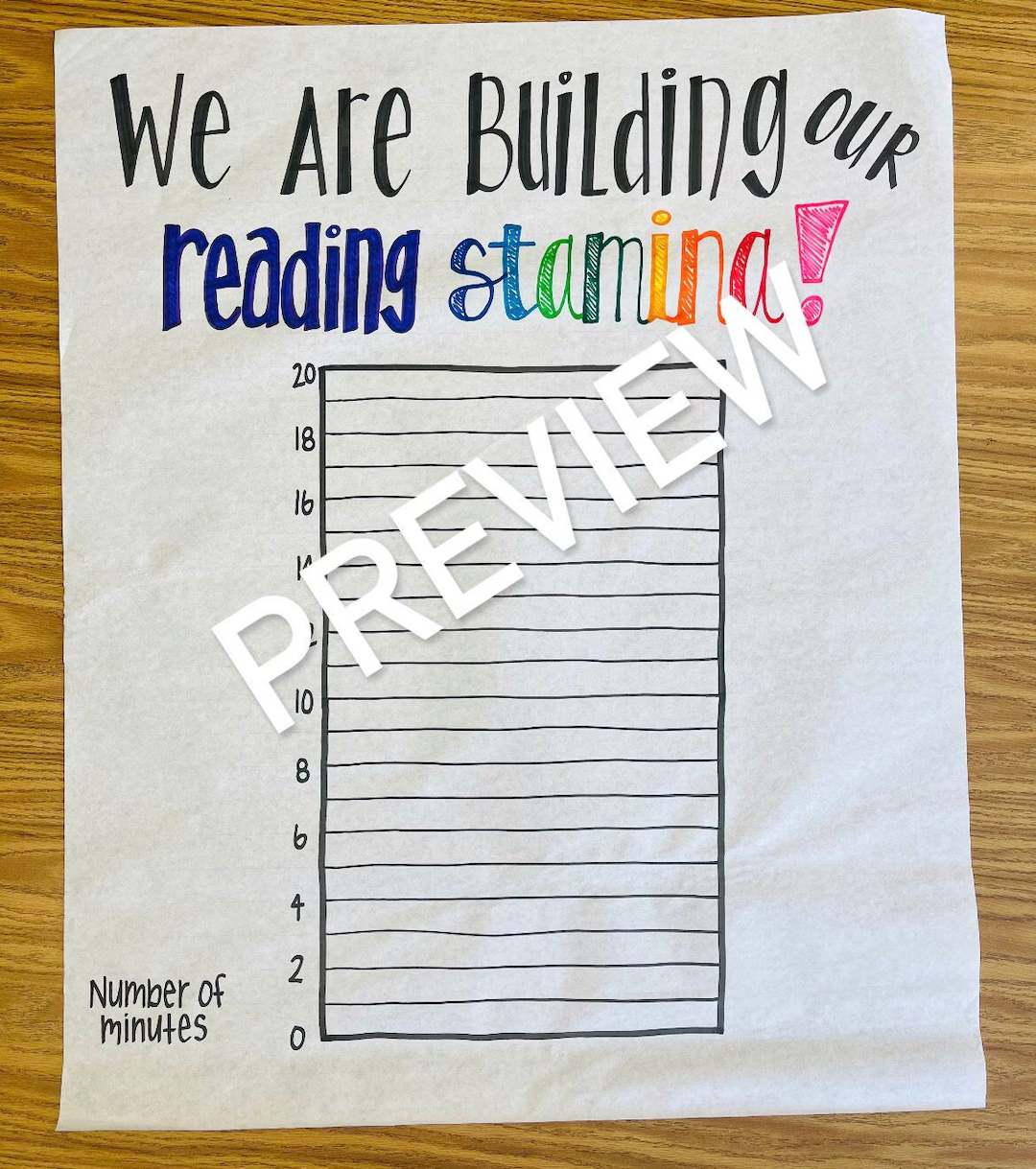
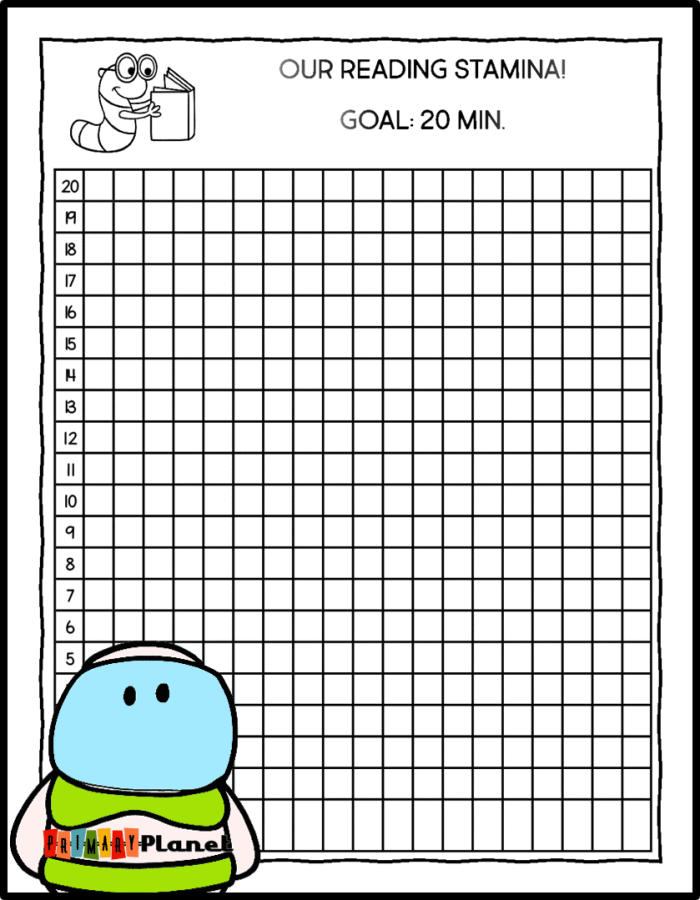
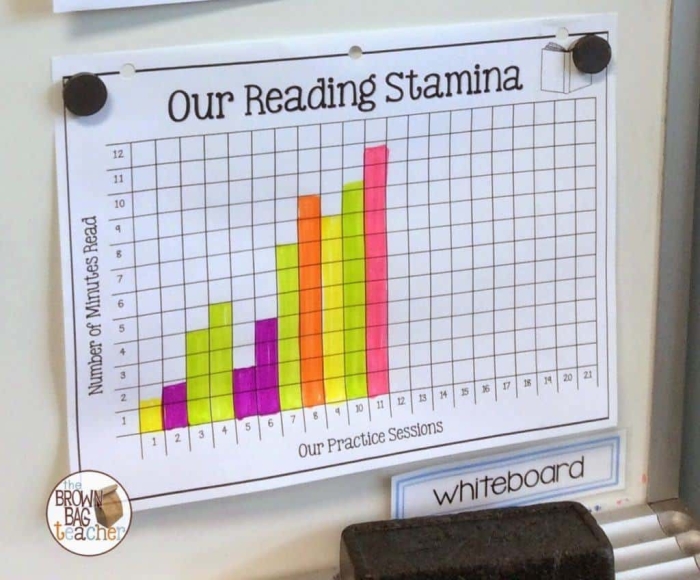
Building reading stamina takes time, but a reading stamina chart gives second grade students a concrete way to see their progress. Rather than simply asking children to read longer, this tool lets them track exactly how many minutes they spend with books each day, turning an abstract goal into something measurable and achievable.
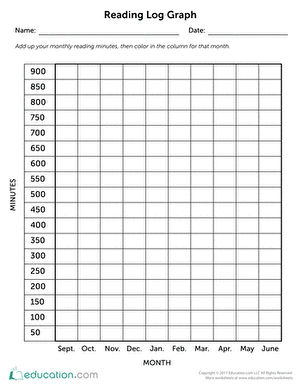
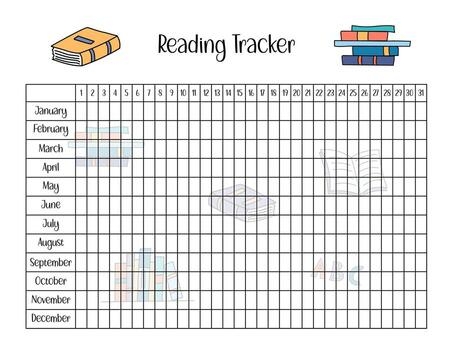
The chart works by having students record their reading time after each independent reading session. A typical format includes columns for the date, number of minutes read, and sometimes a space for the book title or a brief note. As days pass, students see their personal record grow. A child who managed five minutes in September might comfortably read for fifteen minutes by December. That visual progression motivates them to keep pushing slightly further.
Second grade is an ideal time to introduce this practice because students are developing fluency and beginning to choose books they genuinely enjoy. When children feel ownership over their reading goals rather than having time limits imposed on them, they’re more likely to embrace independent reading as something rewarding rather than a chore.
Teachers often pair reading stamina charts with other literacy tools to create a well-rounded reading program. For instance, combining a stamina chart with activities like making inferences with pictures or character comparison work helps students develop comprehension skills while they’re building endurance. Some teachers also incorporate compound word activities to strengthen vocabulary alongside reading time.
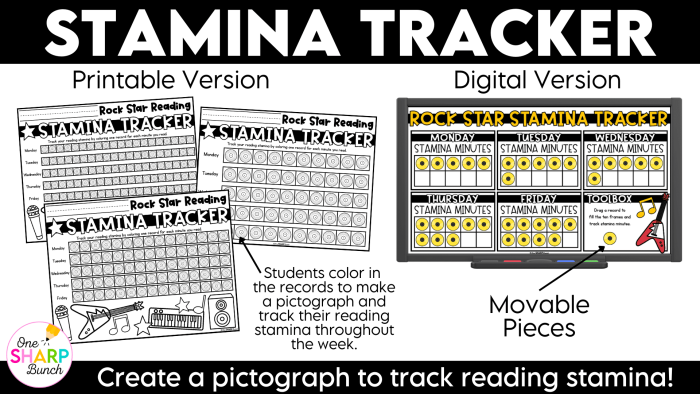
The beauty of a reading stamina chart lies in its simplicity. It requires no complicated scoring system or technology. A printed worksheet is enough. Students can color in sections, add stickers, or draw bars to represent their minutes. This tactile element keeps younger readers engaged with the tracking process itself, making the chart feel like a game rather than an assessment tool.
Start Practicing with These Worksheets