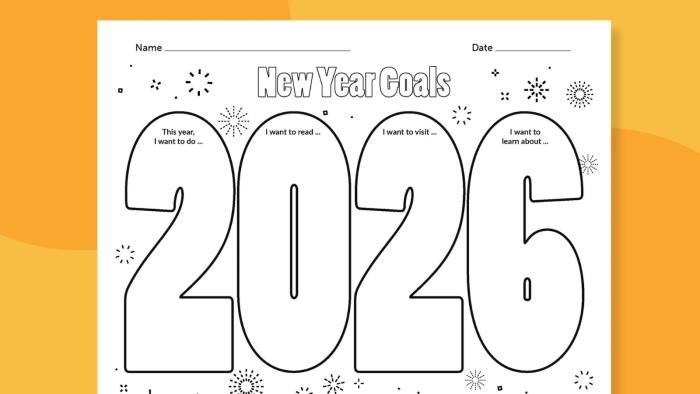
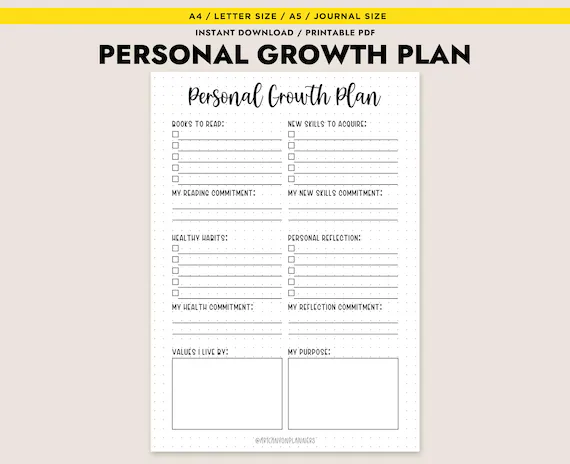
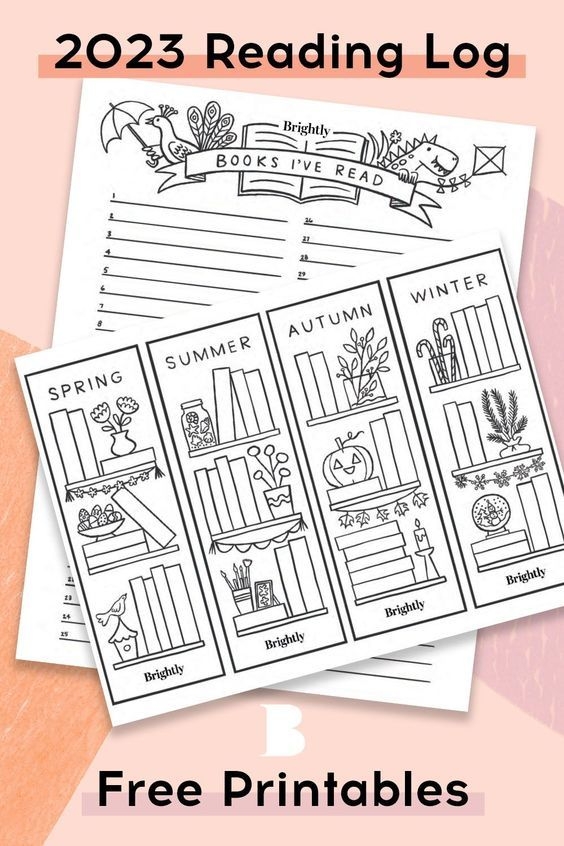
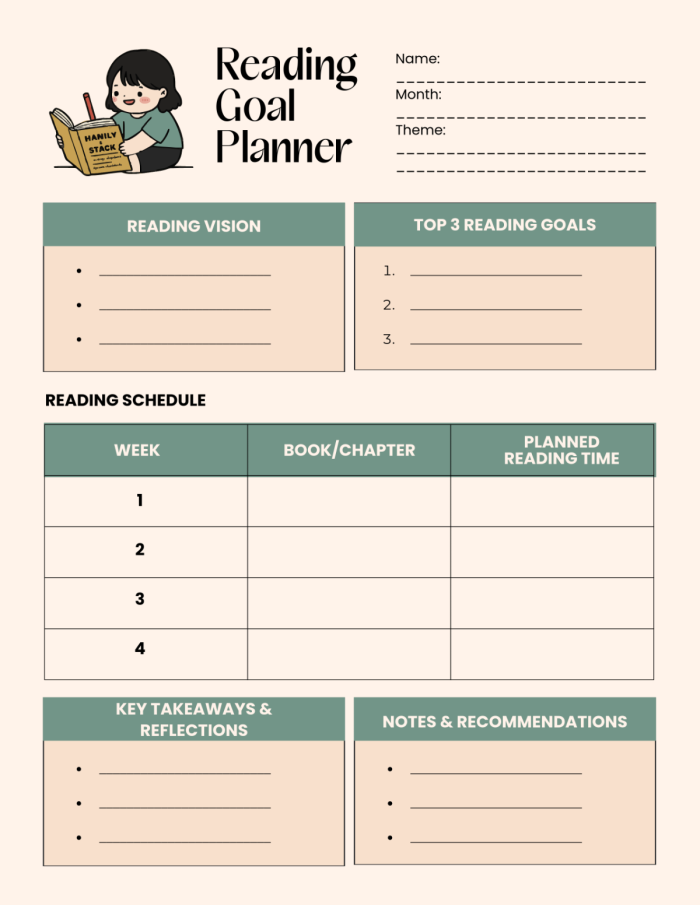
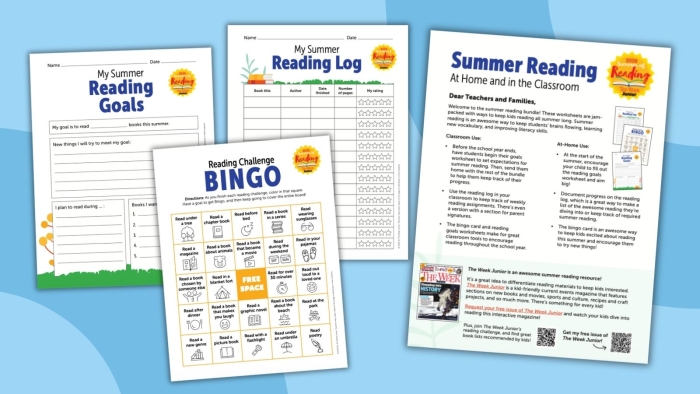
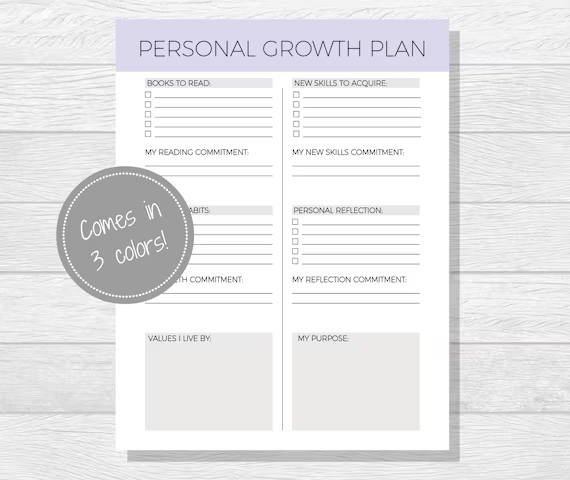
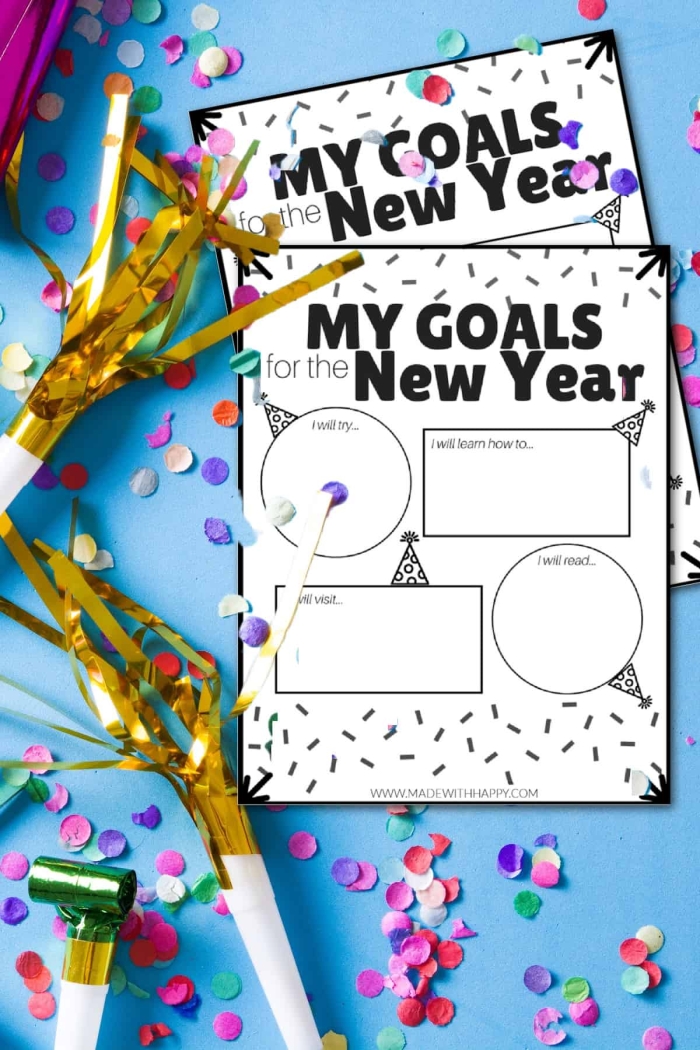
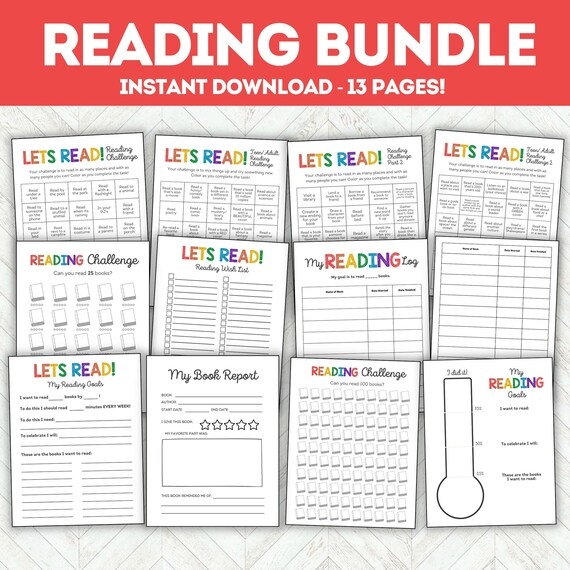
When children pause to think about what they’re reading and where they want to improve, something shifts. They start seeing themselves as readers instead of just going through the motions of sounding out words. A reading goals worksheet gives first grade students the space to do exactly that, turning vague ideas about reading into concrete targets they can actually work toward.
The power of this approach lies in reflection. Young readers often don’t realize how much they’ve grown or what specific skills matter most to them. When you ask a first grader what they want to get better at, they might say “reading,” but through guided questions on a worksheet, they can narrow it down: sounding out tricky words, reading faster, understanding what happens in a story, or picking out their favorite characters. This specificity matters because it gives them something real to focus on.
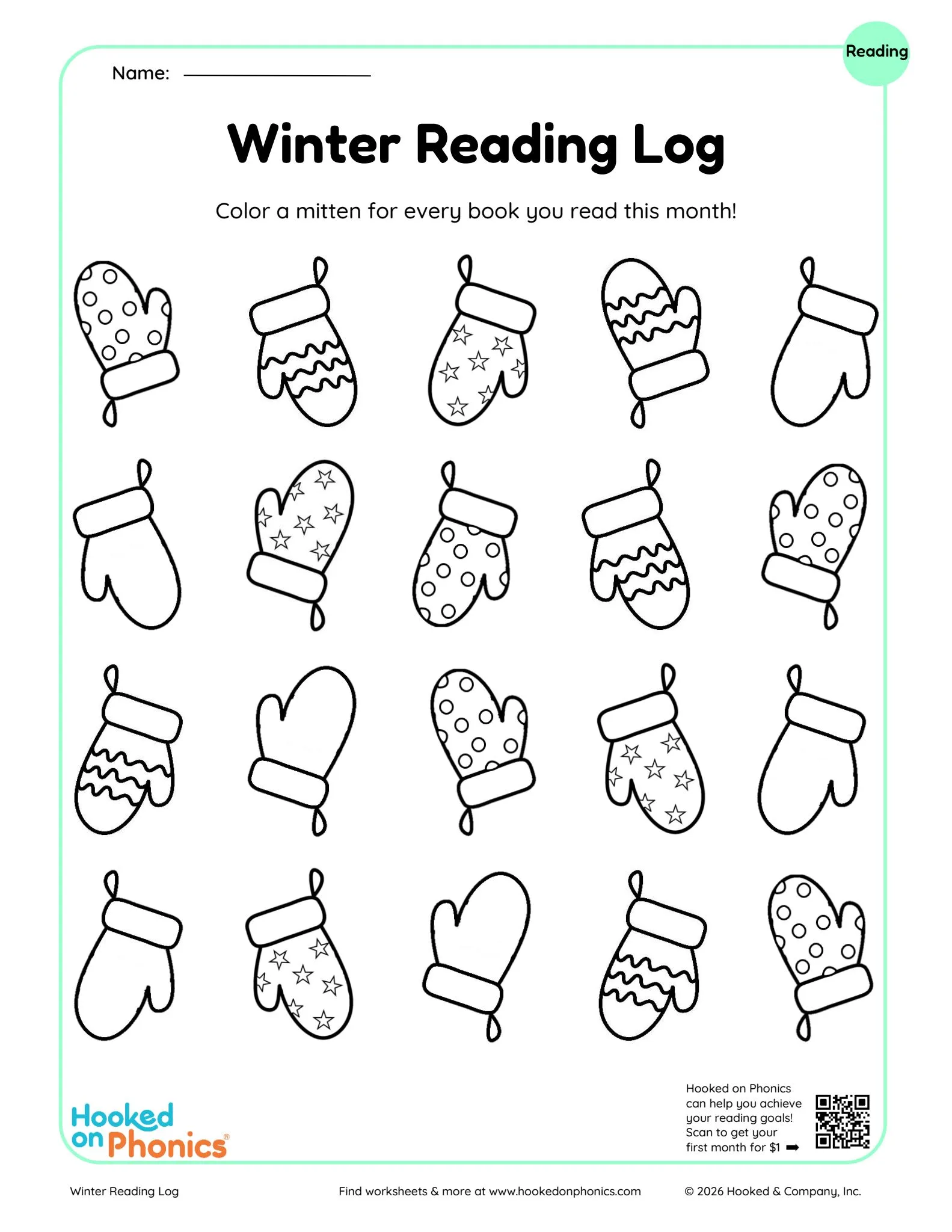
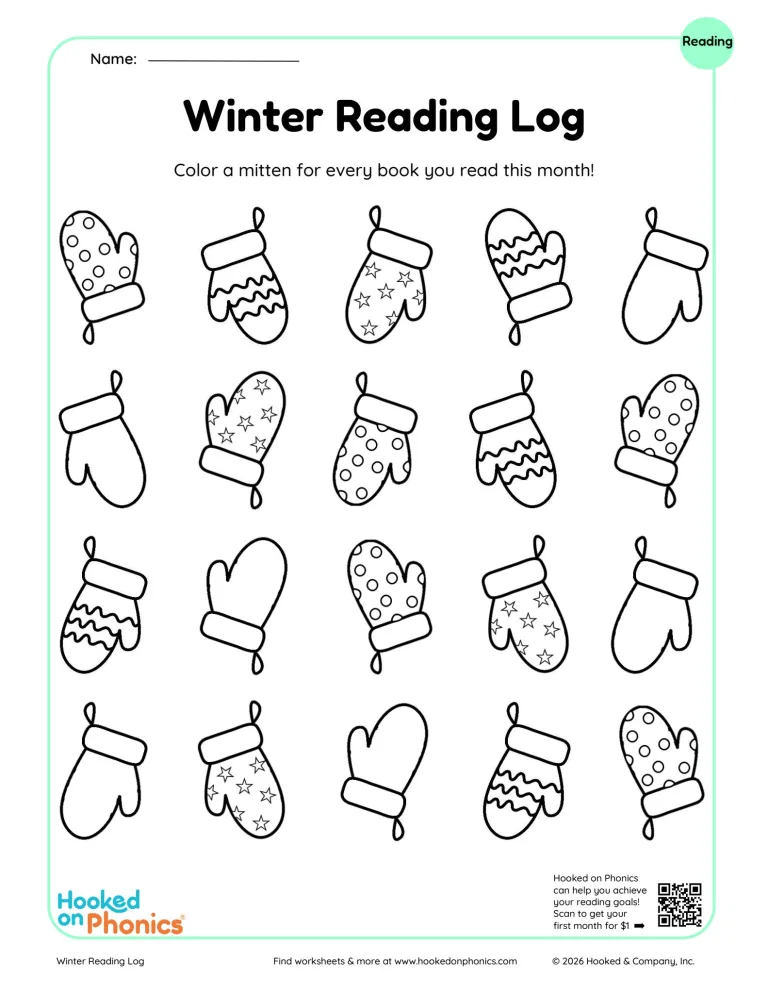
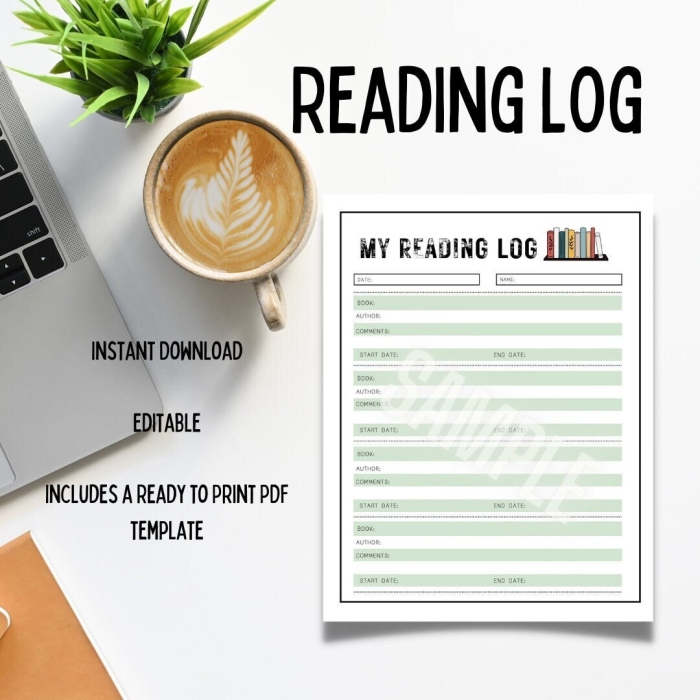
Goal setting at this age also builds confidence. First graders who track their own progress see tangible proof that effort leads to improvement. Maybe they wanted to read five books in a month, and by the end of that period, they’ve done it. That win stays with them. They begin to understand that reading is a skill they can develop through practice, not something they either can or can’t do.
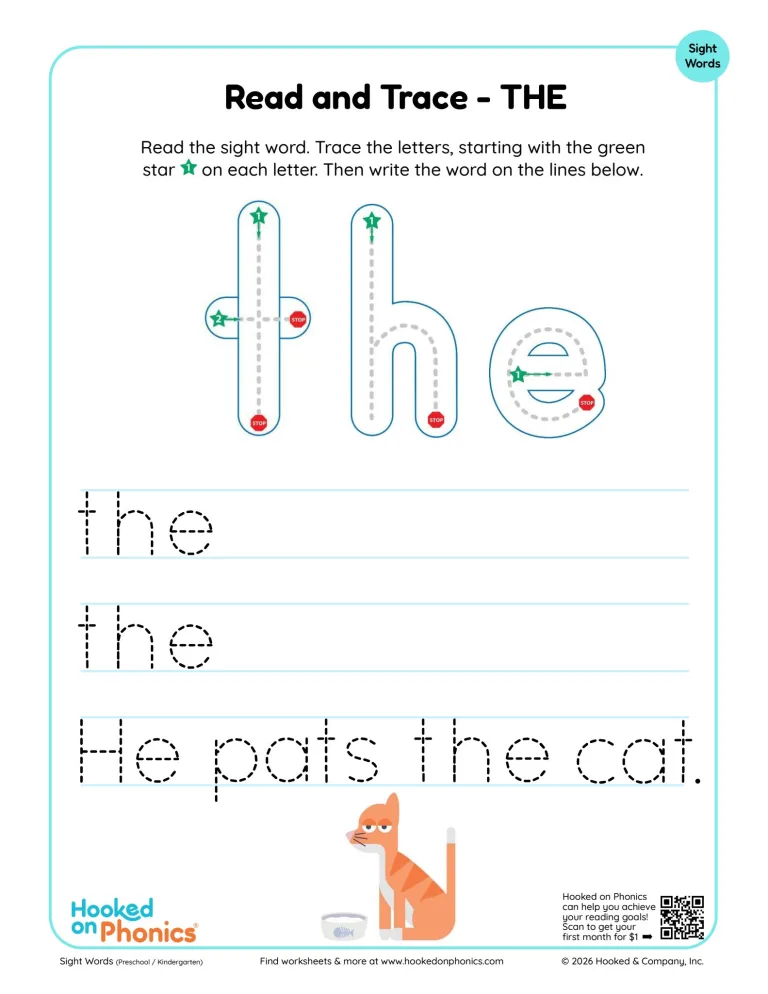
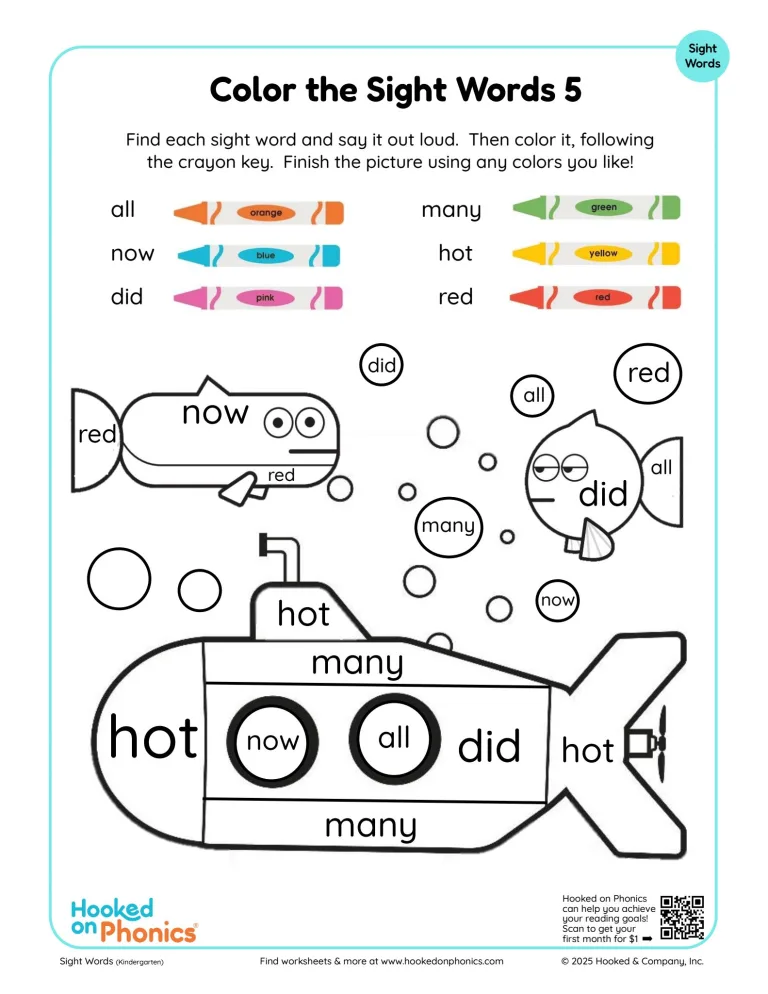
Pairing a reading goals worksheet with other learning activities strengthens the effect. When students work on foundational skills like practicing vowel sounds or reading calendars and dates, they’re building the tools they need to reach those goals. Even simple activities like reading weather graphs help develop comprehension and data literacy alongside traditional reading practice.
The habit of reflection and goal-setting creates readers who think about their own learning. That self-awareness carries them forward long after first grade ends.
Practice with These Worksheets