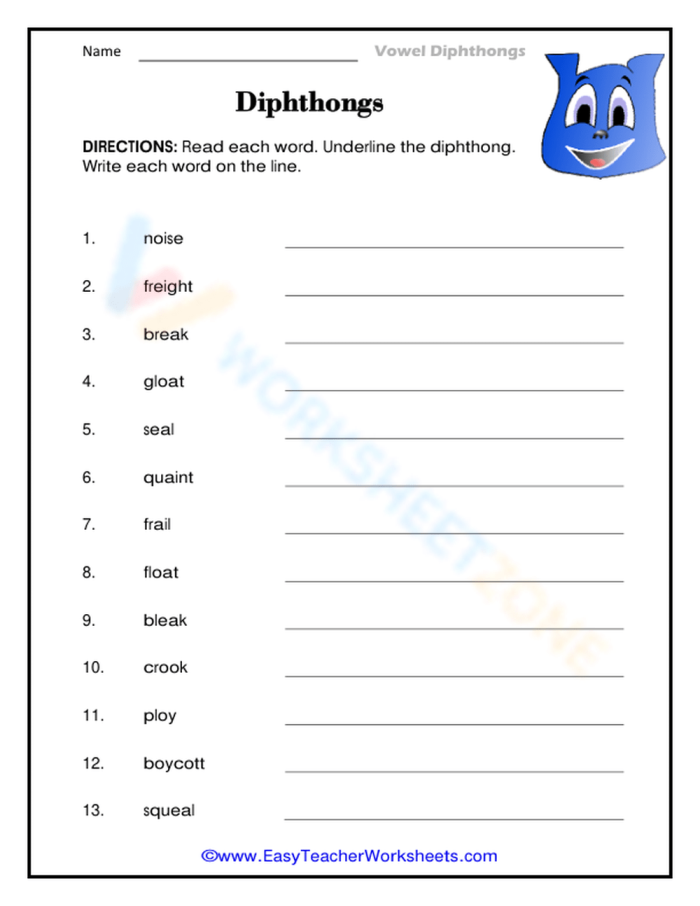
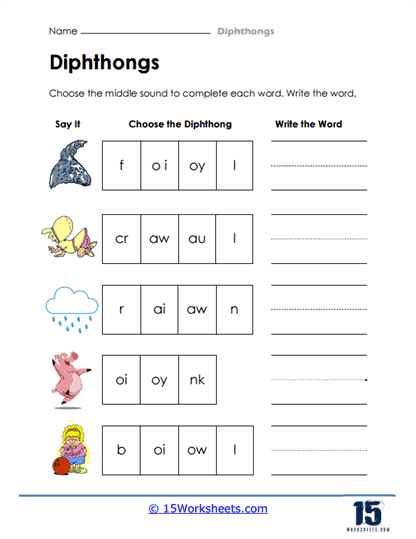
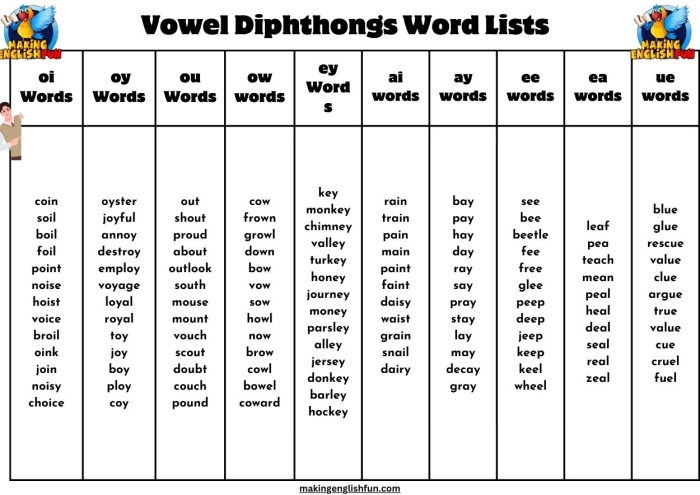
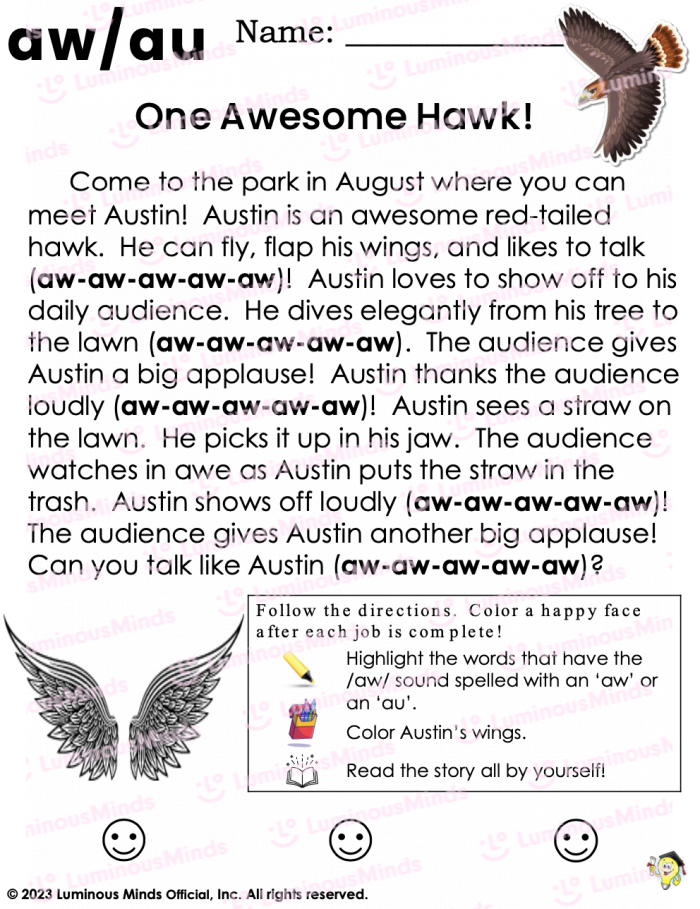
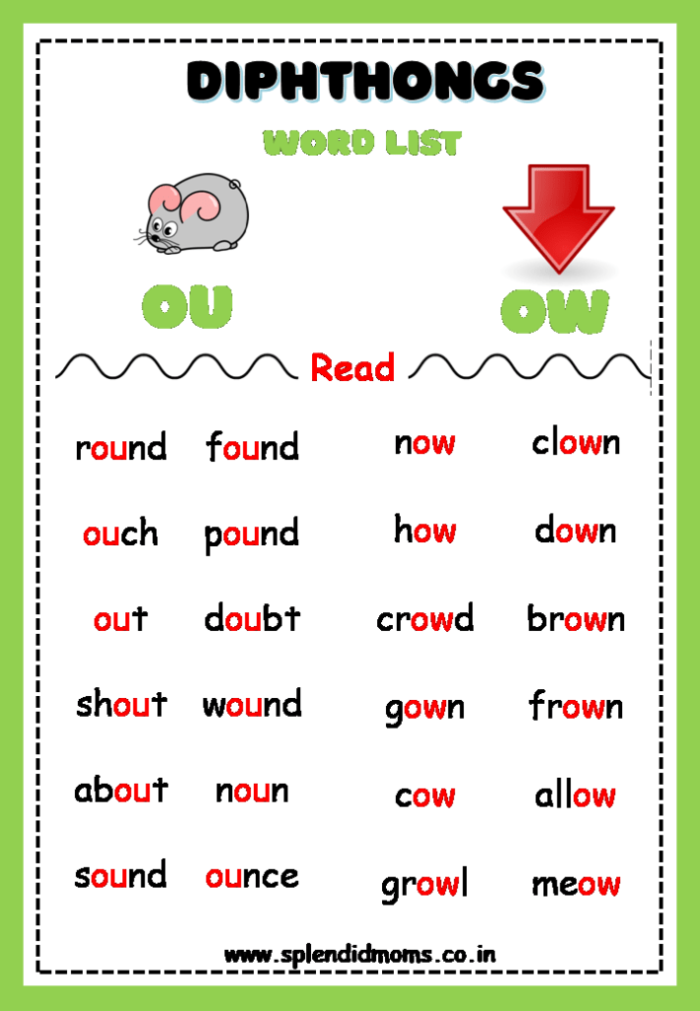
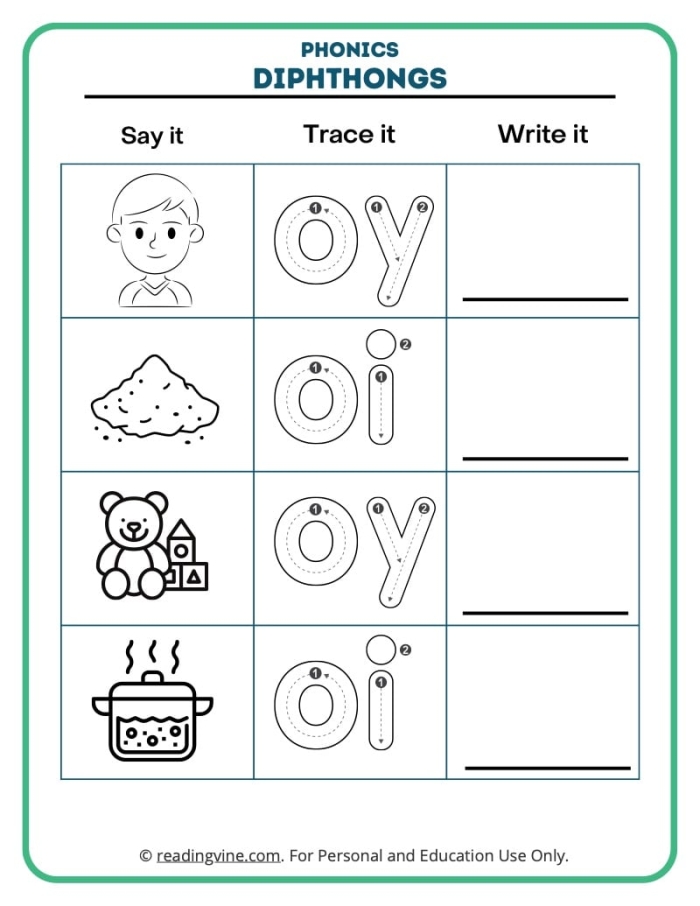
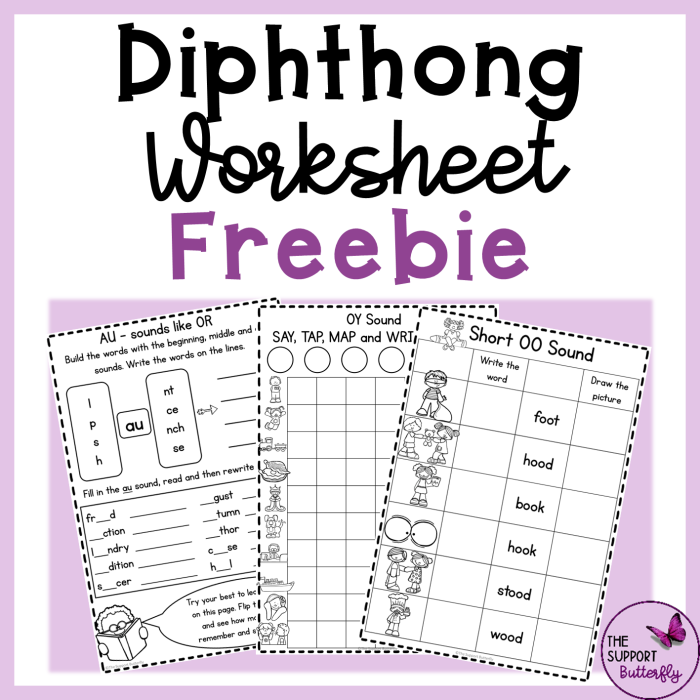
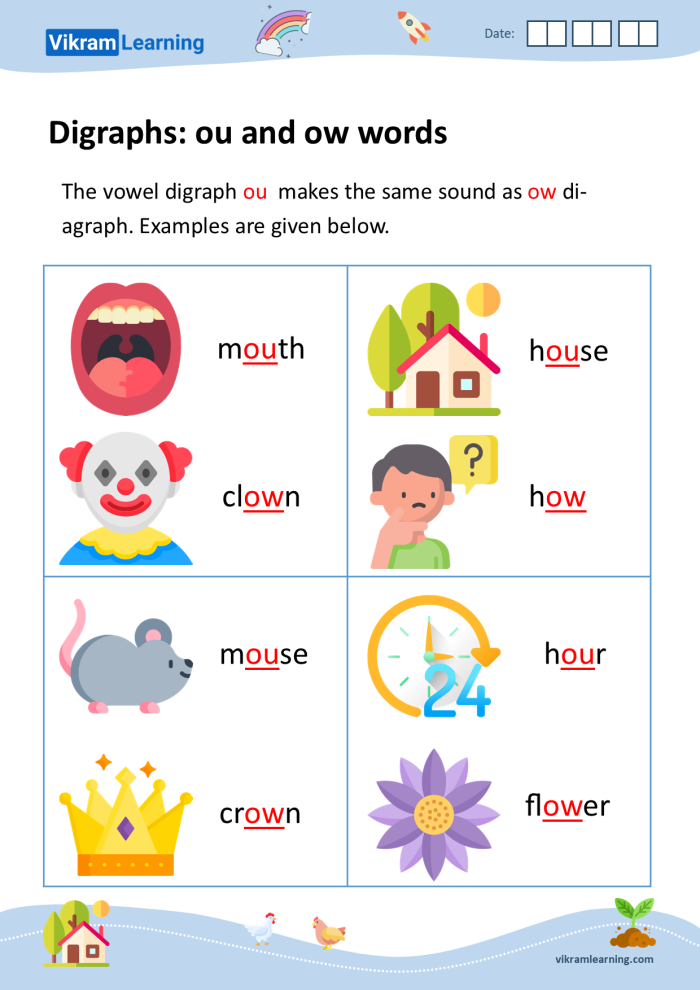
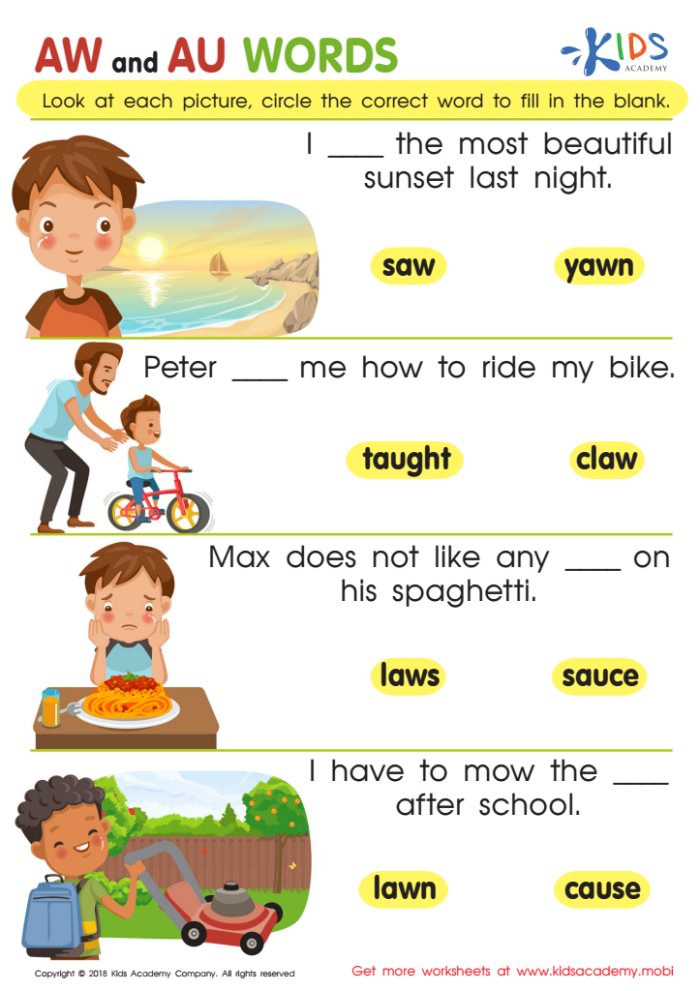
When First Grade students encounter words like “saw,” “dawn,” and “paw,” they’re meeting one of English’s trickier sound patterns: the AW diphthong. This particular vowel combination appears frequently in everyday reading, yet many young learners struggle to recognize it consistently. A focused worksheet on practicing reading vowel diphthongs with AW directly addresses this gap by giving students repeated exposure to the pattern in context.
The value of this type of practice lies in how it bridges the gap between isolated phonics instruction and real reading. First Grade Reading instruction typically introduces letter-sound relationships one at a time, but diphthongs require students to understand that two letters can work together to make a single sound. When students work through examples like “hawk,” “crawl,” and “lawn,” they begin to internalize the pattern rather than treating each word as a separate puzzle to solve.
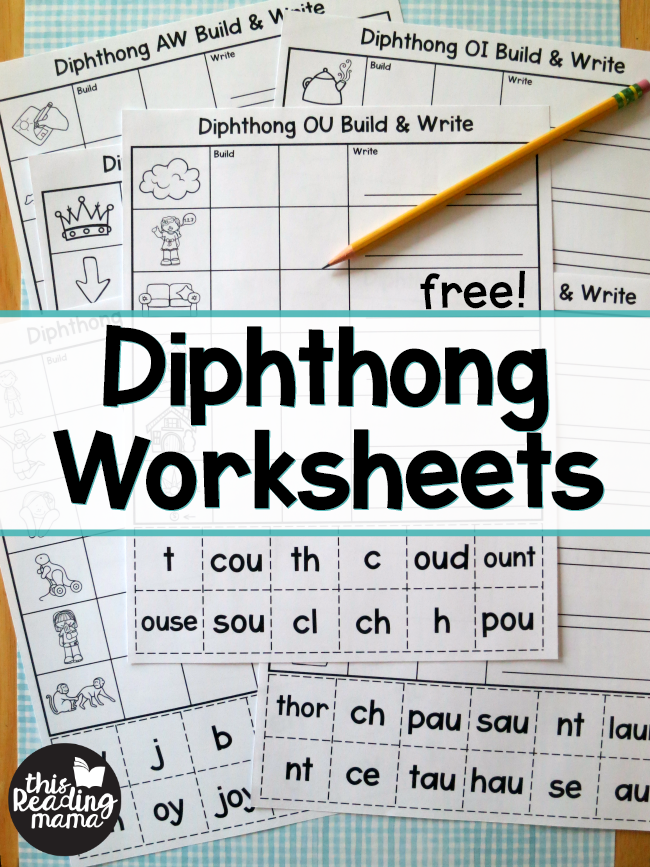
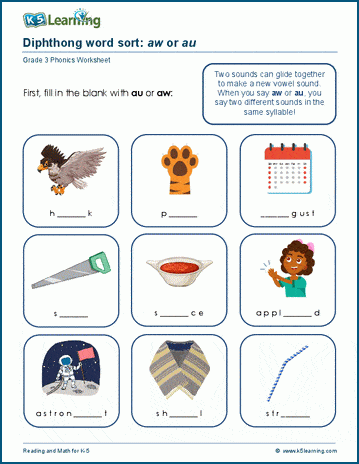
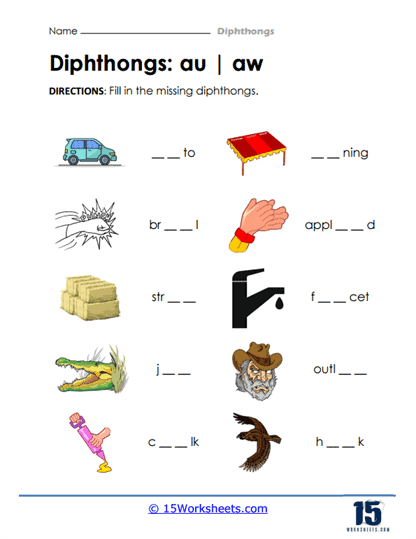
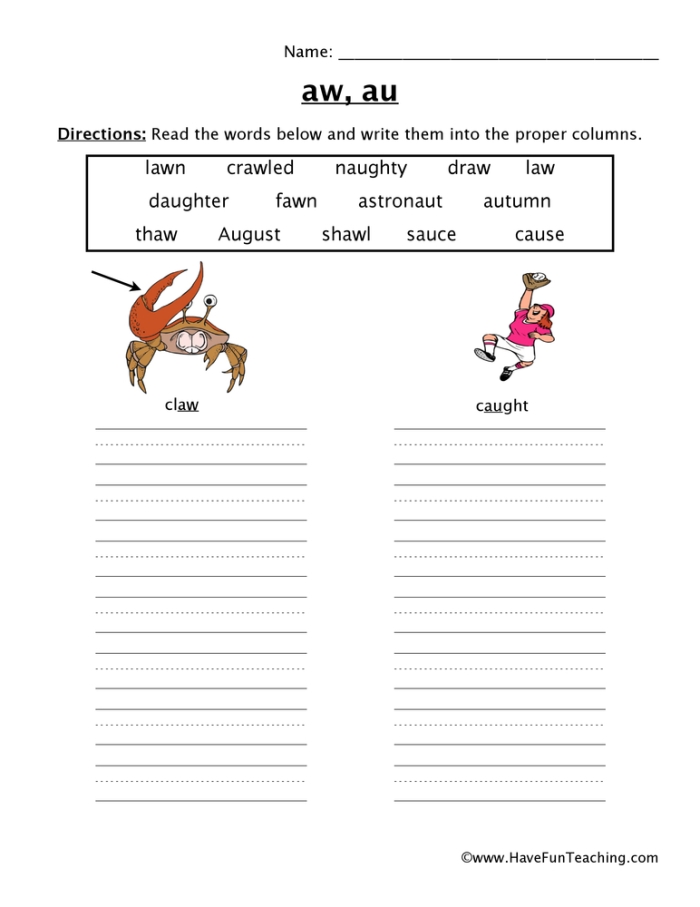
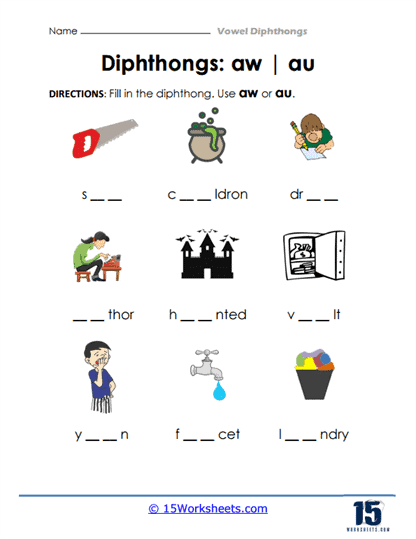
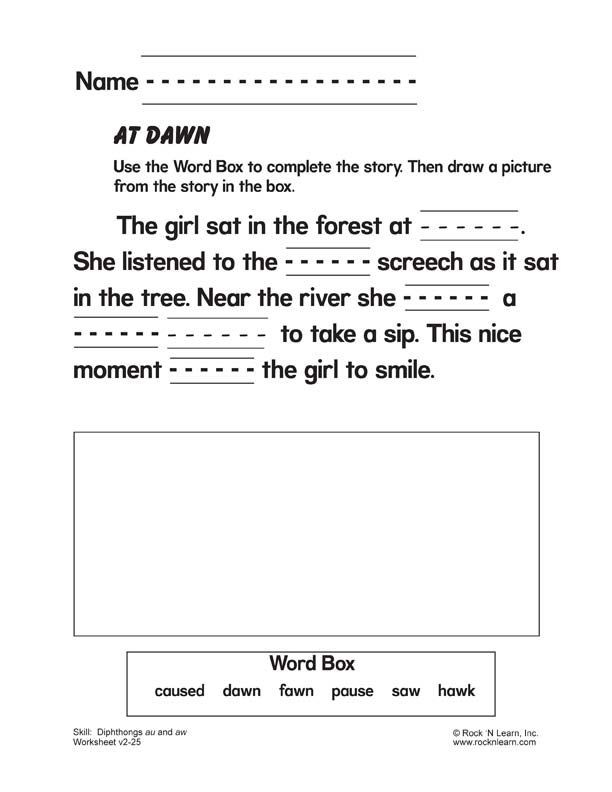
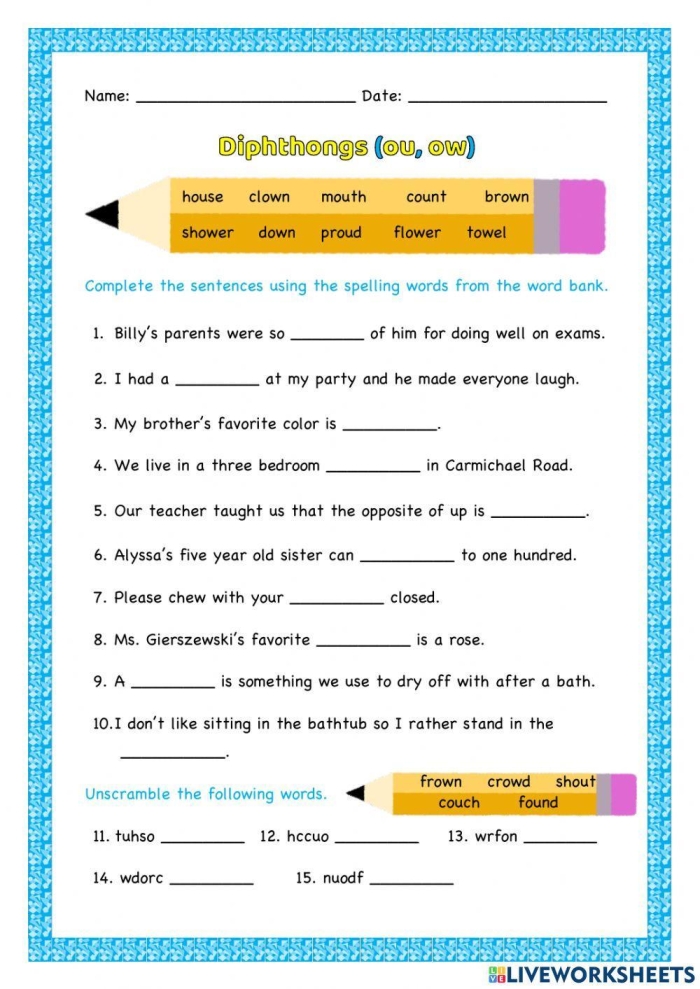
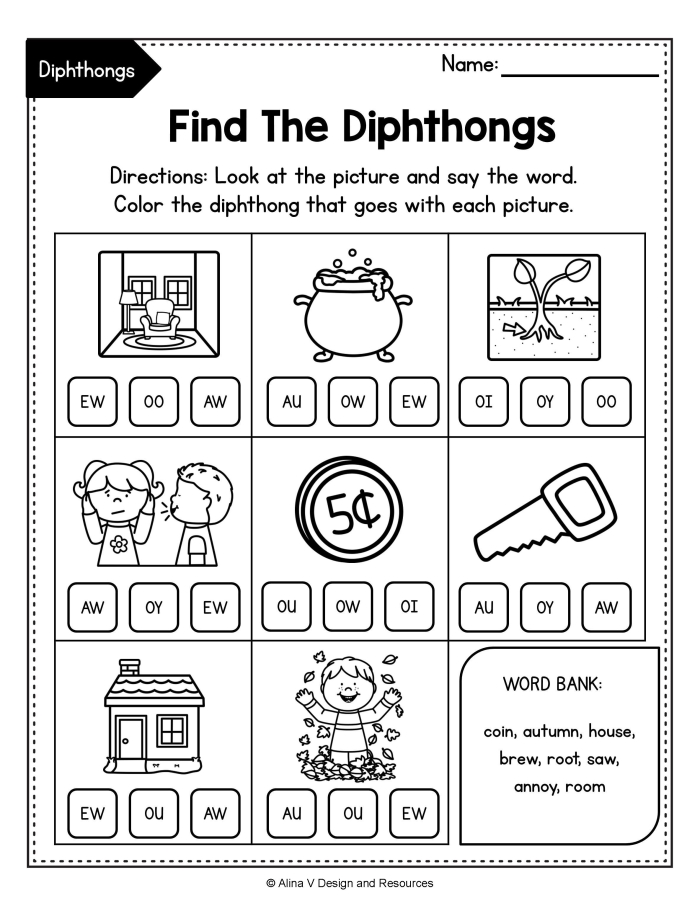
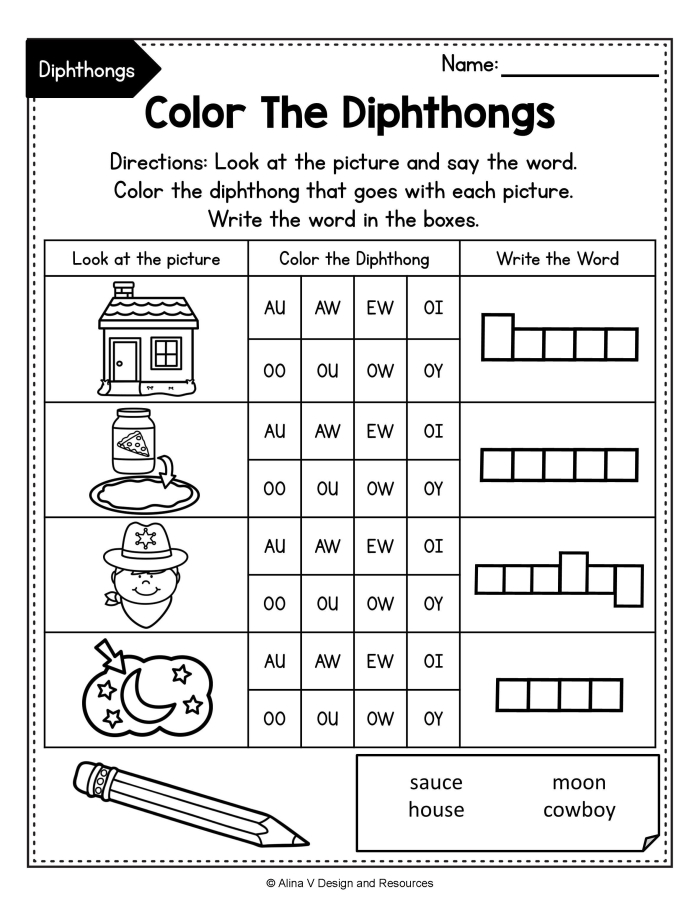
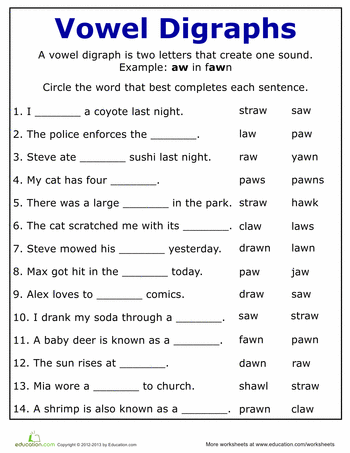
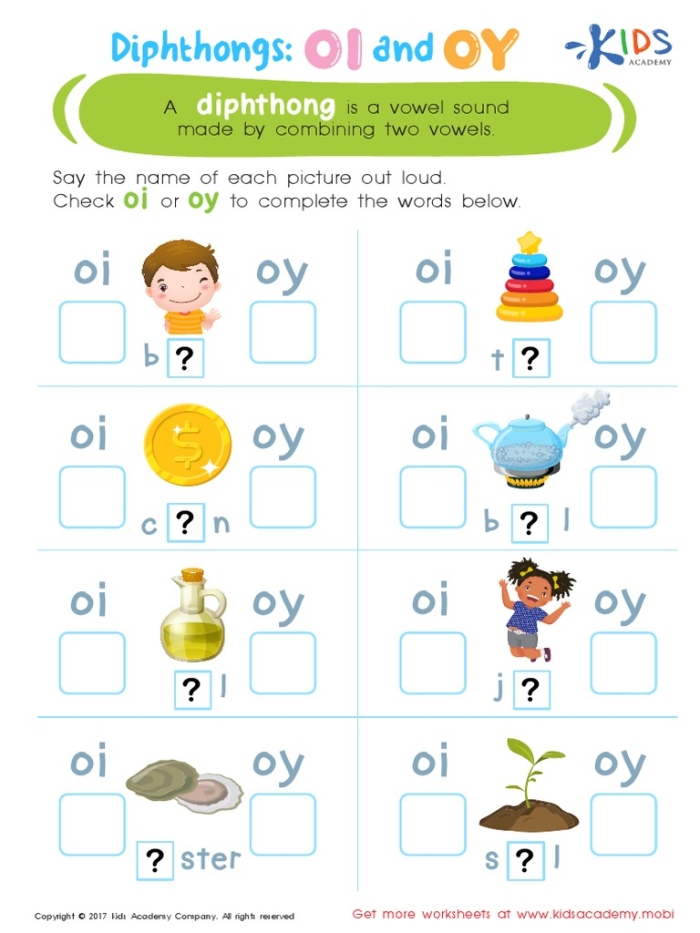
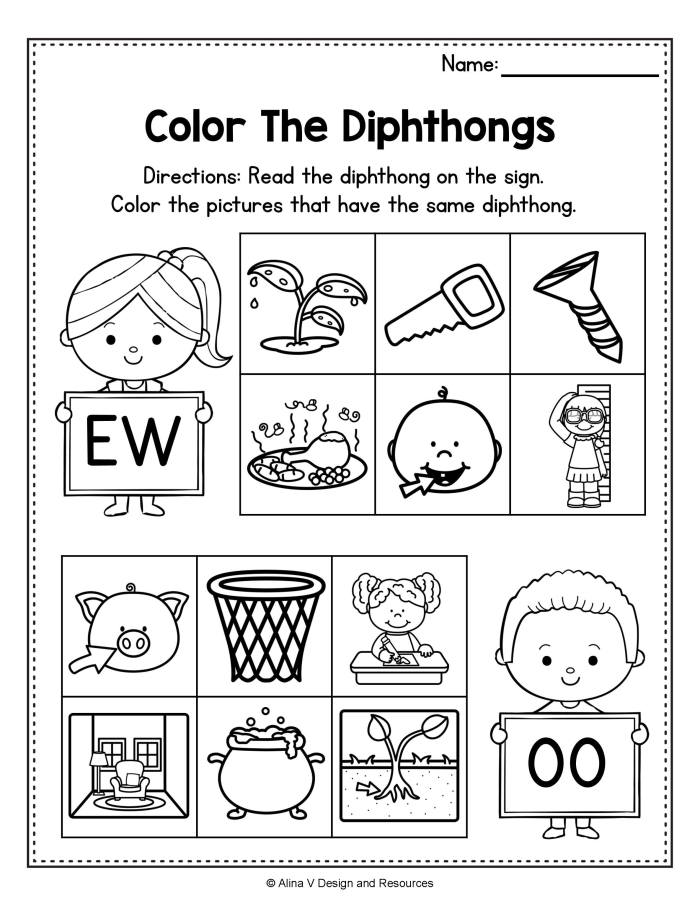
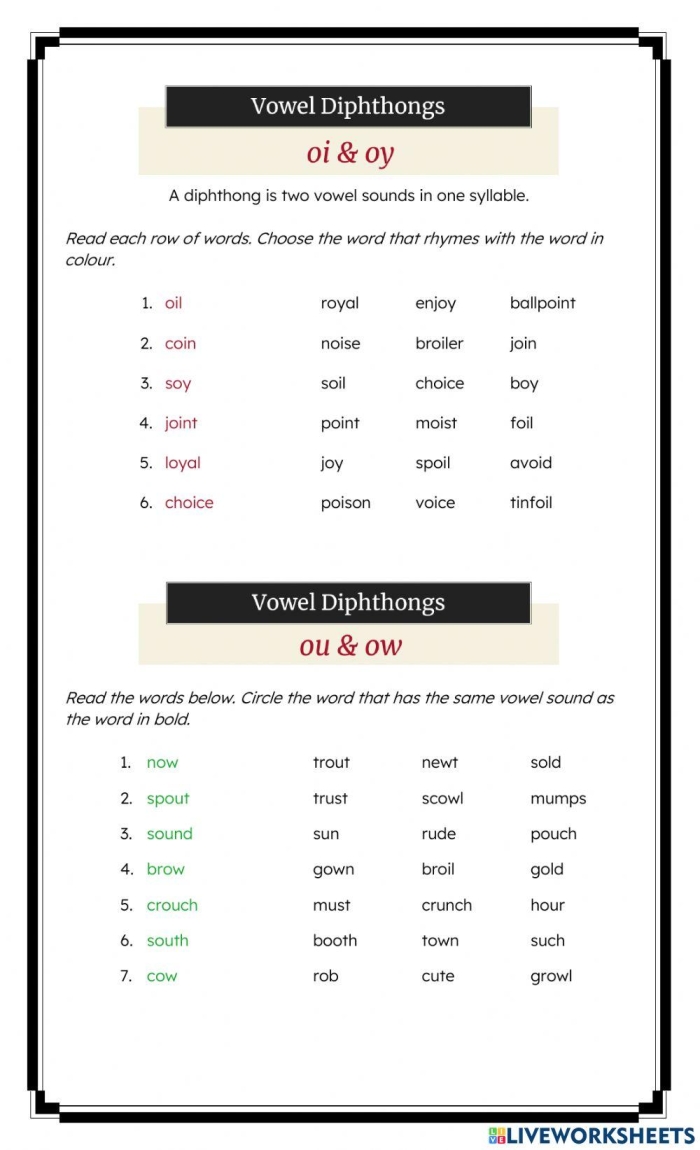
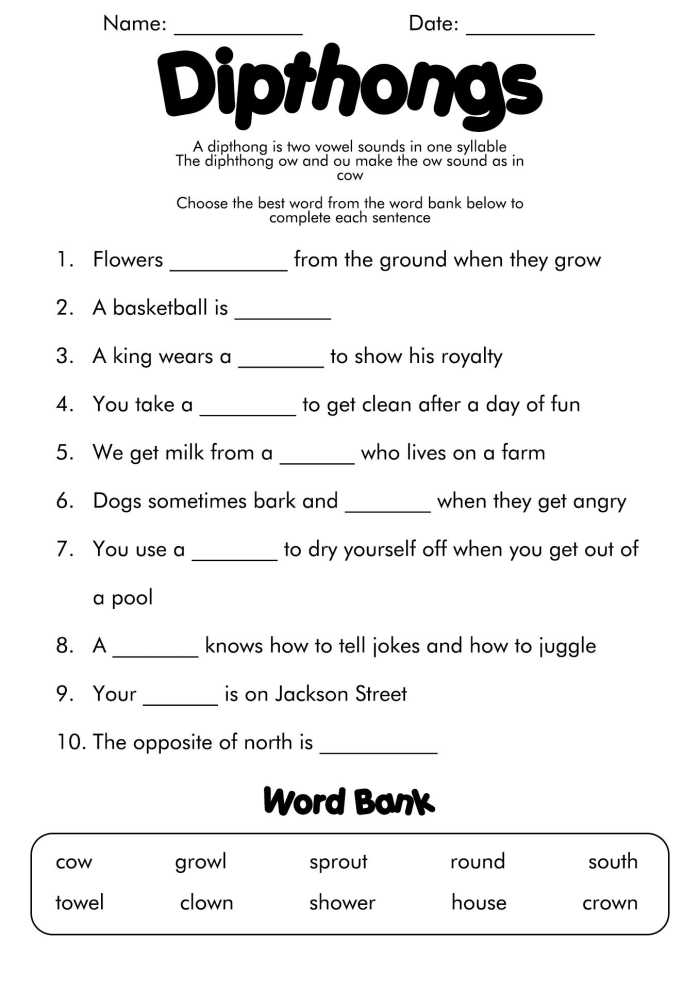
These worksheets typically include a mix of activities that reinforce the AW sound through multiple pathways. Students might circle words containing the pattern, match pictures to AW words, or complete sentences with appropriate diphthong choices. This variety keeps engagement higher than simple repetition while building automaticity, the ability to recognize the pattern without conscious effort.
The connection between recognizing sound patterns and spelling accuracy matters significantly at this grade level. When students understand that “aw” consistently represents one sound, they’re more likely to spell words correctly and less likely to confuse the pattern with similar-looking combinations. This foundation supports the transition to more complex phonics later on.
Pairing AW diphthong practice with other reading activities strengthens overall literacy development. Combining these worksheets with broader phonics instruction, like practice reading vowel digraphs, helps students see how different vowel combinations function across grade levels.
Grab These Worksheets Now