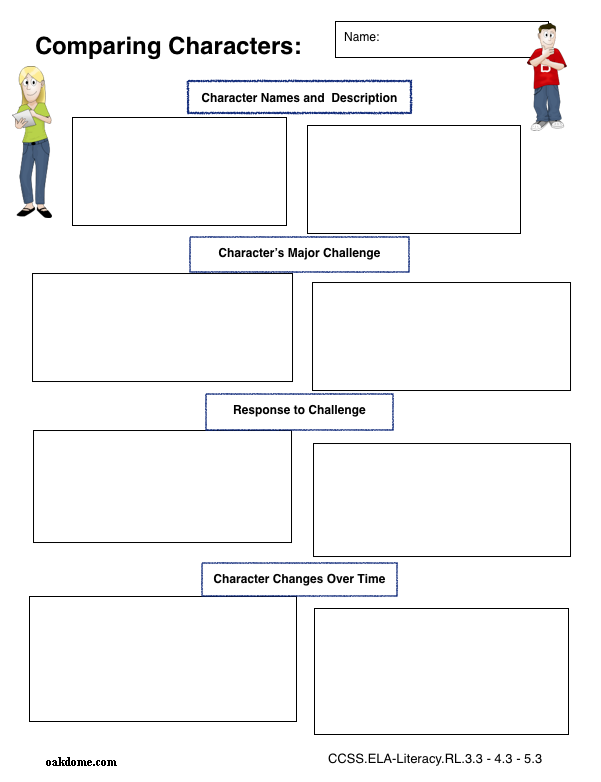
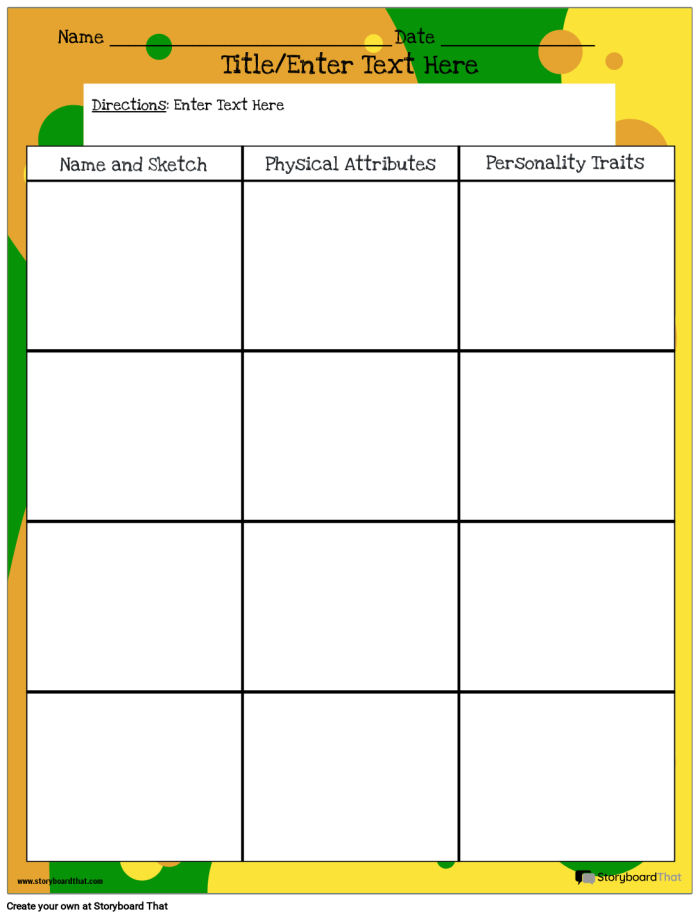
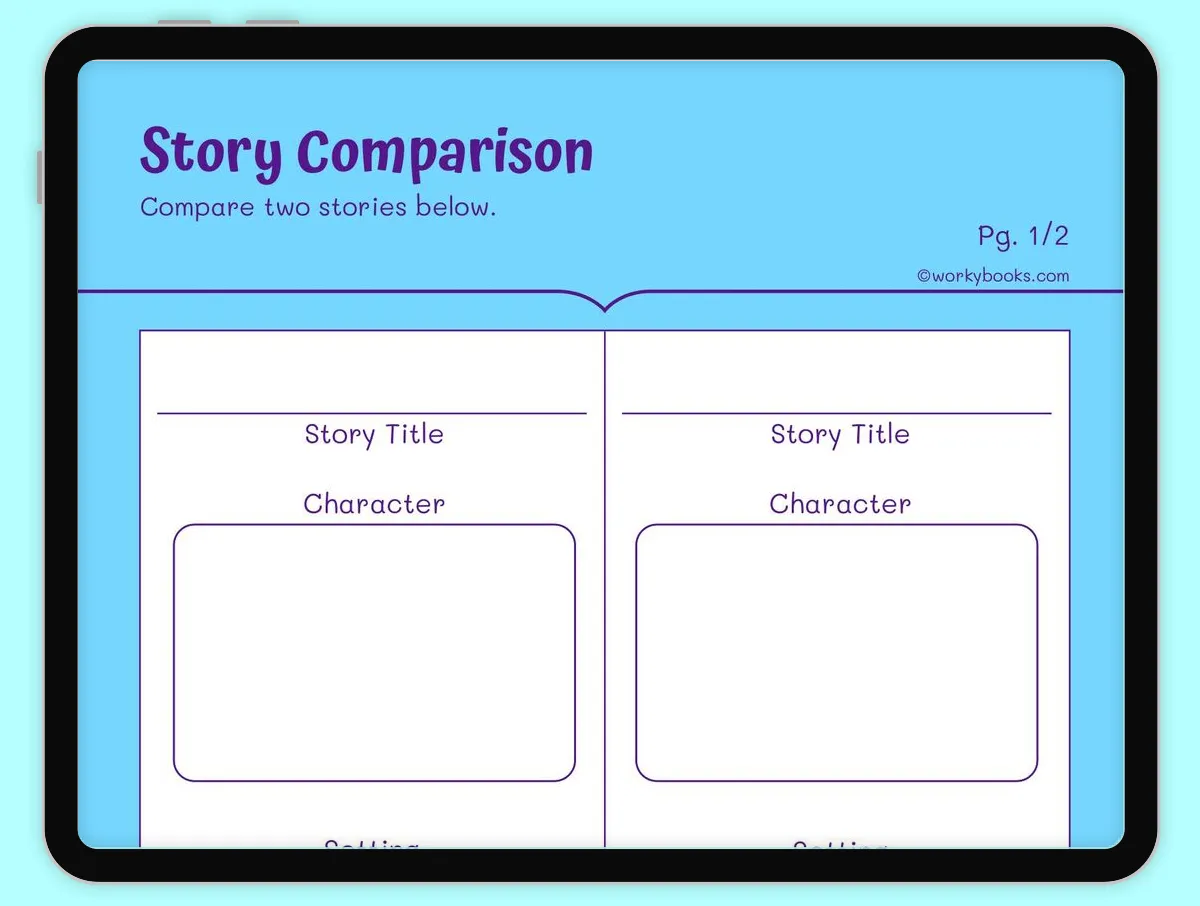
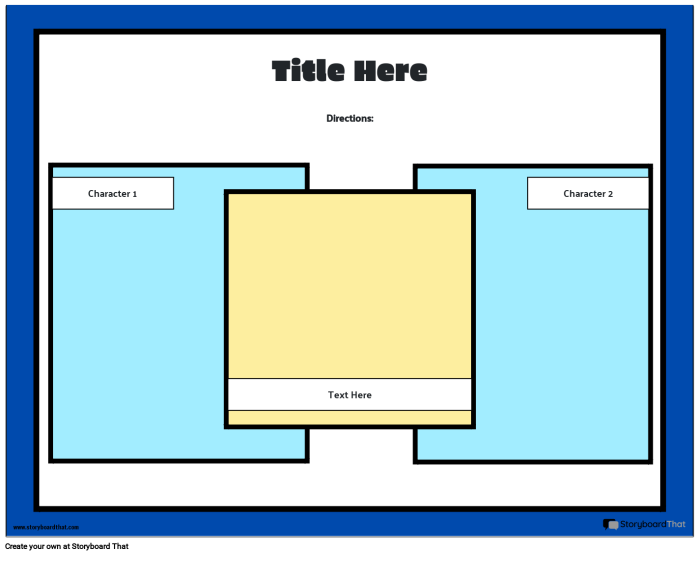
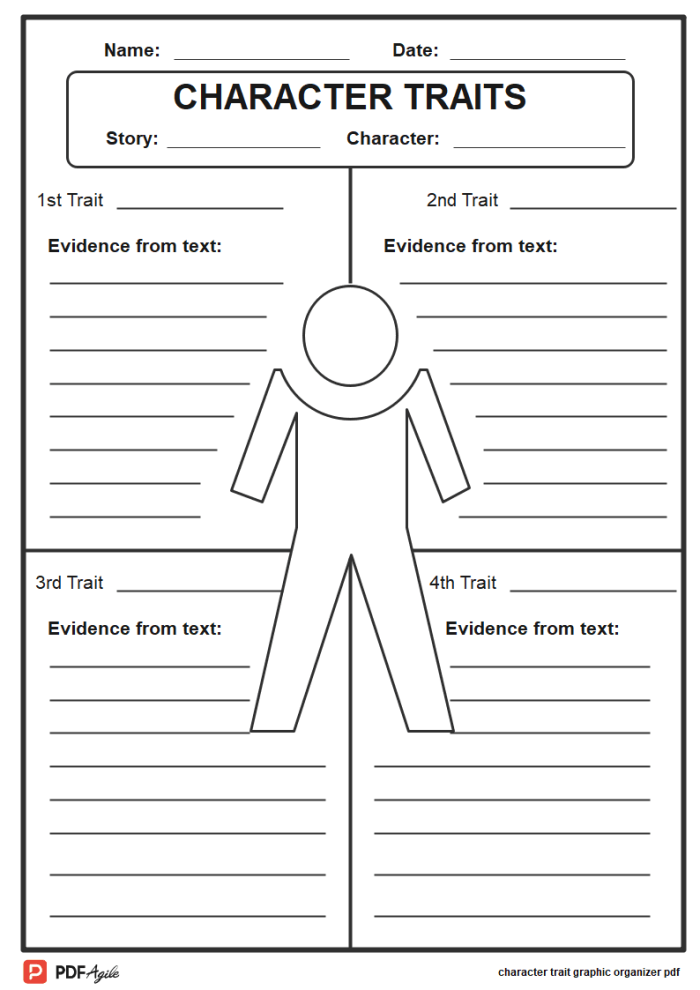
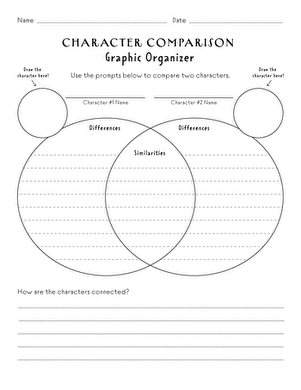
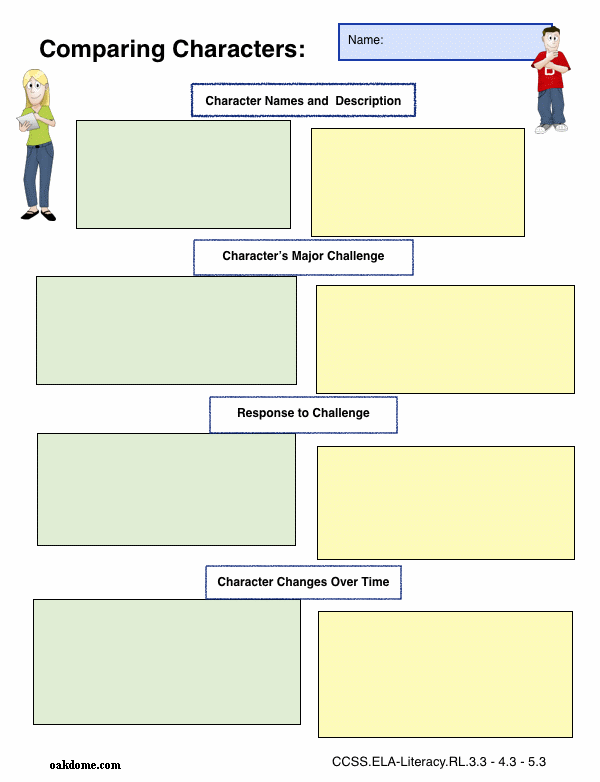
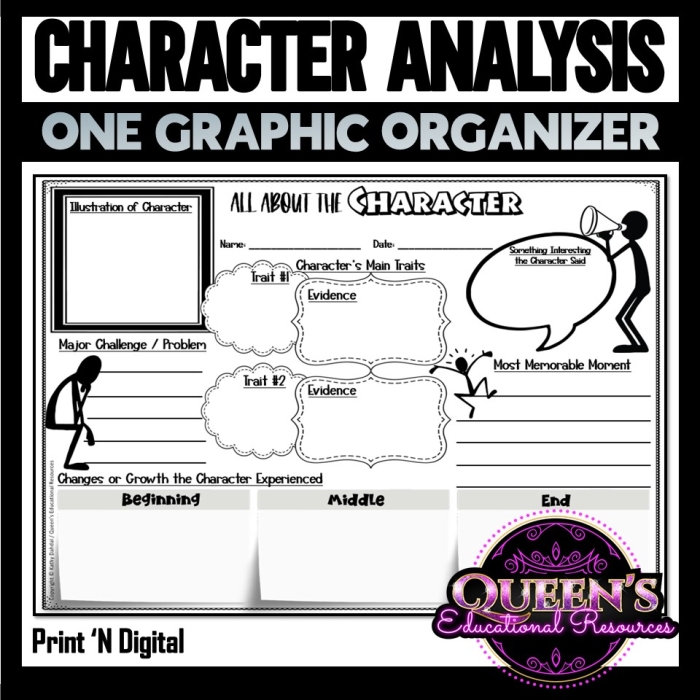
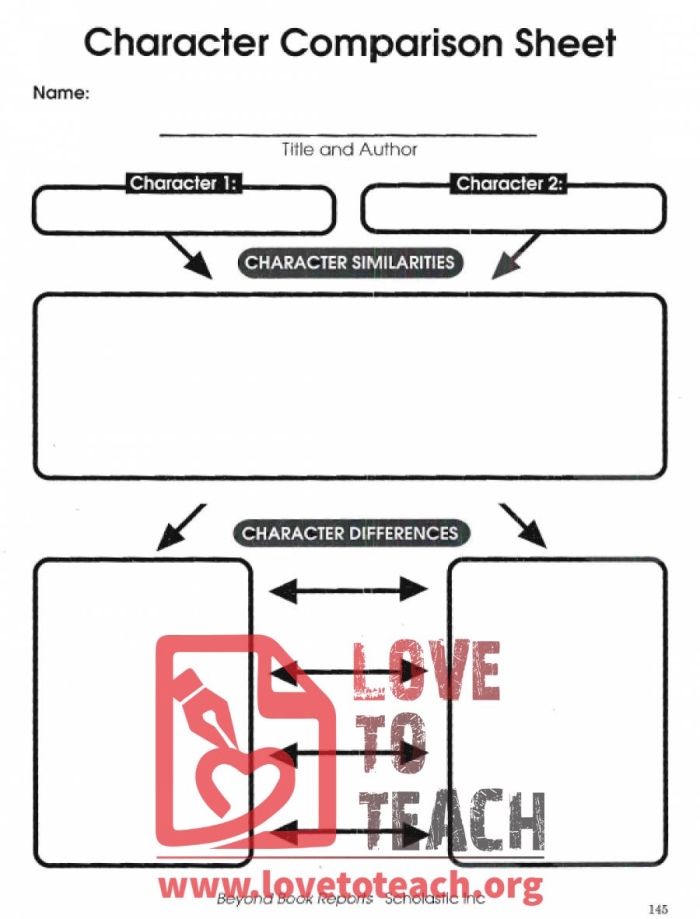
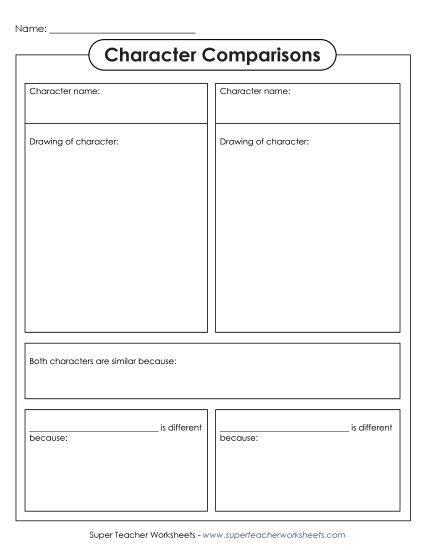
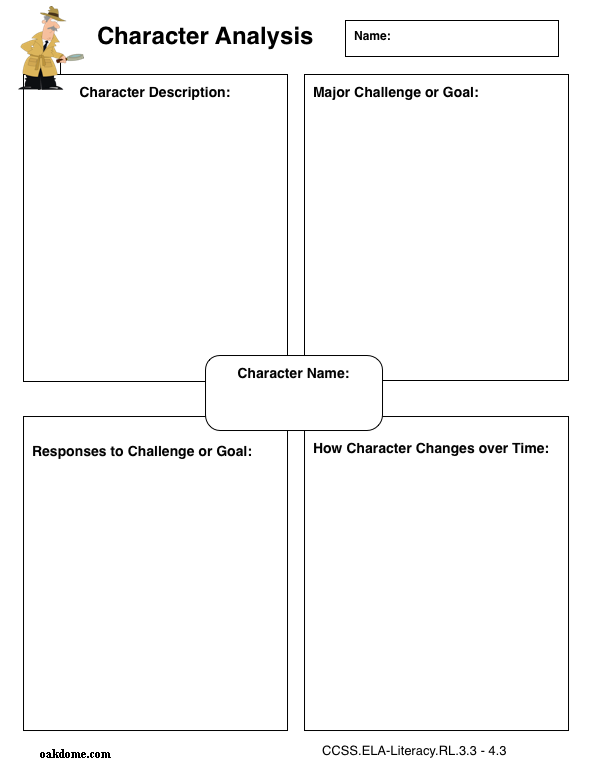
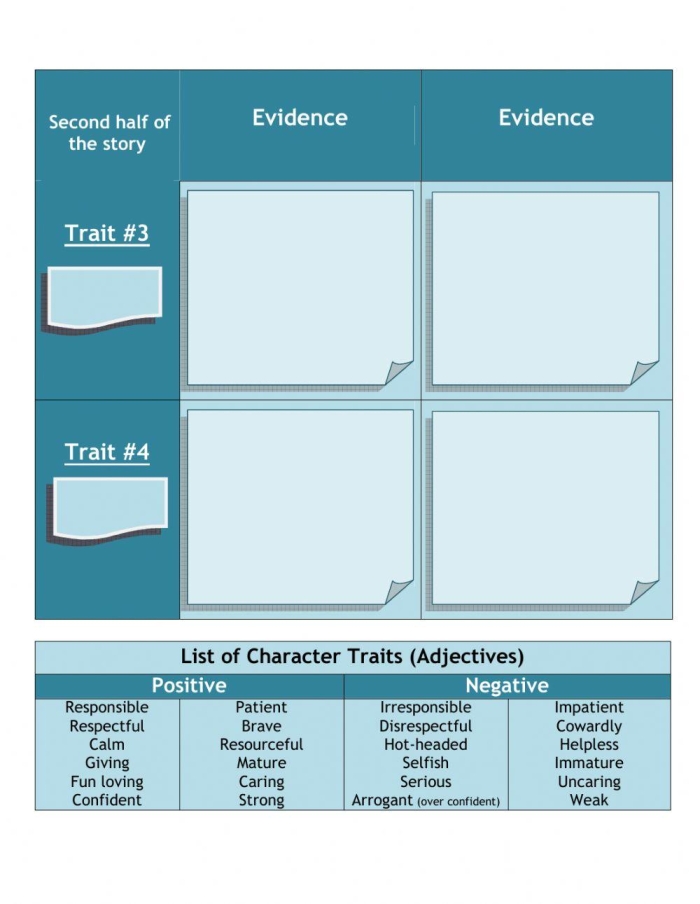
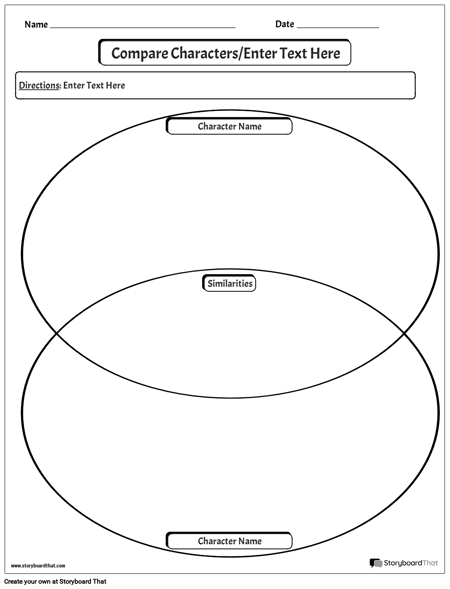
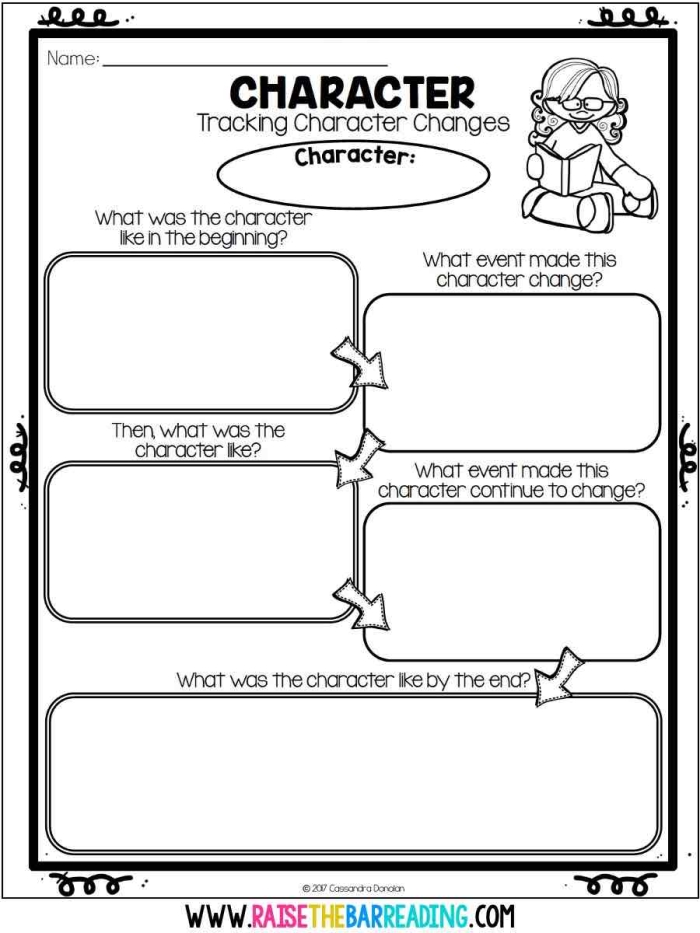
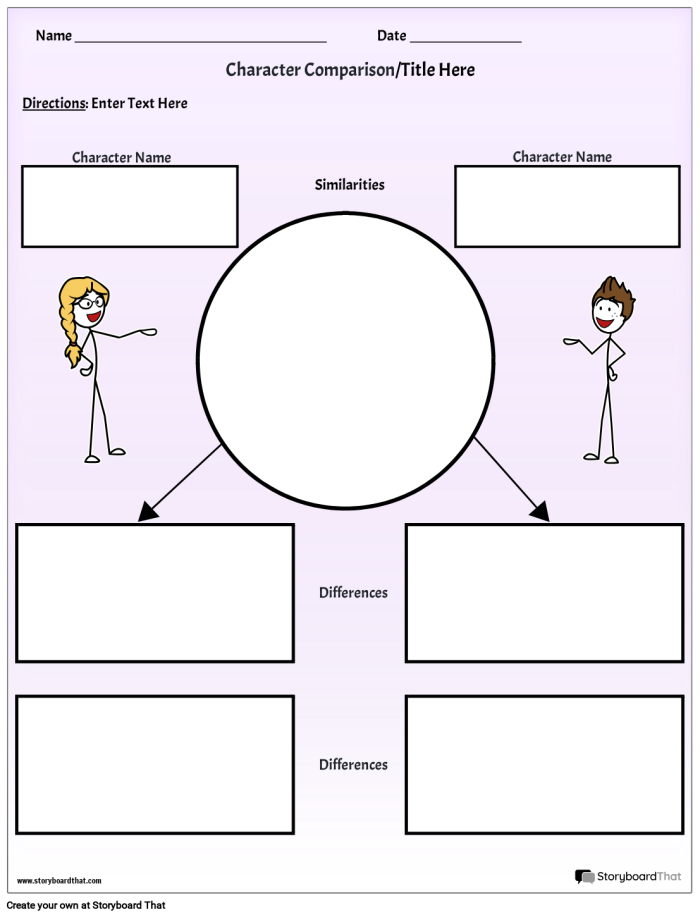
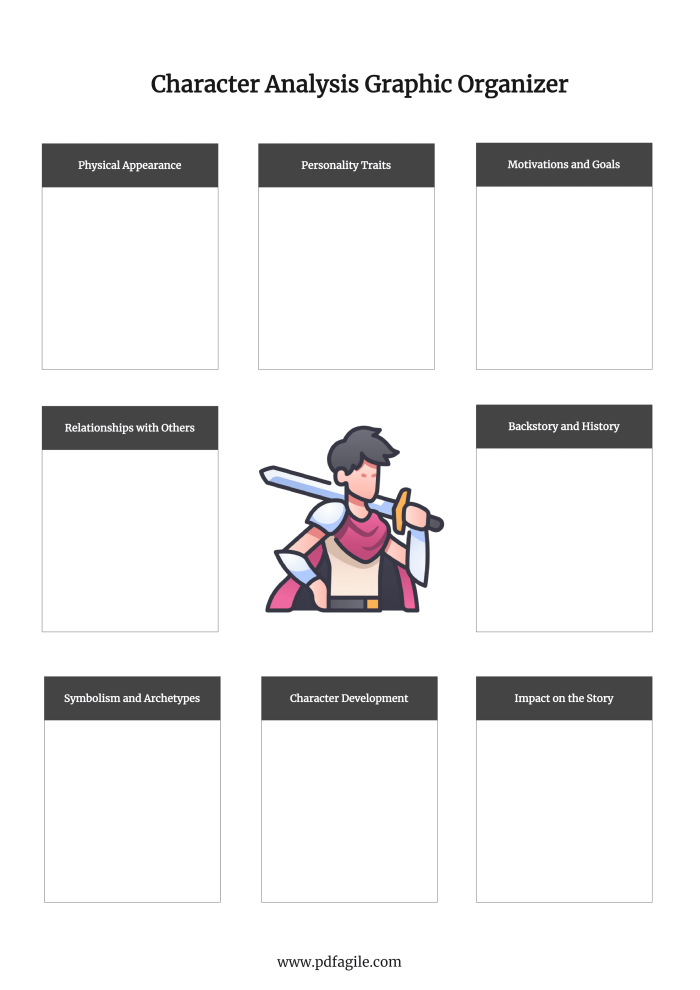
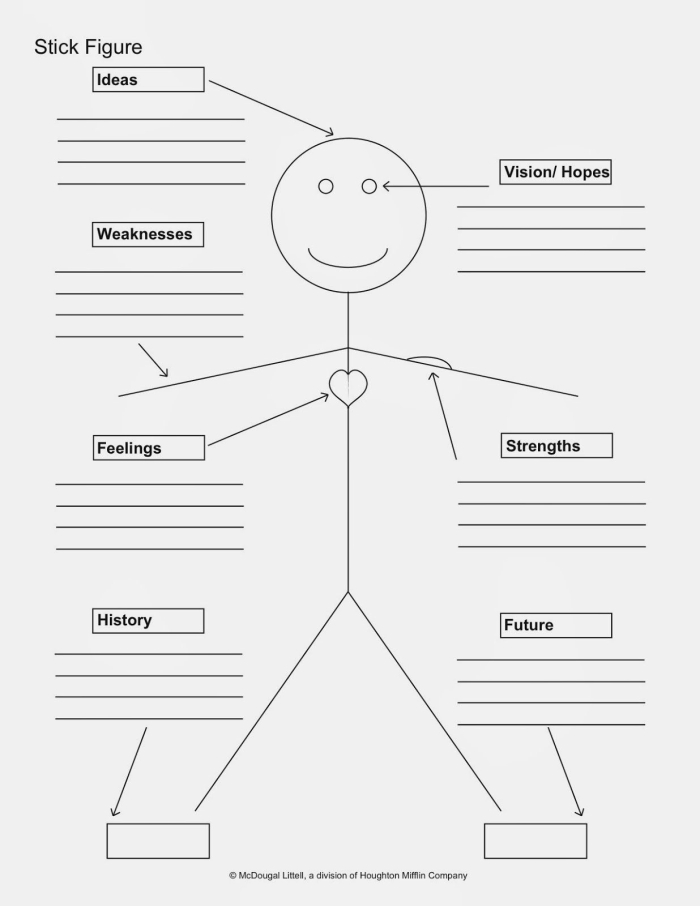
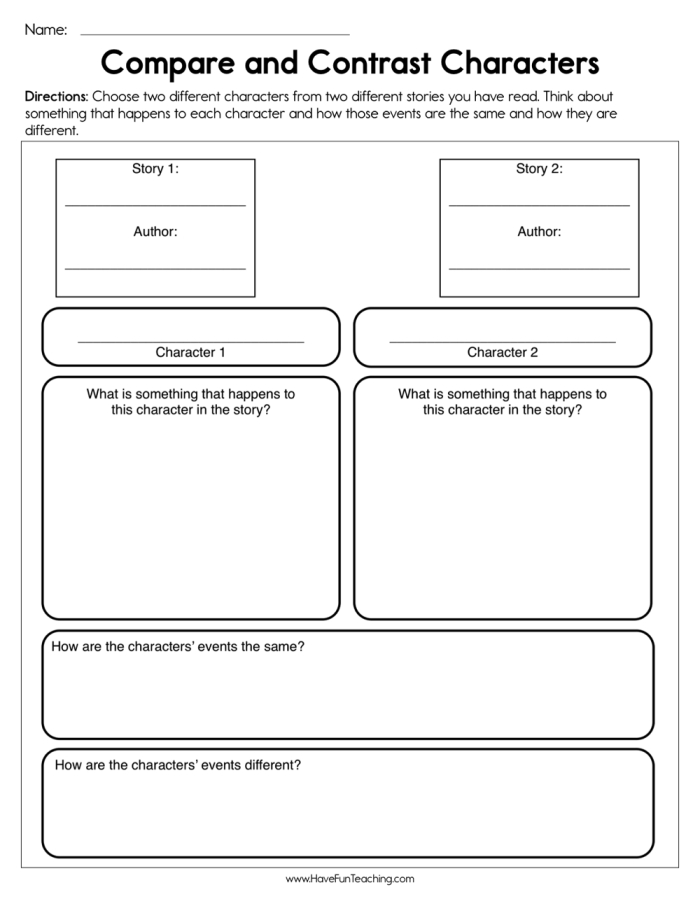
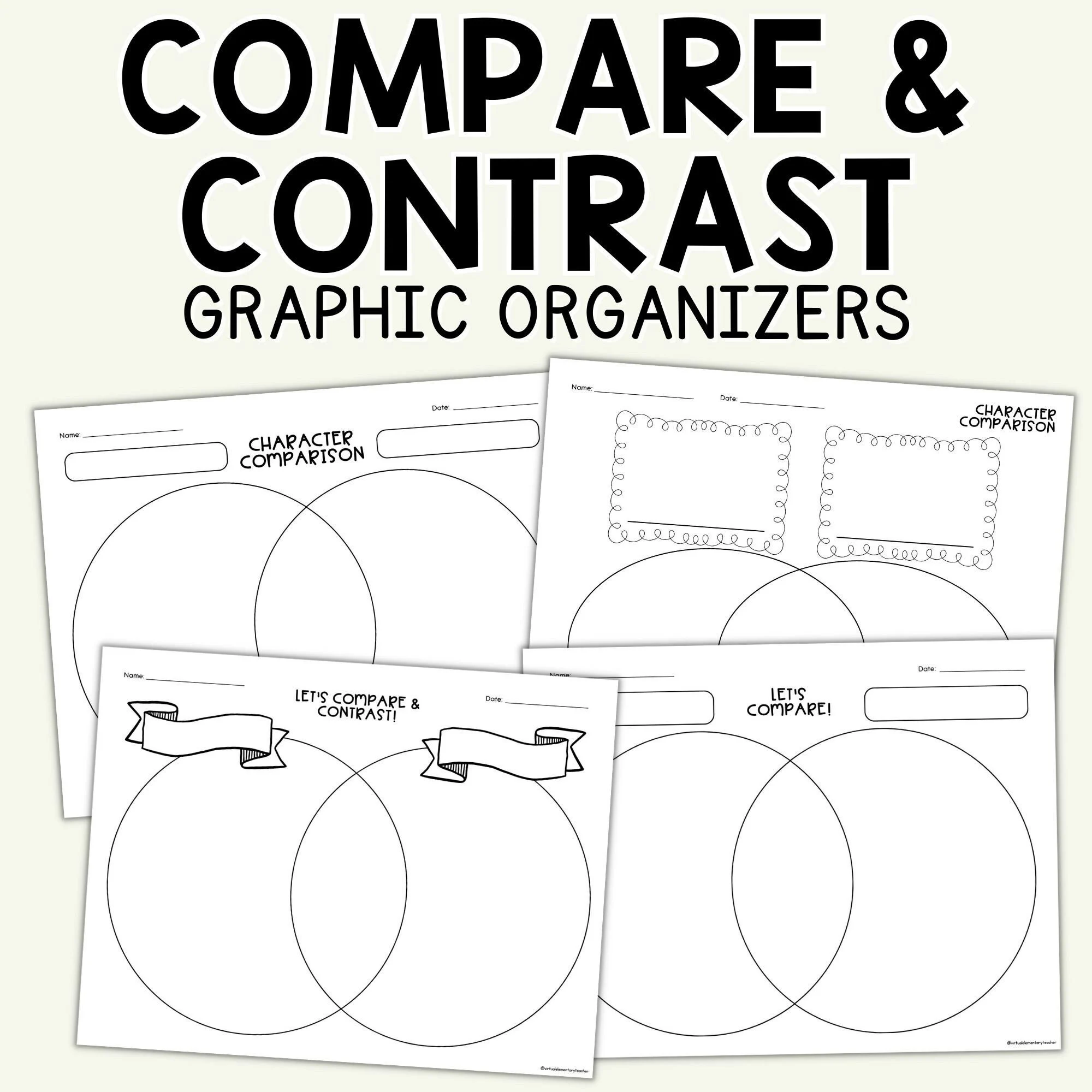
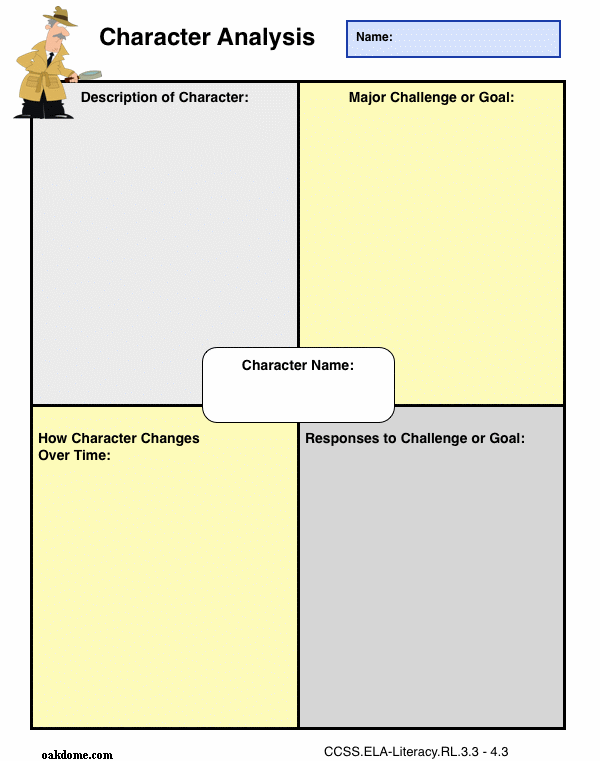
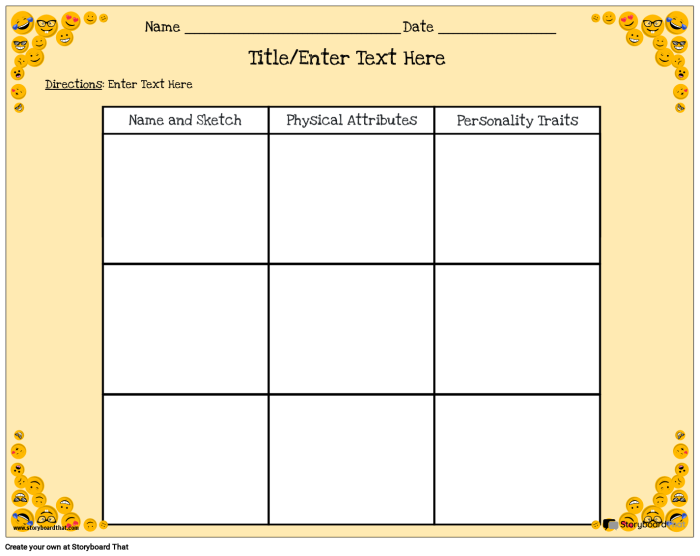
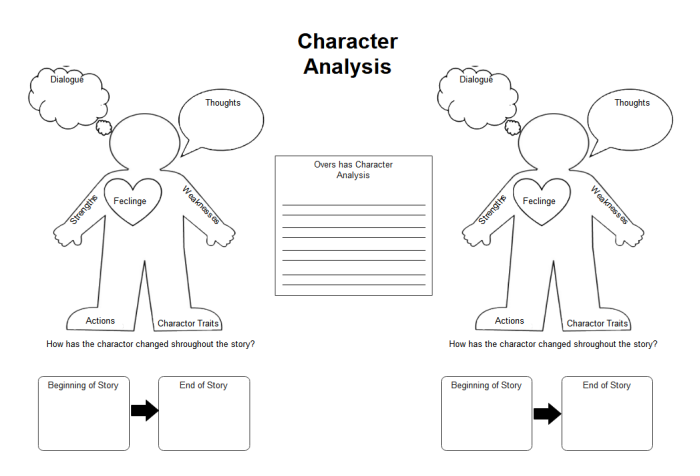
Understanding characters is a fundamental part of reading fiction, especially for second graders who are just beginning to explore the world of stories. A Character Comparison Graphic Organizer offers a structured way for young readers to practice comparing and contrasting characters, enhancing their comprehension and critical thinking skills.
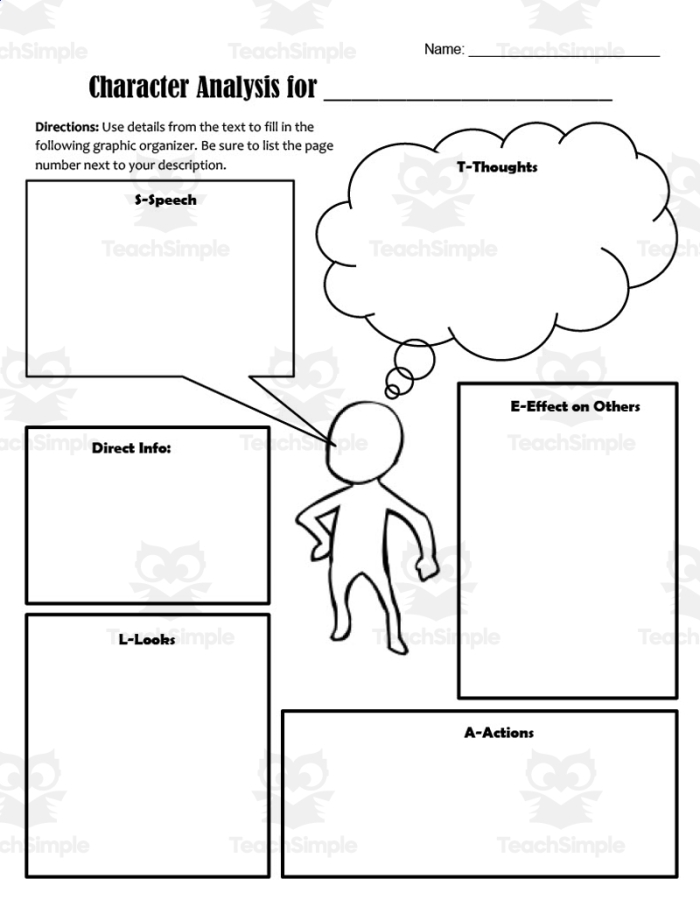
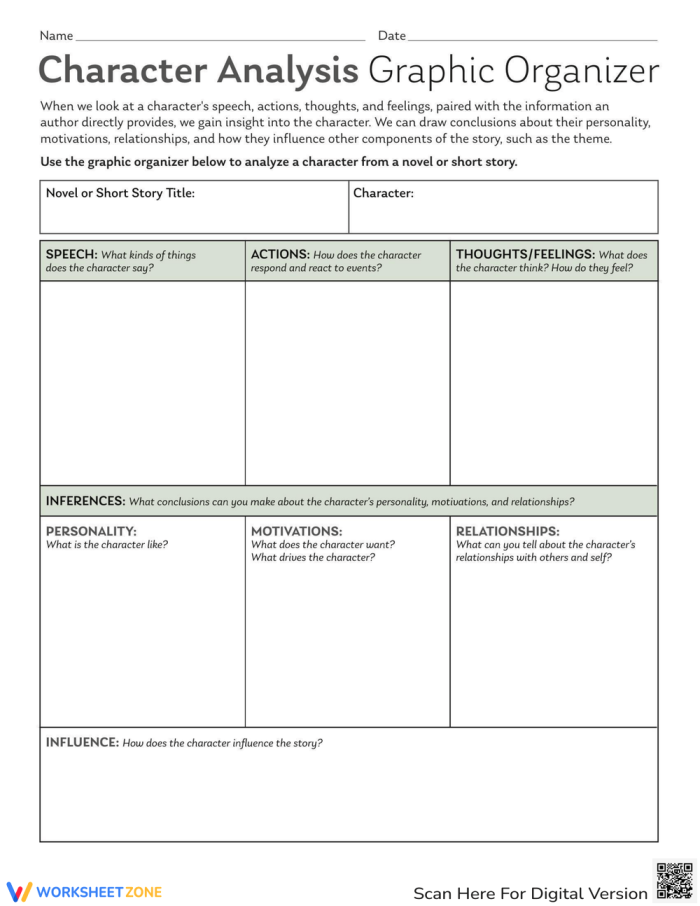
When students analyze characters, they look at traits, motivations, and relationships. This process not only deepens their understanding of the text but also encourages them to think critically about the choices characters make. For instance, if students are reading a story where two main characters have opposing goals, using a graphic organizer helps them visually map out these differences. They might note how one character is brave while the other is cautious, or how their backgrounds influence their actions. This visual representation allows for a clearer analysis than simply discussing the characters verbally.
Moreover, these organizers can be adapted to various stories and characters, making them a versatile tool in the classroom. Teachers can create printable worksheets tailored to specific texts, such as those available on Lumina Worksheets. For example, after reading about Frederick Douglass, students can compare his character to another historical figure, allowing them to engage with the material on a deeper level.
Incorporating the Character Comparison Graphic Organizer into lessons not only supports reading comprehension but also fosters collaboration among students. They can work in pairs or small groups to discuss their findings, share insights, and develop a more nuanced understanding of the characters they encounter. This collaborative element reinforces the idea that literature is not just about individual interpretation but also about shared experiences and discussions.
By integrating this graphic organizer into reading activities, educators provide second graders with the tools they need to analyze characters effectively, paving the way for a more enriching reading journey. Whether it’s exploring homophones or making compound words, these graphic organizers are essential resources in a young reader’s development.
Worksheet Practice Section