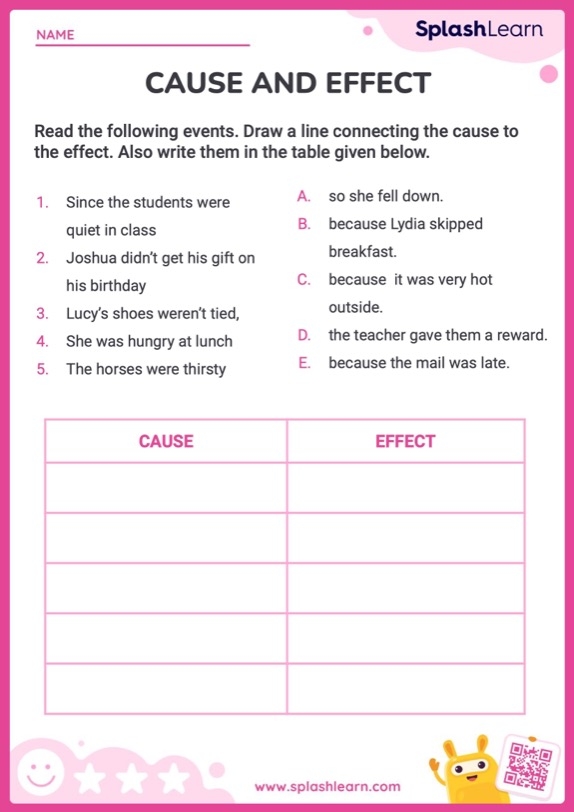
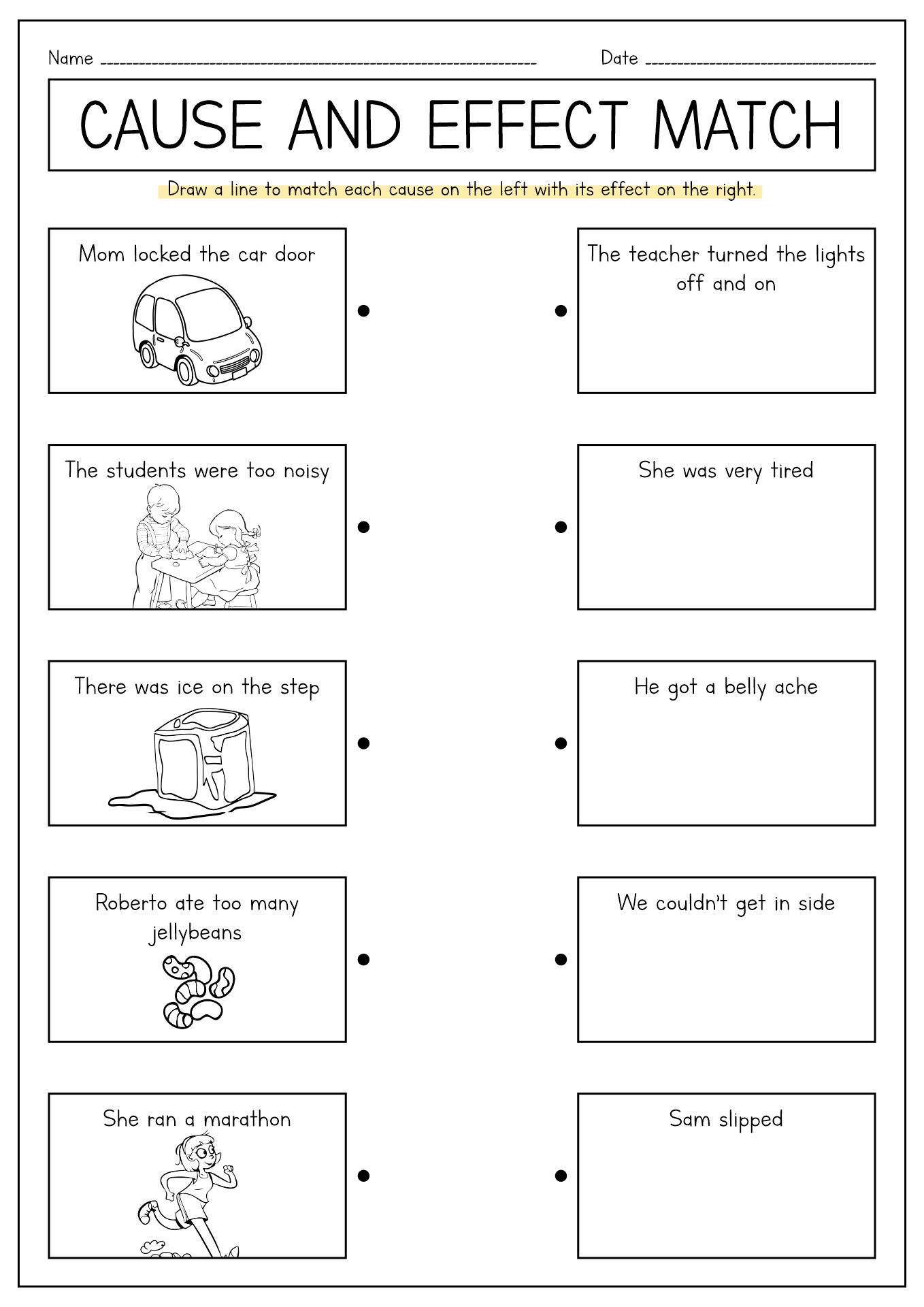
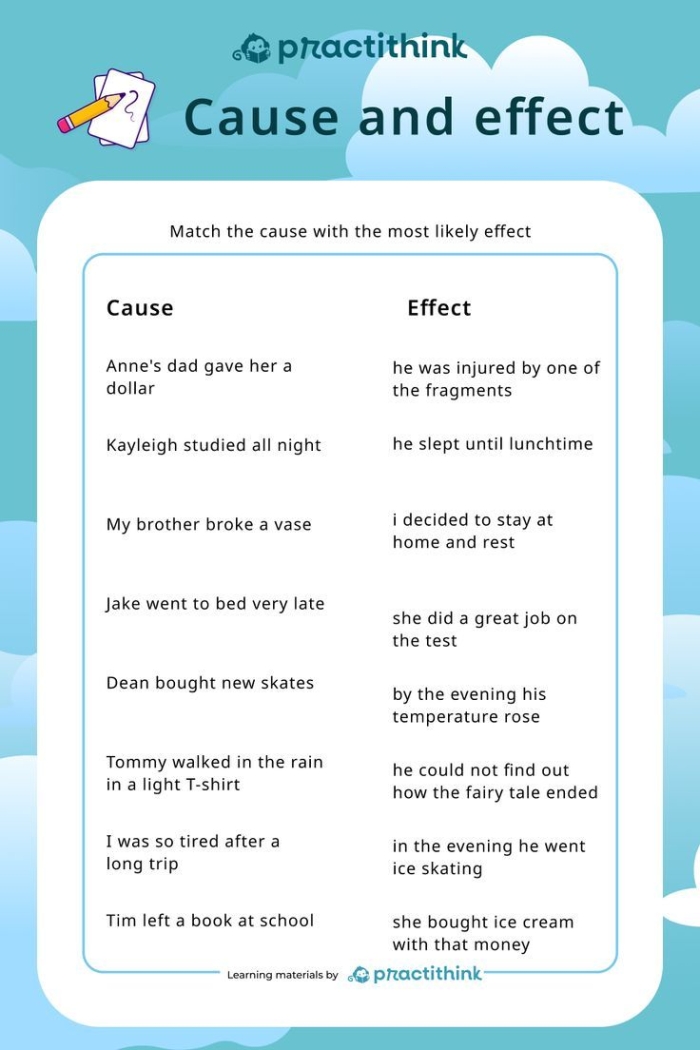
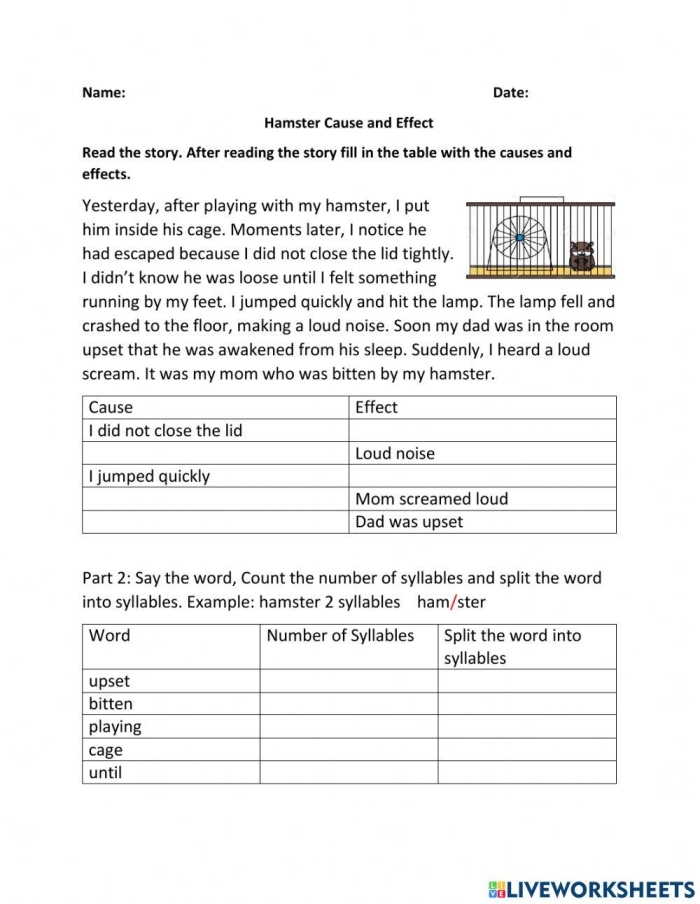
When a Second Grade student finishes reading a picture book and can explain why the character felt sad or why the house caught fire, that’s cause and effect in action. This skill matters because it teaches children to see the connections between events, which is fundamental to understanding any story.
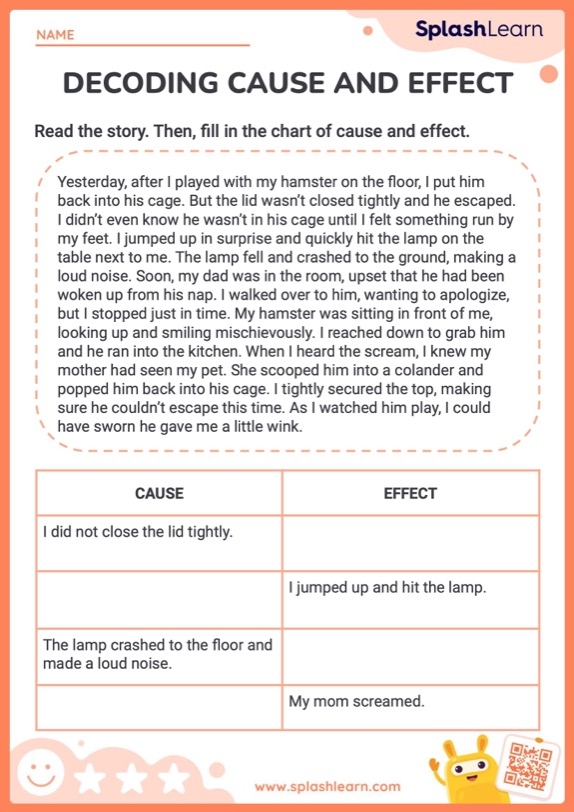
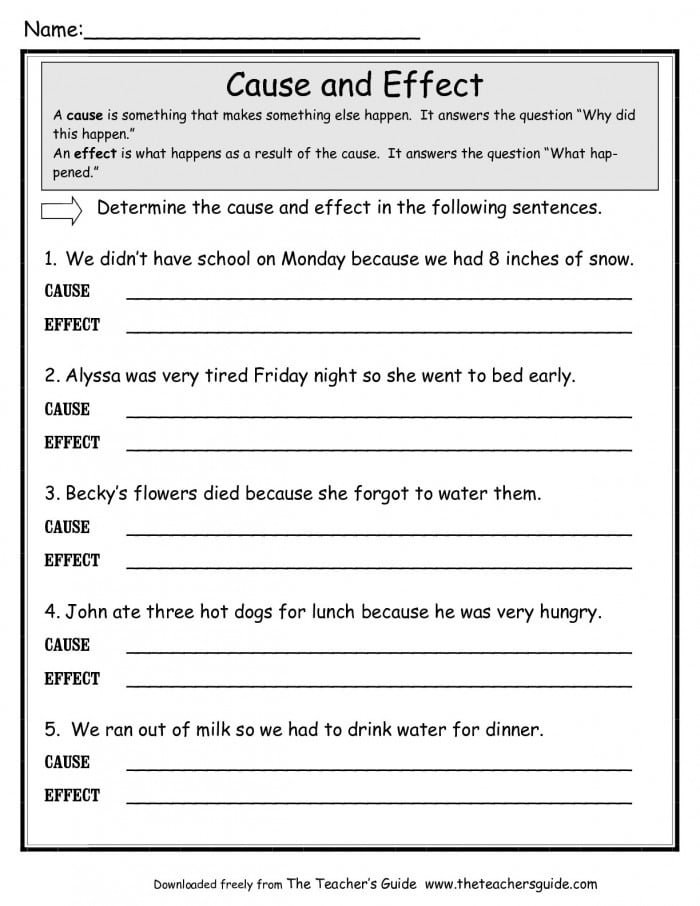
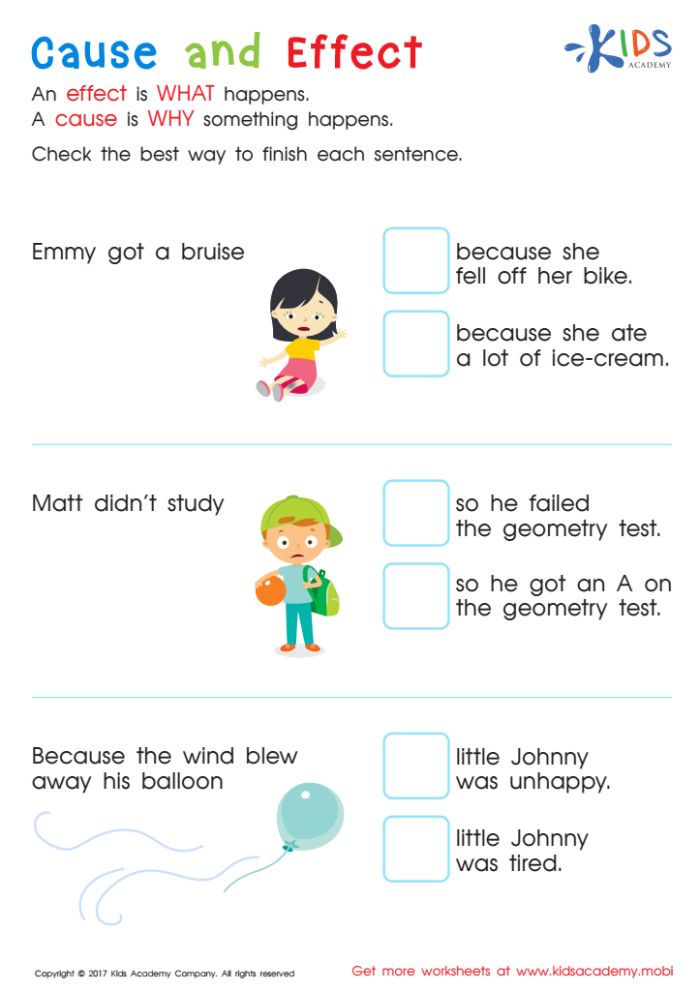
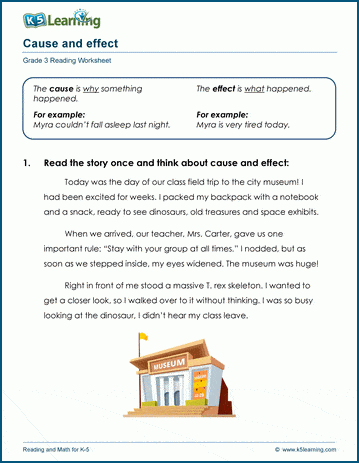
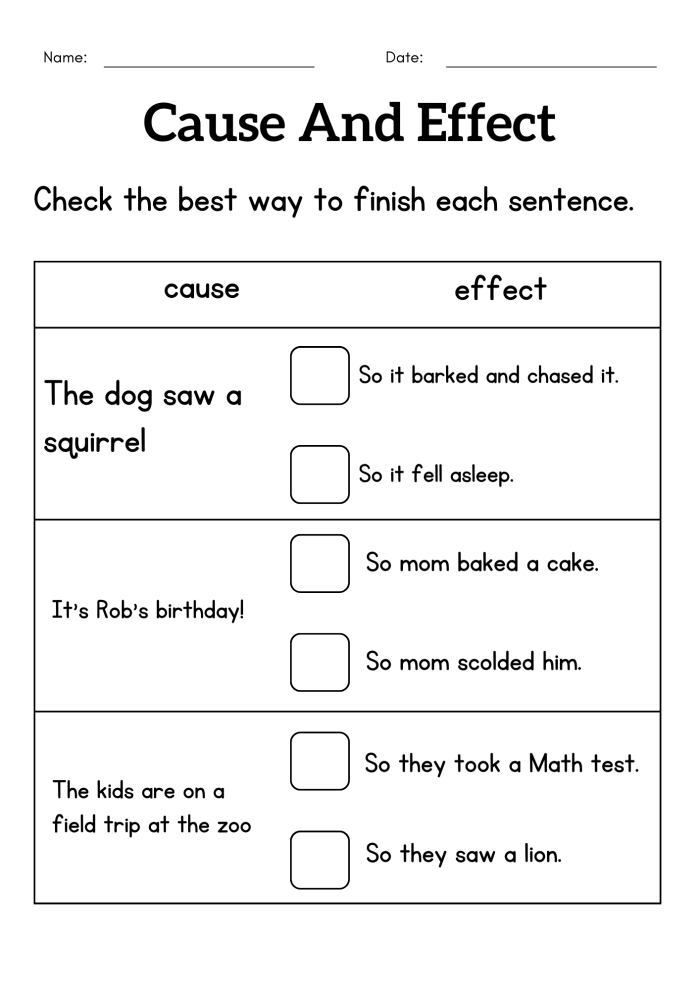
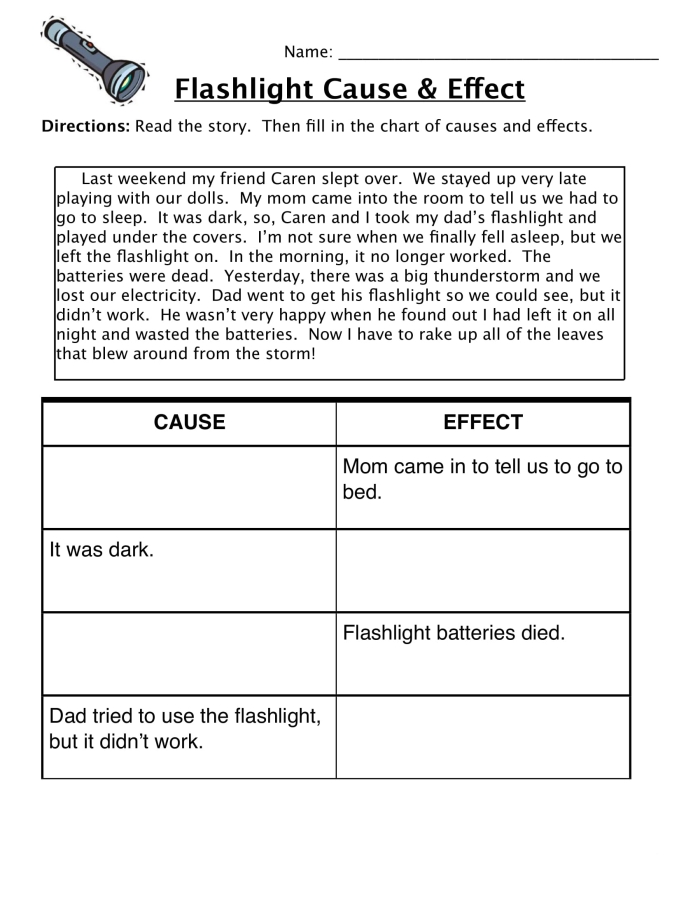
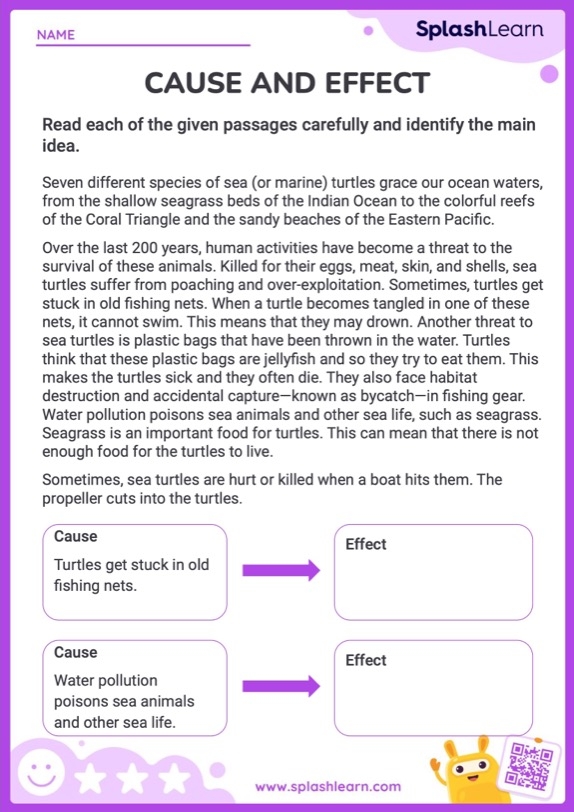
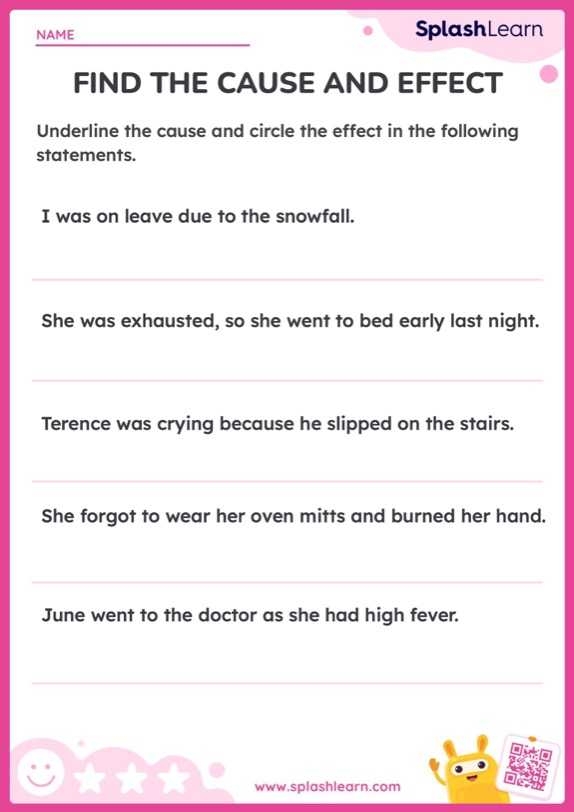
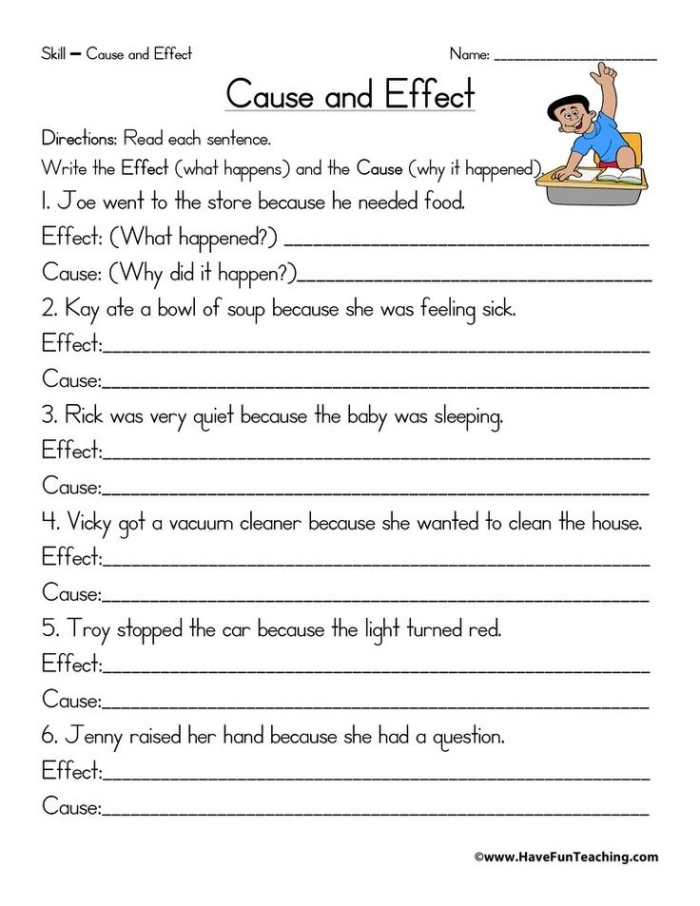
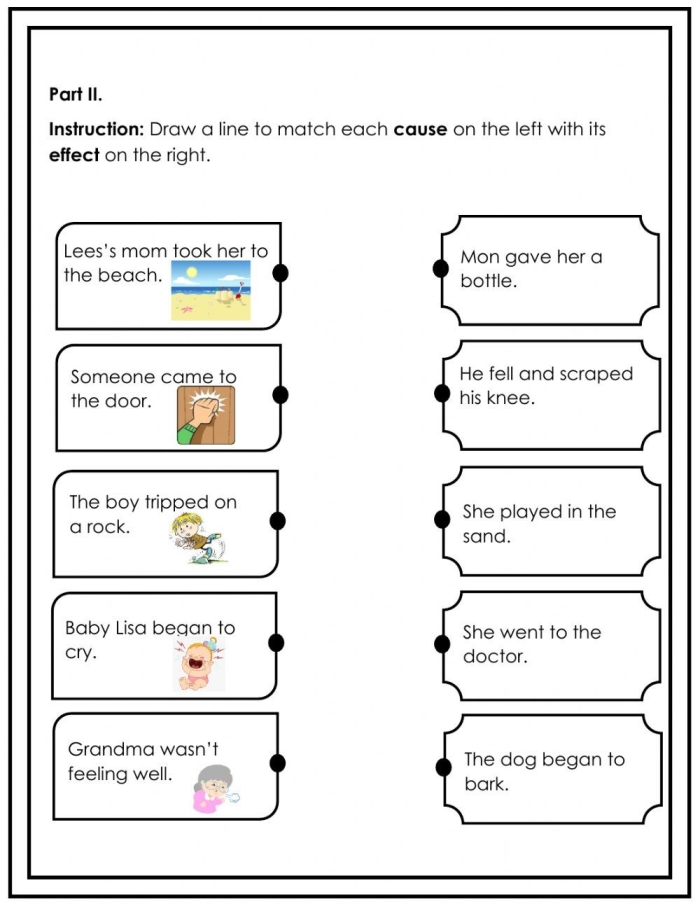
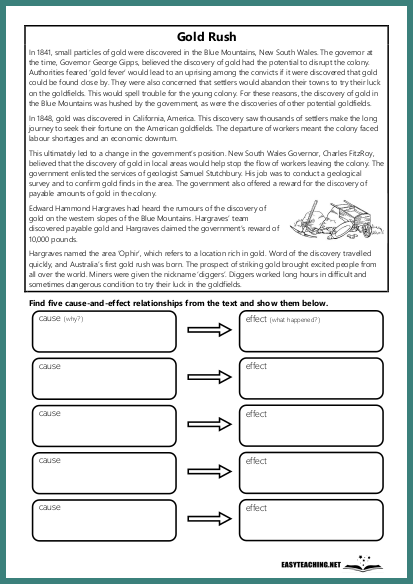
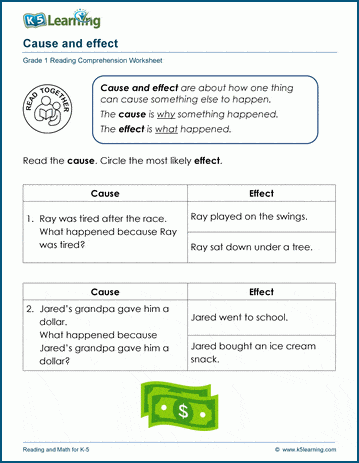
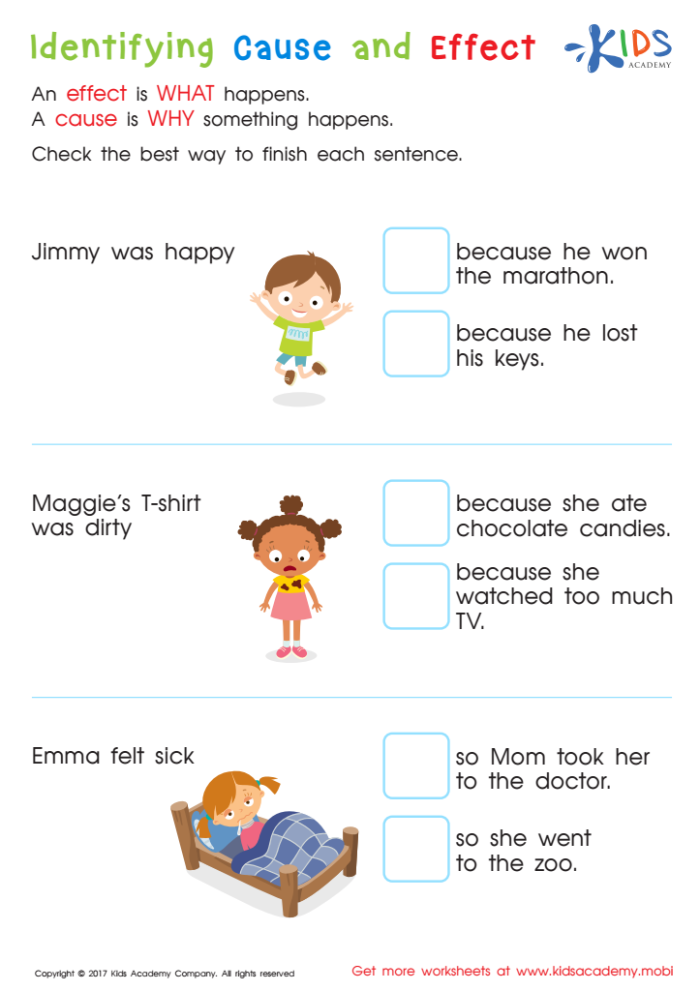
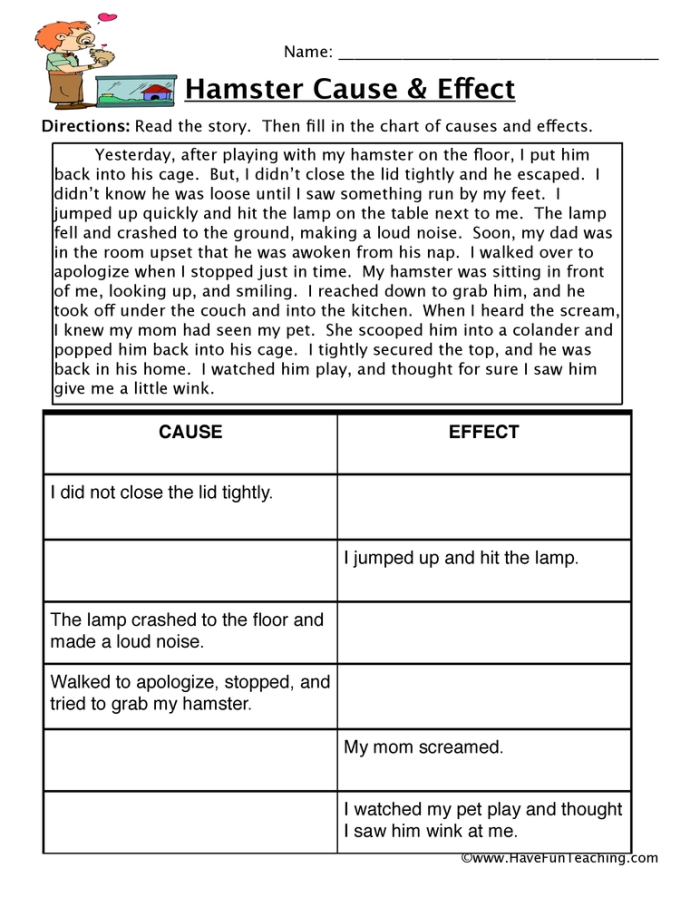
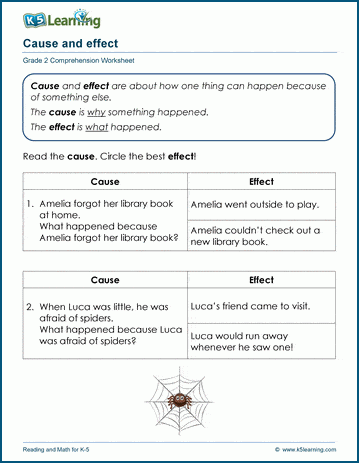
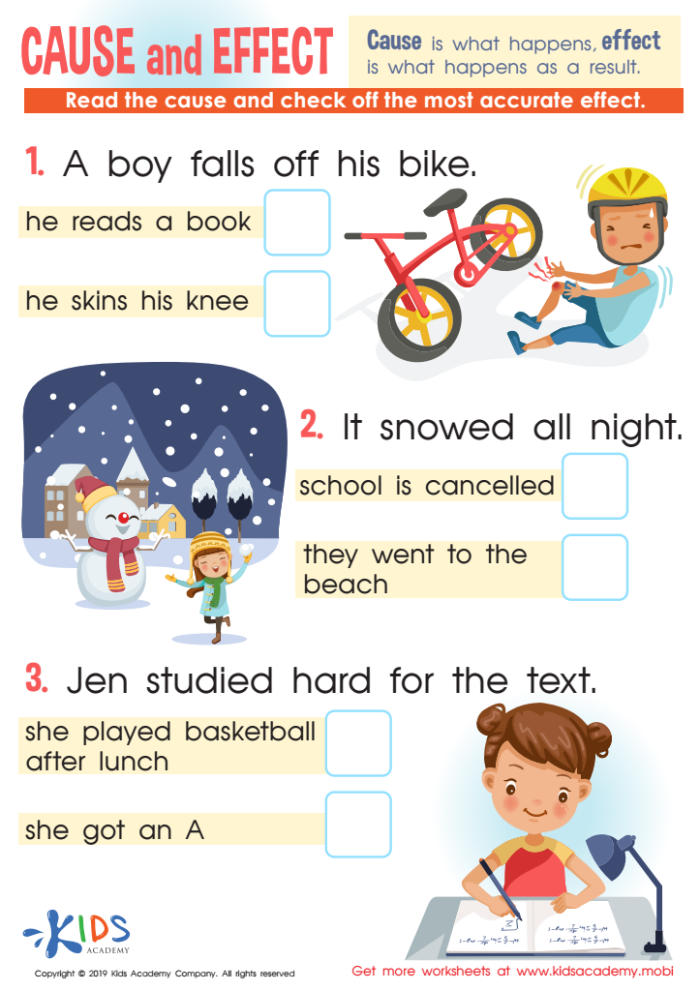
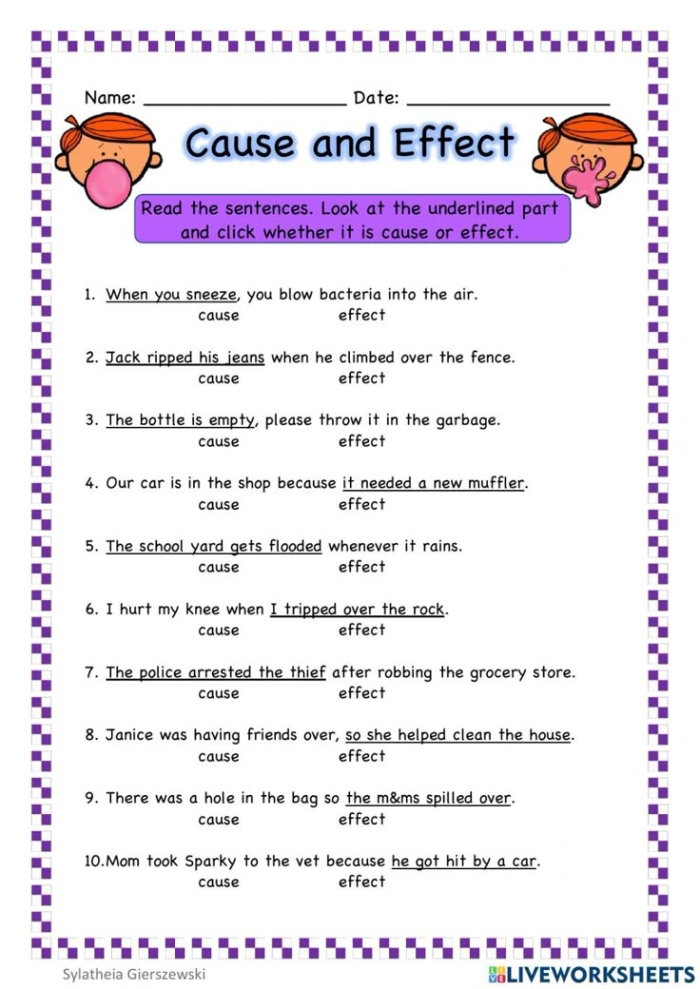
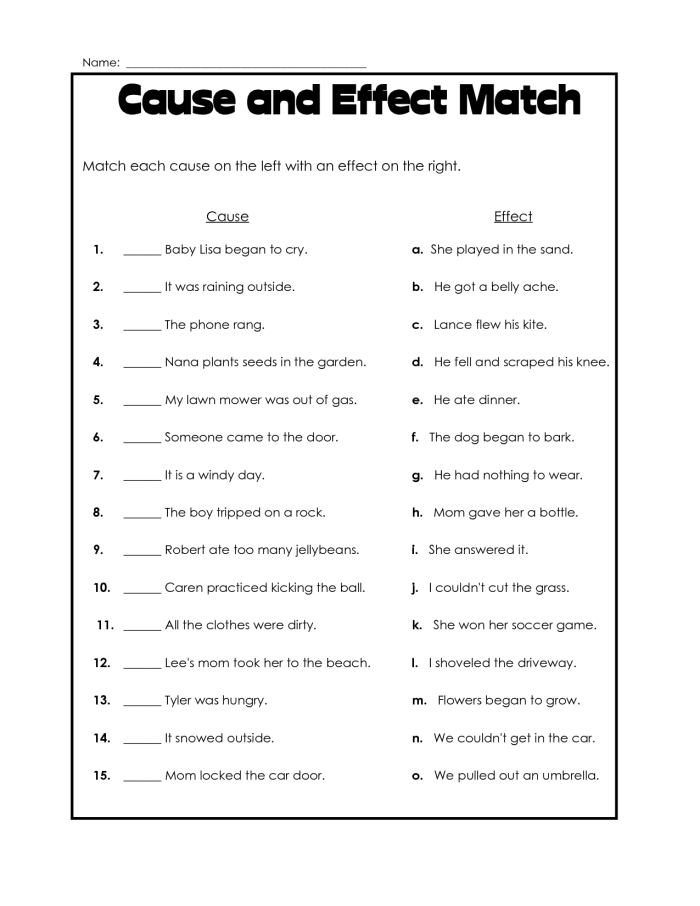
Cause and effect relationships form the backbone of reading comprehension. A cause is why something happens, while the effect is what actually happens as a result. In simple terms: the cause comes first, and the effect follows. For young readers, grasping this concept transforms reading from passive picture-viewing into active thinking. They start asking questions like “Why did that happen?” and “What happened because of that?” instead of just moving through pages.
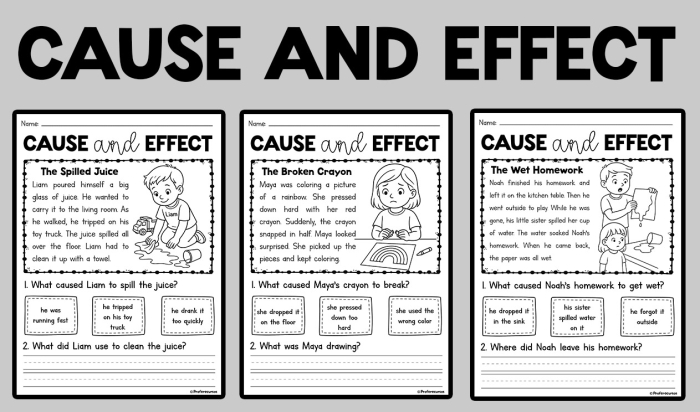
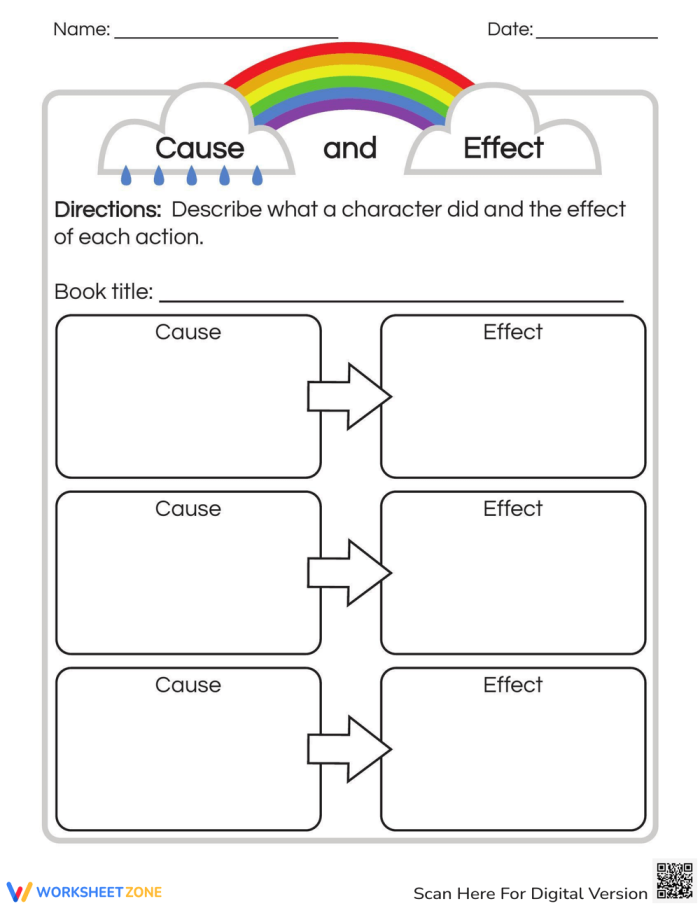
A practical reading comprehension activity asks students to select a book of their choosing and identify specific cause-and-effect pairs within the story. For example, if a character spilled juice on their shirt, the student identifies the spilled juice as the cause and the wet shirt as the effect. This exercise works because children engage more deeply with books they actually want to read rather than assigned texts.
The benefits extend beyond reading class. When students understand cause and effect, they begin connecting concepts across subjects. They see how states of matter change when temperature shifts, or how fractions relate to whole numbers through proportional relationships. Even skills like understanding time and money become clearer when students see cause-and-effect chains.
For Second Grade teachers, this activity works best when students share their findings aloud. Hearing peers explain why events happened in different stories reinforces the pattern and shows children that cause and effect appears everywhere in literature. This shared learning builds confidence in young readers and strengthens their ability to comprehend increasingly complex texts.
Boost Skills with These Worksheets