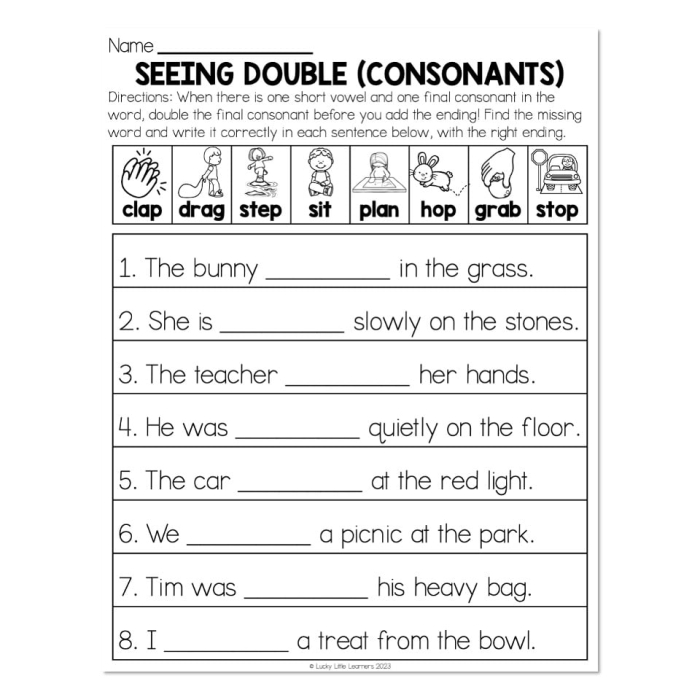
Adding “ed” or “ing” to a word that ends with a consonant often causes confusion, especially for third graders learning grammar and mechanics. The tricky part lies in deciding when to double the final consonant before adding these endings. This spelling rule isn’t just a random guideline; it’s based on syllable stress and the structure of the word.
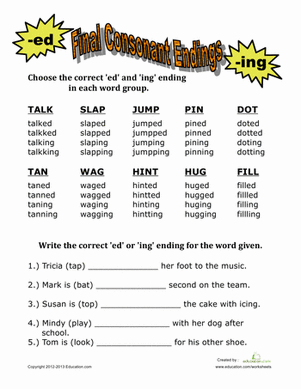
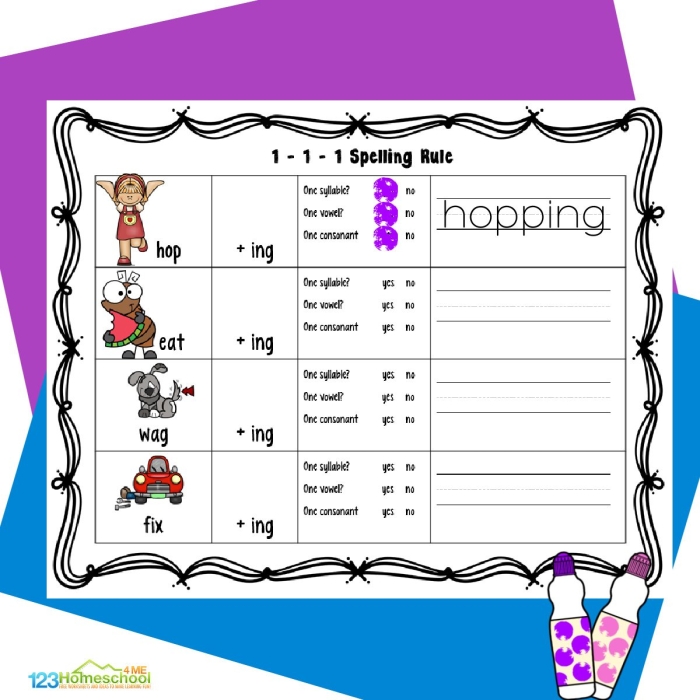
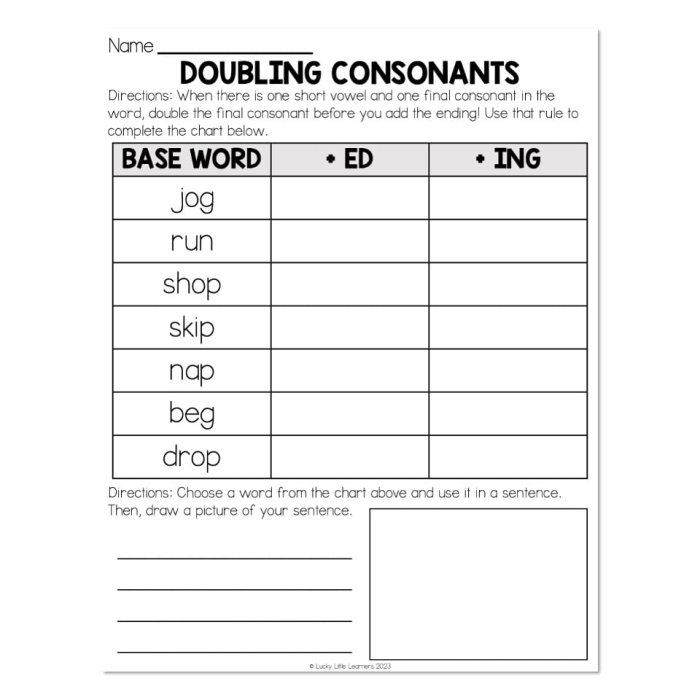
For example, in words like “hop” or “plan,” the final consonant is doubled before adding “ed” or “ing” to form “hopped” or “planning.” This happens because the word has one syllable and ends with a single vowel followed by a consonant. The doubling helps keep the vowel sound short and clear. On the other hand, words like “look” or “jump” don’t double the consonant, so they become “looked” or “jumping.”
When dealing with words longer than one syllable, the stress on the syllable matters. Take the word “begin”—the stress falls on the second syllable, so the consonant “n” is doubled when adding “ing,” resulting in “beginning.” But in “visit,” since the stress is on the first syllable, the consonant is not doubled, making “visited” and “visiting” correct spellings.
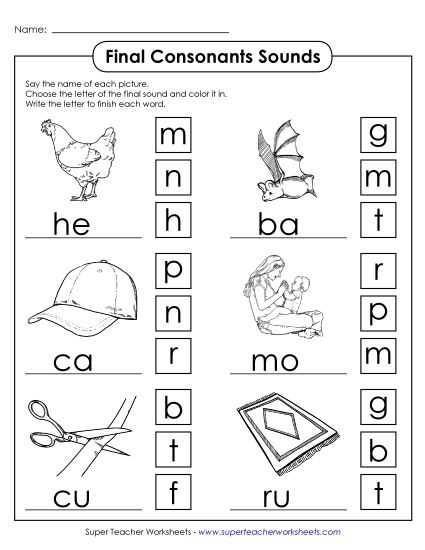
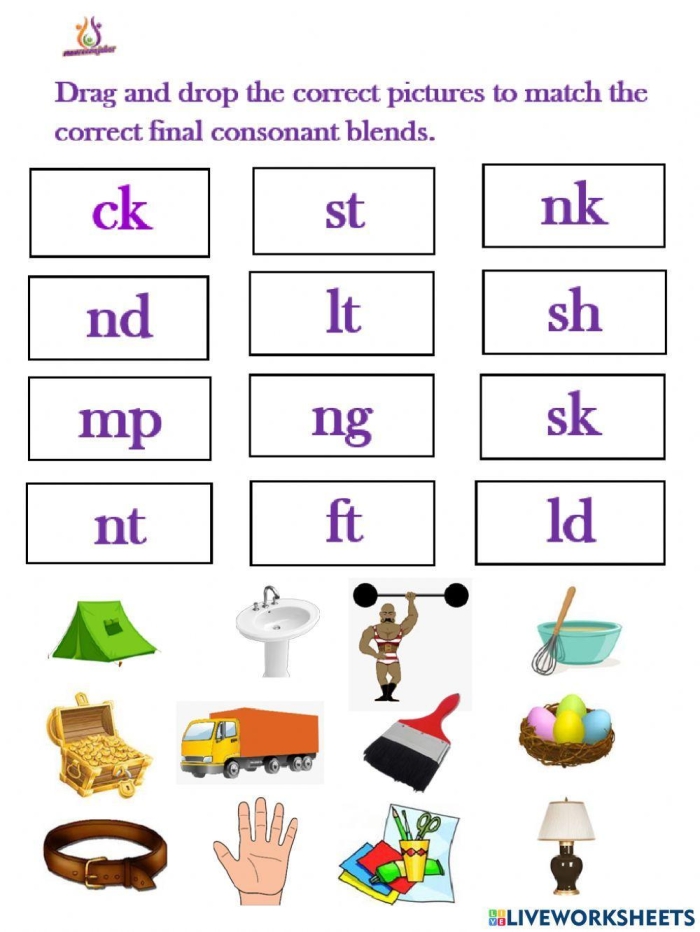
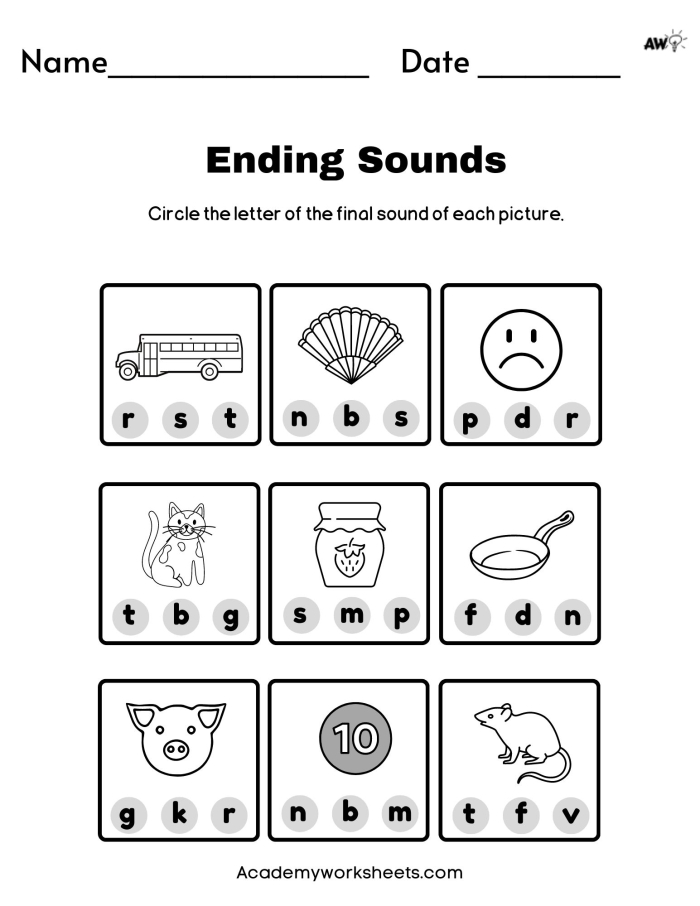
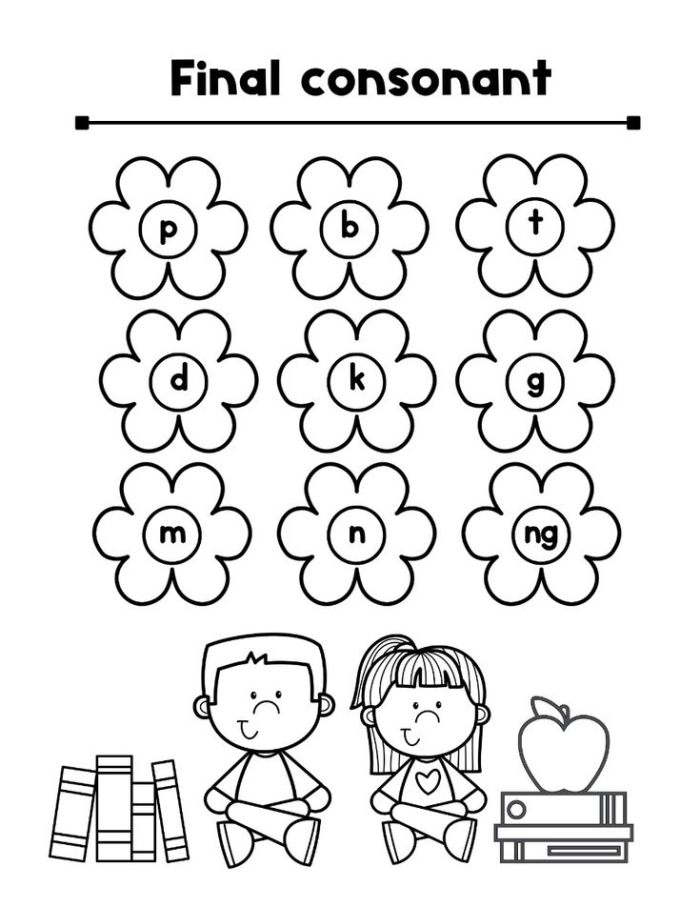
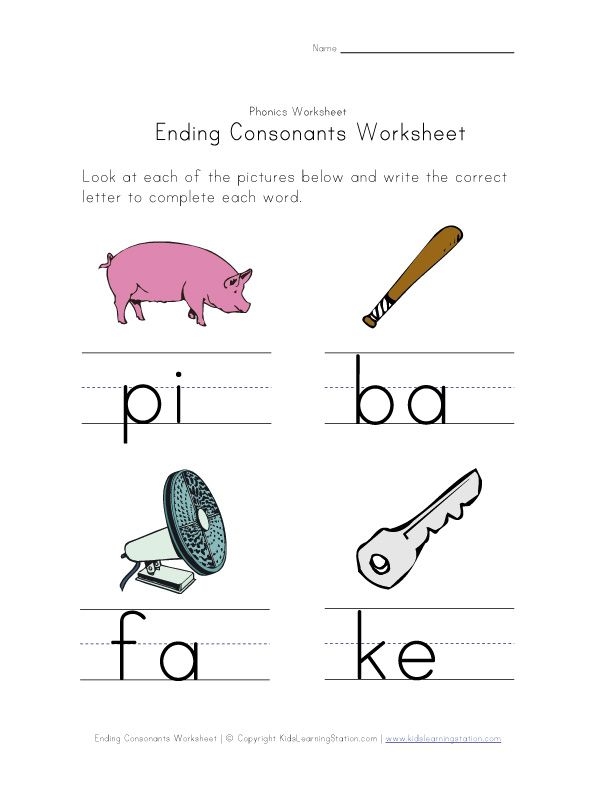
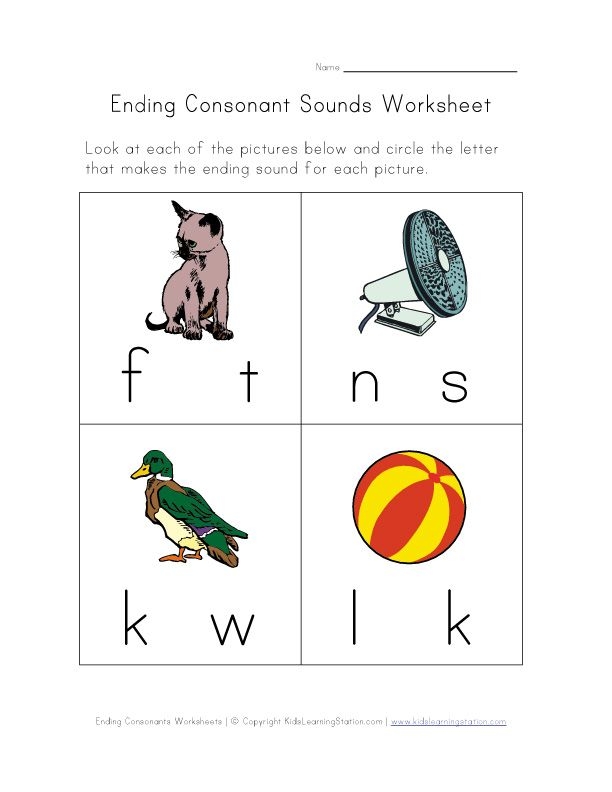
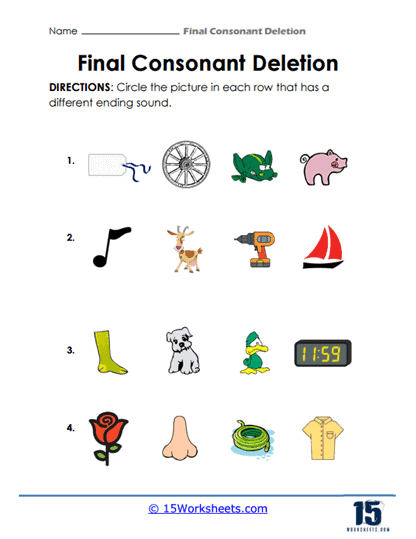
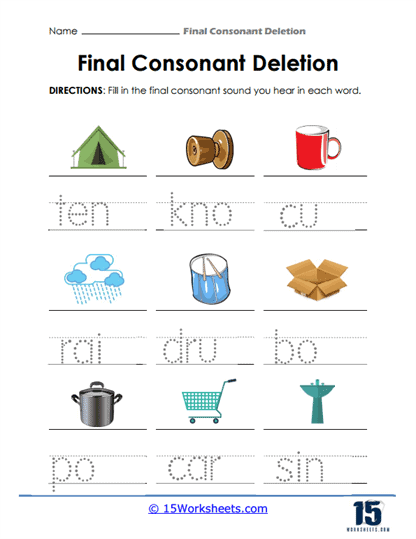
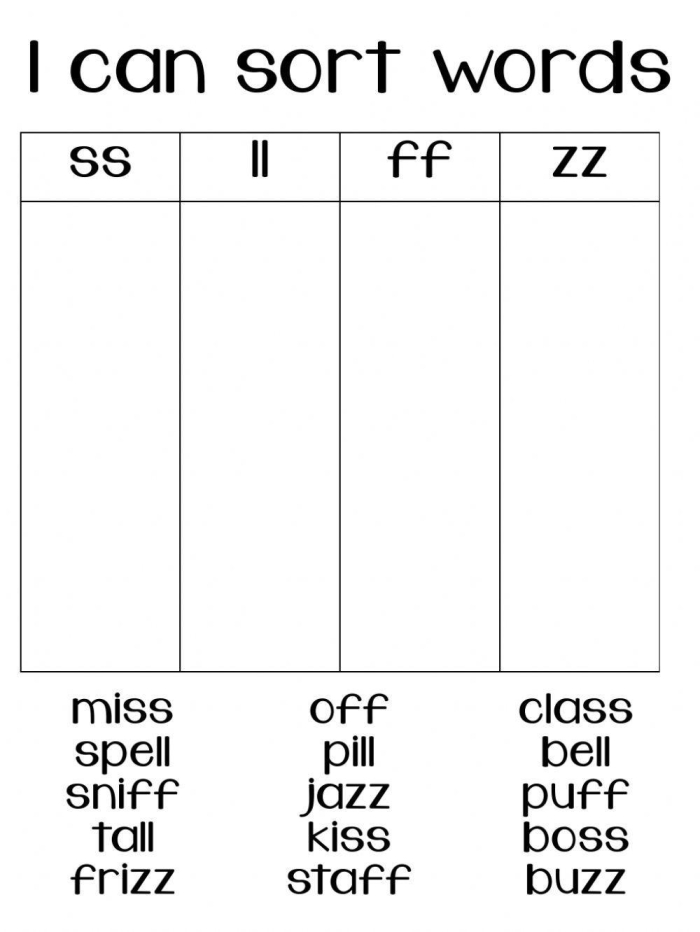
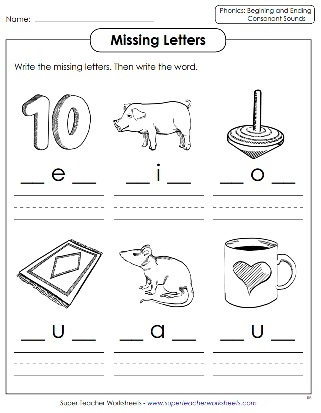
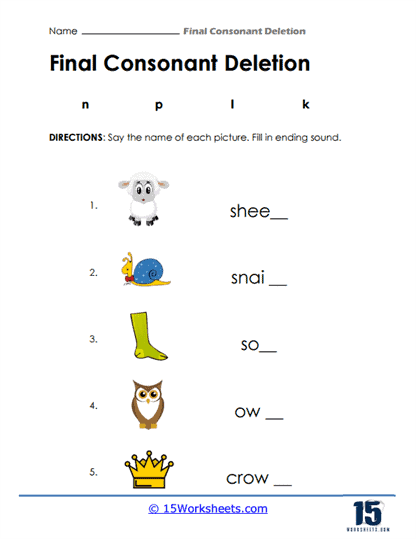
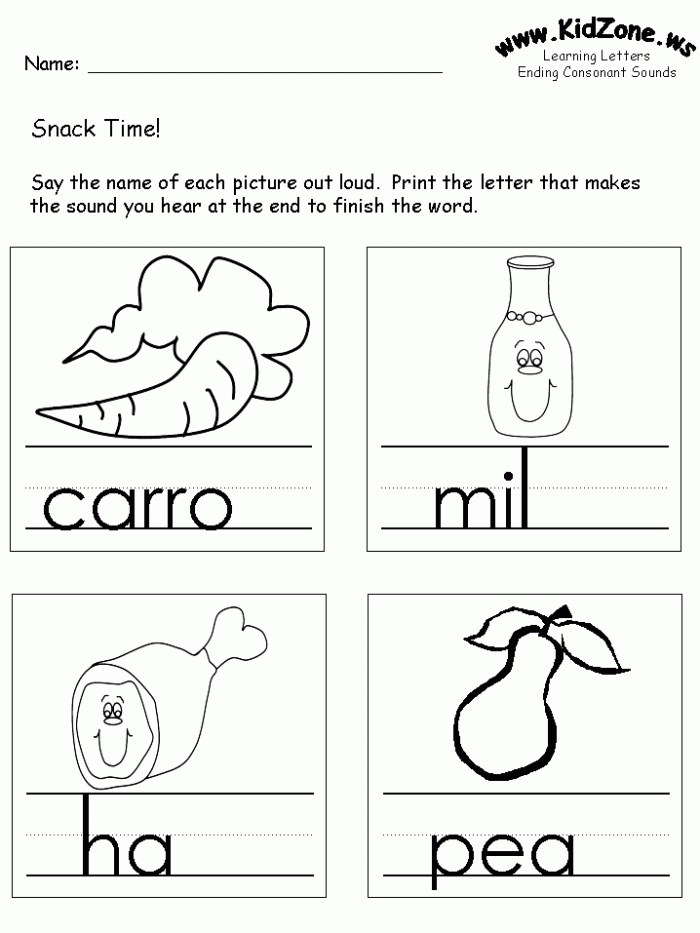
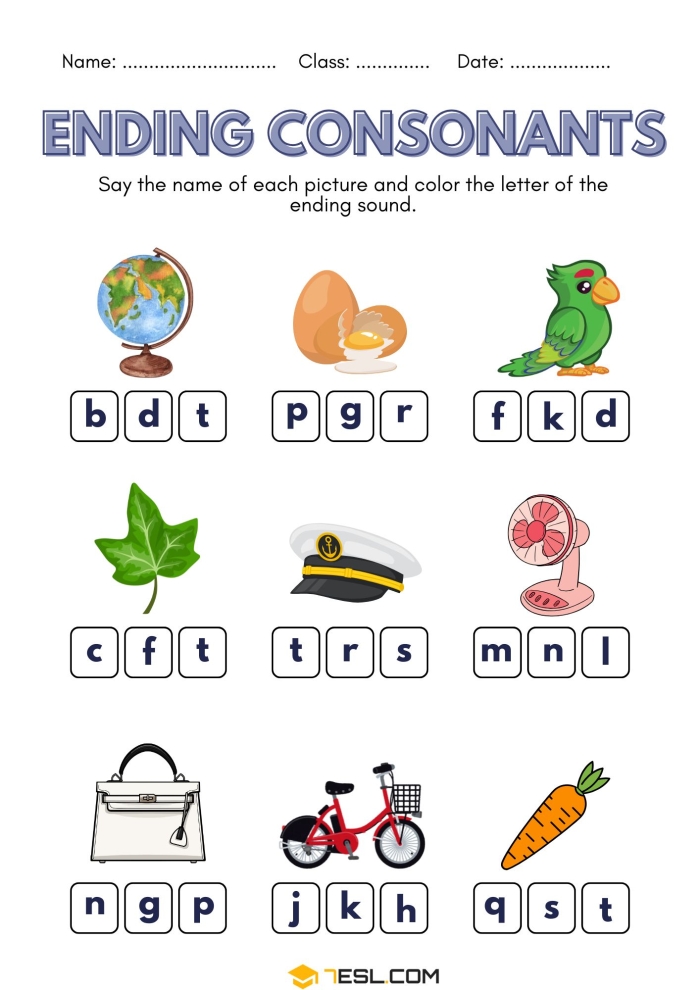
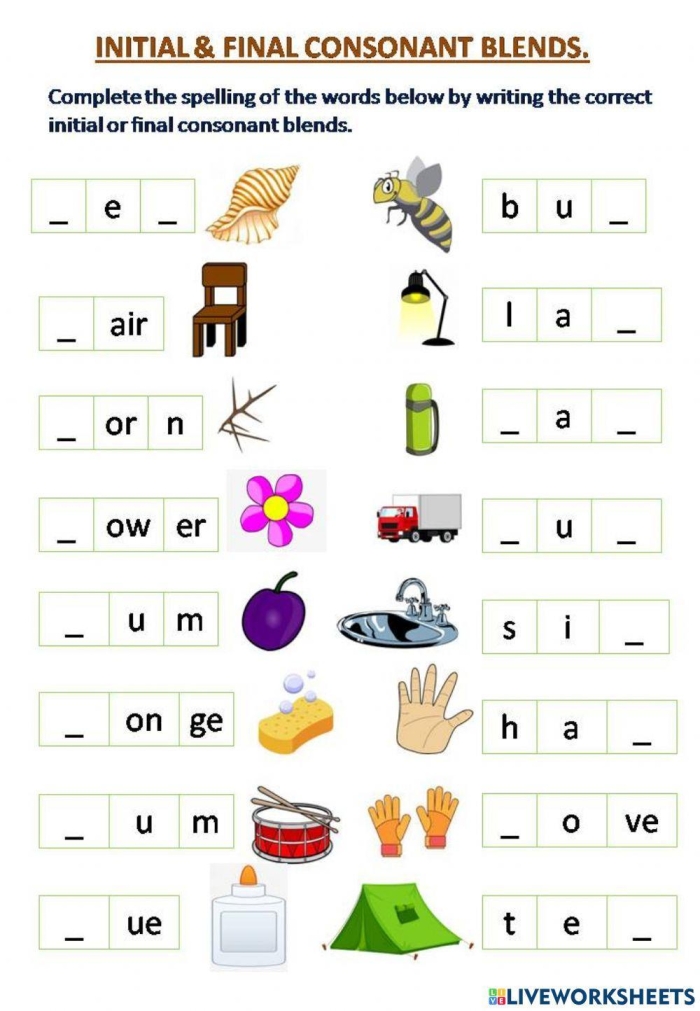
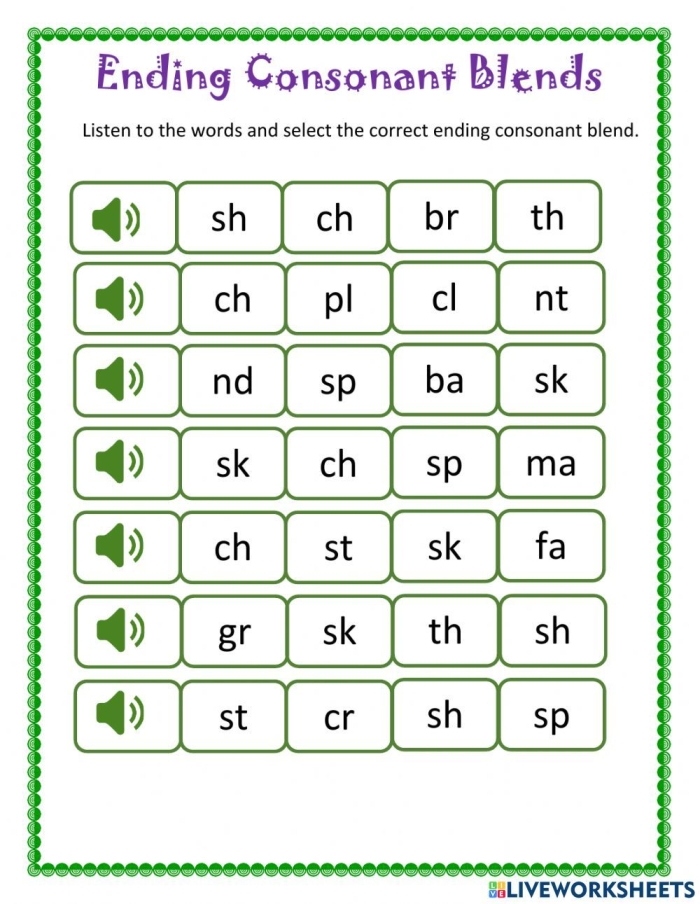
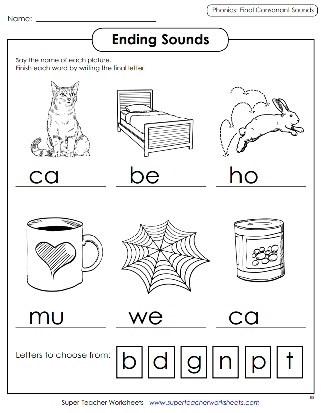
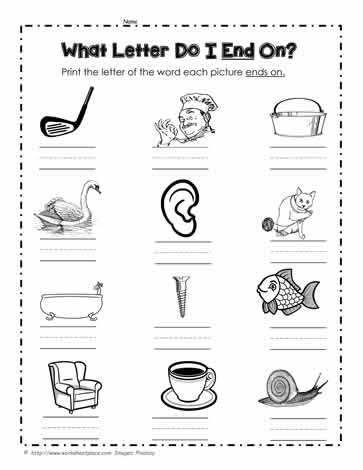
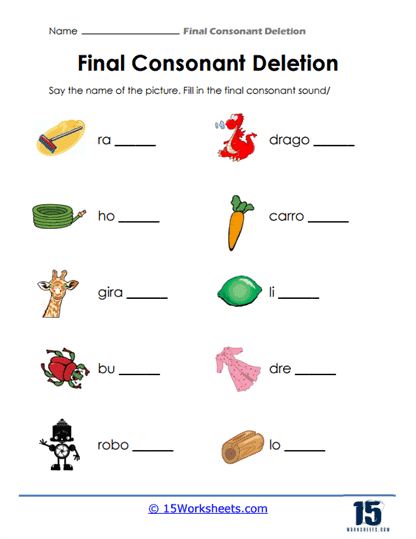
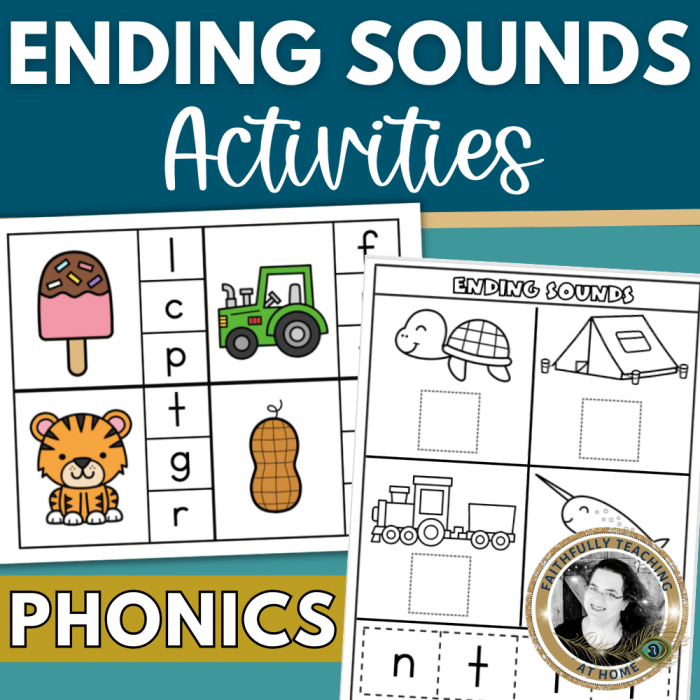
Practicing these rules can be made easier with resources like printable final consonant endings worksheets designed specifically for third-grade students. These worksheets provide targeted exercises to reinforce correct spelling patterns, helping children remember when to double consonants and when not to. For those seeking additional practice, exploring activities such as word scrambles or vocabulary crosswords can further build confidence in grammar and mechanics.
Understanding and mastering these spelling rules is an important step in developing strong writing skills. Consistent practice, combined with clear explanations, helps students avoid common mistakes and write with greater accuracy and confidence.
Printable Worksheets for Practice