L. Frank Baum wrote The Wonderful Wizard of Oz in 1900, setting Dorothy’s Kansas farmhouse squarely in the Great Plains, where tornadoes reign as the dominant severe weather threat. But what if Dorothy had lived just a few hundred miles south, in the Gulf Coast states of Texas, Louisiana, or Florida? The story might have played out very differently, with a hurricane replacing that famous twister as the force that swept her away to Oz.
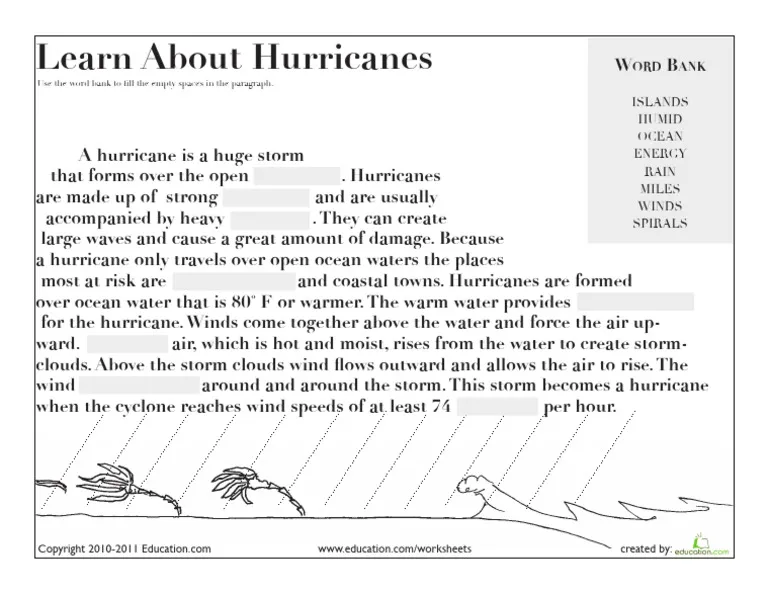
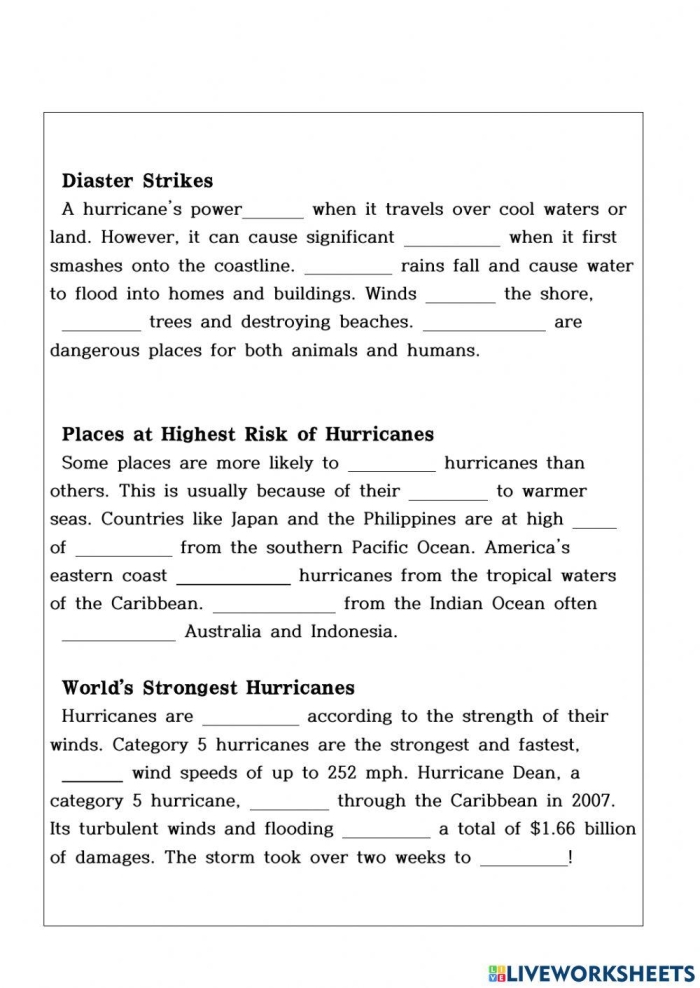
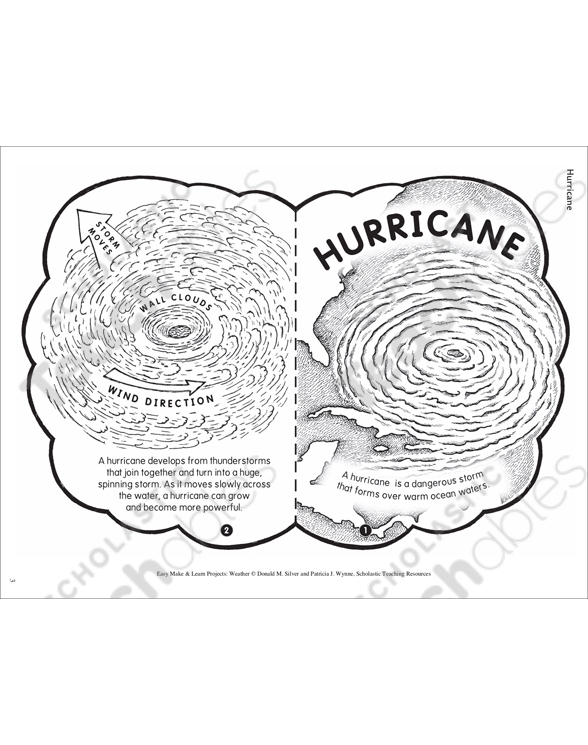
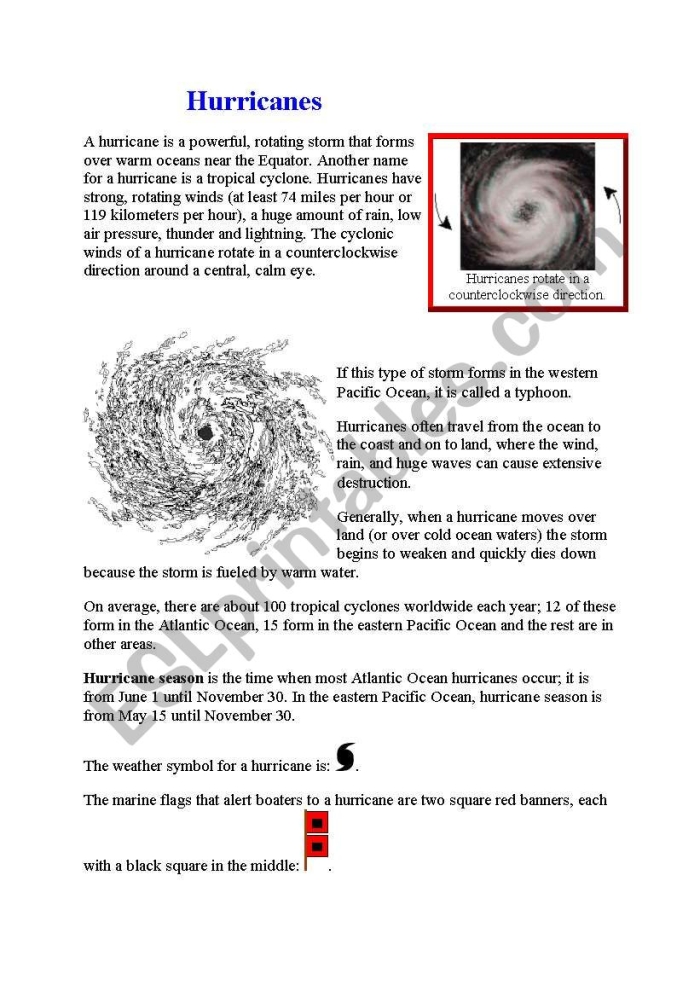
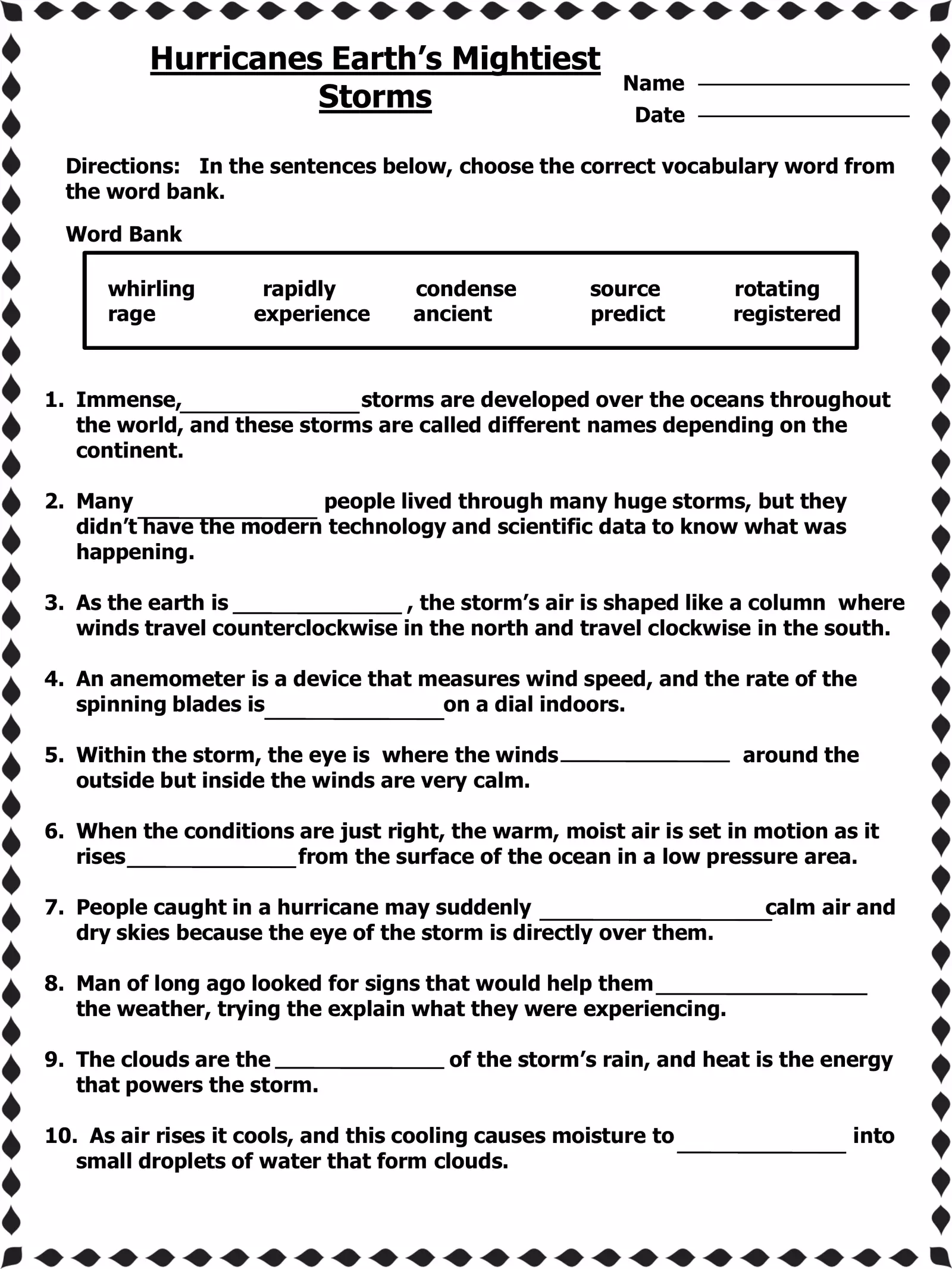
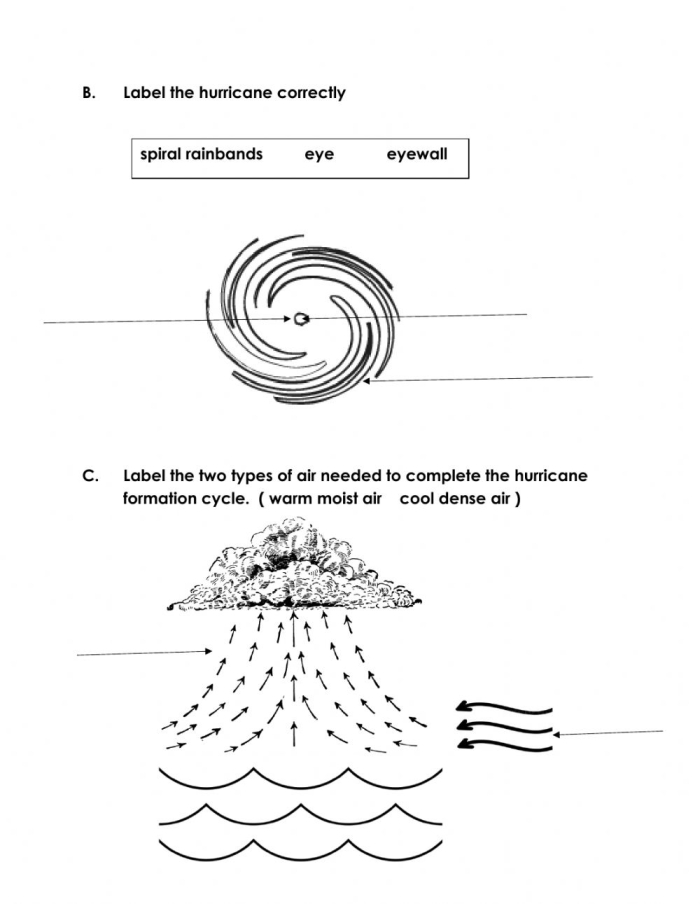
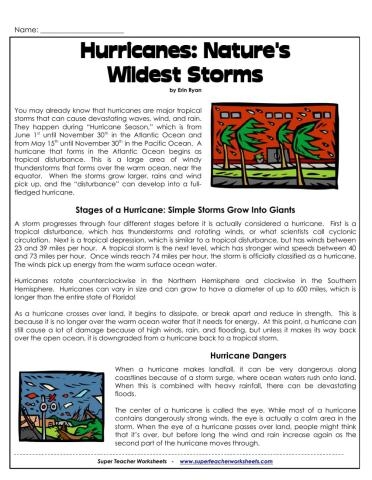
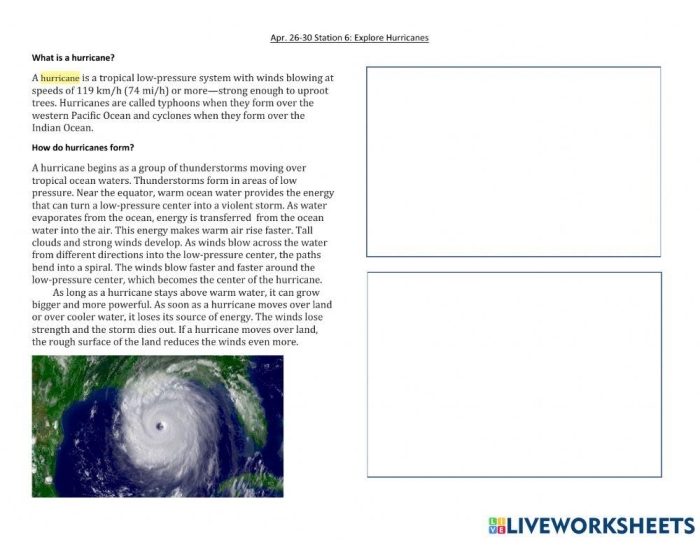
The distinction matters more than it might seem. While both tornadoes and hurricanes are powerful rotating storms, they form through entirely different mechanisms and behave in markedly different ways. Tornadoes develop rapidly from thunderstorms and last only minutes to hours, whereas hurricanes form over warm ocean water and can persist for weeks. A hurricane’s sustained winds and massive rainfall create destruction across a much wider area, and its storm surge can inundate coastal communities far inland.
If Dorothy’s farmhouse had sat in hurricane country, the narrative would have shifted from a sudden, violent updraft to a slow-building catastrophe. Hours of warning would have preceded the storm’s arrival, giving her family time to evacuate. The winds would have been relentless rather than brief, and the flooding would have posed as much danger as the wind itself. For fifth grade students learning about grammar and mechanics through storytelling, examining how setting changes a narrative teaches valuable lessons about descriptive writing and cause-and-effect relationships.
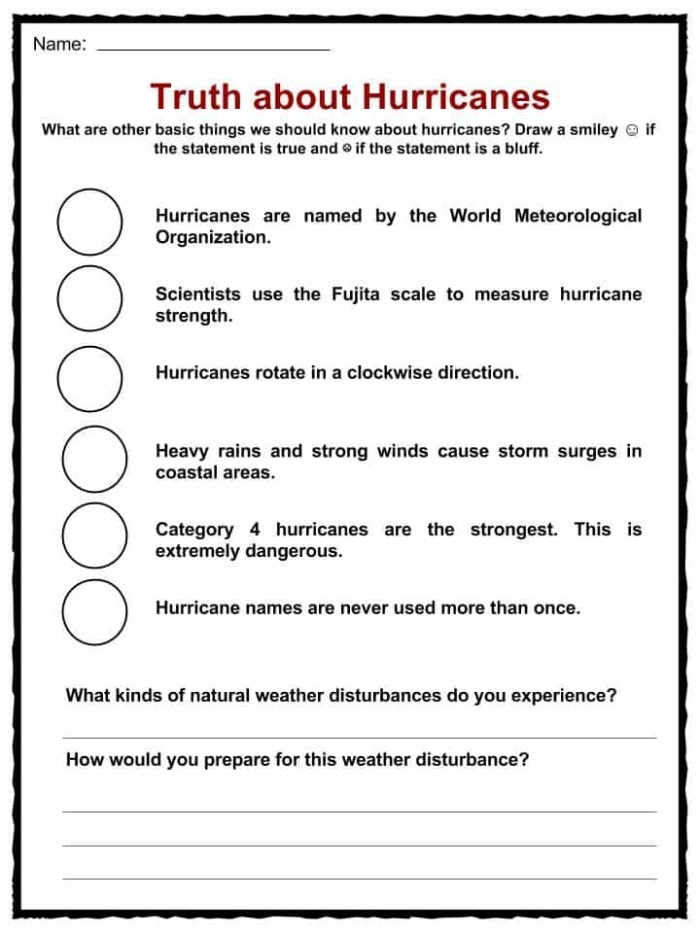
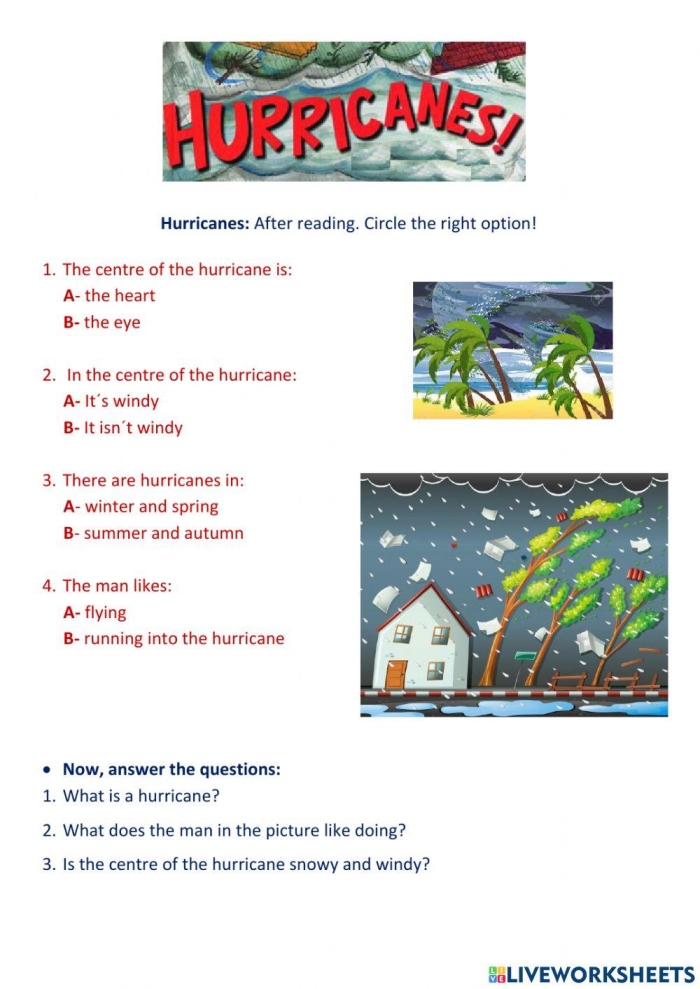
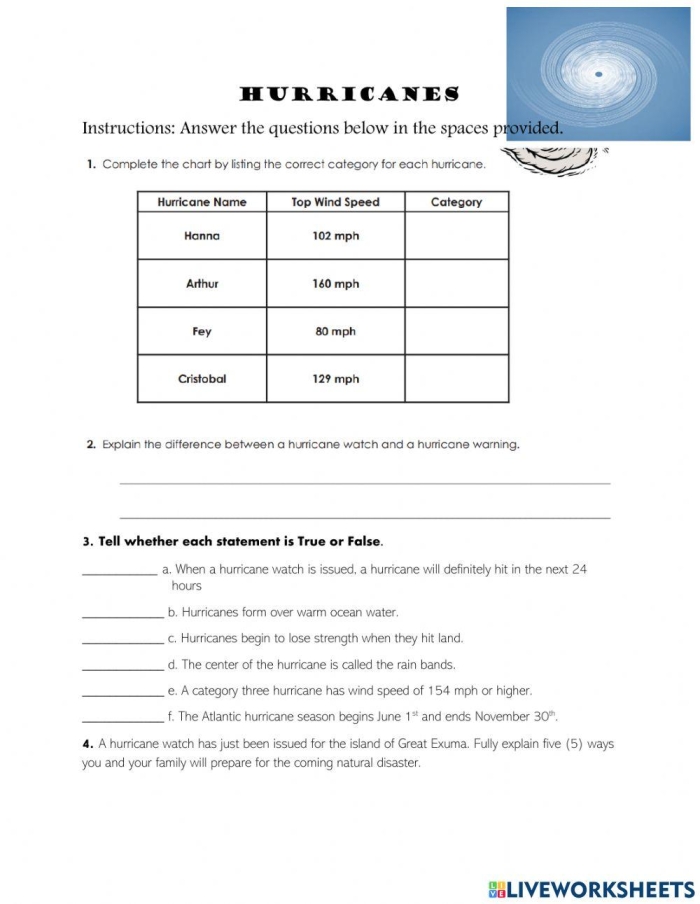
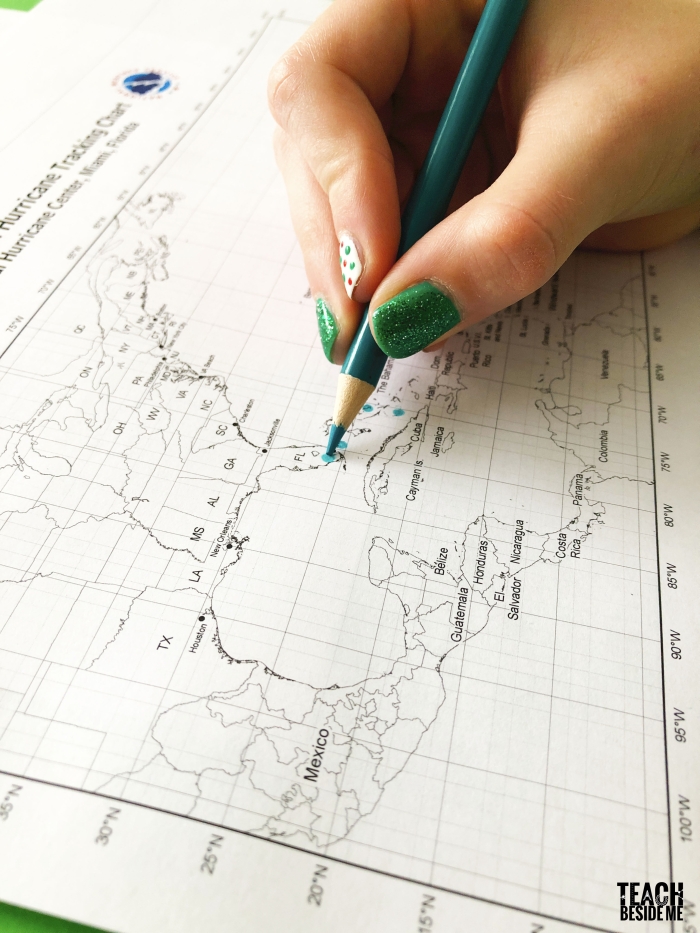
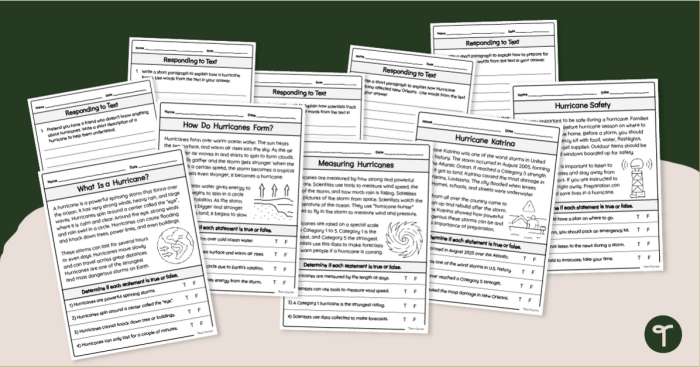
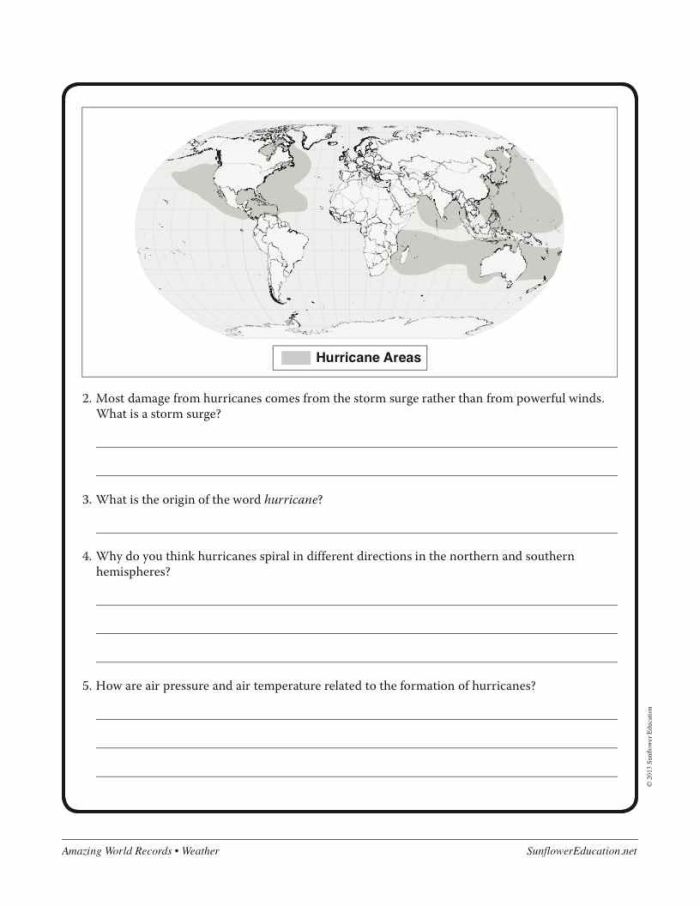
Understanding regional weather patterns helps us appreciate why Baum chose Kansas for Dorothy’s home. The state’s tornado season and the dramatic nature of twisters made them perfect for children’s literature. Meanwhile, learning about hurricanes through resources like reading comprehension activities or exploring how different regions face distinct natural hazards connects geography, science, and storytelling in meaningful ways.
Practice with These Worksheets