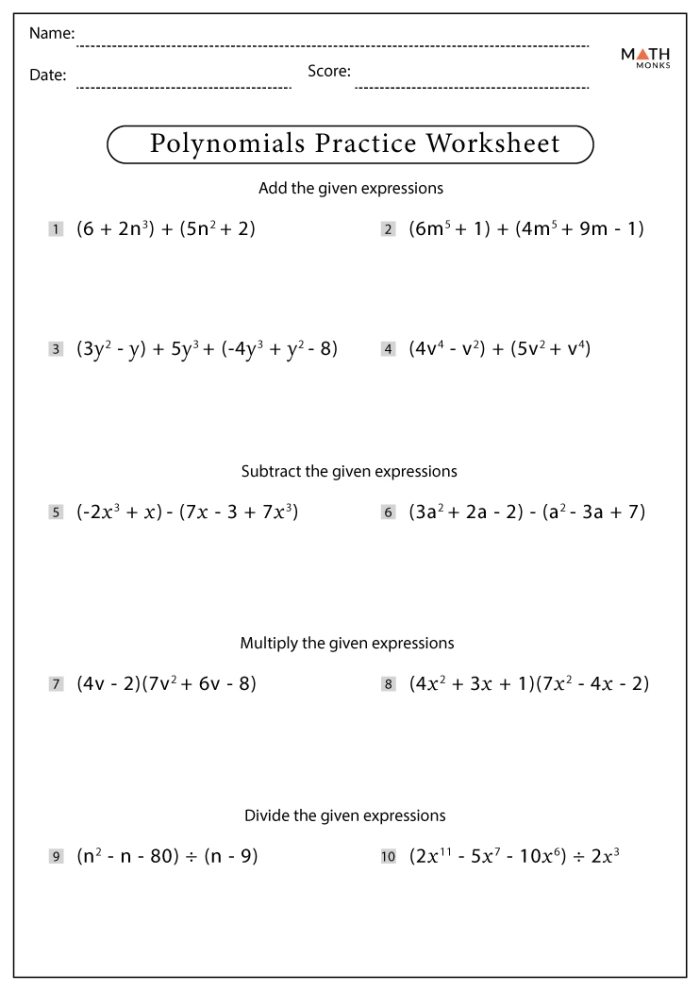
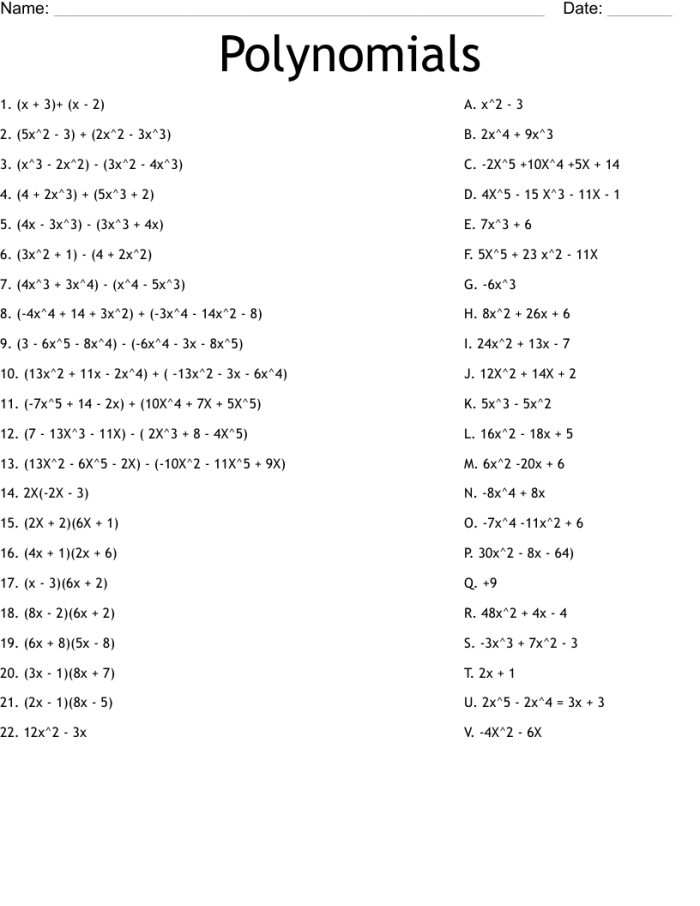
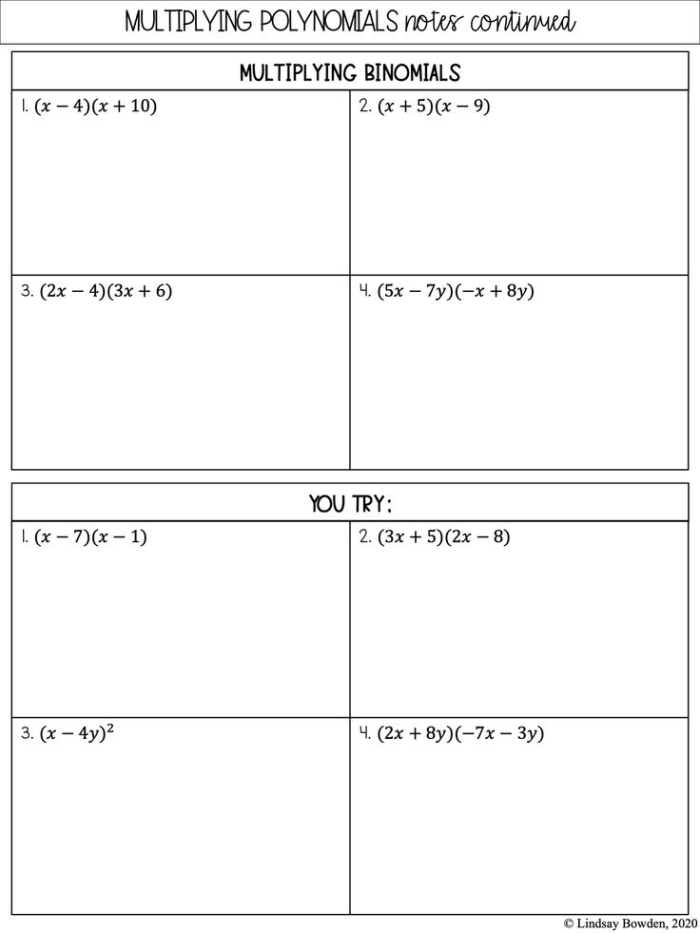
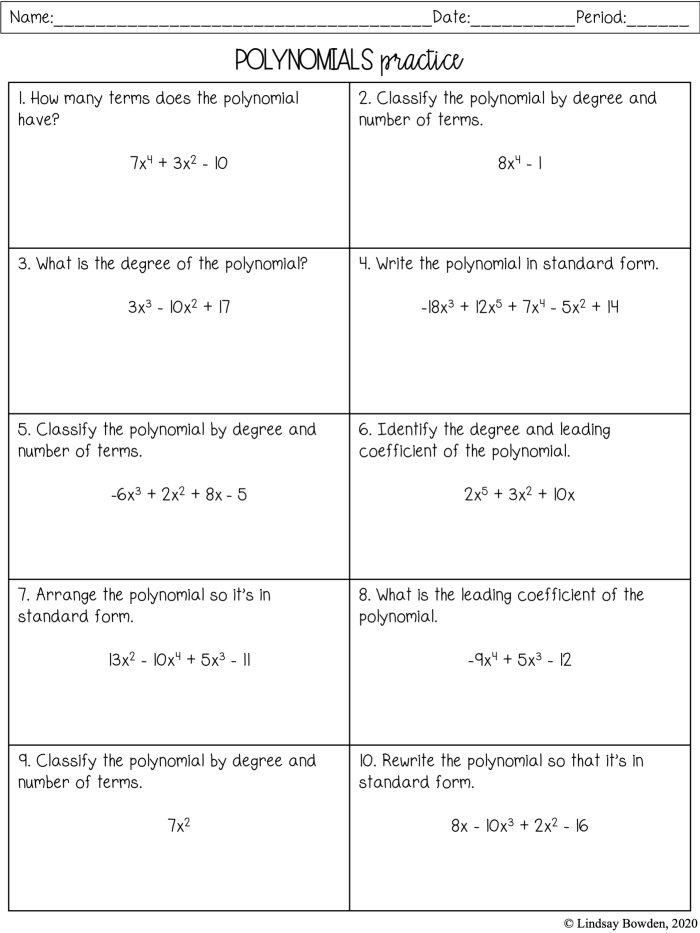
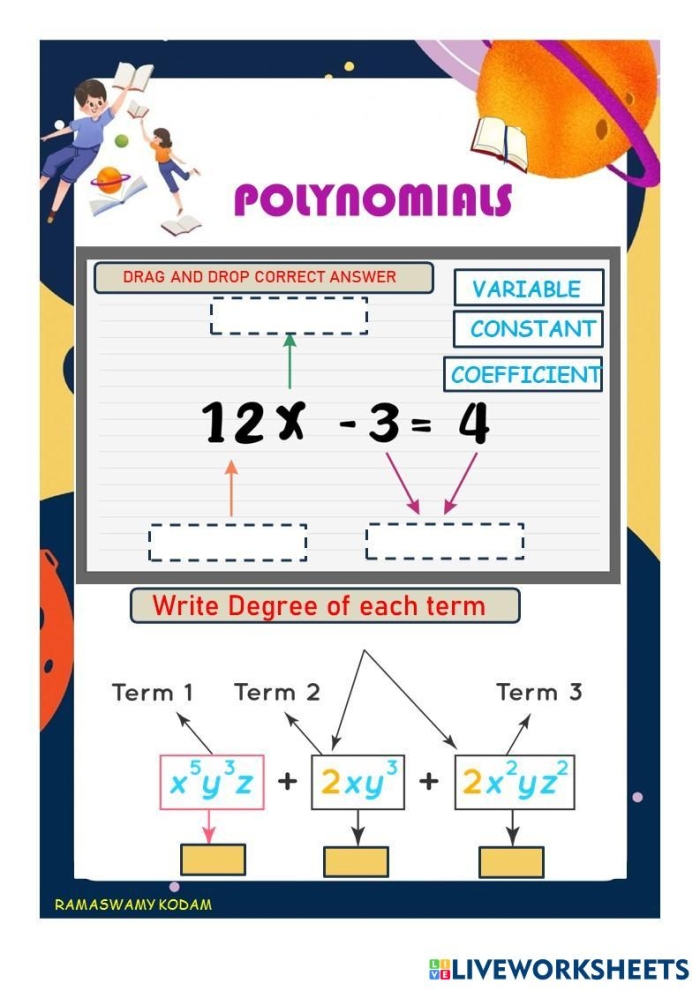
Polynomials can feel abstract until your middle schooler actually works with them hands-on. The key to building confidence is giving them plenty of practice identifying polynomials and converting them into standard form, which is where most students first encounter real difficulty.
When your student starts learning polynomials, they’re learning to recognize expressions made up of terms with variables raised to different powers. A polynomial might look like 3x² + 5x + 2, and it might also look like 5x + 3x² + 2. Both are the same polynomial, but only one is in standard form. Standard form arranges terms from highest degree to lowest, which makes polynomials easier to work with in later algebra courses.
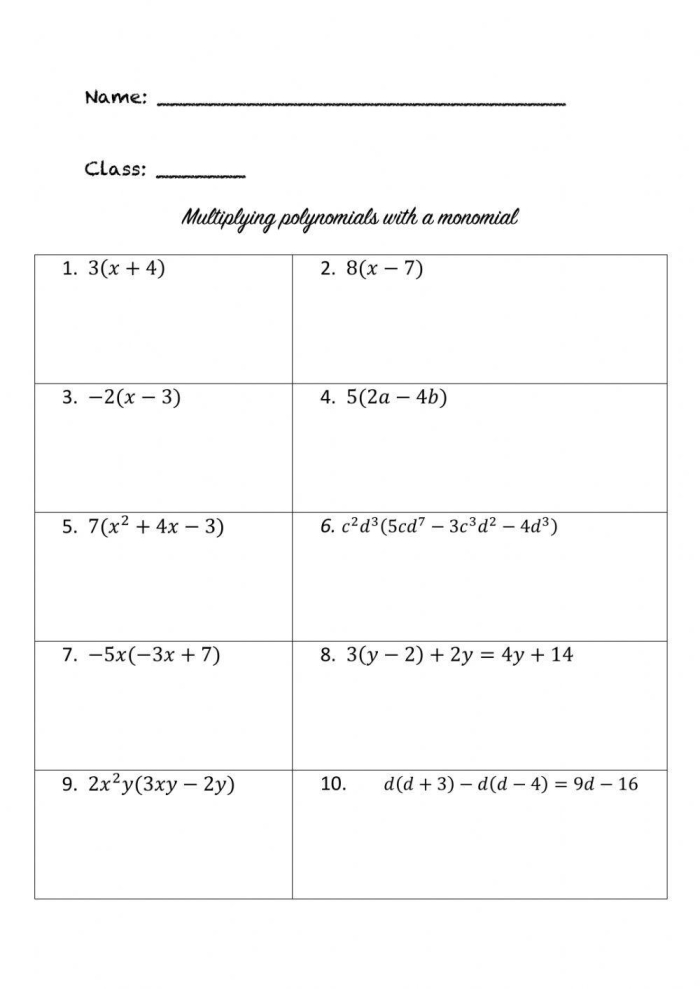
The reason standard form matters becomes clearer when students move into more advanced topics. When they eventually solve equations using the distributive property, they’ll need polynomials already organized in a predictable way. This foundational skill connects directly to what they’ll encounter in eighth grade mathematics.
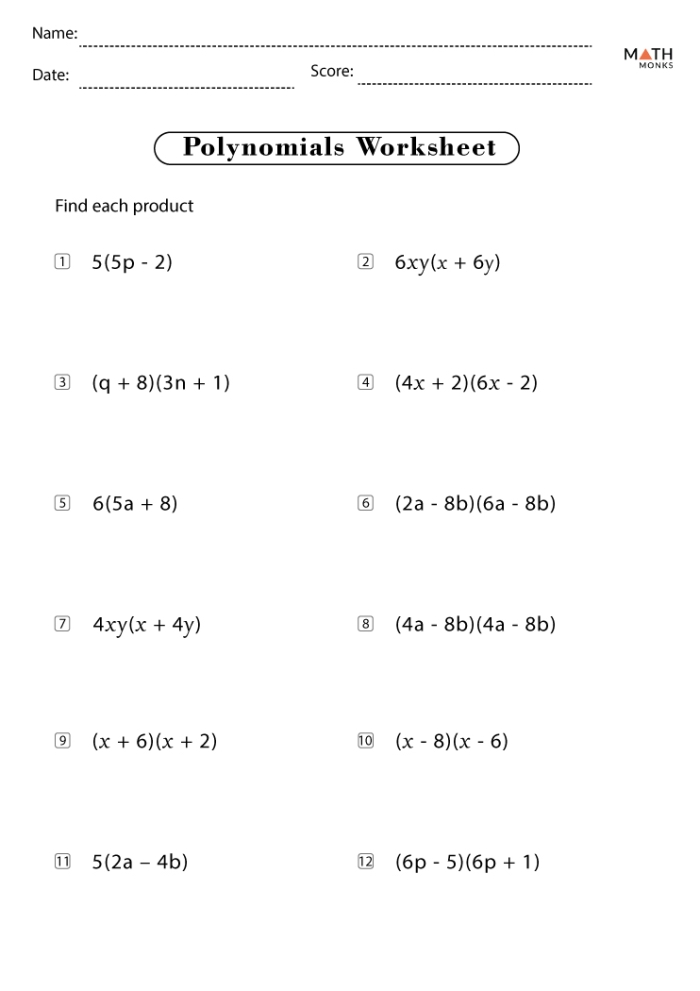
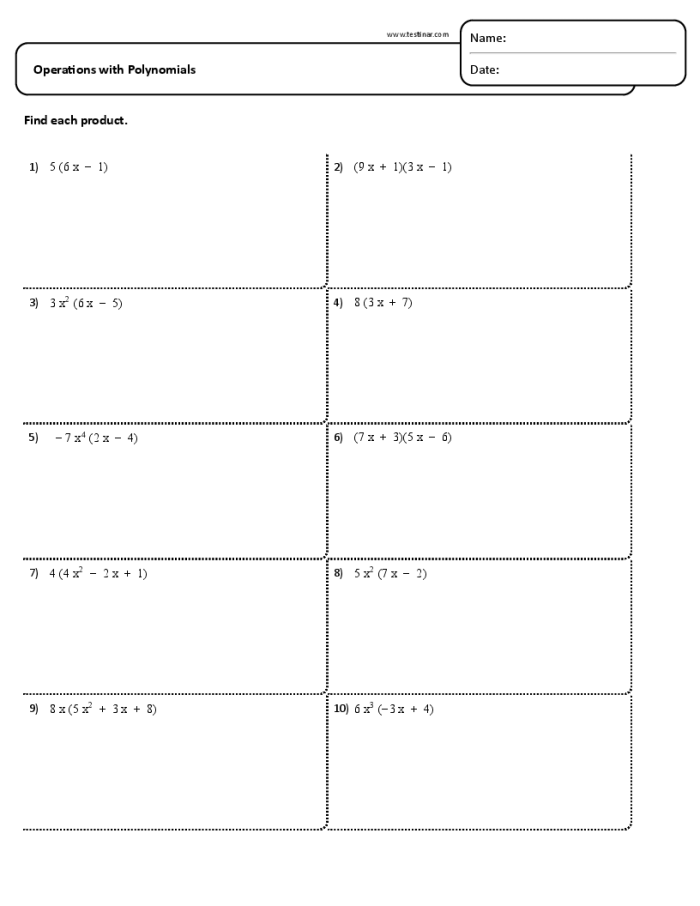
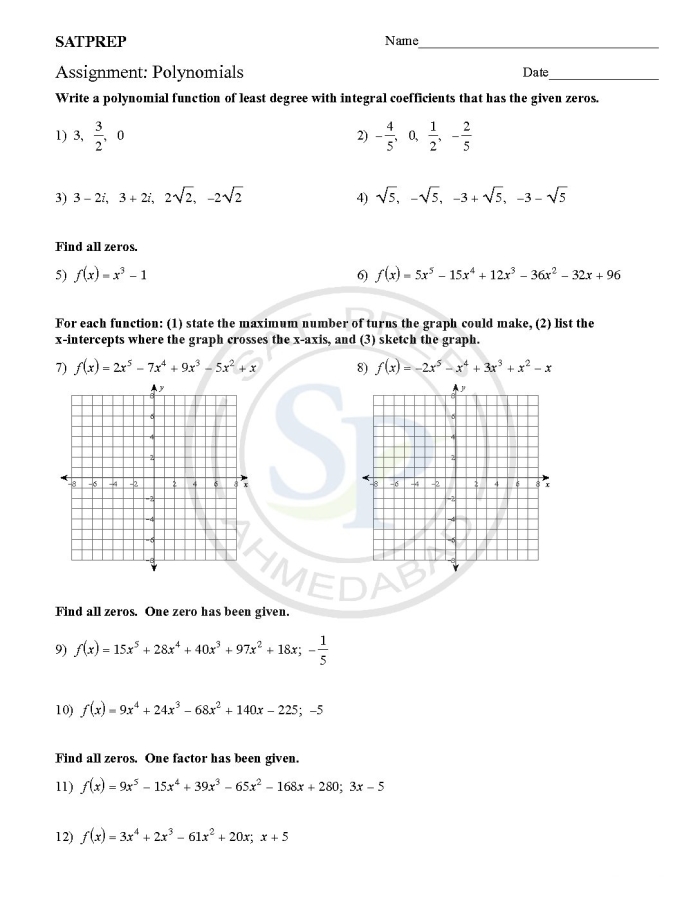
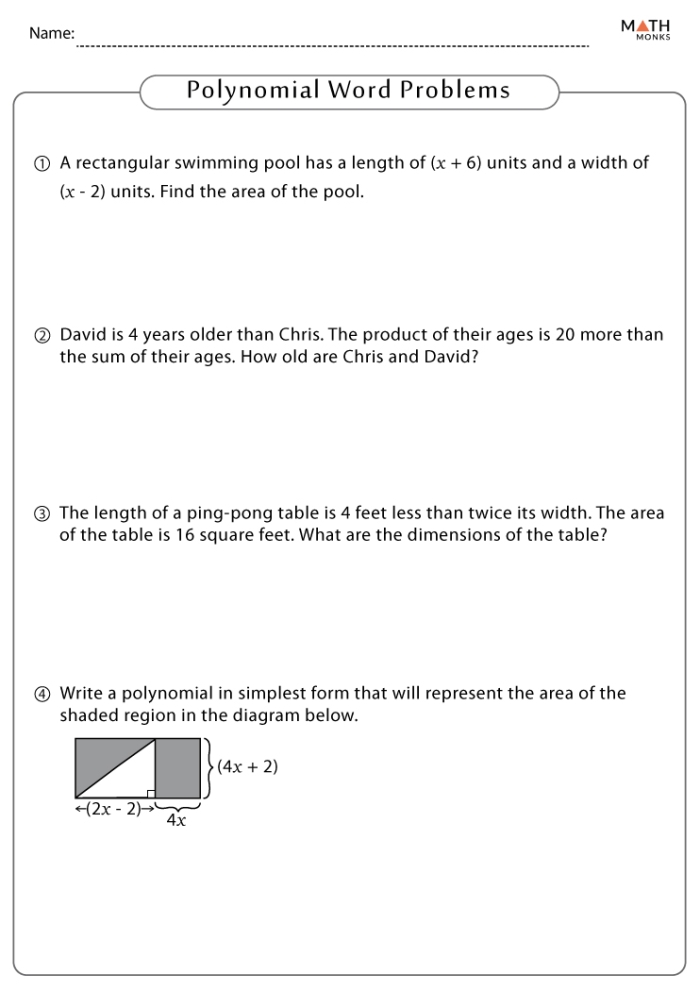
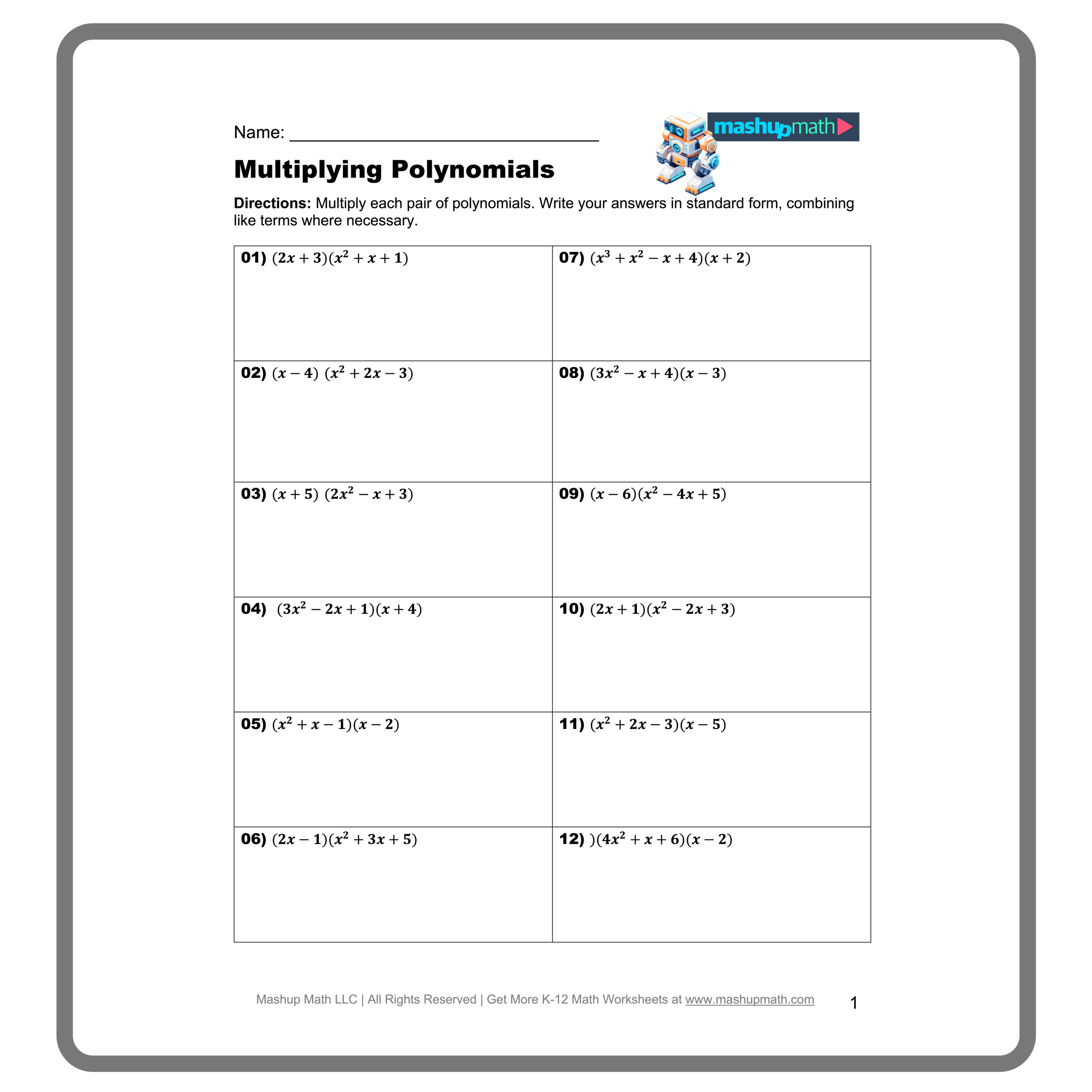
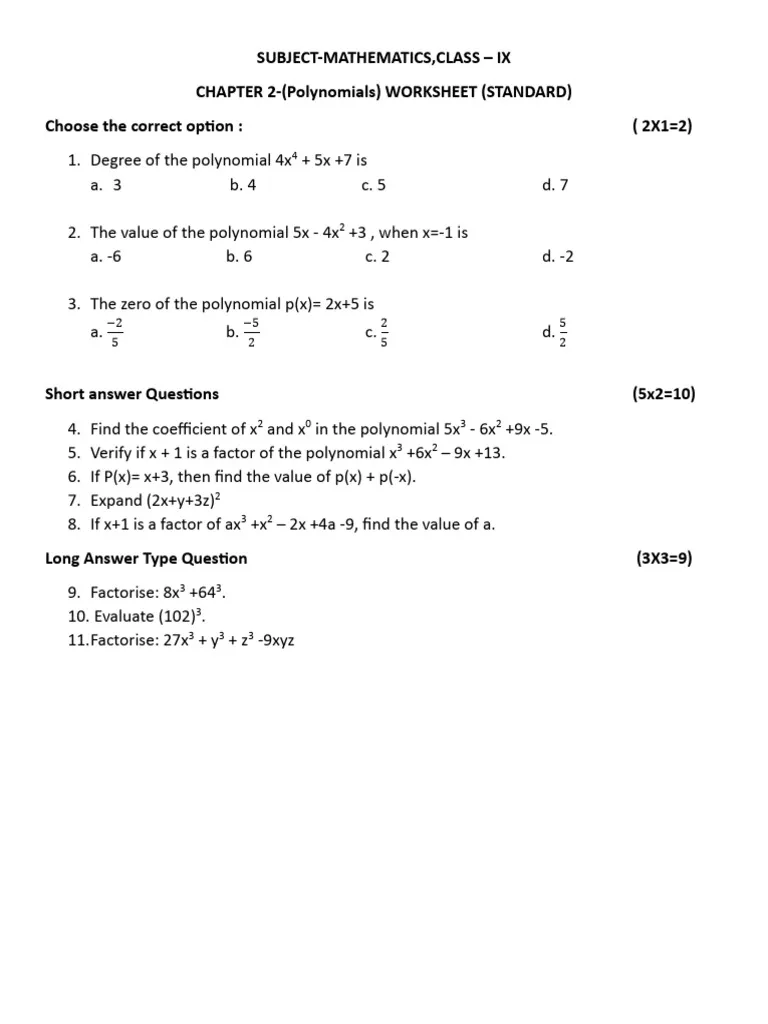
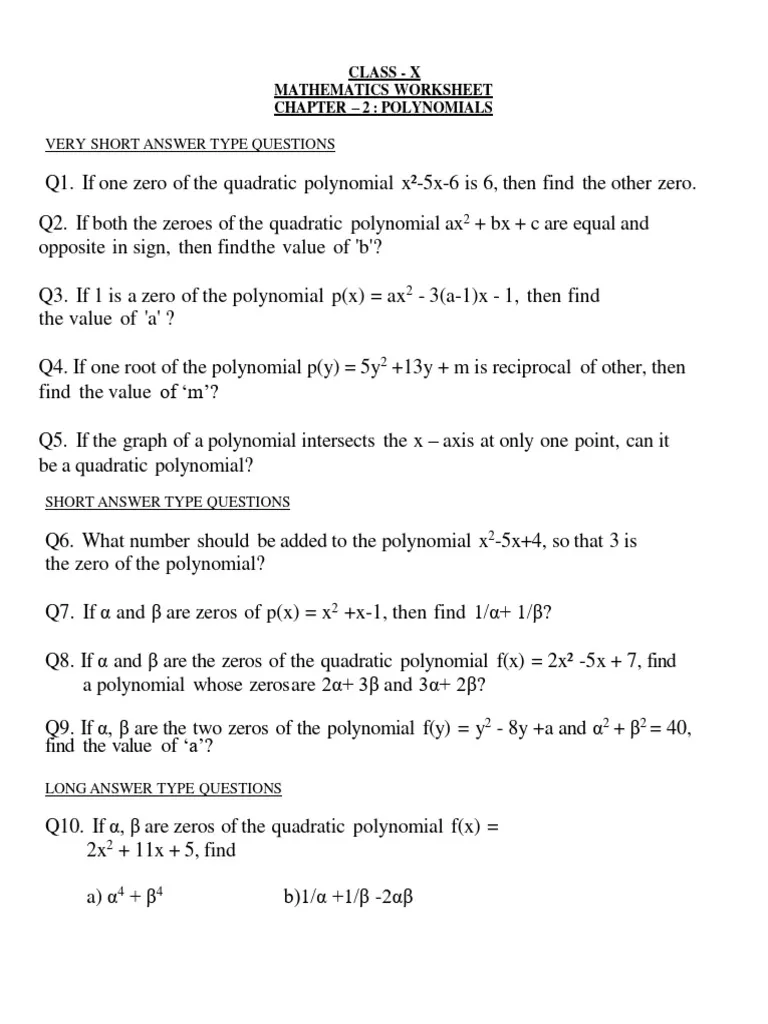
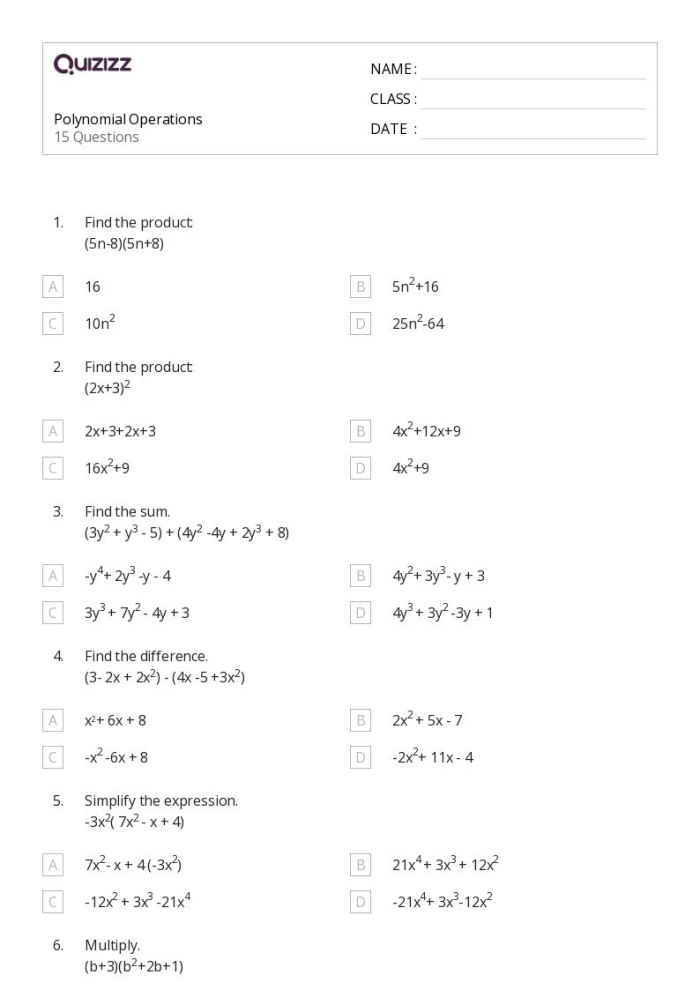
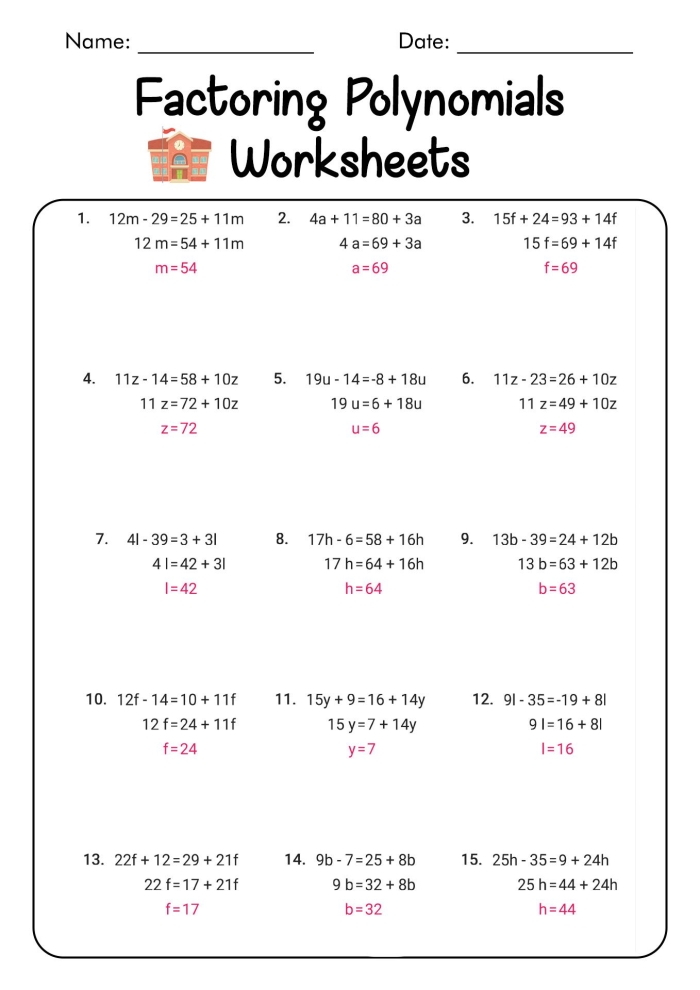
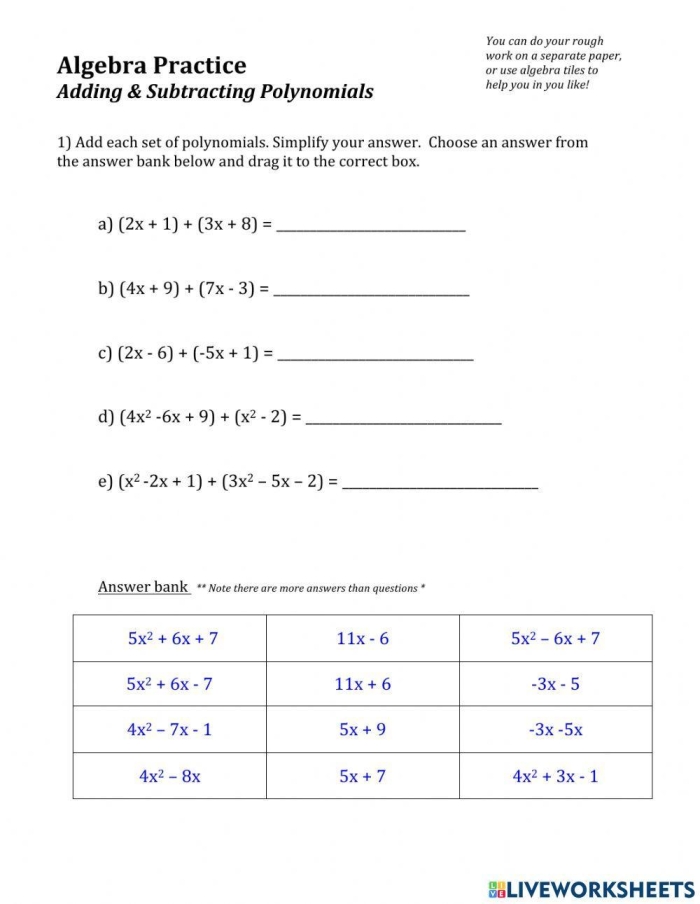
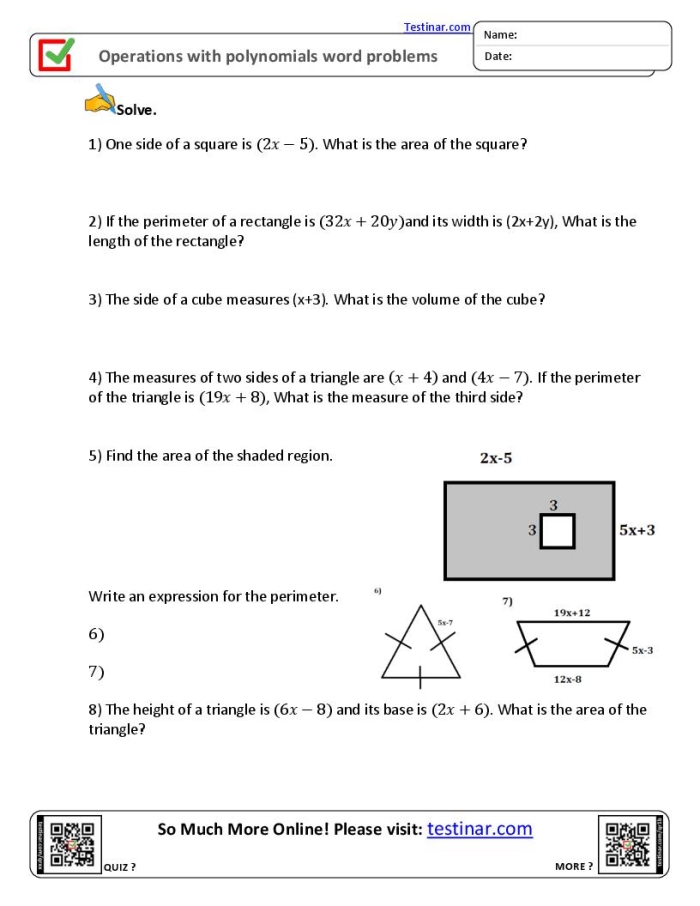
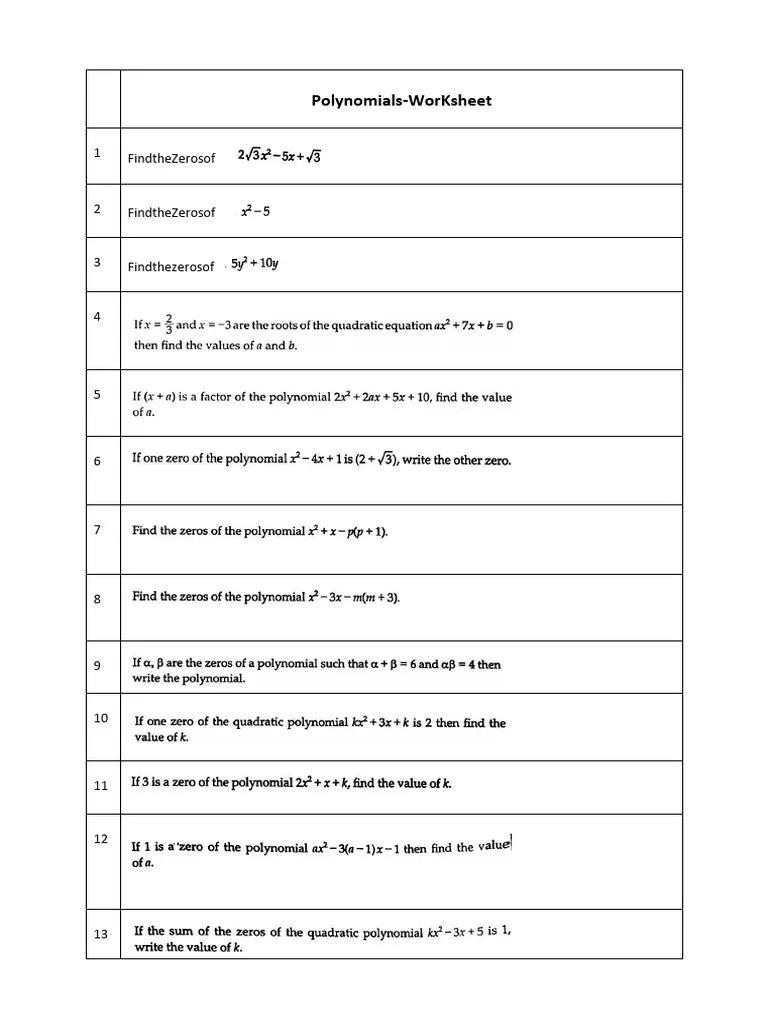
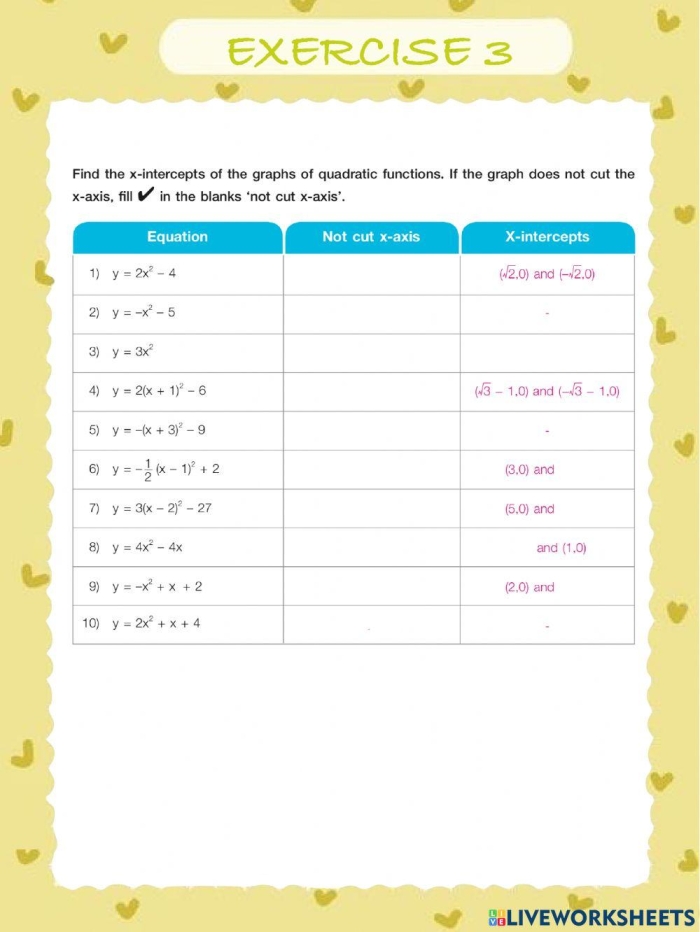
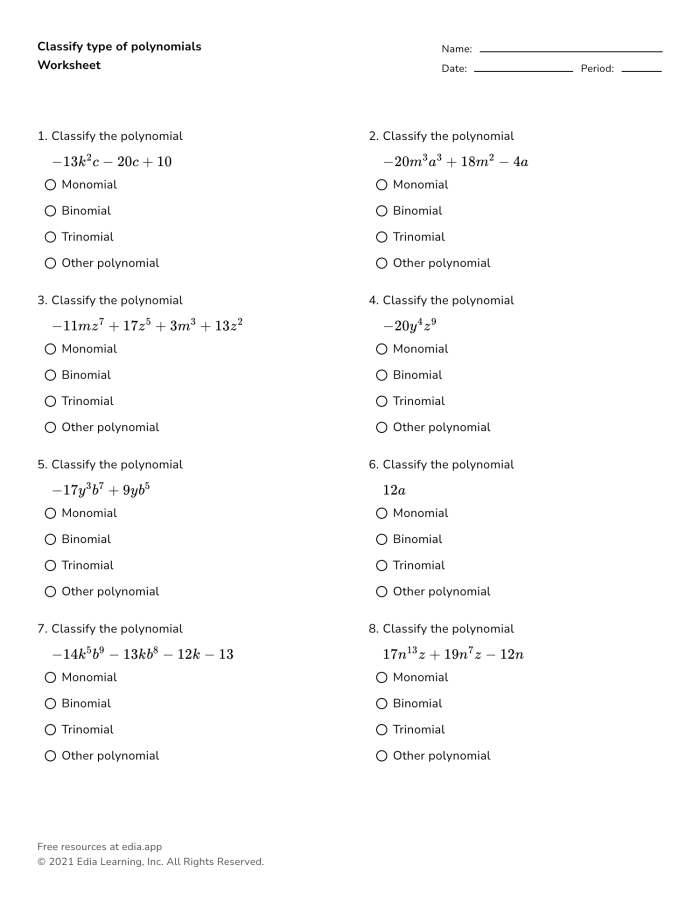
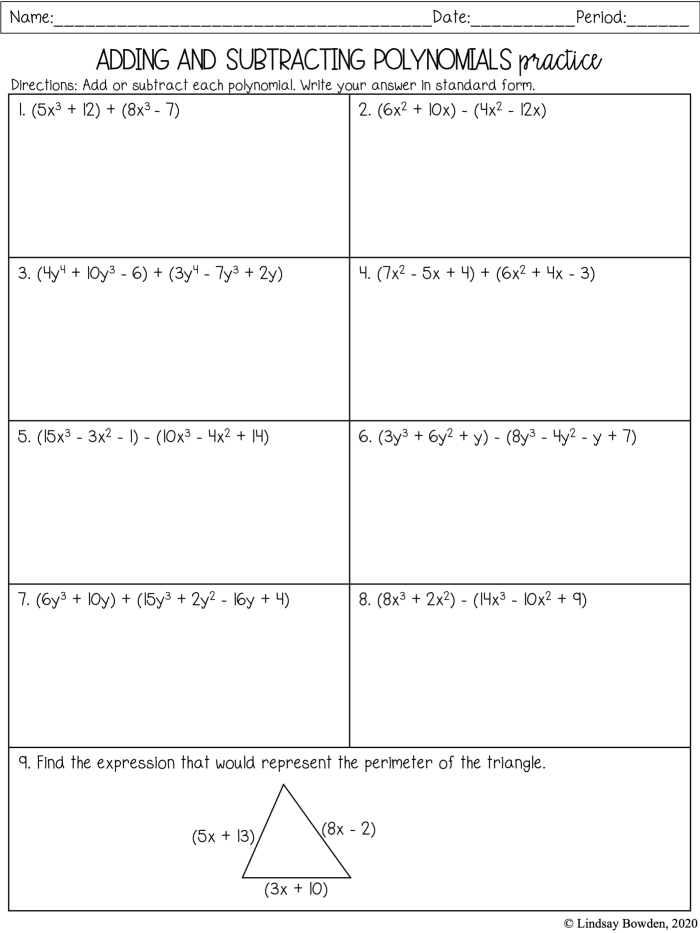
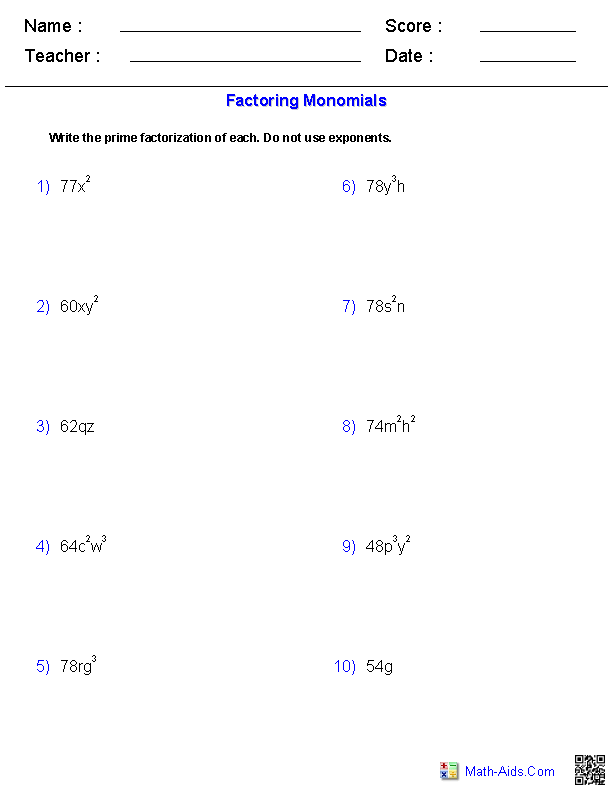
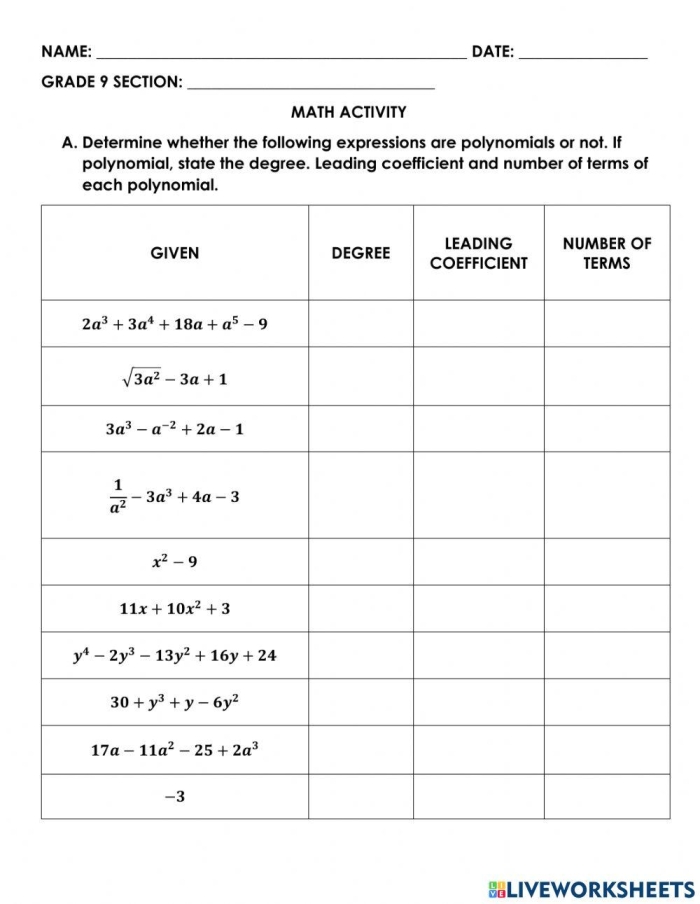
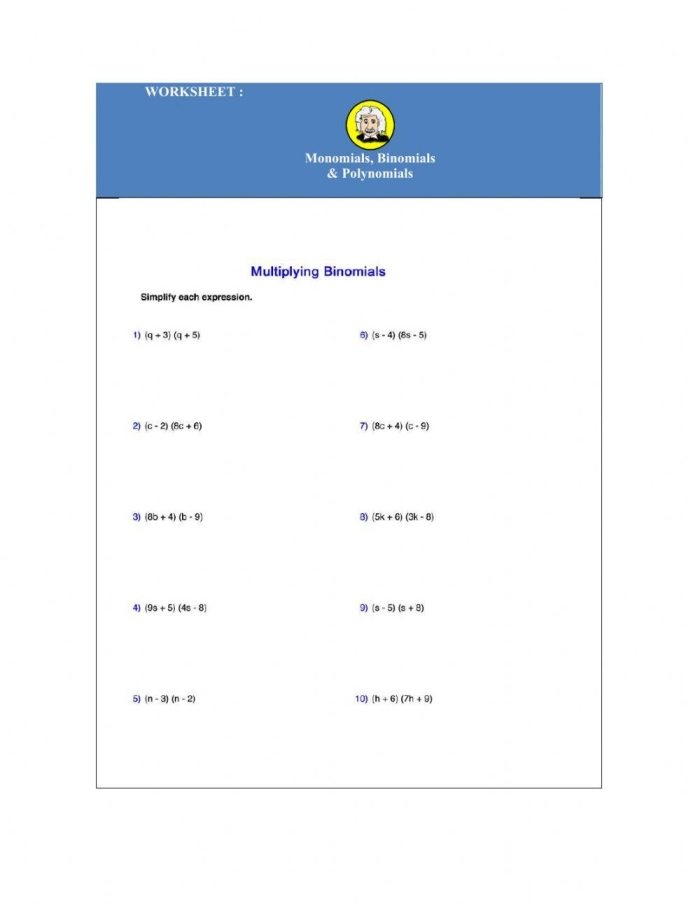
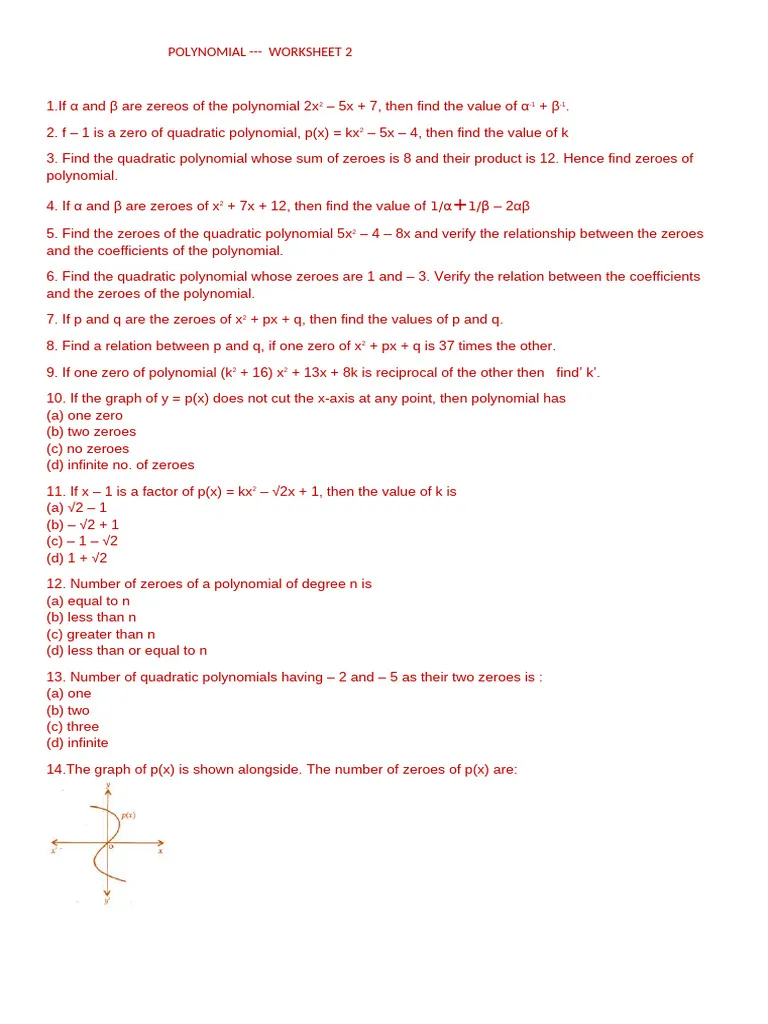
Practice worksheets work best when they start simple. Your student should begin by identifying whether expressions are polynomials at all, then move into arranging simple polynomials into standard form. After that, they can tackle expressions with multiple variables or higher degree terms.
The writing process also helps here. Have your student explain their work step-by-step as they rearrange terms. Writing out their reasoning forces them to think through the process instead of just mechanically moving numbers around. This approach builds actual understanding rather than temporary memorization.
Consistent practice over several weeks works better than cramming. Even fifteen minutes daily with focused polynomial problems will strengthen their skills more effectively than one long session. Your middle schooler will move through this material faster once they see the pattern, and standard form will become second nature.
Use These Worksheets Today