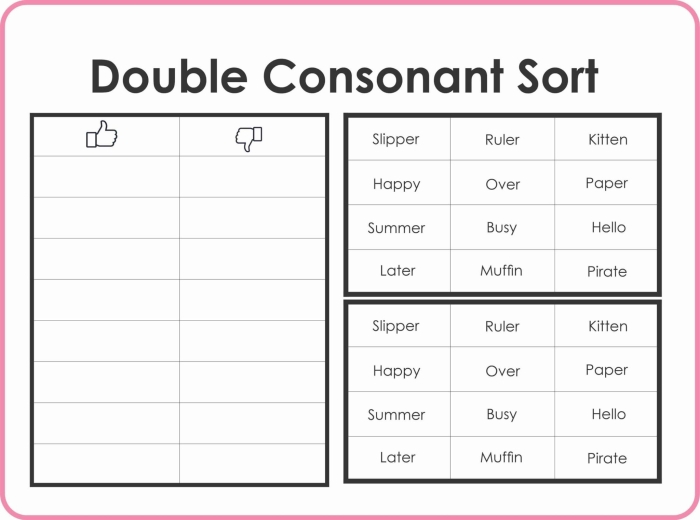
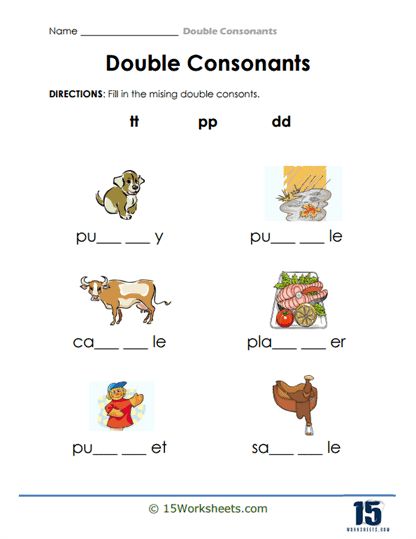
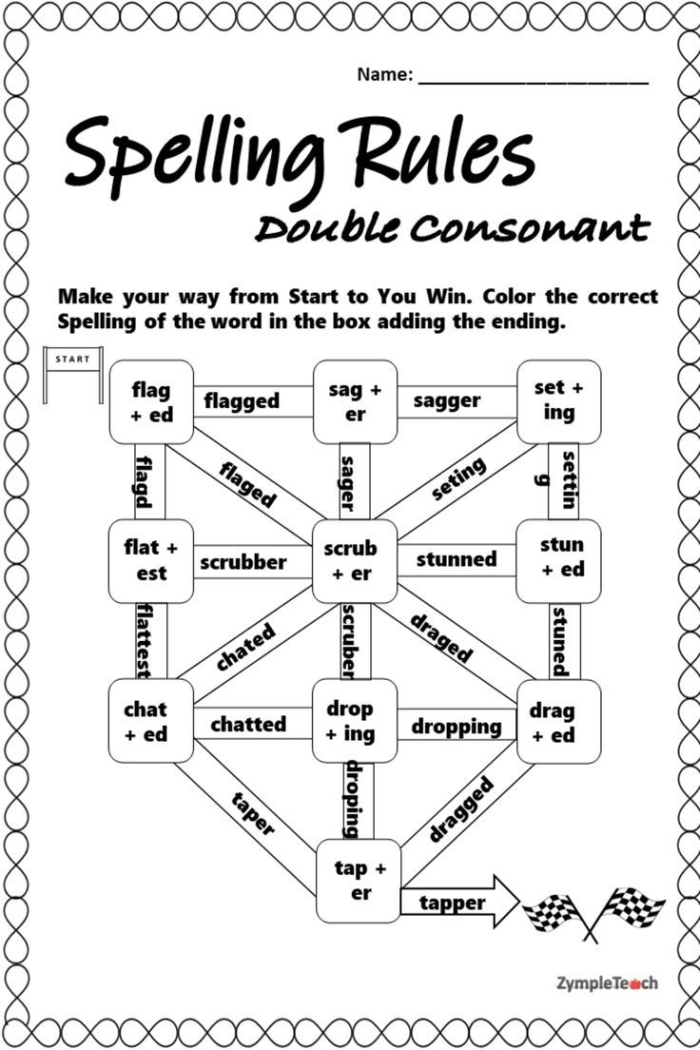
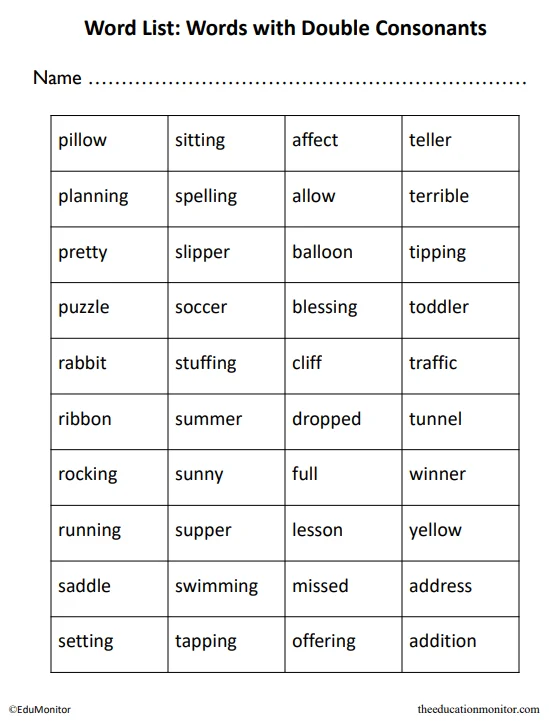
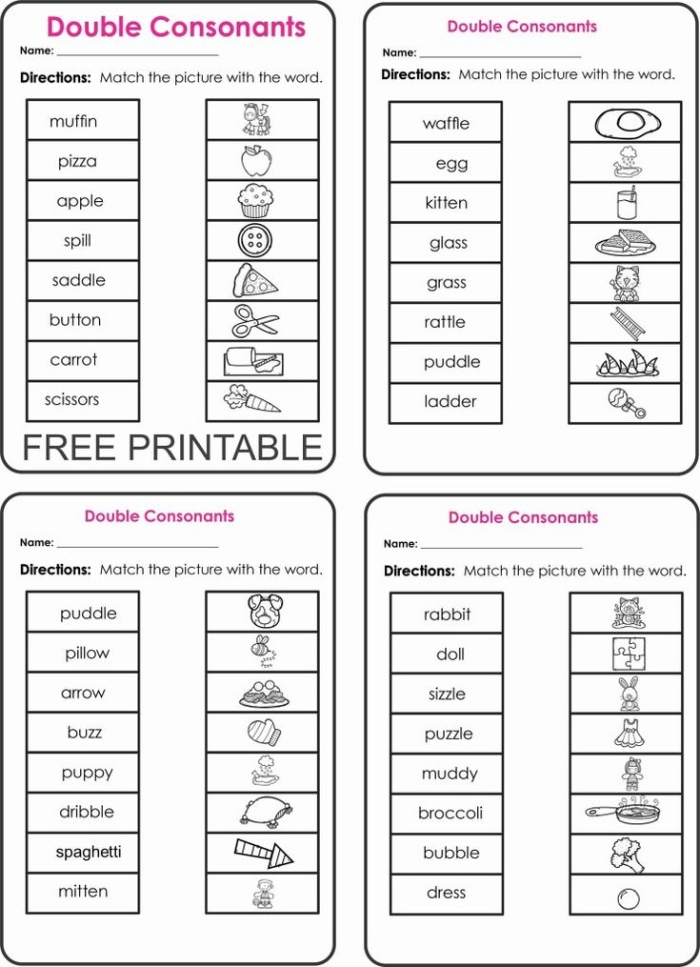
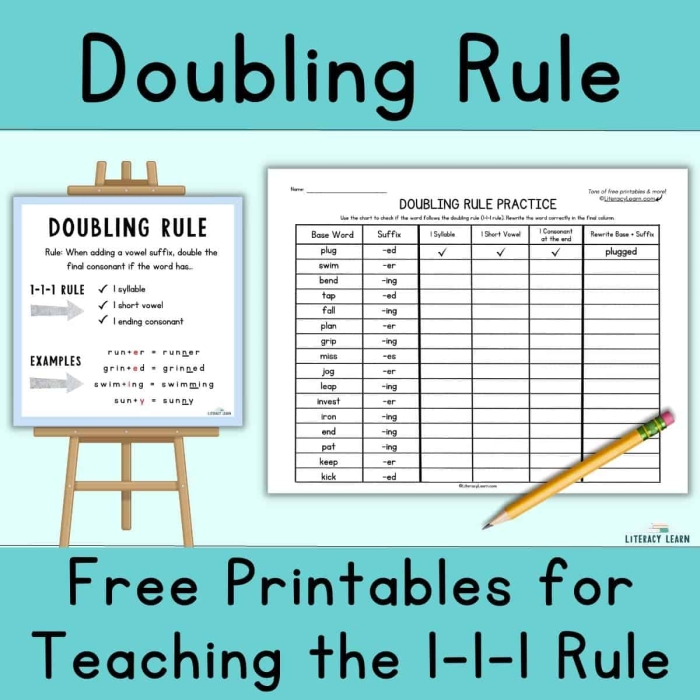
When second graders first learn to write about things that already happened, they bump into a confusing rule that shows up in words like “hopped” and “stopped.” The double consonant rule for verbs is one of those spelling patterns that seems random until you understand why it exists. Once students grasp this concept, it clicks into place and suddenly dozens of past tense verbs make sense.
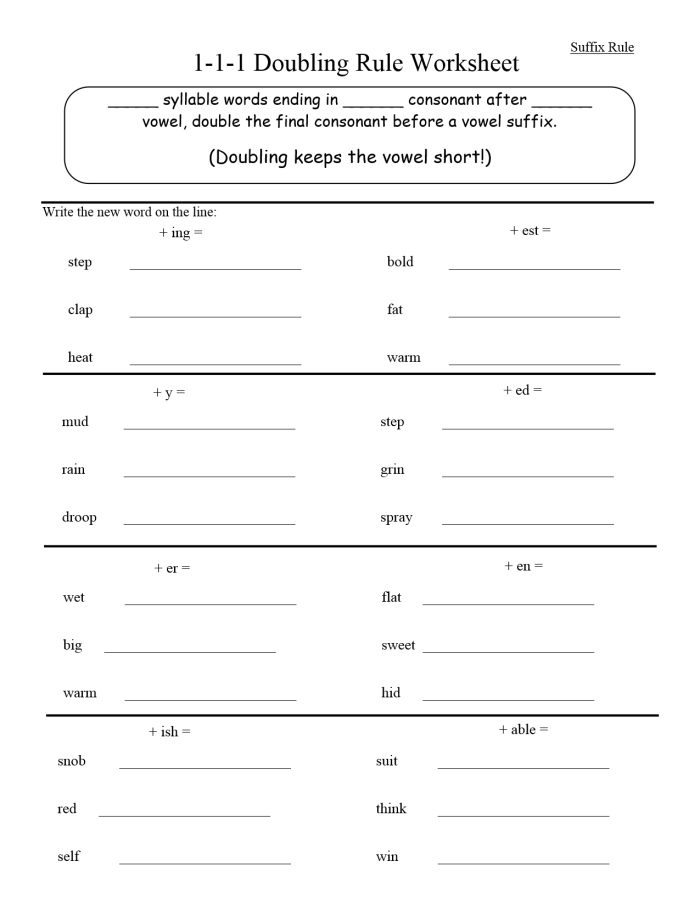
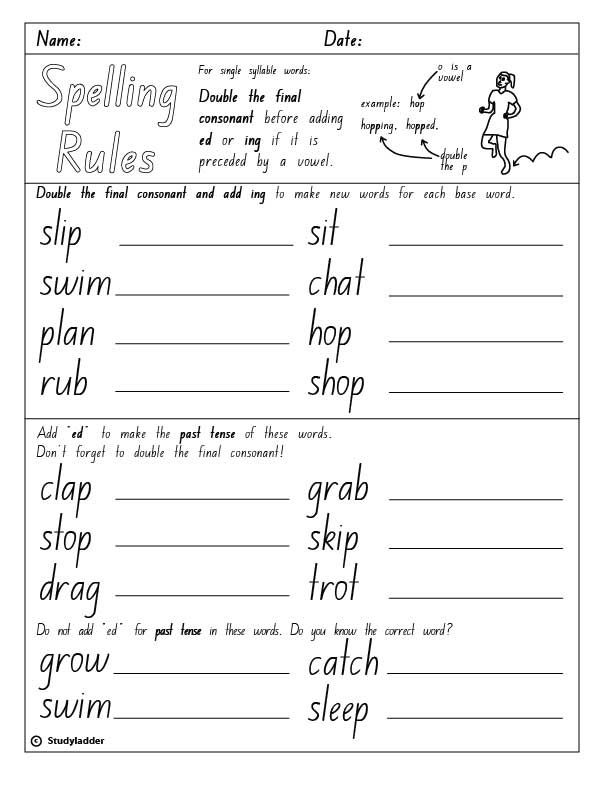
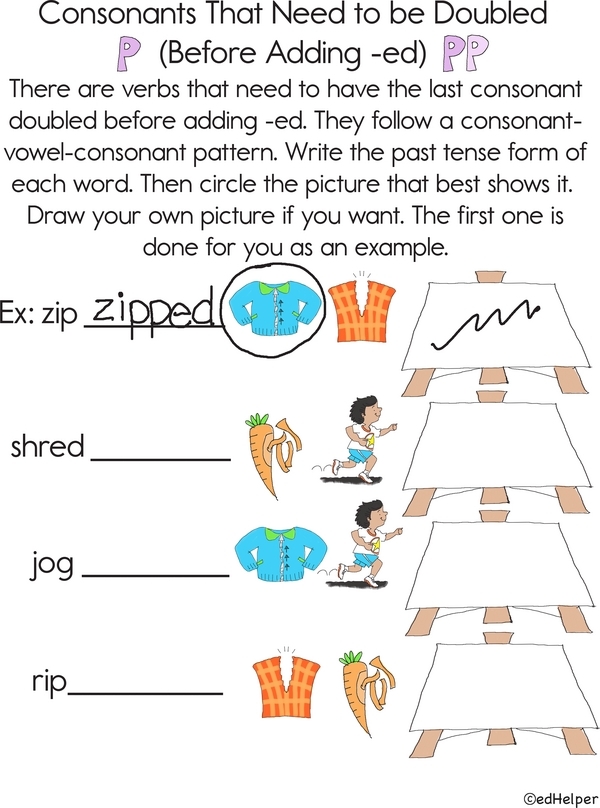
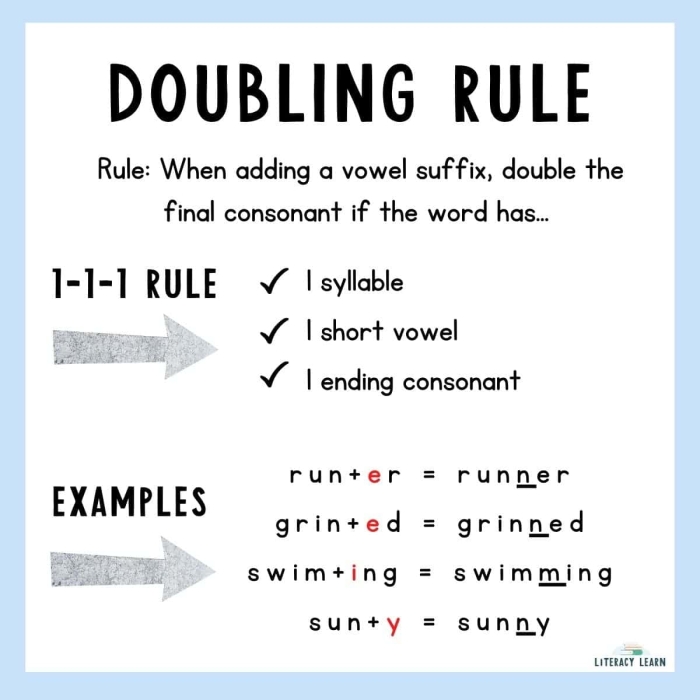
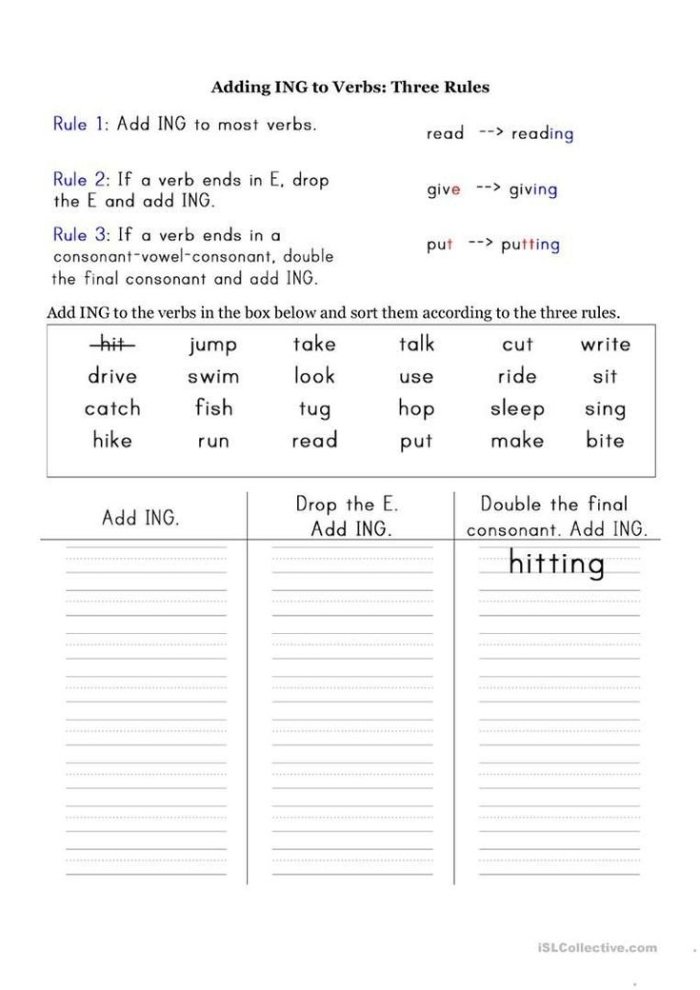
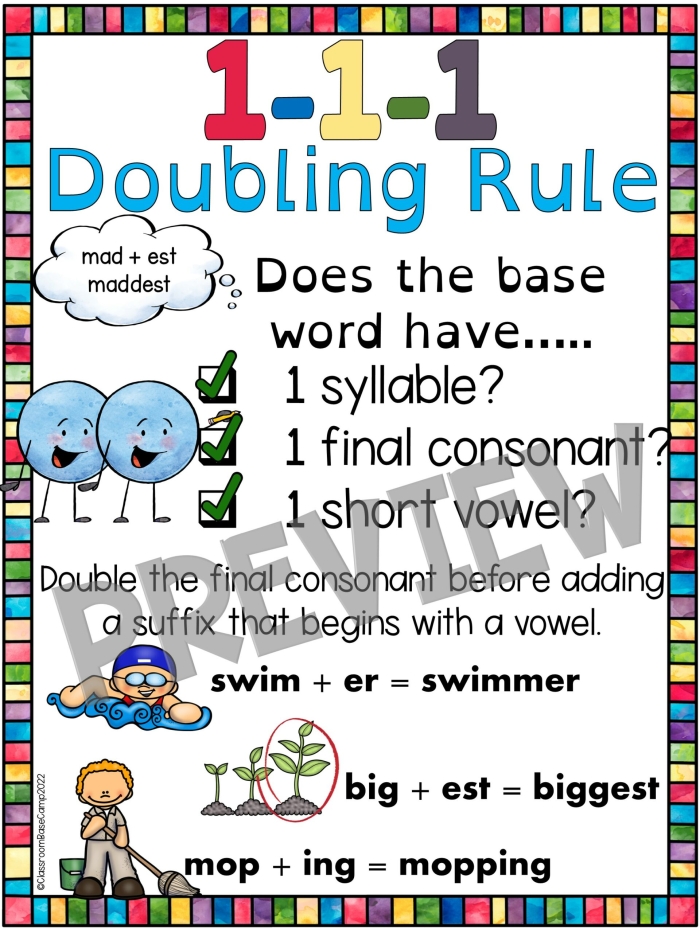
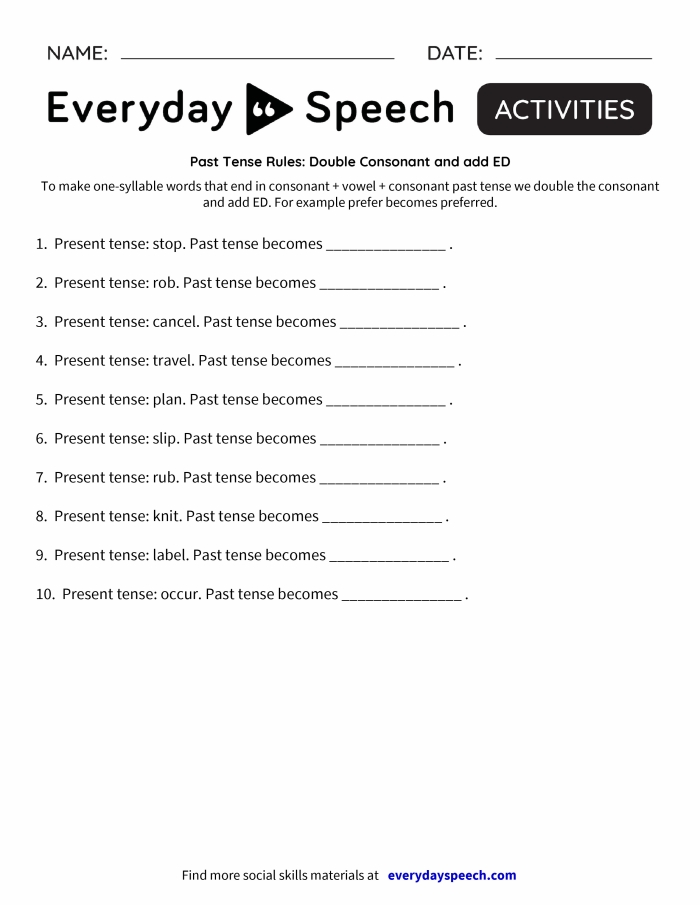
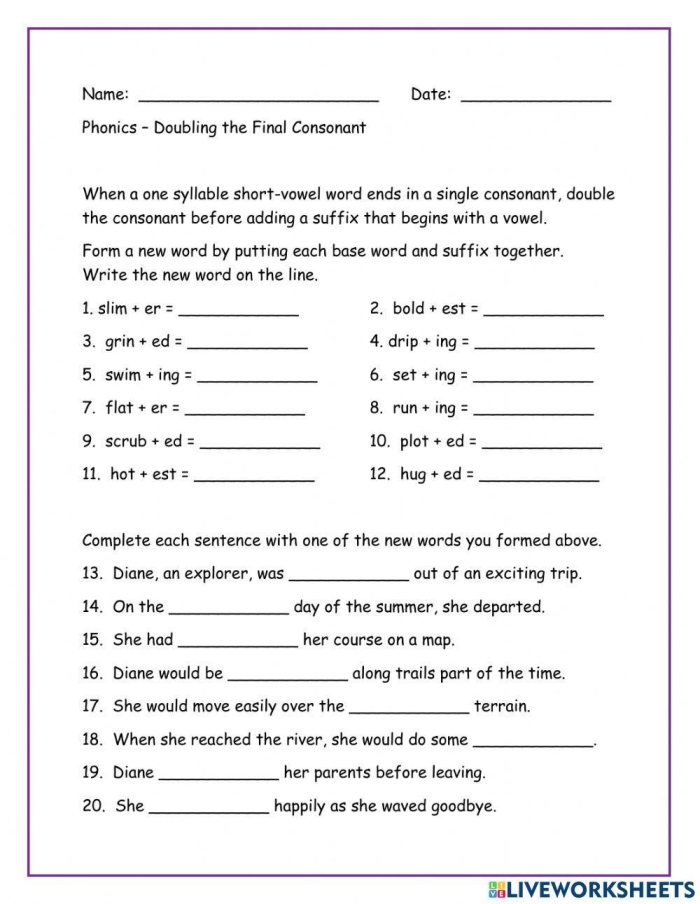
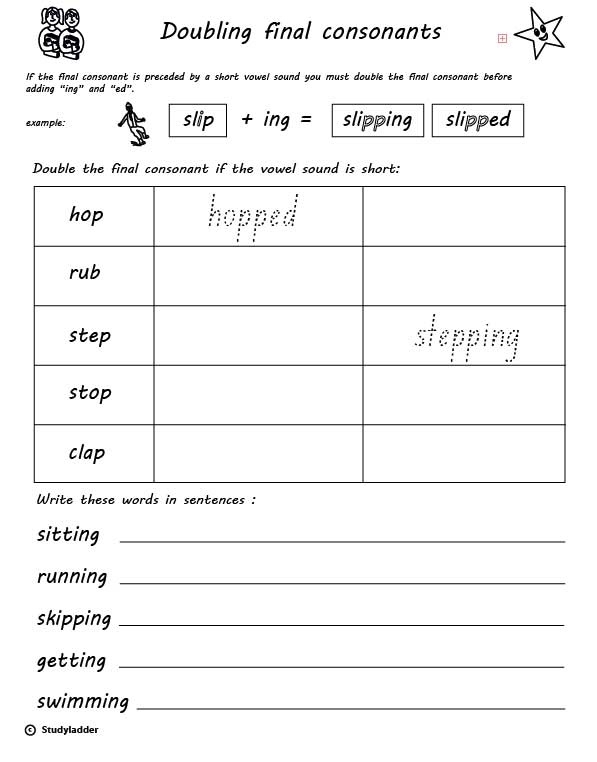
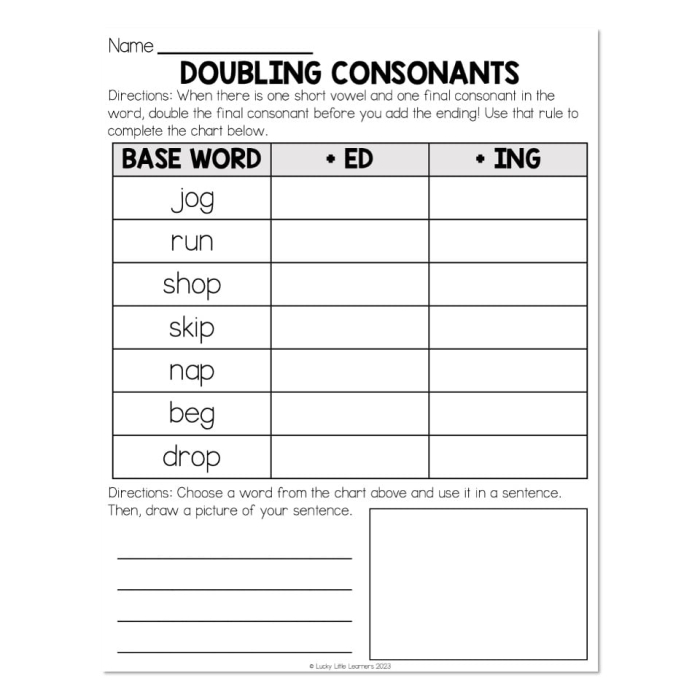
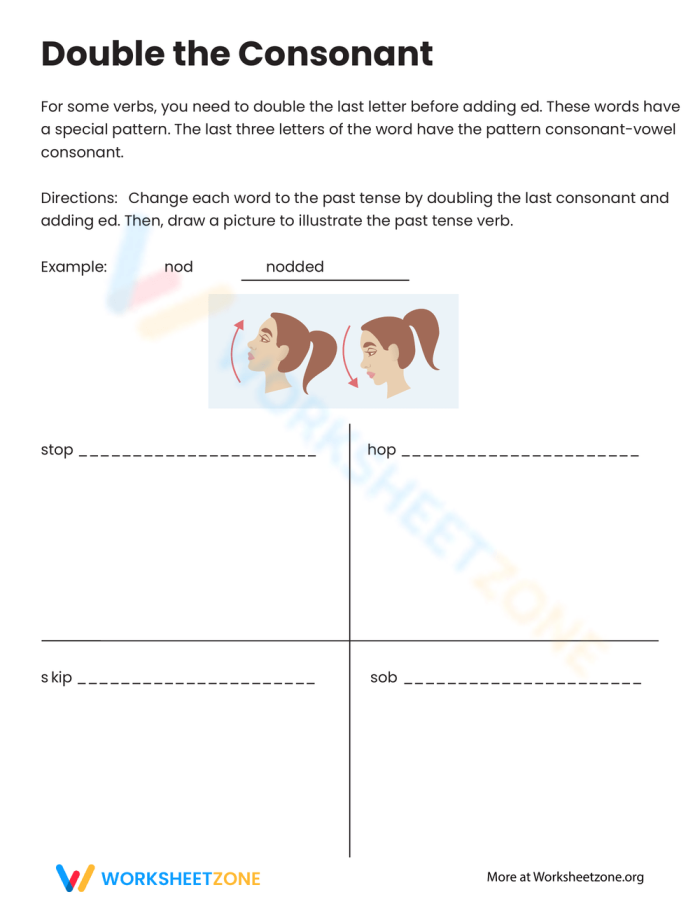
The rule itself is straightforward: when a one-syllable verb ends with a single consonant preceded by a single vowel, you double that consonant before adding “-ed.” Take “hop” as an example. The word has one vowel (o) followed by one consonant (p), so it becomes “hopped,” not “hoped.” The same logic applies to “stop,” which becomes “stopped,” or “skip,” which becomes “skipped.” Without doubling the consonant, these words would be spelled incorrectly and would sound different when read aloud.
The reason this rule exists comes down to how English pronunciation works. Doubling the consonant preserves the short vowel sound. If you wrote “hoped” instead of “hopped,” readers would naturally pronounce it with a long “o” sound, changing the word’s meaning entirely. This pattern matters because it keeps the original vowel sound intact in the past tense form.
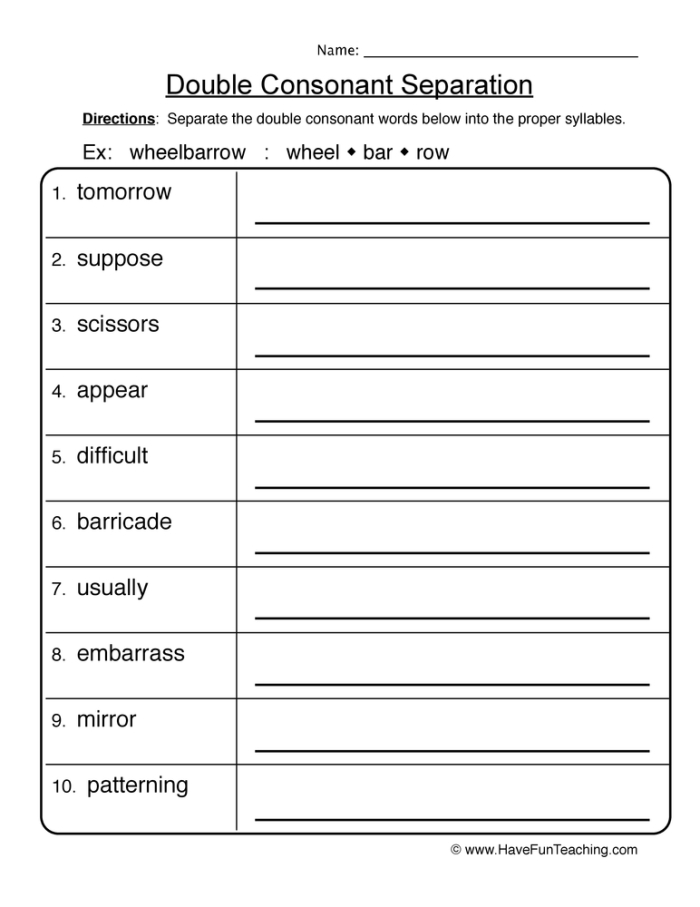
A good worksheet for second grade writing practice gives students multiple chances to apply this rule with common verbs. Exercises might ask students to write the past tense of words like “plan,” “shop,” “clap,” and “grab.” Seeing the pattern repeated across different examples helps it stick in memory better than just reading an explanation.
Teachers find that pairing verb worksheets with other writing activities strengthens overall literacy skills. Students who work through rhyming exercises develop a stronger ear for word patterns, which supports their understanding of spelling rules. Similarly, combining this with reading logs helps students see these patterns in real published text.
The double consonant rule is one of the first spelling patterns that requires students to think about the structure of words rather than just memorizing them. Mastering it in second grade builds confidence for tackling more complex spelling rules later on.
Use These Worksheets Today