Getting students to think critically about what they read requires more than just finishing a book. The real learning happens when young readers pause to reflect on the story, characters, and ideas they encountered. This is where a reading log becomes an invaluable classroom tool.
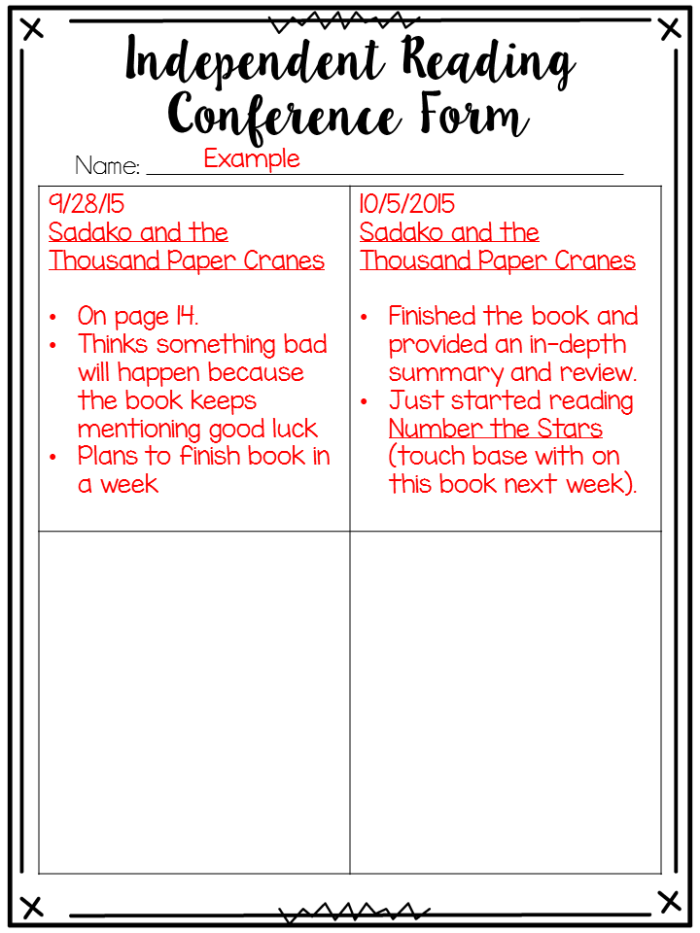
After independent reading sessions, having students record their thoughts transforms passive consumption into active engagement. When a child writes about what they read, they’re forced to organize their thoughts, identify key moments, and articulate their reactions. This process strengthens both comprehension and critical thinking skills in ways that silent reading alone cannot achieve.
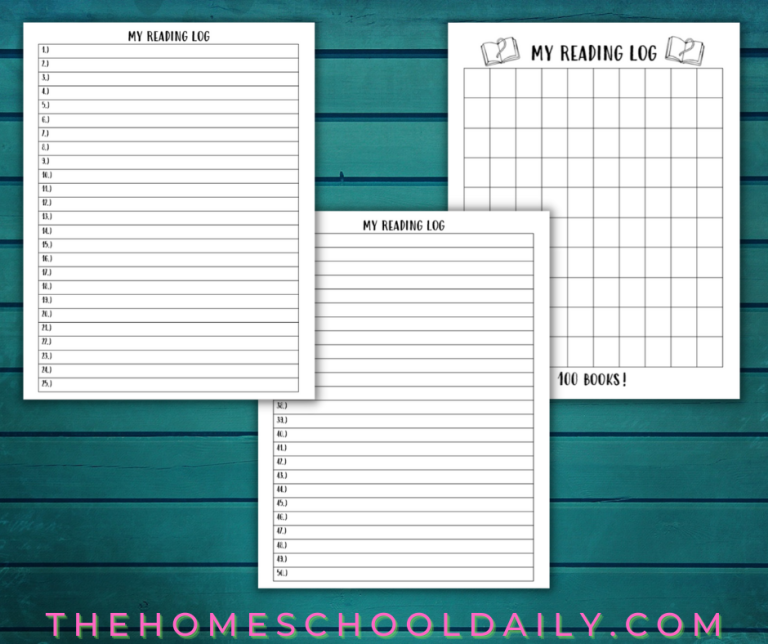
A reading log serves as a personal record of a student’s literary journey. Rather than treating reading as isolated daily tasks, the log creates continuity and helps young readers see patterns in their preferences and growth over time. Some students notice they’re drawn to certain genres, while others discover they can tackle longer or more complex books than they thought possible.
The handwriting component matters too. Writing by hand engages different cognitive pathways than typing, helping information stick in memory more effectively. Students develop their penmanship while simultaneously processing their reading material, creating a dual learning opportunity.
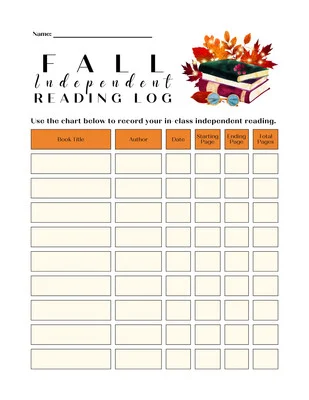
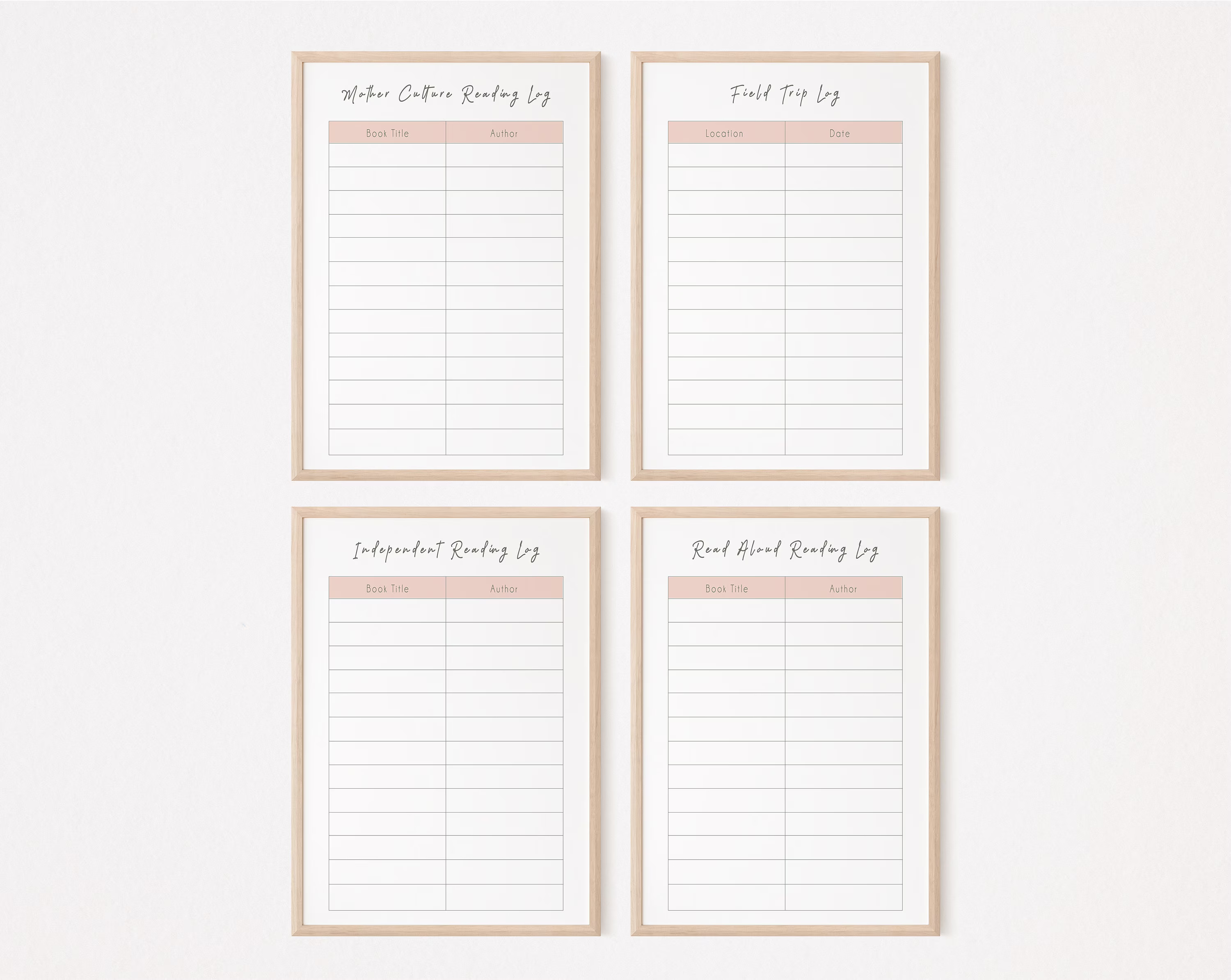
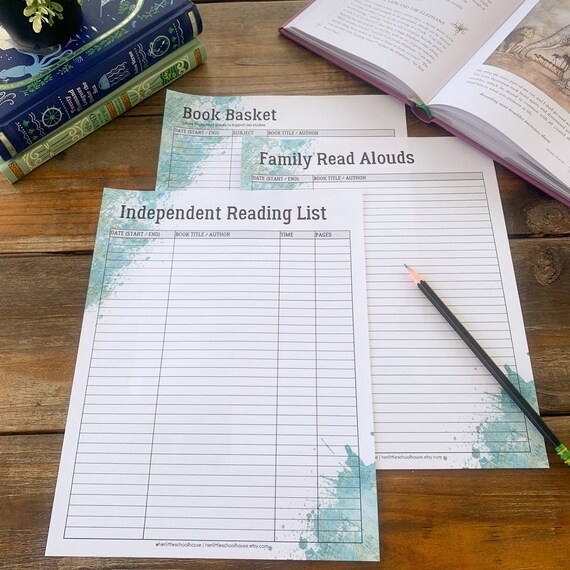
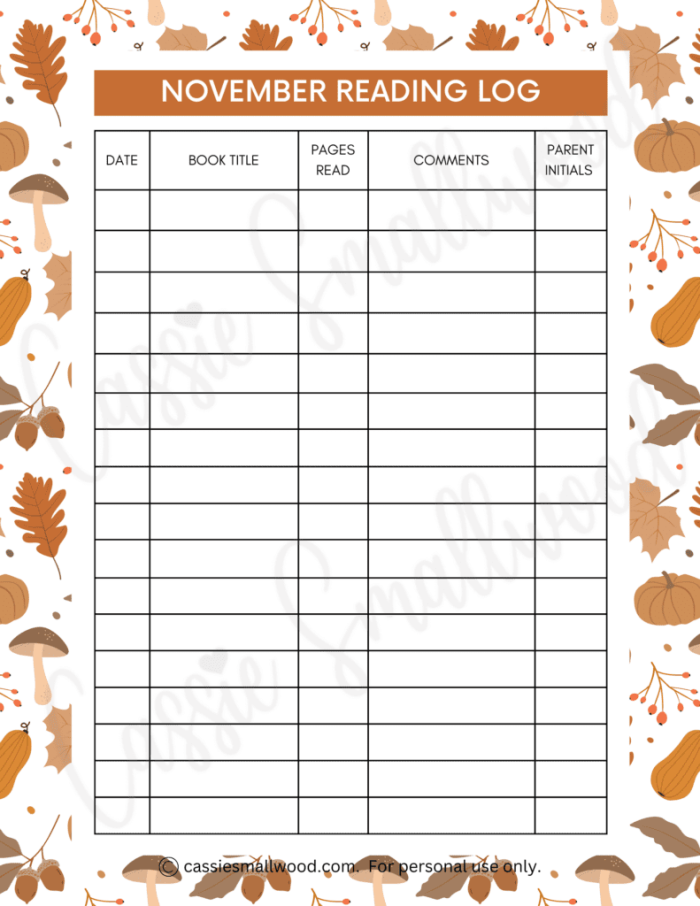
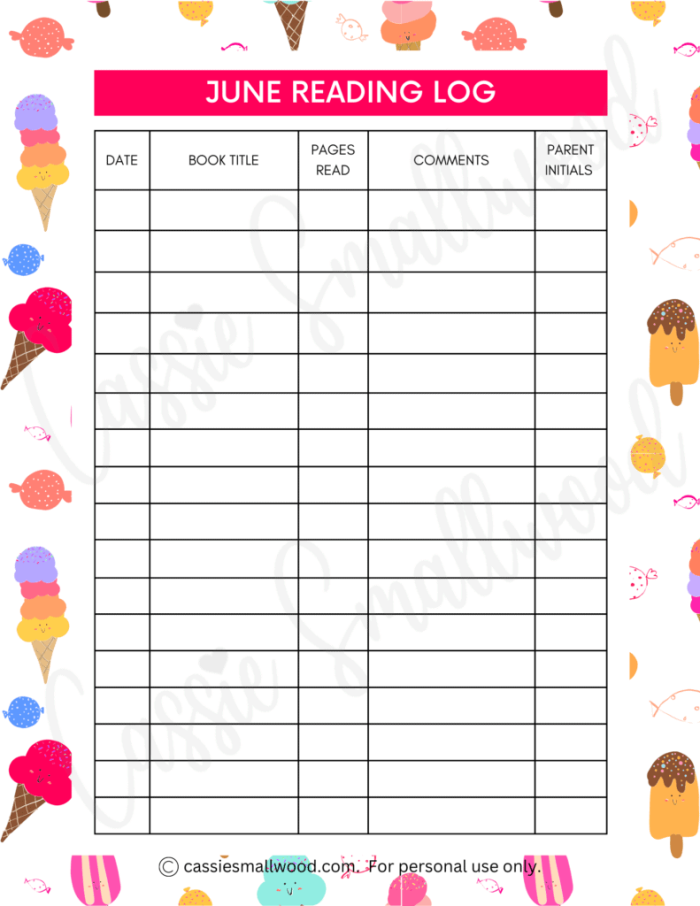
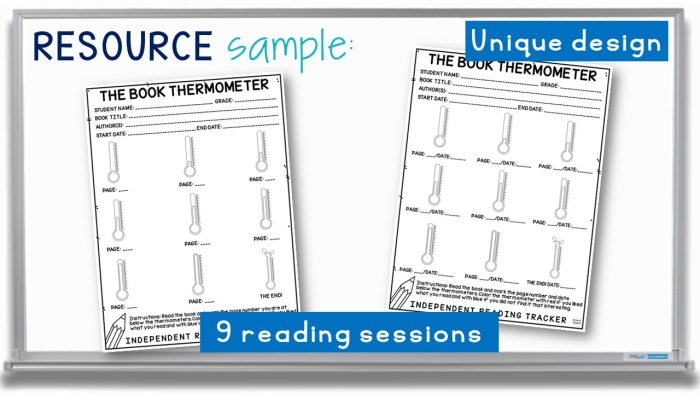
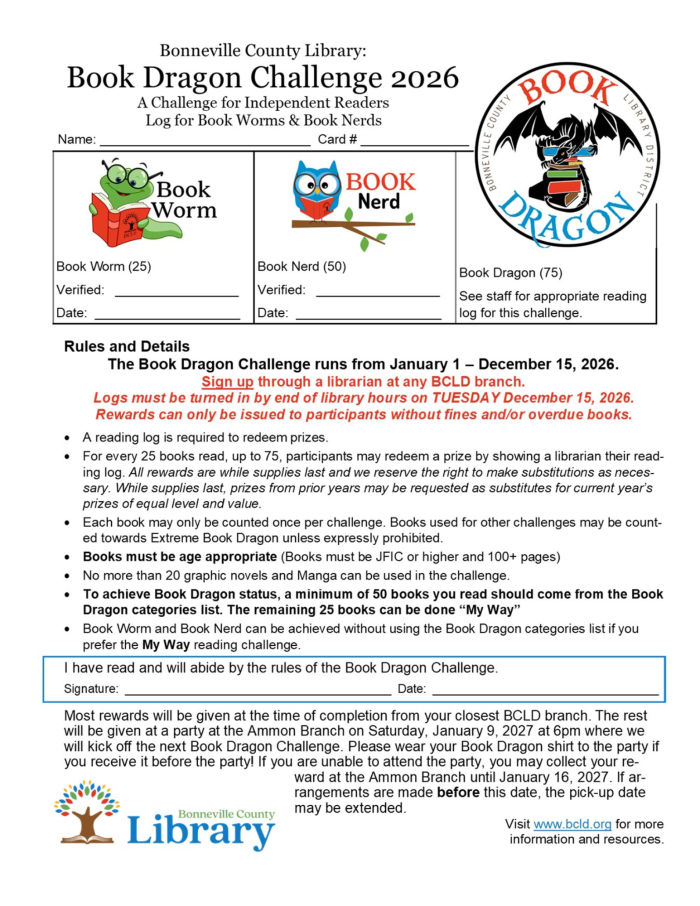
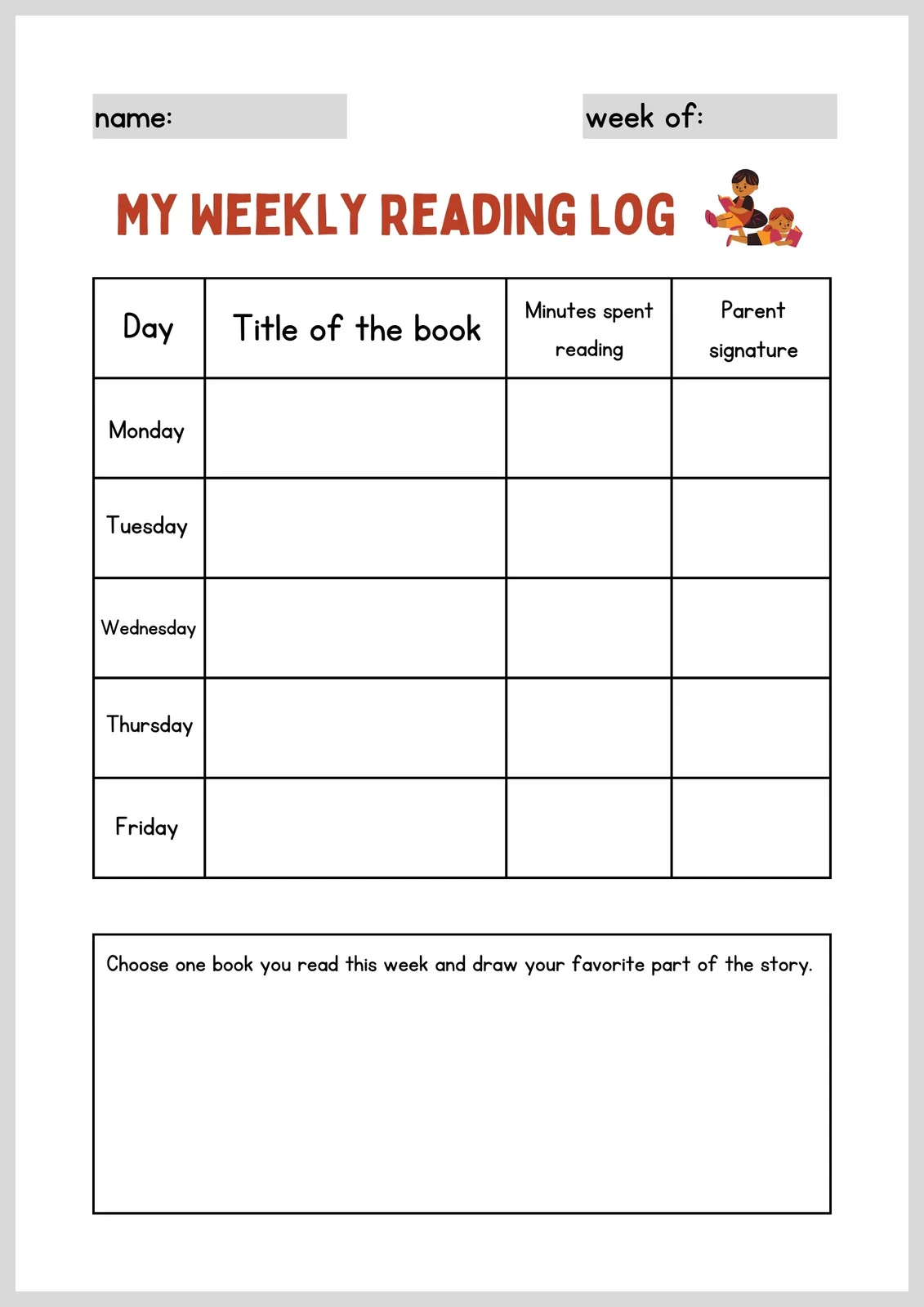
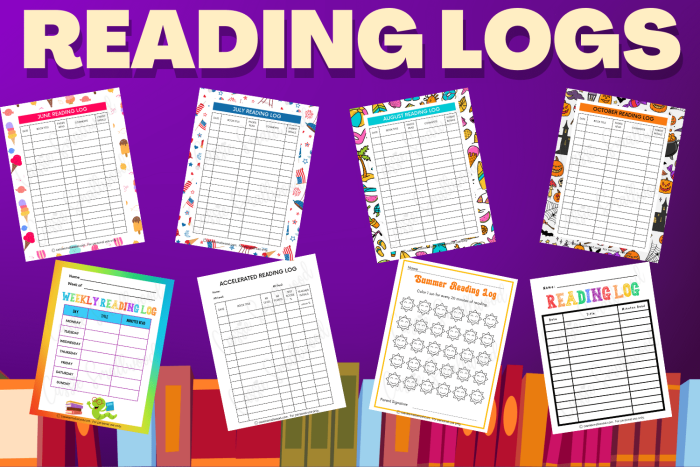
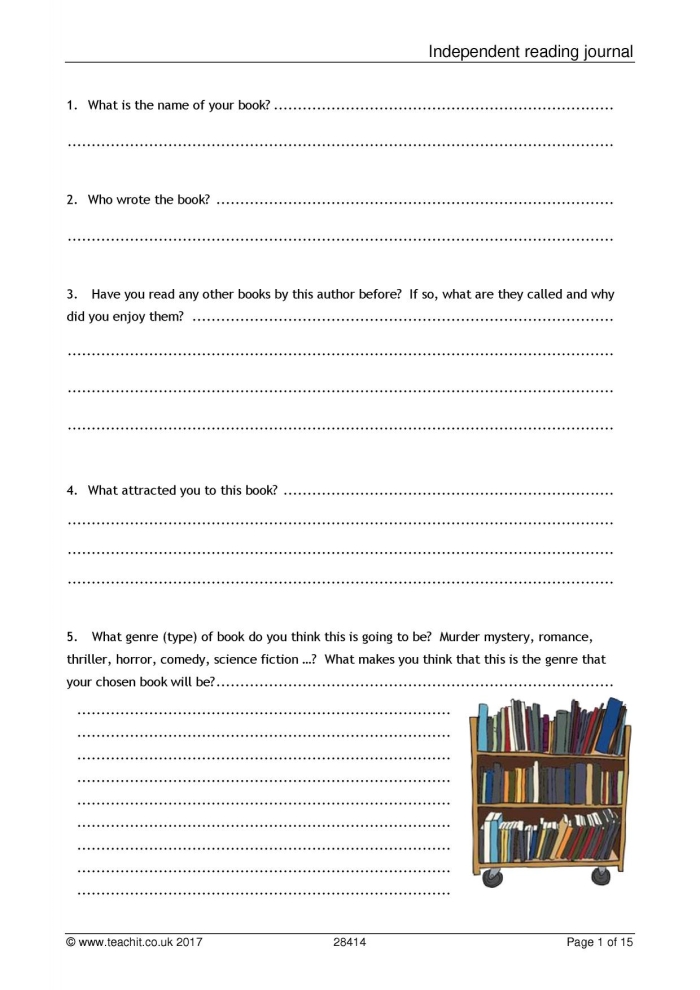
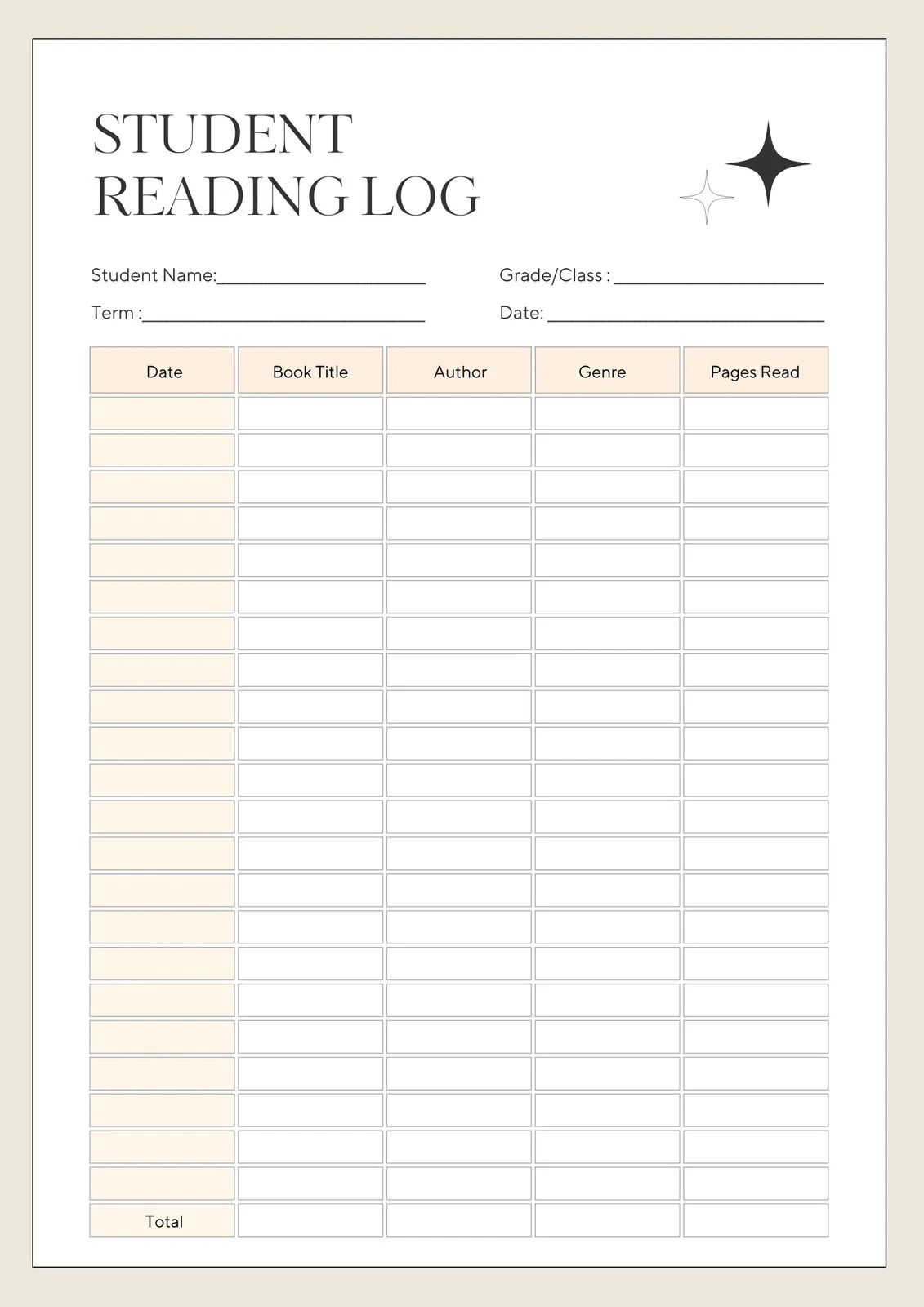
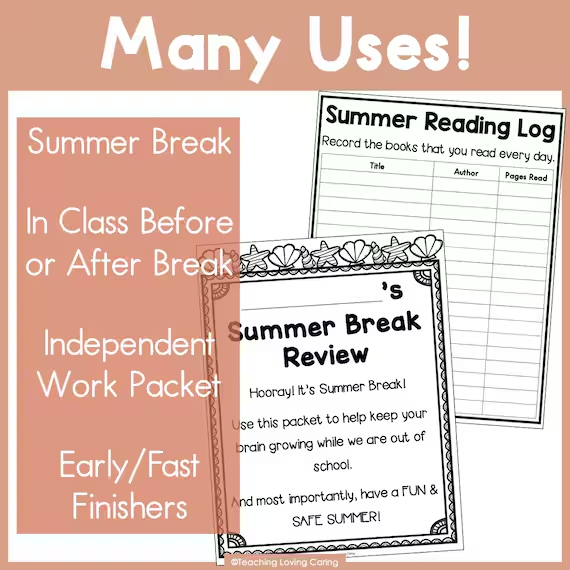
Creating an independent reading log worksheet doesn’t require elaborate design. A simple template with spaces for the book title, author, date, and a brief reflection prompt works perfectly. Students can summarize what happened, describe their favorite part, or explain how the story made them feel.
The beauty of using a printable template is efficiency. You can make copies once and reuse them throughout the year, allowing students to build an entire collection of their reading experiences. By year’s end, each student has a tangible record of their literary accomplishments, which can motivate reluctant readers and reinforce progress for those already engaged with books.
Practice with These Worksheets