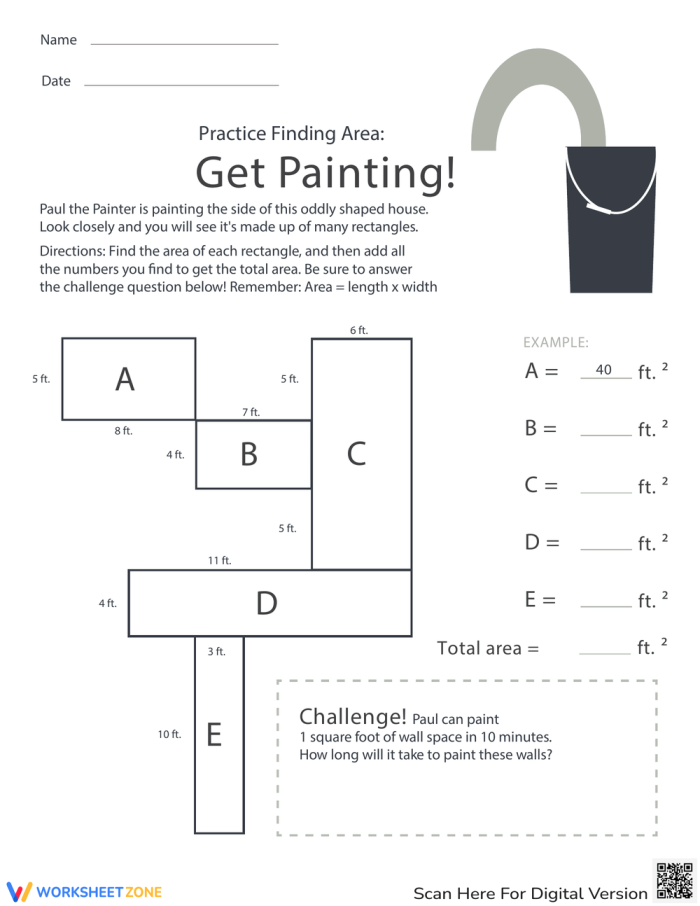
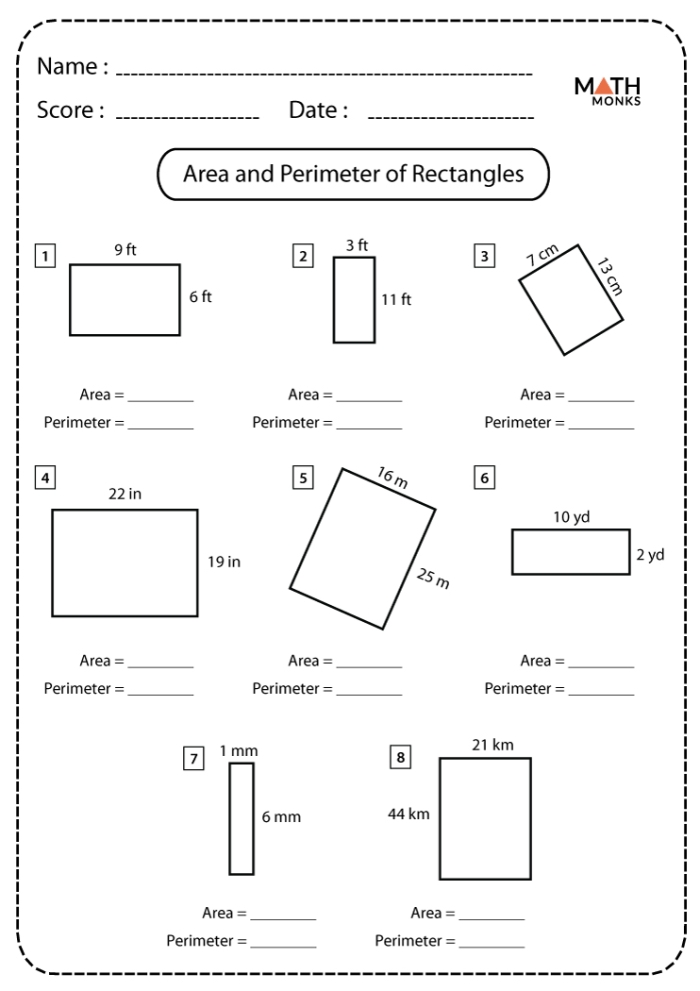
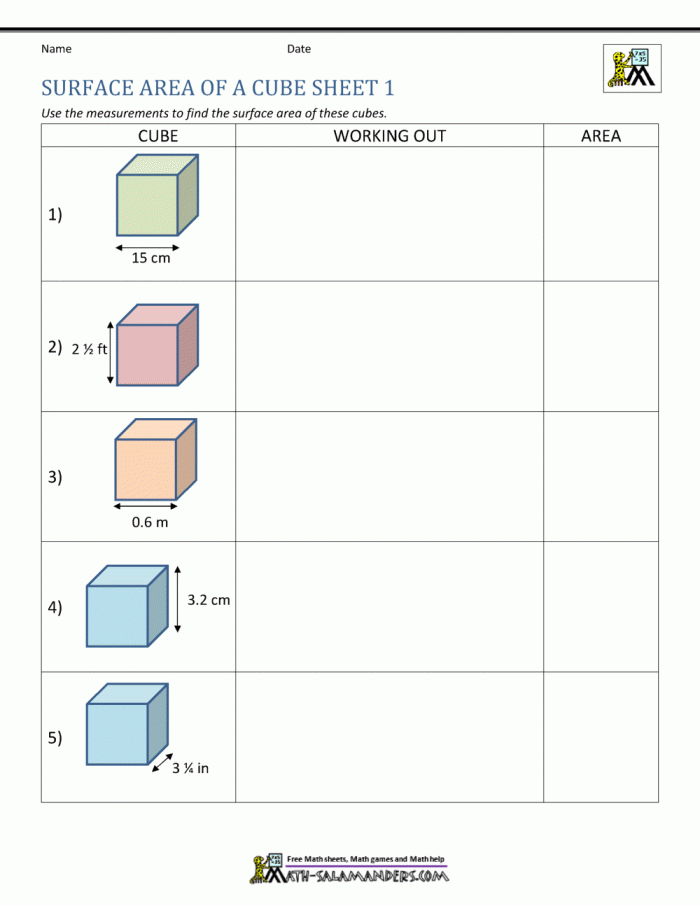
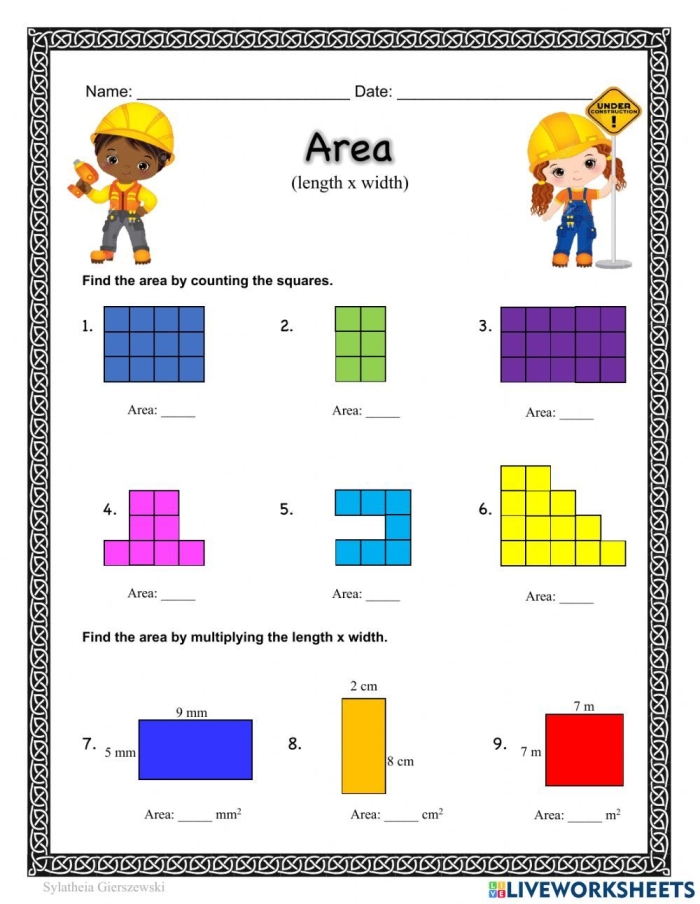
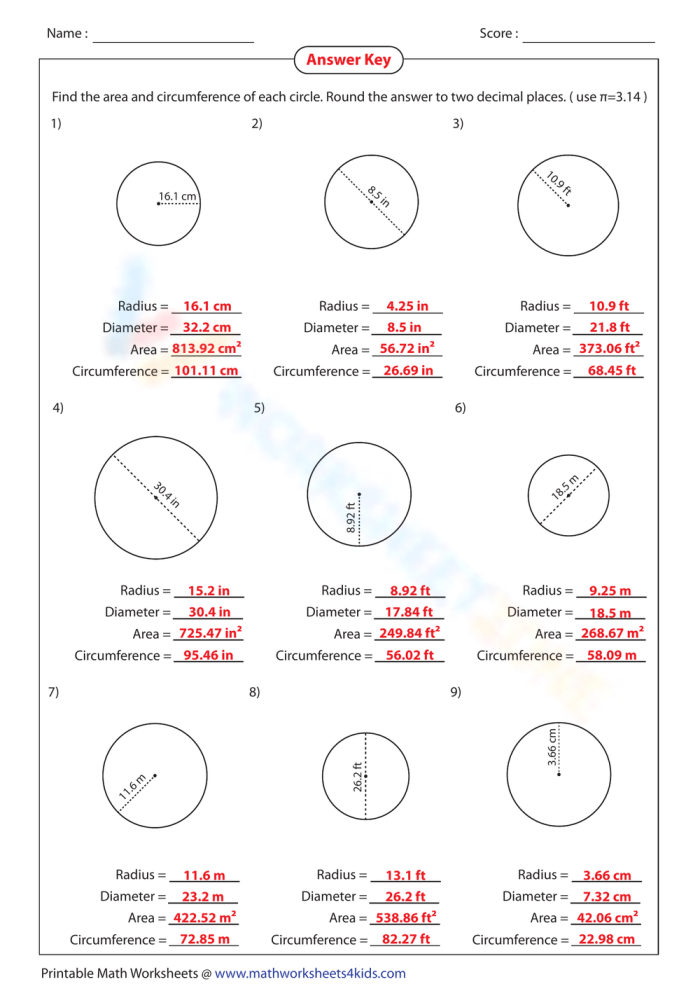
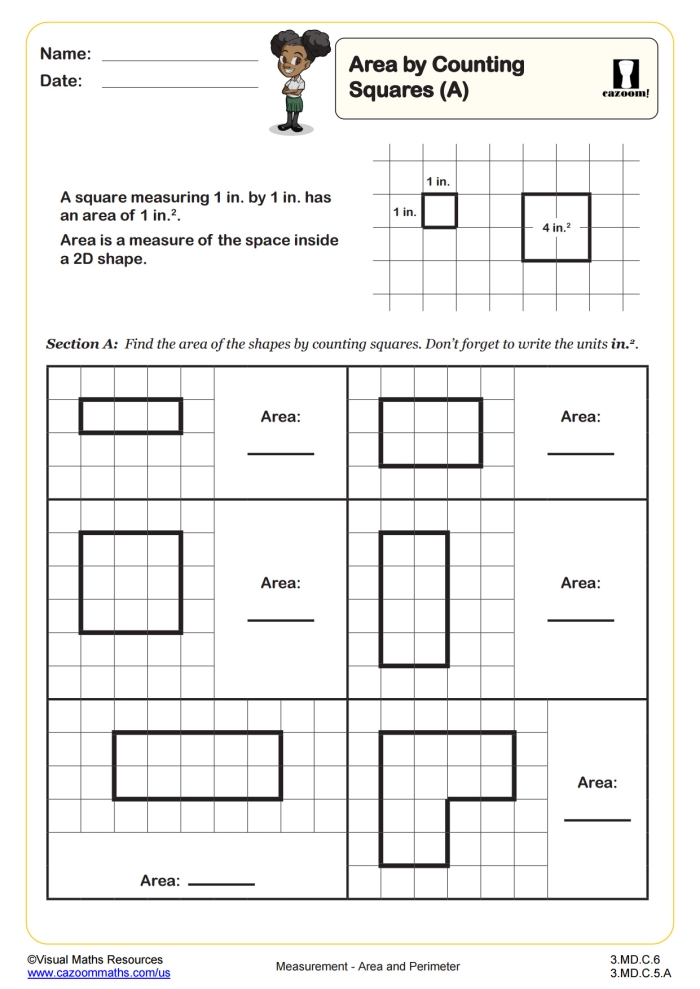
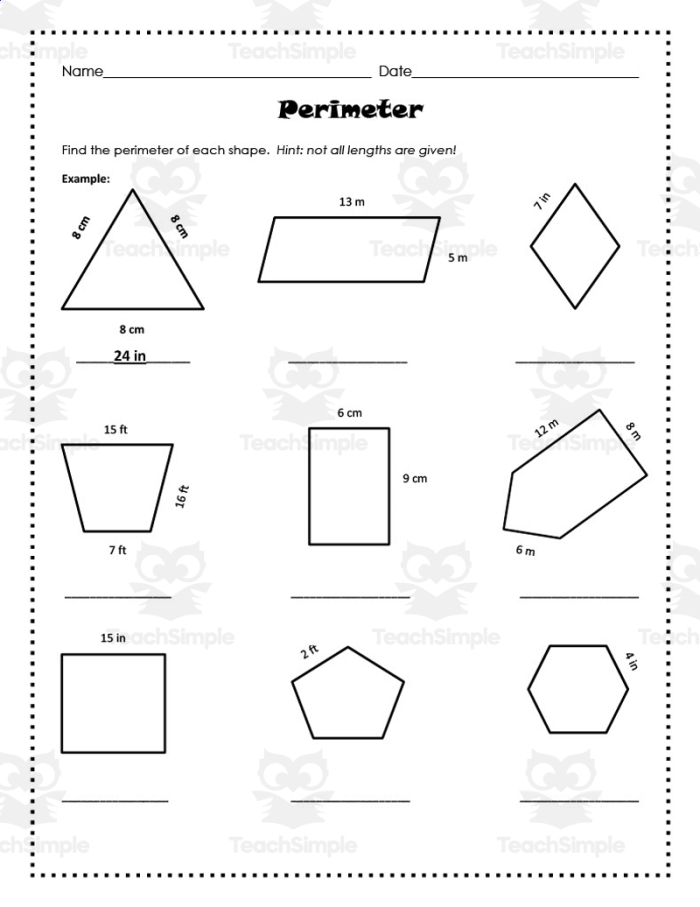
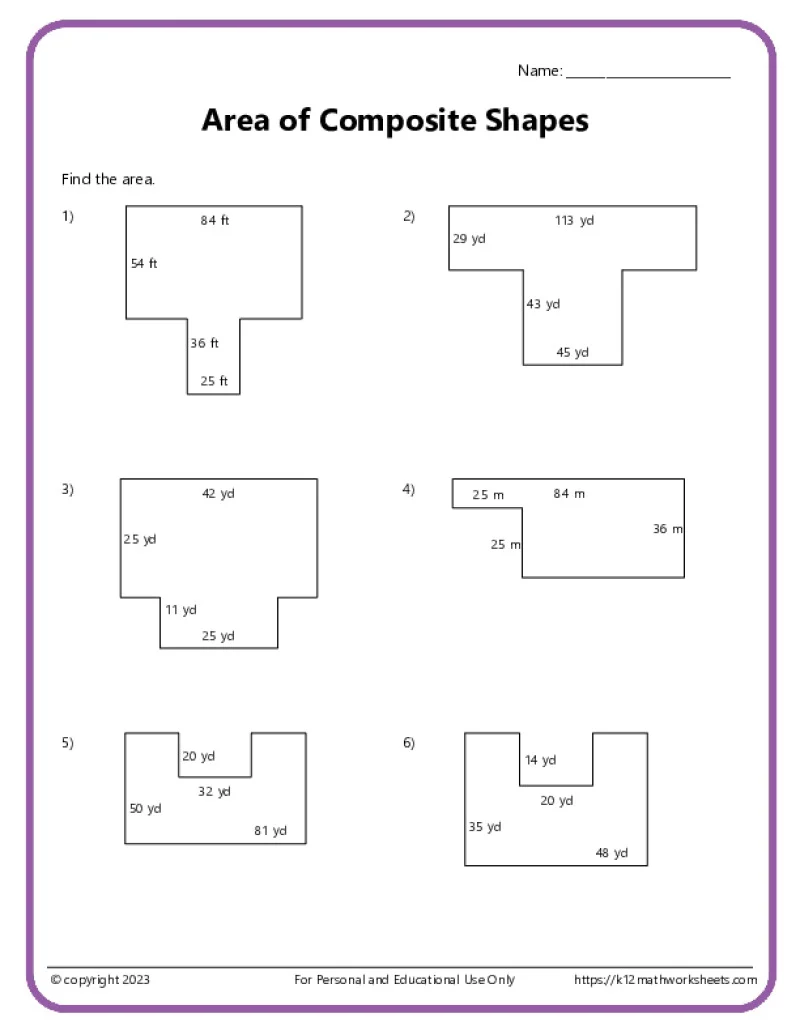
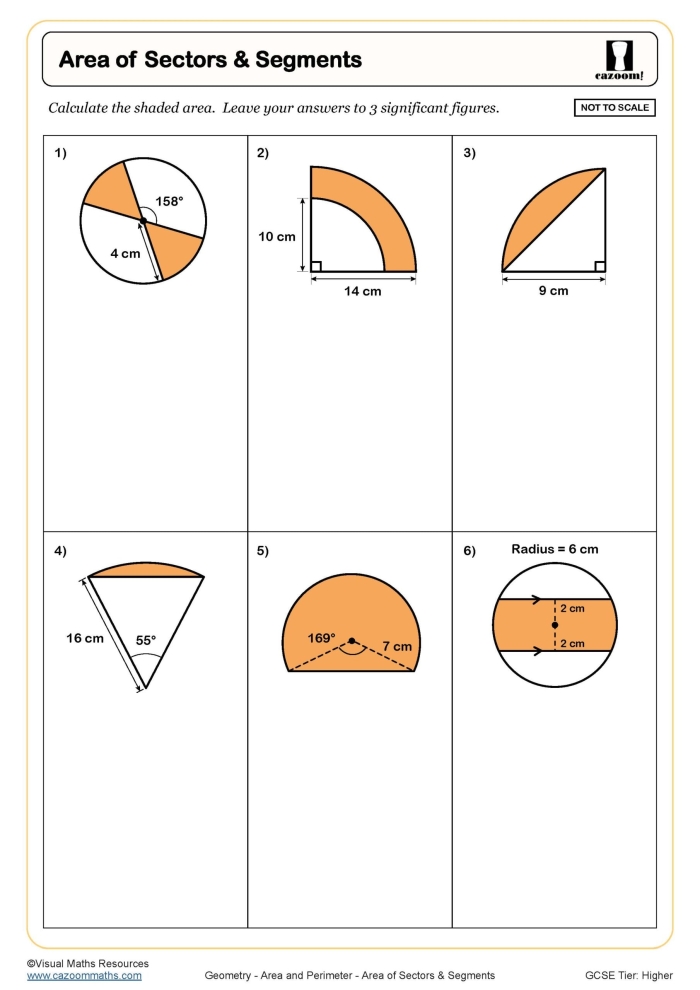
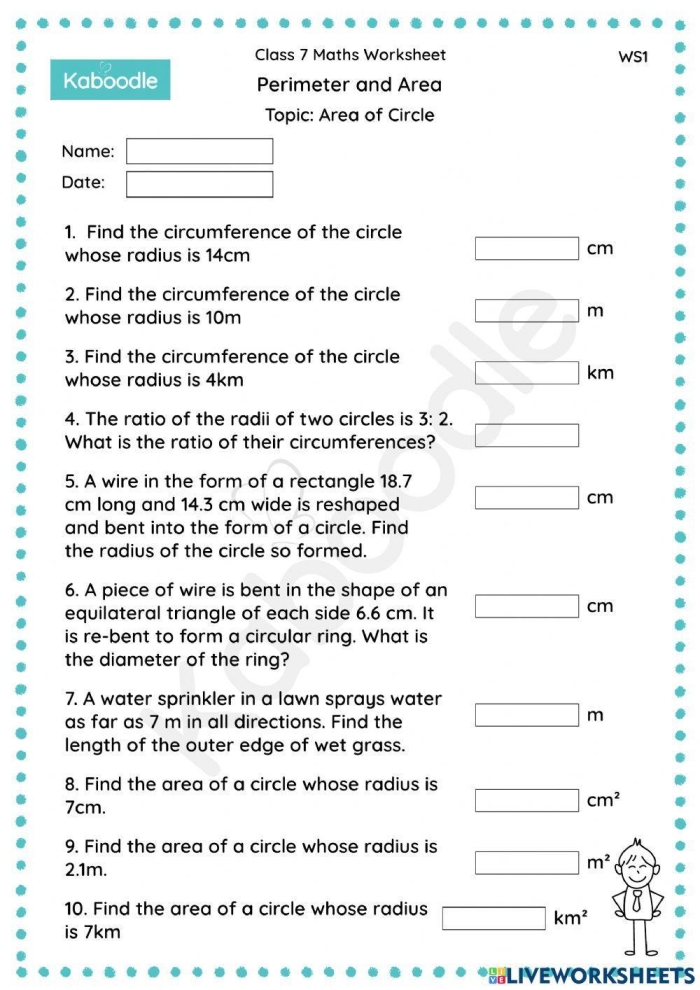
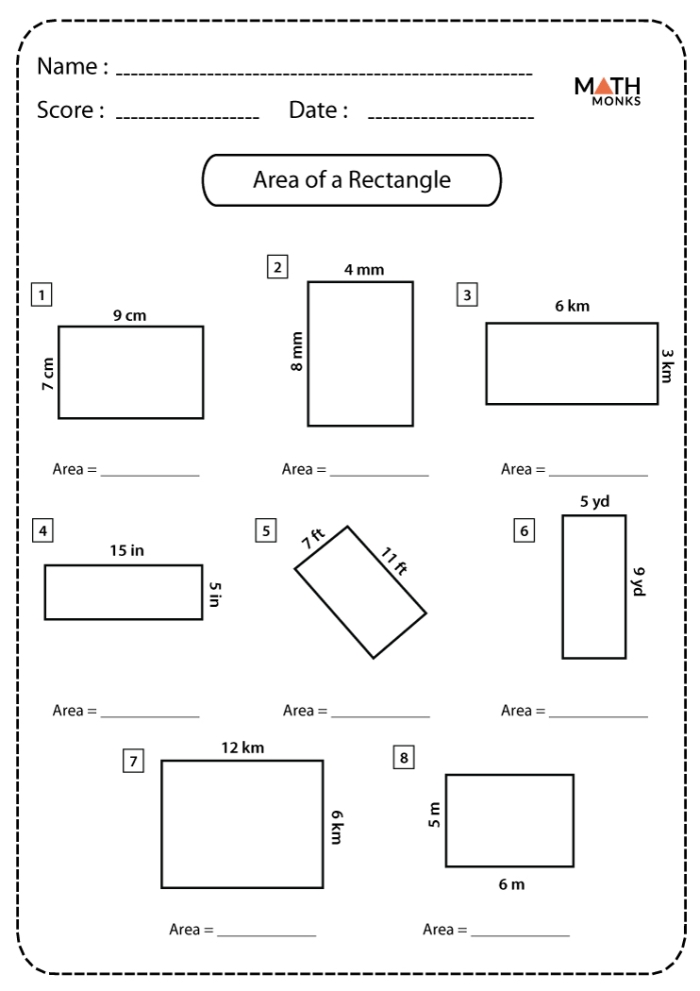
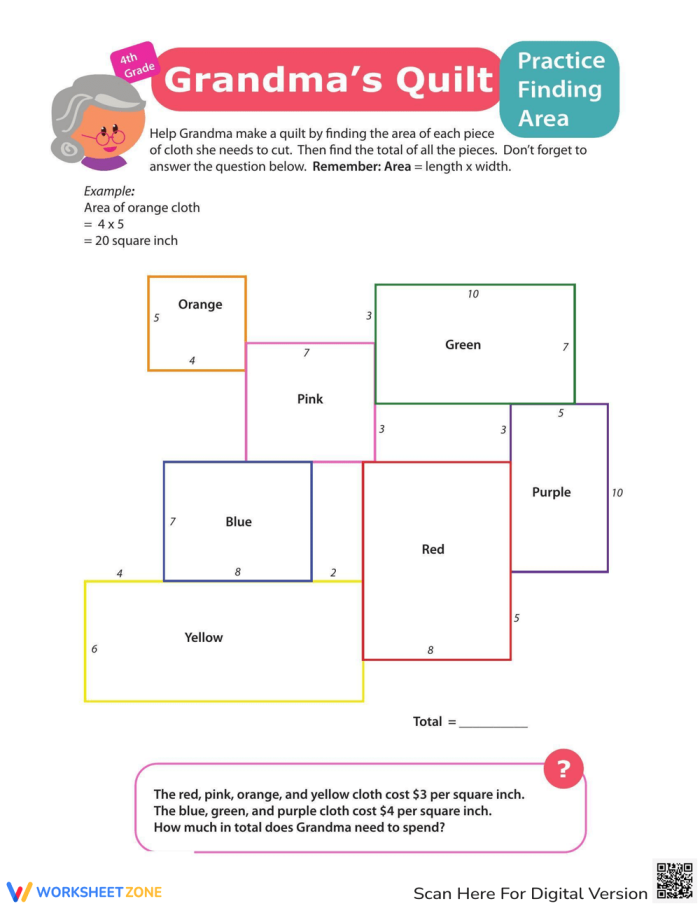
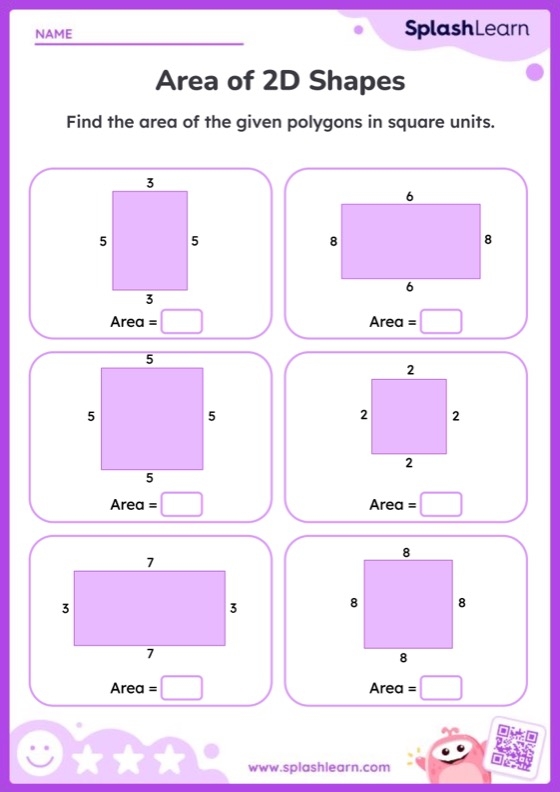
Calculating the total area of a building might seem daunting, but it can be made simple and engaging, especially for fourth-grade learners. In a geometry worksheet designed for this age group, students can break down the process by finding the area of individual parts of the building. This hands-on approach not only helps them grasp the concept of area but also enhances their problem-solving skills.
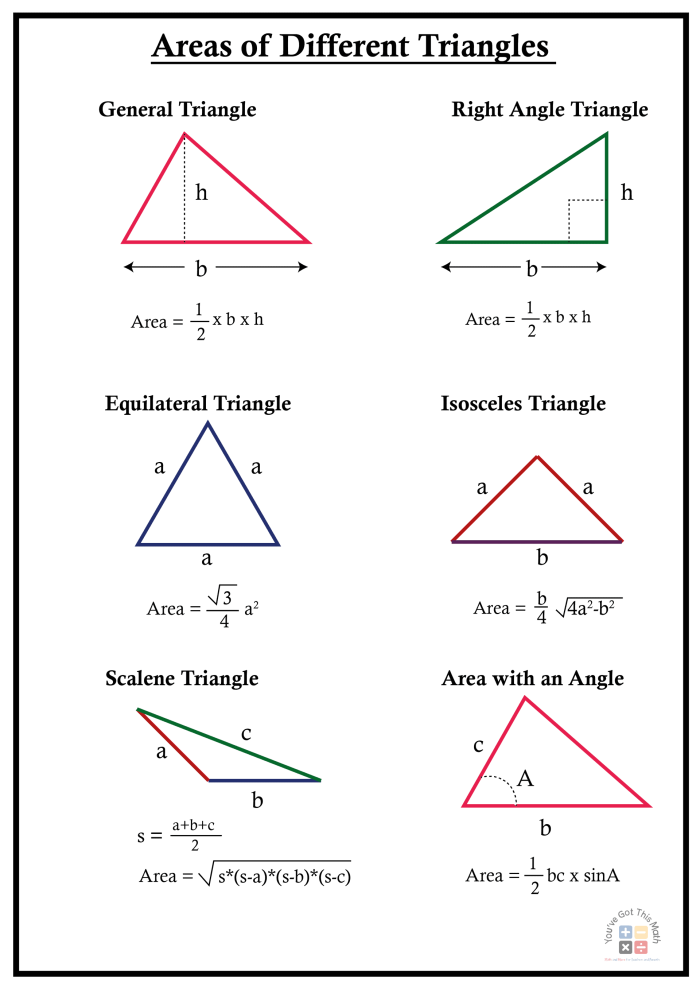
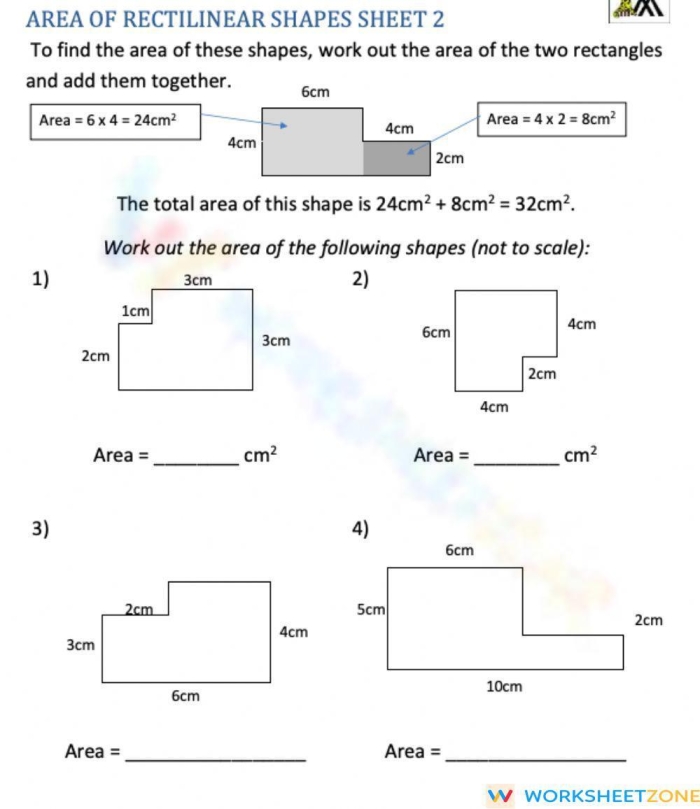
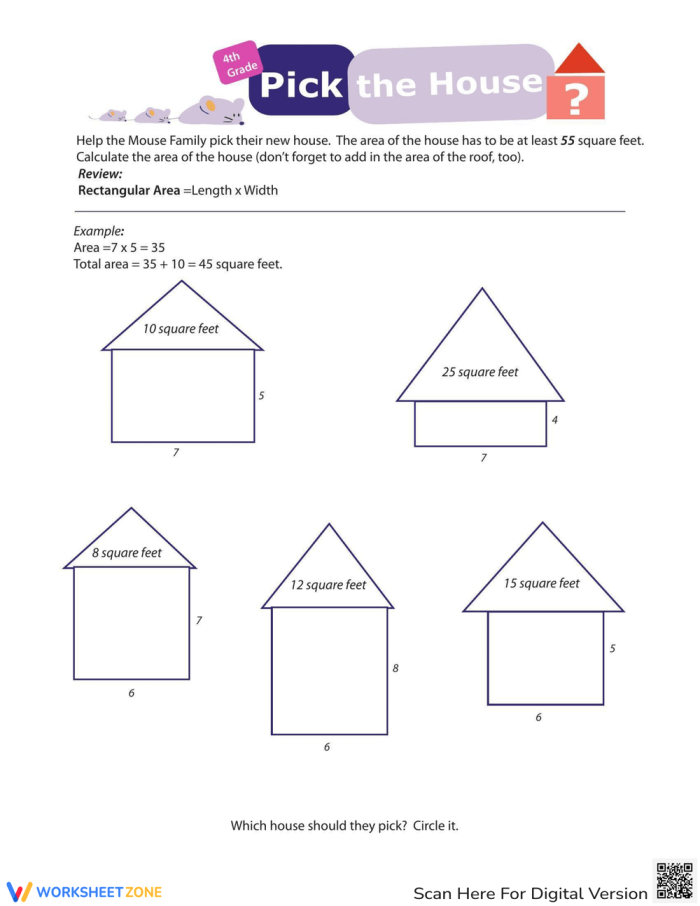
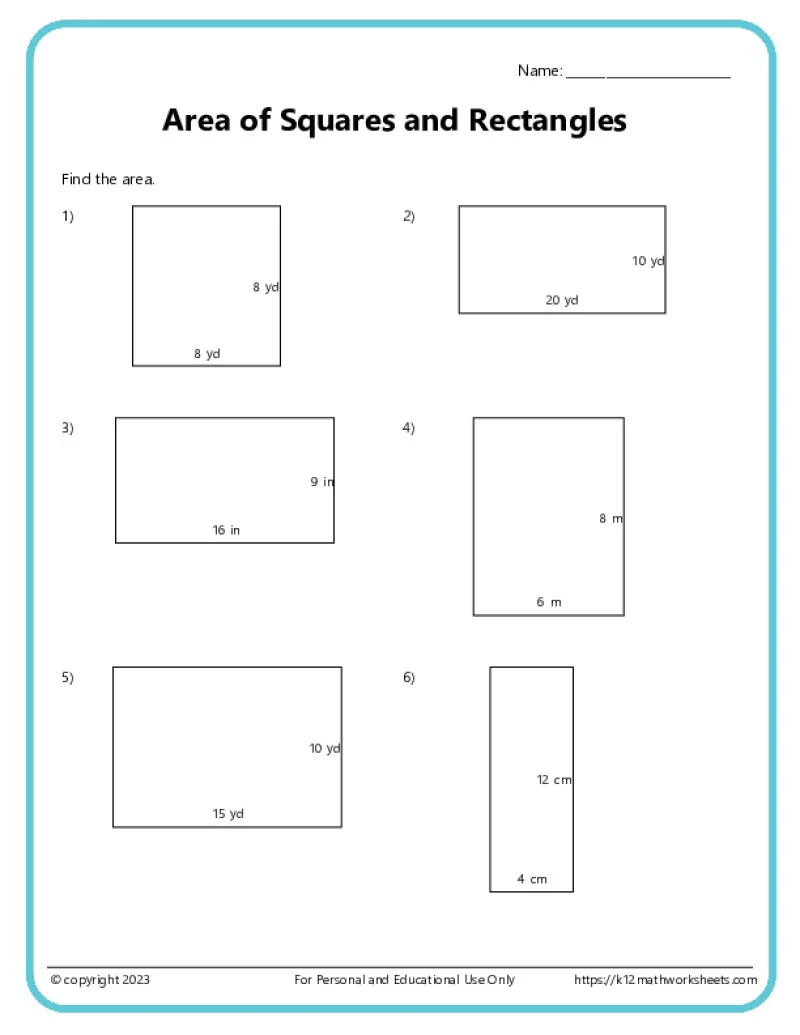
For instance, consider a building that consists of a rectangular main structure with a triangular roof. To calculate the total area, students would first determine the area of the rectangle. They would multiply the length by the width, learning to apply the formula Area = Length × Width. Next, they would tackle the triangle by using the formula Area = 0.5 × Base × Height. By adding these two areas together, learners can find the total area of the building. This method of dissecting the problem into manageable parts fosters a deeper understanding of geometric principles.
Such worksheets are particularly beneficial in the fourth-grade classroom, where students are beginning to develop their mathematical thinking. Engaging with practical examples, like calculating the area of a building, can spark their interest in geometry. Not only does this reinforce their learning, but it also provides a practical application of their skills. For additional practice, students might explore resources like Practice Finding Area: Get Painting!, where they can further hone their skills in a fun way.
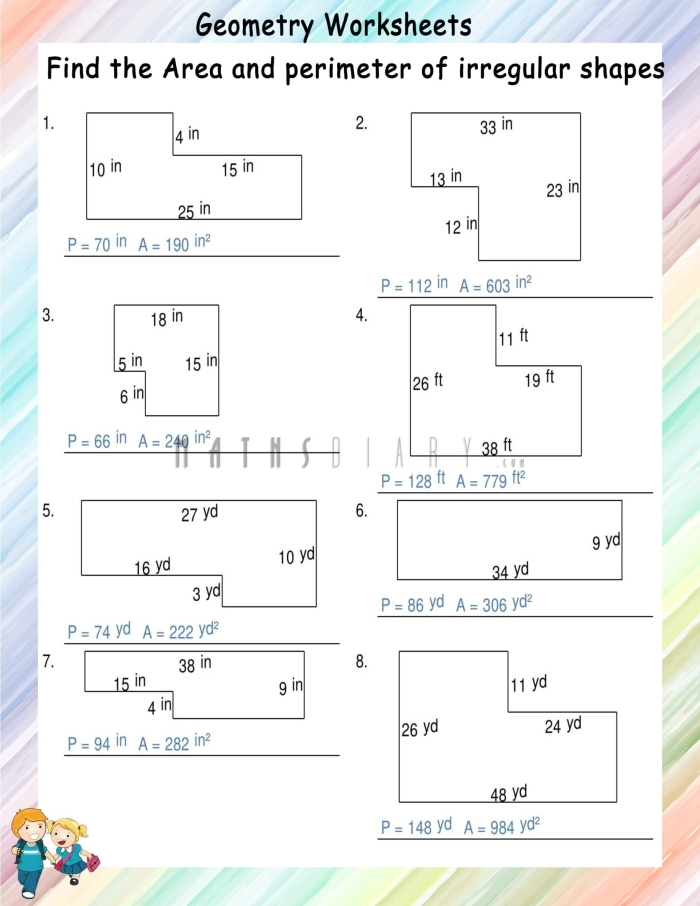
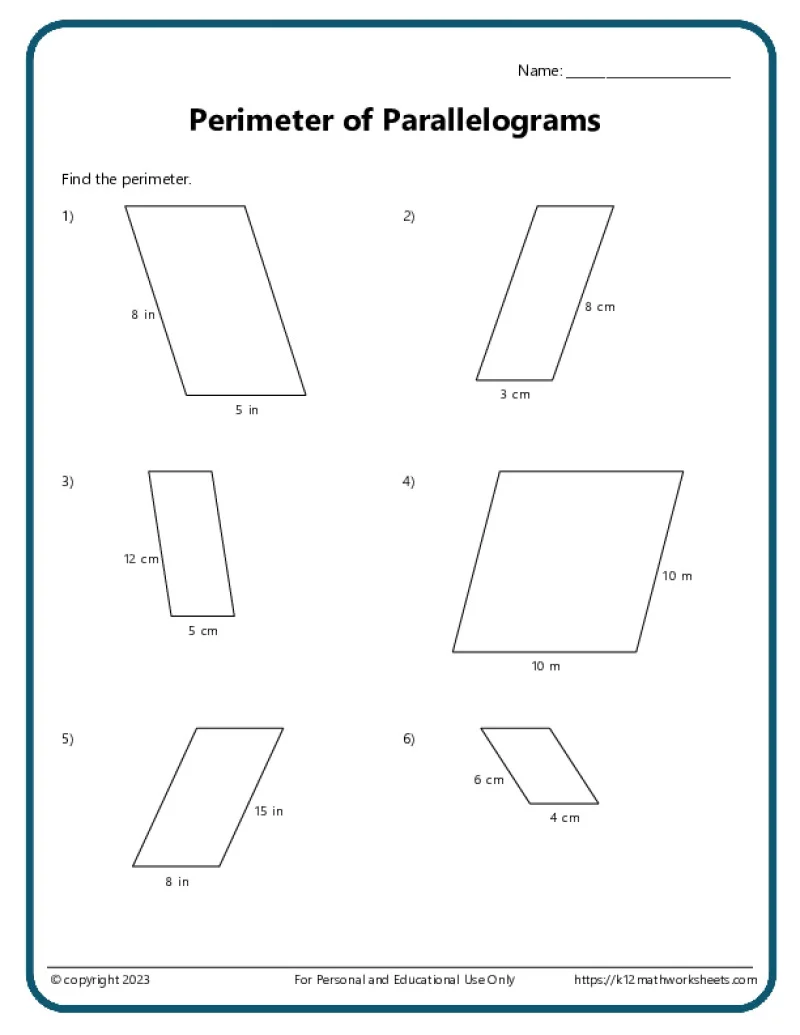
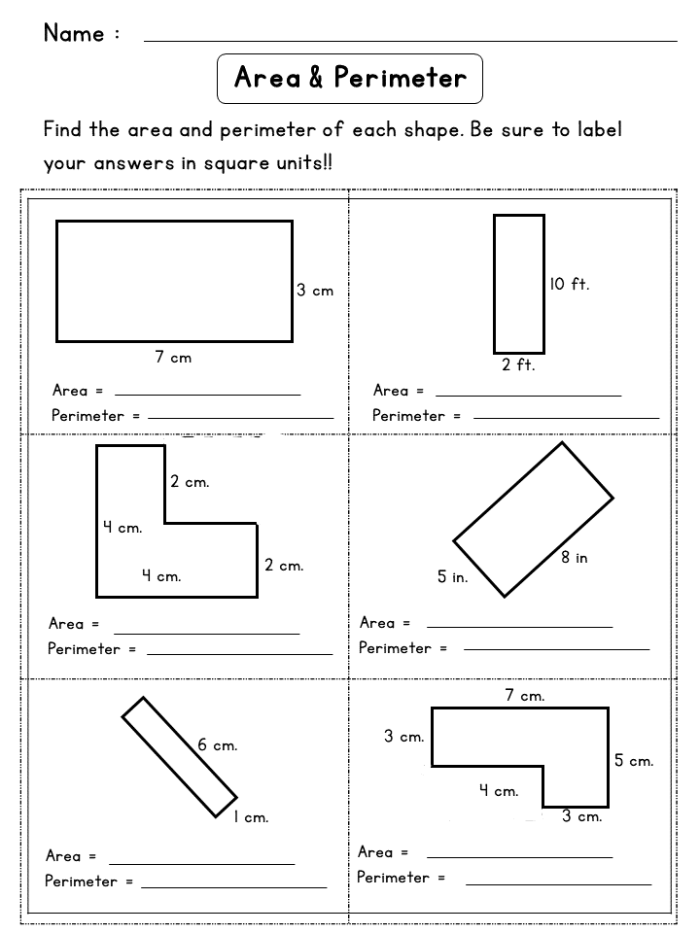
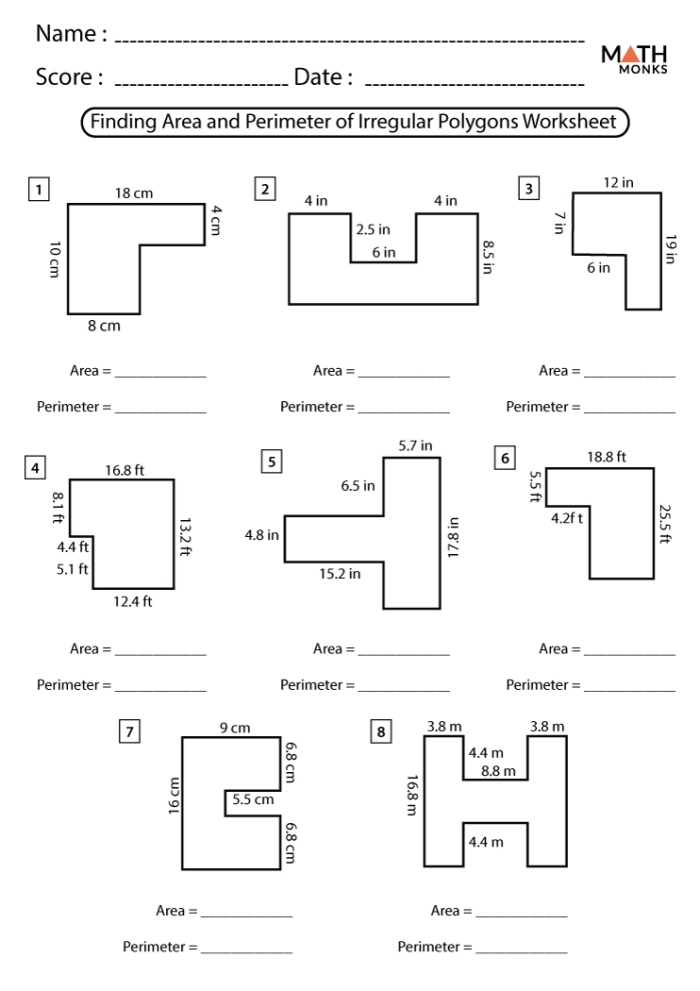
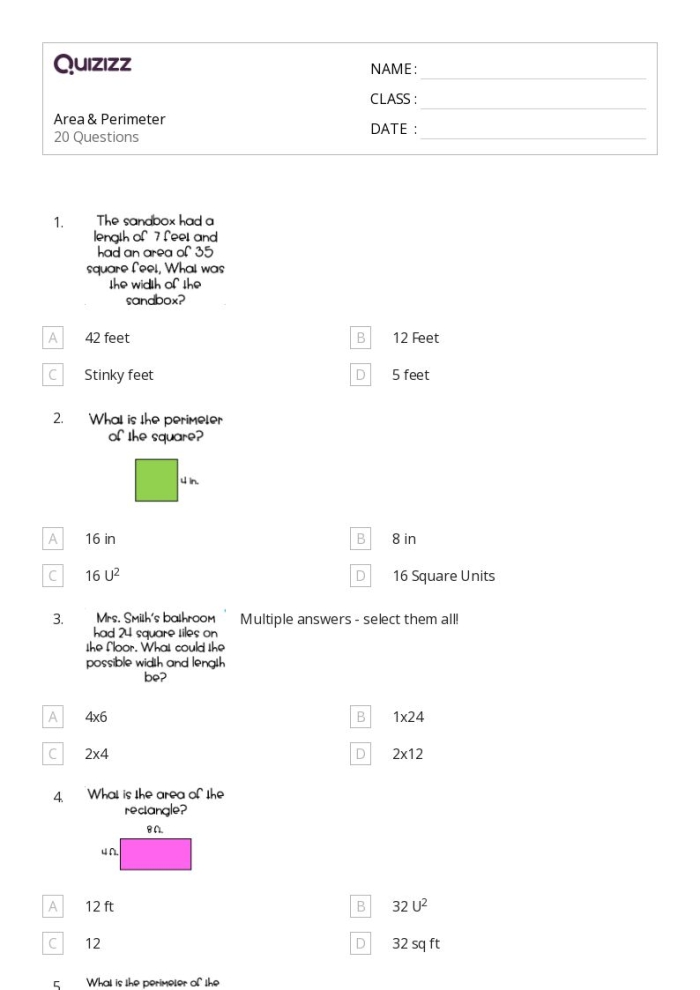
Moreover, these worksheets can be a stepping stone to more complex concepts, such as finding perimeters or working with polygons. By mastering the basics of area calculation, learners are better prepared for future challenges in geometry. Resources like finding the perimeter of rectangles or solving polygon perimeter word problems can further enrich their understanding.
Practice with These Worksheets