Knowing where to place a dash in a sentence transforms how readers experience your writing. A dash creates a pause that shifts attention, emphasizes a point, or adds necessary information mid-thought. For eighth grade students learning phonics and grammar mechanics, mastering this punctuation mark opens up more sophisticated writing techniques.
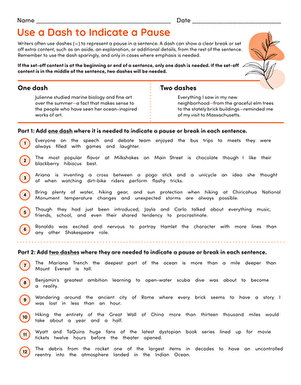
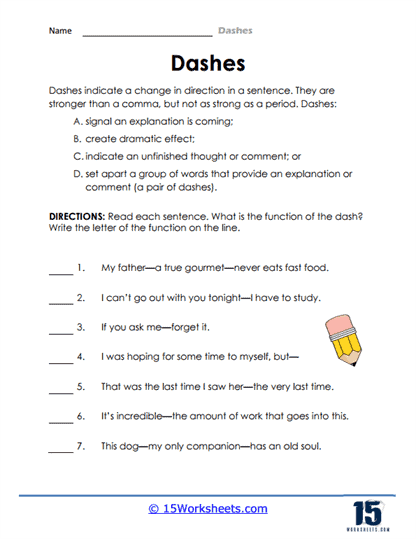
The challenge lies in understanding when to use one dash versus two. A single dash typically appears at the end of a clause to introduce an explanation or create dramatic pause before a final thought. Two dashes, by contrast, work like parentheses to set off information in the middle of a sentence, allowing the reader to pause and absorb details before continuing. Students need practice distinguishing between these two functions because the choice directly affects how a sentence reads aloud and on the page.
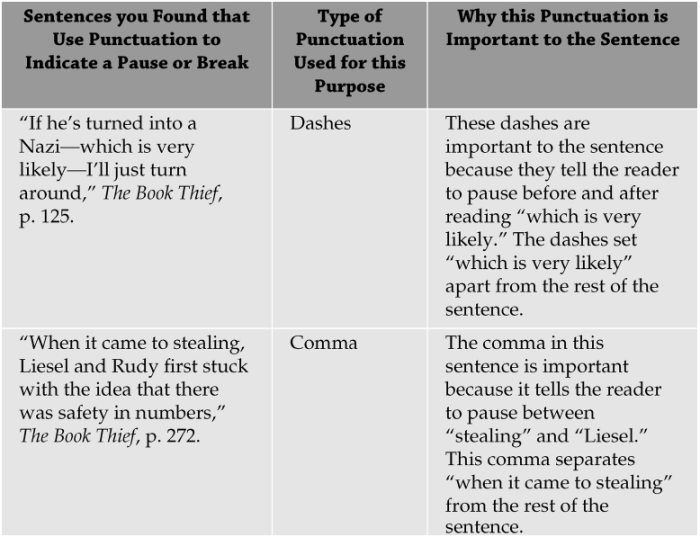
In eighth grade phonics instruction, students benefit from seeing concrete examples. Consider the sentence: “My older brother, the one who plays soccer, just got accepted to college.” Replace those commas with dashes and the emphasis shifts: “My older brother, the one who plays soccer, just got accepted to college.” The dashes make that interrupting phrase feel more deliberate and important. Similarly, a sentence ending with a single dash creates suspense: “She opened the door and found something unexpected, a golden key.” That final pause makes readers lean in.
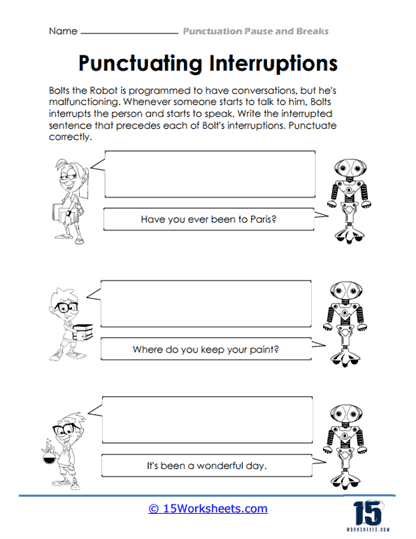
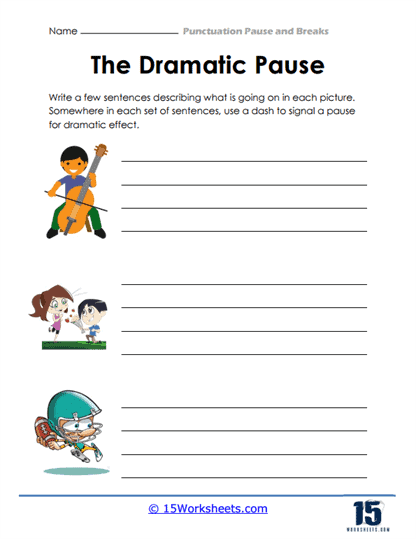
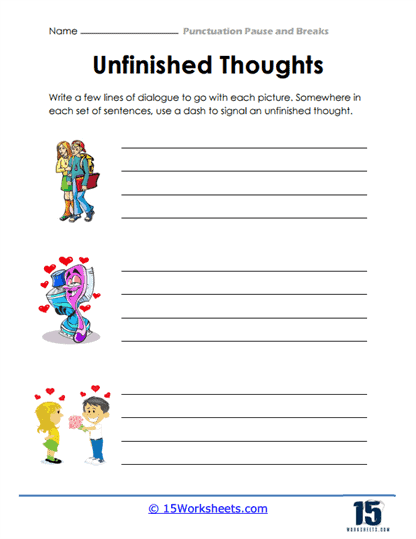
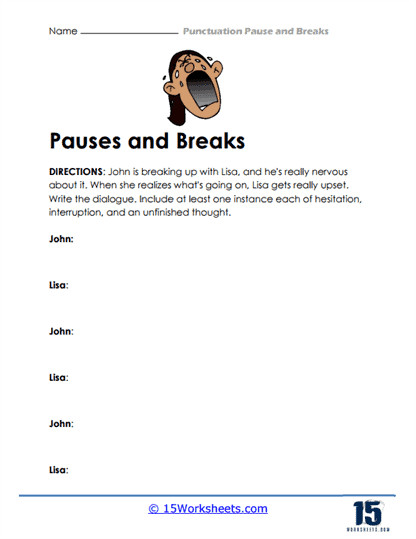
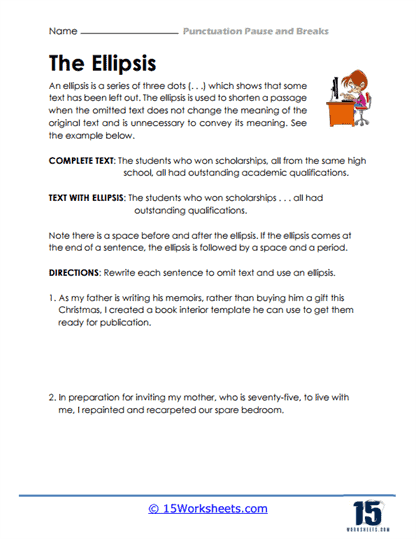
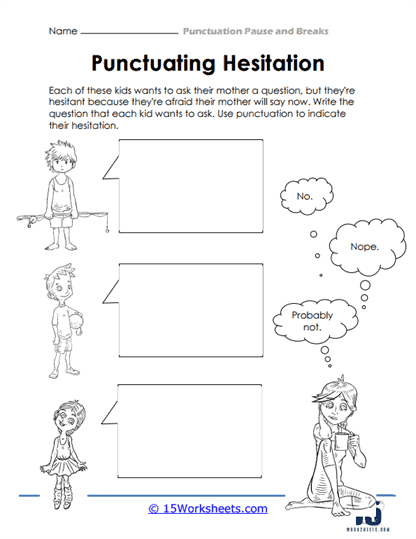
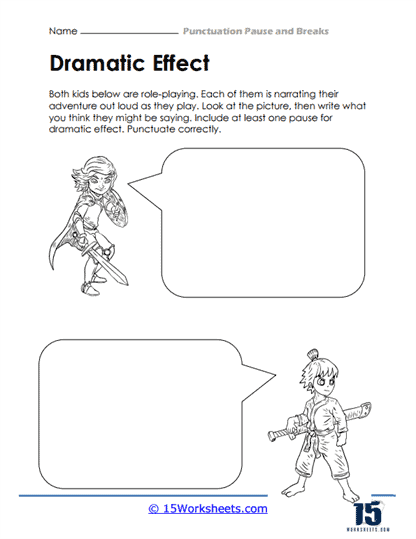
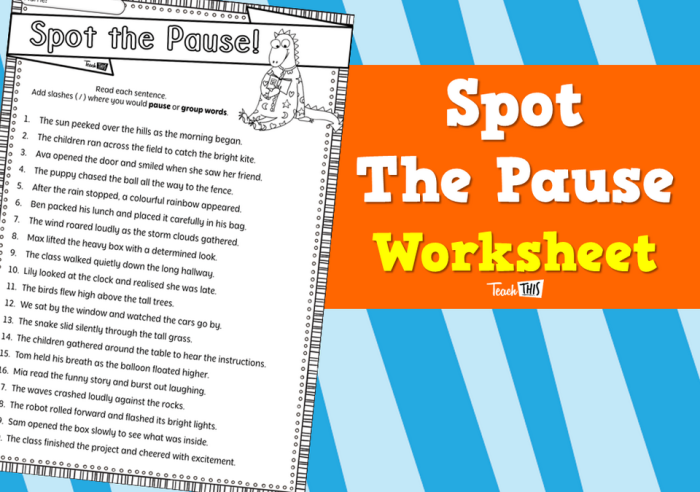
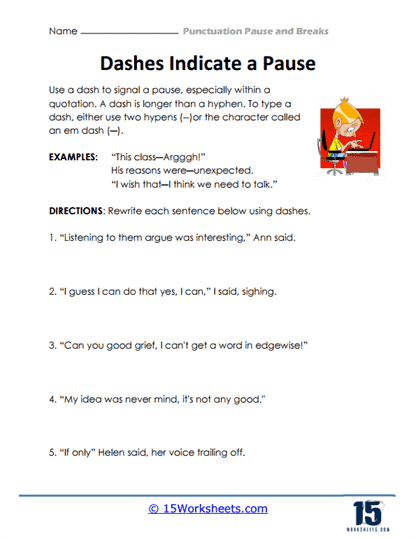
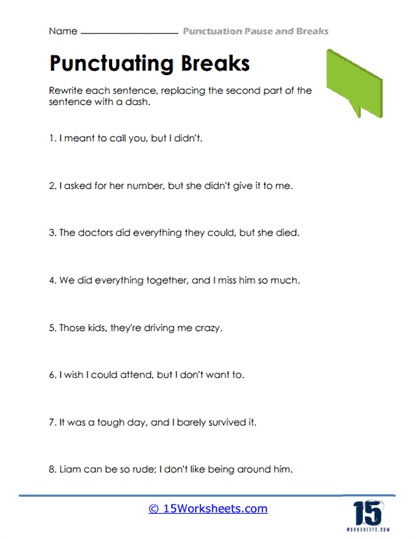
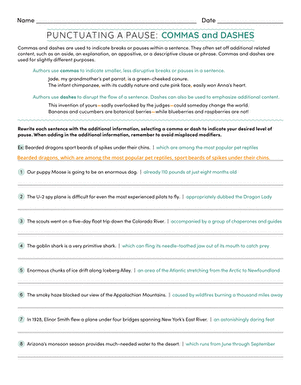
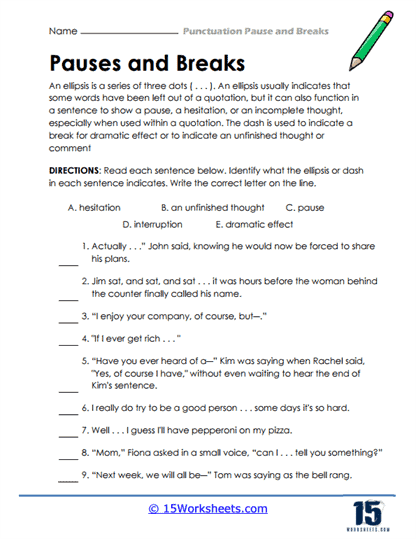
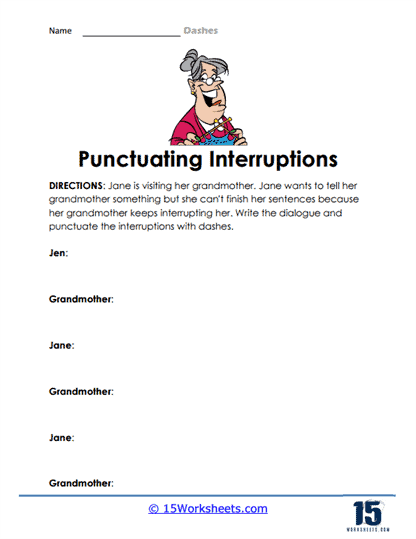
Practice worksheets work best when they provide varied sentence types. Students should encounter sentences where dashes replace commas, where they introduce lists, and where they create dramatic pauses. Working through guided practice exercises helps learners develop intuition about punctuation placement. As students progress, they can apply these skills to their own writing, discovering how dashes add rhythm and clarity to their sentences.
Start Practicing with These Worksheets